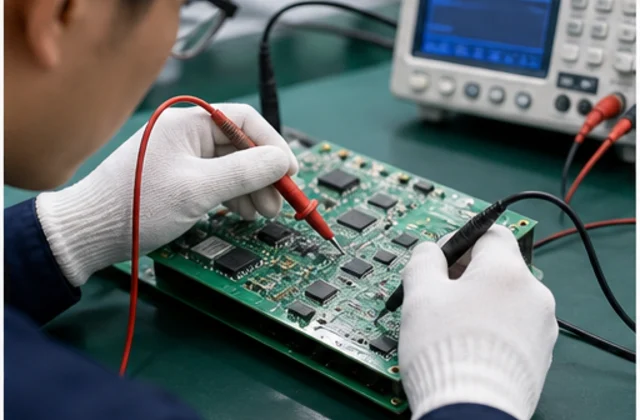
 Functional Inspection
100% tested on professional platforms to ensure stable performance.
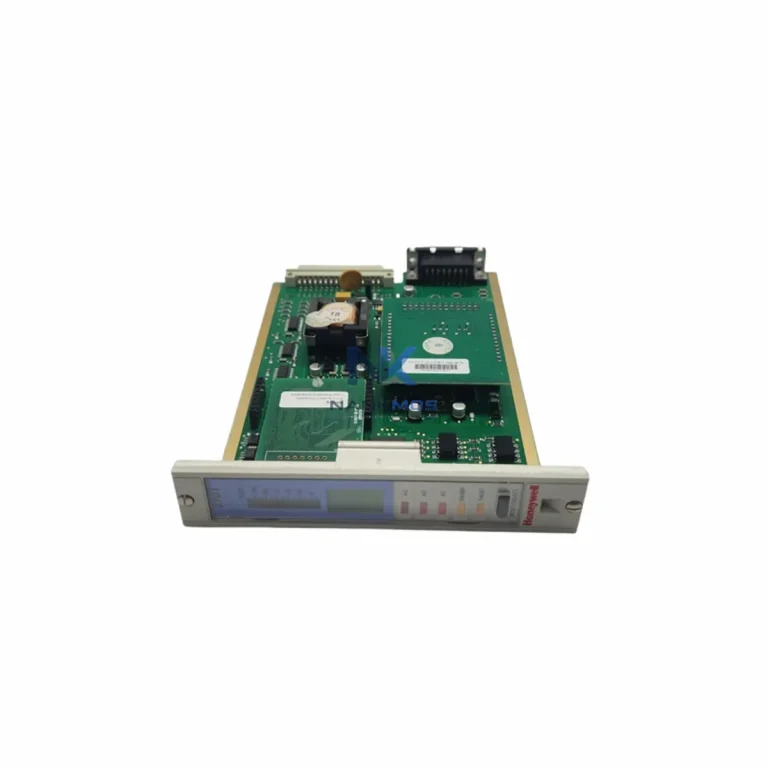
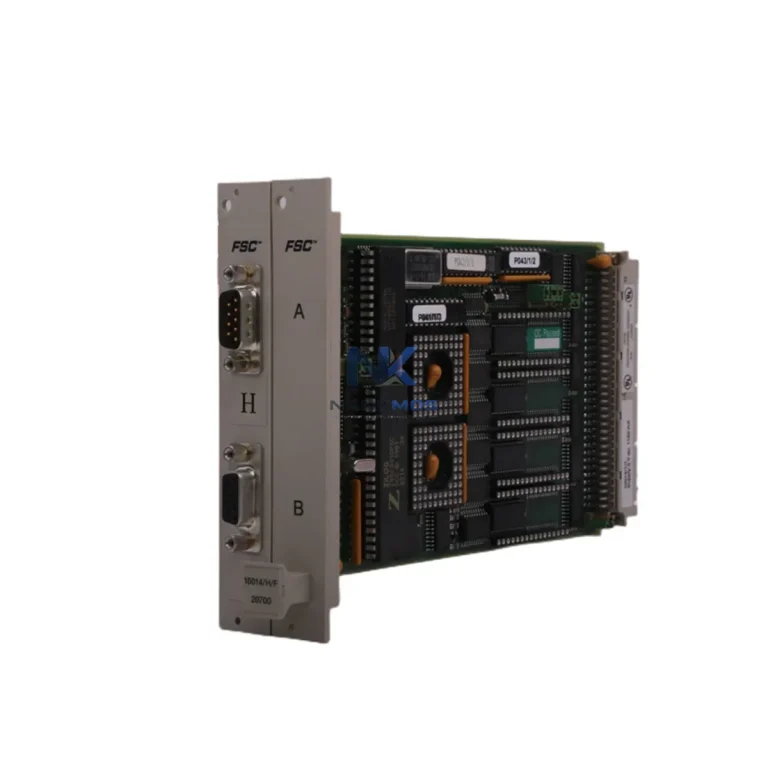
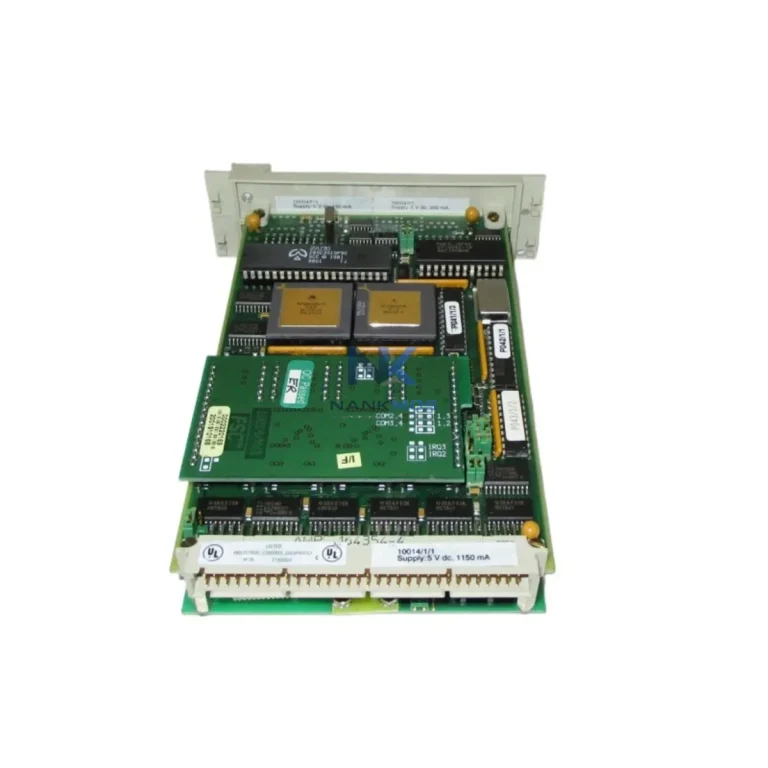
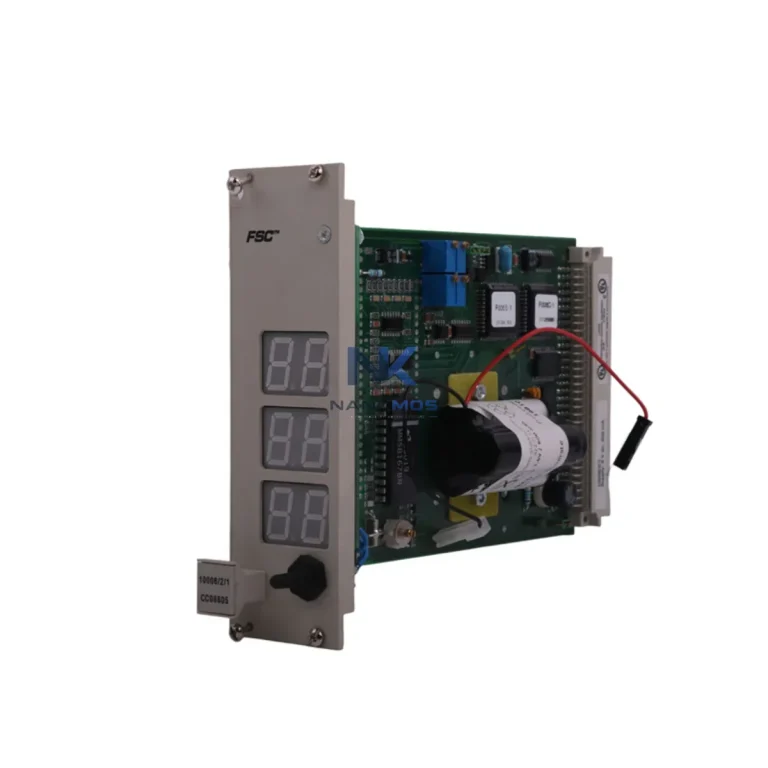
Honeywell MC-TDOR62 51309150-275 is a NANKMOS industrial automation product record Listed under MC- series and Business & Industrial > Automation, Control & Flow Devices > Programmable Logic Controllers. Confirm condition, availability, lead time, compatibility and documentation by email inquiry.
Brand names are used for identification only.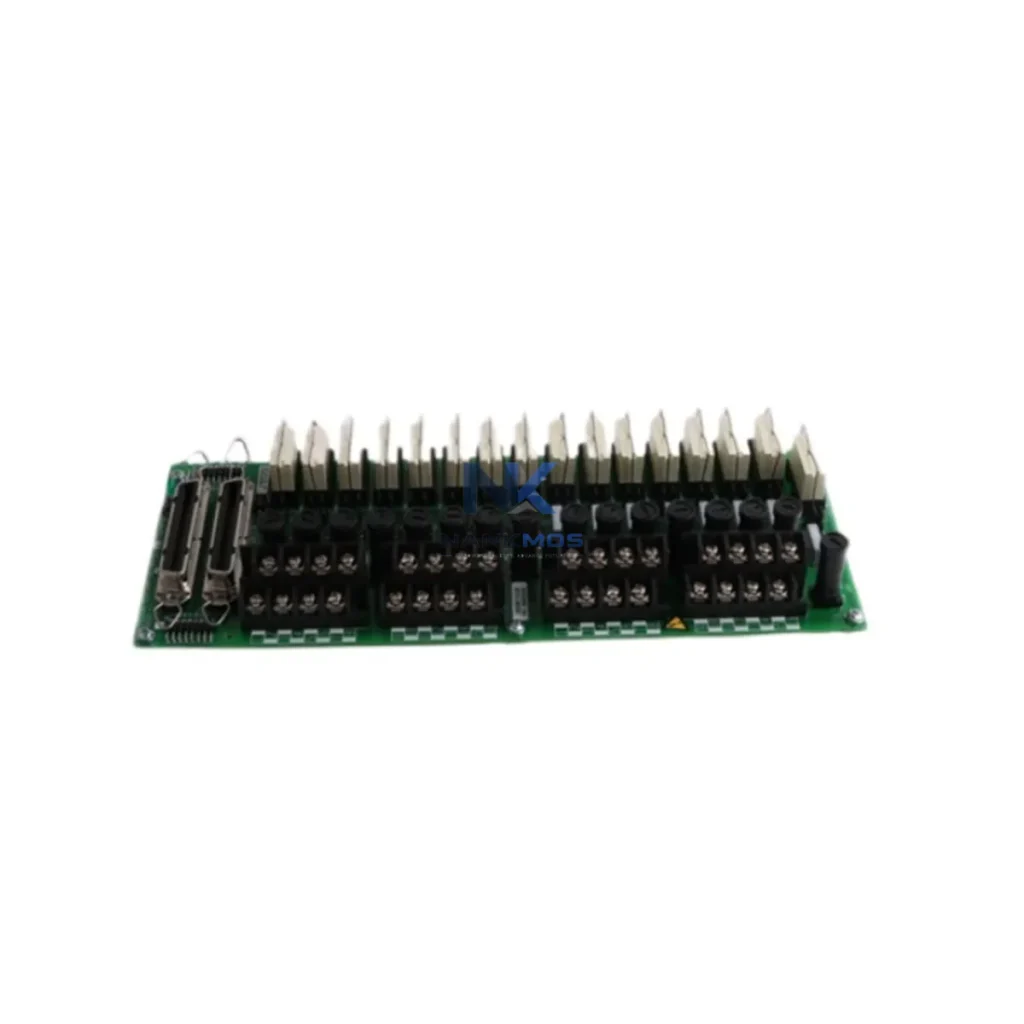
Honeywell MC-TDOR62 51309150-275 is a NANKMOS industrial automation product record Listed under MC- series and Business & Industrial > Automation, Control & Flow Devices > Programmable Logic Controllers. Confirm condition, availability, lead time, compatibility and documentation by email inquiry.
| Manufacturer | Honeywell |
|---|---|
| Application | Controller Processing & System Control |
| Part Number / Model | MC-TDOR62 51309150-275 |
| Compatible System | MC- |
| Series | MC- |
| Condition Options | To Confirm |
| Module Type | Controller / CPU Module |
| Warranty | 12 Months |
| Packaging | Anti-static Bag / Secure Box |
| Shipping Methods | DHL / FedEx / UPS / Air / Sea |
| Availability | To Confirm |
| Lead Time | To Confirm |
| Documentation | Part number and revision checked before quote |
The Honeywell MC-TDOR62 51309150-275 is a field-proven digital output module engineered for the TDC 3000 Distributed Control System (DCS). Designed to deliver deterministic switching control across high-density I/O architectures, this module plays a central role in energy-aware automation strategies — enabling production facilities to reduce unnecessary actuator energization cycles, minimize reactive power draw, and maintain tightly regulated load sequencing across multi-zone process lines.
In modern industrial environments where energy efficiency is a measurable KPI, the MC-TDOR62 51309150-275 provides the output-side precision that upstream controllers depend on. Whether coordinating with the Honeywell TDC 3000 High-Performance Process Manager (HPM) or interfacing with field-level actuators, solenoids, and motor starters, this module ensures that every switching event is executed with the timing accuracy required to prevent energy spikes, reduce thermal stress on downstream equipment, and support predictive maintenance cycles.
The MC-TDOR62 51309150-275 does not operate in isolation — its energy-control value is realized through tight integration with the broader TDC 3000 control architecture. At the controller level, the Honeywell HPM (High-Performance Process Manager) issues output commands based on real-time process variables, ensuring that field devices are energized only when process conditions demand it. This demand-driven switching model is fundamental to reducing idle-state energy consumption across large-scale process plants.
On the network side, the module communicates over the Universal Control Network (UCN), which provides deterministic, high-speed data exchange between the HPM and I/O subsystems. This low-latency communication backbone ensures that output state changes are executed within the control scan cycle, preventing the energy-wasting condition of prolonged actuator hold-on caused by delayed command delivery.
For facilities integrating energy monitoring into their control strategy, the MC-TDOR62 works alongside Honeywell power monitoring modules and third-party power quality analyzers connected via the Data Hiway (DH) or Modbus RTU gateways. These systems provide real-time feedback on load current, power factor, and harmonic distortion — data that the TDC 3000 Application Module (AM) can use to trigger load-shedding sequences or stagger motor start commands, reducing peak demand charges.
In motor control applications, the digital outputs from the MC-TDOR62 drive motor control center (MCC) contactors and interface with variable frequency drives (VFDs) such as the Honeywell SmartVFD or compatible third-party drives. By coordinating start/stop commands with VFD enable signals, the system avoids across-the-line starting events that generate significant inrush current and thermal stress on both the motor and the supply infrastructure.
The module also integrates with Honeywell HMI stations (GUS — Global User Station), where operators can monitor output channel states, acknowledge alarms, and execute manual override sequences without disrupting the automated energy management logic running in the HPM. This operator visibility layer is critical for maintaining energy discipline during shift transitions and planned maintenance windows.
For servo and precision motion applications adjacent to the DCS boundary, the MC-TDOR62 provides enable/disable signals to servo drive enable inputs, ensuring that servo axes are de-energized during idle production segments — a straightforward but often overlooked source of continuous energy draw in mixed-automation environments.
Production line energy optimization is not achieved through a single component — it is the result of coordinated control logic, accurate output execution, and real-time feedback. The MC-TDOR62 51309150-275 contributes to this outcome at the field interface layer, where control decisions are translated into physical switching actions.
In batch processing and continuous process plants, unnecessary actuator energization is one of the most common sources of avoidable energy consumption. Solenoid valves left energized during process holds, pump motors running at full speed during low-demand periods, and heating elements cycling inefficiently all contribute to elevated energy costs. The MC-TDOR62, executing output commands from the TDC 3000 HPM, ensures that these field devices respond precisely to process state — energized when needed, de-energized when not.
Load sequencing is another area where the module delivers measurable efficiency gains. By staggering the startup of high-inrush loads — compressors, large pumps, agitators — across multiple output channels, the TDC 3000 control strategy can flatten the demand curve and reduce peak kW draw. This directly reduces electricity costs in facilities subject to demand-based tariffs.
Thermal load management is equally important. Every unnecessary switching event generates heat in field wiring, terminal blocks, and actuator coils. The MC-TDOR62's low-leakage output design minimizes resistive heating in the output circuit, reducing the thermal burden on control panel enclosures and extending the service life of field devices. Lower cabinet temperatures also reduce the runtime requirements of panel cooling systems — a secondary but meaningful energy saving.
From a predictive maintenance perspective, the module's deterministic output behavior provides a stable baseline for condition monitoring. When output response times or actuator feedback signals deviate from established norms — detectable through the TDC 3000's Application Module (AM) historian and alarm management functions — maintenance teams can identify developing faults before they cause unplanned downtime. Preventing a single unplanned shutdown on a continuous process line typically saves more energy than weeks of incremental efficiency improvements.
All units supplied by NANKMOS undergo outgoing functional testing prior to shipment, verifying channel-by-channel output integrity under simulated load conditions. This pre-shipment validation ensures that the module performs to specification from the first scan cycle, eliminating the energy and productivity losses associated with commissioning failures caused by latent hardware defects.
Q1: What energy efficiency benefits does the MC-TDOR62 51309150-275 provide in a TDC 3000 system? The module enables demand-driven output switching, eliminating unnecessary actuator hold-on cycles and supporting load-shedding logic within the HPM control strategy. When integrated with power monitoring feedback, it allows the TDC 3000 to execute energy-aware sequencing that reduces peak demand and lowers overall facility energy consumption.
Q2: Is the MC-TDOR62 compatible with third-party VFDs and motor control systems? Yes. The module's 24 VDC digital outputs are compatible with standard VFD enable/run inputs and MCC control circuits. It can be used to coordinate start/stop commands with variable frequency drives, soft starters, and motor protection relays, supporting energy-efficient motor management strategies across the production line.
Q3: What is the replacement and testing process for this module? NANKMOS supplies the MC-TDOR62 51309150-275 from verified inventory. Each unit undergoes outgoing functional testing covering all output channels before shipment. Drop-in replacement is supported within the TDC 3000 I/O subsystem without requiring system reconfiguration, minimizing downtime during module swap-out.
Q4: What warranty coverage is provided, and what does it include? All MC-TDOR62 51309150-275 units supplied by NANKMOS are covered by a 12-Month Warranty from the date of shipment. The warranty covers hardware defects and functional failures under normal operating conditions. NANKMOS maintains stock availability to support rapid warranty replacements, minimizing production disruption in the event of a covered failure.
Functional Inspection100% tested on professional platforms to ensure stable performance.
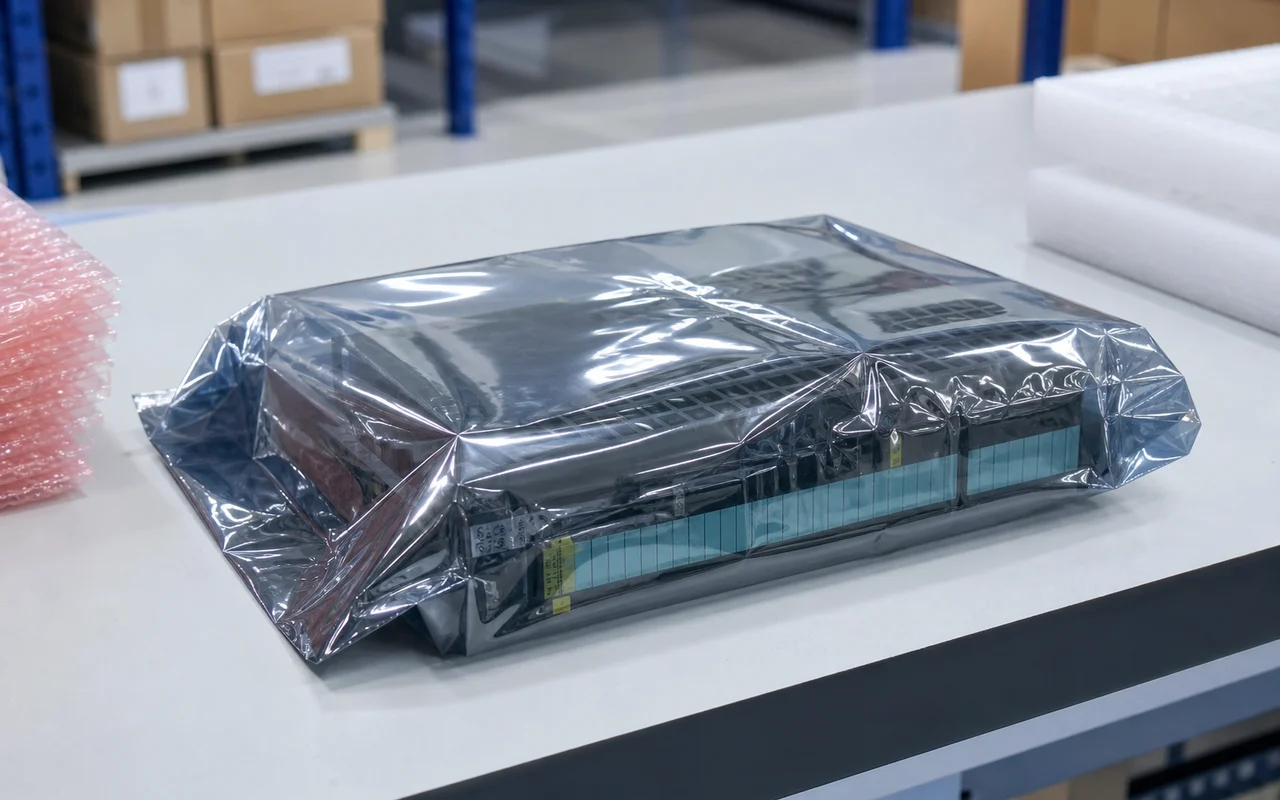 Anti-static Packaging
Modules are packed in anti-static bags to prevent electrostatic damage.
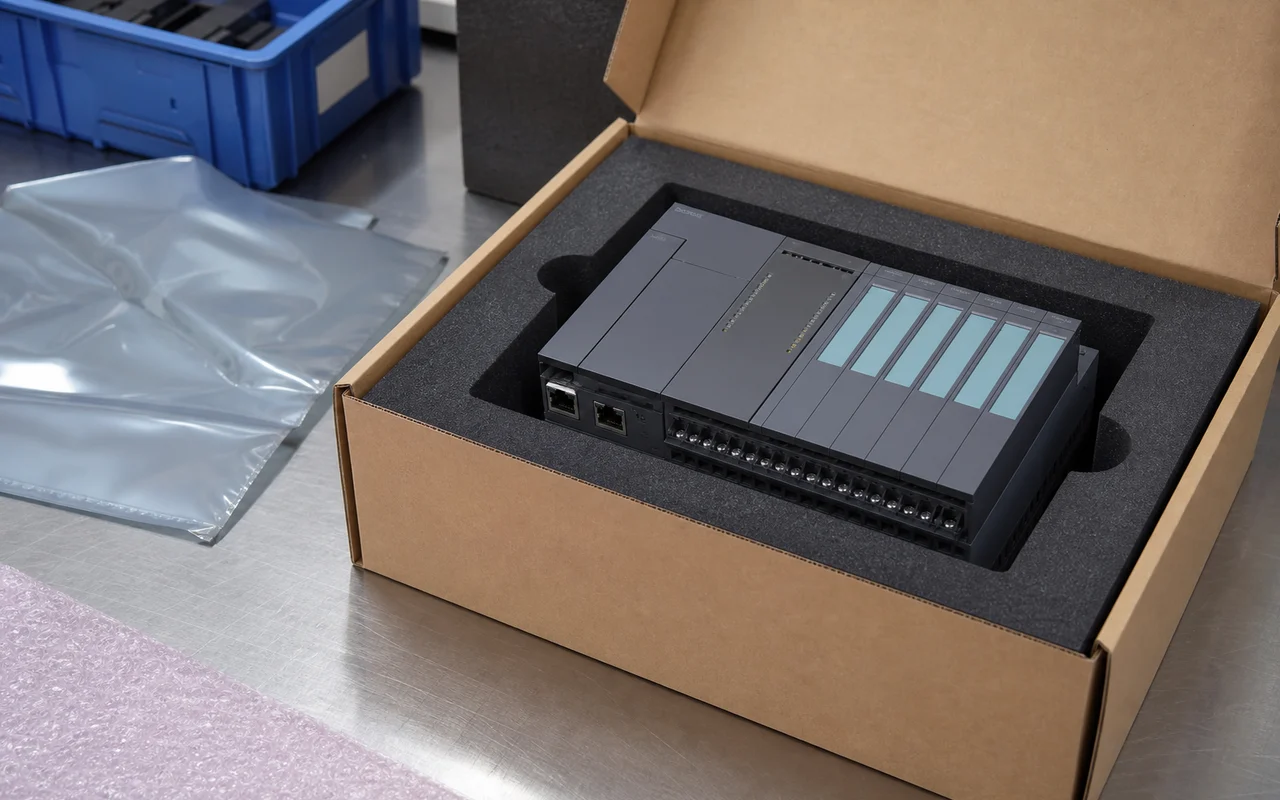 Secure Export Packing
Cushion protection and strong cartons ensure safe transportation.
 Worldwide Shipping
Global logistics network supports air, sea and express delivery.
 Documentation Check
Part number, revision and compatibility verified before shipment.
 After-sales Support
Professional technical support to help resolve your issues.