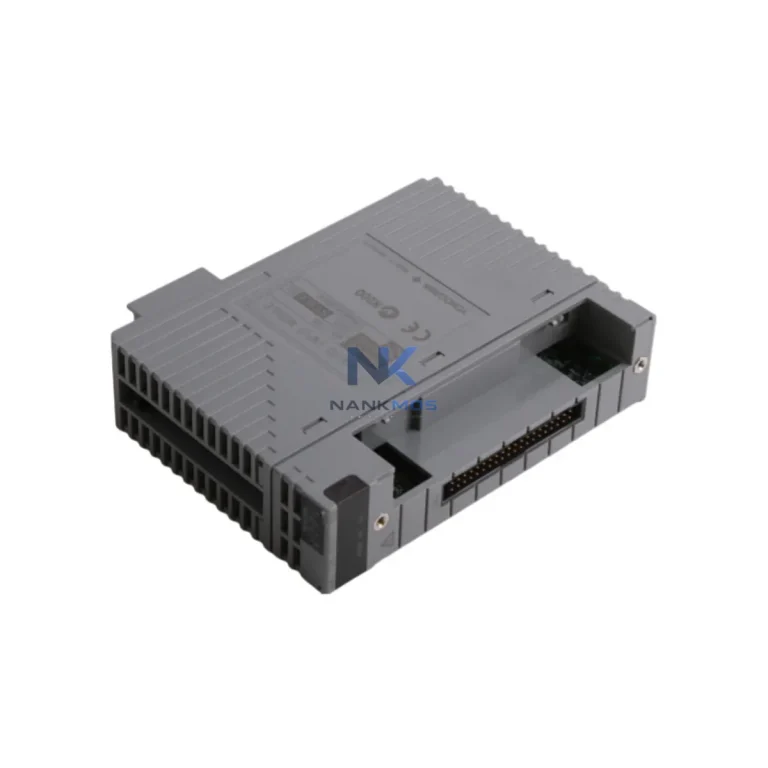
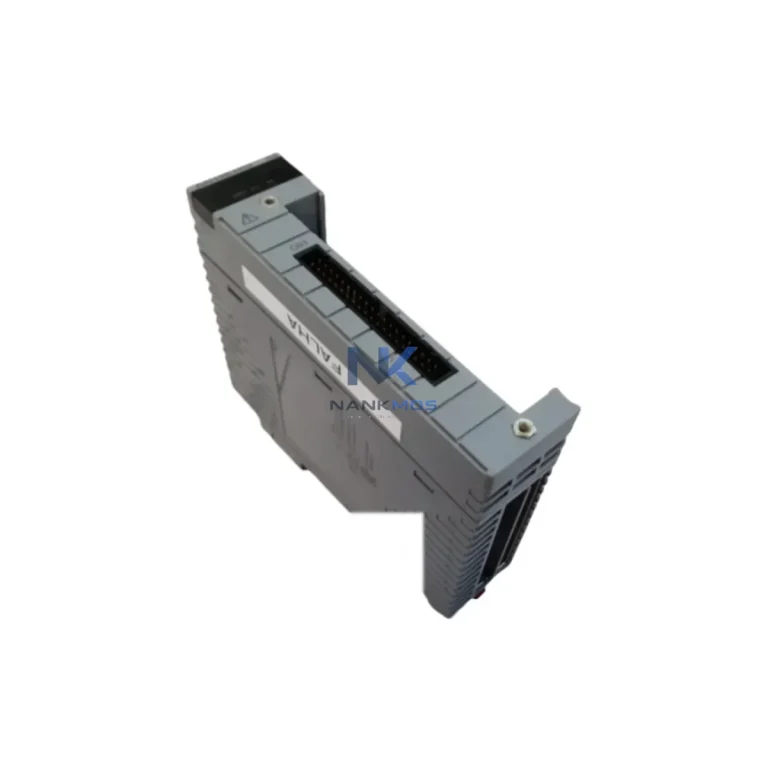
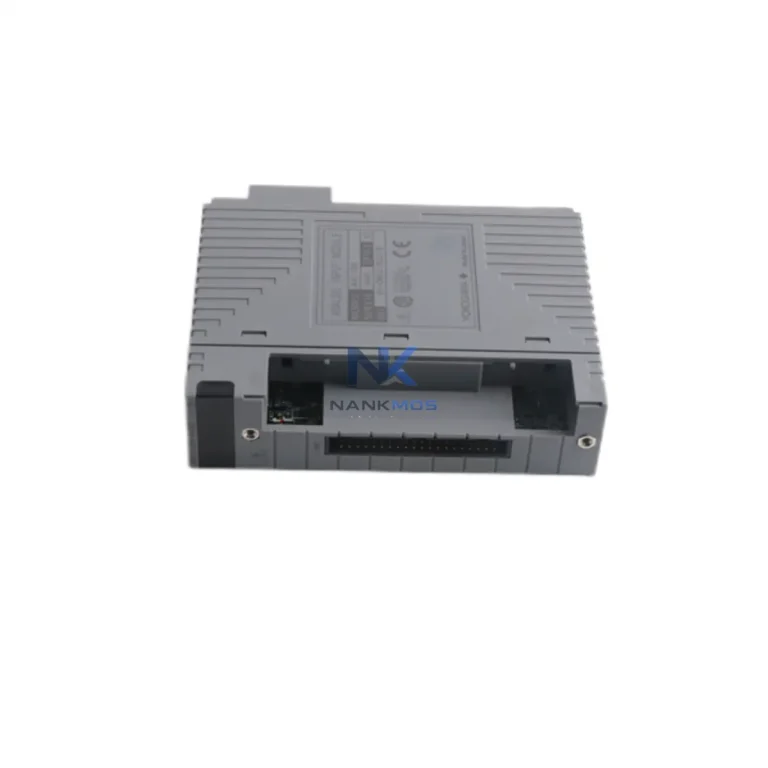
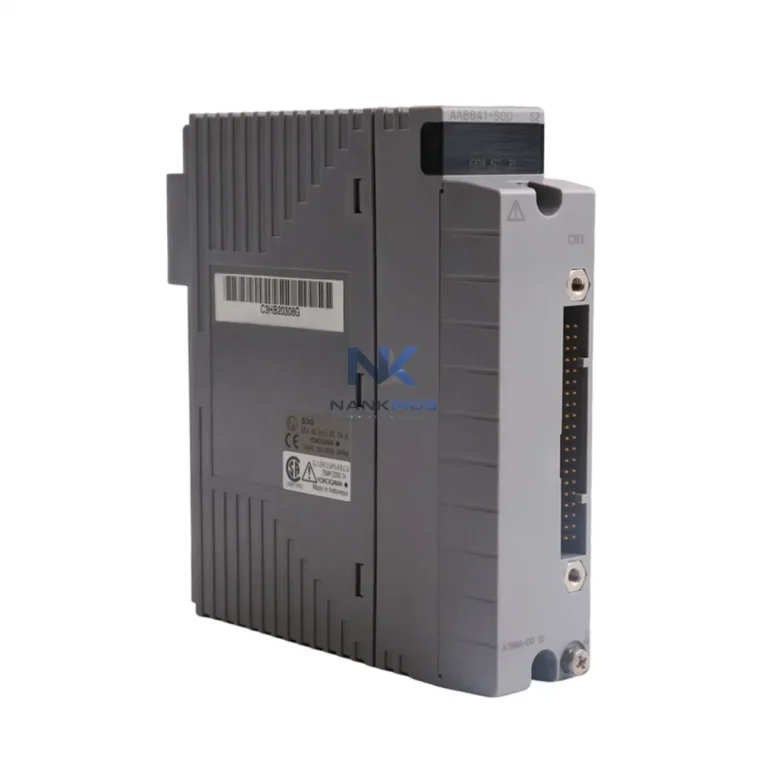
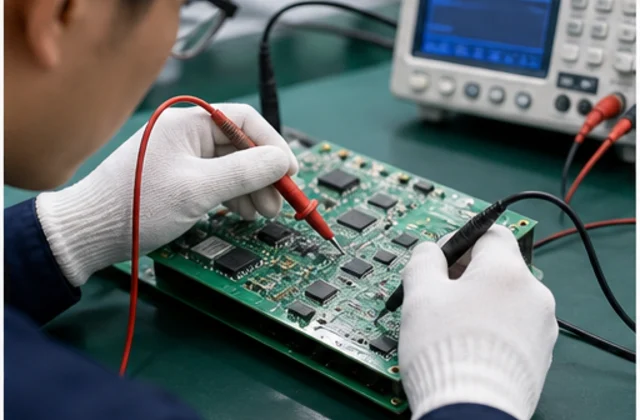
 Functional Inspection
100% tested on professional platforms to ensure stable performance.
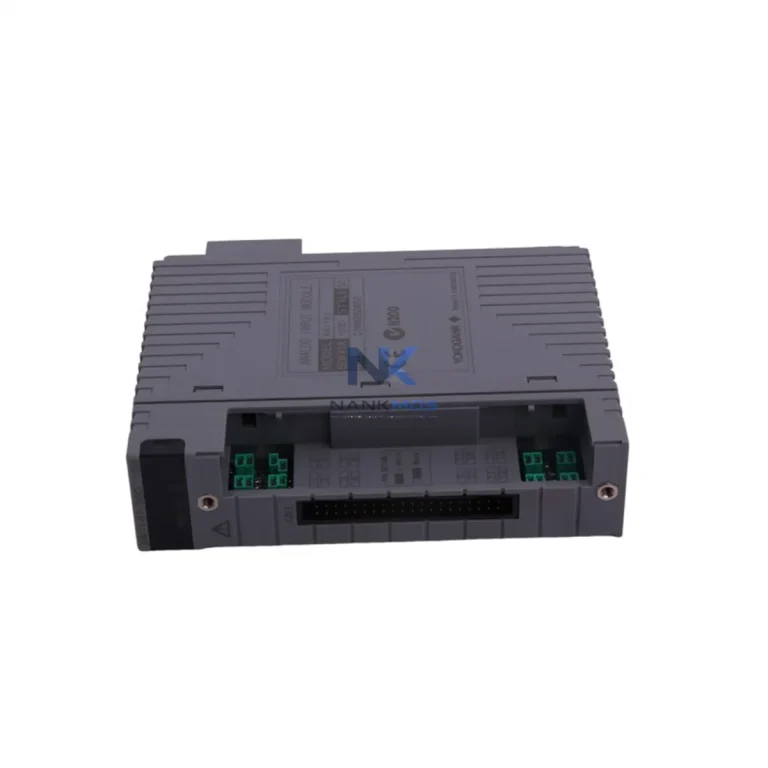
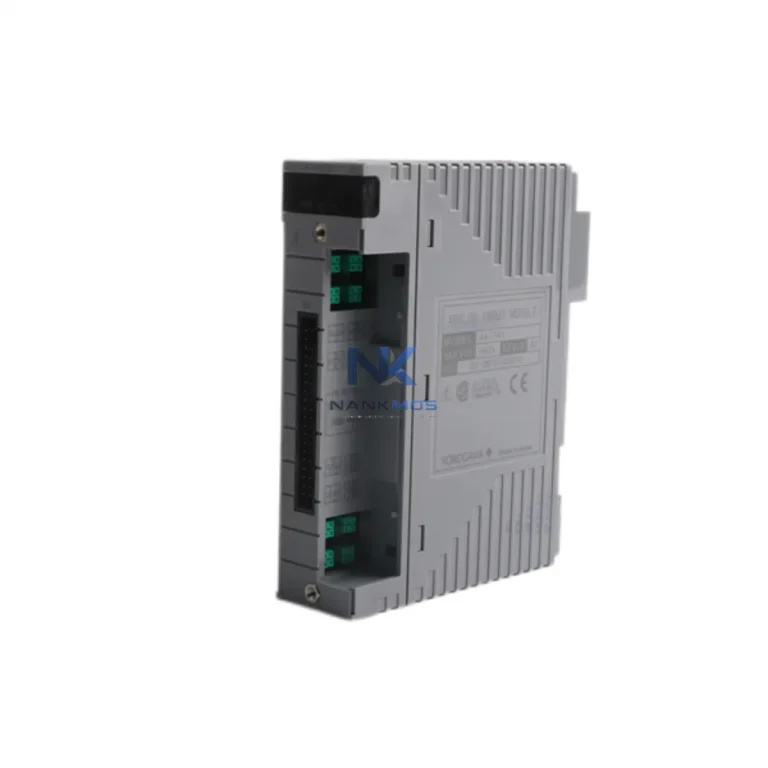
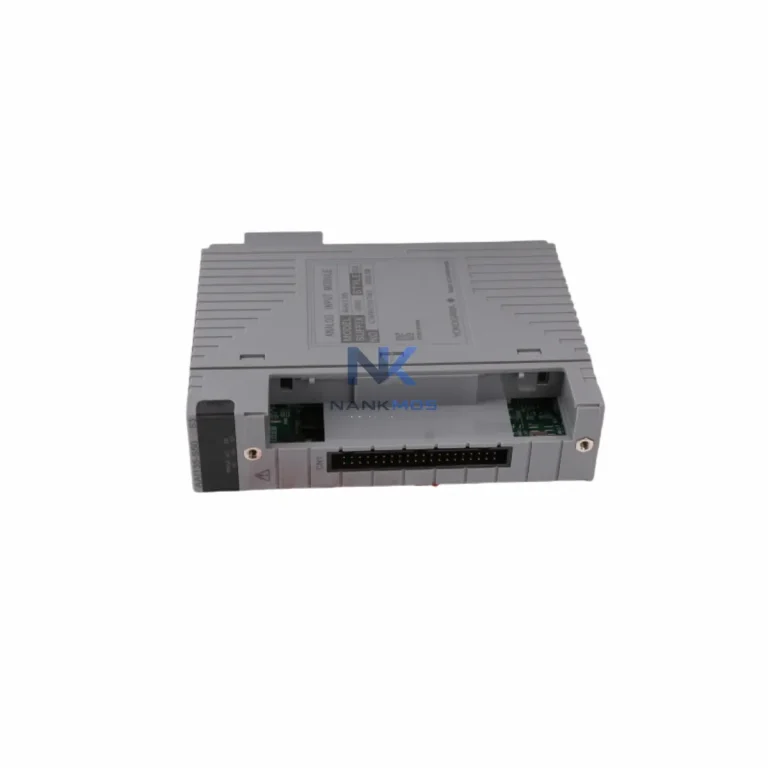
Yokogawa AAM50 is a NANKMOS industrial automation product record Listed under CENTUM VP series and Business & Industrial > Automation, Control & Flow Devices > Programmable Logic Controllers. Confirm condition, availability, lead time, compatibility and documentation by email inquiry.
Brand names are used for identification only.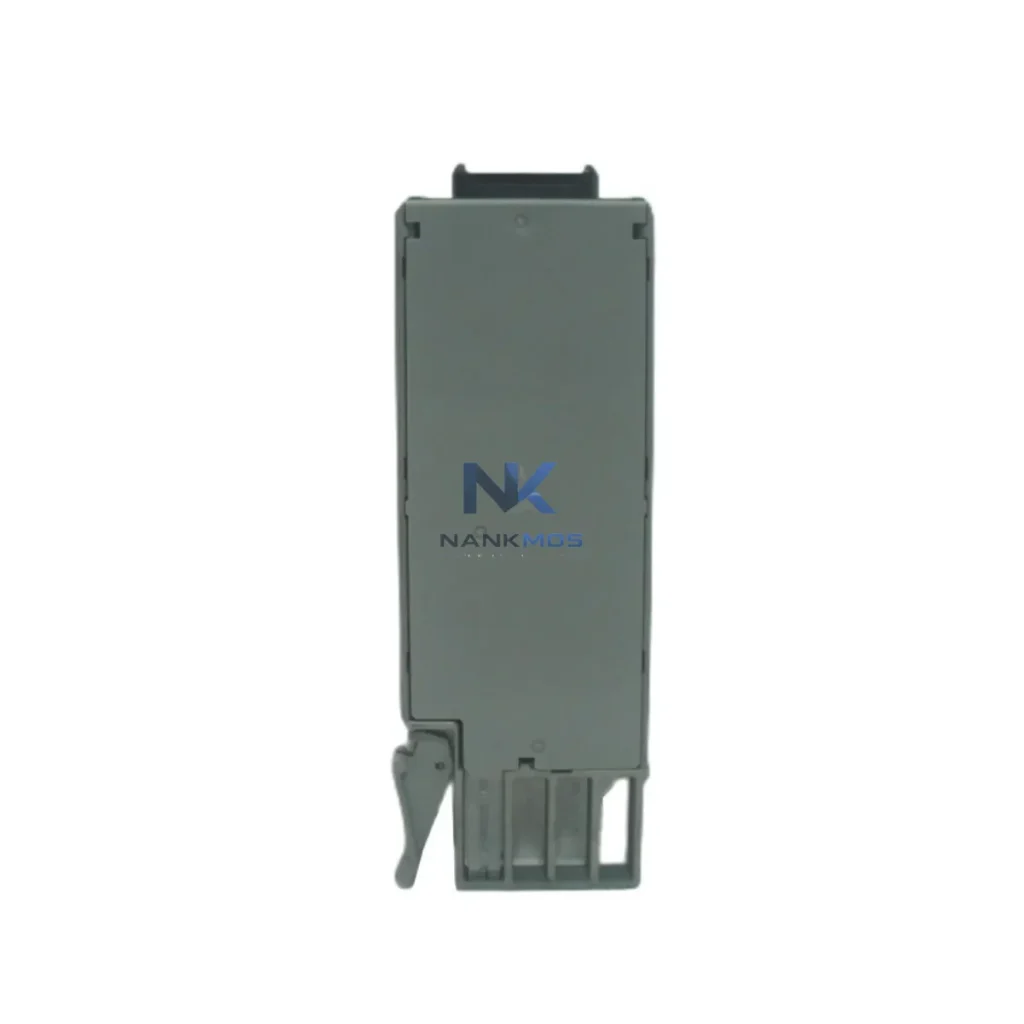
Yokogawa AAM50 is a NANKMOS industrial automation product record Listed under CENTUM VP series and Business & Industrial > Automation, Control & Flow Devices > Programmable Logic Controllers. Confirm condition, availability, lead time, compatibility and documentation by email inquiry.
| Manufacturer | Yokogawa |
|---|---|
| Application | Controller Processing & System Control |
| Part Number / Model | AAM50 |
| Compatible System | CENTUM VP |
| Series | CENTUM VP |
| Condition Options | To Confirm |
| Module Type | Controller / CPU Module |
| Warranty | 12 Months |
| Packaging | Anti-static Bag / Secure Box |
| Shipping Methods | DHL / FedEx / UPS / Air / Sea |
| Availability | To Confirm |
| Lead Time | To Confirm |
| Documentation | Part number and revision checked before quote |
The Yokogawa AAM50 is a high-precision 4-20mA analog output module engineered for the CENTUM VP Distributed Control System (DCS), one of the most widely deployed process automation platforms in the global industrial sector. Designed to bridge the gap between digital control logic and field-level actuators, the AAM50 delivers stable, low-latency analog signal output across demanding environments including oil and gas, chemical processing, power generation, water treatment, and advanced manufacturing. As smart factories increasingly demand seamless data continuity from sensor to cloud, the AAM50 serves as a critical node in the industrial data chain—converting digital setpoints from the CENTUM VP controller into precise analog commands that drive control valves, variable frequency drives (VFDs), and other final control elements.
In a connected factory architecture, the AAM50 does not operate in isolation. It functions as part of a tightly integrated data flow that begins at the field device level—where sensors, transmitters, and analyzers feed real-time process values into the CENTUM VP I/O subsystem—and extends upward through the control network to SCADA platforms, historian servers, and enterprise MES systems. The AAM50's output signals are generated in direct response to control algorithms executed within the CENTUM VP FCS (Field Control Station), ensuring that every analog command reflects the latest process state with minimal delay. This tight coupling between digital computation and analog actuation is what enables closed-loop control strategies such as PID regulation, cascade control, and feedforward compensation to perform reliably at scale.
Understanding the AAM50's role requires tracing the full data path of a modern smart factory. At the field level, process sensors—such as Yokogawa EJA-series differential pressure transmitters and YTA-series temperature transmitters—continuously measure variables like flow, pressure, temperature, and level. These measurements are transmitted via HART or FOUNDATION Fieldbus protocols to the CENTUM VP I/O subsystem, where analog input modules such as the AAI141 or AAI543 digitize the signals and pass them to the Field Control Station (FCS) over the high-speed Vnet/IP Ethernet control network.
Within the FCS, control function blocks process the incoming data and generate output commands. These commands are routed to the AAM50 analog output module, which converts them back into 4-20mA signals to drive downstream actuators. A typical data chain might include a Yokogawa YVP110 valve positioner receiving the AAM50's 4-20mA output to precisely regulate a control valve, or a Yaskawa or ABB variable frequency drive (VFD) accepting the analog command to modulate pump or fan speed. In parallel, the HART communication layer embedded in the AAM50 output loop allows the CENTUM VP system—or a connected Yokogawa PRM (Plant Resource Manager) asset management platform—to perform remote diagnostics on the connected field device without interrupting the control signal.
At the supervisory level, the CENTUM VP HIS (Human Interface Station) provides operators with real-time visualization of all analog output values, trend data, and alarm states. This data is simultaneously forwarded to the plant's SCADA system or historian—such as OSIsoft PI or Yokogawa Exaquantum—where long-term process data is stored and analyzed. Remote I/O nodes, including Yokogawa RIO (Remote I/O) units deployed in field junction boxes, extend the reach of the CENTUM VP system across large plant footprints, with the AAM50 or equivalent output modules installed at each remote node to maintain local actuation capability. Edge gateway devices, such as the Yokogawa OpreX Field Device Advisor or third-party IIoT gateways, can further aggregate data from multiple CENTUM VP nodes and publish it to cloud analytics platforms via MQTT or OPC-UA, enabling plant-wide data visualization and predictive maintenance workflows.
Industrial Ethernet switches—such as those from the Hirschmann or Moxa managed switch families—form the backbone of the Vnet/IP network, ensuring deterministic, low-latency communication between FCS nodes, HIS workstations, and engineering stations. Redundant network topologies, supported by the CENTUM VP architecture, guarantee that a single switch or cable failure does not interrupt control operations. The AAM50 benefits directly from this network resilience, as its output commands are always sourced from an active FCS node, even during controller failover events.
Many industrial sites face persistent challenges that undermine operational efficiency: protocol fragmentation between legacy field devices and modern DCS platforms, data silos that prevent SCADA systems from accessing real-time actuator states, and limited remote diagnostic capability that forces maintenance teams to perform on-site inspections for routine checks. The Yokogawa AAM50, deployed within the CENTUM VP ecosystem, directly addresses these pain points.
Protocol unification is achieved through the AAM50's HART-transparent output design, which allows the CENTUM VP system to communicate with HART-enabled field devices over the same 4-20mA loop used for control. This eliminates the need for separate HART multiplexers or protocol converters in many applications, reducing wiring complexity and potential failure points. For sites integrating legacy pneumatic or electronic controllers alongside the CENTUM VP DCS, the AAM50's precise analog output ensures backward compatibility with existing actuator infrastructure, protecting capital investment while enabling a phased migration to fully digital control.
Data transparency across the production line is enhanced by the CENTUM VP's continuous monitoring of AAM50 output values, loop integrity, and hardware diagnostics. Any deviation from expected output—whether caused by a wiring fault, actuator failure, or module hardware issue—triggers an alarm at the HIS and, if configured, sends a notification to the plant's alarm management system or SCADA dashboard. This closed-loop alarm feedback mechanism reduces mean time to repair (MTTR) and supports regulatory compliance in industries with strict process safety requirements. Remote diagnostics via HART further allow instrument engineers to verify actuator calibration, check device health, and adjust configuration parameters from the control room, eliminating unnecessary field visits and reducing maintenance costs.
System scalability is a core strength of the CENTUM VP platform. As production capacity expands, additional AAM50 modules can be added to existing I/O units or new remote I/O nodes can be commissioned without redesigning the control network. The modular architecture supports incremental investment, allowing plant engineers to scale analog output capacity in direct proportion to process expansion requirements.
Q1: Does the Yokogawa AAM50 support HART communication for remote diagnostics? Yes. The AAM50 is designed to operate within HART-compatible 4-20mA loops, enabling the CENTUM VP system or a connected asset management platform such as Yokogawa PRM to perform remote device diagnostics, calibration verification, and configuration changes on connected HART field devices without interrupting the analog control signal. This capability significantly reduces the need for on-site maintenance visits and supports predictive maintenance strategies.
Q2: What is the communication latency between the CENTUM VP FCS and the AAM50 output? The CENTUM VP system uses a high-speed Vnet/IP Ethernet control network with deterministic scan cycles, typically in the range of 100ms to 500ms depending on system configuration. The AAM50 responds to updated output commands within the FCS scan cycle, ensuring that analog output values track control algorithm setpoints with minimal lag. For time-critical applications, the FCS scan period can be optimized to reduce end-to-end latency from digital setpoint to analog field signal.
Q3: Is the AAM50 compatible with third-party SCADA systems and OPC-UA data integration? Yes. The CENTUM VP platform supports OPC-DA and OPC-UA server interfaces, allowing third-party SCADA systems, MES platforms, and IIoT data aggregators to read and write process data—including AAM50 output values and diagnostics—in real time. This open connectivity ensures that the AAM50 can be integrated into multi-vendor automation architectures without proprietary middleware, supporting plant-wide data visibility and cross-system analytics.
Q4: What warranty and pre-shipment testing does the AAM50 include? All Yokogawa AAM50 modules supplied by NANKMOS are covered by a 12-Month Warranty and undergo pre-shipment functional testing to verify output accuracy, channel isolation, and communication integrity. Inventory is maintained in verified stock with documented traceability, ensuring rapid order fulfillment and minimizing project schedule risk. For volume orders or urgent requirements, please contact our team directly for lead time confirmation and technical support.
Functional Inspection100% tested on professional platforms to ensure stable performance.
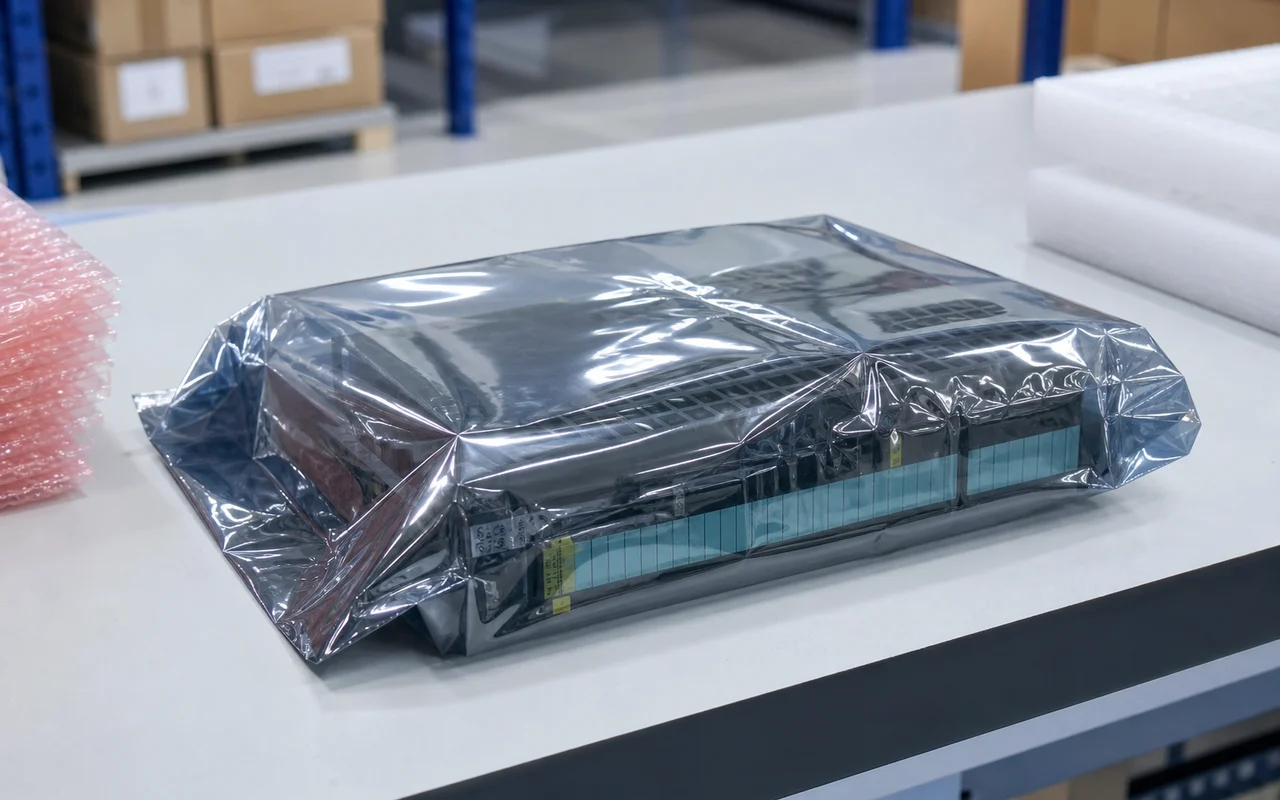 Anti-static Packaging
Modules are packed in anti-static bags to prevent electrostatic damage.
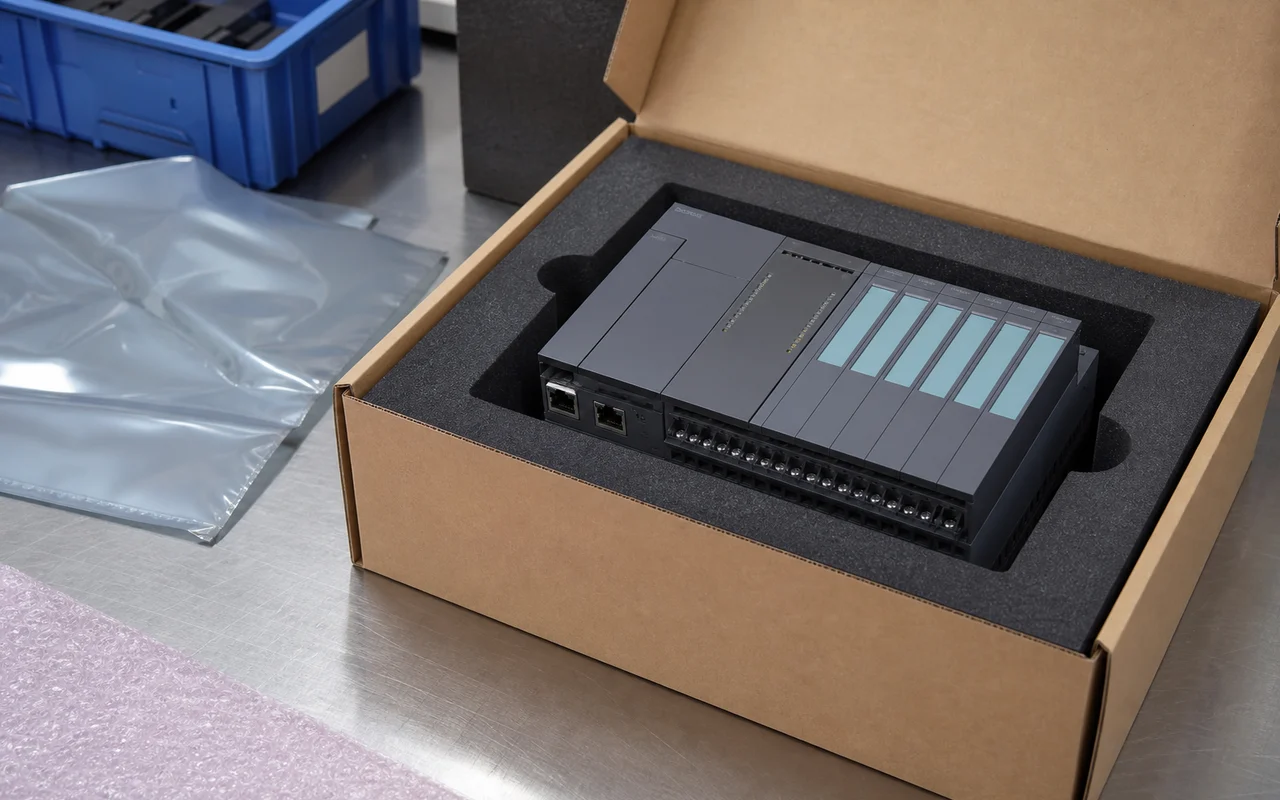 Secure Export Packing
Cushion protection and strong cartons ensure safe transportation.
 Worldwide Shipping
Global logistics network supports air, sea and express delivery.
 Documentation Check
Part number, revision and compatibility verified before shipment.
 After-sales Support
Professional technical support to help resolve your issues.