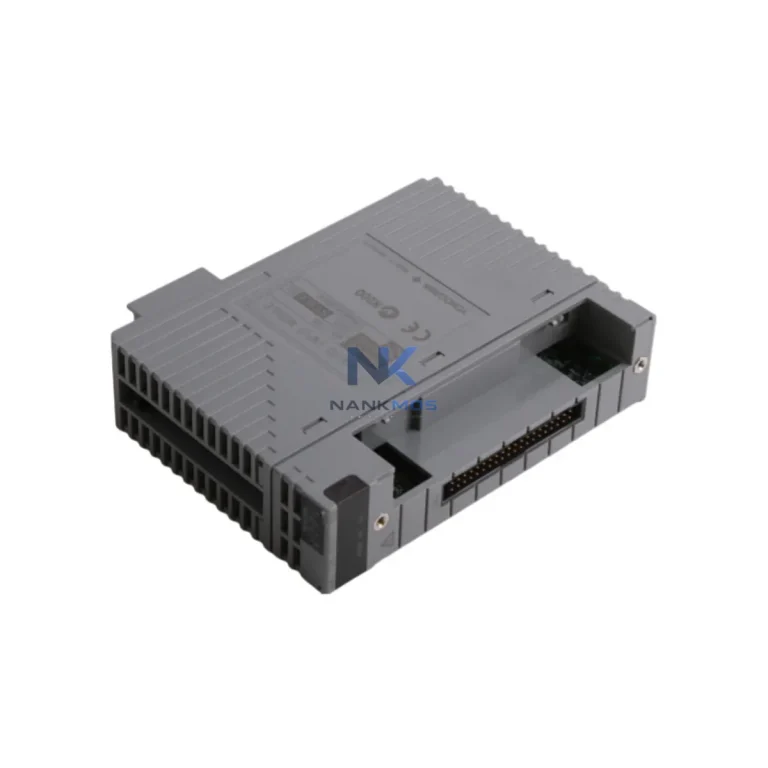
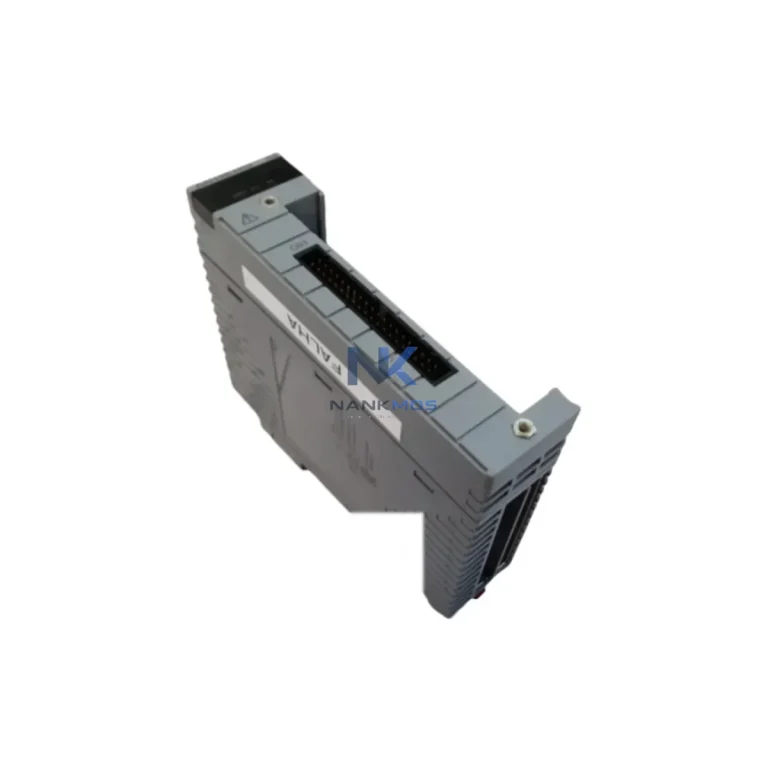
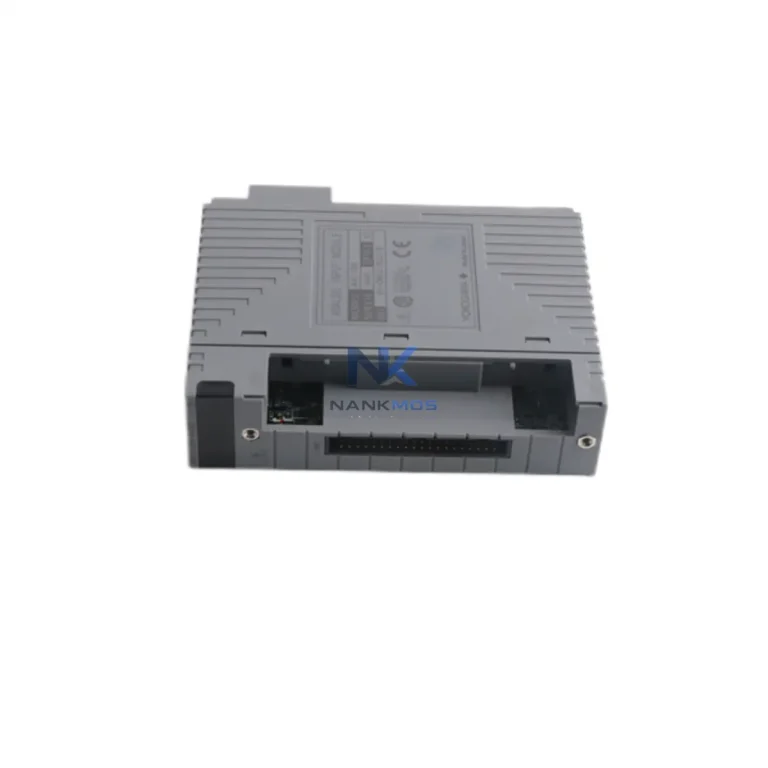
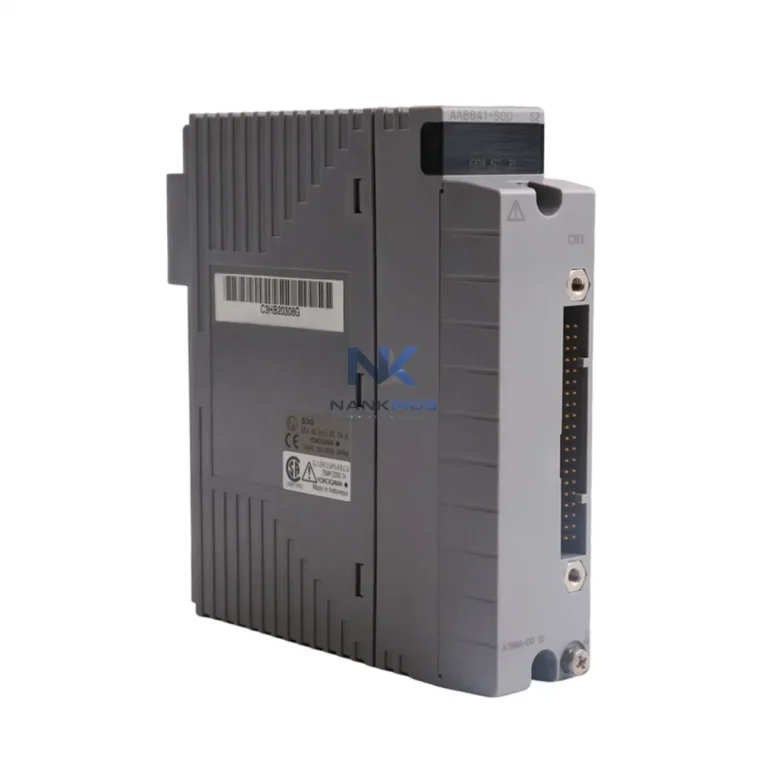
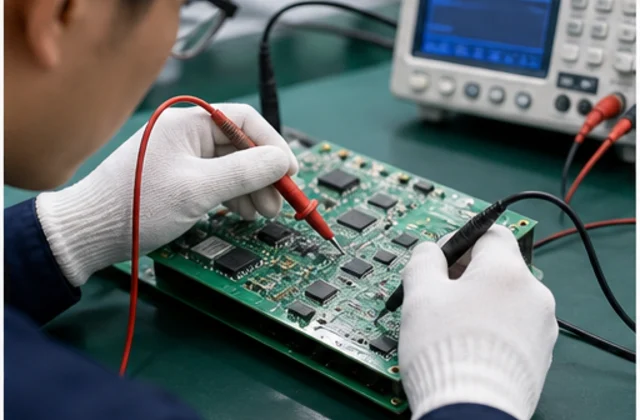
 Functional Inspection
100% tested on professional platforms to ensure stable performance.
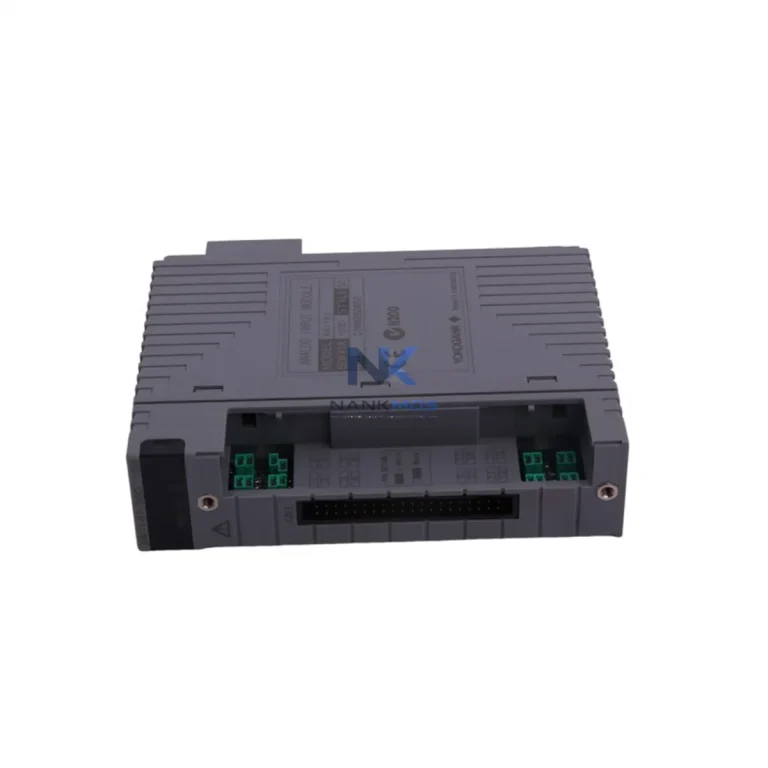
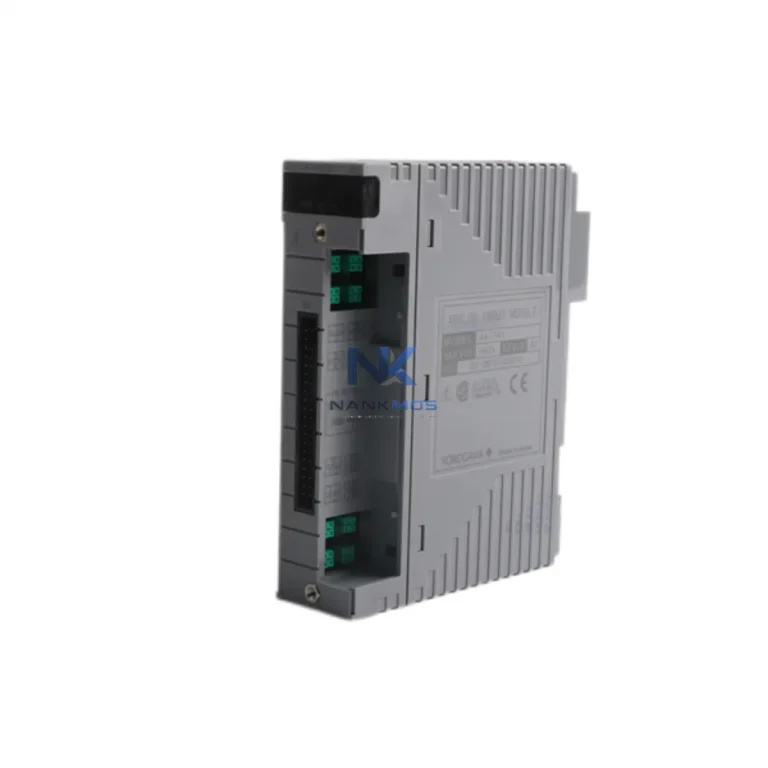
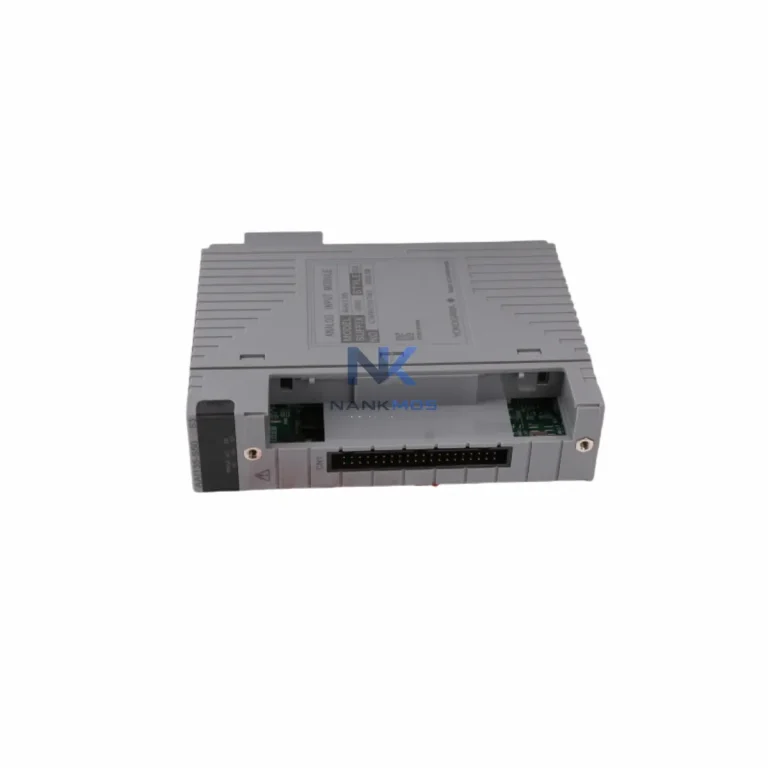
Yokogawa ADM12T S2 is a NANKMOS industrial automation product record Listed under Other series series and Business & Industrial > Automation, Control & Flow Devices > Programmable Logic Controllers. Confirm condition, availability, lead time, compatibility and documentation by email inquiry.
Brand names are used for identification only.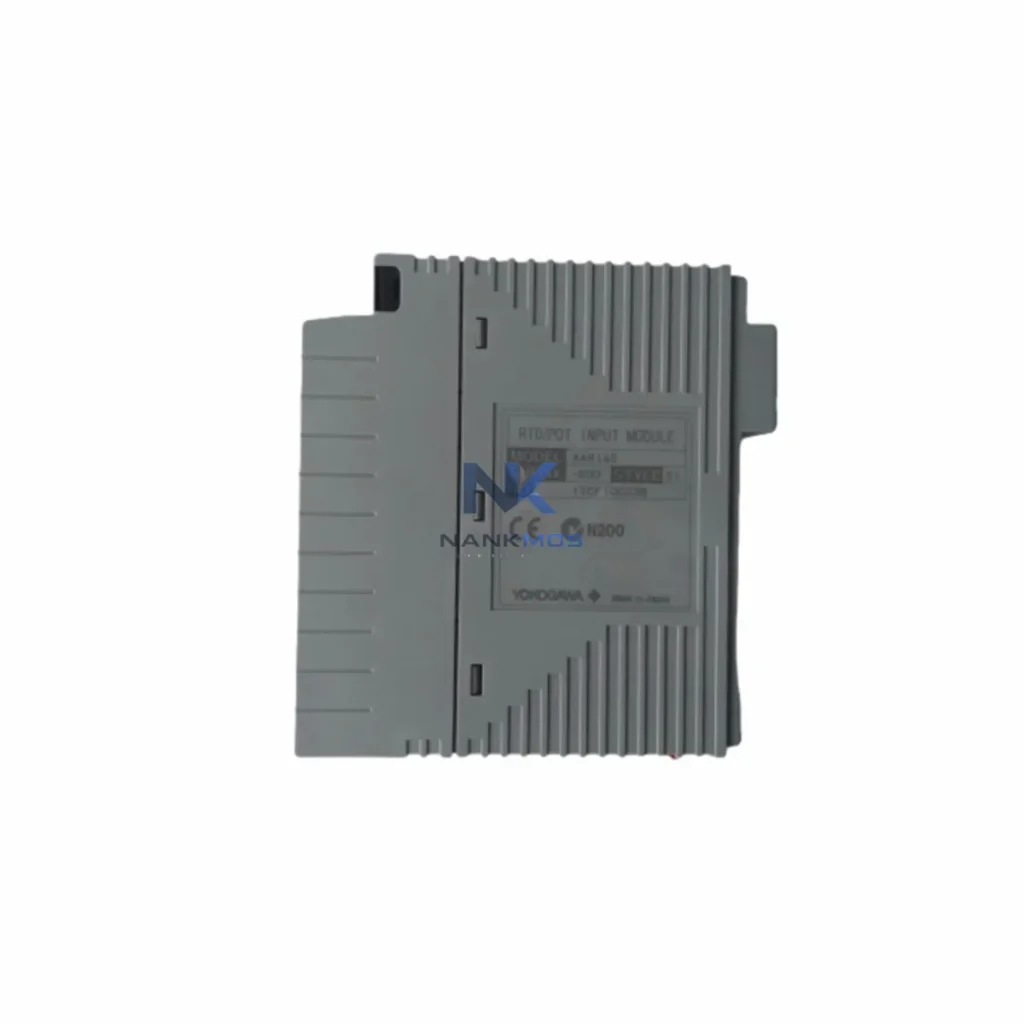
Yokogawa ADM12T S2 is a NANKMOS industrial automation product record Listed under Other series series and Business & Industrial > Automation, Control & Flow Devices > Programmable Logic Controllers. Confirm condition, availability, lead time, compatibility and documentation by email inquiry.
| Manufacturer | Yokogawa |
|---|---|
| Application | Controller Processing & System Control |
| Part Number / Model | ADM12T S2 |
| Compatible System | Confirmed by inquiry |
| Condition Options | To Confirm |
| Module Type | Controller / CPU Module |
| Warranty | 12 Months |
| Packaging | Anti-static Bag / Secure Box |
| Shipping Methods | DHL / FedEx / UPS / Air / Sea |
| Availability | To Confirm |
| Lead Time | To Confirm |
| Documentation | Part number and revision checked before quote |
The Yokogawa ADM12T-S2 is a high-reliability contact input module engineered for the Centum VP and Centum CS 3000 distributed control systems. Designed to serve as a critical node in the plant-wide data acquisition chain, the ADM12T-S2 captures discrete on/off signals from field devices — including limit switches, proximity sensors, push-button stations, and relay contacts — and delivers them with deterministic timing into the DCS controller bus. In smart factory environments where every millisecond of signal latency can affect process safety and throughput, the ADM12T-S2 provides the foundational contact input layer that feeds real-time status data upward through the automation hierarchy.
Within a fully integrated Centum architecture, the ADM12T-S2 works in close coordination with analog input modules such as the AAI141-S00 and AAI543-S00, which handle 4–20 mA process variable signals from pressure transmitters, flow meters, and temperature sensors. While those modules manage continuous process data, the ADM12T-S2 handles the binary event layer — valve open/close confirmation, motor run/stop status, interlock trip signals, and equipment health flags. Together, these modules form a complete field I/O fabric that feeds the Centum VP FCS (Field Control Station) with the full picture of plant state.
In a modern smart factory built on Yokogawa Centum VP, the ADM12T-S2 sits at the edge of the control network, directly interfacing with field-level devices. A typical data flow begins at the sensor layer: a proximity sensor detects a conveyor position, a limit switch confirms a valve has reached its fully open state, or a relay contact signals that a motor starter has energized. These binary events are captured by the ADM12T-S2 and transmitted over the Centum internal ER Bus to the Field Control Station (FCS), where the control logic executes in real time.
From the FCS, process data — including the contact states collected by the ADM12T-S2 — is propagated over the V-net control network to the Human Interface Station (HIS), where operators monitor plant status through Centum VP's graphical displays. Simultaneously, the Exaopc OPC DA/UA server bridges the Centum domain to external SCADA platforms such as FAST/TOOLS or third-party systems like Wonderware InTouch or Ignition SCADA, enabling plant-wide data visualization and historian logging.
For facilities with geographically distributed equipment, Yokogawa's Remote I/O (RIO) nodes — such as the RIO node paired with ADM modules — extend the contact input capability to remote marshalling cabinets without requiring additional controller hardware. This architecture reduces field wiring costs while maintaining the same deterministic scan cycle as locally mounted I/O. The ADM12T-S2 is fully compatible with this RIO topology, making it suitable for large-scale process plants, tank farms, and pipeline monitoring stations.
At the network layer, Centum VP's dual-redundant V-net Ethernet backbone ensures that contact input data from the ADM12T-S2 reaches the HIS and SCADA layer without interruption, even during a network segment failure. This redundancy is critical for safety-instrumented applications where loss of contact input visibility could mask an interlock condition. The ADM12T-S2's integration with the Centum safety architecture also allows its signals to be cross-referenced with the ProSafe-RS Safety Instrumented System for SIL-rated interlock verification.
For remote diagnostics, Yokogawa's Plant Resource Manager (PRM) software can poll the health status of I/O modules including the ADM12T-S2, flagging communication errors, module faults, or channel-level anomalies without requiring a site visit. This capability is especially valuable in unmanned substations or remote compressor stations where on-site inspection is costly. PRM integrates with the Centum VP engineering environment, allowing maintenance engineers to correlate I/O module health with process historian data from the Exaquantum plant information management system.
Power for the ADM12T-S2 and its associated I/O nest is supplied by Yokogawa's dedicated DCS power supply units, which provide regulated, isolated DC power with built-in redundancy options. Stable power delivery is essential for maintaining the module's scan integrity, particularly in environments with high electrical noise from variable frequency drives (VFDs) controlling pump and fan motors on the same plant floor. Proper grounding and shielding practices, combined with the ADM12T-S2's built-in noise rejection, ensure reliable contact input acquisition even in electrically harsh industrial environments.
One of the most persistent challenges in brownfield automation upgrades is the coexistence of legacy discrete wiring with modern DCS architectures. Older plants may have hundreds of relay-based contact signals wired to terminal strips, with no structured protocol layer connecting them to the control system. The ADM12T-S2 addresses this directly by providing a high-density contact input interface that maps these legacy signals into the Centum VP data model, making them visible to SCADA, historian, and alarm management systems without requiring a full rewiring campaign.
Data islands are another common problem: a motor control center (MCC) may have local status indicators that are never reported to the DCS, leaving operators blind to equipment state during abnormal situations. By routing MCC auxiliary contacts through the ADM12T-S2, these signals become part of the plant-wide data fabric, enabling alarm rationalization, event sequencing, and root cause analysis in the Centum VP alarm management environment.
Remote monitoring gaps are addressed through the combination of ADM12T-S2 contact input data and Yokogawa's remote access infrastructure. With Exaopc OPC UA publishing contact states to cloud-based or enterprise MES systems, production managers can monitor equipment availability, interlock status, and alarm frequency from any location. This transparency supports predictive maintenance programs by correlating contact input event patterns — such as frequent valve cycling — with equipment wear indicators from vibration sensors and motor current analyzers connected elsewhere in the Centum I/O network.
System expansion is straightforward: additional ADM12T-S2 modules can be added to existing I/O nests or new RIO nodes without modifying the FCS control logic, as Centum VP's I/O builder supports hot-addition of modules in supported configurations. This scalability makes the ADM12T-S2 a long-term investment for plants that anticipate capacity expansions or process line additions.
Q1: What communication protocol does the Yokogawa ADM12T-S2 use to transmit contact input data to the DCS controller? The ADM12T-S2 communicates over Yokogawa's proprietary Centum internal ER Bus (backplane bus), which connects I/O modules to the Field Control Station (FCS). The FCS then propagates this data over the V-net Ethernet control network to HIS operator stations and the Exaopc OPC server for SCADA integration. No additional protocol converter is required within the Centum architecture.
Q2: Can the ADM12T-S2 be used in a Remote I/O (RIO) configuration for distributed plant layouts? Yes. The ADM12T-S2 is compatible with Yokogawa's RIO node architecture, allowing contact input signals to be collected at remote marshalling locations and transmitted to the FCS over the V-net network. This eliminates long field cable runs and supports plant layouts where field equipment is distributed across large geographic areas such as tank farms, pipeline stations, or multi-building manufacturing facilities.
Q3: How does the ADM12T-S2 support remote diagnostics and predictive maintenance? Yokogawa's Plant Resource Manager (PRM) software monitors the health of I/O modules including the ADM12T-S2, providing channel-level fault detection, communication error alerts, and module status reporting. PRM data can be correlated with Exaquantum historian records to identify patterns such as intermittent contact failures or wiring degradation before they cause process upsets. Remote access to PRM is supported through Yokogawa's secure network infrastructure.
Q4: What warranty and supply assurance does NANKMOS provide for the Yokogawa ADM12T-S2? NANKMOS provides a 12-Month Warranty on the Yokogawa ADM12T-S2, covering manufacturing defects and functional performance. Each unit undergoes pre-shipment functional testing to verify contact input channel integrity before dispatch. NANKMOS maintains inventory stock of Centum I/O modules to support urgent MRO requirements and planned maintenance shutdowns, with global shipping available. Contact [email protected] or +86 18359268345 for availability and lead time confirmation.
Functional Inspection100% tested on professional platforms to ensure stable performance.
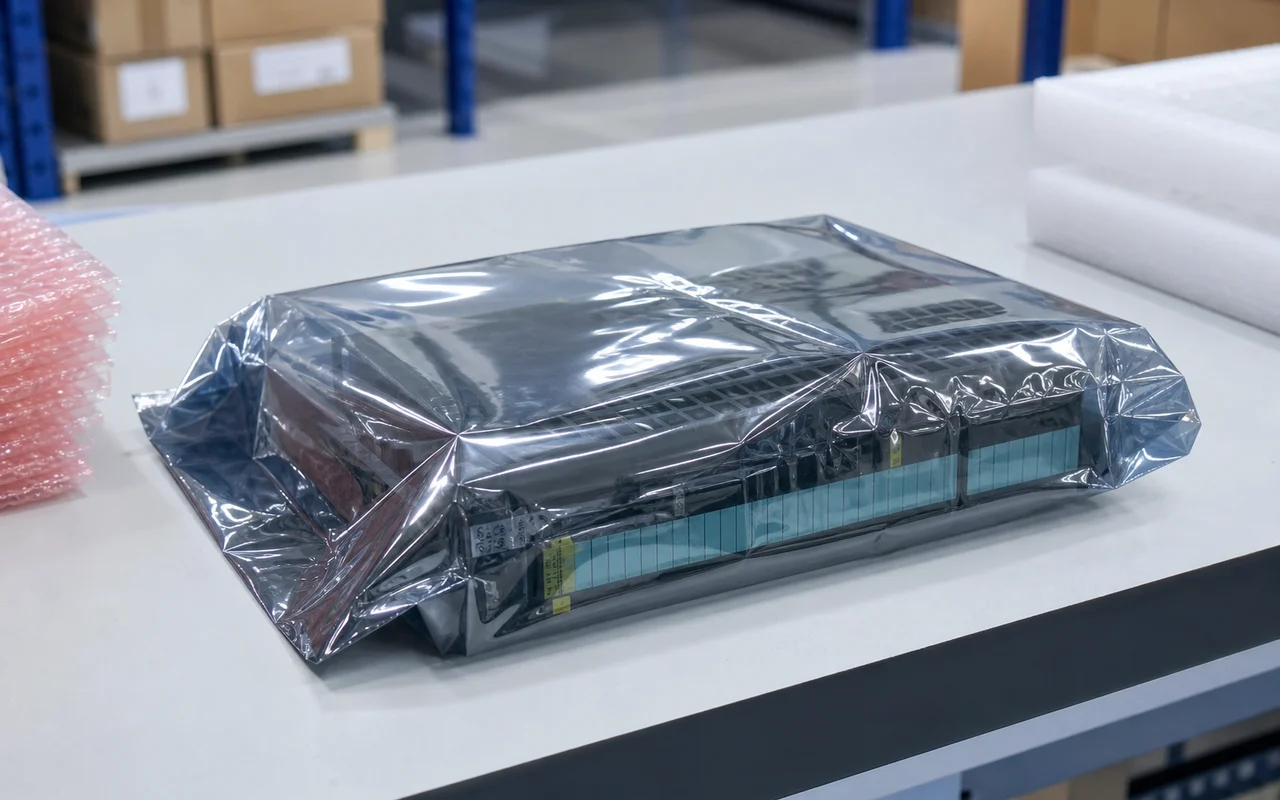 Anti-static Packaging
Modules are packed in anti-static bags to prevent electrostatic damage.
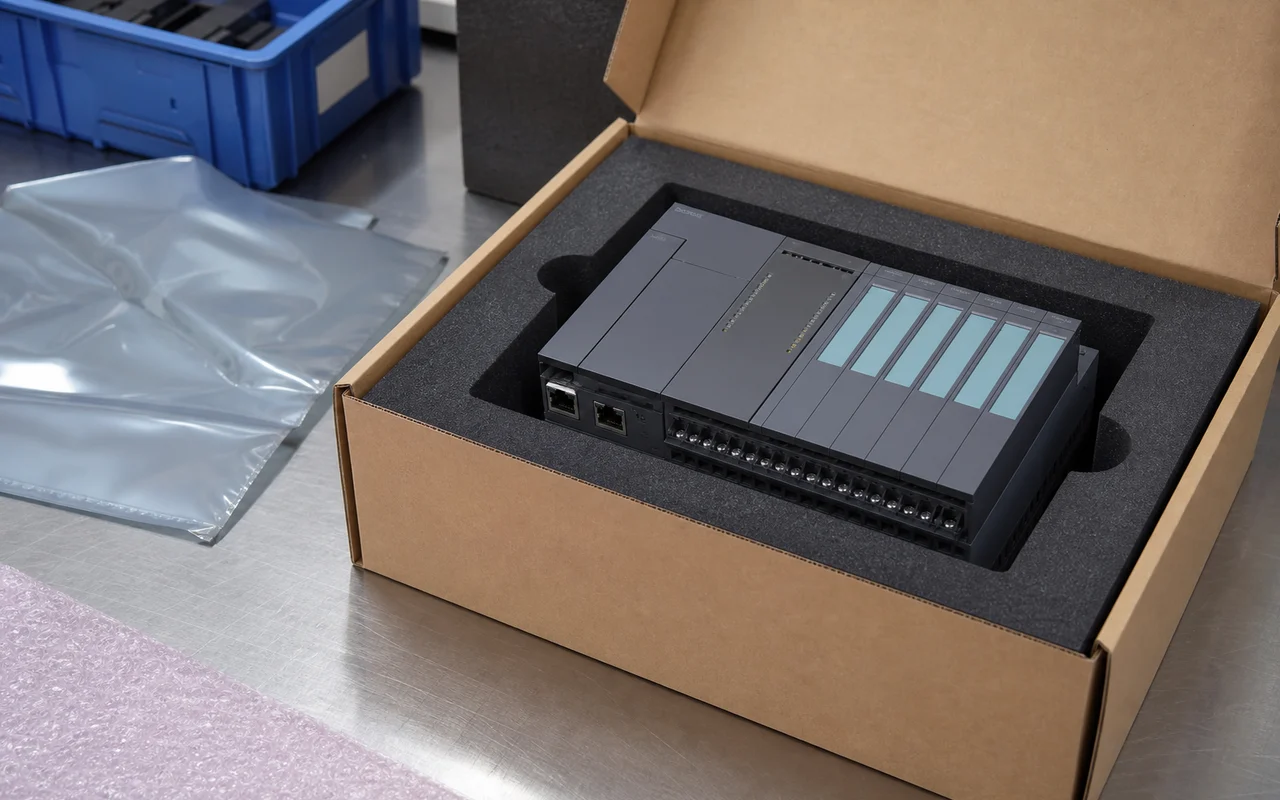 Secure Export Packing
Cushion protection and strong cartons ensure safe transportation.
 Worldwide Shipping
Global logistics network supports air, sea and express delivery.
 Documentation Check
Part number, revision and compatibility verified before shipment.
 After-sales Support
Professional technical support to help resolve your issues.