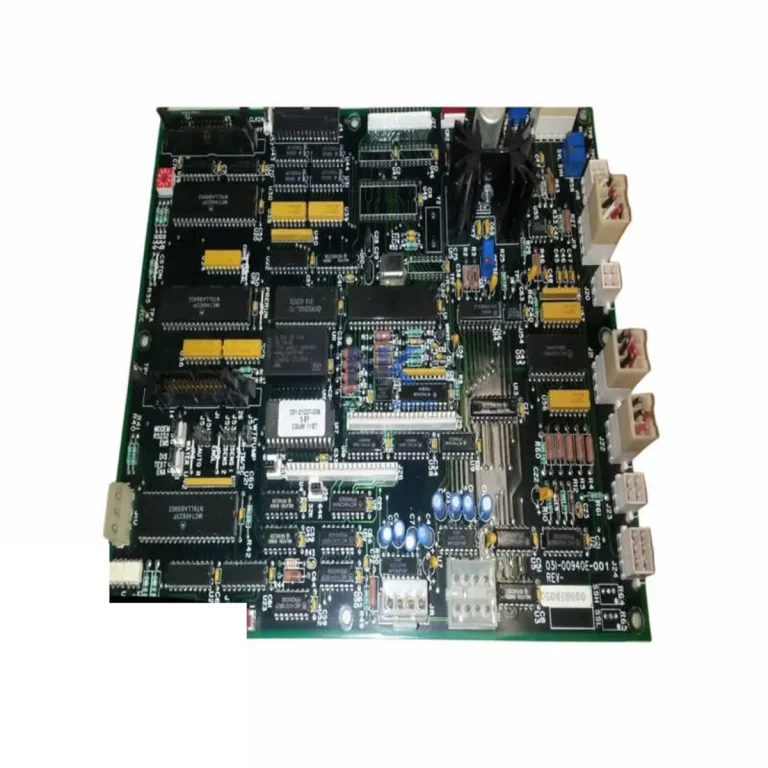
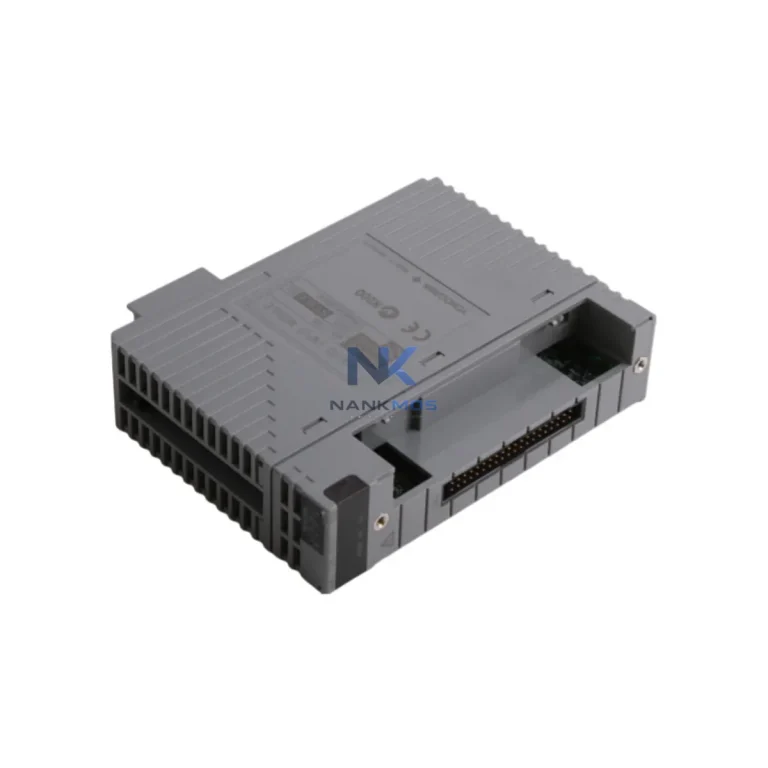
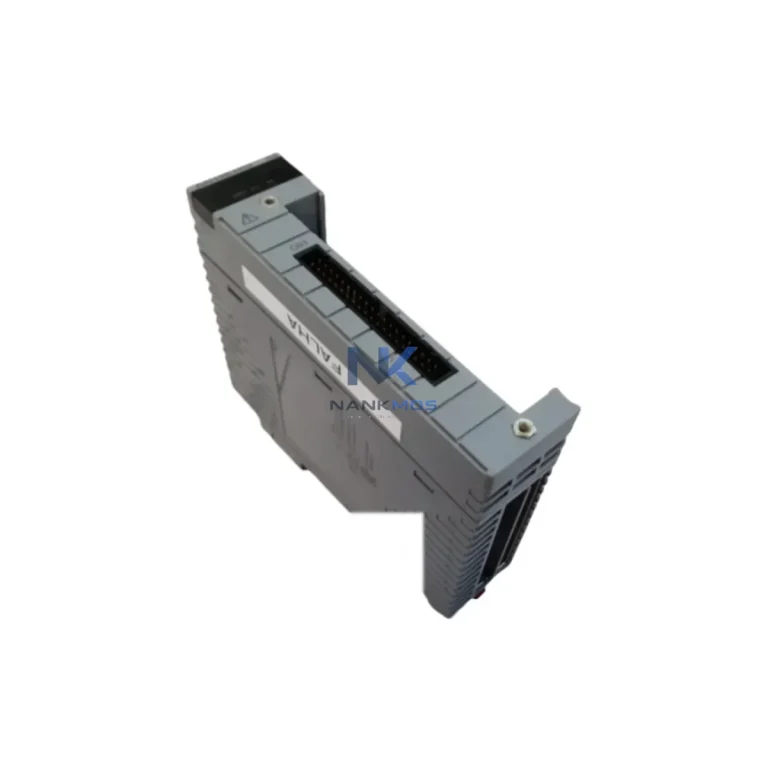
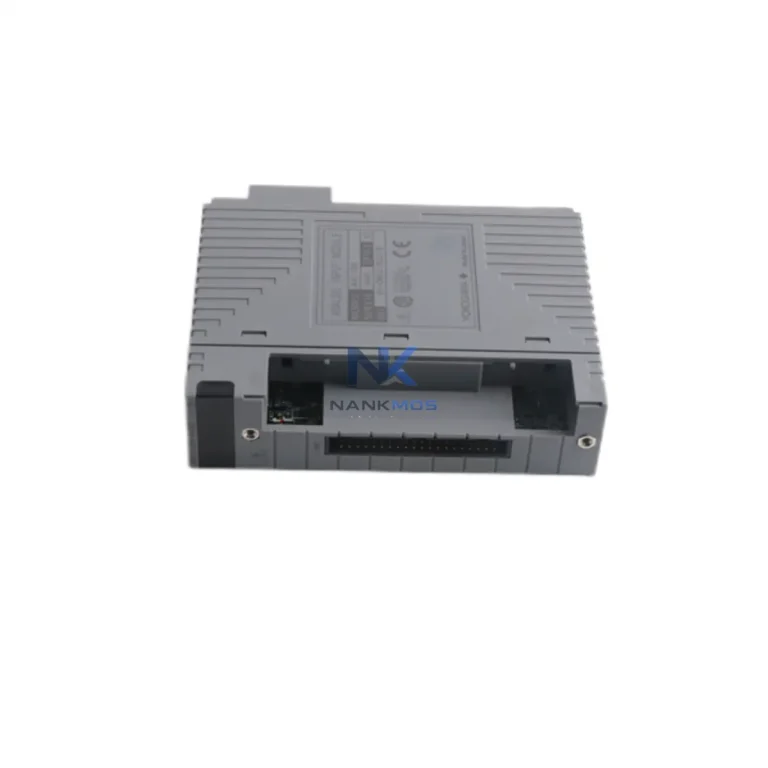
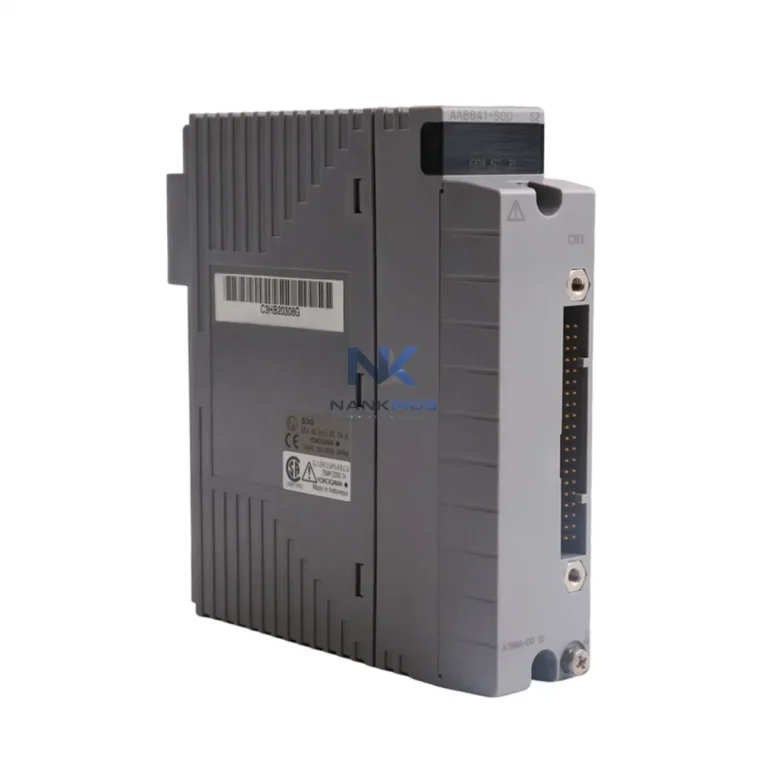
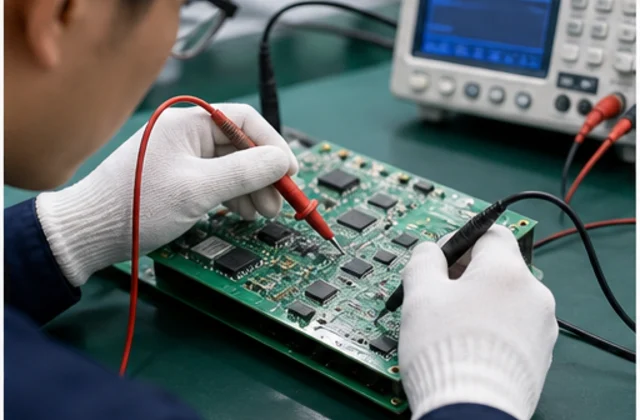
 Functional Inspection
100% tested on professional platforms to ensure stable performance.
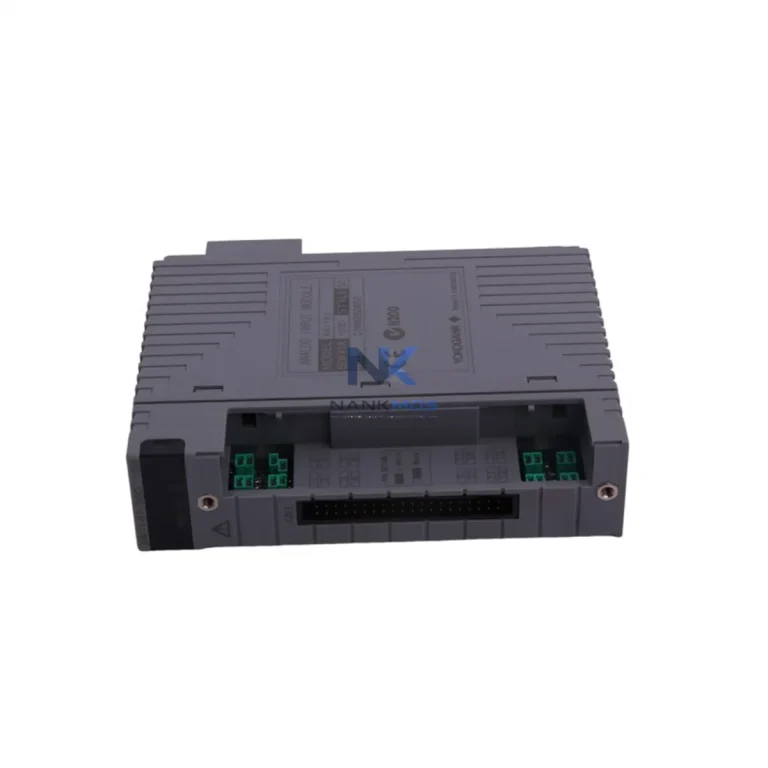
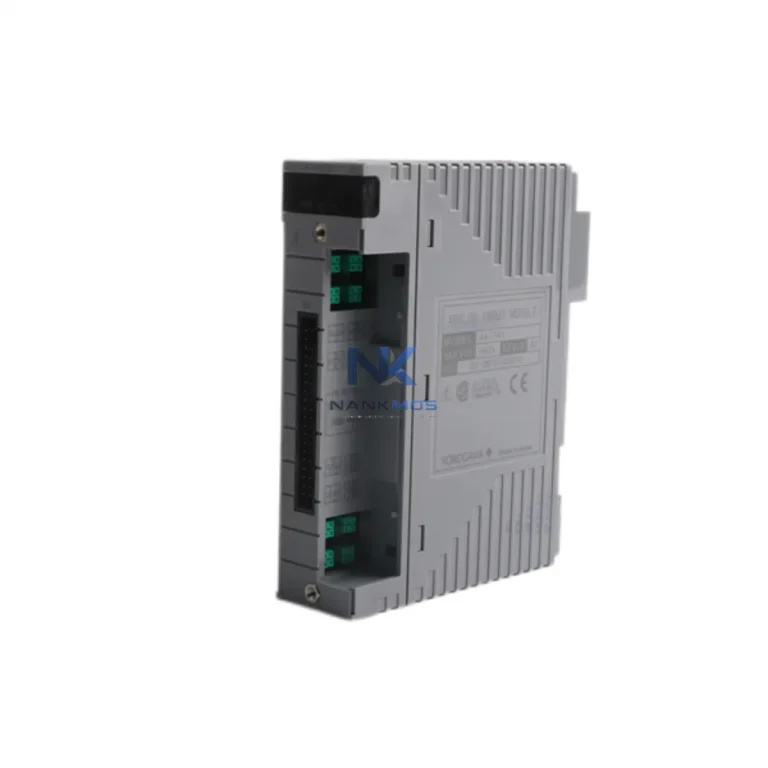
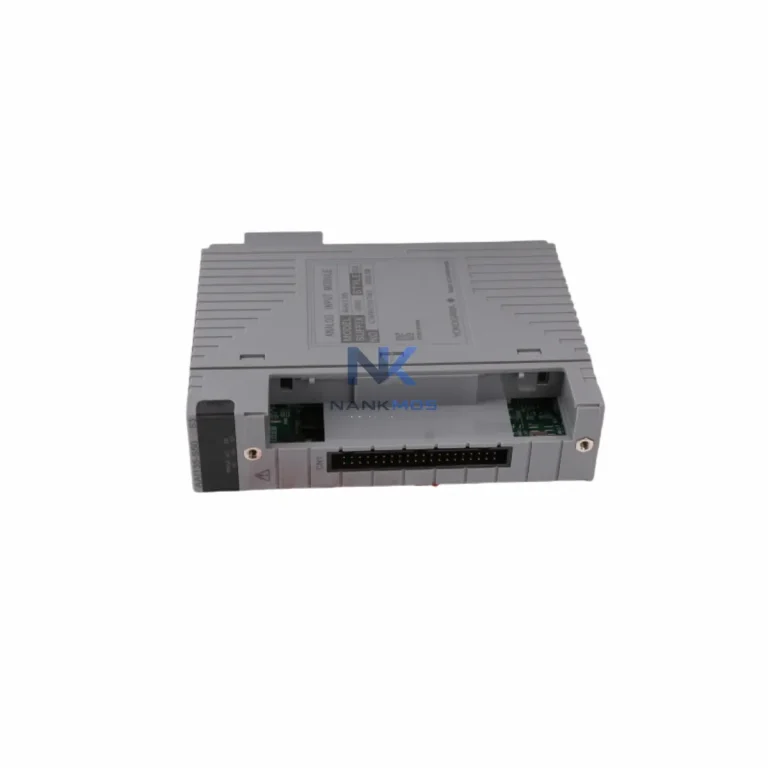
Yokogawa ADV159-P01 is a NANKMOS industrial automation product record Listed under CENTUM VP series and Business & Industrial > Automation, Control & Flow Devices > Programmable Logic Controllers. Confirm condition, availability, lead time, compatibility and documentation by email inquiry.
Brand names are used for identification only.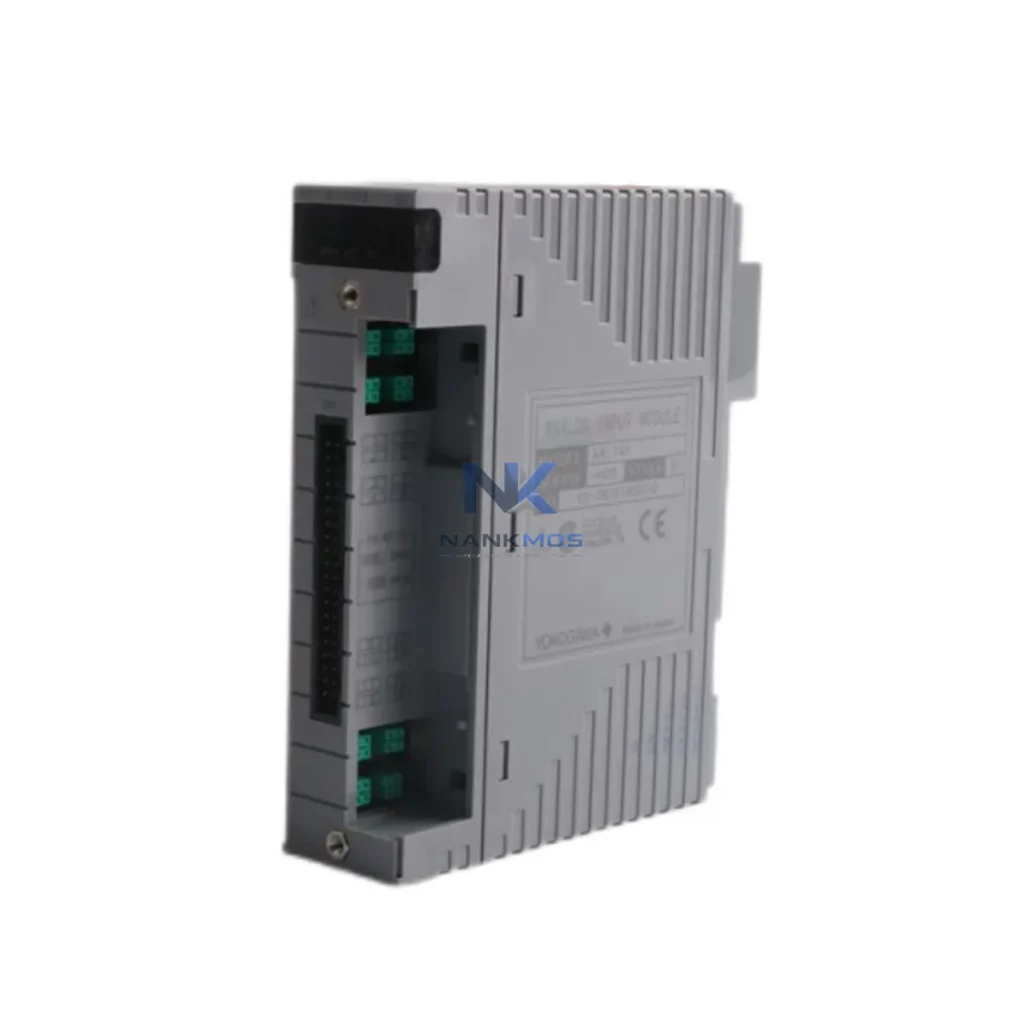
Yokogawa ADV159-P01 is a NANKMOS industrial automation product record Listed under CENTUM VP series and Business & Industrial > Automation, Control & Flow Devices > Programmable Logic Controllers. Confirm condition, availability, lead time, compatibility and documentation by email inquiry.
| Manufacturer | Yokogawa |
|---|---|
| Application | Controller Processing & System Control |
| Part Number / Model | ADV159-P01 |
| Compatible System | CENTUM VP |
| Series | CENTUM VP |
| Condition Options | To Confirm |
| Module Type | Controller / CPU Module |
| Warranty | 12 Months |
| Packaging | Anti-static Bag / Secure Box |
| Shipping Methods | DHL / FedEx / UPS / Air / Sea |
| Availability | To Confirm |
| Lead Time | To Confirm |
| Documentation | Part number and revision checked before quote |
The Yokogawa ADV159-P01 is a high-density digital I/O module engineered for seamless integration within the CENTUM VP distributed control system architecture. Designed to serve as a critical node in the industrial data chain, the ADV159-P01 bridges field-level discrete signals — from limit switches, solenoid valves, motor starters, and proximity sensors — directly into the CENTUM VP controller bus, enabling real-time signal acquisition, deterministic process control, and transparent data flow across the entire automation network. In smart factory environments where every millisecond of signal latency and every byte of process data matters, the ADV159-P01 delivers the reliability and connectivity that modern industrial operations demand.
In a fully connected smart factory, the ADV159-P01 occupies a foundational position in the data acquisition and control chain. Field devices — including inductive proximity sensors, photoelectric detectors, emergency stop relays, and motorized valve position switches — feed discrete ON/OFF signals into the ADV159-P01's input channels. These signals are immediately processed by the CENTUM VP Field Control Station (FCS), where the Vnet/IP high-speed control network transmits real-time status data to the CENTUM VP Human Interface Station (HIS) and connected SCADA platforms at deterministic cycle rates, eliminating the data latency that plagues legacy serial-based I/O architectures.
Within the CENTUM VP ecosystem, the ADV159-P01 works in close coordination with analog input modules such as the AAI141-S00 and AAI143-S00, which handle 4–20 mA process variable signals from flow transmitters, pressure sensors, and temperature elements. Together, these modules populate the FCS I/O bus with a complete picture of field conditions — both discrete states and continuous process variables — feeding the CENTUM VP controller's function block logic for interlock management, sequence control, and alarm generation. The ADV159-P01's output channels simultaneously drive field actuators, including solenoid valve coils, motor control relays, and indicator lamps, closing the control loop between the DCS and the physical process.
For facilities integrating Yokogawa's FAST/TOOLS SCADA or Exaquantum plant information management system, the ADV159-P01's data is accessible via OPC DA and OPC UA interfaces exposed through the CENTUM VP engineering workstation, enabling historians, MES platforms, and ERP systems to consume real-time and historical I/O state data. Edge computing nodes — such as industrial IoT gateways running on the plant LAN — can subscribe to OPC UA data feeds, enabling cloud-based analytics, predictive maintenance dashboards, and remote diagnostic portals to monitor discrete I/O health without interrupting the control network. Industrial Ethernet switches with managed VLAN support segment the Vnet/IP control traffic from the plant information network, maintaining deterministic control performance while enabling data visibility across the enterprise.
In multi-unit process plants, the ADV159-P01 modules are typically deployed across multiple FCS cabinets, with each cabinet serving a defined process unit — reactors, separators, compressor trains, or utility systems. The CENTUM VP system bus interconnects these FCS nodes, and the HIS operator stations provide a unified process overview. Remote I/O nodes using Yokogawa's RIO (Remote I/O) architecture can extend the ADV159-P01's reach to field junction boxes located hundreds of meters from the control room, maintaining signal integrity over fiber-optic or shielded twisted-pair cabling. This distributed I/O topology, anchored by modules like the ADV159-P01, is the backbone of transparent, plant-wide digital connectivity.
Many industrial facilities still operate with fragmented I/O architectures — legacy relay panels, standalone PLCs with proprietary serial links, and DCS systems that cannot share data with modern SCADA or MES platforms. The ADV159-P01, deployed within the CENTUM VP framework, directly addresses these integration challenges. Its native Vnet/IP connectivity eliminates the need for protocol converters between field I/O and the DCS controller, reducing signal chain complexity and potential failure points. For sites migrating from older Yokogawa systems such as CENTUM CS 3000 or CENTUM XL, the ADV159-P01 supports phased migration strategies where new CENTUM VP FCS cabinets are introduced alongside legacy hardware, with the Vnet/IP network providing a unified data backbone during the transition.
Data island problems — where process data is trapped in isolated PLCs or standalone controllers — are resolved by routing discrete I/O signals through the ADV159-P01 into the CENTUM VP system, where OPC UA publication makes the data available to plant-wide information systems. Alarm management is enhanced because every discrete I/O state change captured by the ADV159-P01 is time-stamped at the FCS level, enabling accurate sequence-of-events (SOE) reconstruction for incident investigation and regulatory compliance. Remote diagnostic capabilities allow maintenance engineers to monitor I/O channel health, detect wiring faults, and verify field device status from the HIS or remote engineering workstation without physical access to the field cabinet — reducing unplanned downtime and maintenance travel costs. For production transparency, the ADV159-P01's real-time data feeds support OEE (Overall Equipment Effectiveness) dashboards and digital twin models that reflect actual plant state, enabling operations teams to identify bottlenecks, optimize throughput, and plan predictive maintenance interventions based on actual equipment behavior rather than fixed schedules.
Q1: What communication protocol does the Yokogawa ADV159-P01 use, and is it compatible with standard industrial networks? The ADV159-P01 communicates via Yokogawa's Vnet/IP protocol, a high-speed, deterministic Ethernet-based control network proprietary to the CENTUM VP DCS platform. It is not a standalone Modbus or PROFIBUS device; it operates as an I/O module within the CENTUM VP FCS backplane. Integration with external networks (Modbus TCP, OPC UA, PROFINET) is achieved through the CENTUM VP system's gateway and OPC server functions, not directly at the module level.
Q2: How does the ADV159-P01 support remote diagnostics and predictive maintenance? Within the CENTUM VP environment, the ADV159-P01's channel status, fault flags, and I/O state data are continuously available to the FCS and HIS. Maintenance engineers can access this data remotely via the CENTUM VP engineering workstation or through OPC UA clients connected to the plant information network. Abnormal channel states trigger alarms at the HIS, and time-stamped event logs support root cause analysis. No additional hardware is required for remote I/O diagnostics within the CENTUM VP architecture.
Q3: Can the ADV159-P01 be used in system expansion projects, and what is the maximum I/O configuration? Yes. The CENTUM VP architecture supports modular expansion by adding FCS cabinets and I/O modules, including the ADV159-P01, to existing Vnet/IP networks. System expansion is performed without interrupting running processes in most configurations, subject to engineering review. The maximum I/O count per FCS node and per Vnet/IP domain is defined by CENTUM VP system specifications; consult Yokogawa engineering documentation or contact NANKMOS for project-specific capacity planning.
Q4: What warranty and pre-shipment testing does NANKMOS provide for the ADV159-P01? All ADV159-P01 units supplied by NANKMOS carry a 12-Month Warranty covering manufacturing defects and functional failures under normal operating conditions. Each unit undergoes functional verification testing prior to shipment. Global stock is maintained for rapid dispatch. For lead time confirmation, volume pricing, or technical pre-sales support, contact [email protected] or call +86 18359268345.
Functional Inspection100% tested on professional platforms to ensure stable performance.
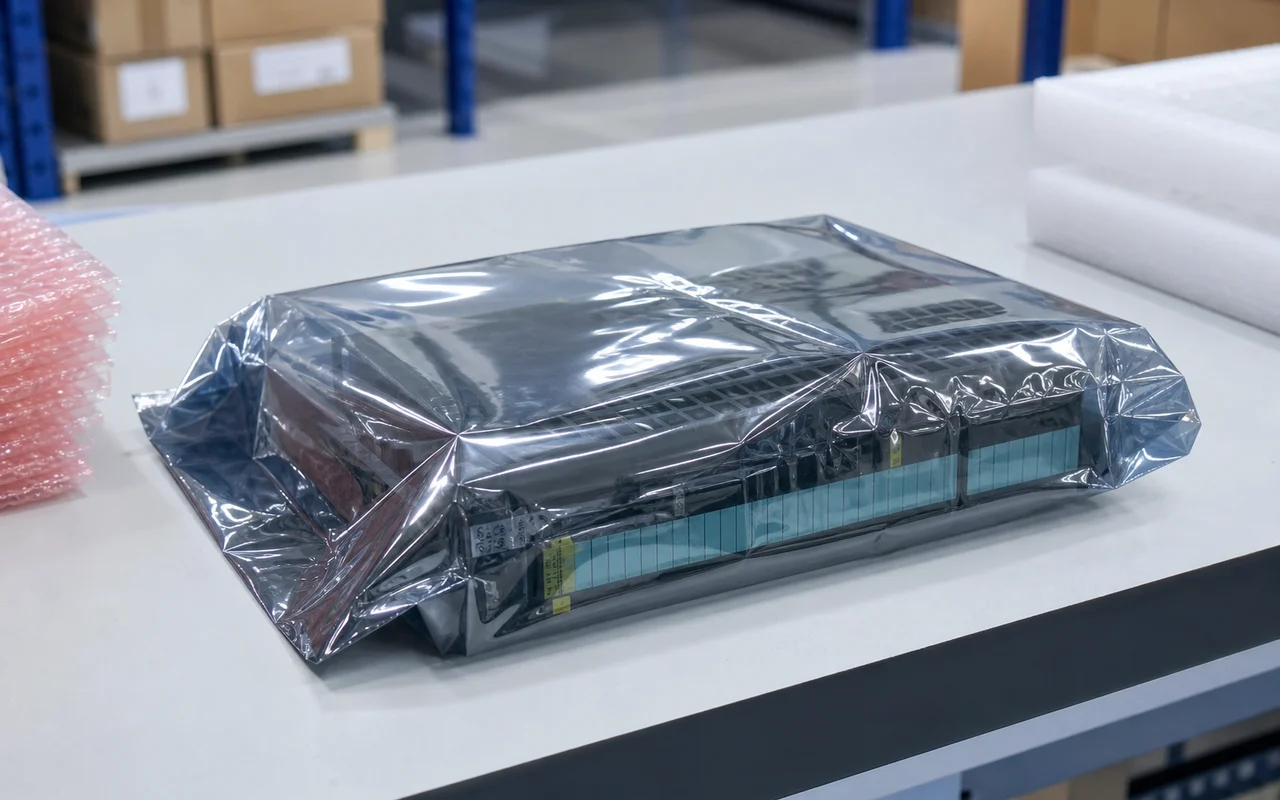 Anti-static Packaging
Modules are packed in anti-static bags to prevent electrostatic damage.
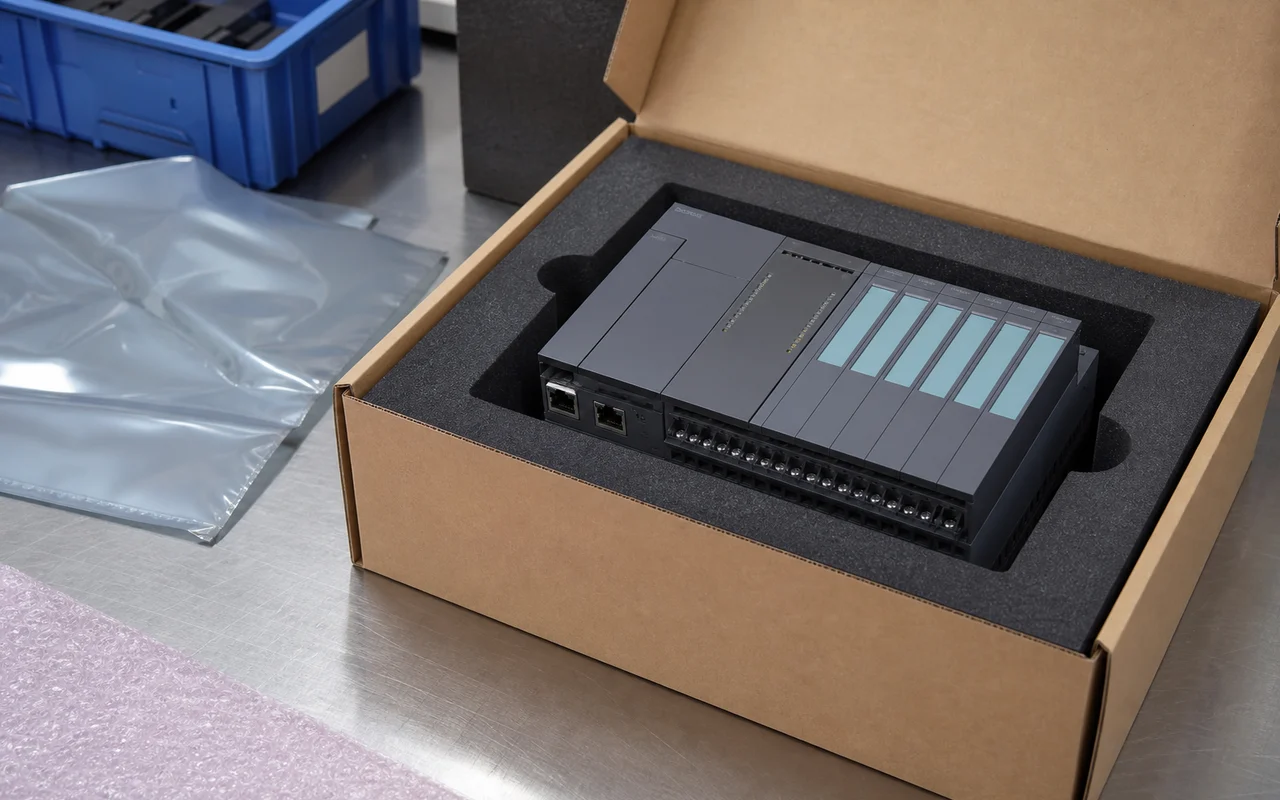 Secure Export Packing
Cushion protection and strong cartons ensure safe transportation.
 Worldwide Shipping
Global logistics network supports air, sea and express delivery.
 Documentation Check
Part number, revision and compatibility verified before shipment.
 After-sales Support
Professional technical support to help resolve your issues.