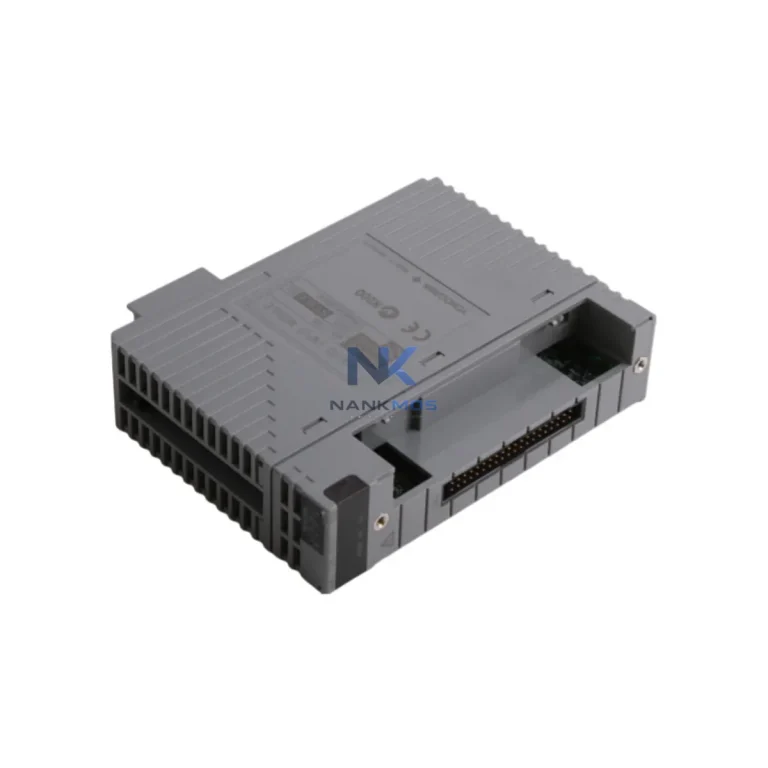
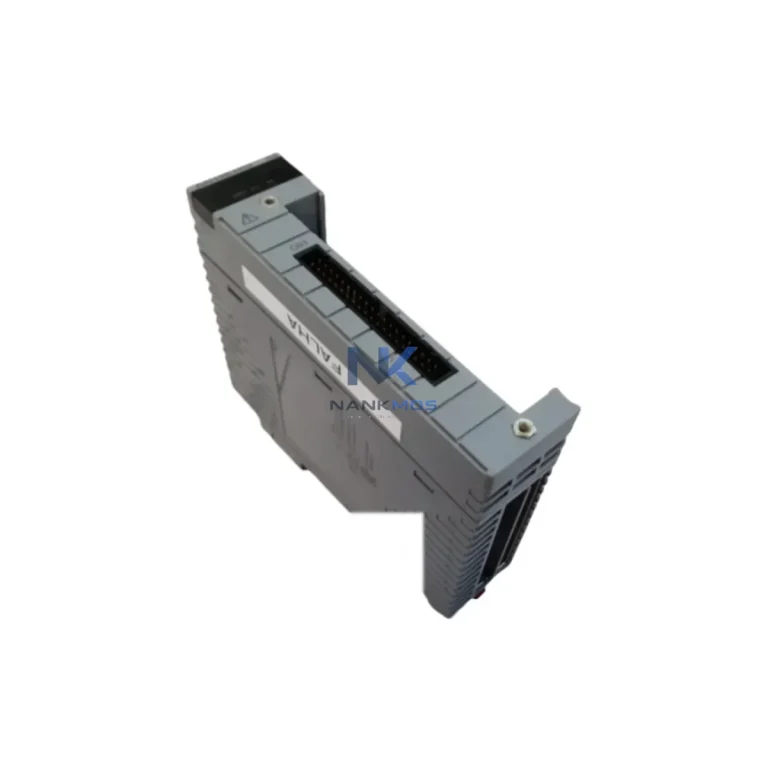
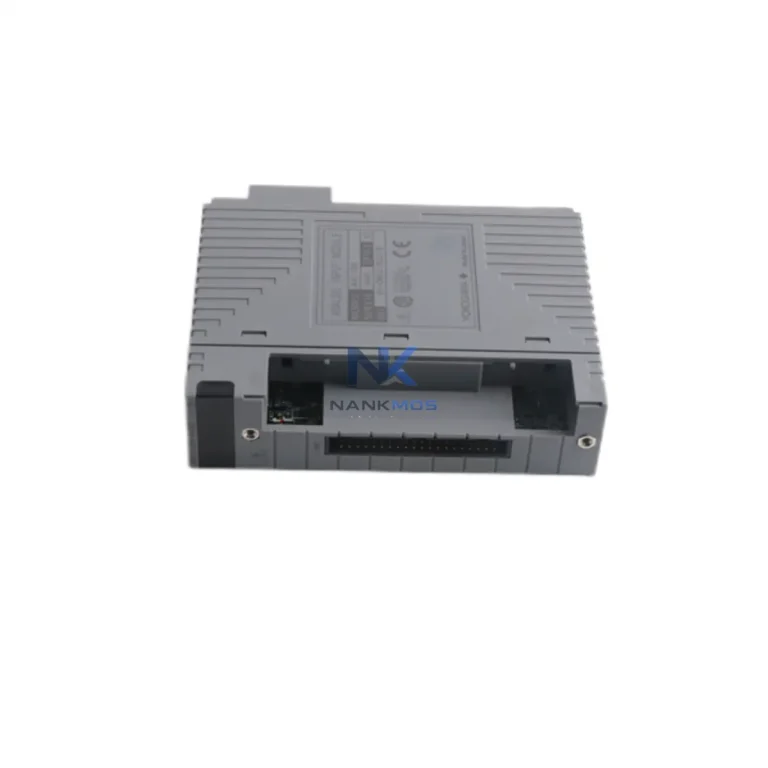
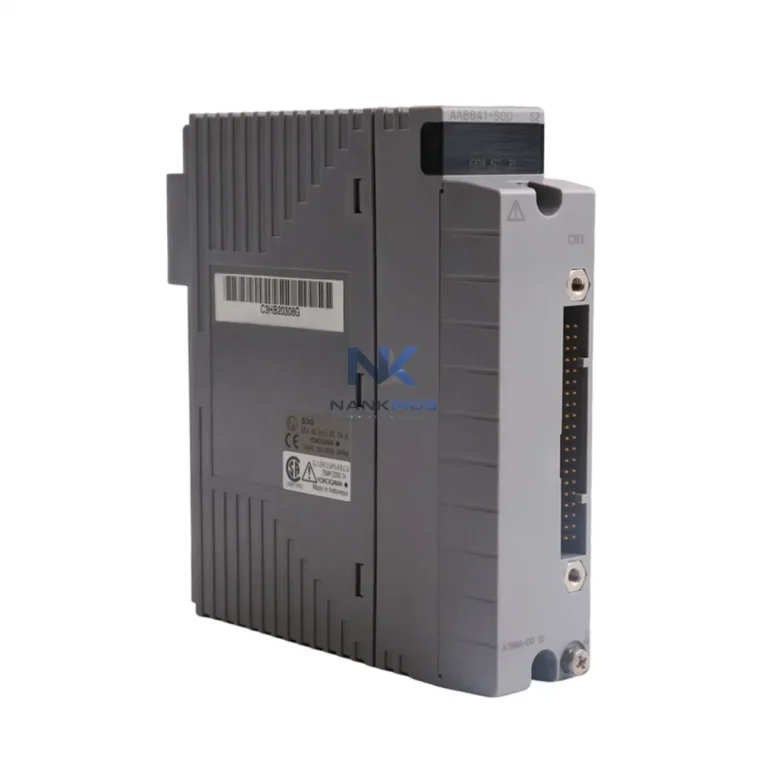
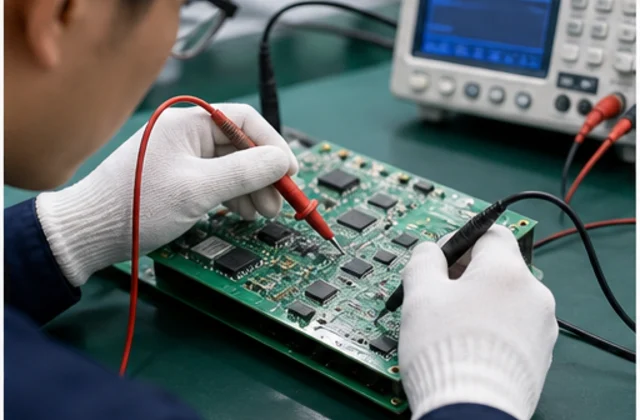
 Functional Inspection
100% tested on professional platforms to ensure stable performance.
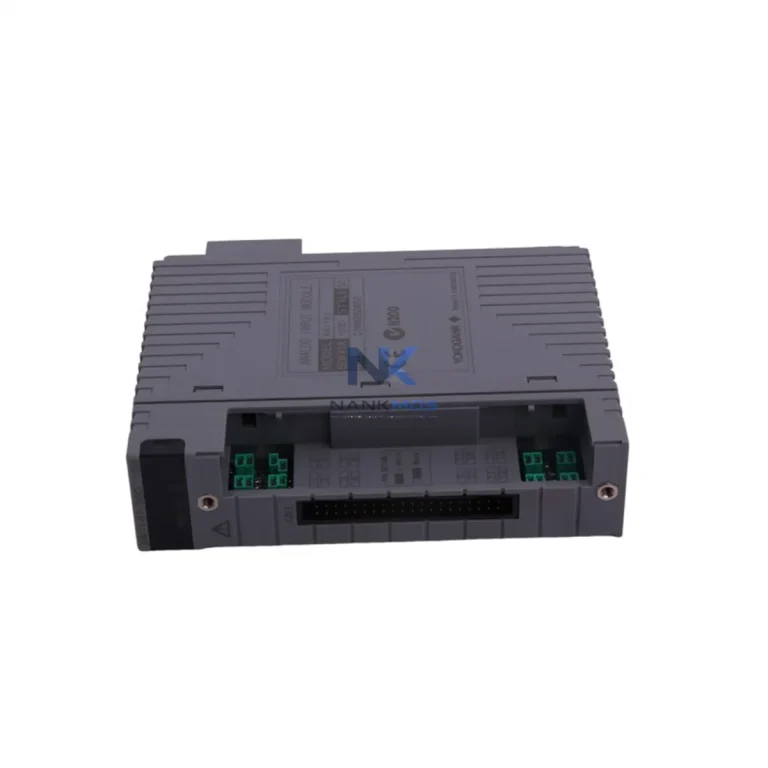
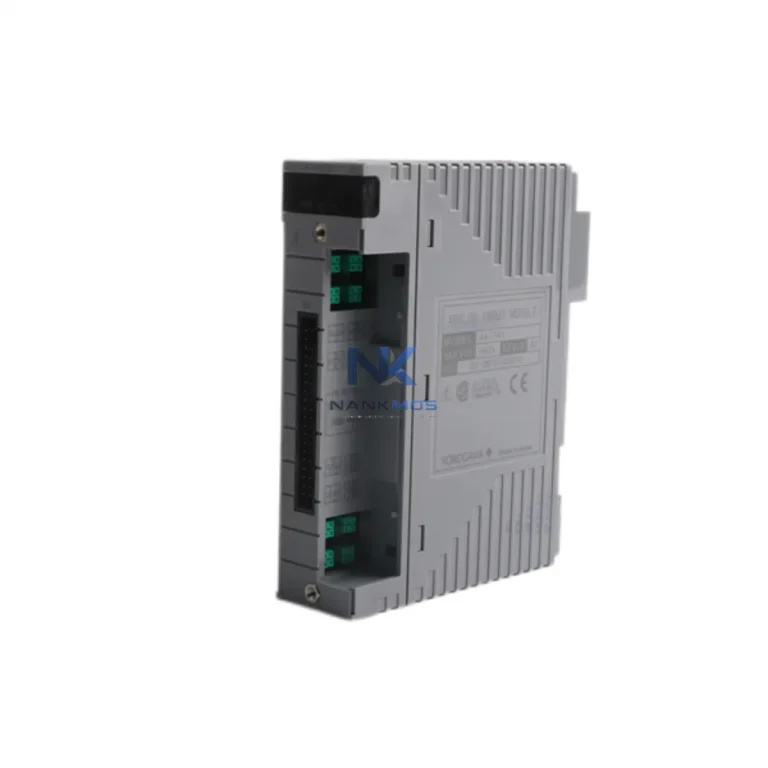
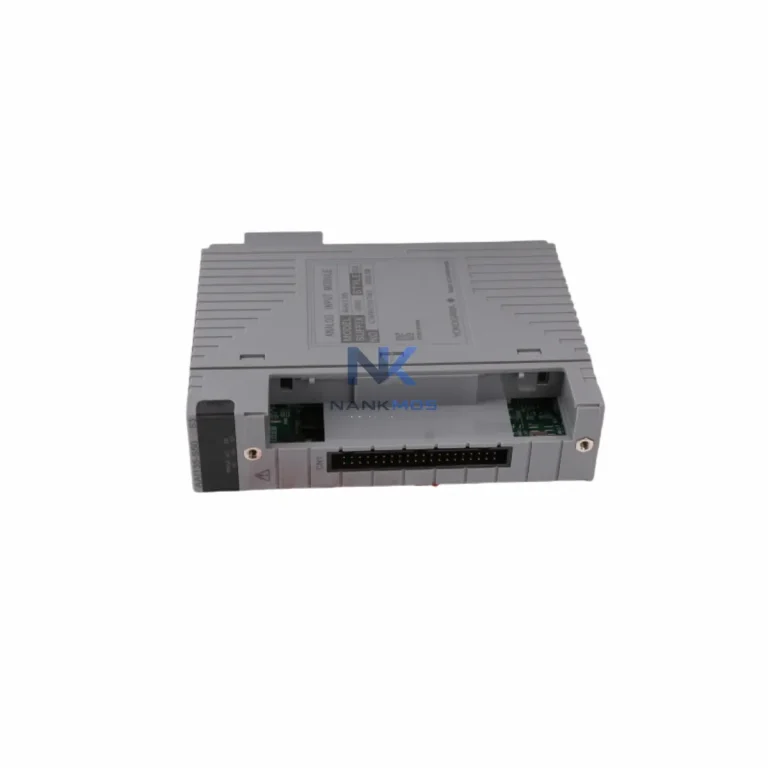
Yokogawa AEA4D is a NANKMOS industrial automation product record Listed under CENTUM VP series and Business & Industrial > Automation, Control & Flow Devices > Programmable Logic Controllers. Confirm condition, availability, lead time, compatibility and documentation by email inquiry.
Brand names are used for identification only.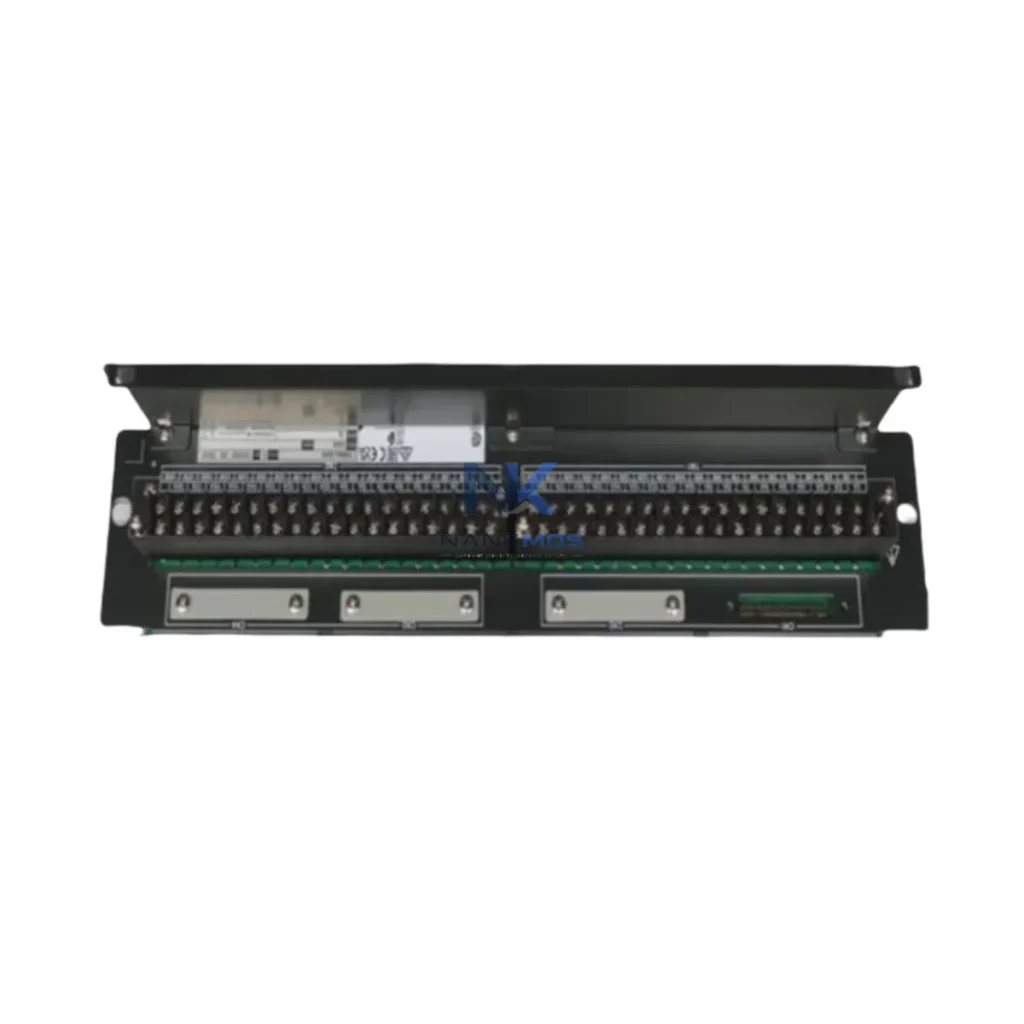
Yokogawa AEA4D is a NANKMOS industrial automation product record Listed under CENTUM VP series and Business & Industrial > Automation, Control & Flow Devices > Programmable Logic Controllers. Confirm condition, availability, lead time, compatibility and documentation by email inquiry.
| Manufacturer | Yokogawa |
|---|---|
| Application | Controller Processing & System Control |
| Part Number / Model | AEA4D |
| Compatible System | CENTUM VP |
| Series | CENTUM VP |
| Condition Options | To Confirm |
| Module Type | Controller / CPU Module |
| Warranty | 12 Months |
| Packaging | Anti-static Bag / Secure Box |
| Shipping Methods | DHL / FedEx / UPS / Air / Sea |
| Availability | To Confirm |
| Lead Time | To Confirm |
| Documentation | Part number and revision checked before quote |
The Yokogawa AEA4D is a precision-engineered terminal board designed for seamless integration within the CENTUM VP Distributed Control System (DCS) architecture. As modern industrial facilities accelerate their transition toward smart factory frameworks, the AEA4D serves as a critical node in the field-to-control-room data chain — bridging physical I/O signals from sensors and actuators to the digital communication backbone of the plant network. Whether deployed in power generation, petrochemical processing, oil and gas, or water treatment facilities, the AEA4D delivers reliable signal termination, structured wiring, and stable protocol-level connectivity across multi-vendor automation environments.
In a fully connected smart factory, data must flow without interruption from field instruments through PLCs, remote I/O modules, HMI panels, SCADA servers, and edge gateways. The AEA4D is engineered to support this continuous data pipeline. It provides structured termination points for analog and digital signals originating from transmitters, proximity sensors, flow meters, and temperature elements — ensuring that every measurement reaches the CENTUM VP controller with full signal integrity. This makes the AEA4D an indispensable component in any high-availability DCS installation where data accuracy and network stability are non-negotiable.
The AEA4D operates at the intersection of field instrumentation and digital control infrastructure. In a typical smart factory deployment, field devices such as pressure transmitters, thermocouple assemblies, and magnetic flow meters generate continuous analog signals. These signals are routed through the AEA4D terminal board, which provides organized, labeled termination points that reduce wiring errors and simplify maintenance. From the terminal board, signals pass into the Yokogawa CENTUM VP I/O modules — such as the AAI141 analog input card or the ADV151 digital input module — where they are digitized and formatted for transmission over the plant's control network.
Within the CENTUM VP architecture, the digitized process data travels via Vnet/IP, Yokogawa's high-speed, redundant Ethernet-based control network, to the CENTUM VP Field Control Station (FCS). The FCS executes real-time control logic and forwards process values to the Human Interface Station (HIS) for operator visualization. Simultaneously, the Exaopc OPC Server acts as a protocol gateway, converting Vnet/IP data into OPC-DA or OPC-UA formats compatible with third-party SCADA platforms, MES systems, and cloud-based data historians. This enables plant-wide data visibility from a single pane of glass.
For facilities integrating legacy Modbus RTU devices — such as older variable frequency drives (VFDs), motor control centers, or third-party PLCs — the AEA4D's structured wiring approach simplifies the marshalling of serial communication signals into the DCS I/O subsystem. When paired with a Yokogawa AMM12D or similar multi-input module, the terminal board supports mixed-signal environments where HART-enabled smart transmitters coexist with conventional 4–20 mA analog loops. HART pass-through capability allows asset management software such as Yokogawa PRM (Plant Resource Manager) to perform remote device diagnostics, calibration verification, and predictive maintenance scheduling without interrupting the live process.
At the edge layer, industrial Ethernet switches — such as those from the Hirschmann MICE or Moxa EDS series — aggregate data from multiple field segments and route it to the plant's core network infrastructure. Edge gateways running OPC-UA or MQTT protocols then forward selected process KPIs to cloud analytics platforms or enterprise ERP systems, completing the digital thread from sensor to boardroom. The AEA4D's role in this architecture is foundational: without reliable, noise-free signal termination at the field level, the entire data chain is compromised.
Many industrial facilities face persistent challenges with data fragmentation, protocol incompatibility, and limited remote visibility. The Yokogawa AEA4D directly addresses several of these pain points within the CENTUM VP ecosystem.
Protocol Fragmentation: Plants operating mixed fleets of FOUNDATION Fieldbus, HART, and Modbus RTU devices often struggle to consolidate data into a unified control view. The AEA4D's compatibility with CENTUM VP's multi-protocol I/O subsystem allows engineers to terminate diverse signal types within a single marshalling cabinet, reducing the need for standalone protocol converters and minimizing potential points of failure.
Data Silos and Production Transparency: Without structured I/O termination, field signals are often routed inconsistently, making it difficult to trace data lineage from sensor to SCADA. The AEA4D's labeled, organized terminal layout enforces wiring discipline, ensuring that every signal is documented, traceable, and accessible to the CENTUM VP historian and reporting tools. This directly supports production transparency and regulatory compliance reporting.
Remote Monitoring and Alarm Management: In large-scale process plants, operators cannot physically inspect every field device. The AEA4D, as part of the CENTUM VP I/O infrastructure, enables remote diagnostics through HART device variables and OPC-UA data feeds. Alarm conditions detected at the field level are propagated in real time to the HIS operator console and, via the Exaopc gateway, to remote SCADA clients — enabling rapid response without on-site intervention.
System Scalability: As production capacity expands, new field devices must be integrated without disrupting existing control loops. The AEA4D's modular terminal board design allows incremental I/O expansion within the CENTUM VP cabinet structure, supporting phased plant upgrades with minimal engineering rework.
Q1: What communication protocols does the Yokogawa AEA4D support within the CENTUM VP system? The AEA4D terminal board is compatible with CENTUM VP's multi-protocol I/O architecture, supporting FOUNDATION Fieldbus H1, HART (via pass-through to asset management tools), Modbus RTU (through appropriate I/O modules), and Vnet/IP for intra-DCS communication. This makes it suitable for heterogeneous field device environments common in petrochemical and power generation plants.
Q2: How does the AEA4D contribute to network stability and signal integrity in high-noise industrial environments? The AEA4D is engineered to Yokogawa's industrial-grade specifications, providing shielded terminal connections and structured wiring layouts that minimize electromagnetic interference (EMI) and ground loop issues. Proper termination at the AEA4D level ensures that analog signals arrive at the I/O module within specified accuracy tolerances, maintaining control loop stability even in electrically noisy plant environments.
Q3: Can the AEA4D be integrated with third-party SCADA or MES platforms? Yes. When used within the CENTUM VP architecture, field data terminated at the AEA4D is accessible to third-party systems via the Exaopc OPC Server (OPC-DA/OPC-UA) or through Modbus TCP gateways. This enables seamless integration with SCADA platforms such as Wonderware, iFIX, or Ignition, as well as MES and ERP systems requiring real-time process data.
Q4: What quality assurance and warranty coverage applies to the AEA4D? All AEA4D units supplied by NANKMOS are pre-shipment tested to verify terminal continuity, signal path integrity, and mechanical condition. Each unit is covered by a 12-month warranty from the date of shipment. In-stock units are available for immediate dispatch, supporting urgent maintenance and unplanned replacement scenarios in critical process industries.
Functional Inspection100% tested on professional platforms to ensure stable performance.
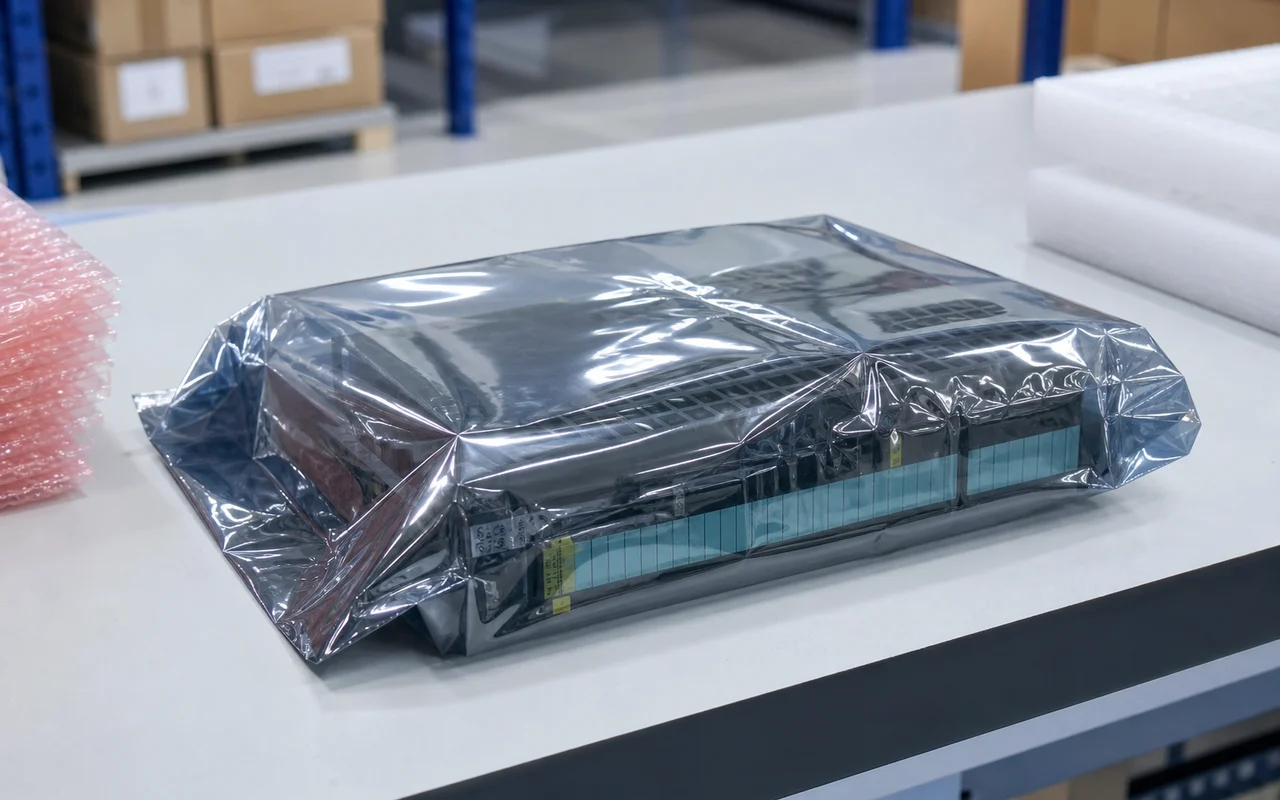 Anti-static Packaging
Modules are packed in anti-static bags to prevent electrostatic damage.
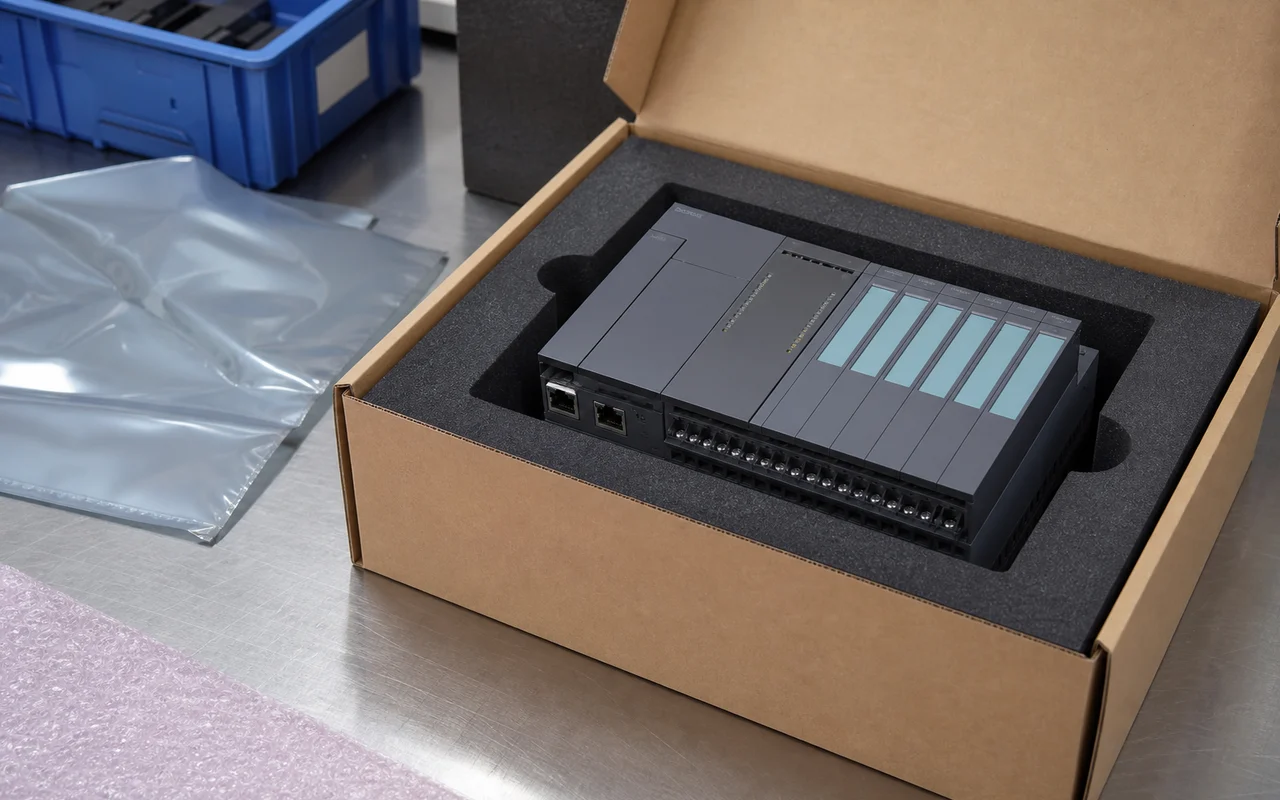 Secure Export Packing
Cushion protection and strong cartons ensure safe transportation.
 Worldwide Shipping
Global logistics network supports air, sea and express delivery.
 Documentation Check
Part number, revision and compatibility verified before shipment.
 After-sales Support
Professional technical support to help resolve your issues.