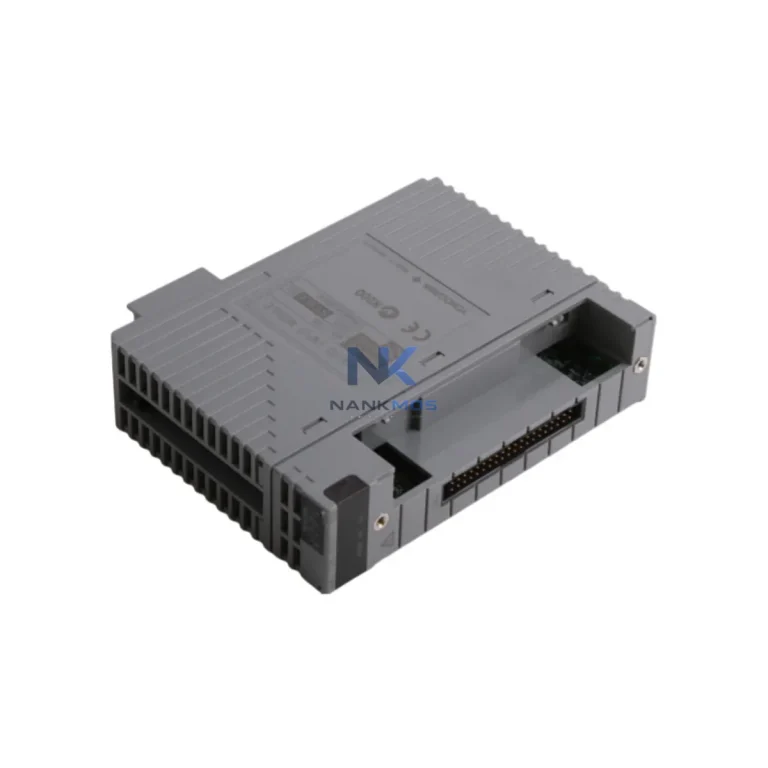
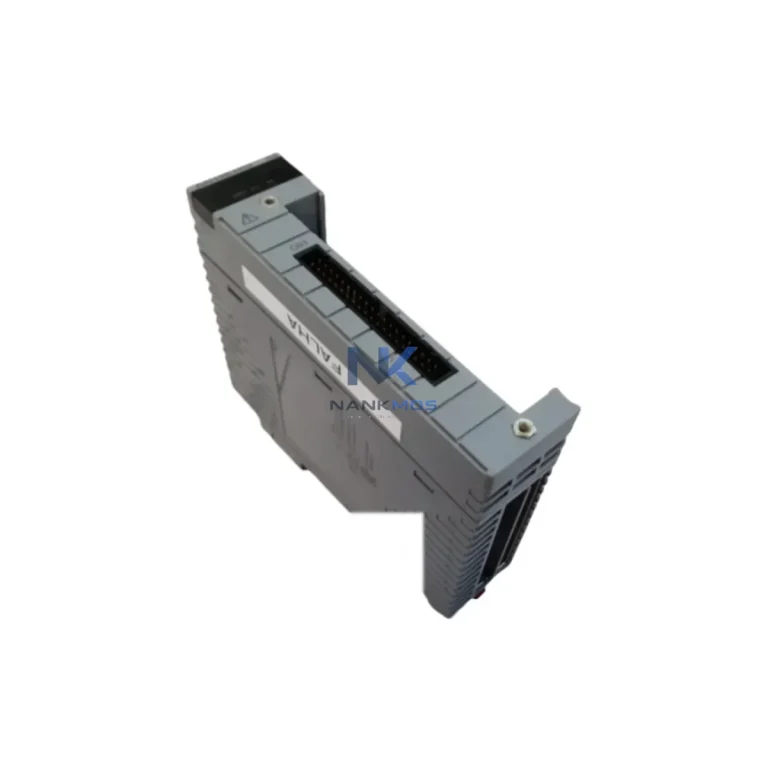
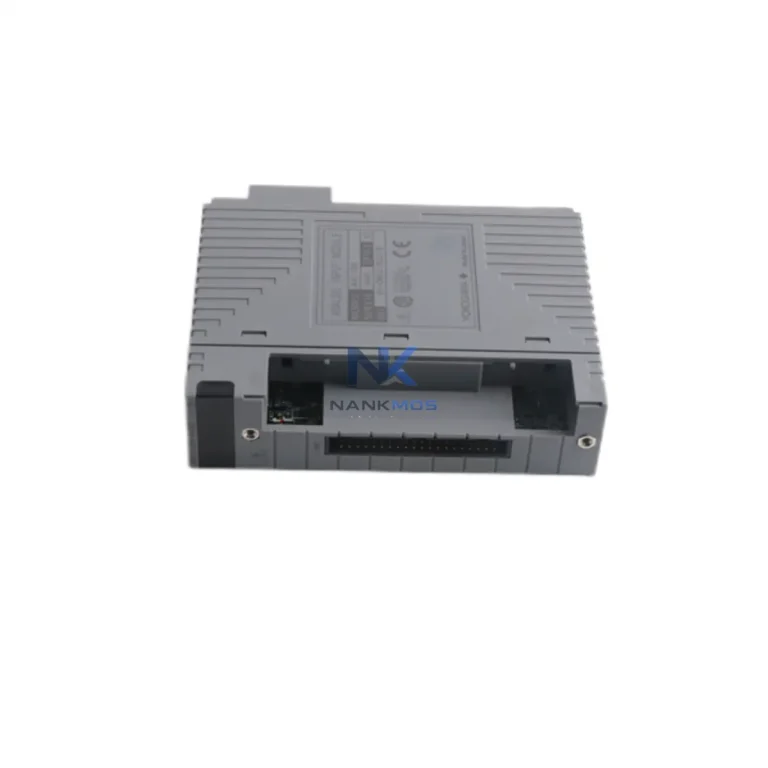
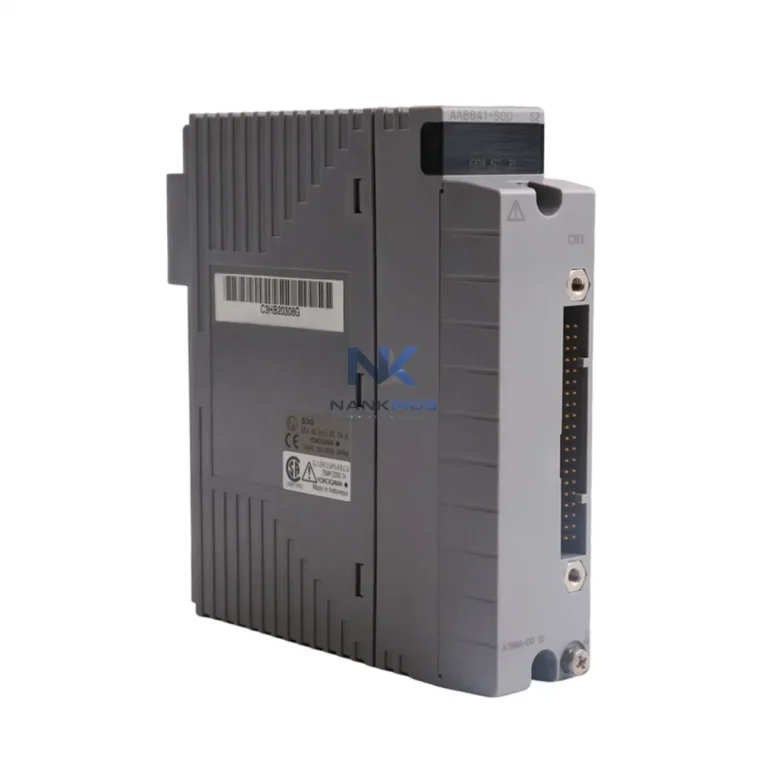
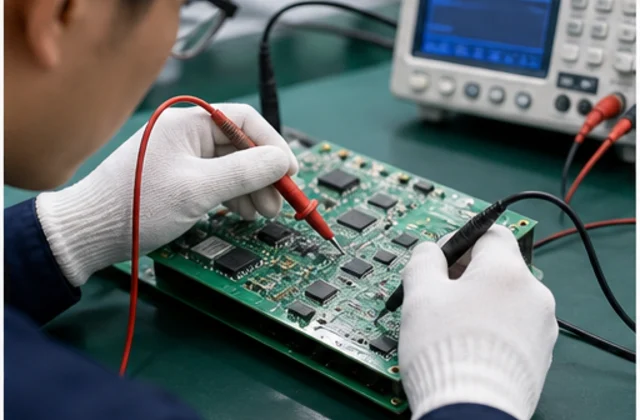
 Functional Inspection
100% tested on professional platforms to ensure stable performance.
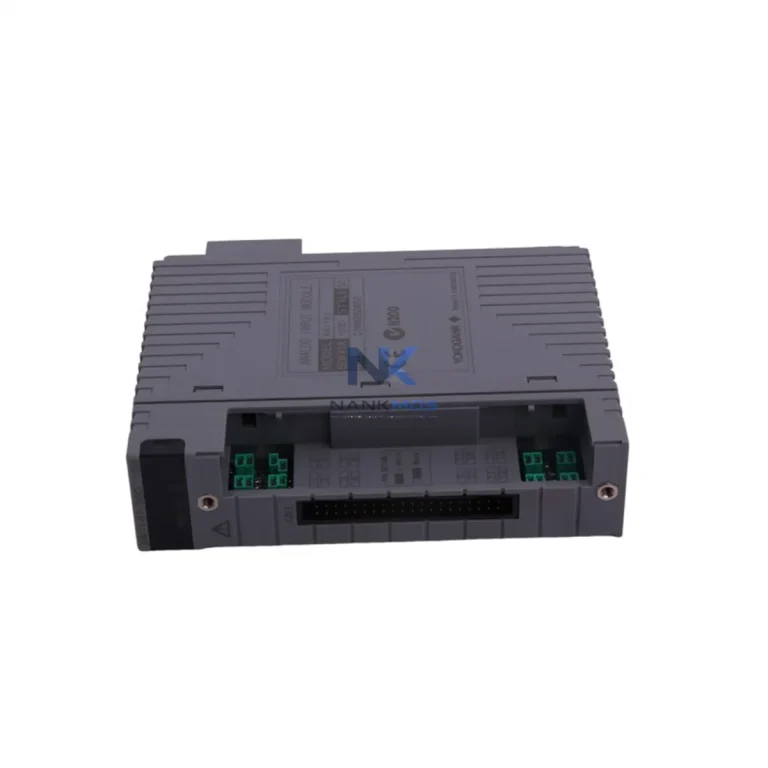
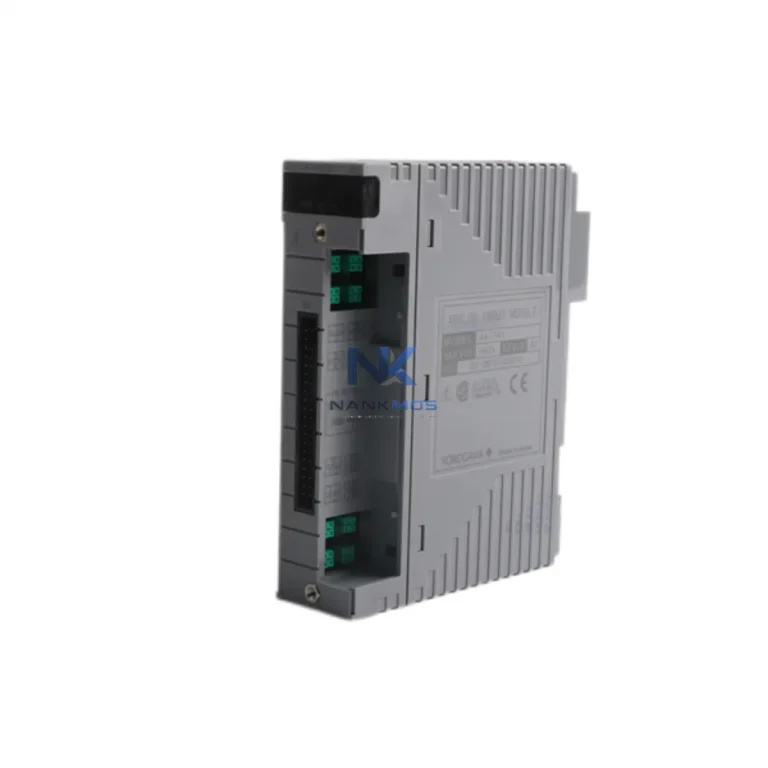
Yokogawa AIP171 is a NANKMOS industrial automation product record Listed under Other series series and Business & Industrial > Automation, Control & Flow Devices > Programmable Logic Controllers. Confirm condition, availability, lead time, compatibility and documentation by email inquiry.
Brand names are used for identification only.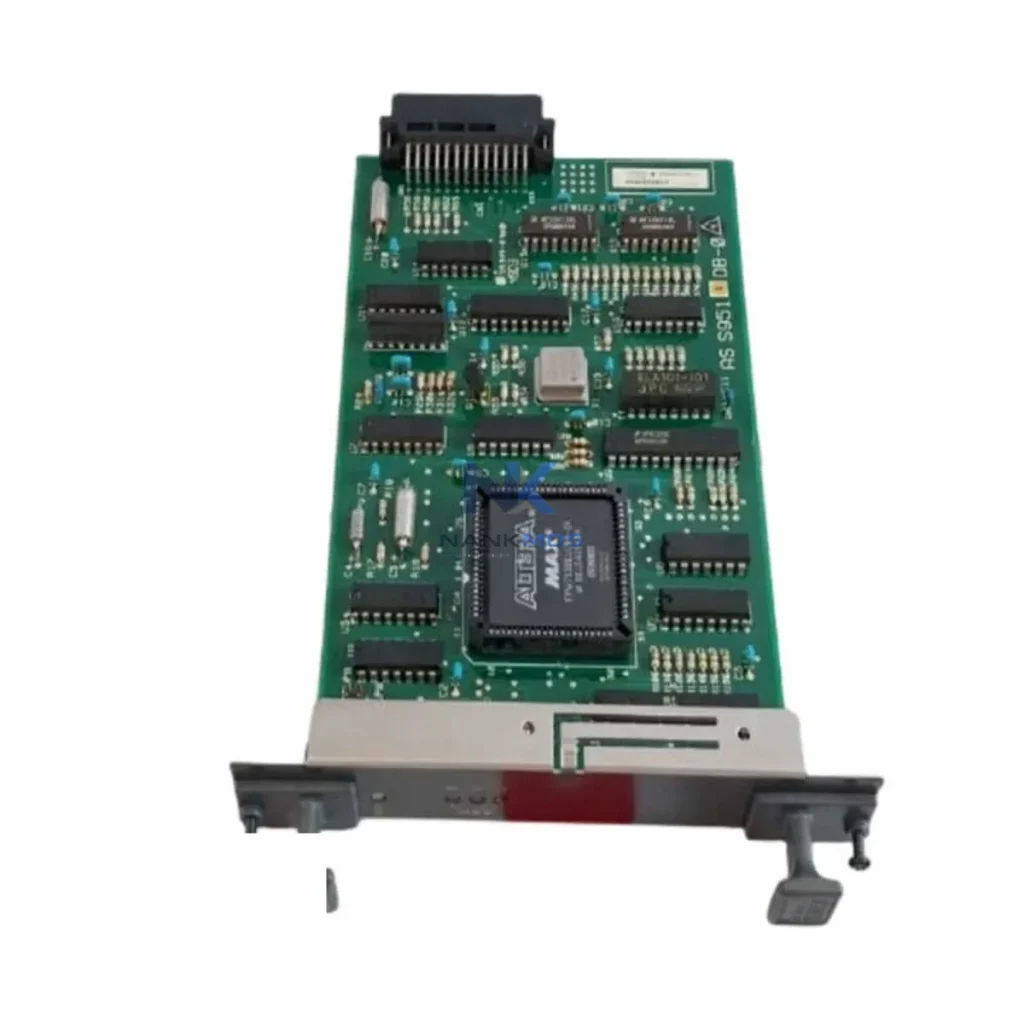
Yokogawa AIP171 is a NANKMOS industrial automation product record Listed under Other series series and Business & Industrial > Automation, Control & Flow Devices > Programmable Logic Controllers. Confirm condition, availability, lead time, compatibility and documentation by email inquiry.
| Manufacturer | Yokogawa |
|---|---|
| Application | Controller Processing & System Control |
| Part Number / Model | AIP171 |
| Compatible System | Confirmed by inquiry |
| Condition Options | To Confirm |
| Module Type | Controller / CPU Module |
| Warranty | 12 Months |
| Packaging | Anti-static Bag / Secure Box |
| Shipping Methods | DHL / FedEx / UPS / Air / Sea |
| Availability | To Confirm |
| Lead Time | To Confirm |
| Documentation | Part number and revision checked before quote |
The Yokogawa AIP171 is a precision-engineered DCS interface module designed for seamless integration within the AAI Series distributed control architecture. Purpose-built for industrial automation environments where signal integrity, system consistency, and long-term operational reliability are non-negotiable, the AIP171 serves as a critical bridge between field instrumentation and the upper control layers of a CENTUM-based or AAI-compatible platform. Its role extends beyond simple signal conditioning — it actively contributes to the structural coherence of multi-layer control systems deployed across manufacturing, power generation, petrochemical processing, and water treatment facilities.
In modern industrial control architectures, every module must earn its place within a layered system hierarchy. The AIP171 fulfills this requirement by providing stable, low-latency signal interfacing that supports both analog and digital I/O coordination across the control layer. When deployed alongside Yokogawa's broader AAI Series ecosystem, it enables engineers to maintain consistent signal flow from the field device layer through to the supervisory control and data acquisition (SCADA) layer, reducing integration friction and minimizing commissioning time on complex projects.
The AIP171 achieves its full engineering value when deployed as part of a coherent, multi-layer automation platform. In a typical CENTUM VP or CS 3000 architecture, the AIP171 interfaces directly with the AAI141 or AAI143 analog input modules, receiving conditioned 4–20 mA signals from field transmitters and forwarding structured data to the FCU (Field Control Unit) processor layer. This tight integration with the FCU ensures that process variables are accurately represented at the control layer without signal degradation or latency accumulation.
On the power layer, the AIP171 relies on the stable DC supply delivered through the AAI Series node unit, which is typically backed by a redundant power supply module such as the Yokogawa PW481 or equivalent node power unit. This power architecture ensures that interface module operation is not interrupted during single-point power failures, a critical requirement in continuous process industries.
For communication-intensive deployments, the AIP171 works in concert with Yokogawa's Vnet/IP or ESB bus communication infrastructure, enabling high-speed data exchange between distributed field nodes and the central engineering workstation. In larger installations, this communication backbone may also incorporate Yokogawa's AFS series fiber-optic communication modules, extending the physical reach of the control network without signal loss.
At the I/O expansion layer, the AIP171 is commonly paired with the AAI835 or AAI841 series I/O modules to extend channel capacity within a single node unit. This modular expansion approach allows system integrators to scale the control architecture incrementally, adding I/O capacity as process requirements grow without requiring a full system redesign. The AIP171's backplane compatibility ensures that newly added modules are immediately recognized by the FCU, reducing commissioning overhead.
For HMI integration, the AIP171-sourced process data flows upstream to Yokogawa's FAST/TOOLS or Exaquantum historian platforms, where operators monitor real-time process variables and historical trends. This data pathway supports both operational decision-making and post-incident analysis, contributing to the overall diagnostic efficiency of the control system. In safety-critical applications, the AIP171 may also interface with Yokogawa's ProSafe-RS safety instrumented system, ensuring that process variable data is available to the safety layer for independent validation.
Redundancy design is a key consideration in any high-availability deployment. The AIP171 supports hot-standby configurations within the AAI Series node architecture, allowing a standby module to assume control seamlessly in the event of a primary module failure. This redundancy capability, combined with the module's built-in self-diagnostics, significantly reduces mean time to repair (MTTR) and supports the high system availability targets required in power generation and petrochemical applications.
Manufacturing & Discrete Automation: In automotive and electronics manufacturing environments, the AIP171 provides reliable analog signal interfacing for process monitoring loops, supporting quality control systems that require consistent, low-noise signal transmission from precision sensors to the DCS control layer.
Power Generation & Utilities: In thermal and hydroelectric power plants, the AIP171 is deployed within CENTUM-based turbine control and boiler management systems. Its stable backplane communication and redundancy support make it well-suited for applications where control system downtime carries significant operational and safety consequences.
Petrochemical & Refinery Processing: Refinery DCS architectures demand modules that can sustain continuous operation across wide temperature ranges and in the presence of electrical noise from large motor drives and switching equipment. The AIP171's robust signal isolation and AAI Series architecture compatibility make it a reliable choice for these demanding environments.
Water Treatment & Municipal Infrastructure: Water treatment facilities operating CENTUM VP or CS 3000 platforms benefit from the AIP171's modular design, which simplifies maintenance and module replacement without requiring full system shutdowns. Its compatibility with standard AAI Series node units ensures straightforward spare parts management.
Mining & Metallurgy: In mineral processing and smelting operations, the AIP171 supports the integration of high-channel-count I/O systems required for monitoring conveyor systems, furnace temperatures, and material flow rates. Its compatibility with the broader AAI Series ecosystem ensures consistent system behavior across geographically distributed control nodes.
Q1: Is the Yokogawa AIP171 compatible with both CENTUM VP and CS 3000 control systems? The AIP171 is designed for the AAI Series node architecture, which is used across multiple generations of Yokogawa's CENTUM platform. While the module is primarily associated with CS 3000 and earlier CENTUM VP deployments, compatibility with specific firmware versions and FCU generations should be verified against the system's engineering documentation. NANKMOS supplies tested units and can provide configuration guidance based on your specific system version.
Q2: Can the AIP171 be used in a redundant I/O configuration, and what companion modules are required? Yes, the AIP171 supports redundant deployment within the AAI Series node unit when paired with the appropriate redundancy switch module and a matched standby AIP171 unit. The redundancy configuration requires correct slot assignment within the node chassis and proper FCU parameter settings. NANKMOS recommends sourcing both primary and standby units simultaneously to ensure hardware revision consistency and minimize commissioning risk.
Q3: What warranty and post-shipment support does NANKMOS provide for the AIP171? All AIP171 units supplied by NANKMOS are covered by a 12-Month Warranty from the date of shipment. Each unit undergoes functional testing prior to dispatch to verify backplane communication, signal channel integrity, and module self-diagnostic operation. In the event of a warranty claim, NANKMOS provides direct technical support and replacement coordination to minimize system downtime. For long-term maintenance planning, NANKMOS maintains in-stock inventory of AIP171 and related AAI Series modules to support rapid replenishment requirements.
Functional Inspection100% tested on professional platforms to ensure stable performance.
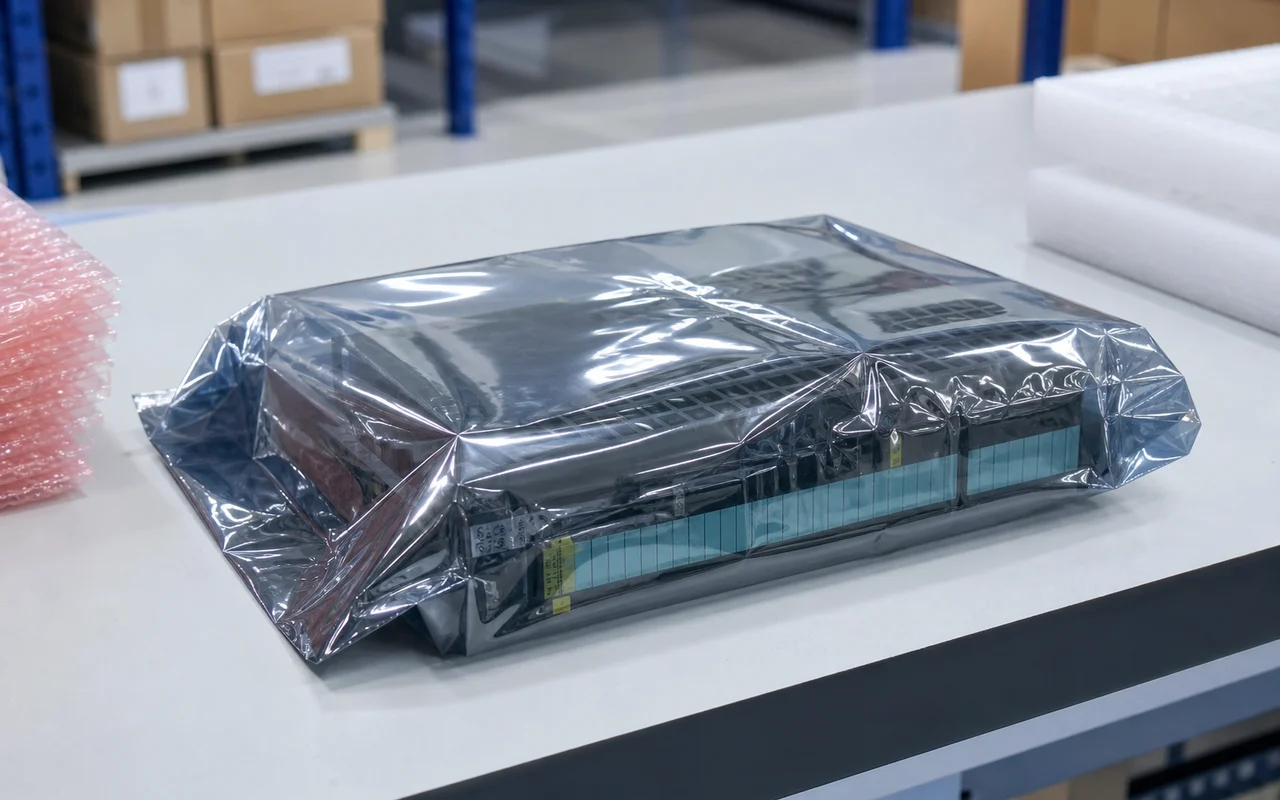 Anti-static Packaging
Modules are packed in anti-static bags to prevent electrostatic damage.
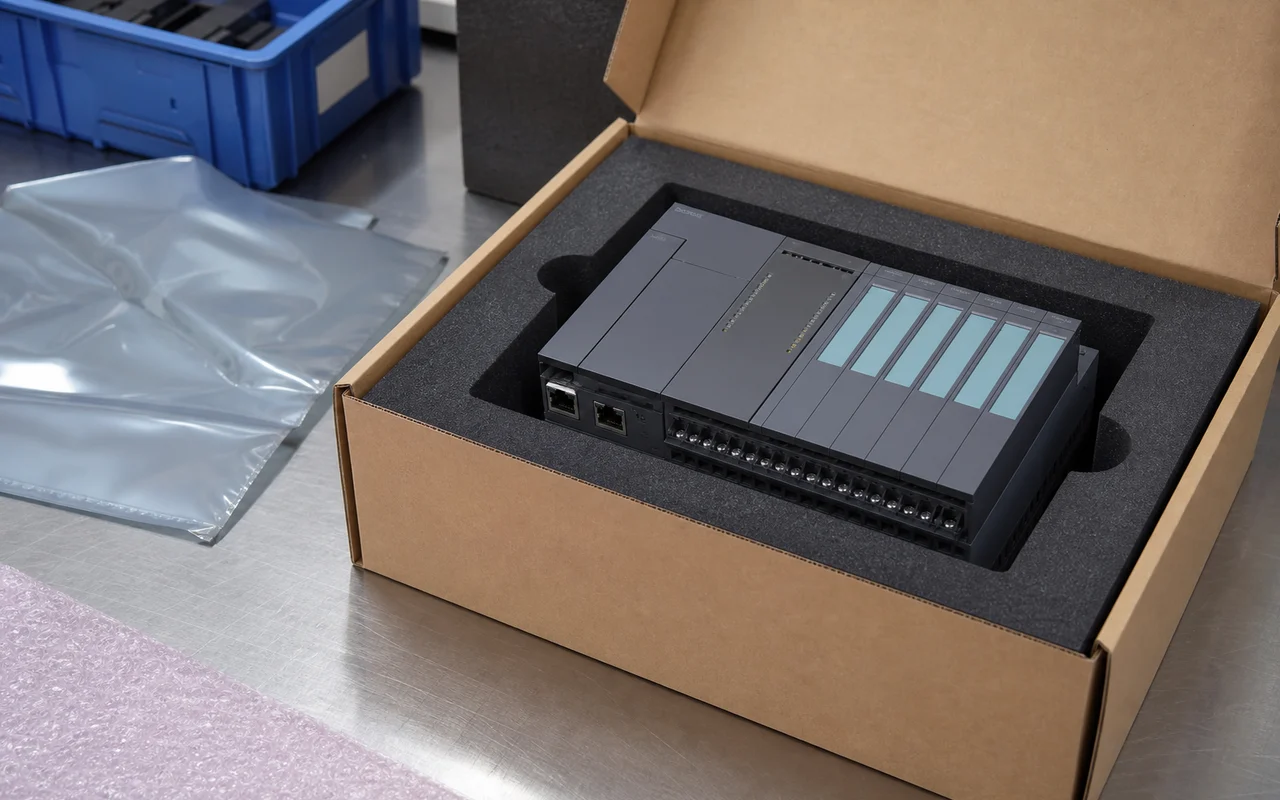 Secure Export Packing
Cushion protection and strong cartons ensure safe transportation.
 Worldwide Shipping
Global logistics network supports air, sea and express delivery.
 Documentation Check
Part number, revision and compatibility verified before shipment.
 After-sales Support
Professional technical support to help resolve your issues.