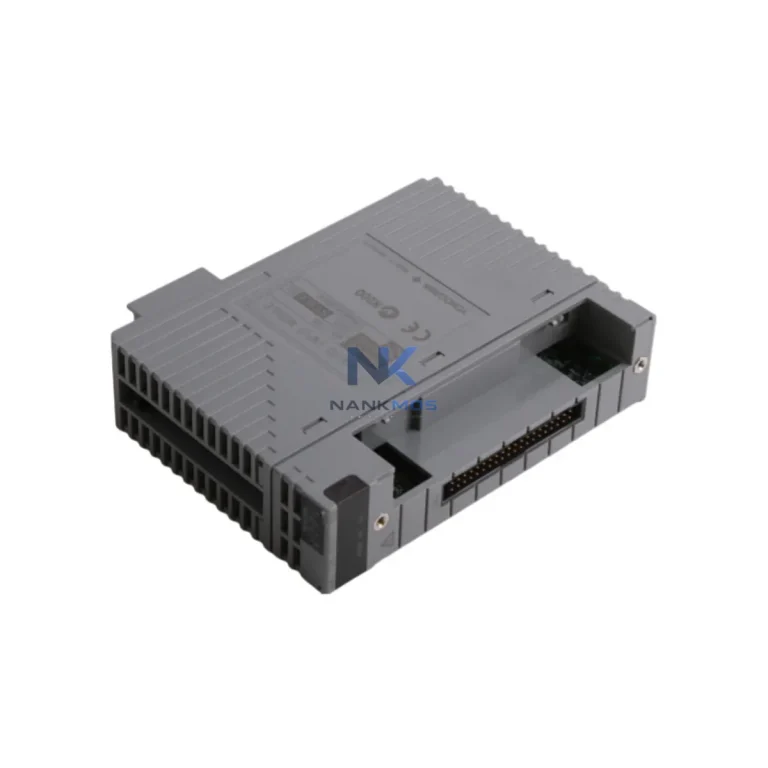
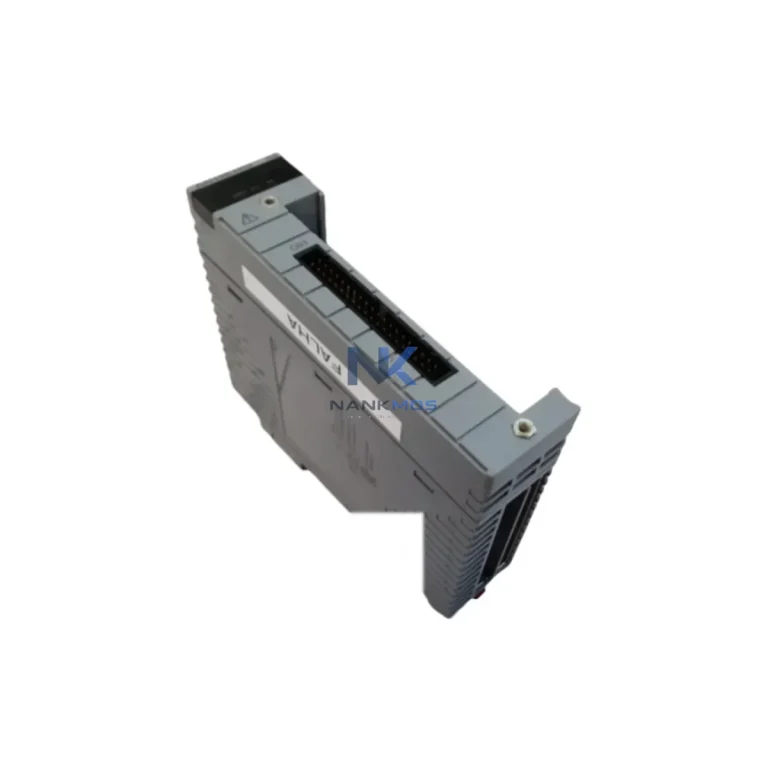
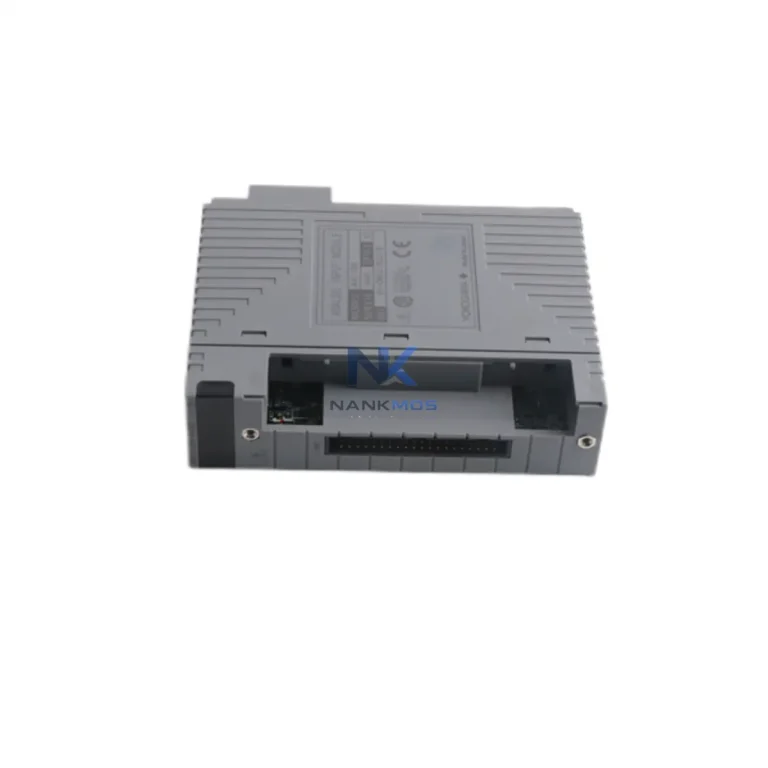
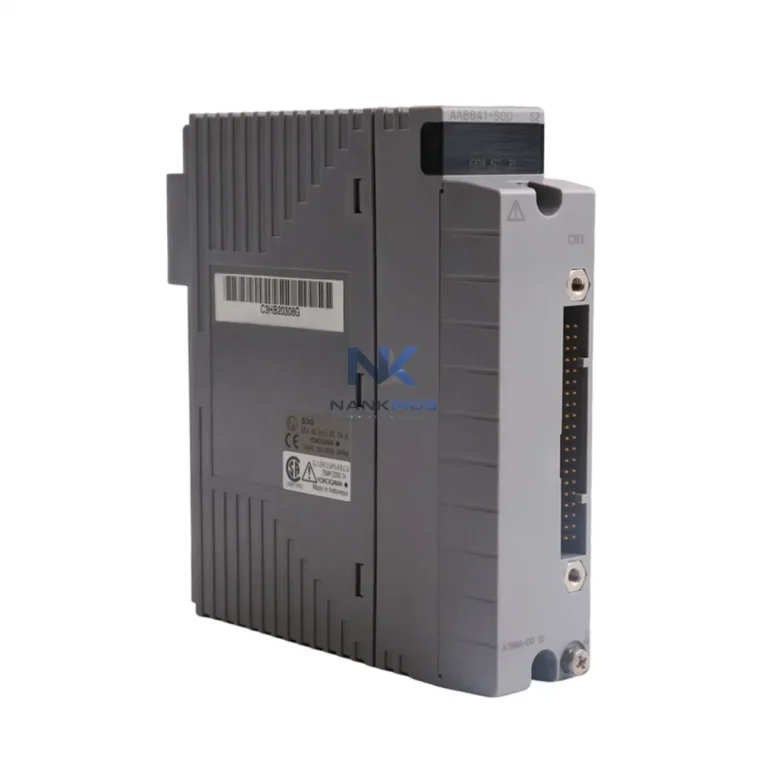
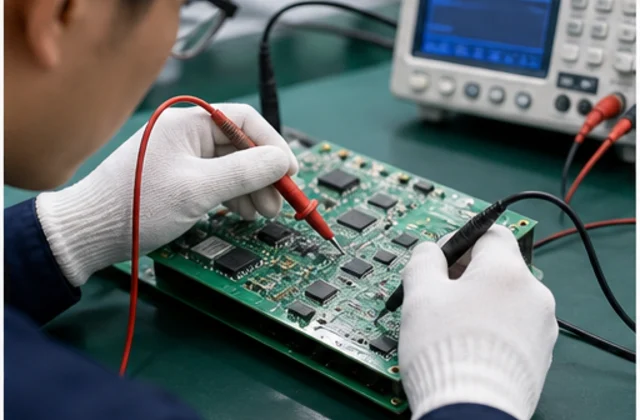
 Functional Inspection
100% tested on professional platforms to ensure stable performance.
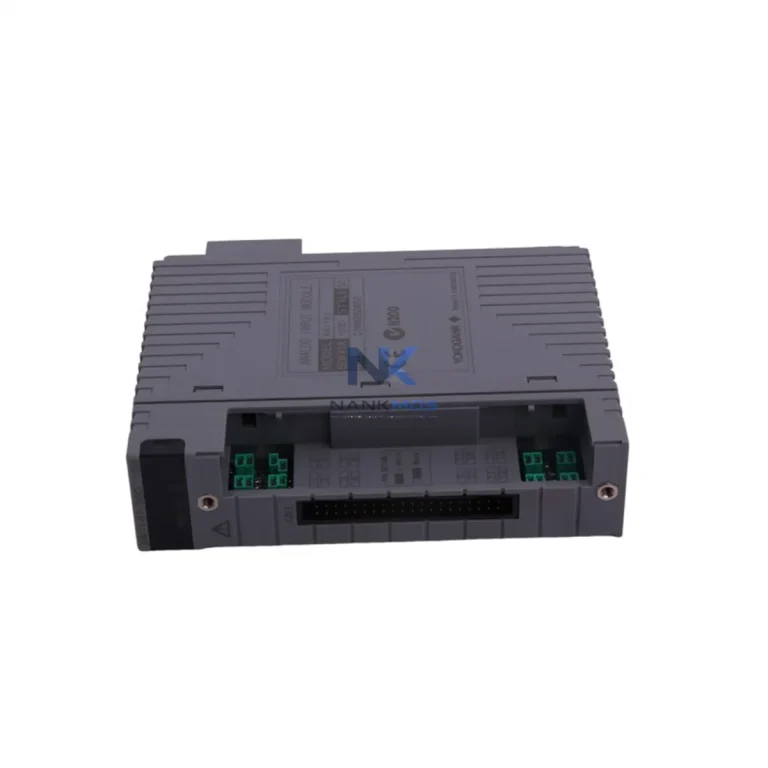
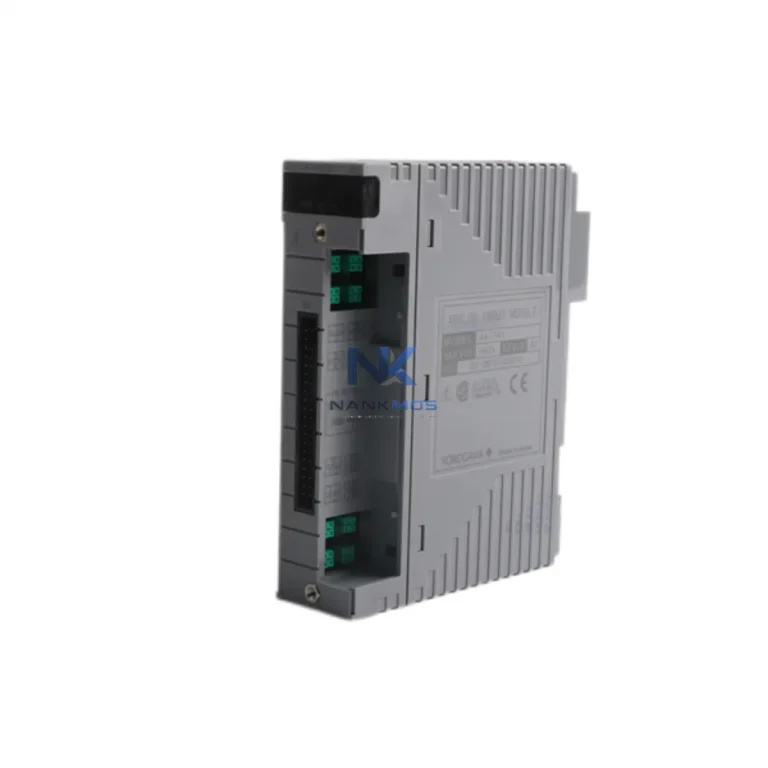
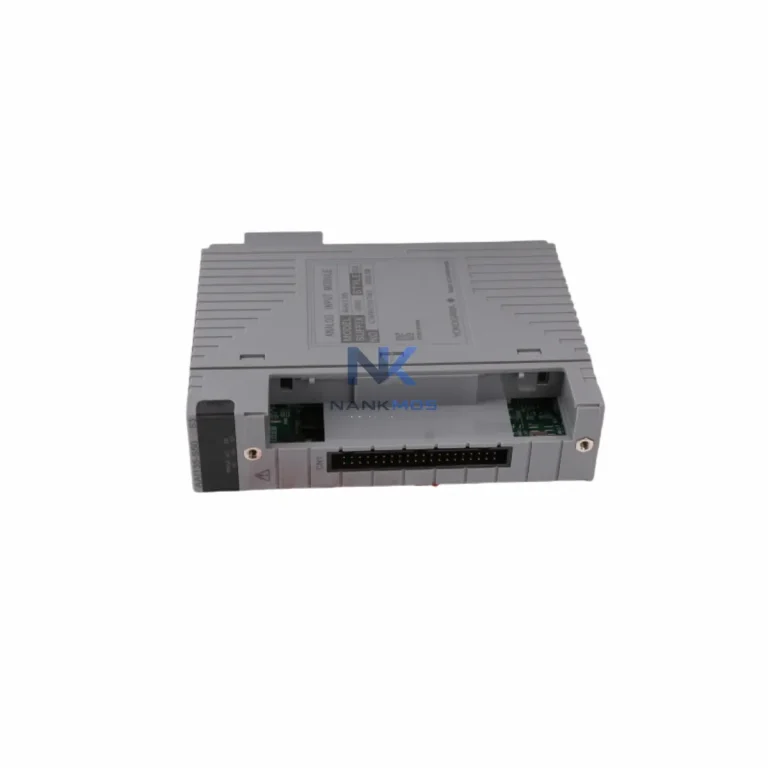
Yokogawa ALR121£51 is a NANKMOS industrial automation product record Listed under Other series series and Business & Industrial > Automation, Control & Flow Devices > Programmable Logic Controllers. Confirm condition, availability, lead time, compatibility and documentation by email inquiry.
Brand names are used for identification only.
Yokogawa ALR121£51 is a NANKMOS industrial automation product record Listed under Other series series and Business & Industrial > Automation, Control & Flow Devices > Programmable Logic Controllers. Confirm condition, availability, lead time, compatibility and documentation by email inquiry.
| Manufacturer | Yokogawa |
|---|---|
| Application | Controller Processing & System Control |
| Part Number / Model | ALR121£51 |
| Compatible System | Confirmed by inquiry |
| Condition Options | To Confirm |
| Module Type | Controller / CPU Module |
| Warranty | 12 Months |
| Packaging | Anti-static Bag / Secure Box |
| Shipping Methods | DHL / FedEx / UPS / Air / Sea |
| Availability | To Confirm |
| Lead Time | To Confirm |
| Documentation | Part number and revision checked before quote |
The Yokogawa ALR121-S51 is a high-reliability serial communication module engineered for integration within the Yokogawa CENTUM VP / CENTUM CS 3000 distributed control system (DCS) platform. Designed to serve as a critical data bridge between field devices and the central control layer, the ALR121-S51 enables real-time process data exchange, load-aware command routing, and energy-conscious automation across continuous and batch production environments. With its compact form factor, deterministic communication latency, and robust signal integrity, this module is a foundational component for factories pursuing measurable reductions in energy consumption, thermal load, and unplanned downtime.
In modern smart manufacturing, communication infrastructure is no longer a passive conduit — it is an active participant in energy optimisation. The ALR121-S51 fulfils this role by ensuring that energy-relevant data from field instruments, motor drives, and power monitoring devices reaches the DCS controller with minimal latency and zero data loss. This enables the CENTUM system to execute load-shedding strategies, adjust drive setpoints, and coordinate equipment cycling in real time — all of which directly reduce peak demand charges and idle-state energy waste.
The ALR121-S51 operates as the serial communication backbone within a broader energy-aware automation architecture. In a typical smart factory deployment, it interfaces directly with the Yokogawa CENTUM VP Field Control Station (FCS), transmitting process variable data from field-level instruments — including flow transmitters, pressure sensors, and temperature elements — to the DCS controller at deterministic scan intervals. This real-time data pipeline is essential for the FCS to execute energy-optimised control loops without relying on polled or delayed signal updates.
On the drive side, the ALR121-S51 can be configured to relay speed reference and feedback signals between the CENTUM controller and variable frequency drives (VFDs) such as the Yaskawa A1000 series or compatible third-party inverters. By enabling closed-loop speed control over a serial link, the module allows the DCS to dynamically adjust motor operating points based on actual process demand — eliminating the energy waste associated with fixed-speed motor operation. This is particularly impactful in pump, fan, and compressor applications where affinity laws dictate that even a 20% speed reduction can yield up to 50% energy savings.
For servo-driven axes integrated into the production line, the ALR121-S51 supports data exchange with Yokogawa-compatible servo amplifier units and motion controllers, enabling the DCS to monitor torque demand, cycle time, and thermal status. When combined with the Yokogawa MW100 data acquisition unit or equivalent power monitoring modules, the system can correlate servo energy consumption with production throughput — identifying inefficient motion profiles and recommending parameter adjustments that reduce both energy use and mechanical wear.
The module also plays a key role in integrating power quality analysers and energy meters into the CENTUM environment. Devices such as the Yokogawa WT series power analysers can transmit harmonic distortion data, power factor readings, and demand interval values to the DCS via the ALR121-S51 serial link. This data feeds directly into the plant's energy management system (EMS), enabling automated corrective actions — such as capacitor bank switching or load rebalancing — that reduce reactive power penalties and improve overall electrical efficiency.
At the I/O layer, the ALR121-S51 complements digital and analogue I/O modules within the CENTUM I/O subsystem, including the AAI143 analogue input module and ADV151 digital output module, by providing a dedicated serial channel for devices that do not support standard 4–20 mA or discrete I/O interfaces. This ensures that legacy field instruments and specialised energy monitoring sensors remain fully integrated into the DCS data model without requiring costly signal conversion hardware.
From an HMI perspective, operators using the Yokogawa FAST/TOOLS SCADA platform or the CENTUM VP Human Interface Station (HIS) gain visibility into all serial-connected field data through the ALR121-S51's transparent data routing. Energy dashboards, load trend displays, and alarm management screens can all be populated with real-time data sourced through this module — giving operators the situational awareness needed to make informed, energy-conscious decisions during production.
In high-throughput manufacturing environments, communication latency and data gaps are silent contributors to energy inefficiency. When a DCS controller cannot receive timely updates from field devices, it defaults to conservative control strategies — maintaining higher setpoints, running equipment at full capacity, and delaying load-shedding actions. The ALR121-S51 eliminates this uncertainty by providing a stable, low-latency serial communication channel that keeps the CENTUM controller continuously informed of actual process conditions.
This real-time awareness enables several energy optimisation strategies. First, the DCS can implement demand-responsive load management — automatically reducing non-critical equipment loads during peak tariff periods based on live energy meter data received through the ALR121-S51. Second, the module supports predictive maintenance workflows by transmitting vibration, temperature, and current signature data from field instruments to the CENTUM historian, where trend analysis algorithms can detect early signs of motor degradation or bearing wear before they result in unplanned downtime and associated energy spikes from restart cycles.
Third, the ALR121-S51 contributes to production line takt time optimisation by ensuring that drive speed references and process setpoints are updated at the correct scan rate. In batch processes, this means that heating, mixing, and transfer operations can be sequenced with minimal idle time between stages — reducing the energy consumed during transition periods. In continuous processes, it enables tighter control of flow rates and pressures, reducing the frequency and magnitude of control valve hunting that wastes both energy and process material.
Finally, by maintaining a reliable serial link between the CENTUM DCS and field-level energy monitoring devices, the ALR121-S51 supports the generation of accurate energy consumption reports at the equipment, line, and plant level. These reports are essential for ISO 50001 energy management compliance, carbon footprint tracking, and internal benchmarking initiatives. Every unit shipped by NANKMOS undergoes pre-shipment functional verification to confirm communication integrity, signal quality, and module identification — ensuring that the ALR121-S51 performs to specification from the moment it is installed.
Q1: What energy-saving benefits does the Yokogawa ALR121-S51 provide in a CENTUM DCS environment? The ALR121-S51 enables real-time serial data exchange between field devices — including power analysers, VFDs, and energy meters — and the CENTUM DCS controller. This continuous data flow allows the DCS to execute demand-side energy management strategies, adjust drive setpoints dynamically, and reduce idle-state energy consumption across the production line. The result is measurable improvement in equipment utilisation and a reduction in peak demand charges.
Q2: Is the ALR121-S51 compatible with third-party SCADA and energy management systems? Yes. While the ALR121-S51 is natively designed for the Yokogawa CENTUM VP and CENTUM CS 3000 platforms, its standard RS-232C/RS-422/RS-485 serial interfaces allow integration with third-party SCADA systems, energy management platforms, and data historians that support serial communication protocols. Compatibility should be verified against the specific protocol requirements of the target system prior to deployment.
Q3: Can the ALR121-S51 replace an existing serial communication module in a running CENTUM system? In most cases, yes. The ALR121-S51 is designed as a direct replacement for compatible serial communication slots within the CENTUM I/O subsystem. Before replacement, verify the module slot assignment, communication parameters (baud rate, parity, stop bits), and any associated function block configurations in the CENTUM engineering environment. NANKMOS recommends performing a configuration backup before any module swap in a live system.
Q4: What does the 12-month warranty cover, and what is the stock availability? Every Yokogawa ALR121-S51 supplied by NANKMOS is covered by a 12-month warranty from the date of shipment, covering manufacturing defects and functional failures under normal operating conditions. All units undergo pre-shipment functional testing to verify communication performance and module integrity. Stock is maintained for prompt dispatch — contact NANKMOS for lead time confirmation on volume orders.
Functional Inspection100% tested on professional platforms to ensure stable performance.
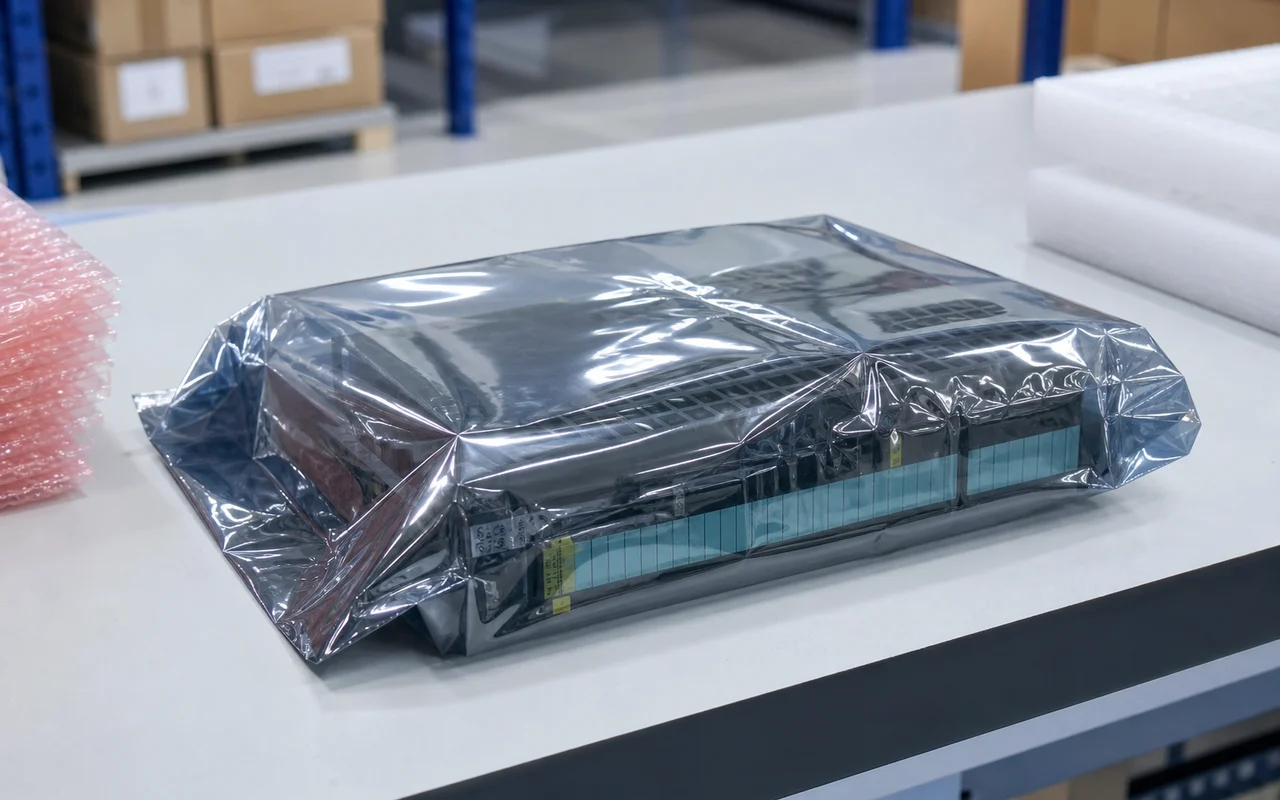 Anti-static Packaging
Modules are packed in anti-static bags to prevent electrostatic damage.
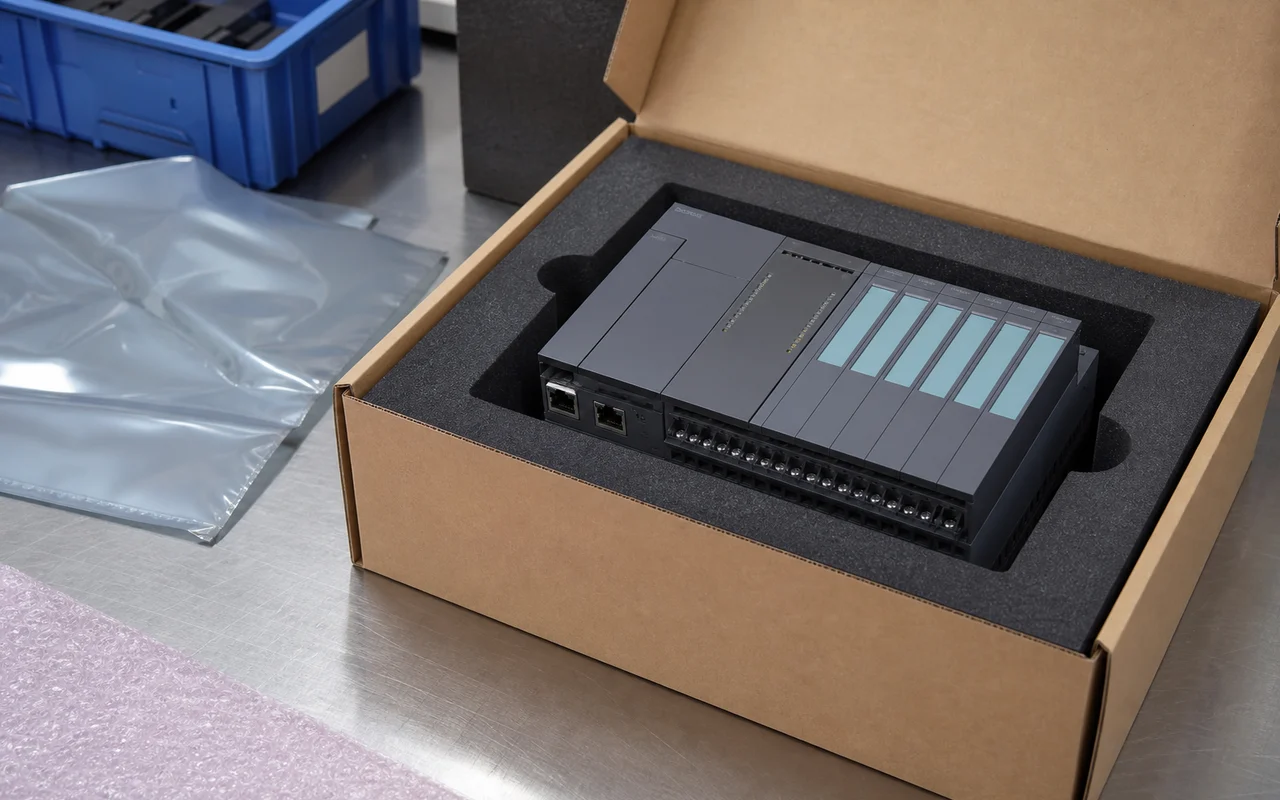 Secure Export Packing
Cushion protection and strong cartons ensure safe transportation.
 Worldwide Shipping
Global logistics network supports air, sea and express delivery.
 Documentation Check
Part number, revision and compatibility verified before shipment.
 After-sales Support
Professional technical support to help resolve your issues.