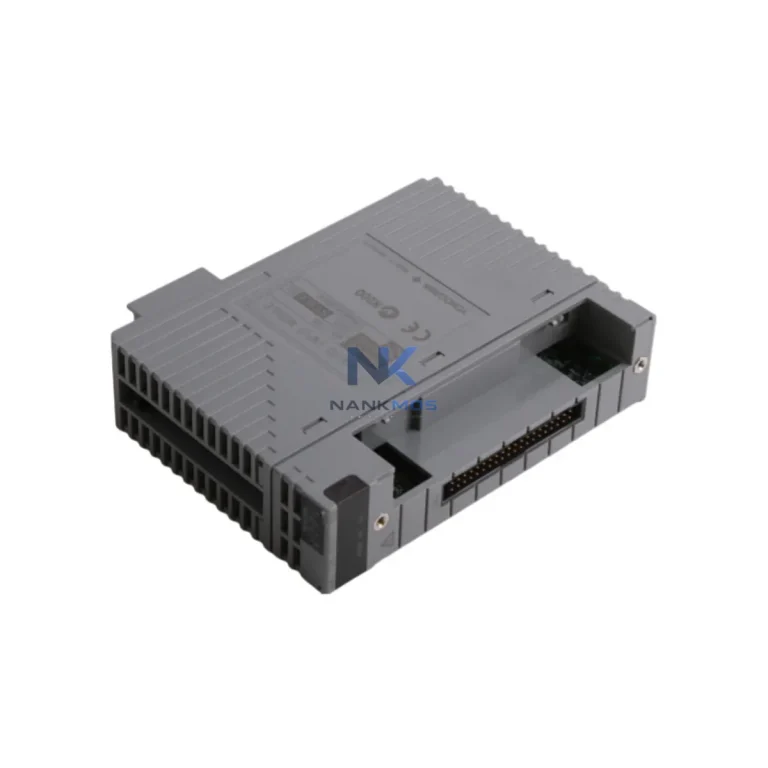
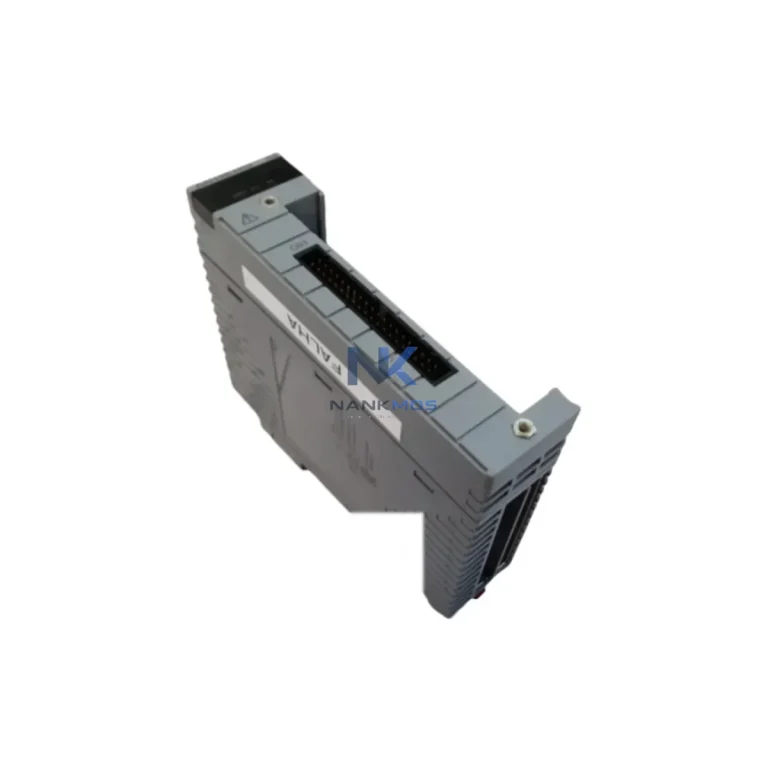
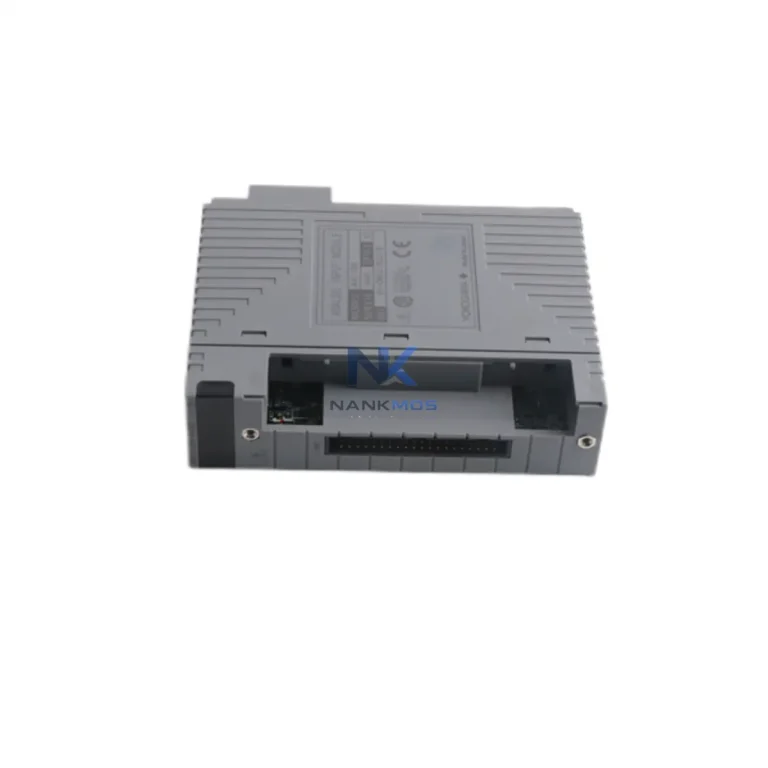
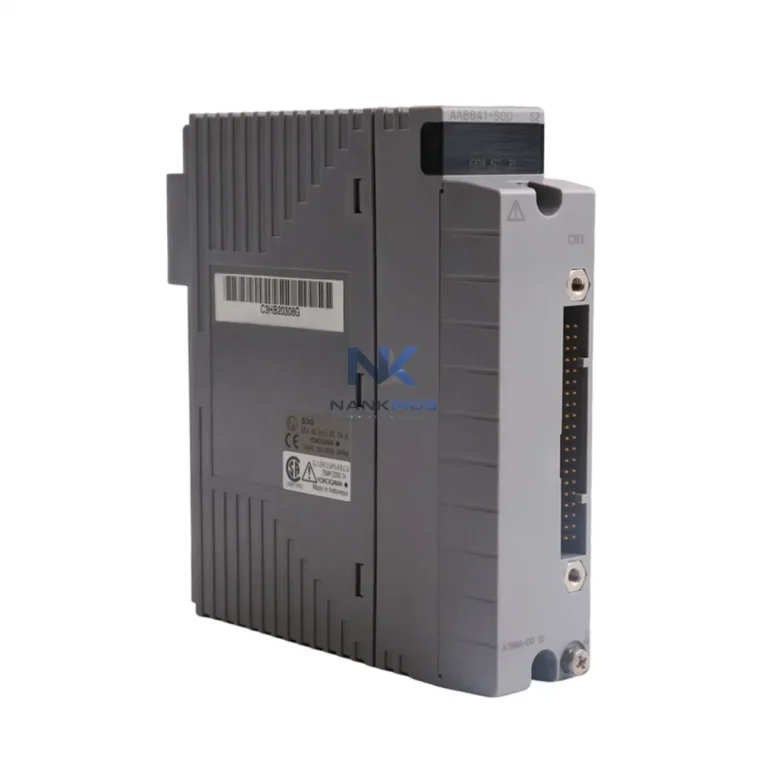
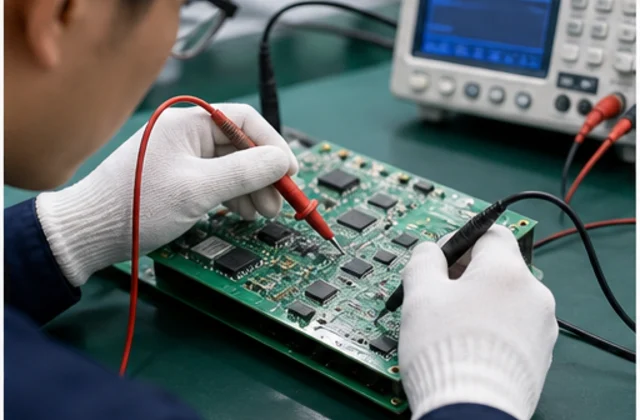
 Functional Inspection
100% tested on professional platforms to ensure stable performance.
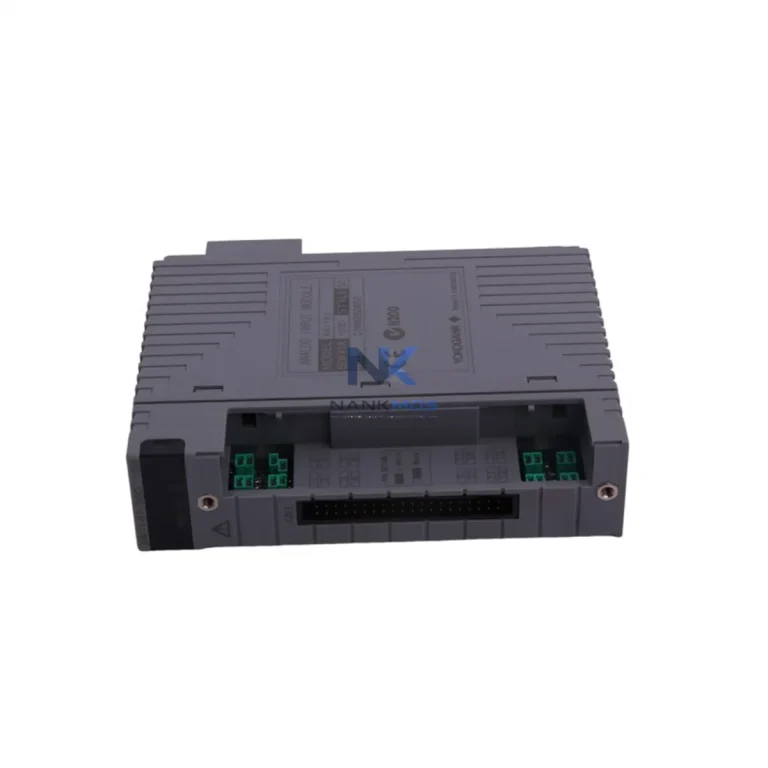
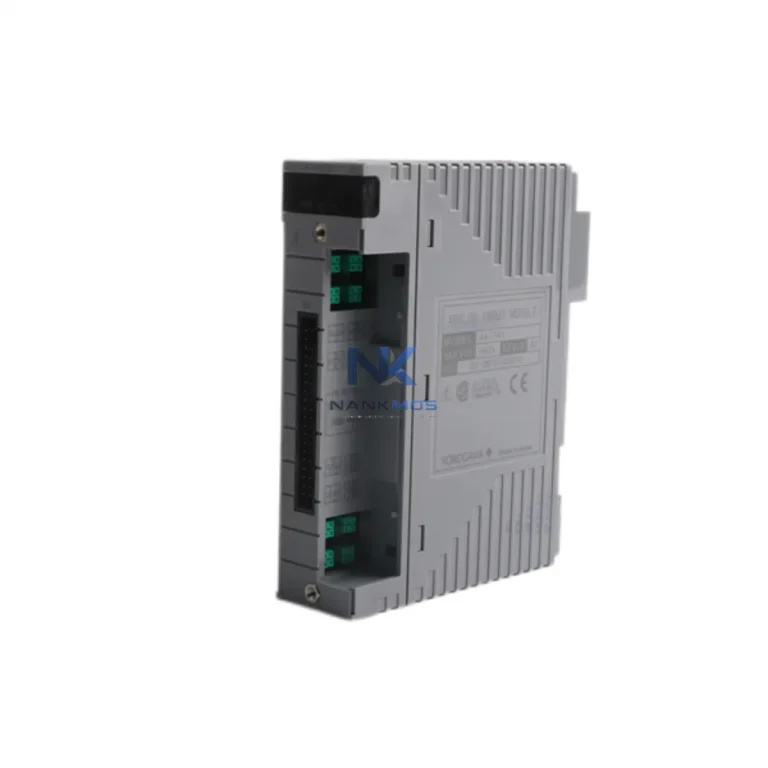
Yokogawa ET5*C is a NANKMOS industrial automation product record Listed under Other series series and Business & Industrial > Automation, Control & Flow Devices > Programmable Logic Controllers. Confirm condition, availability, lead time, compatibility and documentation by email inquiry.
Brand names are used for identification only.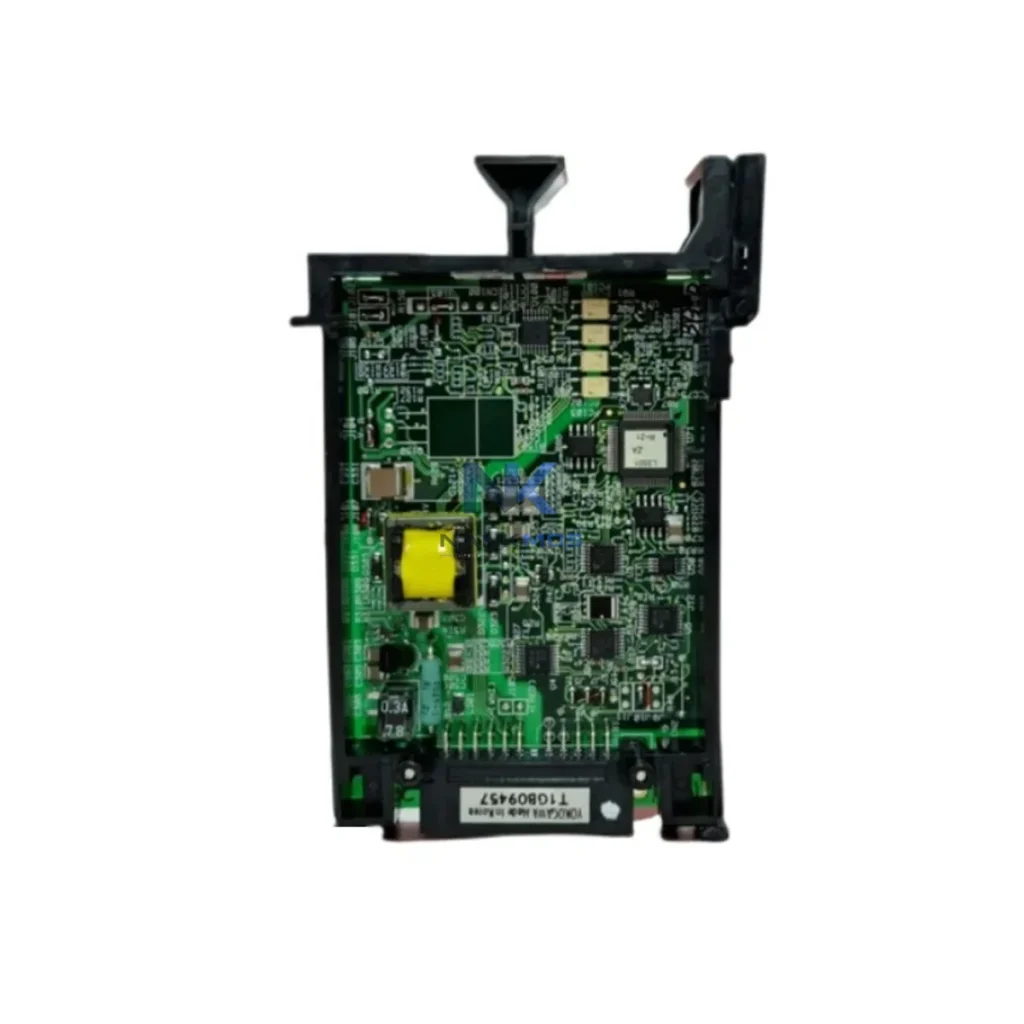
Yokogawa ET5*C is a NANKMOS industrial automation product record Listed under Other series series and Business & Industrial > Automation, Control & Flow Devices > Programmable Logic Controllers. Confirm condition, availability, lead time, compatibility and documentation by email inquiry.
| Manufacturer | Yokogawa |
|---|---|
| Application | Controller Processing & System Control |
| Part Number / Model | ET5*C |
| Compatible System | Confirmed by inquiry |
| Condition Options | To Confirm |
| Module Type | Controller / CPU Module |
| Warranty | 12 Months |
| Packaging | Anti-static Bag / Secure Box |
| Shipping Methods | DHL / FedEx / UPS / Air / Sea |
| Availability | To Confirm |
| Lead Time | To Confirm |
| Documentation | Part number and revision checked before quote |
The Yokogawa ET5*C is a high-precision thermocouple input signal conditioner engineered for seamless integration into modern smart factory data architectures. Designed within Yokogawa's proven ET5 series platform, the ET5*C bridges the gap between field-level temperature sensing devices and upper-layer control systems — including PLCs, DCS platforms, SCADA servers, and edge computing gateways — delivering reliable, real-time analog signal transmission across complex industrial network topologies. Whether deployed in energy management, process manufacturing, water treatment, or discrete automation environments, the ET5*C serves as a critical node in the industrial data chain, ensuring that thermocouple signals are accurately conditioned, isolated, and transmitted without data loss or protocol conflict.
In a connected factory environment, signal integrity at the field level determines the quality of every decision made upstream. The ET5*C accepts standard thermocouple inputs — including Type K, J, T, E, R, S, and B — and converts them into standardized analog output signals (typically 4–20 mA or 0–10 V DC) compatible with virtually any industrial controller or data acquisition module. This makes the ET5*C a universal translator between legacy sensing infrastructure and modern digital control platforms, eliminating the need for costly sensor replacements when upgrading automation systems.
The ET5*C occupies a foundational position in the smart factory data flow. At the field level, thermocouples embedded in furnaces, reactors, heat exchangers, pipelines, and motor housings generate millivolt-range signals that are inherently susceptible to electrical noise and ground loop interference. The ET5*C's 3-way galvanic isolation eliminates these interference sources, delivering a clean, stable analog output to the next layer of the automation hierarchy.
That conditioned signal feeds directly into Yokogawa's CENTUM VP distributed control system or into a Yokogawa STARDOM FCN autonomous controller, where it is processed against setpoints, alarm thresholds, and control logic. In parallel, the analog output can be wired into a remote I/O module — such as a Yokogawa RM series remote I/O unit — which digitizes the signal and transmits it over PROFIBUS DP or FOUNDATION Fieldbus H1 to the main control network. This multi-path signal architecture ensures redundancy and eliminates single points of failure in critical process loops.
For facilities running mixed-vendor automation environments, the ET5*C's standardized 4–20 mA output integrates equally well with Siemens S7-300/S7-400 PLCs via analog input cards, or with Rockwell Automation ControlLogix analog I/O modules, without requiring any protocol conversion hardware. The signal can also be tapped by a Yokogawa MW100 data acquisition unit or a third-party edge gateway running OPC-UA, enabling real-time data streaming to cloud-based SCADA platforms or MES systems for production analytics and energy monitoring.
At the HMI layer, operators viewing a Yokogawa ProSafe-RS safety instrumented system console or a standard SCADA workstation running Yokogawa FAST/TOOLS receive live temperature readings derived from ET5*C-conditioned signals. Alarm thresholds configured in the DCS trigger immediate notifications when temperature excursions occur, enabling rapid response before process upsets escalate. The ET5*C's fast response time — typically under 500 ms — ensures that alarm latency remains within acceptable limits for safety-critical applications.
In edge computing architectures, the ET5*C's analog output connects to an industrial edge gateway equipped with analog input channels, where local preprocessing — including signal averaging, trend analysis, and anomaly detection — occurs before data is forwarded to the cloud. This reduces bandwidth consumption on the industrial Ethernet backbone and enables local decision-making even during WAN outages. The ET5*C thus supports both centralized SCADA architectures and distributed edge intelligence models, making it a versatile component in any smart factory connectivity strategy.
Many industrial facilities face persistent data gaps caused by protocol fragmentation, aging sensor infrastructure, and the absence of standardized signal conditioning at the field level. The ET5*C directly addresses these challenges. When a plant operates thermocouples from multiple manufacturers — each with slightly different output characteristics — the ET5*C's configurable input range and linearization ensure that all signals are normalized to a consistent analog output, eliminating the calibration discrepancies that cause data inconsistencies in SCADA historians.
Data island problems — where field instruments operate in isolation from the control network — are resolved by the ET5*C's ability to interface with any analog-input-capable controller or data acquisition system. A temperature sensor that previously fed only a local indicator can now contribute its data to the plant-wide SCADA system, enabling cross-system correlation between temperature trends, energy consumption, and production throughput. This visibility is essential for implementing predictive maintenance programs and energy optimization initiatives.
Remote monitoring challenges are addressed through the ET5*C's compatibility with Yokogawa's Plant Resource Manager (PRM) asset management platform, which can track signal conditioner health, detect drift, and schedule calibration events without requiring physical site visits. For facilities with geographically distributed assets — such as pipeline monitoring stations or remote substations — this remote diagnostic capability significantly reduces maintenance costs and unplanned downtime.
Production line transparency is enhanced when ET5*C-conditioned temperature data is integrated into OEE (Overall Equipment Effectiveness) dashboards, where thermal performance metrics are correlated with machine availability and quality data. Alarm tracking becomes more reliable when temperature excursions are logged with millisecond-precision timestamps in the SCADA historian, enabling root cause analysis and regulatory compliance reporting. System expansion is straightforward: additional ET5*C modules can be added to the DIN rail without modifying existing wiring, supporting phased automation upgrades without production interruption.
Q1: What communication protocols does the Yokogawa ET5*C support for SCADA and DCS integration? The ET5*C outputs a standard 4–20 mA or 0–10 V DC analog signal, which is universally compatible with SCADA systems, DCS platforms, PLCs, and data acquisition modules that accept analog inputs. For digital network integration, the analog output can be connected to HART-capable transmitters or digitized by remote I/O modules supporting PROFIBUS DP, FOUNDATION Fieldbus, or Modbus RTU, enabling full integration into Yokogawa CENTUM VP, STARDOM, and third-party control architectures.
Q2: How does the ET5*C ensure network stability and signal integrity in electrically noisy industrial environments? The ET5*C incorporates 3-way galvanic isolation between input, output, and power supply circuits, eliminating ground loops and common-mode noise that are prevalent in industrial environments with variable-frequency drives, high-power motors, and switching power supplies. This isolation ensures that the analog output remains stable and accurate even when the ET5*C is installed in close proximity to noise-generating equipment, maintaining signal integrity across long cable runs to remote control panels.
Q3: Can the ET5*C support system expansion and integration with edge computing or cloud-based monitoring platforms? Yes. The ET5*C's standardized analog output is compatible with industrial edge gateways equipped with analog input channels, enabling local data preprocessing and OPC-UA-based forwarding to cloud SCADA or MES platforms. Additional ET5*C modules can be added to existing DIN rail installations without rewiring, supporting incremental system expansion. The module's compatibility with Yokogawa MW100 data acquisition units and third-party IoT gateways makes it a future-ready component for Industry 4.0 connectivity initiatives.
Q4: What does the 12-month warranty cover, and how is pre-shipment testing conducted? Every Yokogawa ET5*C supplied by NANKMOS is covered by a 12-month warranty against manufacturing defects and functional failures under normal operating conditions. Prior to shipment, each unit undergoes functional verification testing — including input signal simulation, output accuracy measurement, and isolation resistance testing — to confirm compliance with Yokogawa's published specifications. Units are shipped with original manufacturer packaging and, where available, factory calibration certificates. For expedited replacement or technical support, contact NANKMOS at [email protected] or +86 18359268345.
Functional Inspection100% tested on professional platforms to ensure stable performance.
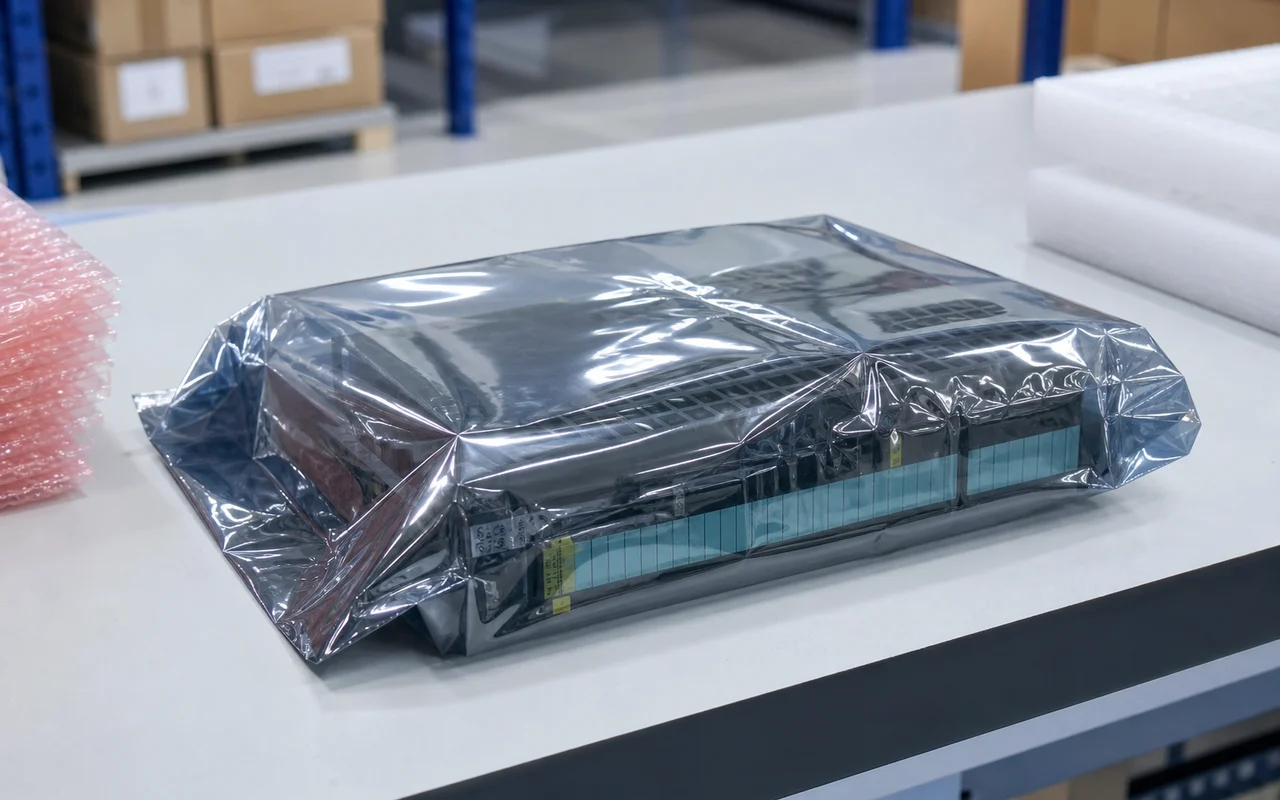 Anti-static Packaging
Modules are packed in anti-static bags to prevent electrostatic damage.
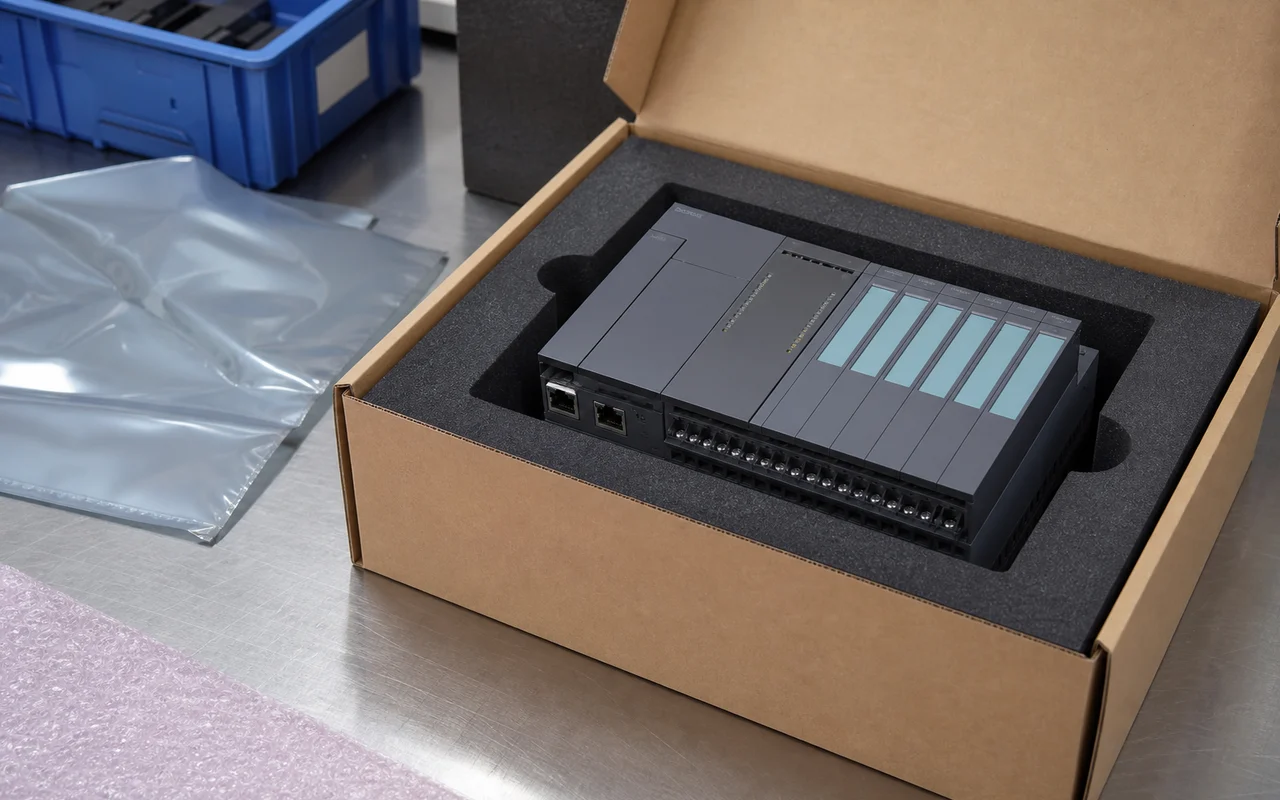 Secure Export Packing
Cushion protection and strong cartons ensure safe transportation.
 Worldwide Shipping
Global logistics network supports air, sea and express delivery.
 Documentation Check
Part number, revision and compatibility verified before shipment.
 After-sales Support
Professional technical support to help resolve your issues.