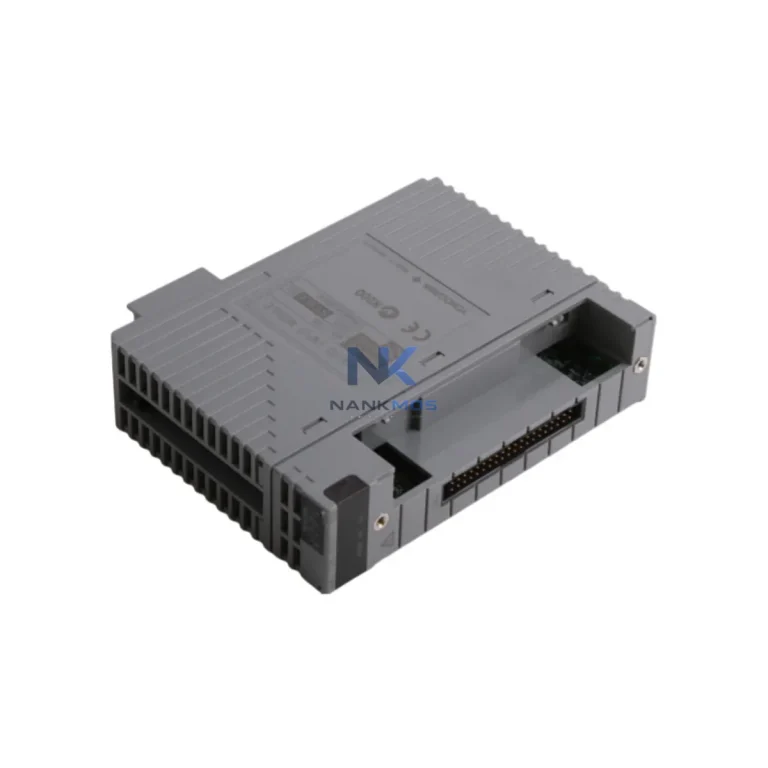
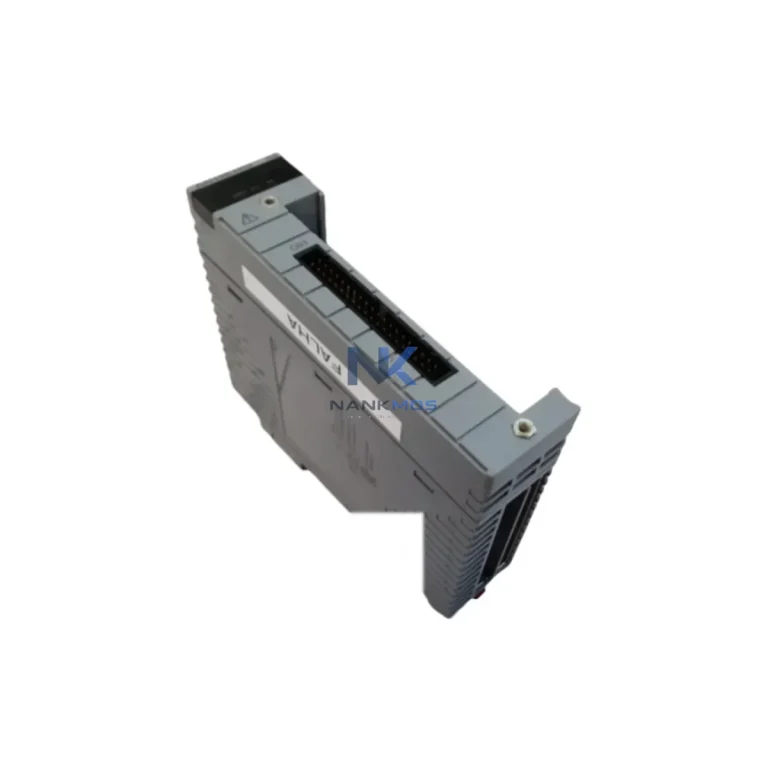
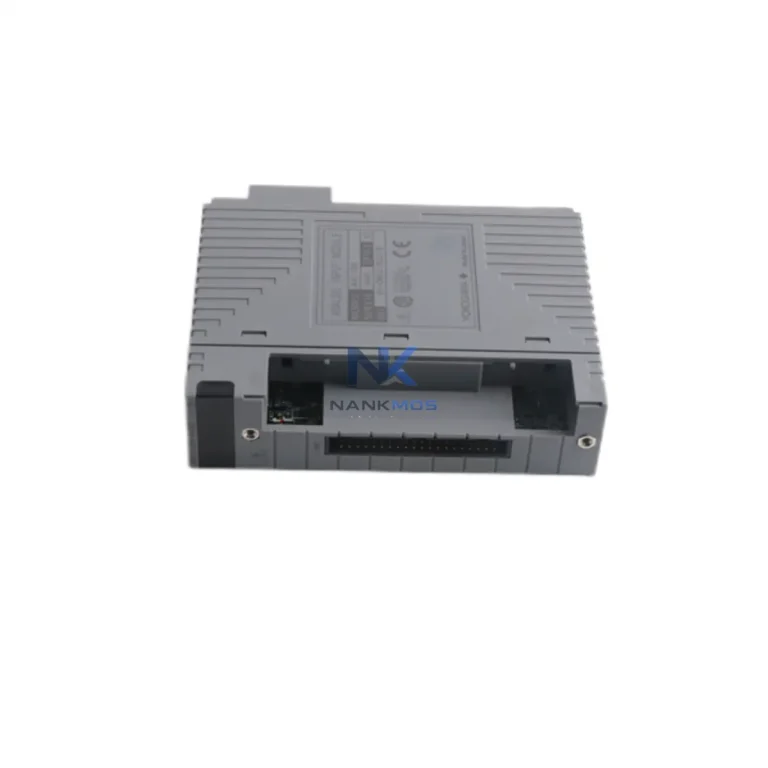
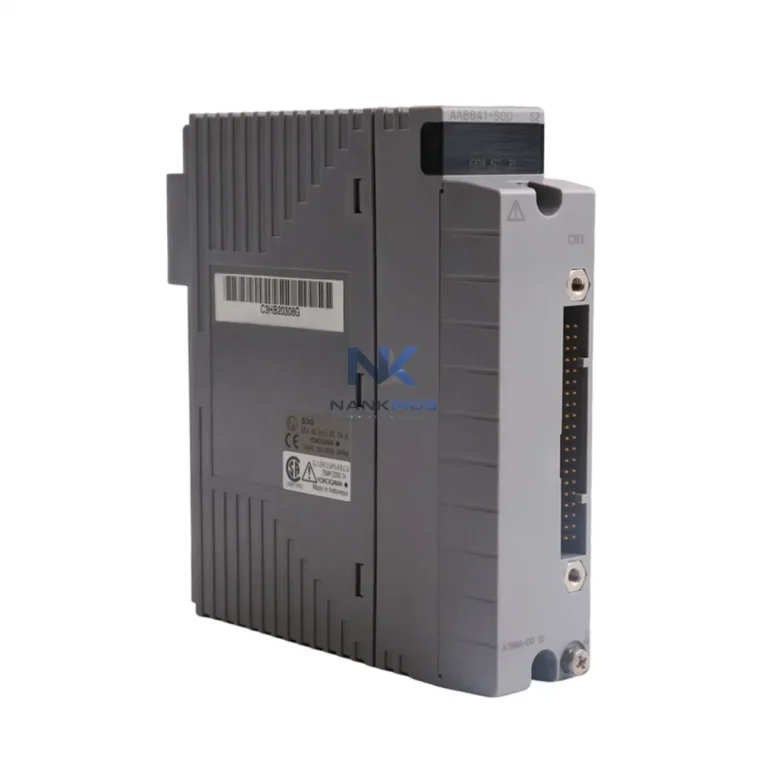
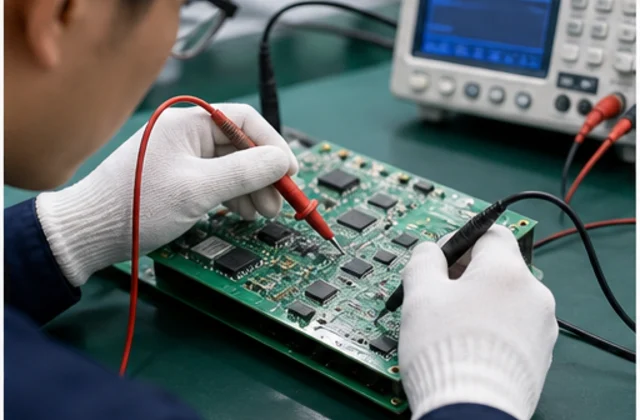
 Functional Inspection
100% tested on professional platforms to ensure stable performance.
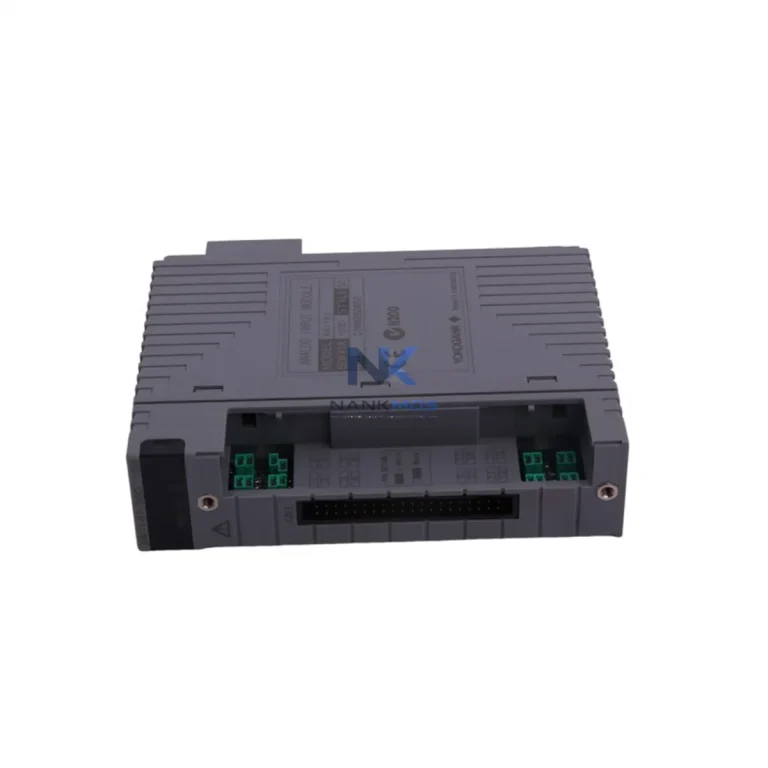
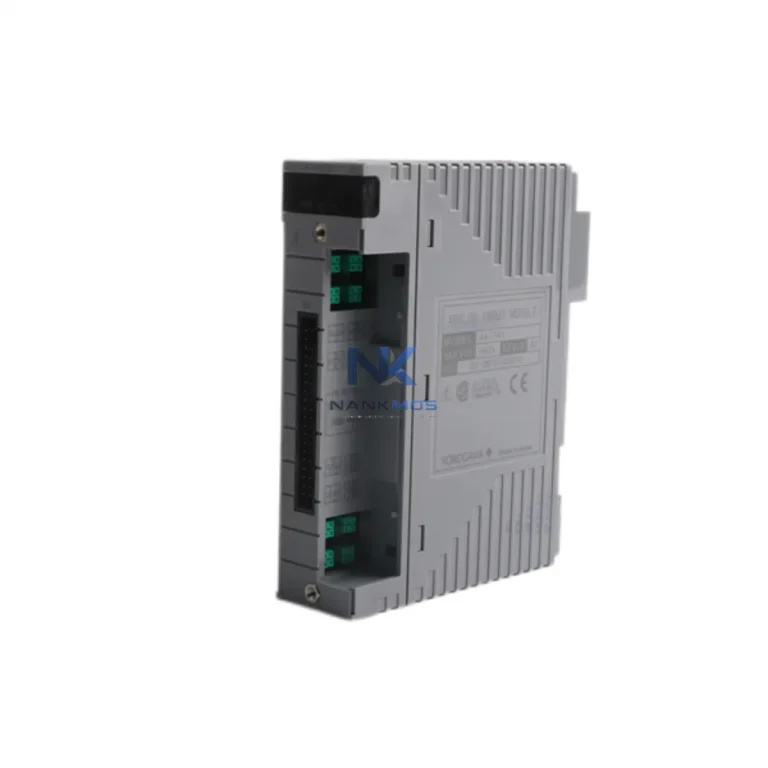
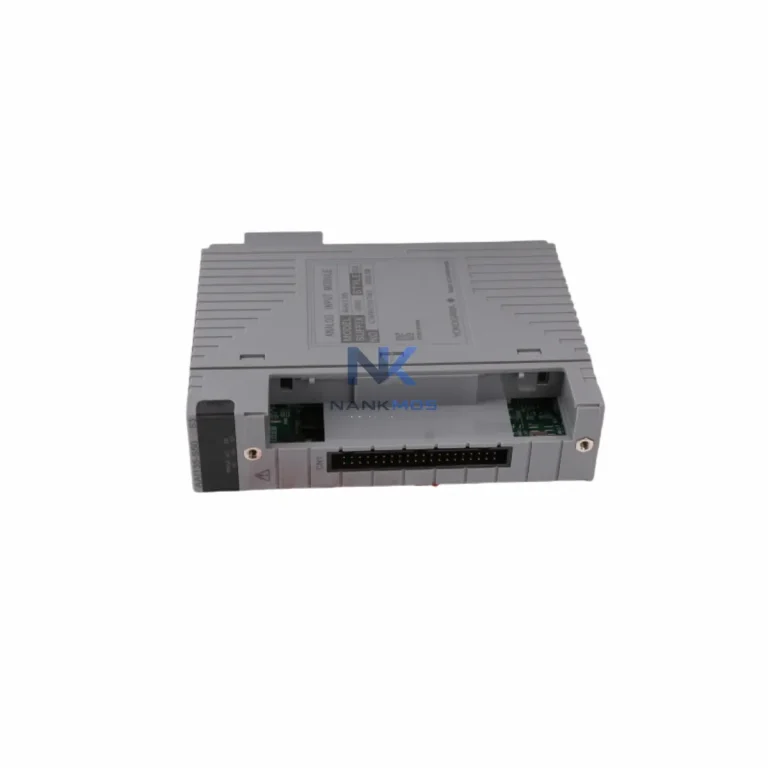
Yokogawa NFPW442-50 is a NANKMOS industrial automation product record Listed under CENTUM VP series and Business & Industrial > Automation, Control & Flow Devices > Programmable Logic Controllers. Confirm condition, availability, lead time, compatibility and documentation by email inquiry.
Brand names are used for identification only.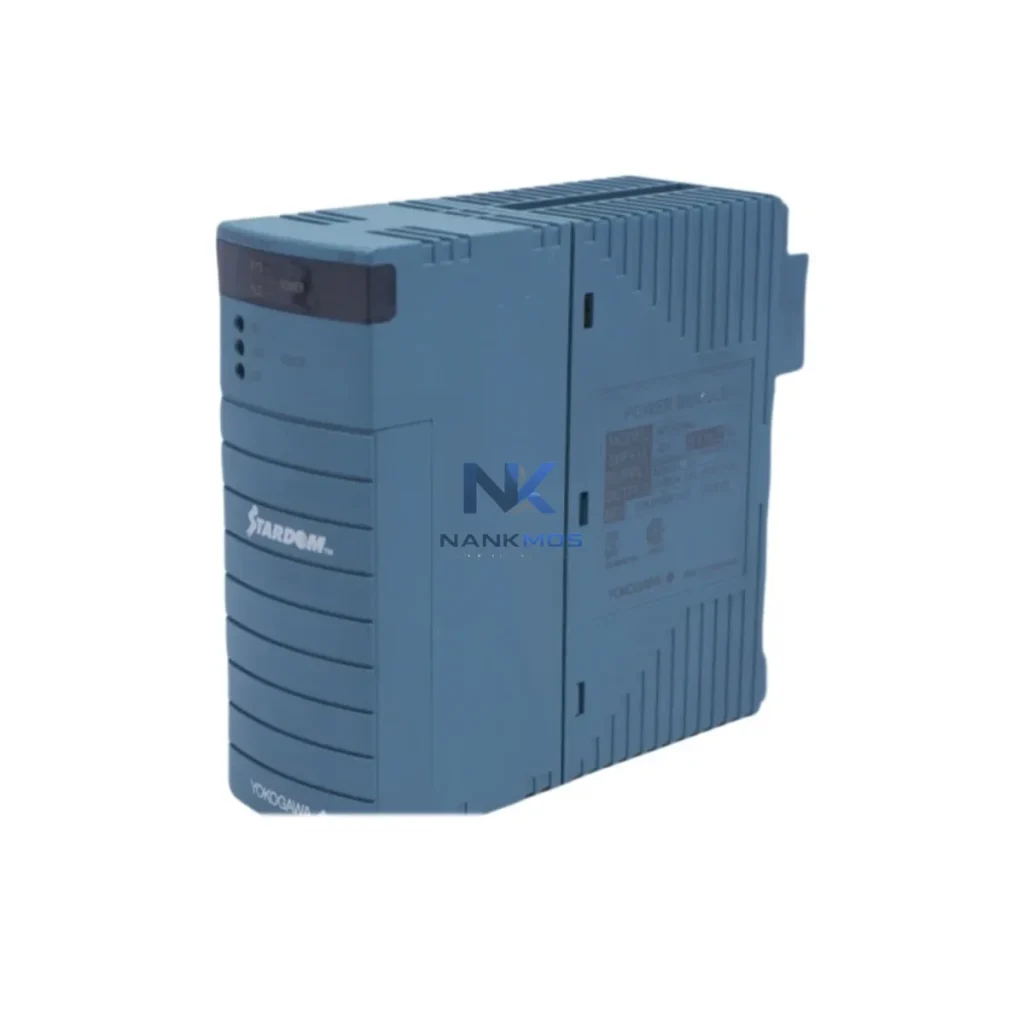
Yokogawa NFPW442-50 is a NANKMOS industrial automation product record Listed under CENTUM VP series and Business & Industrial > Automation, Control & Flow Devices > Programmable Logic Controllers. Confirm condition, availability, lead time, compatibility and documentation by email inquiry.
| Manufacturer | Yokogawa |
|---|---|
| Application | Control System Power Support |
| Part Number / Model | NFPW442-50 |
| Compatible System | CENTUM VP |
| Series | CENTUM VP |
| Condition Options | To Confirm |
| Module Type | Power Supply Module |
| Warranty | 12 Months |
| Packaging | Anti-static Bag / Secure Box |
| Shipping Methods | DHL / FedEx / UPS / Air / Sea |
| Availability | To Confirm |
| Lead Time | To Confirm |
| Documentation | Part number and revision checked before quote |
The Yokogawa NFPW442-50 is a high-efficiency Power Input Module engineered for the Centum VP and CS3000 Distributed Control System (DCS) platforms. Designed to deliver stable, regulated power to field control stations and I/O subsystems, the NFPW442-50 plays a central role in reducing unnecessary energy consumption, minimizing thermal load, and sustaining continuous production line throughput. In modern industrial facilities — from petrochemical refineries and power generation plants to water treatment systems and marine propulsion control rooms — reliable power management at the DCS layer is a foundational requirement for energy-efficient operations.
The NFPW442-50 accepts a wide-range AC input and converts it to the regulated DC voltages required by Centum VP field control units. Its internal power conversion circuitry is optimized for high power factor and low harmonic distortion, which directly reduces reactive power losses across the facility's electrical distribution network. By maintaining a clean, stable power supply to the DCS backbone, the module prevents voltage fluctuations that can trigger unnecessary process interruptions, equipment restarts, and associated energy spikes — all of which erode overall plant efficiency and inflate operating costs.
In a fully integrated smart production line, the NFPW442-50 does not operate in isolation. It functions as the power foundation upon which the entire Centum VP control architecture depends. The Field Control Station (FCS) — which executes real-time PID loops, sequence logic, and safety interlocks — relies on the NFPW442-50 to maintain an uninterrupted, noise-free DC supply. Any instability at the power input layer propagates directly into control loop performance, causing oscillation, false alarms, and unnecessary actuator cycling that wastes both energy and mechanical service life.
The NFPW442-50 works in close coordination with Yokogawa's NFAI143 analog input modules and NFAO141 analog output modules, which handle 4–20 mA field signals from flow transmitters, pressure sensors, and temperature elements. These I/O modules depend on a stable power rail to maintain measurement accuracy; power ripple introduced by an undersized or degraded power input module directly degrades signal integrity and increases process variability. Alongside the I/O layer, the NFCP701 communication processor module manages Vnet/IP Ethernet communication between field control stations and the CENTUM VP HIS (Human Interface Station), where operators monitor energy KPIs, load trends, and alarm states in real time.
For facilities integrating variable-speed drives, the NFPW442-50-powered DCS communicates setpoints and feedback signals to Yaskawa A1000 or Siemens SINAMICS G120 variable frequency drives (VFDs) via PROFIBUS-DP or Modbus RTU, enabling precise motor speed control that eliminates fixed-speed energy waste. The DCS also interfaces with Schneider Electric PowerLogic ION7650 power monitoring meters through Modbus TCP/IP, feeding real-time kWh, kVAR, and power factor data into the plant's energy management system. This closed-loop architecture — from the NFPW442-50 power module through the FCS, VFDs, and power meters — forms the backbone of a load management strategy that can reduce electrical energy consumption by 15–30% in motor-intensive processes.
At the field level, Yokogawa EJA110E differential pressure transmitters and Yokogawa ADMAG AXF electromagnetic flow meters provide the process measurements that the Centum VP FCS uses to optimize pump and compressor loading. By maintaining accurate flow and pressure data, the system avoids over-pumping — one of the largest sources of avoidable energy waste in process plants. The NFPW442-50 ensures these measurement chains remain powered without interruption, preserving data integrity across the entire energy optimization loop.
Production line energy optimization is not achieved through a single device but through the disciplined management of every power conversion and control layer. The NFPW442-50 contributes to this goal by ensuring that the Centum VP DCS — the central nervous system of the production line — operates with maximum electrical stability. When the power input module maintains a clean DC bus, the FCS can execute control algorithms at their designed scan rates without the computational overhead of error recovery routines triggered by power anomalies. This translates directly into tighter process control, reduced product variability, and lower specific energy consumption per unit of output.
Thermal load management is another critical dimension. Industrial control rooms and marshalling cabinets generate significant heat from power conversion losses. The NFPW442-50's efficient power conversion design minimizes waste heat generation within the DCS cabinet, reducing the cooling load on the facility's HVAC and precision air conditioning systems. In large DCS installations with dozens of power modules, this efficiency gain compounds into meaningful reductions in annual cooling energy expenditure.
From a predictive maintenance perspective, the NFPW442-50 supports continuous uptime by providing stable power to the Yokogawa CENTUM VP Exaopc OPC-DA/UA server, which feeds real-time process data to SCADA platforms and historian databases. Maintenance teams can monitor DCS power module health trends through the HIS alarm management system, enabling condition-based replacement before a power module failure causes an unplanned shutdown. Unplanned shutdowns in process industries carry energy penalties far exceeding the cost of the module itself — restart sequences for fired heaters, compressors, and reactors consume disproportionate energy and generate thermal stress on equipment.
The NFPW442-50 is supplied in-stock and has undergone pre-shipment functional testing to verify output voltage regulation, ripple performance, and thermal stability under load. Each unit is backed by a 12-month warranty, providing procurement teams with the assurance needed for capital project planning and maintenance budget cycles. Delivery lead times are minimized through maintained inventory, supporting both planned turnaround projects and emergency replacement scenarios.
Q1: How does the NFPW442-50 contribute to plant energy efficiency goals? The NFPW442-50 delivers high-efficiency AC-to-DC power conversion with low harmonic distortion, reducing reactive power losses on the facility's electrical network. By maintaining a stable power supply to the Centum VP FCS and I/O subsystems, it prevents process interruptions and the associated energy spikes from equipment restarts, directly supporting plant-wide energy KPI targets.
Q2: Is the NFPW442-50 compatible with both Centum VP and CS3000 systems? Yes. The NFPW442-50 is designed for use within the Yokogawa Centum VP and CS3000 DCS platforms. It is slot-compatible with the standard FCS power supply bay and meets the electrical specifications required by both system generations. Customers migrating from CS3000 to Centum VP can retain existing NFPW442-50 modules where cabinet configurations are preserved.
Q3: What is the recommended replacement interval and how is module health monitored? Yokogawa recommends periodic inspection of power module output voltage and ripple as part of the DCS preventive maintenance schedule, typically aligned with annual or biennial plant turnarounds. Module health can be monitored indirectly through the Centum VP HIS alarm system, which flags FCS power anomalies. Proactive replacement based on operating hours and thermal history is advised to avoid unplanned shutdowns.
Q4: What warranty and availability terms apply to the NFPW442-50? All NFPW442-50 units supplied by NANKMOS are in stock and have been pre-shipment tested for output regulation and thermal performance. Each unit carries a 12-month warranty covering manufacturing defects and functional failures under normal operating conditions. Expedited shipping is available to support urgent maintenance and turnaround requirements.
Functional Inspection100% tested on professional platforms to ensure stable performance.
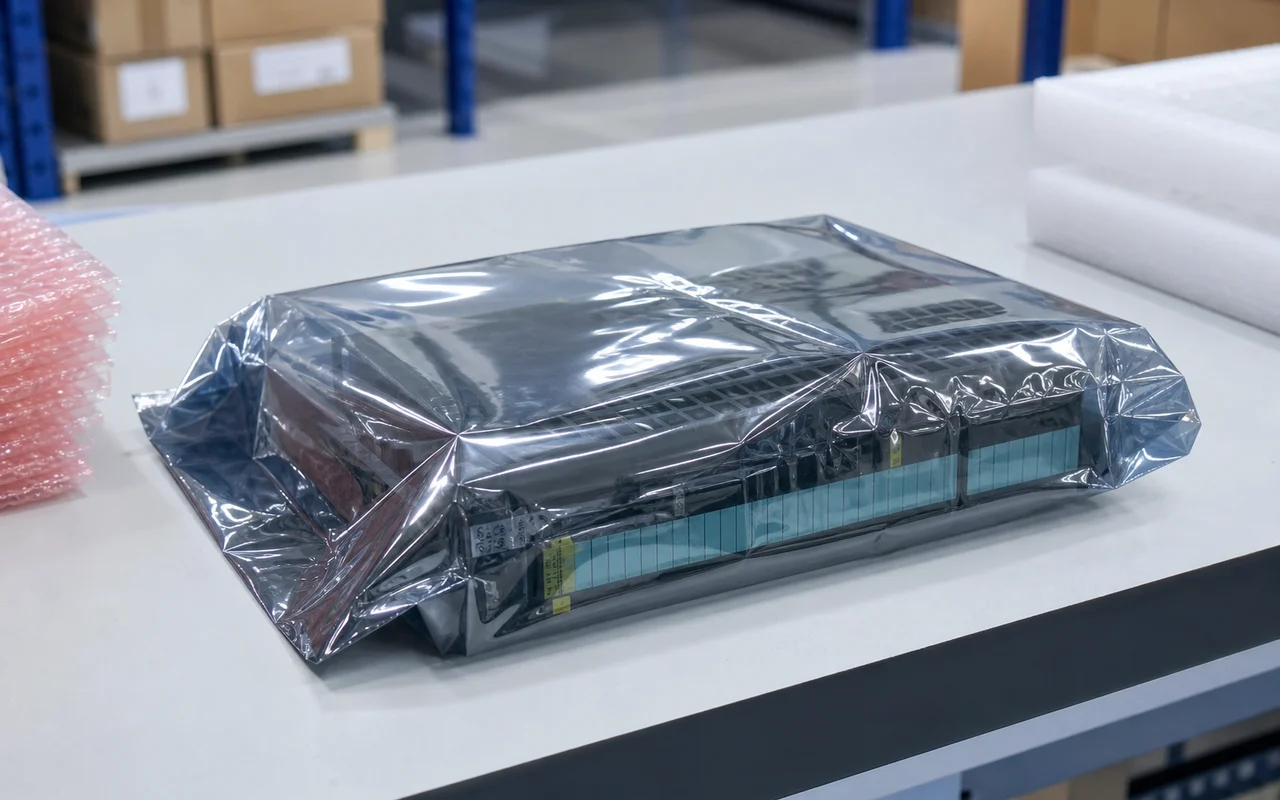 Anti-static Packaging
Modules are packed in anti-static bags to prevent electrostatic damage.
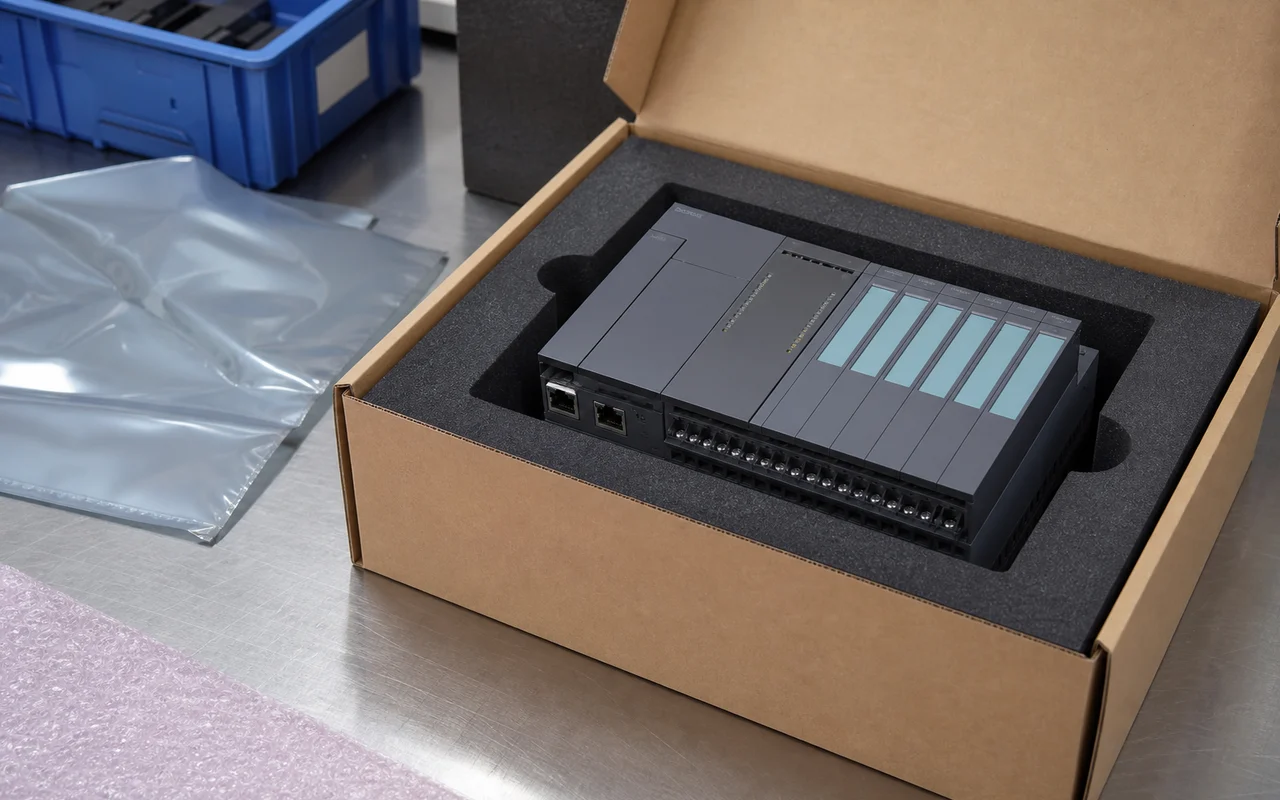 Secure Export Packing
Cushion protection and strong cartons ensure safe transportation.
 Worldwide Shipping
Global logistics network supports air, sea and express delivery.
 Documentation Check
Part number, revision and compatibility verified before shipment.
 After-sales Support
Professional technical support to help resolve your issues.