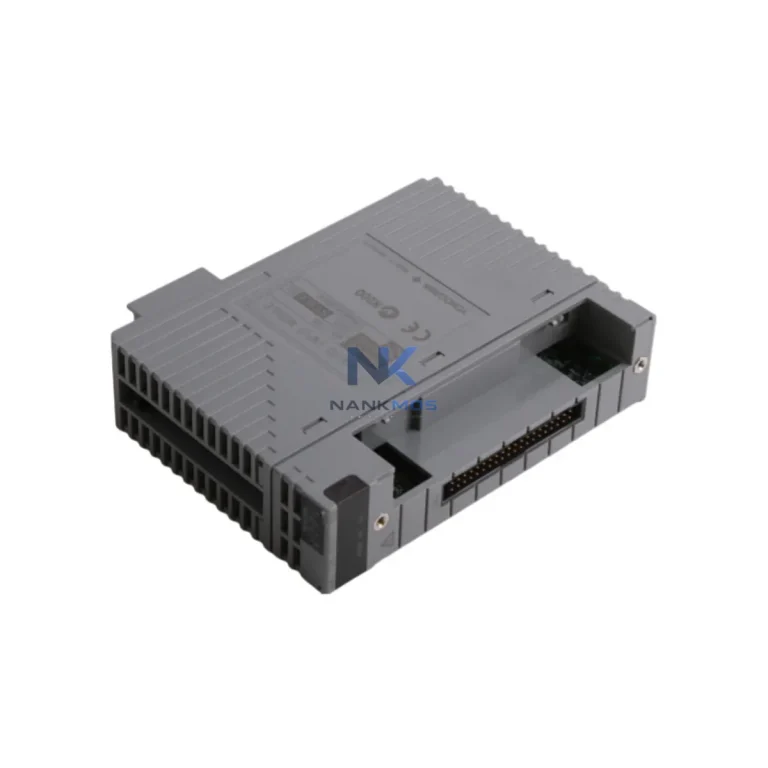
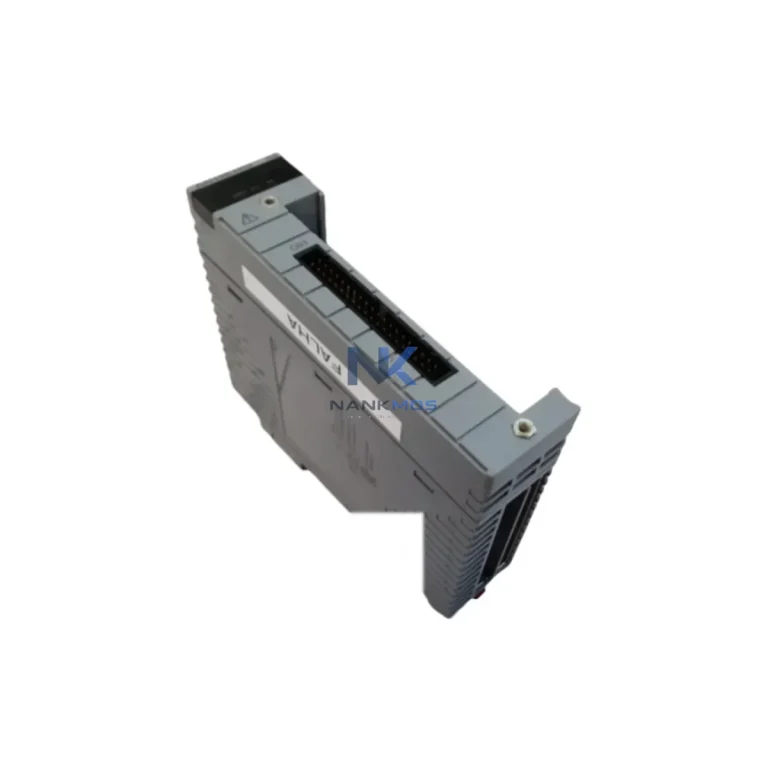
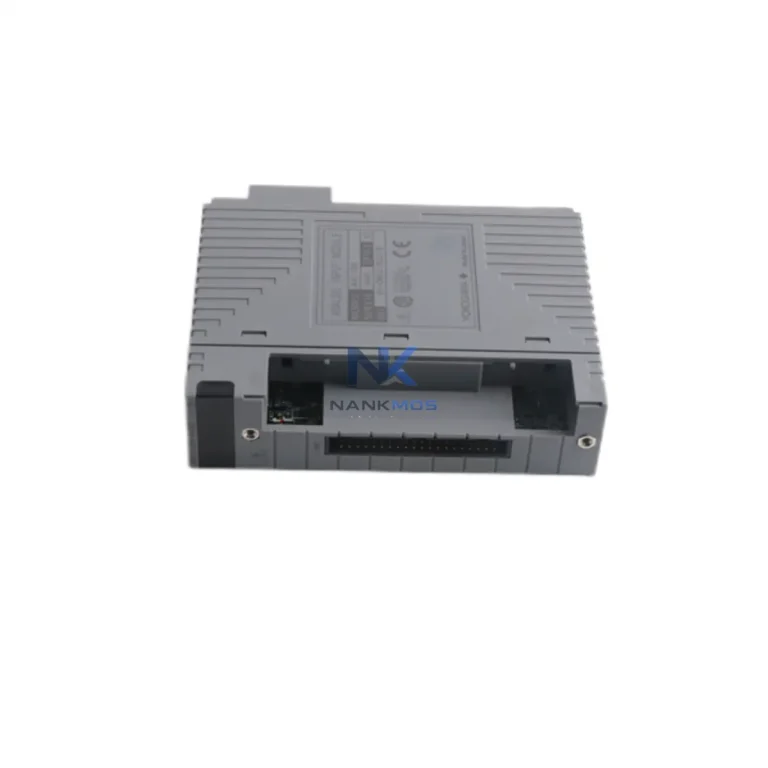
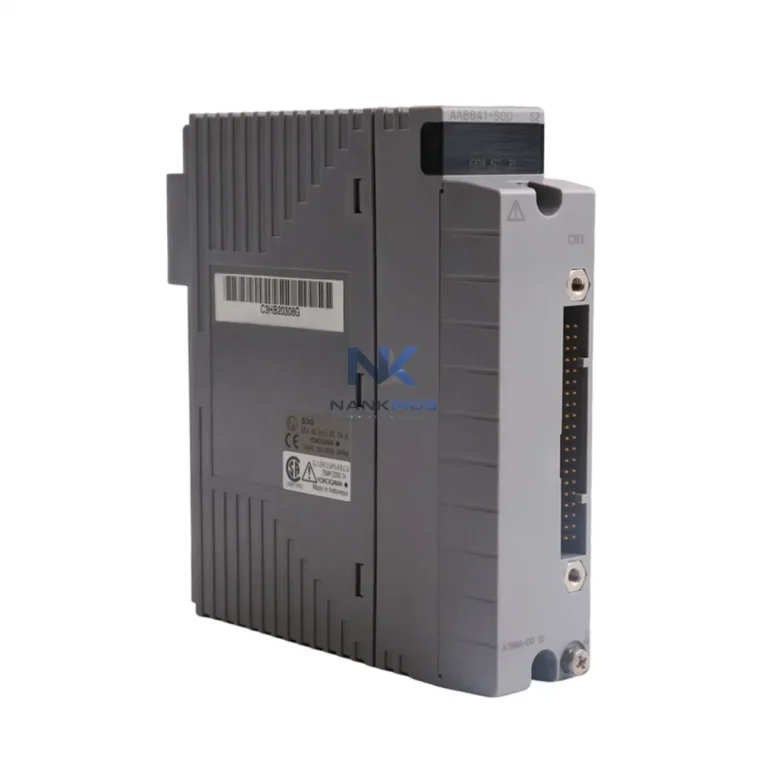
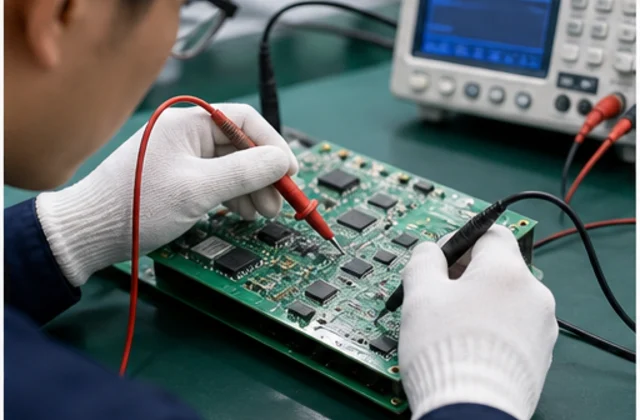
 Functional Inspection
100% tested on professional platforms to ensure stable performance.
Yokogawa S9345FA is a NANKMOS industrial automation product record Listed under Other series series and Business & Industrial > Automation, Control & Flow Devices > Programmable Logic Controllers. Confirm condition, availability, lead time, compatibility and documentation by email inquiry.
Brand names are used for identification only.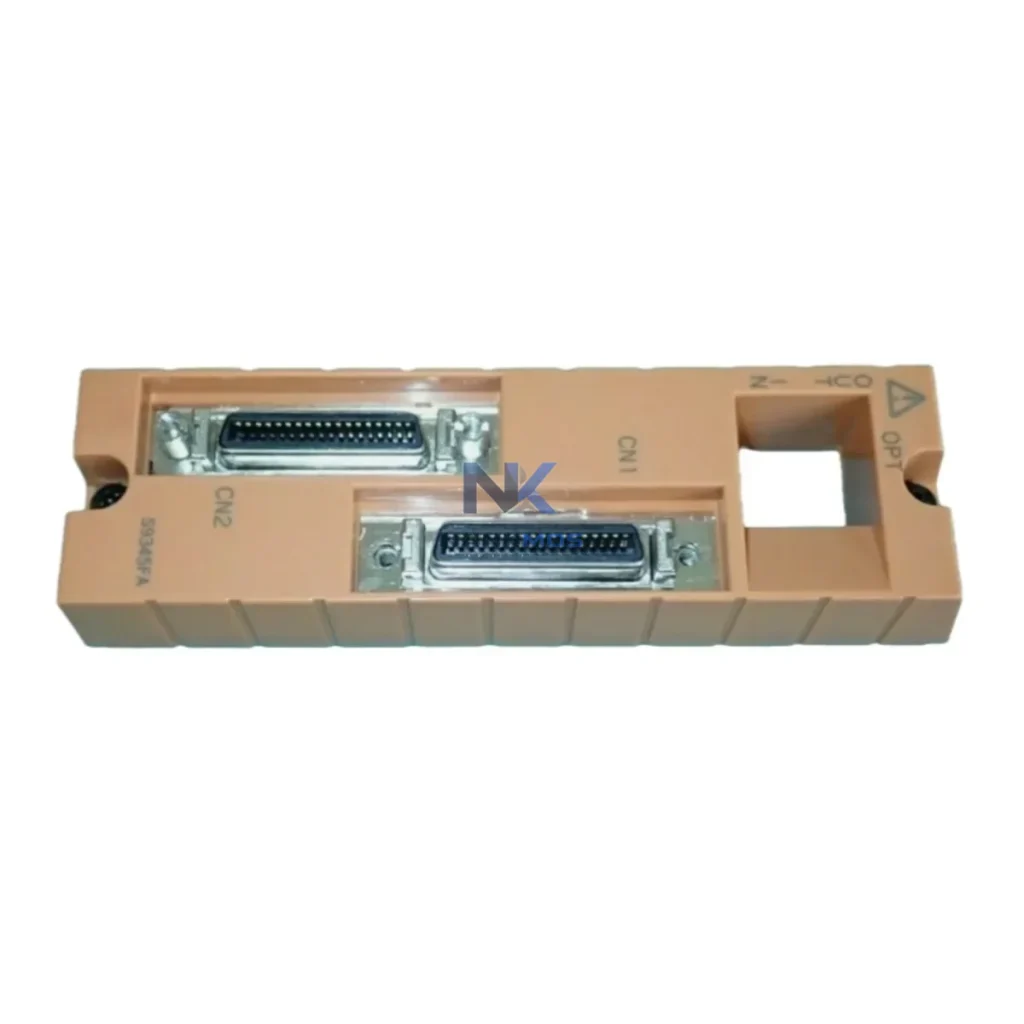
Yokogawa S9345FA is a NANKMOS industrial automation product record Listed under Other series series and Business & Industrial > Automation, Control & Flow Devices > Programmable Logic Controllers. Confirm condition, availability, lead time, compatibility and documentation by email inquiry.
| Manufacturer | Yokogawa |
|---|---|
| Application | Industrial Network & Bus Termination |
| Part Number / Model | S9345FA |
| Compatible System | Confirmed by inquiry |
| Condition Options | To Confirm |
| Module Type | Bus / Network Interface Module |
| Warranty | 12 Months |
| Packaging | Anti-static Bag / Secure Box |
| Shipping Methods | DHL / FedEx / UPS / Air / Sea |
| Availability | To Confirm |
| Lead Time | To Confirm |
| Documentation | Part number and revision checked before quote |
The Yokogawa S9345FA is a high-performance Bus Interface Module engineered for the Centum VP / Centum CS 3000 Distributed Control System platform. Designed to serve as the communication backbone between field devices and the central control architecture, the S9345FA enables precise, low-latency data exchange that directly supports energy-aware automation strategies across power generation, petrochemical, oil & gas, water treatment, and advanced manufacturing environments.
In modern smart production lines, every millisecond of communication delay and every watt of unnecessary power draw translates into measurable operational cost. The S9345FA addresses both dimensions simultaneously — delivering deterministic bus communication that eliminates polling overhead, reduces CPU load on the host controller, and allows the broader automation system to operate at peak efficiency without redundant processing cycles.
When integrated with Yokogawa's CENTUM VP R6 engineering station and paired with Vnet/IP high-speed control network modules, the S9345FA forms a tightly coupled communication layer that supports real-time energy monitoring feedback loops. Field instruments — including EJX910A multivariable transmitters and YTA710 temperature transmitters — relay process variables through the S9345FA to the DCS controller, where energy consumption profiles are continuously evaluated against setpoints. This closed-loop architecture enables the system to dynamically adjust valve positions, motor speeds, and heating loads in response to live energy data, reducing unnecessary thermal output and stabilizing production rhythm.
The S9345FA is fully compatible with Yokogawa ProSafe-RS safety instrumented system modules, allowing energy optimization logic to coexist with functional safety layers without architectural compromise. In facilities where variable frequency drives (VFDs) regulate pump and compressor motor speeds, the S9345FA's bus interface ensures that drive feedback signals — including torque demand, speed reference, and fault status — are transmitted to the DCS with zero data loss, enabling the control system to trim motor loading during low-demand periods and recover energy that would otherwise be dissipated as heat.
For facilities deploying Yokogawa STARDOM FCN/FCJ autonomous controllers at remote substations or satellite process units, the S9345FA provides the standardized bus interface that bridges local field I/O with the plant-wide Centum DCS network. This architecture eliminates the need for redundant signal conditioning hardware, reduces panel wiring complexity, and lowers the aggregate power draw of the I/O infrastructure. Combined with Yokogawa PRM (Plant Resource Manager) asset management software, maintenance teams gain visibility into bus health, module diagnostics, and predictive fault indicators — enabling condition-based maintenance scheduling that prevents unplanned downtime and the associated energy spikes caused by emergency restarts.
In high-density I/O environments, the S9345FA works alongside Yokogawa AAI143 analog input modules and ADV151 digital output modules to form a complete field interface solution. The bus interface module manages address arbitration and data prioritization across the I/O bus, ensuring that high-priority energy management signals — such as emergency load shedding commands or peak-demand curtailment triggers — are processed ahead of lower-priority status updates. This intelligent traffic management capability is critical in facilities participating in demand response programs, where the ability to shed non-essential loads within seconds can result in significant utility cost savings.
The S9345FA also supports integration with Yokogawa Exaquantum plant information management system (PIMS), enabling long-term energy consumption trending, shift-based efficiency reporting, and KPI dashboards that give plant managers the data they need to identify waste, benchmark performance, and justify capital investment in further efficiency upgrades. When combined with OPC-UA or Modbus/TCP gateway modules, the S9345FA's data can be surfaced to third-party SCADA platforms and energy management systems (EMS) without requiring proprietary middleware.
Deploying the S9345FA within a power-aware automation architecture means connecting it to a broader ecosystem of energy-sensitive components. In a typical Centum VP installation, the S9345FA interfaces with Yokogawa AAI143 analog input modules that collect 4–20 mA signals from current transformers and power transducers installed on motor control centers (MCCs). These signals feed directly into the DCS energy management function blocks, where load profiles are compared against production targets and efficiency thresholds.
On the drive side, VFD feedback — including active power draw, harmonic distortion index, and thermal derating status — is routed through the S9345FA bus to the CENTUM VP R6 controller, which executes energy optimization sequences automatically. When a compressor or pump motor enters a low-efficiency operating region, the controller issues speed reference adjustments through the drive's fieldbus interface, restoring the motor to its best efficiency point (BEP) without operator intervention.
The Yokogawa YTA710 temperature transmitters connected via the bus interface provide real-time thermal load data from heat exchangers, reactors, and motor housings. This data enables the DCS to detect rising thermal trends before they trigger protective shutdowns, allowing preemptive load reduction that avoids the energy-intensive restart cycles associated with emergency trips. Similarly, EJX910A multivariable transmitters deliver simultaneous pressure, differential pressure, and temperature readings that the S9345FA aggregates and forwards to the flow computer and energy accounting modules within the DCS.
For HMI integration, the S9345FA's data is surfaced through Yokogawa FAST/TOOLS SCADA and HMI software, giving operators a unified energy dashboard that displays real-time power consumption by process area, shift-based efficiency trends, and alarm summaries for energy-related deviations. Operators can initiate demand response actions directly from the HMI, with the S9345FA ensuring that control commands reach field devices within the required response window.
The S9345FA's role in production line energy optimization extends beyond simple data transport. By providing a reliable, high-speed bus interface between field I/O and the DCS controller, it enables the implementation of advanced energy management strategies that would be impossible with slower or less deterministic communication architectures.
In batch manufacturing environments, the S9345FA supports recipe-driven energy profiles that automatically adjust heating, cooling, agitation, and conveying loads based on the current production phase. During low-throughput periods — shift changes, scheduled cleaning cycles, or planned maintenance windows — the DCS can issue coordinated load reduction commands across multiple process units simultaneously, with the S9345FA ensuring that all field devices receive and acknowledge the commands within a single scan cycle.
In continuous process plants, the S9345FA enables the DCS to implement real-time energy balancing between parallel process trains. When one train operates below capacity, the controller can redistribute load to the more efficient train, reducing aggregate energy consumption without affecting total production output. This capability is particularly valuable in power generation facilities where fuel efficiency directly impacts operating margin.
Predictive maintenance integration through Yokogawa PRM adds another dimension to energy optimization. By monitoring bus communication quality, module temperature, and I/O error rates through the S9345FA, the PRM system can identify degrading field devices before they cause process upsets. Replacing a failing transmitter or actuator during a planned maintenance window — rather than after an unplanned trip — eliminates the energy waste associated with emergency restarts, purge cycles, and product loss.
Every S9345FA unit supplied by NANKMOS is pre-shipment tested against Yokogawa factory specifications, including bus communication integrity, power rail stability, and I/O channel accuracy. Units are shipped with full test documentation and are backed by a 12-month warranty. In-stock availability ensures that replacement or expansion projects can proceed without lead-time delays that would otherwise force plants to operate with degraded or bypassed control loops.
Q1: How does the S9345FA contribute to measurable energy savings in a Centum DCS installation? The S9345FA enables deterministic, low-latency communication between field instruments and the DCS controller, which is the prerequisite for closed-loop energy management. By ensuring that power consumption data from transmitters, drives, and I/O modules reaches the controller in real time, the DCS can execute load optimization sequences — motor speed trimming, valve position adjustment, heating load reduction — that directly reduce energy consumption. Plants that implement real-time energy feedback loops through reliable bus interfaces typically report 5–15% reductions in auxiliary power consumption.
Q2: Is the S9345FA compatible with third-party SCADA and energy management systems? Yes. While the S9345FA is natively designed for the Centum VP / Centum CS 3000 platform, its data can be exposed to third-party SCADA and EMS platforms via OPC-UA or Modbus/TCP gateway modules installed within the Centum architecture. This allows facilities with mixed-vendor automation environments to incorporate Centum DCS energy data into plant-wide energy management dashboards without replacing existing infrastructure.
Q3: What is the recommended replacement or upgrade path for aging bus interface modules in a Centum CS 3000 system? For facilities migrating from Centum CS 3000 to Centum VP, the S9345FA is a compatible replacement that supports the updated Vnet/IP communication architecture. NANKMOS recommends a phased replacement approach: replace bus interface modules during scheduled maintenance windows, validate bus communication integrity with the PRM diagnostic tool, and update I/O address maps in the engineering station before returning the loop to automatic control. This approach minimizes production disruption and avoids the energy penalties associated with extended manual operation.
Q4: What testing and warranty coverage does NANKMOS provide for the S9345FA? Every S9345FA unit is pre-shipment tested for bus communication integrity, power consumption within specification, and I/O channel accuracy. Test records are available upon request. All units are covered by a 12-month warranty from the date of shipment. In-stock units are available for immediate dispatch, supporting urgent replacement requirements without extended lead times.
Functional Inspection100% tested on professional platforms to ensure stable performance.
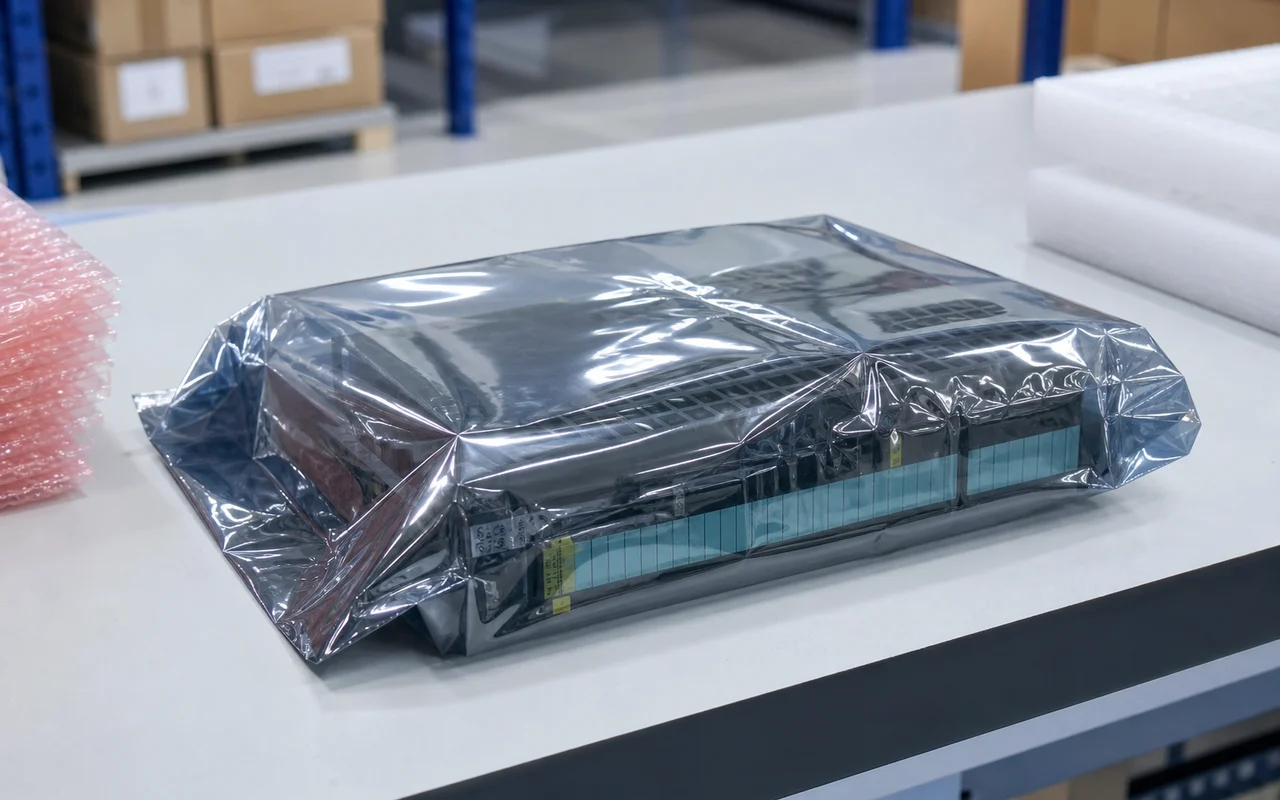 Anti-static Packaging
Modules are packed in anti-static bags to prevent electrostatic damage.
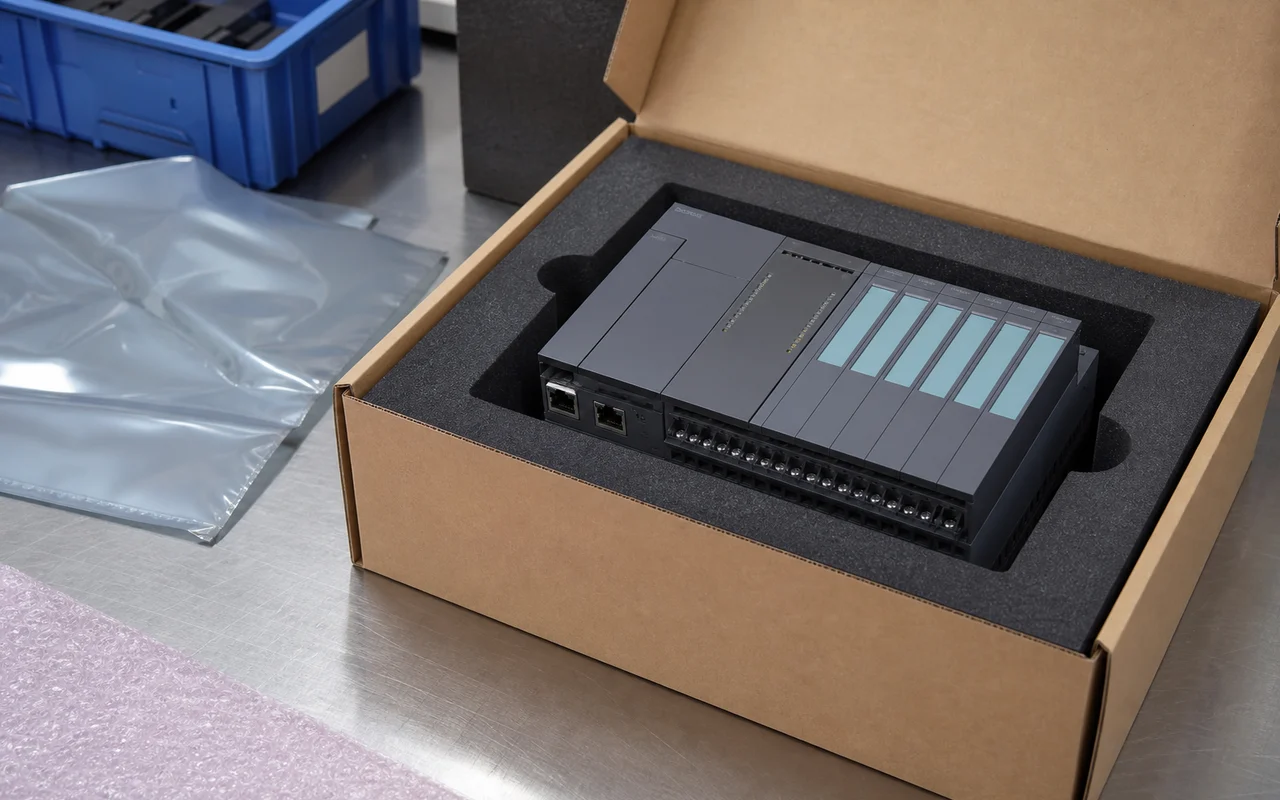 Secure Export Packing
Cushion protection and strong cartons ensure safe transportation.
 Worldwide Shipping
Global logistics network supports air, sea and express delivery.
 Documentation Check
Part number, revision and compatibility verified before shipment.
 After-sales Support
Professional technical support to help resolve your issues.