Functional Inspection
100% tested on professional platforms to ensure stable performance.
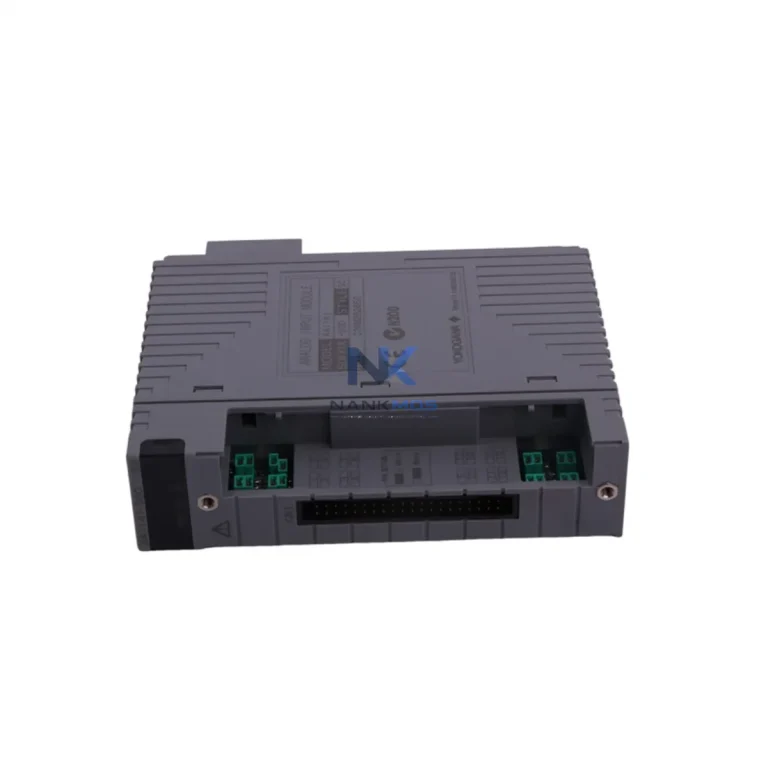
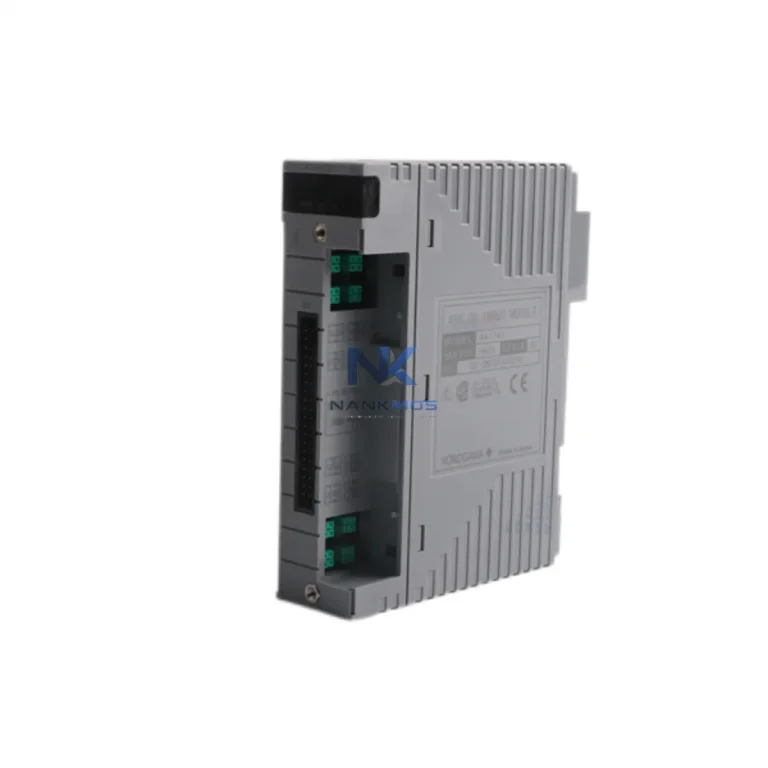
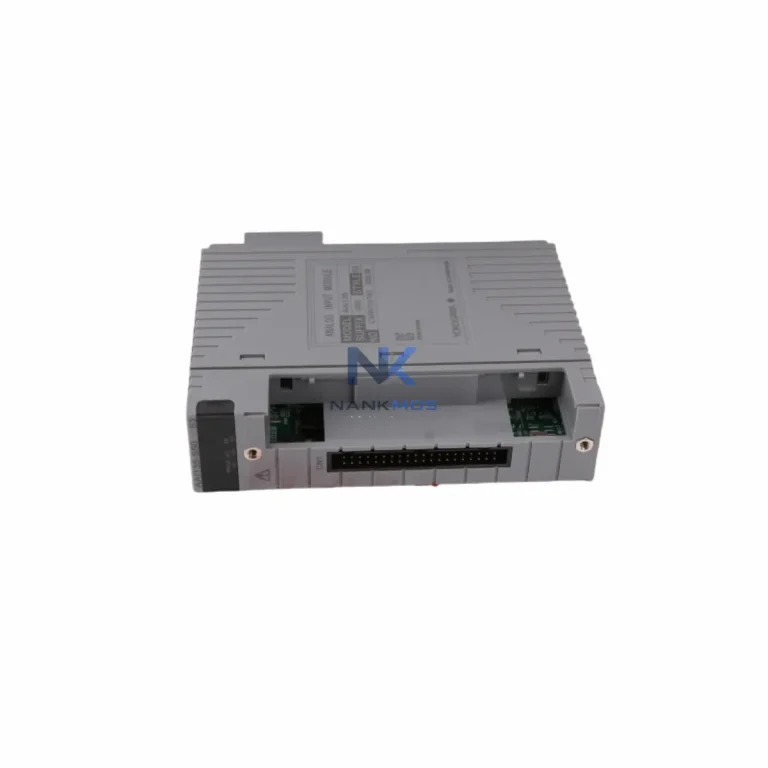
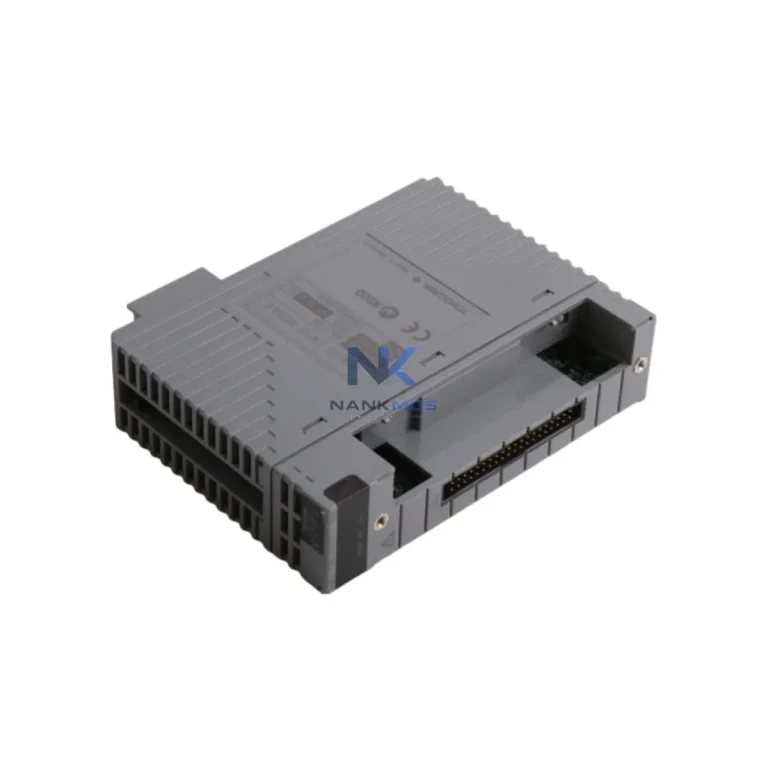
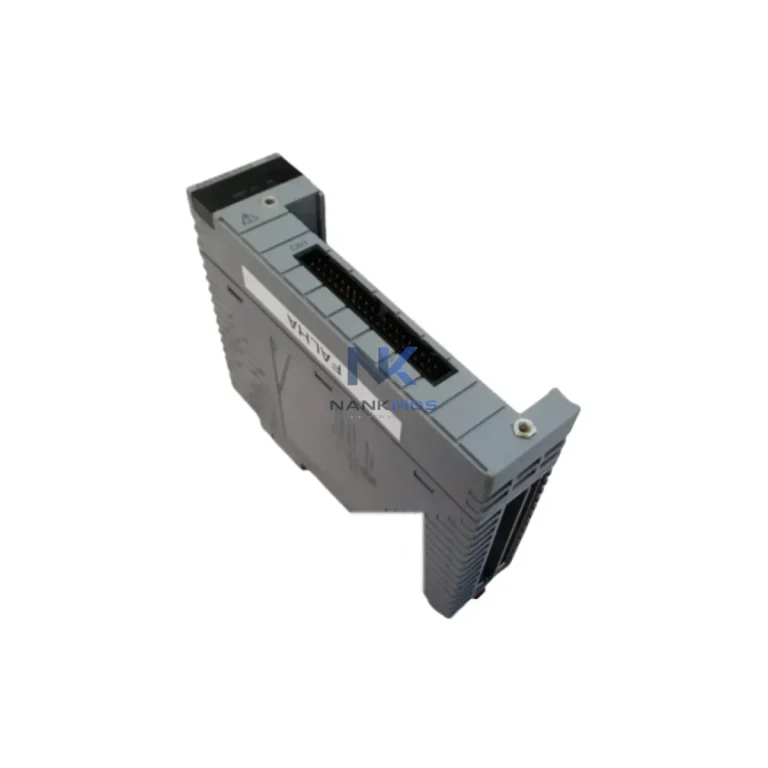
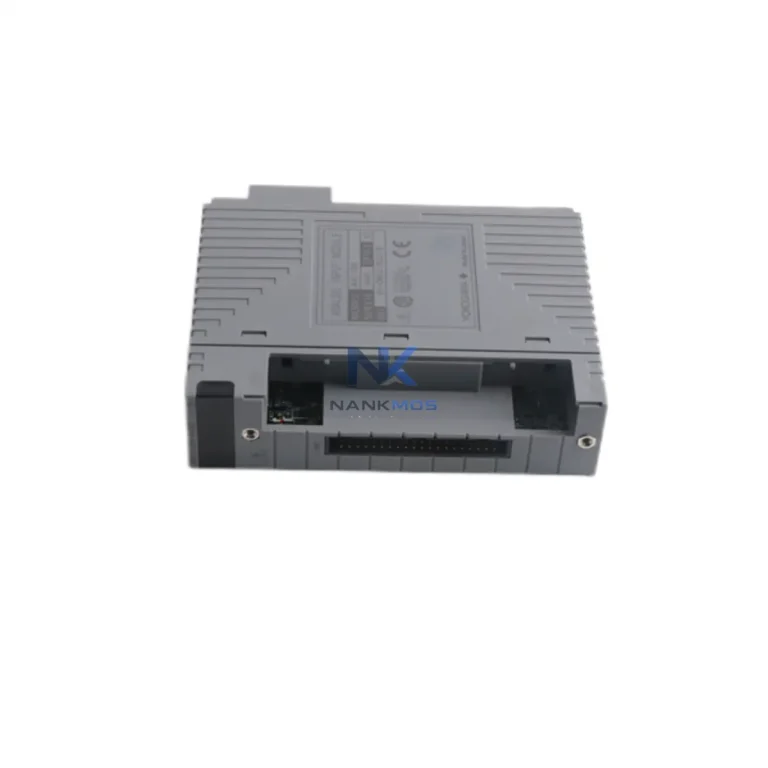
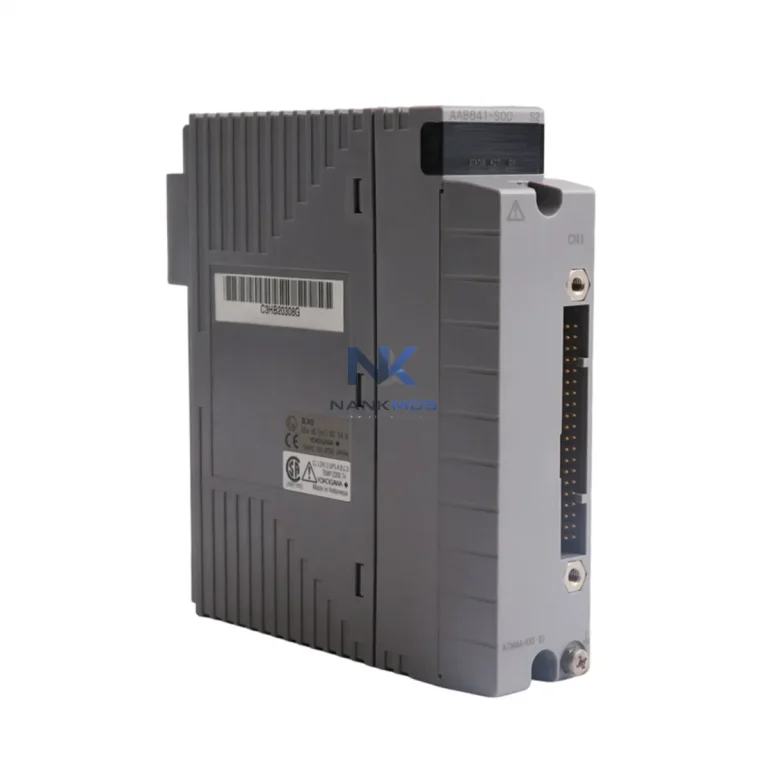
Yokogawa SAI143-H03 is a NANKMOS industrial automation product record Listed under CENTUM VP series and Business & Industrial > Automation, Control & Flow Devices > Programmable Logic Controllers. Confirm condition, availability, lead time, compatibility and documentation by email inquiry.
Brand names are used for identification only.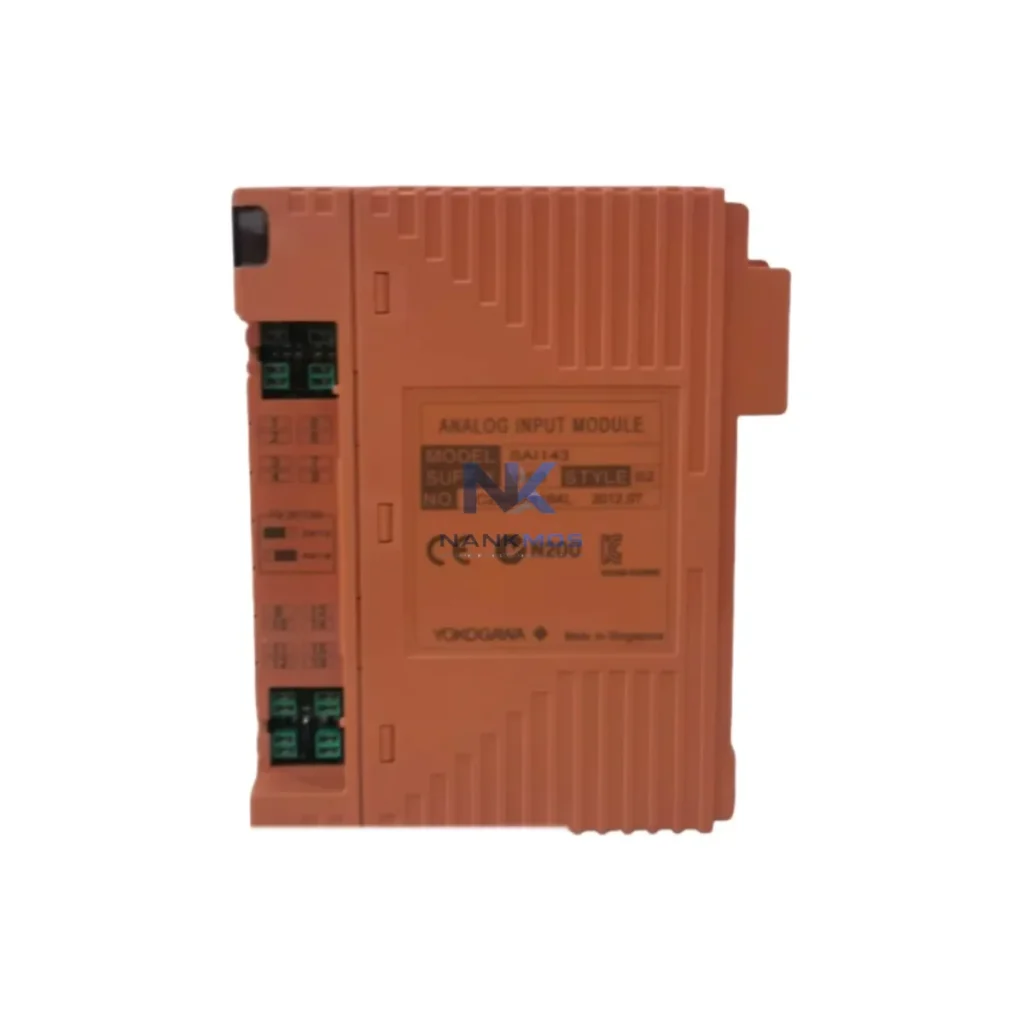
Yokogawa SAI143-H03 is a NANKMOS industrial automation product record Listed under CENTUM VP series and Business & Industrial > Automation, Control & Flow Devices > Programmable Logic Controllers. Confirm condition, availability, lead time, compatibility and documentation by email inquiry.
| Manufacturer | Yokogawa |
|---|---|
| Application | Controller Processing & System Control |
| Part Number / Model | SAI143-H03 |
| Compatible System | CENTUM VP |
| Series | CENTUM VP |
| Condition Options | To Confirm |
| Module Type | Controller / CPU Module |
| Warranty | 12 Months |
| Packaging | Anti-static Bag / Secure Box |
| Shipping Methods | DHL / FedEx / UPS / Air / Sea |
| Availability | To Confirm |
| Lead Time | To Confirm |
| Documentation | Part number and revision checked before quote |
The Yokogawa SAI143-H03 is a 16-channel analog input module engineered for the Centum VP and CS3000 Distributed Control System (DCS) platforms. Designed to operate within high-density I/O environments, the SAI143-H03 delivers precision signal acquisition from field instruments including thermocouples, RTDs, pressure transmitters, and flow sensors — all while minimizing the energy overhead associated with continuous process monitoring. In smart production lines where every watt of consumed power contributes to operational cost, the SAI143-H03 plays a central role in energy-aware automation architecture.
By consolidating 16 analog input channels into a single compact module, the SAI143-H03 reduces the number of I/O racks required per control loop, directly lowering the thermal load within the control cabinet. Fewer active modules mean reduced heat dissipation, lower cooling demand, and a measurable reduction in auxiliary power consumption — a critical advantage in facilities targeting ISO 50001 energy management compliance or carbon-neutral production targets.
The SAI143-H03 is designed to integrate seamlessly within a layered automation architecture. At the field level, it receives 4–20 mA signals from instruments such as Yokogawa EJA110E differential pressure transmitters and Yokogawa YTA710 temperature transmitters, converting analog process variables into digital values with high resolution and low latency. These digitized signals are passed directly to the Centum VP controller — for example, the Yokogawa AFV10D field control station — where they feed into PID control loops governing motor speed, valve position, and pump flow rate.
In variable-speed drive applications, the SAI143-H03 works in tandem with frequency inverters and servo drive systems. When the DCS receives a load reduction command — triggered by a power monitoring module detecting excess draw — the SAI143-H03 provides the real-time process feedback that allows the controller to ramp down motor speed via the connected VFD, reducing energy consumption proportionally to the load reduction. This closed-loop interaction between the analog input module, the DCS controller, and the drive system is fundamental to demand-side energy management.
For communication and supervisory integration, the SAI143-H03 operates within the Centum VP I/O bus, with process data accessible to SCADA systems through the Yokogawa Exaopc OPC server, enabling real-time energy dashboards and KPI tracking at the plant information level. The Yokogawa STARDOM FCN/FCJ remote I/O controller can also be deployed alongside the SAI143-H03 in distributed field nodes, extending the energy monitoring perimeter to remote pump stations or compressor skids without adding significant power infrastructure.
HMI integration is equally straightforward. Operators using the Yokogawa Exaquantum plant information management system can visualize the analog input trends captured by the SAI143-H03 — including motor current draw, steam flow, and cooling water temperature — and correlate them with energy consumption data from the Yokogawa WT5000 precision power analyzer. This correlation enables operators to identify inefficient operating windows and schedule load-shifting strategies during off-peak tariff periods.
The module also supports integration with the Yokogawa ProSafe-RS Safety Instrumented System, where analog inputs from safety-critical sensors — such as high-temperature or overpressure signals — are monitored in parallel with the process control loop. By sharing the physical signal infrastructure between the DCS and SIS layers through appropriate isolation, facilities reduce the total number of field wiring runs, lowering both installation cost and the passive energy load of signal conditioning hardware.
In continuous process industries, unplanned downtime is one of the largest contributors to energy waste. When a production line trips unexpectedly, the restart sequence — including purging, re-heating, and re-pressurizing — consumes significantly more energy than steady-state operation. The SAI143-H03 contributes to downtime reduction by providing high-fidelity analog data that supports predictive maintenance strategies. Gradual drift in sensor readings — indicative of fouled instruments, worn pump impellers, or degrading heat exchanger performance — can be detected early through trend analysis in the DCS historian, allowing maintenance teams to schedule interventions during planned shutdowns rather than reacting to failures.
Production line throughput optimization also benefits directly from the SAI143-H03's multi-channel capability. By simultaneously monitoring temperature, pressure, flow, and level across 16 points, the DCS can execute advanced process control (APC) algorithms that tighten product quality bands and reduce the energy cost of rework or off-spec production. In a typical refinery or chemical plant, a 1% improvement in yield through tighter process control can translate to hundreds of thousands of dollars in annual energy savings.
Thermal load management within the control room itself is another area where the SAI143-H03 delivers value. High-density I/O modules reduce the physical footprint of the control system, allowing smaller, better-insulated control cabinets with lower HVAC requirements. In hot climates or facilities with high ambient temperatures, this reduction in cabinet cooling load can represent a meaningful fraction of the facility's total auxiliary power budget.
All SAI143-H03 units supplied by NANKMOS are pre-shipment tested against Yokogawa factory acceptance criteria, ensuring that every channel meets its specified accuracy and linearity before dispatch. This eliminates the energy and labor cost of on-site commissioning rework and ensures that the module contributes to production efficiency from day one of installation.
Q1: How does the SAI143-H03 contribute to measurable energy savings in a DCS environment? By consolidating 16 analog input channels into a single module, the SAI143-H03 reduces the total number of I/O cards, power supply modules, and communication interfaces required per control loop. This directly lowers the active power draw of the I/O subsystem and reduces the heat generated within the control cabinet, decreasing the cooling energy required to maintain safe operating temperatures. When integrated with a Centum VP APC strategy, the high-quality analog data it provides enables tighter control loops that minimize energy-intensive process excursions.
Q2: Is the SAI143-H03 compatible with both Centum VP and CS3000 systems? Yes. The SAI143-H03 is designed for use in both the Centum VP and CS3000 DCS platforms. It fits standard Yokogawa I/O nest assemblies and communicates via the internal I/O bus without requiring additional interface hardware. For migration projects moving from CS3000 to Centum VP, the module can often be reused directly, reducing the capital cost and waste associated with a full I/O replacement.
Q3: What is the recommended replacement or upgrade path if the SAI143-H03 is end-of-life in my system? For systems requiring a direct replacement, NANKMOS maintains stock of the SAI143-H03 and compatible Yokogawa analog input modules within the same Centum VP I/O family. For facilities planning a broader DCS upgrade, Yokogawa's current-generation Centum VP R6 platform offers enhanced energy monitoring capabilities and improved I/O density. NANKMOS can advise on compatible module substitutions based on your existing I/O nest configuration and signal types.
Q4: What testing and warranty coverage is provided with each SAI143-H03 unit? Every SAI143-H03 unit supplied by NANKMOS undergoes pre-shipment functional testing covering channel accuracy, signal range verification, and communication integrity. Units are dispatched with a 12-month warranty covering manufacturing defects and functional failures under normal operating conditions. In-stock units are available for immediate dispatch, minimizing production downtime during emergency replacement scenarios.
Functional Inspection100% tested on professional platforms to ensure stable performance.
 Anti-static Packaging
Modules are packed in anti-static bags to prevent electrostatic damage.
 Secure Export Packing
Cushion protection and strong cartons ensure safe transportation.
 Worldwide Shipping
Global logistics network supports air, sea and express delivery.
 Documentation Check
Part number, revision and compatibility verified before shipment.
 After-sales Support
Professional technical support to help resolve your issues.