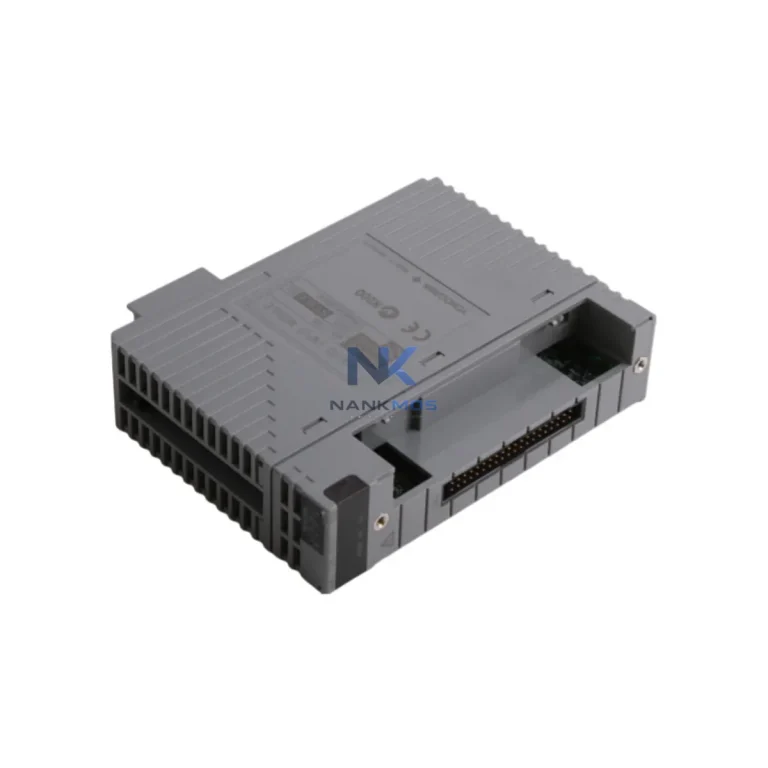
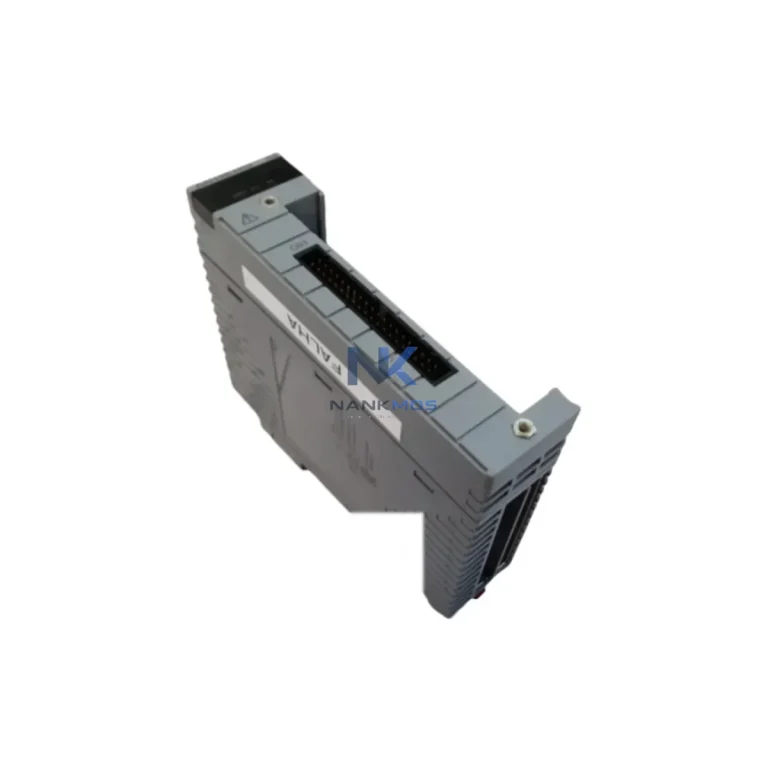
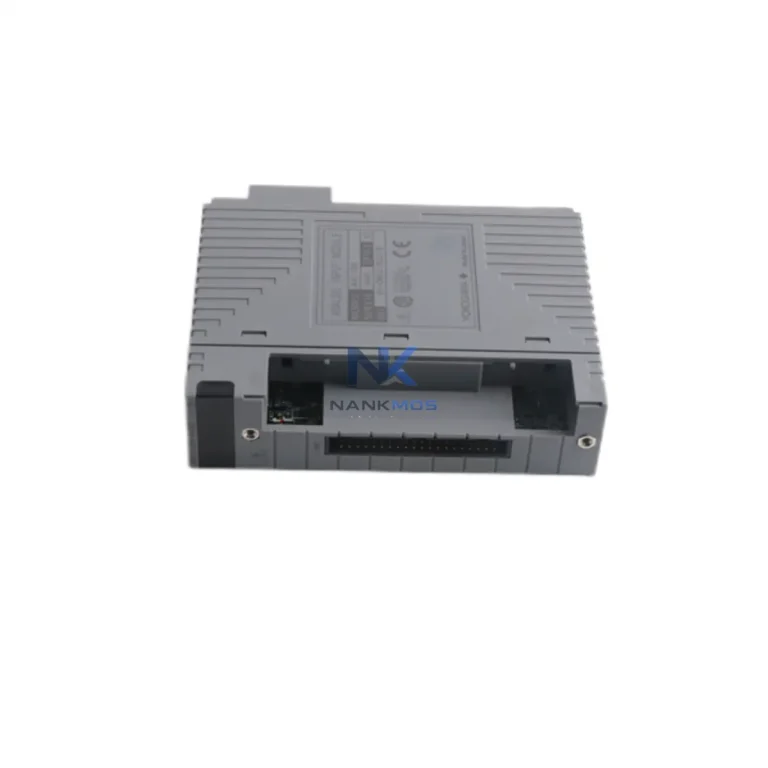
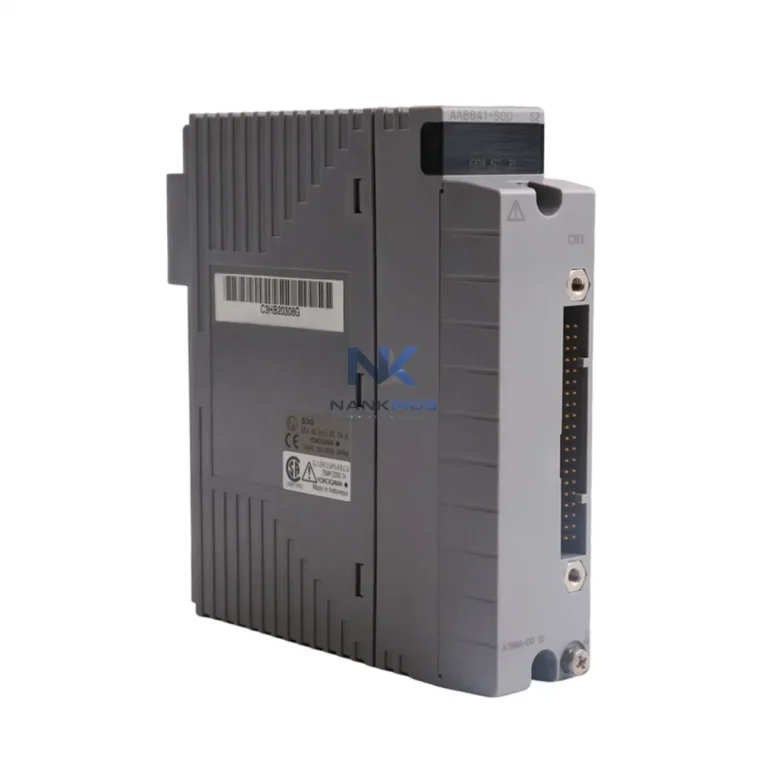
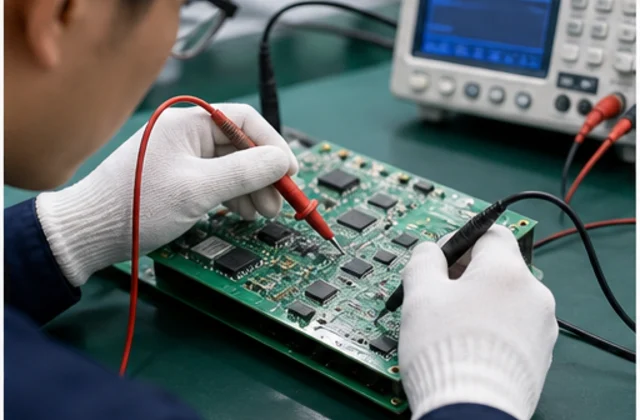
 Functional Inspection
100% tested on professional platforms to ensure stable performance.
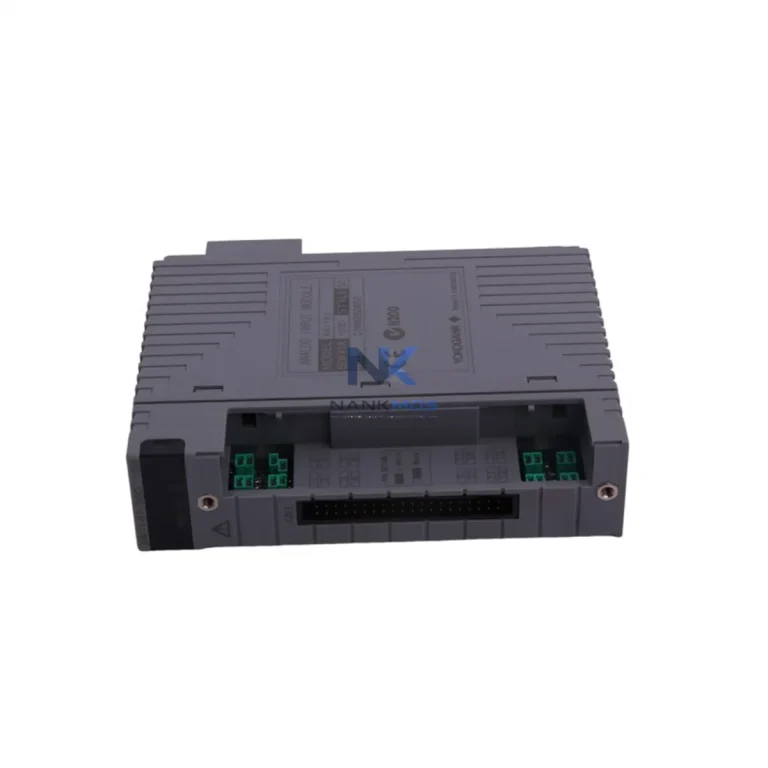
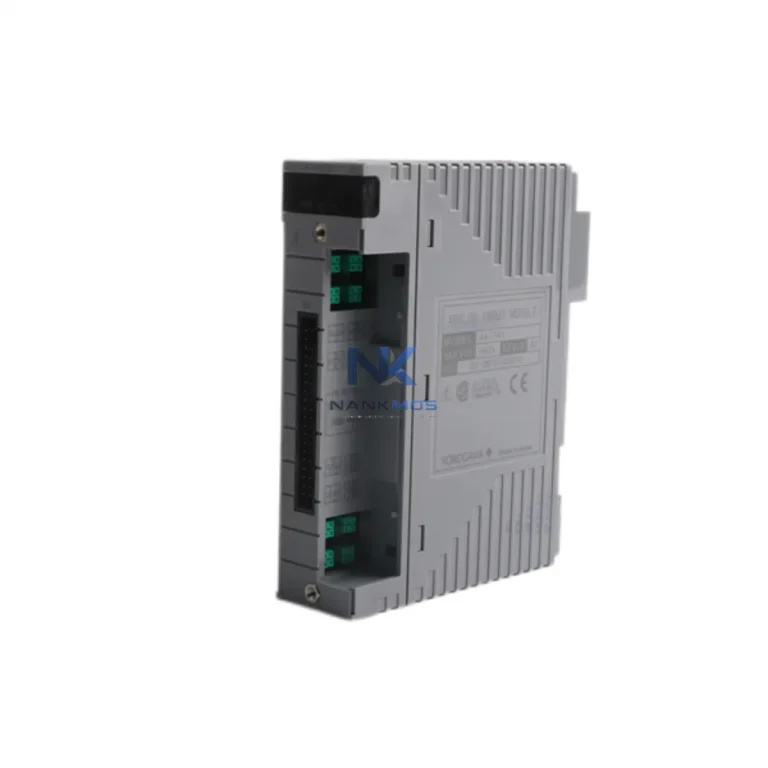
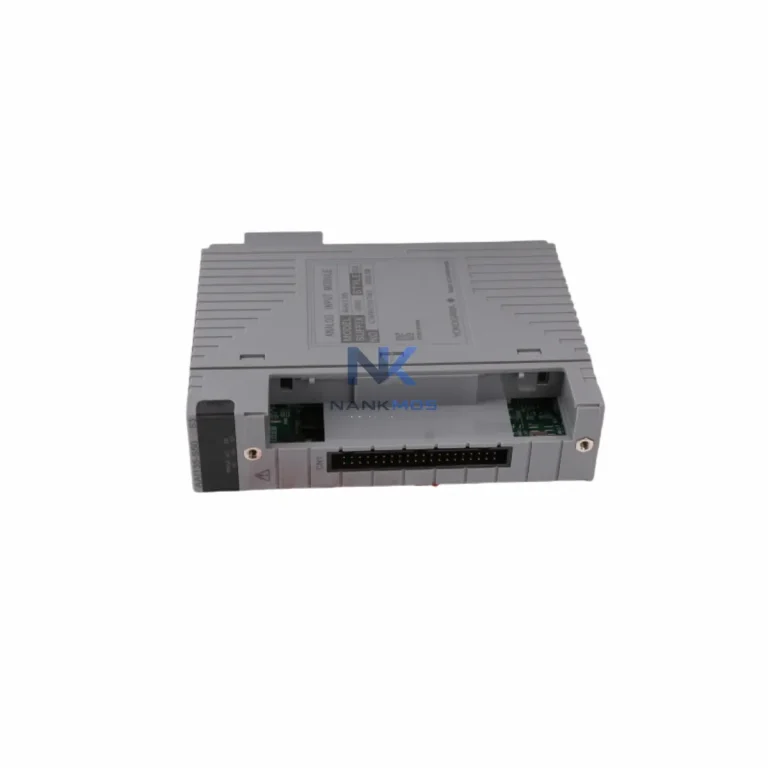
Yokogawa SAI143-HE3 S3 is a NANKMOS industrial automation product record Listed under Centum CS3000 series and Business & Industrial > Automation, Control & Flow Devices > Programmable Logic Controllers. Confirm condition, availability, lead time, compatibility and documentation by email inquiry.
Brand names are used for identification only.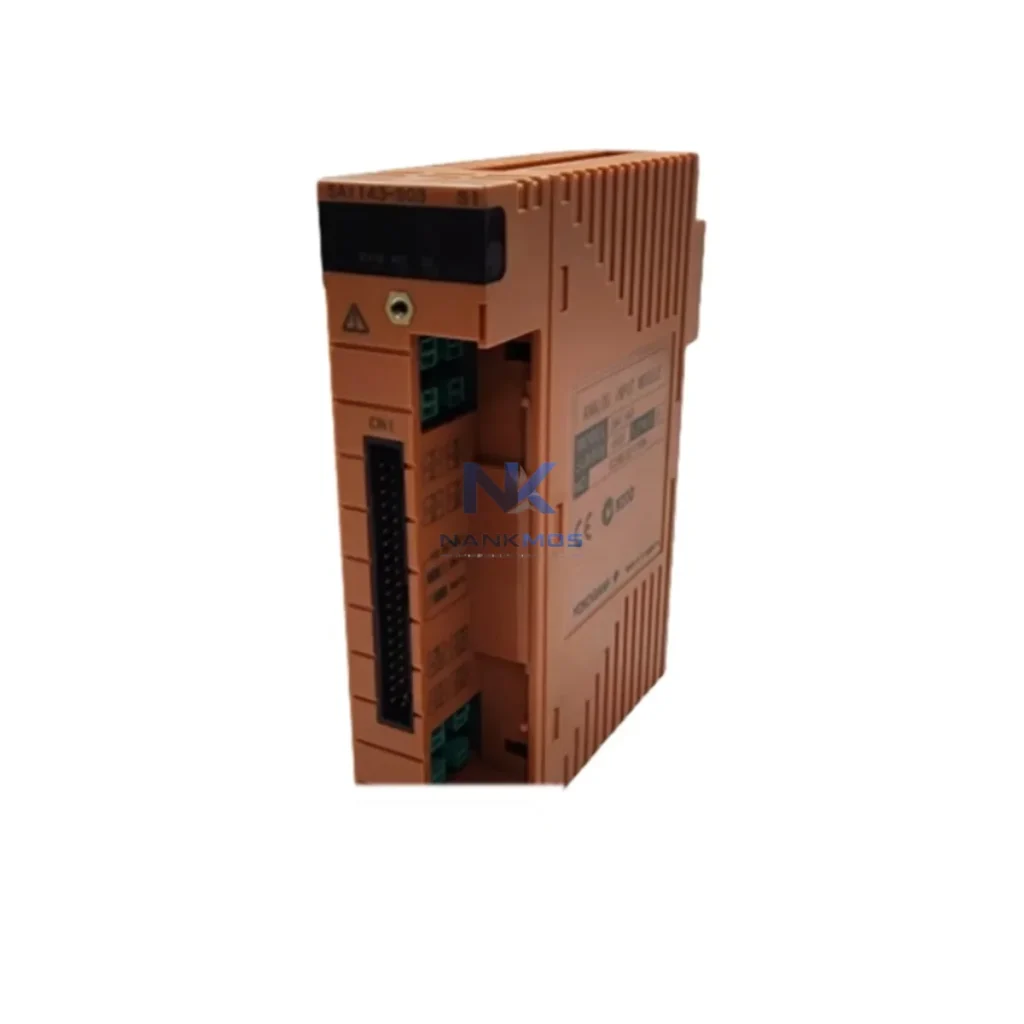
Yokogawa SAI143-HE3 S3 is a NANKMOS industrial automation product record Listed under Centum CS3000 series and Business & Industrial > Automation, Control & Flow Devices > Programmable Logic Controllers. Confirm condition, availability, lead time, compatibility and documentation by email inquiry.
| Manufacturer | Yokogawa |
|---|---|
| Application | Controller Processing & System Control |
| Part Number / Model | SAI143-HE3 S3 |
| Compatible System | Centum CS3000 |
| Series | Centum CS3000 |
| Condition Options | To Confirm |
| Module Type | Controller / CPU Module |
| Warranty | 12 Months |
| Packaging | Anti-static Bag / Secure Box |
| Shipping Methods | DHL / FedEx / UPS / Air / Sea |
| Availability | To Confirm |
| Lead Time | To Confirm |
| Documentation | Part number and revision checked before quote |
The Yokogawa SAI143-HE3 S3 is a precision analog input signal amplifier module engineered for seamless integration within the CENTUM CS3000 and CENTUM VP Distributed Control System (DCS) platforms. Designed to operate at the I/O layer of a multi-tier industrial control architecture, this module conditions, isolates, and amplifies field-level analog signals before routing them to the process controller for real-time decision-making. Its role in the signal chain is foundational: without accurate, noise-free signal amplification at the field boundary, upstream control logic, historian data, and operator HMI displays all suffer in fidelity and reliability.
In modern process automation environments — spanning power generation, petrochemical refining, oil and gas upstream/downstream, water treatment, mining, and marine propulsion — the SAI143-HE3 S3 serves as a critical bridge between field instrumentation and the control layer. It accepts millivolt and thermocouple-class signals from transmitters, RTDs, and process analyzers, converting them into standardized signals compatible with the CENTUM I/O bus. This contextual integration capability ensures that the module does not operate in isolation but as a coordinated node within a broader automation hierarchy.
The S3 hardware revision incorporates enhanced EMI shielding and improved channel-to-channel isolation, making it suitable for high-density I/O marshalling cabinets where signal crosstalk is a persistent engineering concern. Each channel is independently configurable, allowing engineers to mix thermocouple types or RTD configurations within a single module footprint — a significant advantage during brownfield upgrades where legacy field wiring must be preserved while the control backbone is modernized.
From a system architecture perspective, the SAI143-HE3 S3 is typically deployed alongside the Yokogawa AFV10D or AFV30D field control stations, which serve as the CPU layer of the CENTUM VP architecture. Power is supplied through the Yokogawa PW481 or PW482 redundant power supply modules, ensuring that I/O availability is not compromised by single-point power failures. The module slots into the Yokogawa ANB10D or ANB11D node units, which provide the physical backplane and I/O bus connectivity that links field modules to the field control station.
Signal integrity across the control architecture is further supported by the Yokogawa AAI141-S00 and AAI143-S00 analog input modules, which share the same I/O bus protocol and can be deployed in adjacent slots for expanded channel density. For applications requiring HART pass-through — common in smart transmitter environments where device diagnostics must reach the asset management layer — the SAI143-HE3 S3 supports HART multiplexing when paired with the Yokogawa HART interface card, enabling integration with Plant Resource Manager (PRM) for predictive maintenance workflows.
At the communication layer, the CENTUM VP architecture connects field control stations to the Vnet/IP control network, a deterministic Ethernet-based protocol that ensures low-latency, high-reliability data exchange between I/O nodes, controllers, and the HMI layer. The Yokogawa HIS (Human Interface Station) running CENTUM VP operator graphics receives real-time process values conditioned by modules like the SAI143-HE3 S3, presenting operators with accurate trend data, alarm states, and loop status. This end-to-end signal fidelity — from field sensor through the SAI143-HE3 S3 to the HIS display — is what makes proper module selection and configuration critical to overall system performance.
For redundancy-critical applications, the SAI143-HE3 S3 can be deployed in dual-redundant I/O configurations using the Yokogawa RIO (Remote I/O) bus architecture, where primary and secondary I/O nodes operate in hot-standby mode. In the event of a node failure, bumpless transfer ensures that process control continuity is maintained without operator intervention. This redundancy architecture is particularly valued in continuous process industries — such as ethylene crackers, LNG terminals, and nuclear auxiliary systems — where unplanned shutdowns carry significant safety and financial consequences.
Installation and commissioning of the SAI143-HE3 S3 follow standard CENTUM VP I/O module procedures: the module is inserted into the designated slot on the ANB node unit, recognized automatically by the field control station during I/O bus enumeration, and configured via the CENTUM VP Engineering Environment (ENG). Channel assignments, input type selection, range calibration, and alarm setpoints are all managed through the ENG software without requiring physical jumper changes on the module — a design philosophy that reduces commissioning time and eliminates configuration errors associated with hardware-level settings.
Long-term maintenance efficiency is a core design consideration for the SAI143-HE3 S3. The module supports online replacement without process shutdown in redundant I/O configurations, and its diagnostic registers are accessible through the CENTUM VP system bus for continuous health monitoring. Maintenance teams can identify channel drift, open-circuit faults, or out-of-range conditions through the HIS alarm management system or through PRM asset management software, enabling condition-based maintenance strategies that extend module service life and reduce unplanned corrective maintenance events.
All SAI143-HE3 S3 units supplied by NANKMOS are sourced from verified supply channels, pre-shipment tested against Yokogawa factory acceptance criteria, and covered by a 12-Month Warranty. Stock is maintained for immediate dispatch to support both planned capital projects and urgent breakdown replacement scenarios. Global logistics coverage ensures delivery to major industrial hubs across Asia-Pacific, the Middle East, Europe, and the Americas.
The SAI143-HE3 S3 achieves its full performance potential when deployed as part of a cohesive CENTUM VP automation platform. At the control layer, the Yokogawa AFV10D Field Control Station and AFV30D execute regulatory, advanced, and sequence control logic, consuming the conditioned analog inputs delivered by the SAI143-HE3 S3 through the I/O bus. Power integrity for the entire I/O node is maintained by the Yokogawa PW481 and PW482 redundant power supply modules, which provide dual-feed power with automatic switchover.
The physical backplane infrastructure is provided by the Yokogawa ANB10D and ANB11D node units, which house the SAI143-HE3 S3 alongside complementary modules such as the AAI141-S00 analog input module for standard 4–20 mA signals and the AAO141-S00 analog output module for control valve and actuator command signals. Digital I/O is handled by the ADV151-P50 digital input module and ADV551-P50 digital output module, completing the full I/O layer within a single node enclosure.
At the communication layer, the Vnet/IP control network connects all field control stations to the engineering and operator stations, with the Yokogawa BCV1D Vnet/IP bus converter providing the physical layer interface. The Yokogawa HIS (Human Interface Station) running CENTUM VP operator graphics presents real-time process values to control room operators, while the Yokogawa ENG (Engineering Station) provides the configuration and diagnostic environment for all I/O modules including the SAI143-HE3 S3. For asset management and predictive maintenance, Yokogawa PRM (Plant Resource Manager) integrates HART device diagnostics from the SAI143-HE3 S3 HART interface into a unified maintenance workflow.
Power Generation: In combined-cycle and coal-fired power plants, the SAI143-HE3 S3 conditions thermocouple signals from turbine exhaust, steam header, and boiler tube temperature measurement points, feeding accurate temperature data to the CENTUM VP turbine control and boiler management systems. Redundant I/O node configurations ensure continuous monitoring even during partial system maintenance windows.
Petrochemical & Refining: Distillation column temperature profiling, reactor feed temperature monitoring, and heat exchanger performance tracking all rely on multi-point thermocouple inputs processed by the SAI143-HE3 S3. Its channel-to-channel isolation prevents ground loop interference in environments where multiple field instruments share common process vessels.
Oil & Gas Upstream/Downstream: Wellhead temperature monitoring, separator vessel temperature control, and pipeline heat tracing management benefit from the SAI143-HE3 S3's multi-type input capability, allowing a single module to handle both RTD and thermocouple inputs from diverse field instruments within the same process unit.
Water & Wastewater Treatment: Sludge digester temperature control, UV disinfection system monitoring, and aeration basin process temperature measurement are typical applications where the SAI143-HE3 S3 provides reliable signal conditioning in environments with high electrical noise from variable-frequency drives and pump motor starters.
Mining & Minerals Processing: Conveyor drive motor winding temperature monitoring, crusher bearing temperature surveillance, and flotation cell process temperature control represent demanding applications where the S3 revision's enhanced EMI shielding provides measurable signal quality improvements over earlier hardware revisions.
Marine Propulsion & Offshore: Engine room temperature monitoring, exhaust gas temperature management, and cargo tank temperature surveillance on LNG carriers and offshore production platforms utilize the SAI143-HE3 S3 within CENTUM VP-based integrated automation systems, where compact module footprint and high channel density are critical design constraints.
Q1: Is the SAI143-HE3 S3 compatible with both CENTUM CS3000 and CENTUM VP systems? Yes. The SAI143-HE3 S3 is designed for the CENTUM I/O bus architecture shared by both CENTUM CS3000 and CENTUM VP platforms. It slots into ANB10D or ANB11D node units used in both system generations. Configuration is performed through the respective engineering environment (ENG for CENTUM VP, CS3000 Engineering for CS3000), and no hardware modification is required when migrating between platforms. NANKMOS recommends confirming the target system's I/O bus revision with your project engineer before procurement to ensure full firmware compatibility.
Q2: Can the SAI143-HE3 S3 be replaced online without shutting down the process? In redundant I/O node configurations (dual ANB node units in hot-standby), the SAI143-HE3 S3 supports online module replacement. The redundant node continues to supply process data to the field control station during the replacement procedure, enabling bumpless maintenance without process interruption. In non-redundant single-node configurations, module replacement requires the affected I/O channels to be placed in manual control mode at the HIS before the module is extracted. NANKMOS supplies pre-tested replacement modules with same-day dispatch capability to minimize maintenance window duration.
Q3: What warranty and supply assurance does NANKMOS provide for the SAI143-HE3 S3? All SAI143-HE3 S3 modules supplied by NANKMOS carry a 12-Month Warranty covering manufacturing defects and functional failures under normal operating conditions. Each unit undergoes pre-shipment functional testing against Yokogawa acceptance criteria before dispatch. NANKMOS maintains buffer stock of the SAI143-HE3 S3 to support both planned project procurement and urgent breakdown replacement requirements. For volume procurement, long-term supply agreements, or expedited delivery requirements, contact NANKMOS at [email protected] or +86 18359268345.
Functional Inspection100% tested on professional platforms to ensure stable performance.
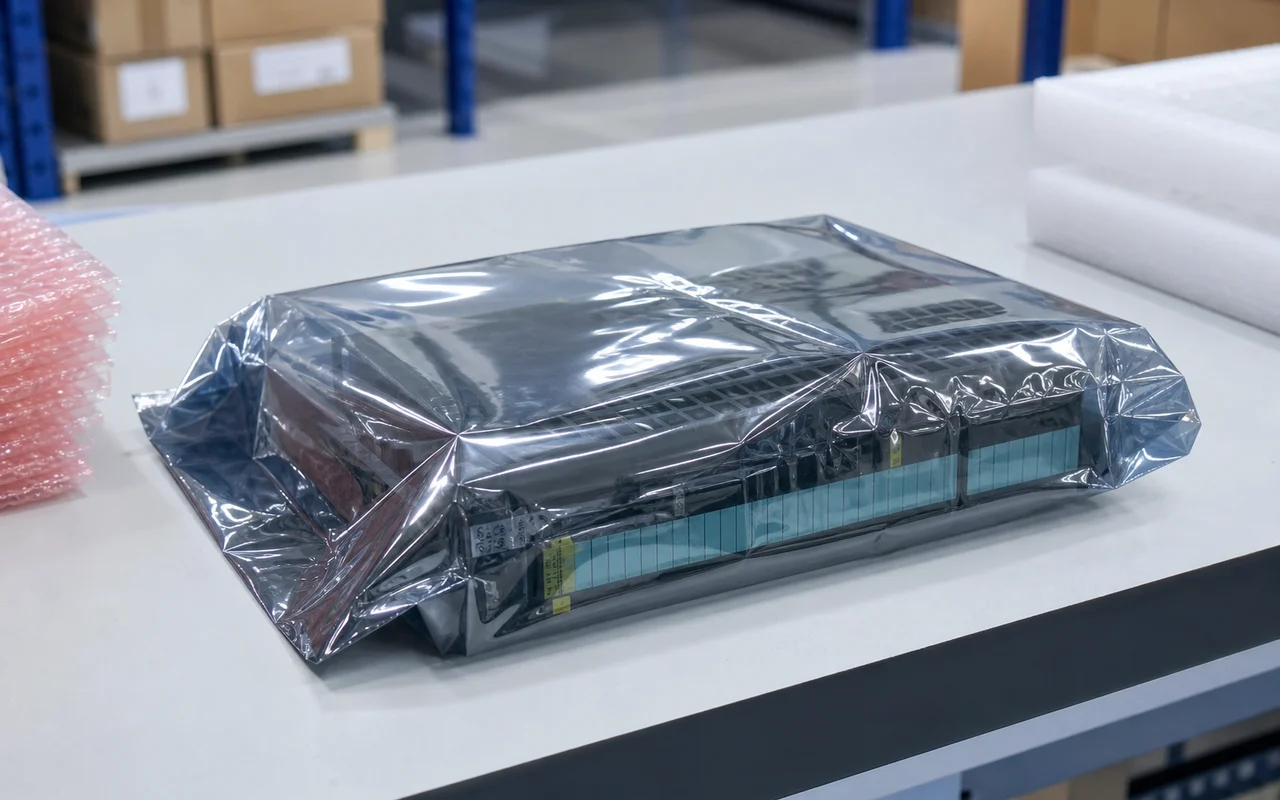 Anti-static Packaging
Modules are packed in anti-static bags to prevent electrostatic damage.
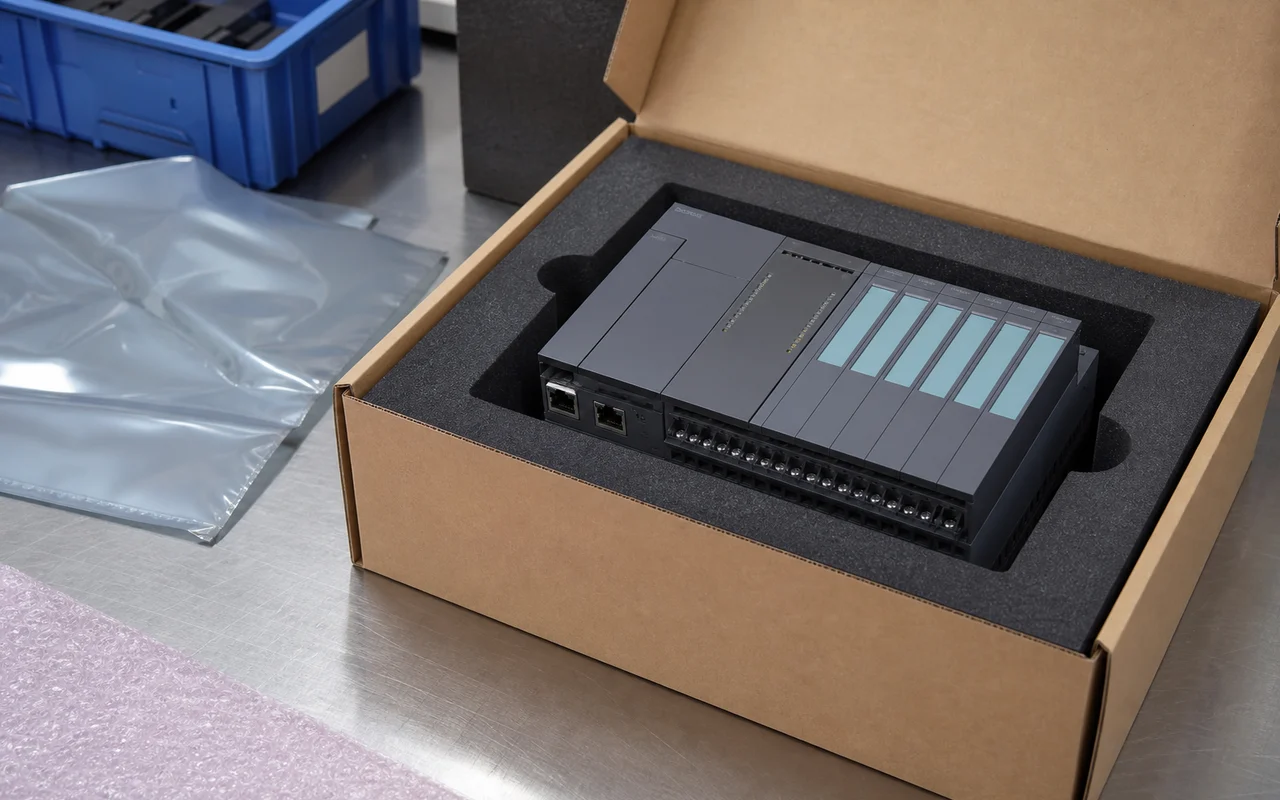 Secure Export Packing
Cushion protection and strong cartons ensure safe transportation.
 Worldwide Shipping
Global logistics network supports air, sea and express delivery.
 Documentation Check
Part number, revision and compatibility verified before shipment.
 After-sales Support
Professional technical support to help resolve your issues.