Functional Inspection
100% tested on professional platforms to ensure stable performance.
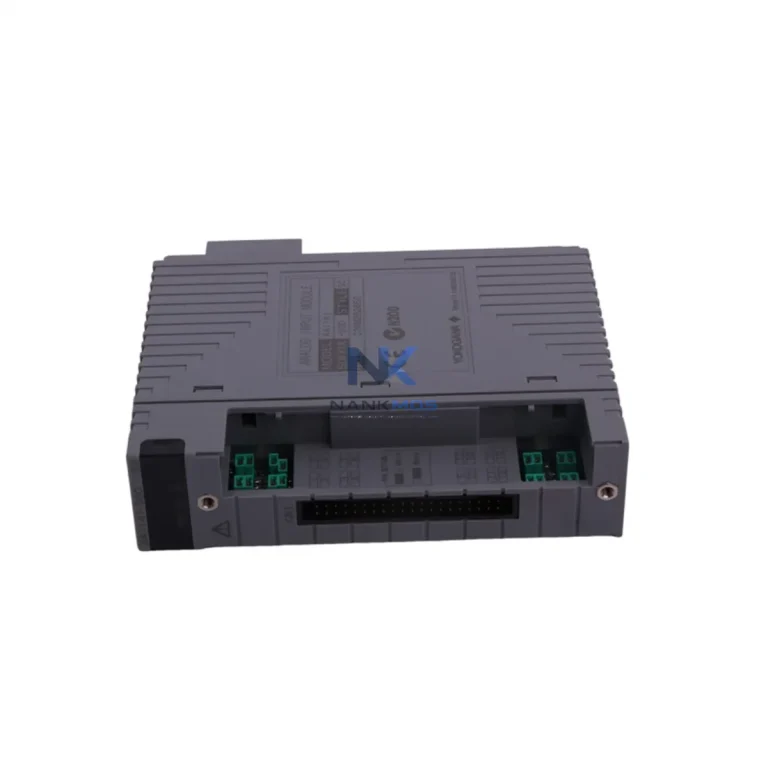
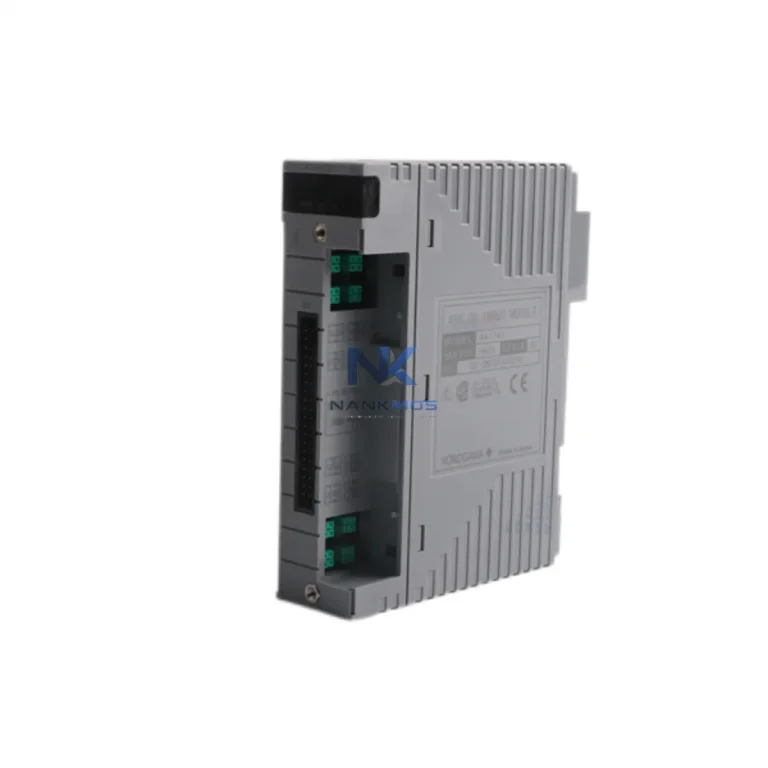
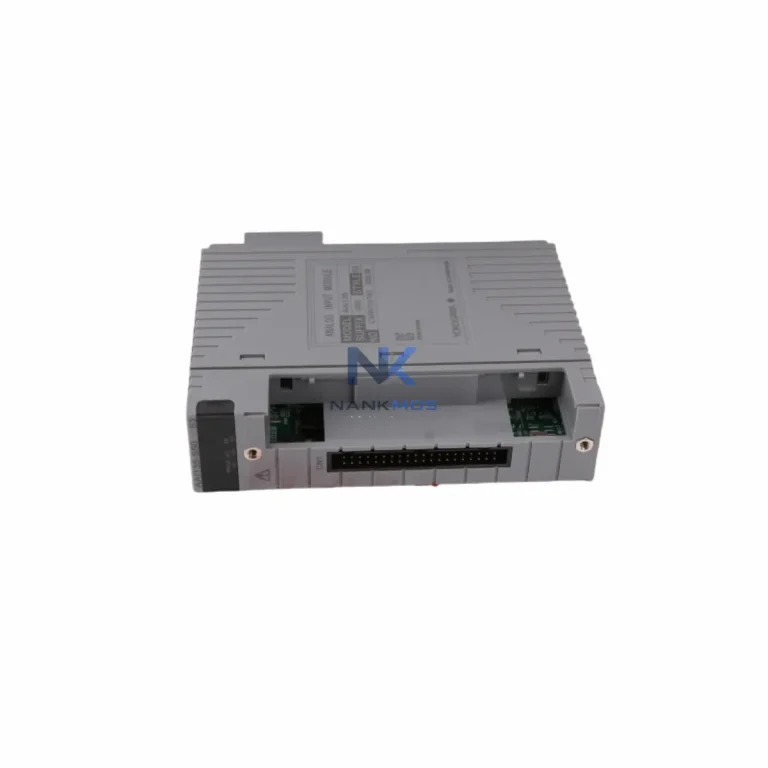
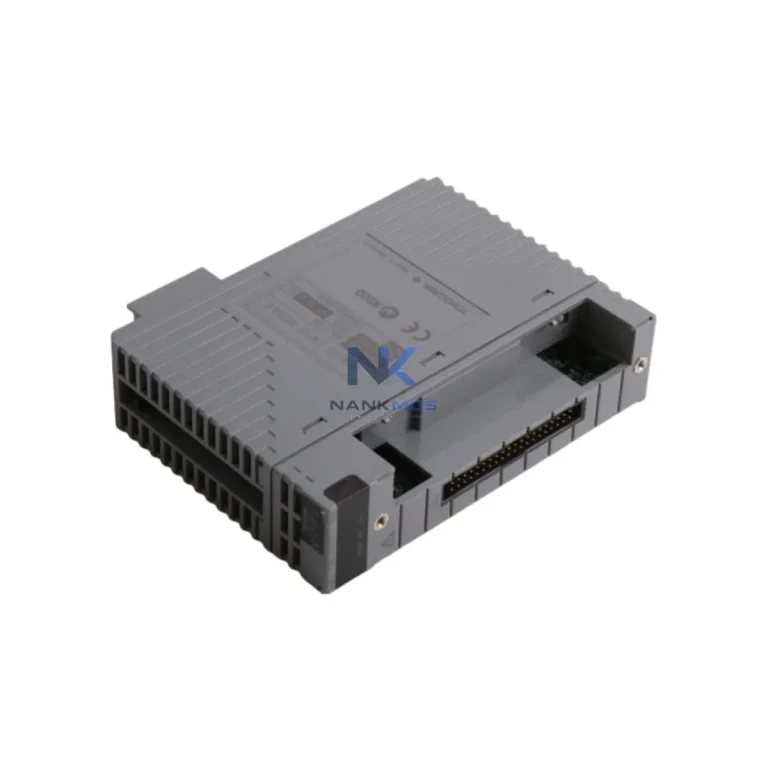
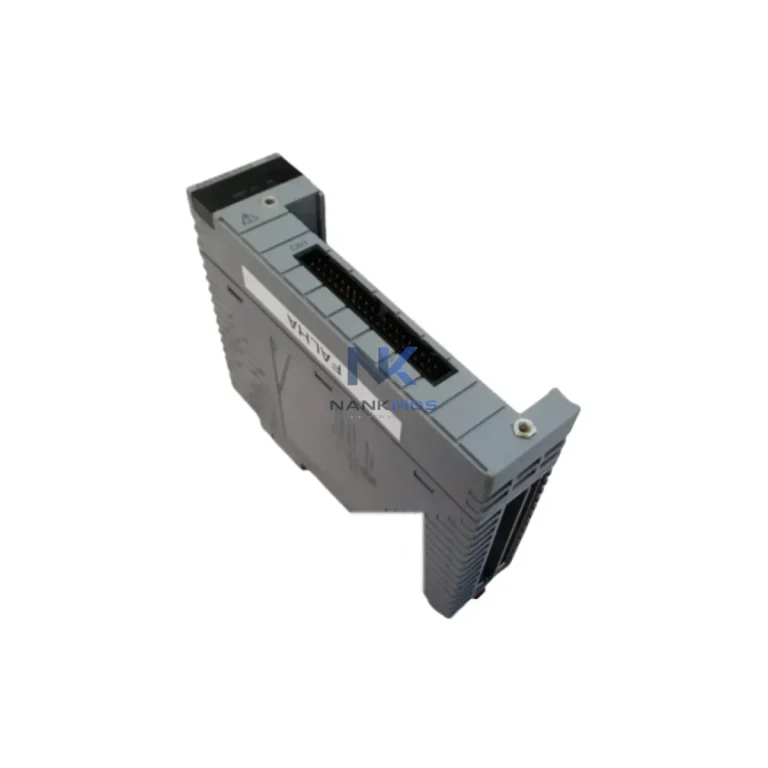
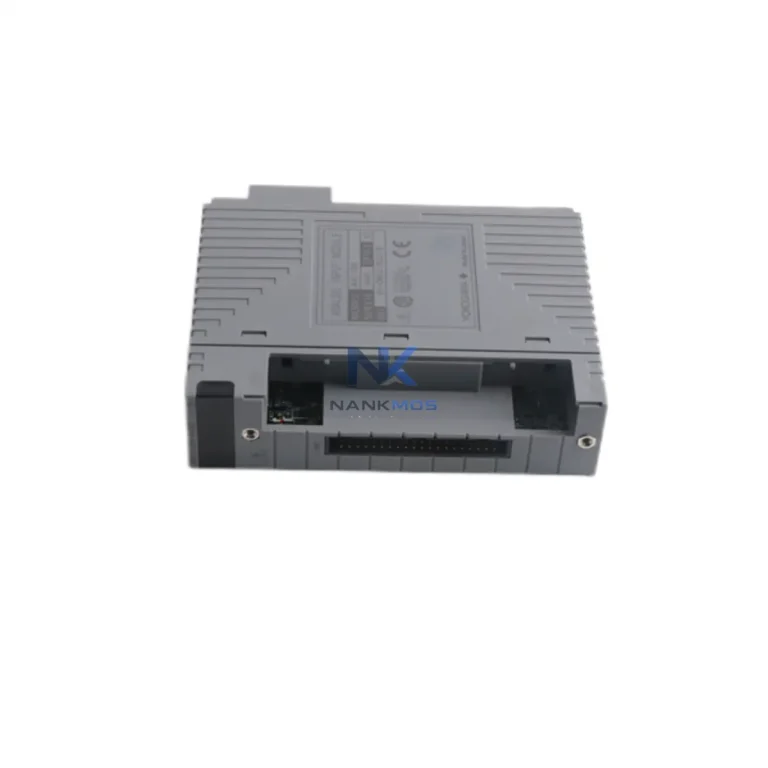
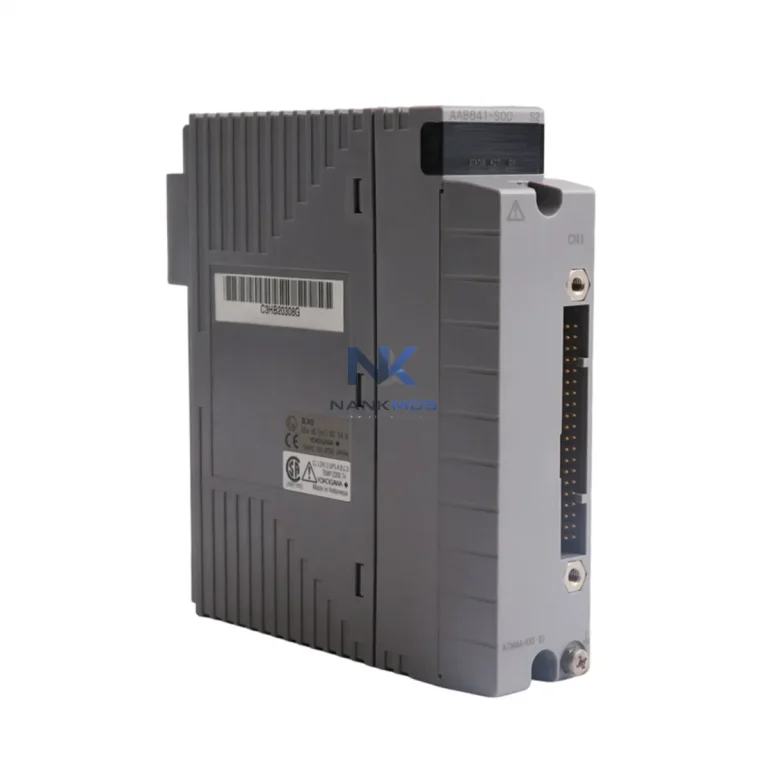
Yokogawa SDV531-L63 S4 is a NANKMOS industrial automation product record Listed under Other series series and Business & Industrial > Automation, Control & Flow Devices > Programmable Logic Controllers. Confirm condition, availability, lead time, compatibility and documentation by email inquiry.
Brand names are used for identification only.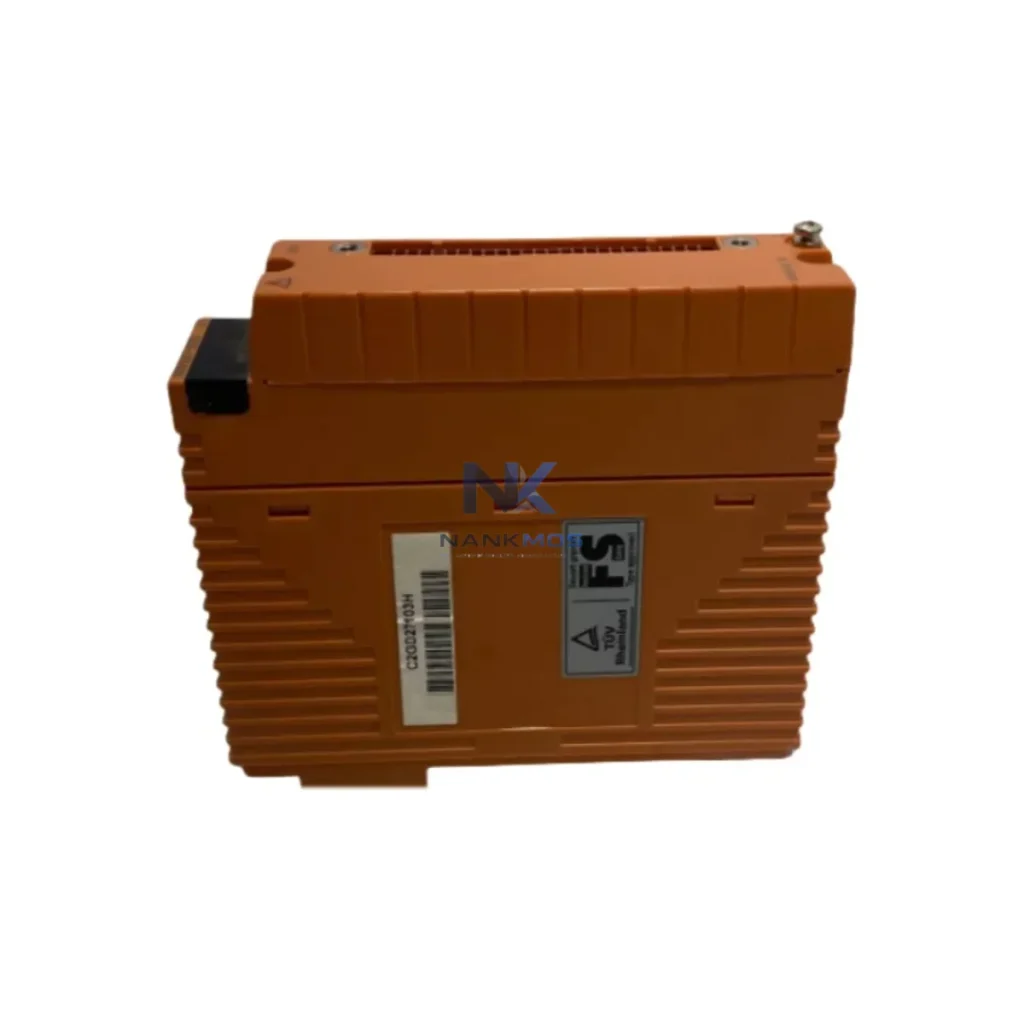
Yokogawa SDV531-L63 S4 is a NANKMOS industrial automation product record Listed under Other series series and Business & Industrial > Automation, Control & Flow Devices > Programmable Logic Controllers. Confirm condition, availability, lead time, compatibility and documentation by email inquiry.
| Manufacturer | Yokogawa |
|---|---|
| Application | Controller Processing & System Control |
| Part Number / Model | SDV531-L63 S4 |
| Compatible System | Confirmed by inquiry |
| Condition Options | To Confirm |
| Module Type | Controller / CPU Module |
| Warranty | 12 Months |
| Packaging | Anti-static Bag / Secure Box |
| Shipping Methods | DHL / FedEx / UPS / Air / Sea |
| Availability | To Confirm |
| Lead Time | To Confirm |
| Documentation | Part number and revision checked before quote |
The Yokogawa SDV531-L63-S4 is a Foundation Fieldbus (FF H1) digital valve controller from the SDV500 Series, engineered to serve as a precision data node within modern industrial automation networks. Designed for continuous process industries including petrochemicals, oil & gas, power generation, and water treatment, this device bridges the gap between physical valve actuation and the digital intelligence layer of a smart factory. By embedding real-time diagnostics, bidirectional communication, and deterministic fieldbus signaling directly at the valve, the SDV531-L63-S4 eliminates the analog signal bottlenecks that have historically limited process transparency and remote monitoring capability.
In a fully connected automation architecture, the SDV531-L63-S4 operates as a Foundation Fieldbus segment device, transmitting valve position feedback, actuator health data, and process variable readings upstream to a DCS host — such as the Yokogawa CENTUM VP distributed control system — without requiring intermediate signal converters. The FF H1 protocol supports up to 32 devices per segment at 31.25 kbps, enabling deterministic, time-synchronized data delivery that is essential for closed-loop control and safety instrumented systems. This makes the SDV531-L63-S4 a natural fit for integration alongside Yokogawa EJX series pressure transmitters, YTA series temperature transmitters, and ADMAG AXF magnetic flowmeters, all of which share the same FF H1 bus infrastructure and can be managed from a unified SCADA or asset management platform.
The data flow originating at the SDV531-L63-S4 follows a structured path through the automation hierarchy. At the field level, the device captures valve stem position via its internal LVDT sensor and computes the deviation between setpoint and actual position in real time. This data is packaged into standard FF function blocks — including the PID, AO, and Transducer blocks — and transmitted over the fieldbus segment to the segment coupler or linking device. From there, the signal is forwarded to the DCS I/O card, processed by the control strategy, and made available to the SCADA historian for trend logging and alarm management. Operators monitoring the Yokogawa FAST/TOOLS SCADA platform or a third-party HMI can view valve travel accumulation, packing friction trends, and actuator supply pressure in real time, enabling condition-based maintenance scheduling without requiring physical inspection.
For facilities implementing IEC 62443-compliant network segmentation, the SDV531-L63-S4 supports integration within a layered network architecture where the FF H1 fieldbus segment is isolated from the plant Ethernet backbone via a Fieldbus HSE linking device or an OPC-UA gateway. This allows process data from the SDV531-L63-S4 to be published to higher-level MES and ERP systems through standardized OPC-UA information models, supporting Industry 4.0 data transparency requirements. Edge computing platforms — such as those running on industrial PCs with Modbus TCP or MQTT broker capabilities — can subscribe to valve diagnostic data streams and apply machine learning models for predictive maintenance without disrupting the real-time control loop.
Remote diagnostics are a core value proposition of the SDV531-L63-S4. Using the Yokogawa PRM (Plant Resource Manager) asset management software, maintenance engineers can perform partial stroke testing (PST) on demand or on a scheduled basis, verifying valve operability without taking the process offline. Diagnostic results — including step response curves, friction coefficients, and dead band measurements — are stored in the device's non-volatile memory and can be retrieved remotely over the FF H1 link. This capability is particularly valuable in hazardous area installations where physical access is restricted, reducing both safety risk and maintenance labor cost.
Every Yokogawa SDV531-L63-S4 unit supplied by NANKMOS is pre-shipment tested against Yokogawa factory acceptance criteria, including loop calibration verification, FF communication handshake confirmation, and actuator response linearity checks. Units are shipped with full documentation and carry a 12-month warranty covering manufacturing defects and communication interface integrity. In-stock availability ensures rapid deployment for both planned capital projects and emergency replacement scenarios.
A typical smart factory deployment integrating the SDV531-L63-S4 begins at the field instrument layer. Yokogawa EJX110A differential pressure transmitters and YTA510 temperature transmitters share the same FF H1 segment, providing process variable inputs to the control strategy running in the Yokogawa CENTUM VP DCS. The SDV531-L63-S4 receives its setpoint from the DCS AO function block and returns actual valve position and diagnostic data in the same scan cycle, enabling true closed-loop feedback without analog-to-digital conversion losses.
At the network infrastructure layer, a Yokogawa AFV10 fieldbus power conditioner and segment coupler provide clean, regulated bus power and signal conditioning for the FF H1 segment. The segment connects to the DCS via a Yokogawa ALF111 FF linking device, which bridges the H1 segment to the HSE (High Speed Ethernet) backbone running at 100 Mbps. From the HSE layer, an OPC-UA server publishes real-time valve data to the plant SCADA historian — such as Yokogawa FAST/TOOLS or a third-party OSIsoft PI system — where operators can configure trend displays, alarm thresholds, and KPI dashboards for valve performance monitoring.
For facilities requiring remote access, an industrial edge gateway running on a DIN-rail mounted IPC with Modbus TCP and MQTT client capabilities can subscribe to OPC-UA data nodes from the SDV531-L63-S4 and forward compressed data packets to a cloud-based analytics platform. This architecture supports remote diagnostics, predictive maintenance scheduling, and energy efficiency reporting without requiring VPN access to the DCS control network, maintaining IEC 62443 network segmentation compliance. Yokogawa PRM software running on the engineering workstation provides the asset management layer, enabling engineers to schedule partial stroke tests, review diagnostic trends, and generate maintenance reports for the SDV531-L63-S4 and co-located instruments from a single interface.
Many process plants operating legacy pneumatic valve positioners face a fundamental data gap: the valve is the final control element, yet it generates no digital feedback, no diagnostic data, and no network-accessible status. Replacing legacy positioners with the Yokogawa SDV531-L63-S4 resolves this gap by converting the valve into an active FF H1 network node that continuously reports its own health, position accuracy, and actuator condition to the DCS and SCADA layers.
Protocol fragmentation is another common challenge in brownfield automation sites where legacy HART 4–20 mA instruments coexist with newer FF H1 and Profibus PA devices. The SDV531-L63-S4 operates natively on FF H1, and when deployed alongside a Yokogawa YVP110 HART valve positioner on parallel segments, the plant can implement a phased migration strategy — maintaining HART devices on existing I/O cards while expanding FF H1 coverage to new control loops. This eliminates the need for a full I/O card replacement and reduces migration risk.
Data silos between the control layer and the maintenance management system are addressed through the SDV531-L63-S4's PRM integration. Diagnostic events — such as increased packing friction, actuator air supply pressure drops, or valve travel deviation alarms — are automatically logged in PRM and can be exported to the plant CMMS (Computerized Maintenance Management System) via OPC-UA or REST API, creating a closed-loop workflow from alarm detection to work order generation to maintenance completion verification. This level of process transparency supports both regulatory compliance reporting and continuous improvement initiatives in ISO 55000 asset management frameworks.
Q1: What is the maximum communication distance for the SDV531-L63-S4 on an FF H1 segment? Foundation Fieldbus H1 supports cable runs of up to 1,900 meters (standard twisted-pair, non-armored) per segment without repeaters. With FF H1 repeaters, segment length can be extended further. The SDV531-L63-S4 complies with IEC 61158-2 physical layer specifications, ensuring reliable communication across typical process plant cable runs. All units are communication-tested prior to shipment.
Q2: Is the SDV531-L63-S4 compatible with third-party DCS platforms beyond Yokogawa CENTUM VP? Yes. As a standard FF H1 device, the SDV531-L63-S4 is interoperable with any FF H1-compliant DCS or linking device, including Emerson DeltaV, Honeywell Experion PKS, ABB 800xA, and Siemens PCS 7 with FF H1 I/O cards. The device's DD (Device Description) file is registered with the Fieldbus Foundation, ensuring plug-and-play configuration in any compliant host system. Protocol compatibility is verified during pre-shipment testing.
Q3: Can the SDV531-L63-S4 perform partial stroke testing without interrupting the process? Yes. The SDV531-L63-S4 supports on-demand and scheduled partial stroke testing (PST) through the Yokogawa PRM asset management software or any FF H1-compatible asset management tool. PST moves the valve a configurable percentage of its travel (typically 10–15%) to verify mechanical operability without disrupting the process flow. Test results, including step response time and friction coefficient, are stored in device memory and accessible remotely over the FF H1 link.
Q4: What warranty and after-sales support does NANKMOS provide for the SDV531-L63-S4? All SDV531-L63-S4 units supplied by NANKMOS carry a 12-month warranty covering manufacturing defects and communication interface integrity from the date of shipment. Units are pre-shipment tested against Yokogawa factory acceptance criteria, including FF H1 communication handshake, loop calibration, and actuator response verification. In-stock availability supports rapid deployment. For technical support, contact [email protected] or call +86 18359268345.
Functional Inspection100% tested on professional platforms to ensure stable performance.
 Anti-static Packaging
Modules are packed in anti-static bags to prevent electrostatic damage.
 Secure Export Packing
Cushion protection and strong cartons ensure safe transportation.
 Worldwide Shipping
Global logistics network supports air, sea and express delivery.
 Documentation Check
Part number, revision and compatibility verified before shipment.
 After-sales Support
Professional technical support to help resolve your issues.