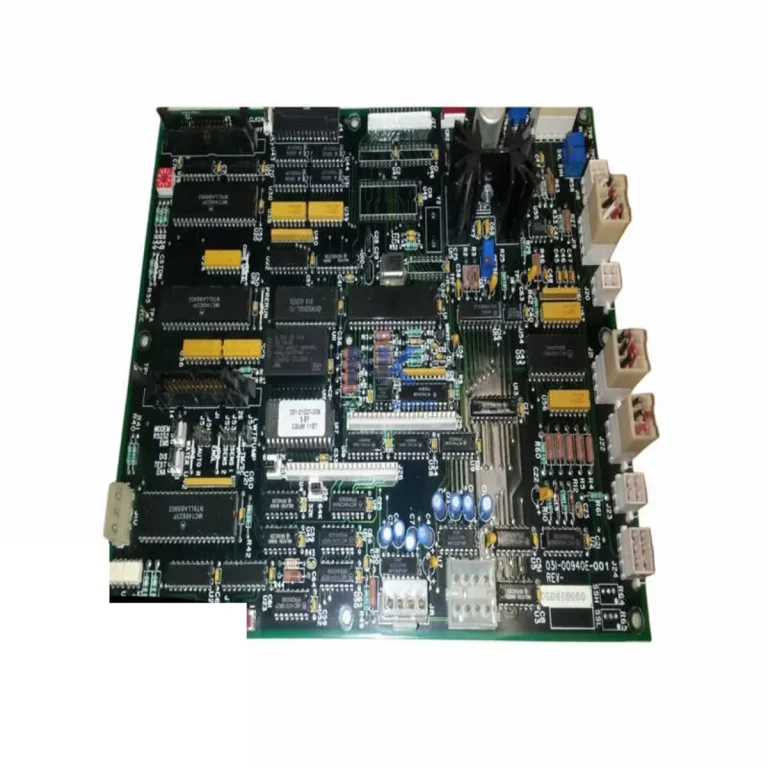
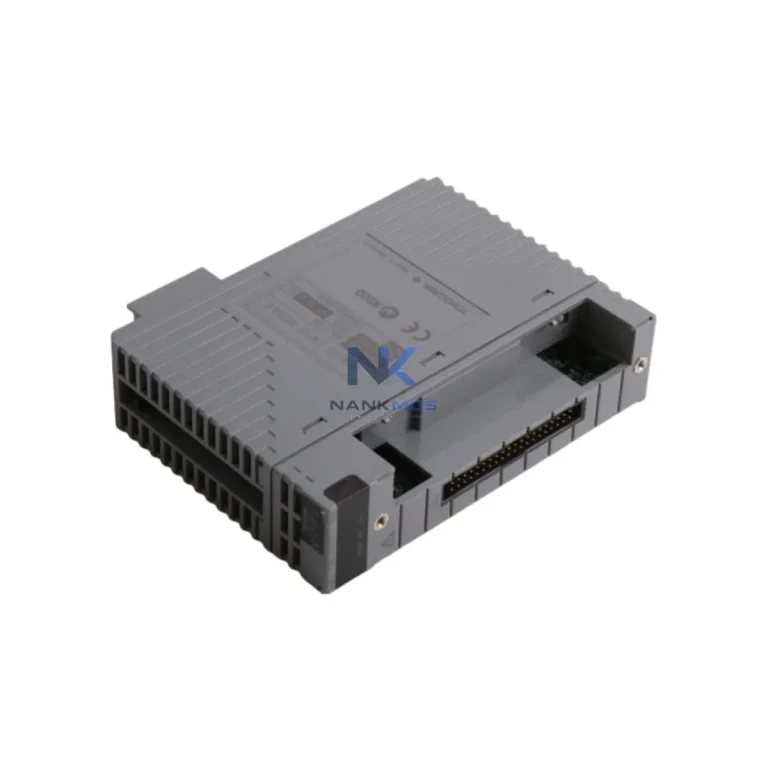
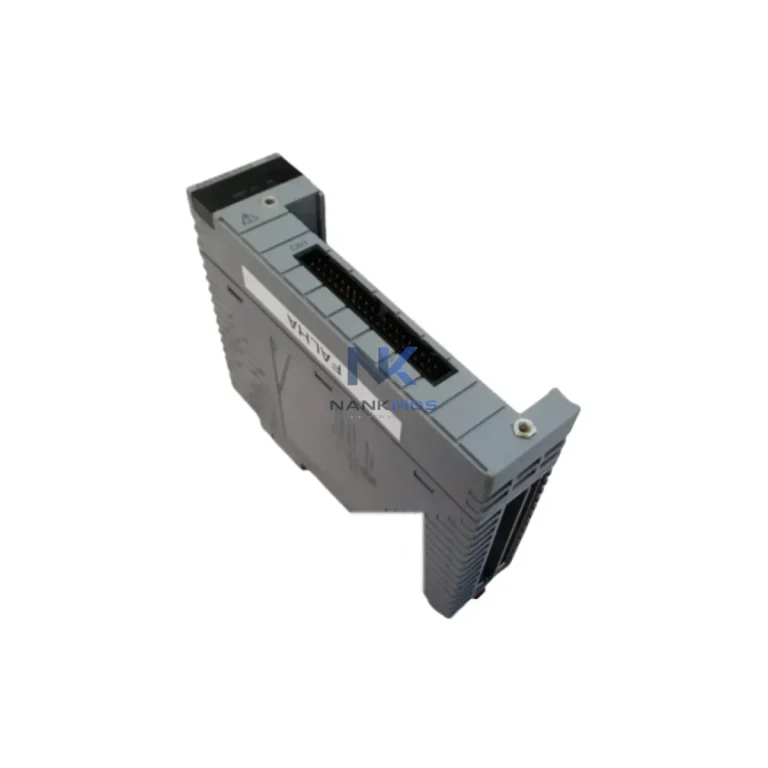
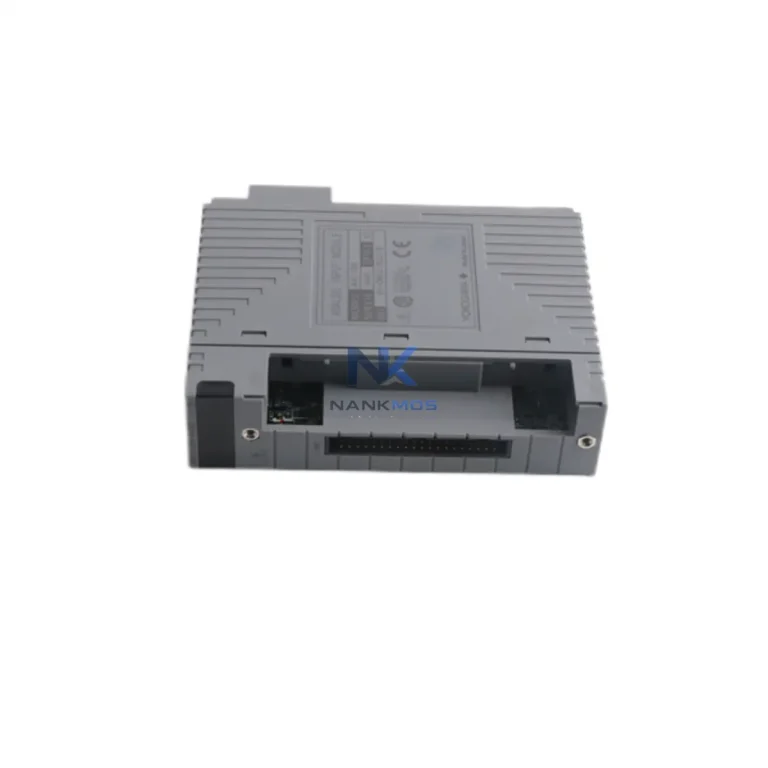
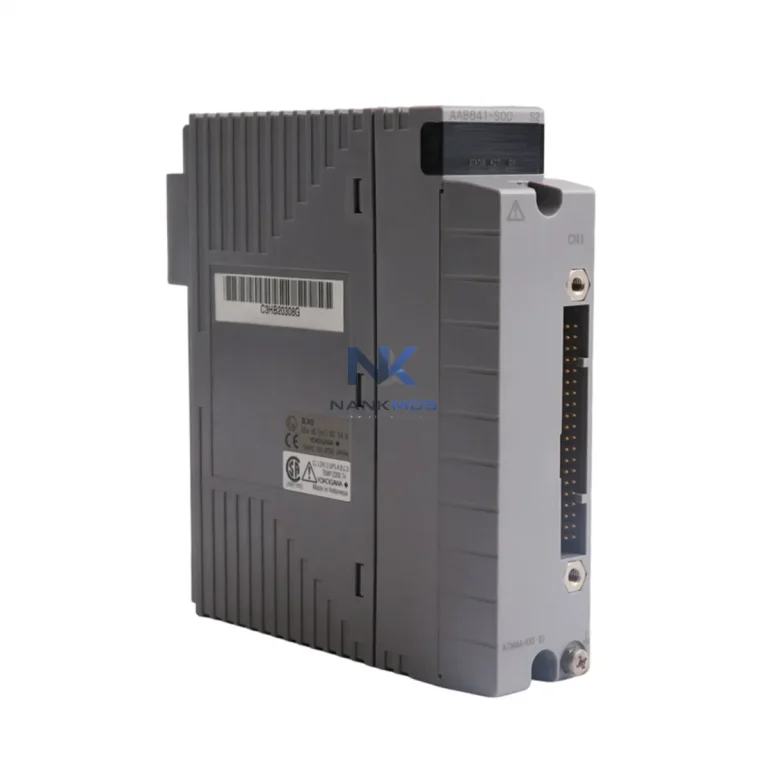
Functional Inspection
100% tested on professional platforms to ensure stable performance.
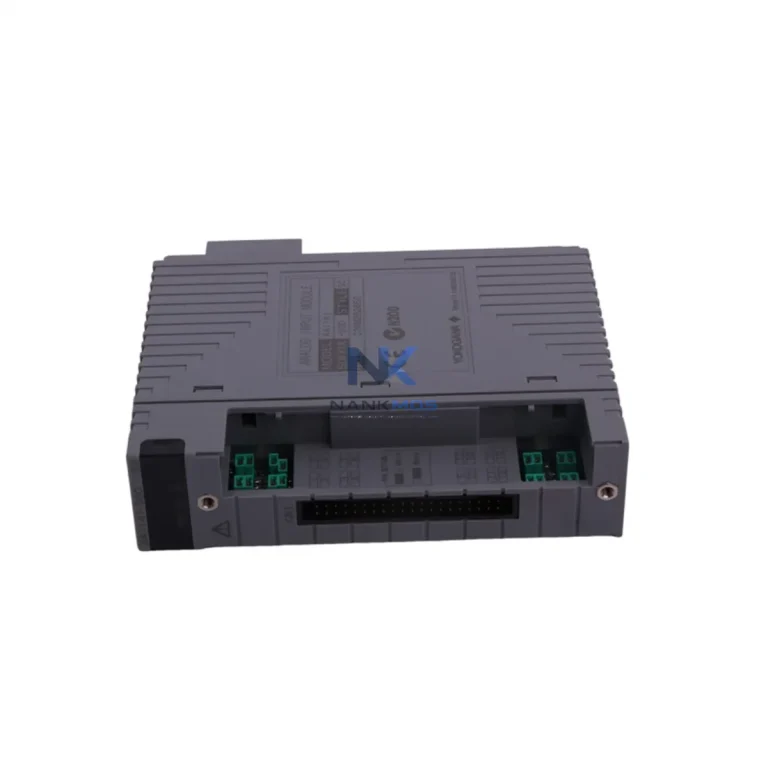
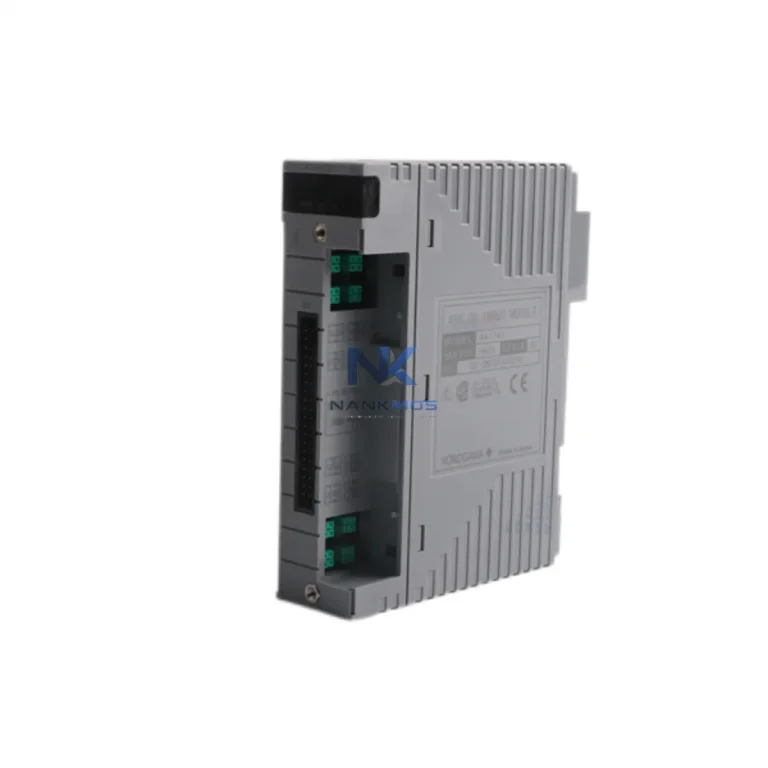
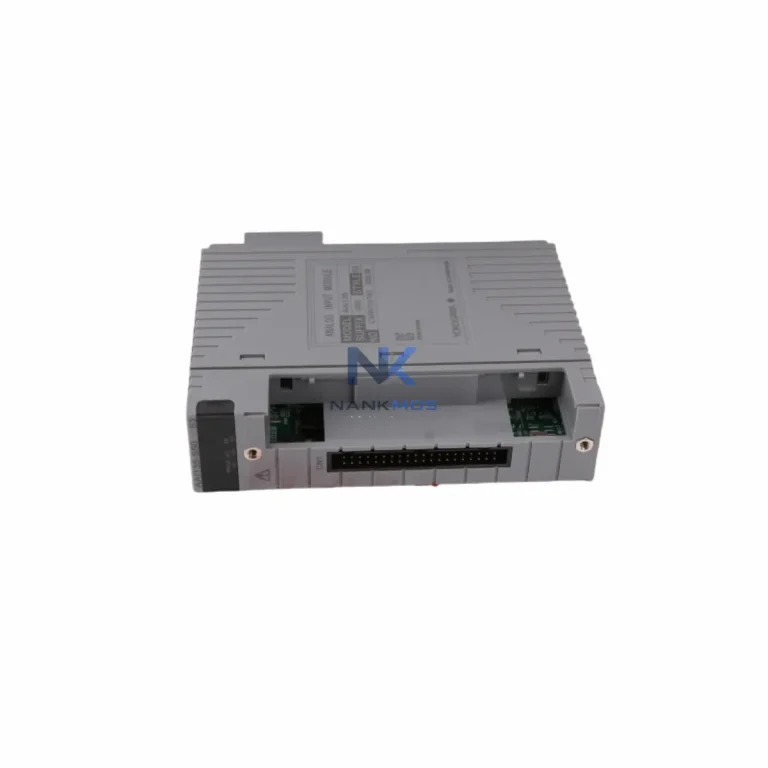
Yokogawa SED4D is a NANKMOS industrial automation product record Listed under CENTUM VP series and Business & Industrial > Automation, Control & Flow Devices > Programmable Logic Controllers. Confirm condition, availability, lead time, compatibility and documentation by email inquiry.
Brand names are used for identification only.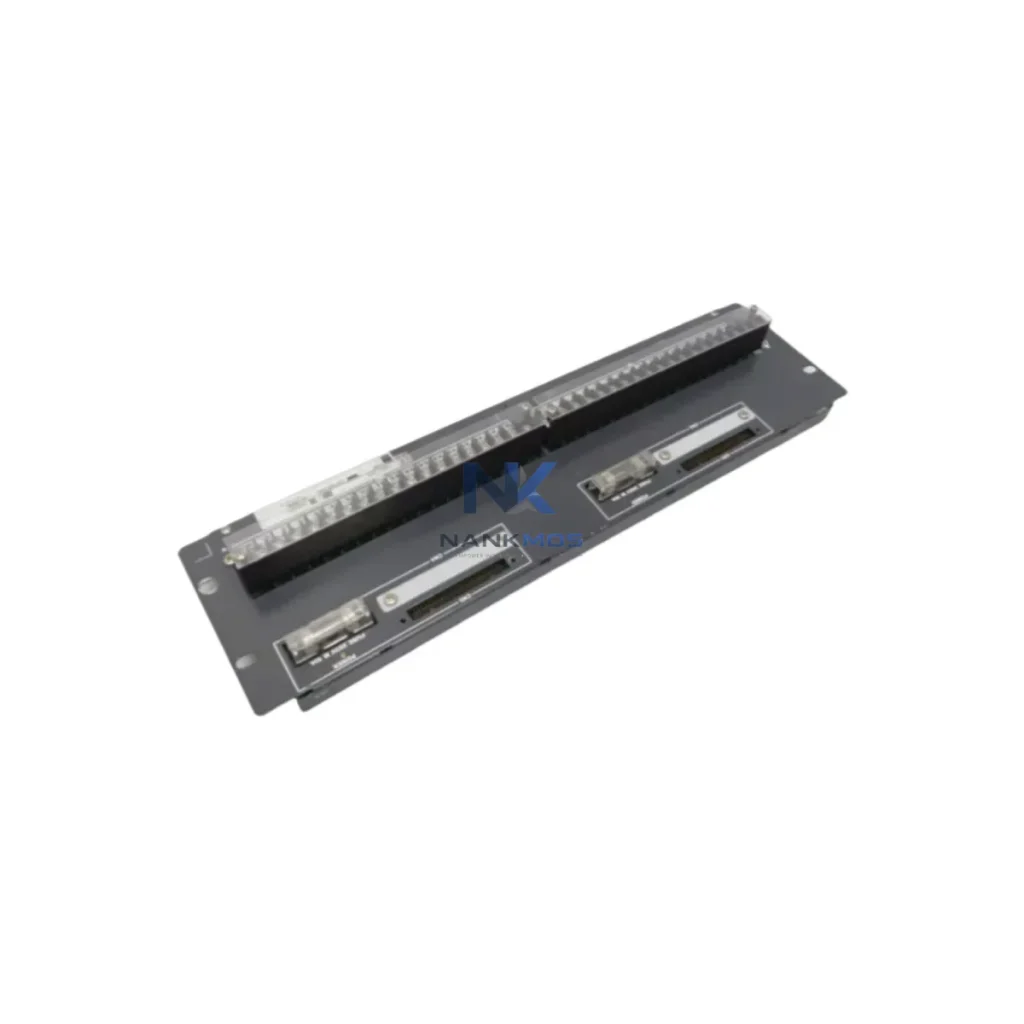
Yokogawa SED4D is a NANKMOS industrial automation product record Listed under CENTUM VP series and Business & Industrial > Automation, Control & Flow Devices > Programmable Logic Controllers. Confirm condition, availability, lead time, compatibility and documentation by email inquiry.
| Manufacturer | Yokogawa |
|---|---|
| Application | Controller Processing & System Control |
| Part Number / Model | SED4D |
| Compatible System | CENTUM VP |
| Series | CENTUM VP |
| Condition Options | To Confirm |
| Module Type | Controller / CPU Module |
| Warranty | 12 Months |
| Packaging | Anti-static Bag / Secure Box |
| Shipping Methods | DHL / FedEx / UPS / Air / Sea |
| Availability | To Confirm |
| Lead Time | To Confirm |
| Documentation | Part number and revision checked before quote |
The Yokogawa SED4D is a precision analog output module engineered for seamless integration within the CENTUM SEB distributed control system architecture. Designed to operate as a core signal-driving component at the field output layer, the SED4D delivers stable, high-resolution 4–20 mA analog output signals to final control elements including control valves, variable frequency drives, and positioners. Its role within the CENTUM platform extends beyond simple signal conversion — the SED4D functions as a critical node in a layered automation hierarchy, ensuring signal fidelity, system consistency, and long-term operational reliability across demanding process environments.
In modern distributed control architectures, output modules must do more than transmit signals. They must maintain synchronization with the controller layer, support diagnostic transparency, and integrate cleanly with redundant power and communication backbones. The SED4D fulfills these requirements within the CENTUM SEB station bus framework, enabling engineers to deploy scalable, maintainable, and diagnostically capable output channels across process plants in power generation, petrochemicals, oil and gas, water treatment, and marine propulsion systems.
Every SED4D unit supplied by NANKMOS is pre-shipment tested, verified against OEM specifications, and backed by a 12-Month Warranty. In-stock availability ensures minimal lead time for both planned expansions and emergency replacement scenarios.
The SED4D does not operate in isolation. Within a fully realized CENTUM automation platform, it functions as one layer in a tightly coordinated control hierarchy. At the controller layer, the Yokogawa ACM11 or ACM12 advanced control module governs process logic and issues output commands that flow through the SEB bus to the SED4D. The SED4D then converts these digital commands into precise analog current signals directed at field devices.
Power integrity is maintained by the Yokogawa PW481 or PW482 power supply modules, which provide regulated DC power to the SEB nest. Redundant power configurations using dual PW48x units ensure that output module operation is uninterrupted even during single power supply failures — a critical requirement in continuous process industries.
On the input side, analog input modules such as the Yokogawa AAI141 or AAI543 collect field sensor data and feed it back to the controller, completing the closed-loop control cycle. The SED4D's output commands are thus always informed by real-time process feedback, enabling tight regulatory control of temperature, pressure, flow, and level loops.
Communication gateways such as the Yokogawa ALR111 or ESB bus coupler modules extend the reach of the CENTUM architecture across larger plant footprints, linking multiple SEB stations to the control network. This allows the SED4D to be deployed in remote I/O cabinets while remaining fully supervised by the central DCS controller.
For human-machine interface integration, the CENTUM platform connects to Yokogawa FAST/TOOLS or Exaquantum historian systems, providing operators with real-time visibility into output module status, channel health, and process variable trends. Maintenance engineers can monitor SED4D diagnostic data directly from the HMI layer without requiring physical access to the field cabinet.
In applications requiring signal conditioning or isolation between the DCS output and field devices, signal isolators and loop-powered barriers are commonly installed in series with SED4D output channels. This is particularly relevant in hazardous area installations where intrinsic safety barriers or galvanic isolators are mandated by IEC 60079 or ATEX standards.
Terminal modules and marshalling panels within the control cabinet provide the physical interconnection layer between SED4D output terminals and field cable terminations. Structured wiring using Yokogawa-compatible terminal blocks and cable management systems ensures that the output module's signal integrity is preserved from the backplane connector to the final control element.
Power Generation: In combined-cycle and coal-fired power plants, the SED4D drives control valve positioners on steam turbine bypass systems, feedwater control loops, and combustion air damper actuators. Its stable 4–20 mA output ensures precise modulation of critical energy conversion processes where output signal drift could result in efficiency losses or safety trips.
Petrochemical and Refining: Distillation column reflux control, reactor feed rate regulation, and heat exchanger bypass valve control all rely on accurate analog output signals. The SED4D's channel isolation and self-diagnostic capability reduce the risk of cross-channel interference and enable rapid fault identification during turnaround maintenance.
Oil and Gas: Offshore and onshore production facilities use CENTUM-based DCS systems to manage wellhead control, separator level control, and gas compression train regulation. The SED4D's compatibility with redundant SEB architectures supports the high-availability requirements of upstream production environments.
Water and Wastewater Treatment: Municipal water treatment plants deploy CENTUM systems for dosing pump control, filter backwash sequencing, and effluent flow regulation. The SED4D provides the analog output channels needed to drive variable speed pump drives and modulating control valves in these continuous-duty applications.
Mining and Minerals Processing: Conveyor speed control, flotation cell level regulation, and crusher feed rate management in mineral processing plants benefit from the SED4D's robust output performance in environments characterized by vibration, dust, and wide ambient temperature variation.
Marine Propulsion and Offshore Platforms: Vessel automation systems using CENTUM architecture rely on output modules like the SED4D for engine room automation, ballast control, and cargo handling system regulation. Marine-grade installation practices and the module's operating temperature range support reliable performance in shipboard environments.
Q1: Is the SED4D compatible with both CENTUM CS 3000 and CENTUM VP platforms?Yes. The SED4D is designed for use within the CENTUM SEB (Station Equipment Bus) architecture, which is common to both the CENTUM CS 3000 and CENTUM VP platforms. It can be installed in SEB nests within either system generation, making it suitable for both legacy system maintenance and current-generation CENTUM VP deployments. Engineers should verify nest slot compatibility and firmware revision alignment with the site's DCS version before installation.
Q2: How does the SED4D support redundant control architectures?Within a redundant CENTUM configuration, the SED4D operates within a redundant SEB station where dual controller modules and dual power supplies provide fault-tolerant operation. In the event of a primary controller failure, the standby controller assumes control without interrupting the SED4D's output signal continuity. This bumpless transfer capability is essential for processes where output signal interruption would cause process upsets or safety system activations. NANKMOS recommends maintaining a spare SED4D module on-site to support rapid replacement in non-redundant output channel applications.
Q3: What warranty and supply assurance does NANKMOS provide for the SED4D?Every SED4D supplied by NANKMOS is covered by a 12-Month Warranty against manufacturing defects and functional failures under normal operating conditions. Prior to shipment, each unit undergoes functional verification testing to confirm output channel performance, bus communication integrity, and diagnostic reporting capability. NANKMOS maintains in-stock inventory of the SED4D to support both planned procurement and emergency replacement requirements, with expedited shipping available for critical plant maintenance scenarios. For procurement inquiries, contact [email protected] or +86 18359268345.
Functional Inspection100% tested on professional platforms to ensure stable performance.
 Anti-static Packaging
Modules are packed in anti-static bags to prevent electrostatic damage.
 Secure Export Packing
Cushion protection and strong cartons ensure safe transportation.
 Worldwide Shipping
Global logistics network supports air, sea and express delivery.
 Documentation Check
Part number, revision and compatibility verified before shipment.
 After-sales Support
Professional technical support to help resolve your issues.