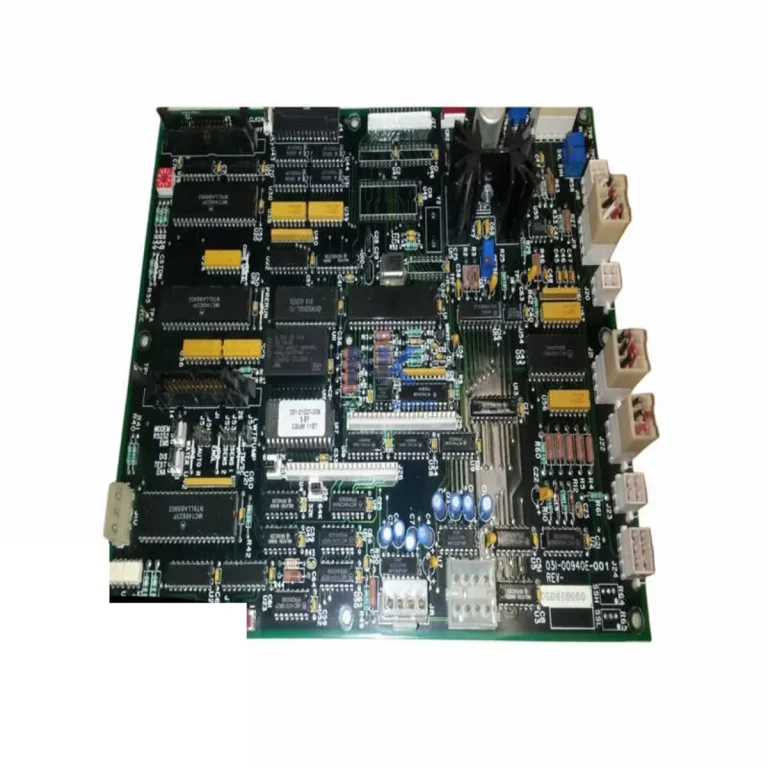
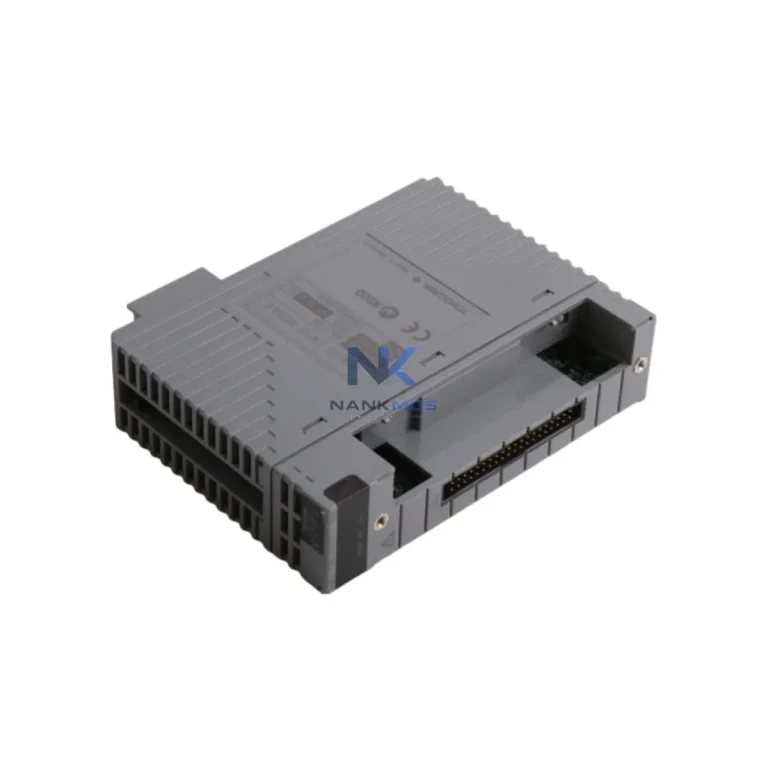
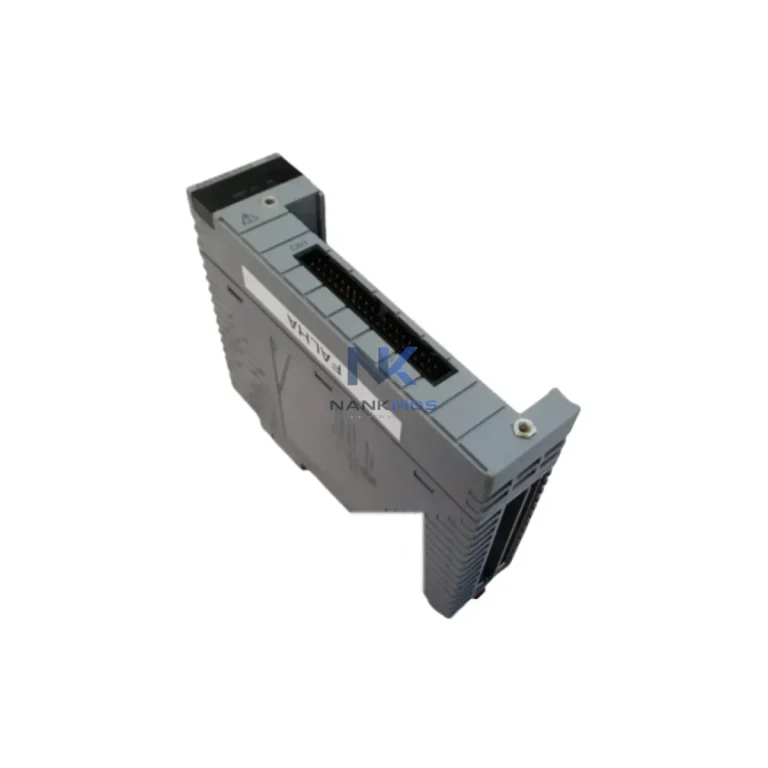
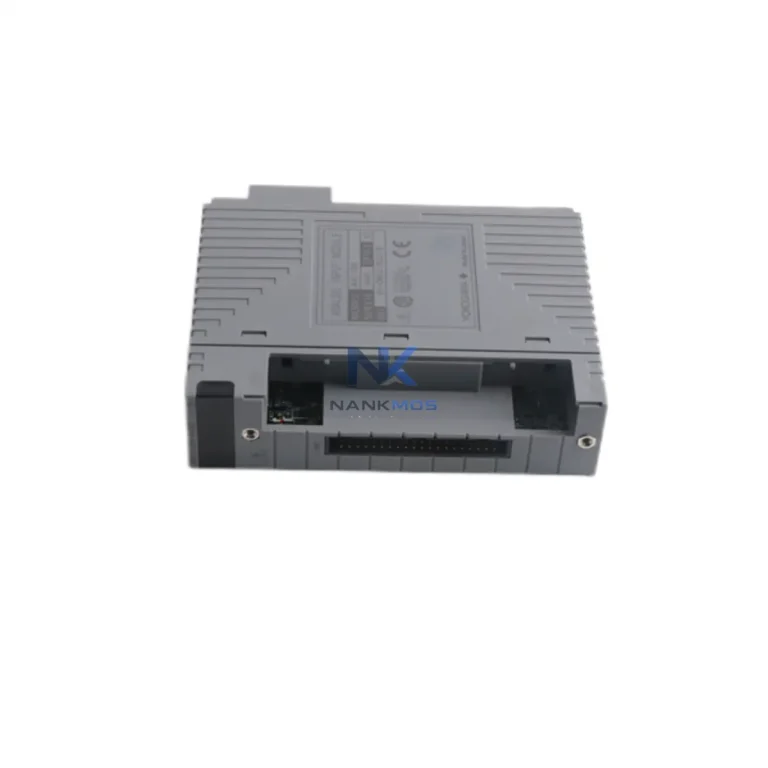
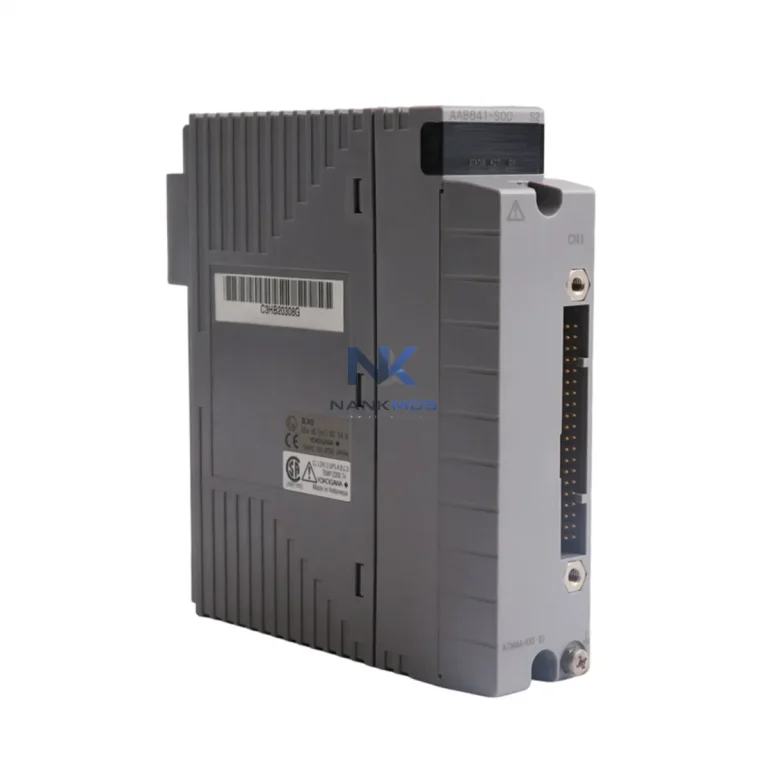
Functional Inspection
100% tested on professional platforms to ensure stable performance.
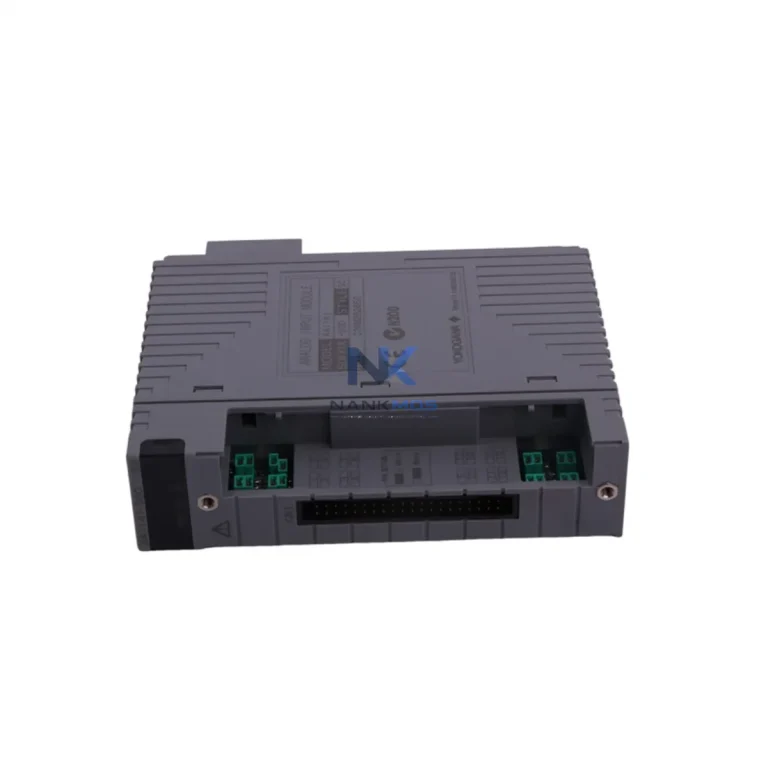
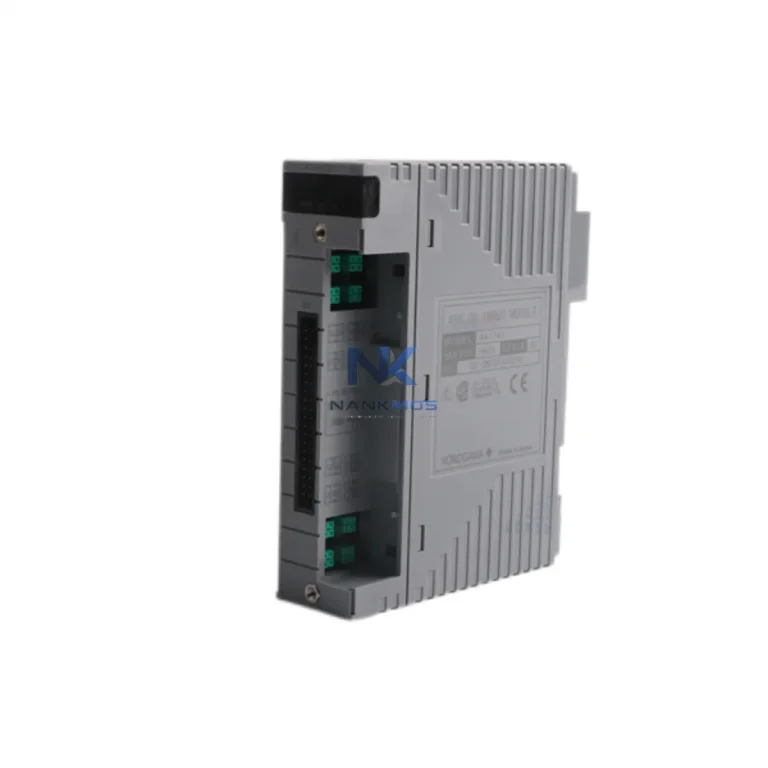
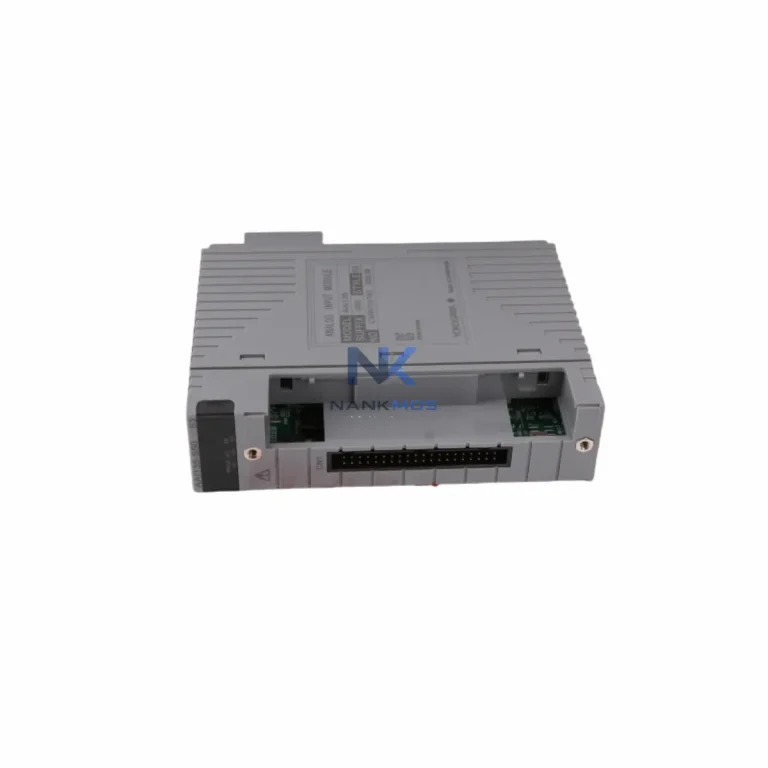
Yokogawa SSB401-53 S1 is a NANKMOS industrial automation product record Listed under Other series series and Business & Industrial > Automation, Control & Flow Devices > Programmable Logic Controllers. Confirm condition, availability, lead time, compatibility and documentation by email inquiry.
Brand names are used for identification only.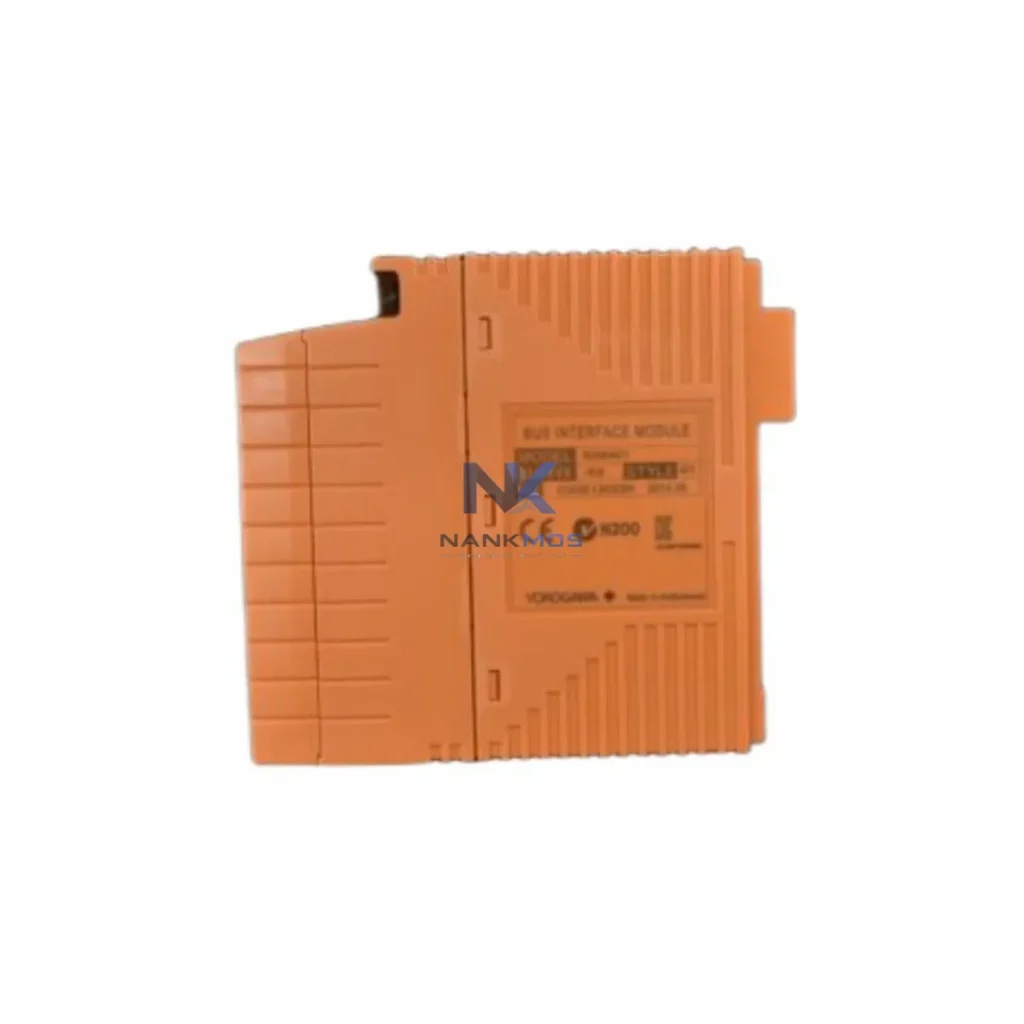
Yokogawa SSB401-53 S1 is a NANKMOS industrial automation product record Listed under Other series series and Business & Industrial > Automation, Control & Flow Devices > Programmable Logic Controllers. Confirm condition, availability, lead time, compatibility and documentation by email inquiry.
| Manufacturer | Yokogawa |
|---|---|
| Application | Industrial Network & Bus Termination |
| Part Number / Model | SSB401-53 S1 |
| Compatible System | Confirmed by inquiry |
| Condition Options | To Confirm |
| Module Type | Bus / Network Interface Module |
| Warranty | 12 Months |
| Packaging | Anti-static Bag / Secure Box |
| Shipping Methods | DHL / FedEx / UPS / Air / Sea |
| Availability | To Confirm |
| Lead Time | To Confirm |
| Documentation | Part number and revision checked before quote |
The Yokogawa SSB401-53 S1 is a high-performance Bus Interface Module engineered for the Centum VP and Centum CS 3000 Distributed Control System (DCS) platforms. Designed to serve as the critical communication bridge between field devices and the central control architecture, the SSB401-53 S1 enables precise, real-time data exchange that underpins energy-efficient plant operations. In modern smart production lines where every watt of consumed energy must be accounted for, this module plays a pivotal role in reducing idle-state power draw, minimizing thermal load accumulation, and ensuring that control loops operate at peak efficiency without unnecessary energy expenditure.
Manufactured in Japan to Yokogawa's stringent quality standards, the SSB401-53 S1 is built for continuous-duty industrial environments including oil and gas processing, chemical manufacturing, power generation, water treatment, and pulp and paper production. Its robust design ensures stable bus communication even under high electromagnetic interference conditions, making it a reliable backbone component for energy management systems that demand uninterrupted data integrity.
The SSB401-53 S1 operates as the nerve center of the Yokogawa Centum DCS bus architecture, coordinating data flow between Field Control Stations (FCS) and I/O modules such as the AAI141-S00 analog input module and the ADV151-P00 digital input module. In a typical energy-optimized plant layout, the SSB401-53 S1 interfaces directly with the Yokogawa FCS0803 Field Control Station, ensuring that process variables — including motor load, drive speed feedback, and power consumption metrics — are transmitted with minimal latency and zero data loss.
When integrated with Yokogawa's STARDOM FCN autonomous controller or paired alongside the Yokogawa MW100 data acquisition unit, the SSB401-53 S1 enables a closed-loop energy monitoring architecture. Real-time power data collected from field instruments — such as Yokogawa EJA110E differential pressure transmitters used for flow-based energy calculations — is routed through the bus interface to the DCS historian and energy management dashboards. This eliminates the need for redundant polling cycles that would otherwise increase bus load and CPU utilization on the FCS, directly reducing the thermal output of the control cabinet.
For motor-driven applications, the SSB401-53 S1 works in concert with variable frequency drives (VFDs) connected via Modbus RTU or PROFIBUS DP gateways, feeding speed reference and torque feedback data into the Centum VP control loops. This integration allows the DCS to implement demand-based motor control strategies — ramping drives down during low-production periods and restoring full speed only when production targets require it. The result is a measurable reduction in motor energy consumption without sacrificing throughput or product quality.
HMI workstations running Yokogawa's FAST/TOOLS SCADA software receive consolidated energy and process data via the bus interface layer managed by the SSB401-53 S1, giving operators a unified view of energy consumption across all production zones. Combined with the Yokogawa PR300 power and energy meter for substation-level monitoring, plant engineers can correlate bus-level process data with actual electrical demand, identifying inefficiencies in real time and taking corrective action before they escalate into costly downtime events.
In smart manufacturing environments where production line efficiency is measured in both throughput and energy cost per unit, the SSB401-53 S1 delivers tangible value by ensuring that the DCS control backbone operates without communication bottlenecks. Bus communication failures or degraded signal integrity in a DCS environment can trigger unnecessary equipment restarts, extended idle cycles, and unplanned shutdowns — all of which carry significant energy penalties. The SSB401-53 S1's deterministic bus protocol eliminates these failure modes, keeping the production line running at its designed cycle rate.
Thermal load management is another critical benefit. Control cabinets housing multiple DCS modules generate substantial heat, and inefficient bus modules that require frequent retransmissions or operate at elevated error rates contribute disproportionately to cabinet thermal load. The SSB401-53 S1's optimized communication stack reduces error-driven retransmissions, lowering the heat generated within the control enclosure and reducing the duty cycle of cabinet cooling systems — a secondary but meaningful source of energy savings in large-scale process plants.
Predictive maintenance integration is further enhanced through the SSB401-53 S1's reliable data pipeline. When field device health data — vibration signatures from smart transmitters, valve position feedback, and motor current draw — flows consistently through the bus interface without dropout or delay, condition monitoring algorithms in the DCS or connected SCADA system can detect early-stage equipment degradation. Addressing these issues proactively prevents the energy spikes associated with equipment operating in a degraded state and avoids the production losses caused by unplanned stoppages.
All units supplied by NANKMOS are sourced from verified channels, subjected to full communication and functional testing, and shipped with a 12-Month Warranty. Stock is maintained to support urgent replacement requirements, minimizing the downtime window when a bus interface module failure occurs in a live production environment.
Q1: How does the SSB401-53 S1 contribute to plant energy savings? The SSB401-53 S1 reduces bus communication overhead by maintaining deterministic, low-latency data transfer between DCS controllers and I/O subsystems. This minimizes CPU load on the Field Control Station, reduces retry-driven power consumption, and lowers the thermal output of the control cabinet — contributing to measurable reductions in auxiliary energy use across the control system infrastructure.
Q2: Which Yokogawa DCS platforms is the SSB401-53 S1 compatible with? The SSB401-53 S1 is designed for use within the Yokogawa Centum VP and Centum CS 3000 DCS platforms. It is compatible with the V-net/ER bus architecture used in these systems and can be integrated into existing control cabinets without requiring modifications to the FCS or I/O bus wiring.
Q3: Can the SSB401-53 S1 replace an existing bus interface module in a live plant? Yes. The SSB401-53 S1 is a direct replacement module for compatible Centum DCS installations. NANKMOS recommends scheduling replacement during a planned maintenance window. Each unit is pre-tested for communication integrity before shipment, reducing commissioning time and minimizing the risk of extended downtime during the swap.
Q4: What warranty and testing does NANKMOS provide for the SSB401-53 S1? Every SSB401-53 S1 supplied by NANKMOS carries a 12-Month Warranty covering functional and communication performance. Prior to shipment, each unit undergoes a full functional test including bus communication verification. In-stock units are available for immediate dispatch to support urgent replacement needs in critical production environments.
Functional Inspection100% tested on professional platforms to ensure stable performance.
 Anti-static Packaging
Modules are packed in anti-static bags to prevent electrostatic damage.
 Secure Export Packing
Cushion protection and strong cartons ensure safe transportation.
 Worldwide Shipping
Global logistics network supports air, sea and express delivery.
 Documentation Check
Part number, revision and compatibility verified before shipment.
 After-sales Support
Professional technical support to help resolve your issues.