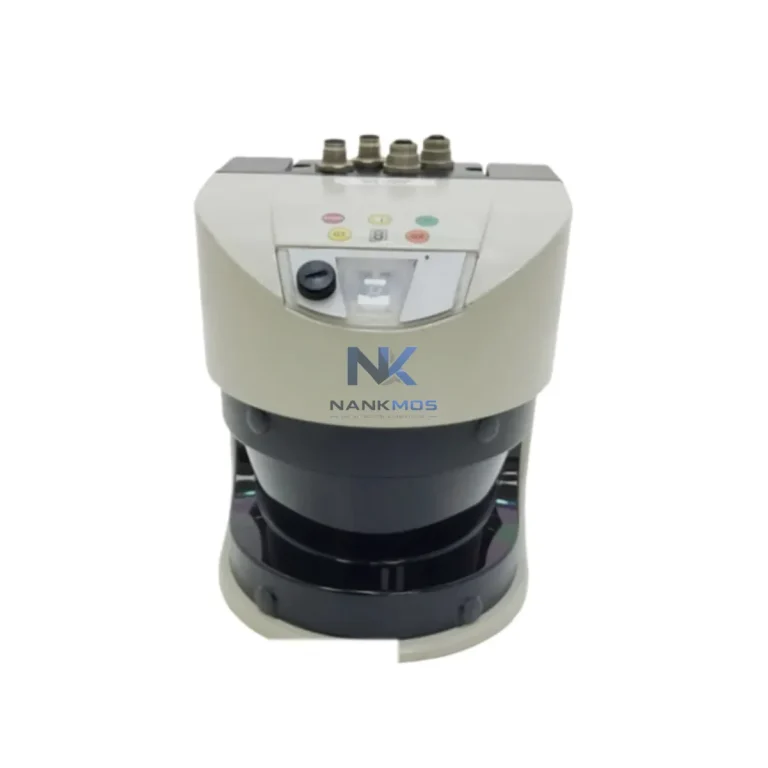
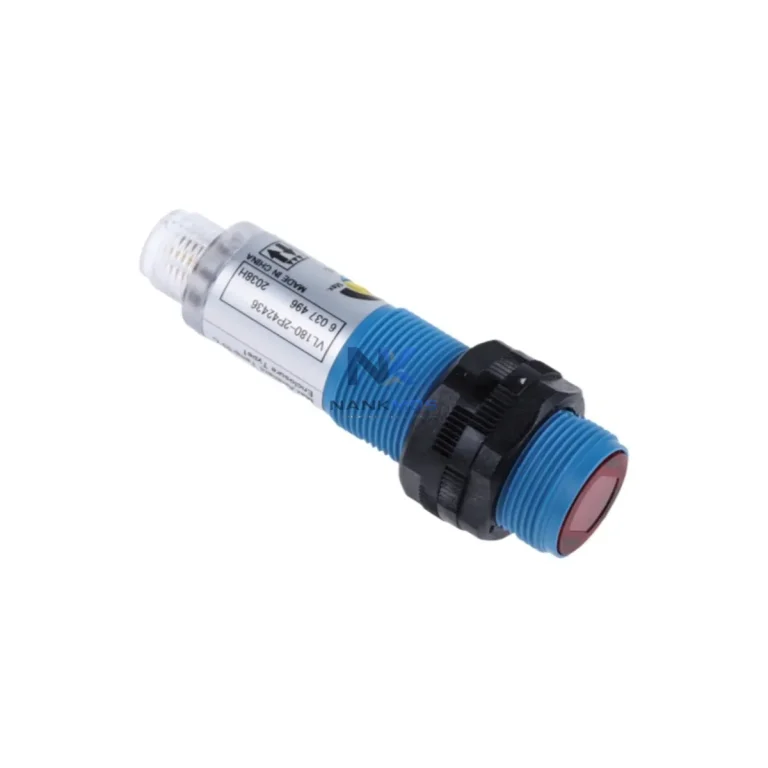
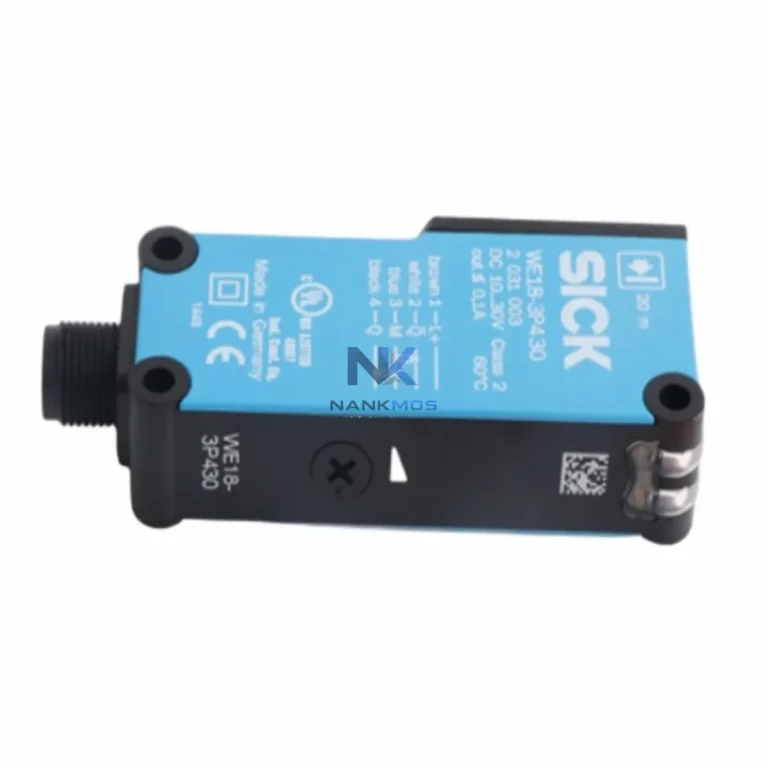
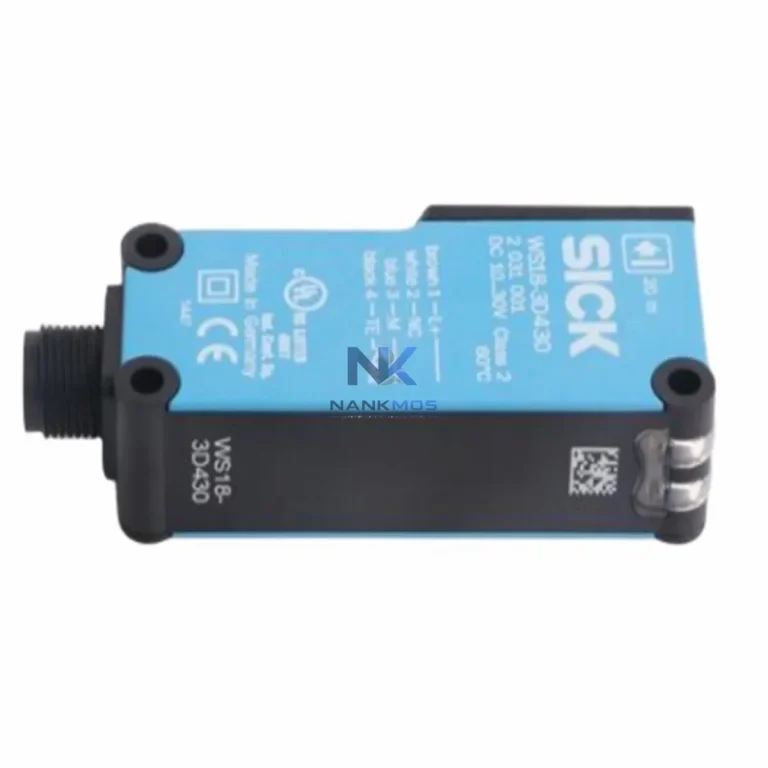
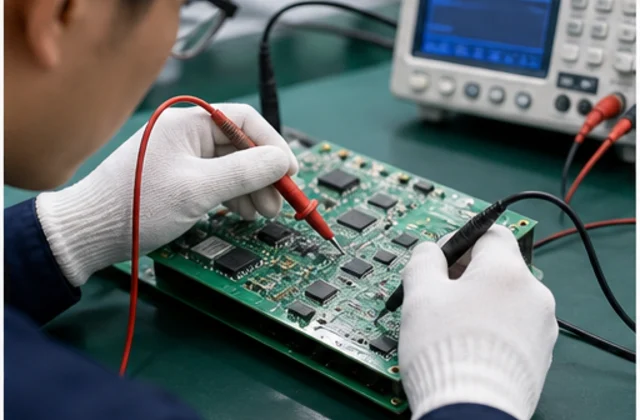
 Functional Inspection
100% tested on professional platforms to ensure stable performance.
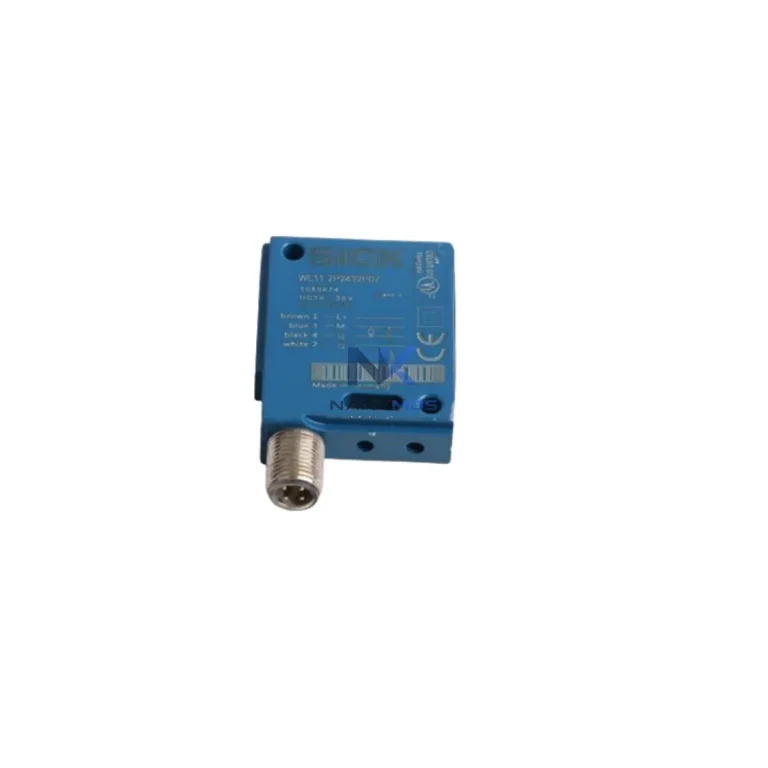
SICK WL23-2P2430 is a NANKMOS industrial automation product record Listed under Other series series and Sensors. Confirm condition, availability, lead time, compatibility and documentation by email inquiry.
Brand names are used for identification only.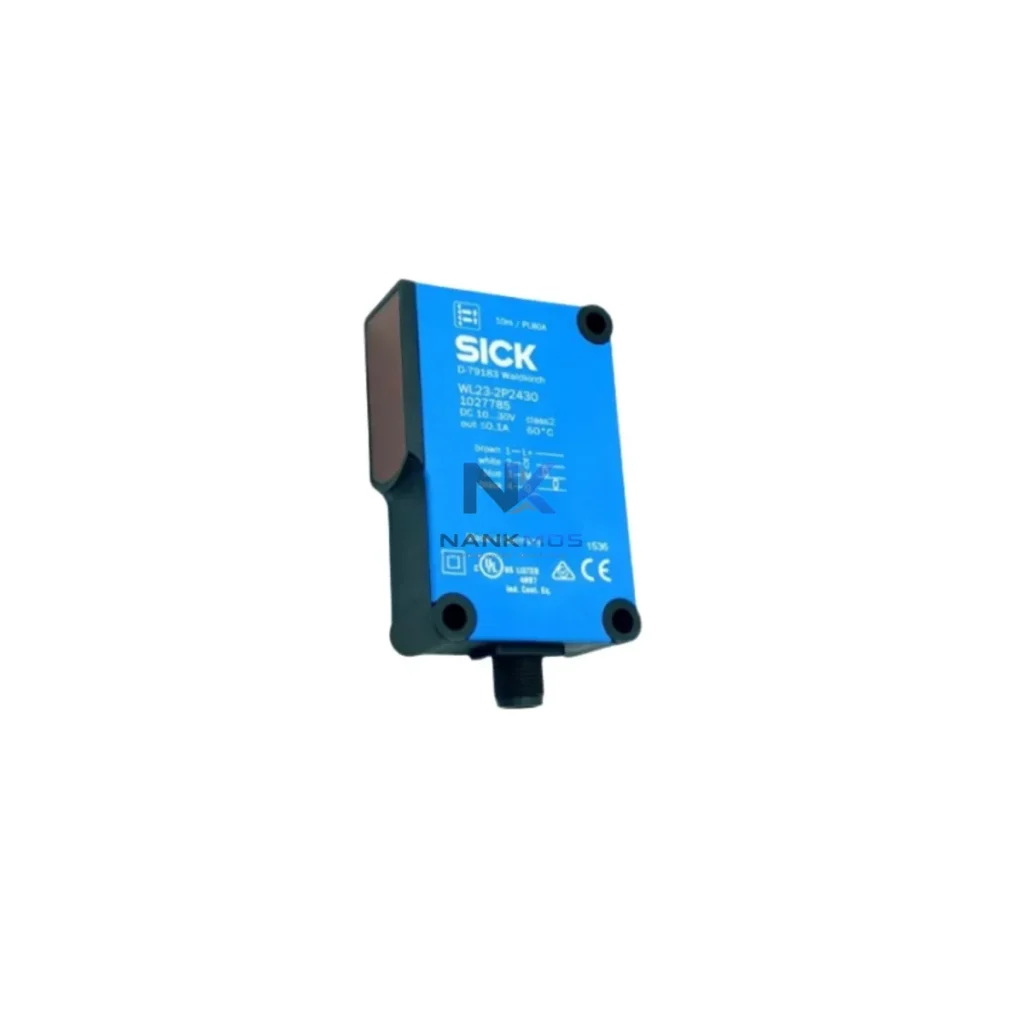
SICK WL23-2P2430 is a NANKMOS industrial automation product record Listed under Other series series and Sensors. Confirm condition, availability, lead time, compatibility and documentation by email inquiry.
| Manufacturer | SICK |
|---|---|
| Application | Industrial Automation Maintenance |
| Part Number / Model | WL23-2P2430 |
| Compatible System | Confirmed by inquiry |
| Condition Options | To Confirm |
| Module Type | Sensors |
| Warranty | 12 Months |
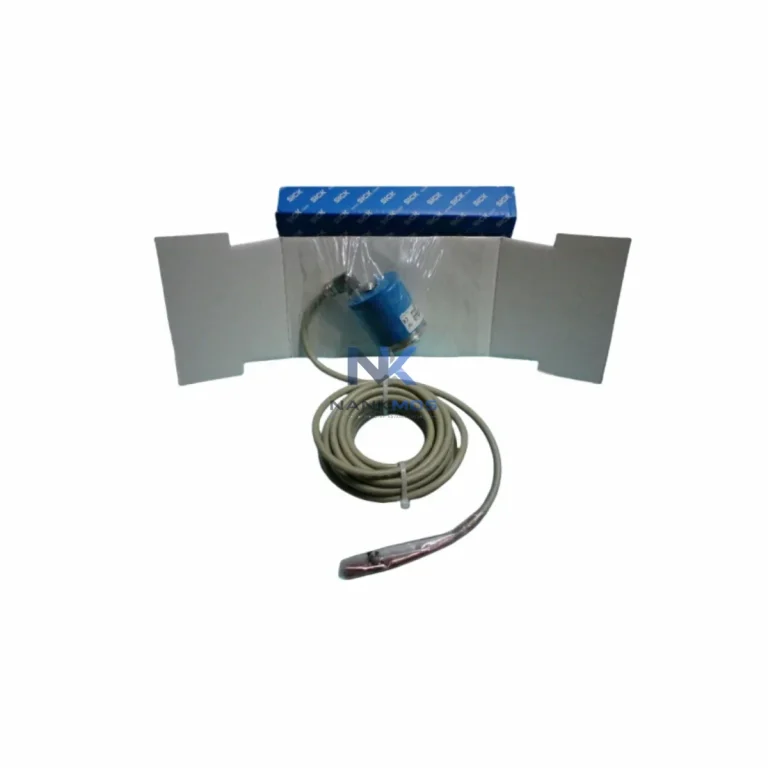
| Packaging | Anti-static Bag / Secure Box |
| Shipping Methods | DHL / FedEx / UPS / Air / Sea |
| Availability | To Confirm |
| Lead Time | To Confirm |
| Documentation | Part number and revision checked before quote |
The SICK WL23-2P2430 is a high-performance photoelectric sensor from the W23 Series, engineered for seamless integration into modern industrial data architectures. Combining IO-Link digital communication with robust optical detection, the WL23-2P2430 serves as a critical sensing node within smart factory environments — bridging the gap between field-level detection and upper-layer control, monitoring, and analytics systems. Whether deployed on high-speed assembly lines, conveyor systems, or precision packaging equipment, this sensor delivers reliable, real-time process data that feeds directly into the plant's digital backbone.
In today's connected manufacturing landscape, a photoelectric sensor is no longer just a detection device — it is a data source. The WL23-2P2430 leverages IO-Link (IEC 61131-9) to transmit not only switching signals but also diagnostic parameters, configuration data, and process values upstream to IO-Link masters and PLC controllers. This bidirectional communication capability transforms the sensor from a passive component into an active participant in the factory's data flow.
The WL23-2P2430 is designed to operate as a front-end sensing node within a layered industrial network architecture. At the field level, the sensor detects object presence, position, or material transitions and immediately encodes this information as IO-Link process data. This data is transmitted to an IO-Link master — such as the SICK CDM420-0006 or compatible third-party IO-Link masters — which aggregates signals from multiple sensors and forwards them via industrial Ethernet to the control layer.
At the control layer, a Siemens S7-1200 or S7-1500 PLC receives the structured sensor data through PROFINET, enabling real-time logic execution, interlocking, and sequence control. For facilities running on Rockwell Automation platforms, the WL23-2P2430 integrates equally well via EtherNet/IP-capable IO-Link masters connected to CompactLogix or ControlLogix controllers. The sensor's parameterization data — including detection thresholds, response times, and output logic — can be remotely adjusted through the PLC or via SICK's SOPAS Engineering Tool, eliminating the need for manual on-site reconfiguration.
Moving up the network stack, the process data collected by the WL23-2P2430 flows into SCADA platforms such as Ignition by Inductive Automation or Siemens WinCC, where it is visualized on HMI dashboards and trend charts. Operators can monitor sensor status, detection counts, and diagnostic flags in real time, enabling rapid response to line stoppages or product jams. When integrated with a SICK FX3-XTIO safety controller or similar safety relay module, the sensor's output can also trigger emergency stop sequences or zone isolation in safety-critical applications.
For facilities implementing edge computing strategies, the WL23-2P2430's IO-Link data stream can be captured by an industrial edge gateway — such as the Siemens SIMATIC IPC or a Moxa UC-8100 series edge computer — and pre-processed locally before being forwarded to cloud-based MES or ERP platforms. This architecture reduces latency, minimizes bandwidth consumption, and enables local alarm logic to operate independently of network connectivity. Variable frequency drives (VFDs) on the same production line, such as those from the ABB ACS880 series, can receive speed or torque adjustment commands triggered by detection events from the WL23-2P2430, creating a tightly coupled, sensor-driven motion control loop.
Industrial managed switches — for example, the SICK MSC800 or Hirschmann RS20 series — provide the network backbone that connects IO-Link masters, PLCs, HMI panels, and edge gateways within the plant floor network. These switches support PROFINET-compliant topology detection and port mirroring for network diagnostics, ensuring that the data generated by sensors like the WL23-2P2430 reaches its destination with deterministic latency and without packet loss.
Many industrial facilities still operate with fragmented sensor networks where field devices communicate via legacy discrete I/O signals, creating data silos that prevent higher-level systems from accessing granular process information. The SICK WL23-2P2430 addresses this challenge directly: its IO-Link interface replaces simple on/off signals with structured, timestamped data packets that carry not only the detection state but also signal quality indicators, contamination warnings, and temperature readings from within the sensor housing itself.
This diagnostic transparency is particularly valuable for remote monitoring and predictive maintenance programs. Rather than waiting for a sensor to fail and halt production, maintenance teams can monitor the WL23-2P2430's internal diagnostic registers through the SCADA or MES layer, receiving early warnings when lens contamination, misalignment, or excessive ambient light begins to degrade detection reliability. Alarm thresholds can be configured remotely via the IO-Link master, and maintenance work orders can be automatically generated in the ERP system when diagnostic parameters exceed defined limits.
Protocol unification is another key benefit. In mixed-vendor environments where PLCs, drives, and instruments speak different industrial protocols, the IO-Link master gateway acts as a universal translator — collecting data from SICK W23 Series sensors, pressure transmitters, and flow meters alike, and presenting a unified data model to the PROFINET or EtherNet/IP network above. This eliminates the need for custom protocol converters at each field device and simplifies network commissioning and troubleshooting.
For production line transparency, the WL23-2P2430's cycle count and detection frequency data can be fed into OEE (Overall Equipment Effectiveness) calculation engines within the MES layer, providing real-time visibility into throughput, downtime events, and quality rejection rates. This data-driven approach to line management enables continuous improvement teams to identify bottlenecks, validate process changes, and demonstrate measurable productivity gains — all anchored to reliable, sensor-level data from devices like the WL23-2P2430.
Q1: Does the SICK WL23-2P2430 support PROFINET or EtherNet/IP directly?The WL23-2P2430 communicates via IO-Link (IEC 61131-9) and digital I/O (PNP). To integrate with PROFINET or EtherNet/IP networks, the sensor must be connected to a compatible IO-Link master gateway, which then bridges IO-Link data to the industrial Ethernet protocol used by your PLC or SCADA system. This architecture is standard practice in modern smart factory deployments and requires no additional hardware beyond the IO-Link master.
Q2: What is the communication latency of the WL23-2P2430 in an IO-Link network?IO-Link operates with a cycle time as low as 2 ms per device, depending on the IO-Link master configuration and the number of connected devices. For the WL23-2P2430, this means detection events and diagnostic updates are available to the PLC or SCADA system within a single scan cycle, making it suitable for high-speed detection applications where real-time data is critical.
Q3: Can the WL23-2P2430 be remotely parameterized without stopping the production line?Yes. IO-Link supports full remote parameterization while the sensor remains in operation. Detection thresholds, output logic, and response time settings can be adjusted from the PLC, SOPAS Engineering Tool, or any IO-Link-capable configuration interface without physically accessing the sensor. This capability is especially valuable in applications where sensors are installed in difficult-to-reach locations or where line stoppages carry significant cost.
Q4: What warranty and pre-shipment testing does NANKMOS provide for the WL23-2P2430?Every SICK WL23-2P2430 unit supplied by NANKMOS is covered by a 12-month warranty from the date of shipment. Prior to dispatch, each unit undergoes functional verification testing to confirm IO-Link communication, switching output integrity, and detection performance within SICK's published specifications. Units are held in climate-controlled inventory and shipped with full traceability documentation. For urgent replacement requirements, expedited shipping options are available — contact [email protected] or call +86 18359268345 for availability and lead time confirmation.
Functional Inspection100% tested on professional platforms to ensure stable performance.
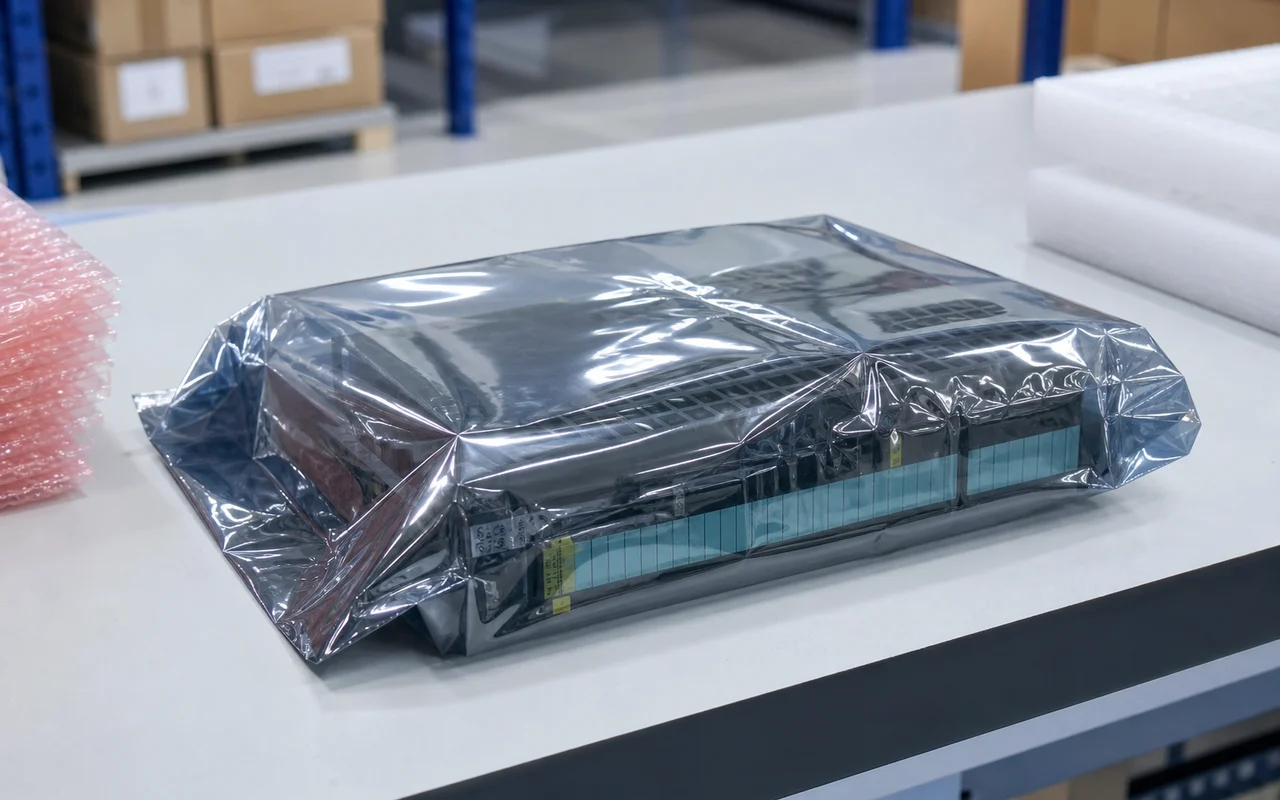 Anti-static Packaging
Modules are packed in anti-static bags to prevent electrostatic damage.
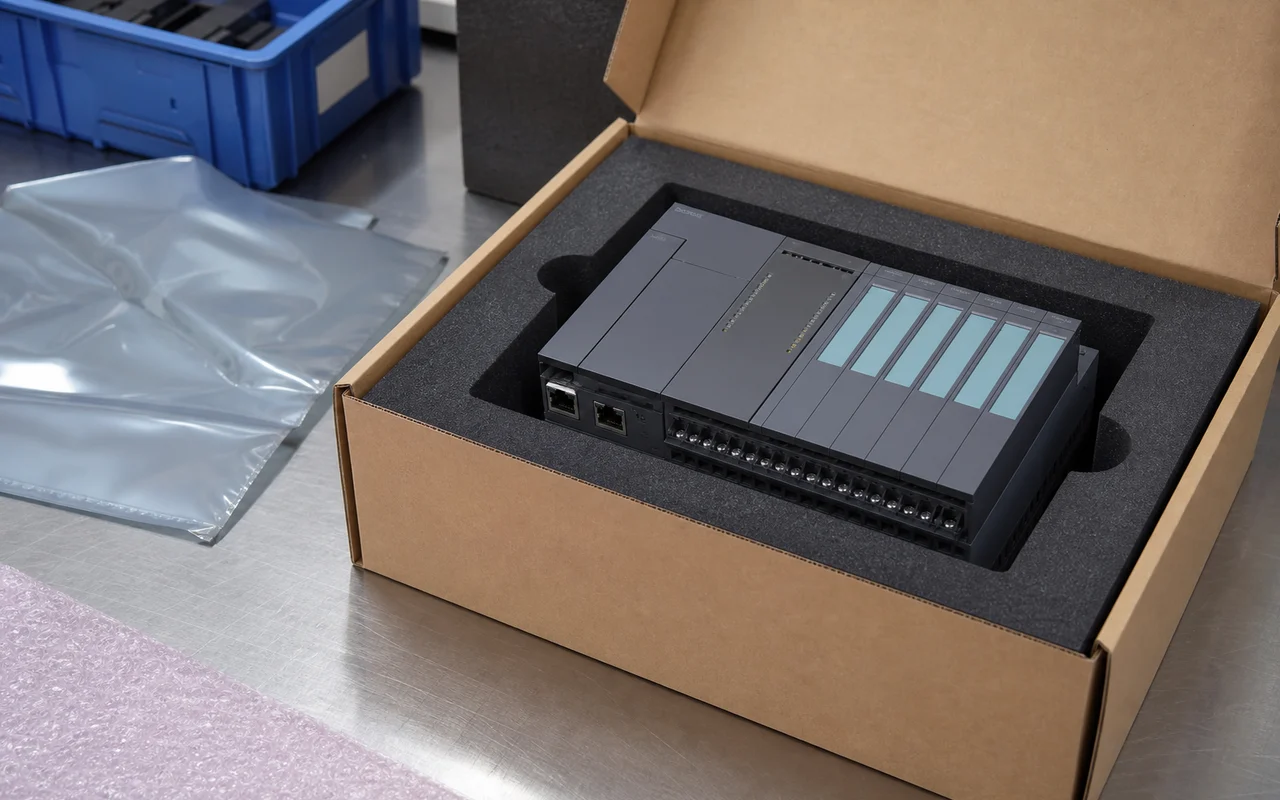 Secure Export Packing
Cushion protection and strong cartons ensure safe transportation.
 Worldwide Shipping
Global logistics network supports air, sea and express delivery.
 Documentation Check
Part number, revision and compatibility verified before shipment.
 After-sales Support
Professional technical support to help resolve your issues.