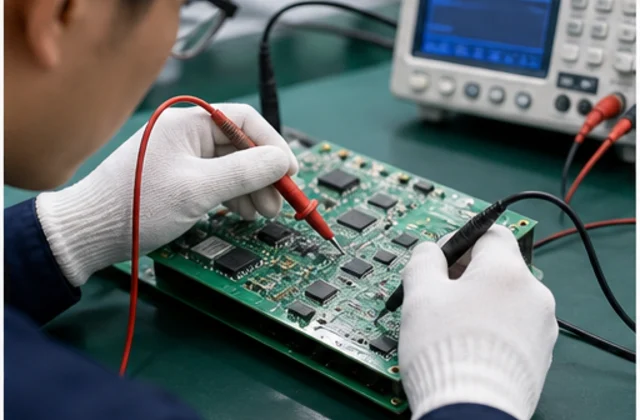
 Functional Inspection
100% tested on professional platforms to ensure stable performance.
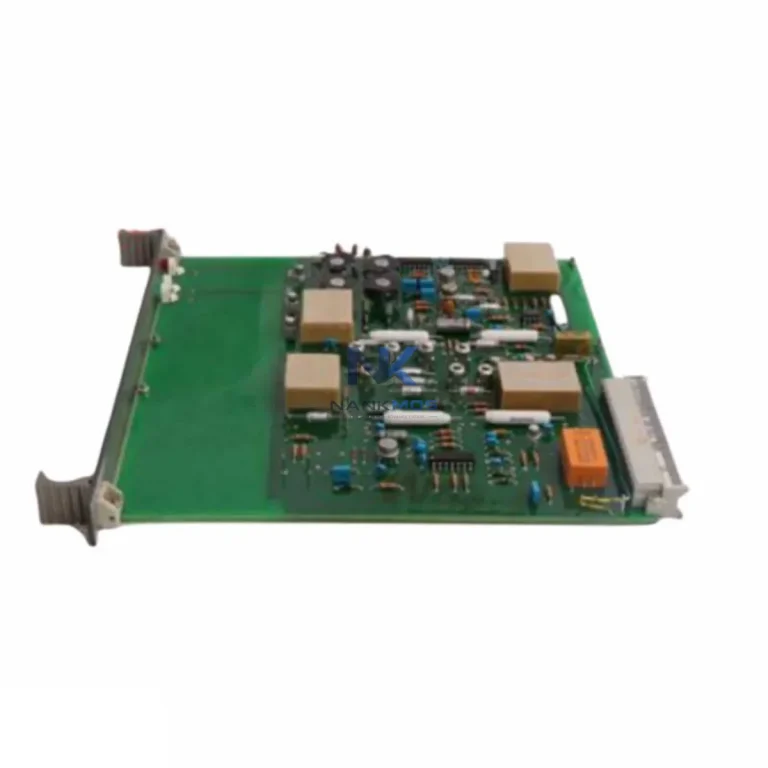
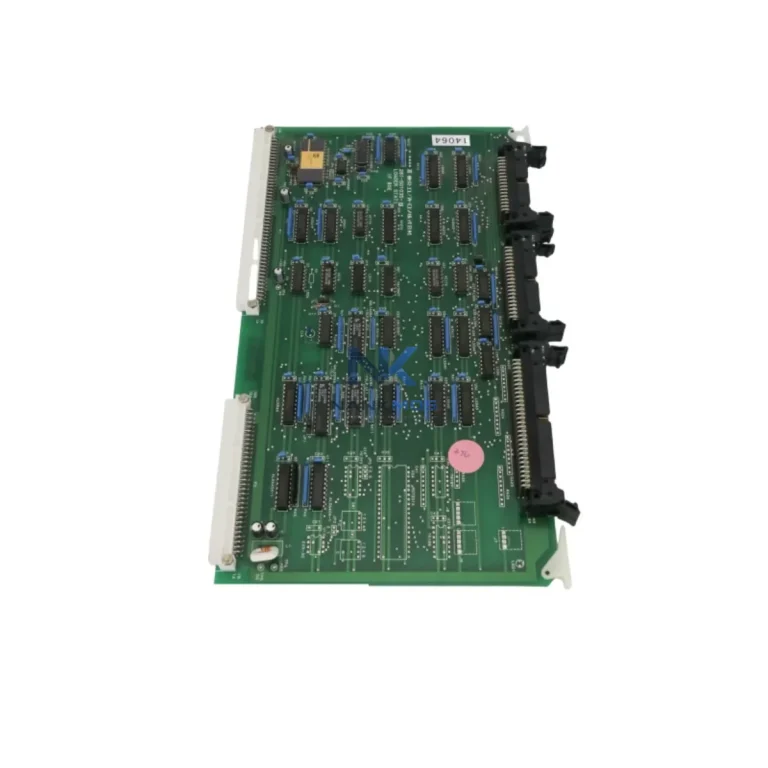
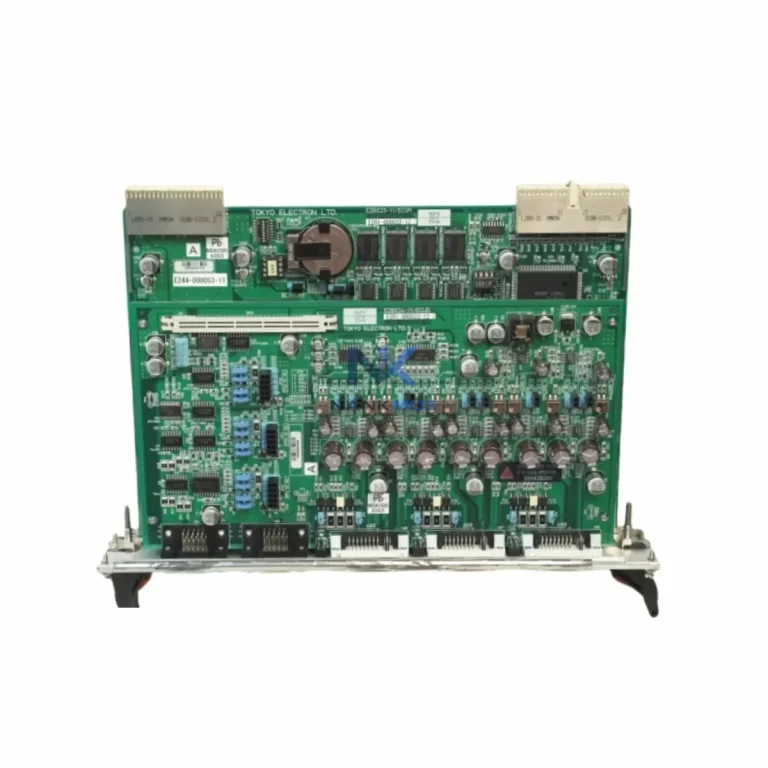
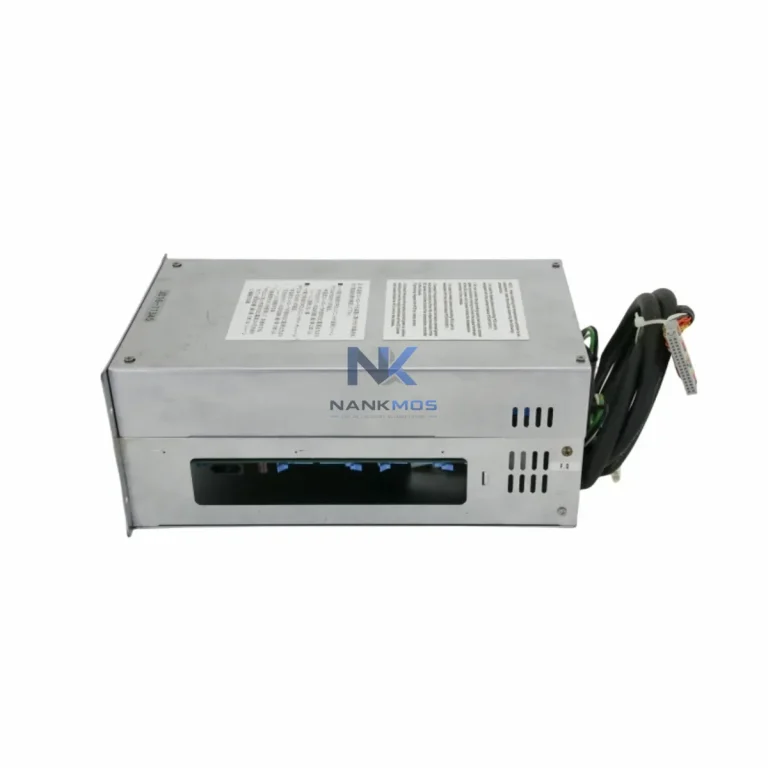
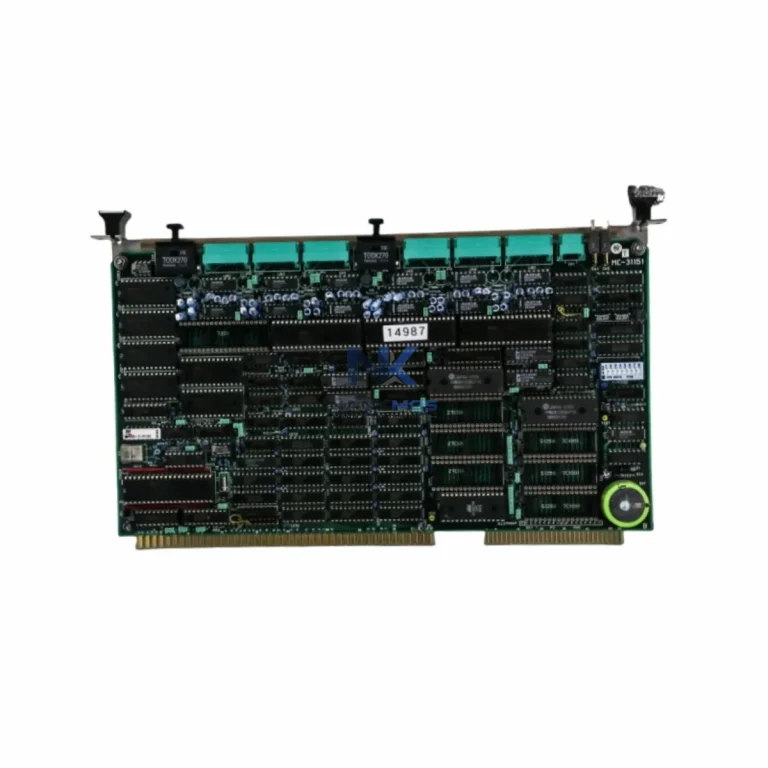
TOKYO ELECTRON 208-500497-9 281-500497-9 700412 W/SNP-PMC-DIG16 & IXZPMC142-00 PMC901 206845 VB14N-300 is a NANKMOS industrial automation product record Listed under Other series series and Business & Industrial > Automation, Control & Flow Devices > Programmable Logic Controllers. Confirm condition, availability, lead time, compatibility and documentation by email inquiry.
Brand names are used for identification only.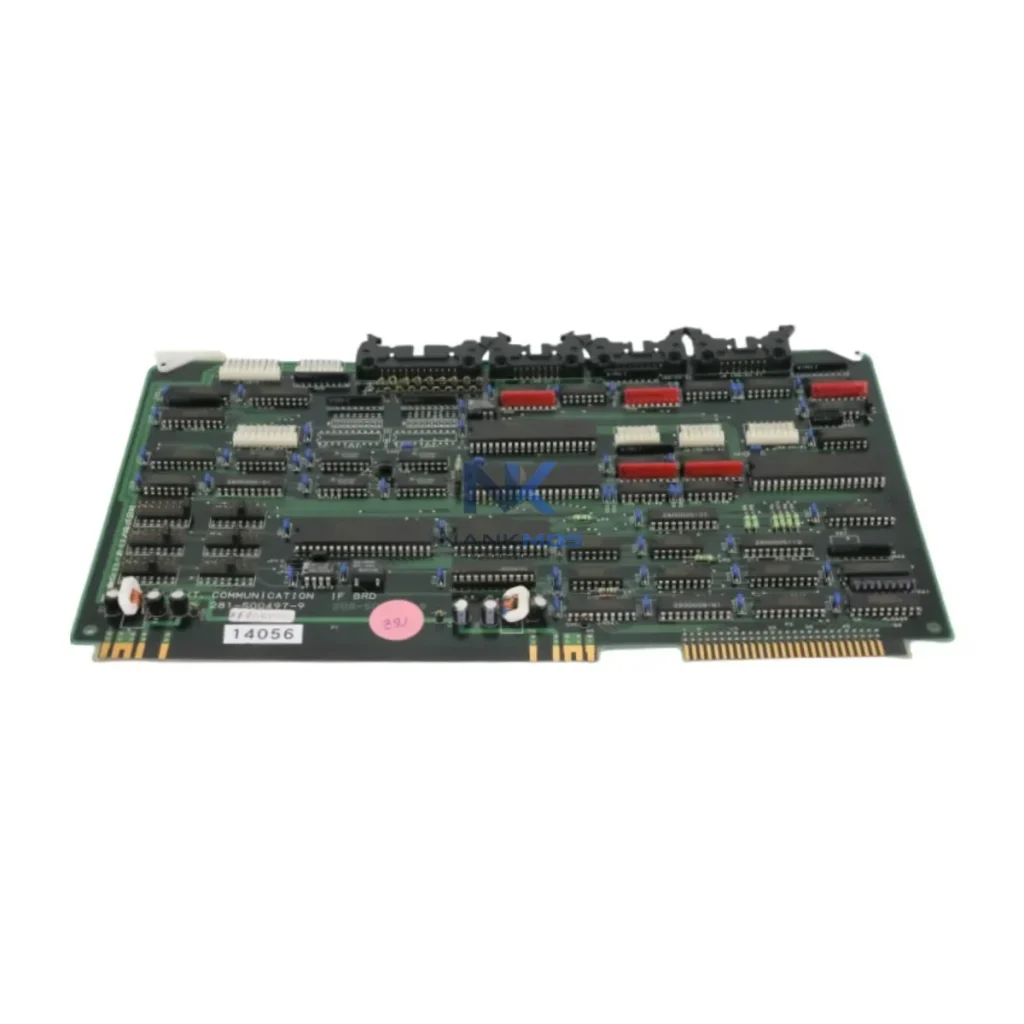
TOKYO ELECTRON 208-500497-9 281-500497-9 700412 W/SNP-PMC-DIG16 & IXZPMC142-00 PMC901 206845 VB14N-300 is a NANKMOS industrial automation product record Listed under Other series series and Business & Industrial > Automation, Control & Flow Devices > Programmable Logic Controllers. Confirm condition, availability, lead time, compatibility and documentation by email inquiry.
| Manufacturer | TOKYO ELECTRON |
|---|---|
| Application | Controller Processing & System Control |
| Part Number / Model | 208-500497-9 281-500497-9 700412 W/SNP-PMC-DIG16 & IXZPMC142-00 PMC901 206845 VB14N-300 |
| Compatible System | Confirmed by inquiry |
| Condition Options | To Confirm |
| Module Type | Controller / CPU Module |
| Warranty | 12 Months |
| Packaging | Anti-static Bag / Secure Box |
| Shipping Methods | DHL / FedEx / UPS / Air / Sea |
| Availability | To Confirm |
| Lead Time | To Confirm |
| Documentation | Part number and revision checked before quote |
The Tokyo Electron 208-500497-9 is a high-performance PMC Series communication interface board engineered to serve as the critical data bridge between field-level devices and upper-layer control and monitoring systems in modern smart factory environments. Designed for demanding industrial automation applications, this board enables seamless protocol translation, real-time data acquisition, and reliable network connectivity across multi-vendor automation architectures. Whether deployed in semiconductor fabrication, process control, or advanced manufacturing, the 208-500497-9 delivers the communication backbone that keeps production data flowing without interruption.
In a connected factory, data integrity begins at the field device layer. The 208-500497-9 interfaces directly with PMC-series process controllers and I/O subsystems — including companion modules such as the SNP-PMC-DIG16 digital I/O board and the IXZPMC142-00 analog interface card — to aggregate real-time signals from sensors, actuators, and drive systems. These signals are then structured and transmitted upstream through standardized industrial communication protocols, ensuring that every data point captured at the machine level is accurately represented in the control layer.
The 208-500497-9 sits at the intersection of field instrumentation and supervisory control, making it an indispensable component in any layered automation architecture. In a typical smart factory deployment, the data flow begins with field sensors — pressure transmitters, temperature probes, flow meters, and proximity switches — feeding raw process signals into the PMC901 controller chassis. The 208-500497-9 interface board, installed within this chassis alongside the SNP-PMC-DIG16 digital I/O module, captures these signals and converts them into structured data packets compatible with the plant's communication backbone.
From the PMC controller layer, data is forwarded to mid-tier PLC systems — such as Siemens S7-series or Allen-Bradley ControlLogix platforms — via Industrial Ethernet or legacy serial links. The 208-500497-9 supports this cross-protocol handshake, acting as a transparent gateway that eliminates the need for external protocol converters. Paired with the IXZPMC142-00 analog interface card, it handles both digital status signals and continuous analog process values, ensuring that variable-speed drives, servo controllers, and pneumatic valve positioners are all represented in the data stream.
At the network transport layer, managed industrial Ethernet switches — including 8-port and 16-port DIN-rail models commonly deployed in control cabinet environments — route the structured data to SCADA servers and historian databases. The VB14N-300 backplane assembly, with which the 208-500497-9 is fully compatible, provides the physical and electrical foundation for this multi-board communication stack. Edge gateway devices installed at the cell controller level perform local data buffering and pre-processing, reducing latency for time-critical alarm and interlock signals before forwarding aggregated datasets to cloud-based MES or ERP platforms.
HMI panels and SCADA workstations receive the processed data streams and present operators with real-time dashboards, trend charts, and alarm annunciation screens. The 208-500497-9 ensures that the data arriving at these visualization layers is accurate, timestamped, and consistent — a prerequisite for effective remote diagnostics and predictive maintenance workflows. When an anomaly is detected at the field device level, the interface board's communication path enables alarm signals to propagate within milliseconds to the SCADA system, triggering automated responses or operator notifications without manual intervention.
For remote diagnostic scenarios, the 208-500497-9 supports integration with remote I/O modules and distributed control nodes located across large plant footprints. Maintenance engineers can interrogate device status, review communication error logs, and verify signal integrity from a central engineering workstation — reducing the need for physical site visits and accelerating mean-time-to-repair. The 206845 assembly reference confirms compatibility with TEL's broader PMC ecosystem, ensuring that spare parts sourced through NANKMOS integrate seamlessly into existing system configurations without firmware conflicts or hardware incompatibilities.
Many industrial facilities operate with heterogeneous automation environments — a mix of legacy PLCs, proprietary DCS platforms, and newer IIoT-capable devices that do not share a common communication protocol. The result is fragmented data islands: process values trapped in isolated controllers that cannot be accessed by SCADA historians, MES systems, or enterprise dashboards. The Tokyo Electron 208-500497-9 addresses this challenge directly by providing a standardized communication interface that bridges the PMC controller ecosystem with plant-wide network infrastructure.
Protocol inconsistency is one of the most persistent barriers to production transparency. When field devices speak different languages — Modbus RTU, PROFIBUS DP, DeviceNet, or proprietary serial formats — data aggregation becomes error-prone and labor-intensive. The 208-500497-9, as a purpose-built TEL communication board, is pre-configured for the PMC Series protocol stack, eliminating the integration overhead associated with generic third-party gateways. This reduces commissioning time and minimizes the risk of data mapping errors that can corrupt process records or trigger false alarms.
Remote monitoring gaps are equally costly. Without a reliable communication interface at the controller level, maintenance teams lose visibility into equipment health metrics — motor current draw, valve cycle counts, temperature drift trends — that are essential for condition-based maintenance programs. The 208-500497-9 restores this visibility by maintaining a continuous, low-latency data link between the PMC process controller and the plant's SCADA infrastructure, even across geographically distributed production sites connected via industrial WAN or fiber-optic backbone networks.
System scalability is another critical consideration. As production lines expand and new equipment is integrated, the communication architecture must accommodate additional data sources without requiring a complete redesign. The modular PMC form factor of the 208-500497-9 supports incremental system expansion — additional I/O boards, communication modules, and gateway cards can be added to the PMC901 chassis as capacity requirements grow, protecting the initial infrastructure investment and simplifying future upgrade cycles.
Q1: What communication protocols does the Tokyo Electron 208-500497-9 support? The 208-500497-9 is designed for the TEL PMC Series communication architecture, supporting real-time data exchange with SCADA systems, PLC controllers, and HMI platforms via Industrial Ethernet and compatible serial interfaces. For specific protocol mapping requirements in multi-vendor environments, NANKMOS technical support can provide integration guidance based on your existing network topology.
Q2: How is network stability ensured in high-cycle production environments? The PMC Series interface board is engineered for continuous-duty industrial operation, with robust EMI shielding and signal isolation suited to electrically noisy factory environments. The board undergoes functional communication testing prior to shipment, verifying data link integrity and protocol handshake performance under simulated load conditions.
Q3: Can the 208-500497-9 be integrated into an existing SCADA or remote diagnostic system without hardware modifications? Yes. The 208-500497-9 is a drop-in replacement for compatible PMC Series slots within the PMC901 chassis and VB14N-300 backplane assembly. No hardware modifications are required for standard replacement scenarios. NANKMOS supplies the board with a 12-month warranty and pre-shipment test certification, ensuring plug-and-play compatibility with your existing system configuration.
Q4: What is the warranty coverage and what does pre-shipment testing include? Every 208-500497-9 unit supplied by NANKMOS is covered by a 12-month warranty from the date of shipment. Pre-shipment testing includes power-on verification, communication interface functional checks, and visual inspection for component integrity. Units that do not meet performance specifications are quarantined and not shipped. Replacement or repair support is available throughout the warranty period with direct technical assistance from the NANKMOS engineering team.
Functional Inspection100% tested on professional platforms to ensure stable performance.
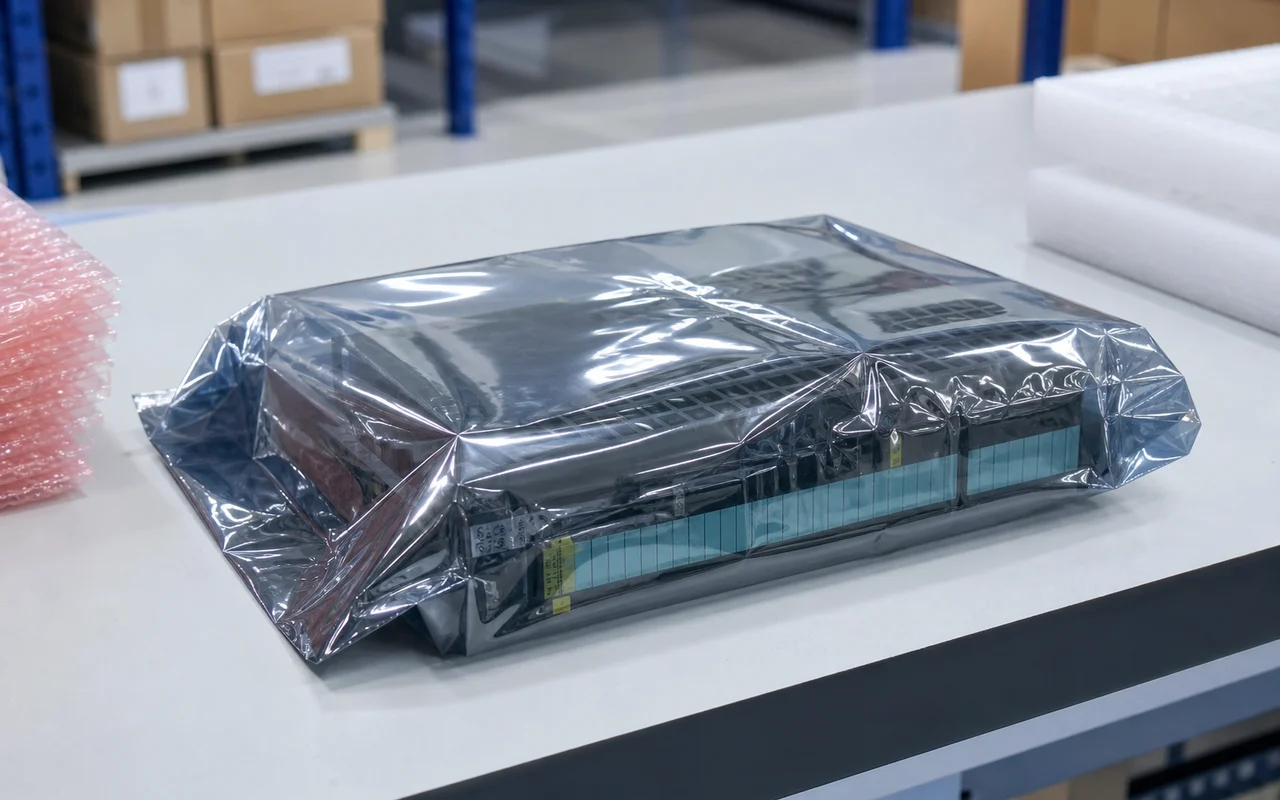 Anti-static Packaging
Modules are packed in anti-static bags to prevent electrostatic damage.
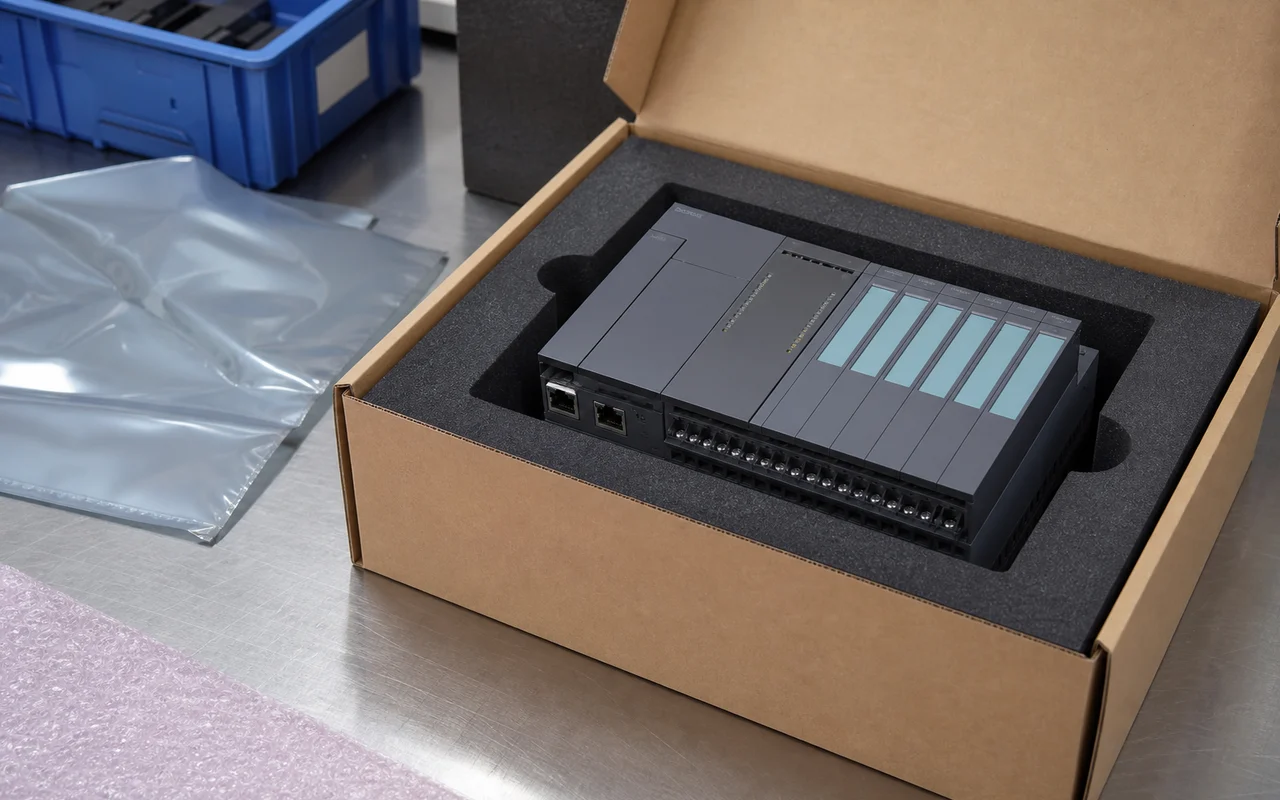 Secure Export Packing
Cushion protection and strong cartons ensure safe transportation.
 Worldwide Shipping
Global logistics network supports air, sea and express delivery.
 Documentation Check
Part number, revision and compatibility verified before shipment.
 After-sales Support
Professional technical support to help resolve your issues.