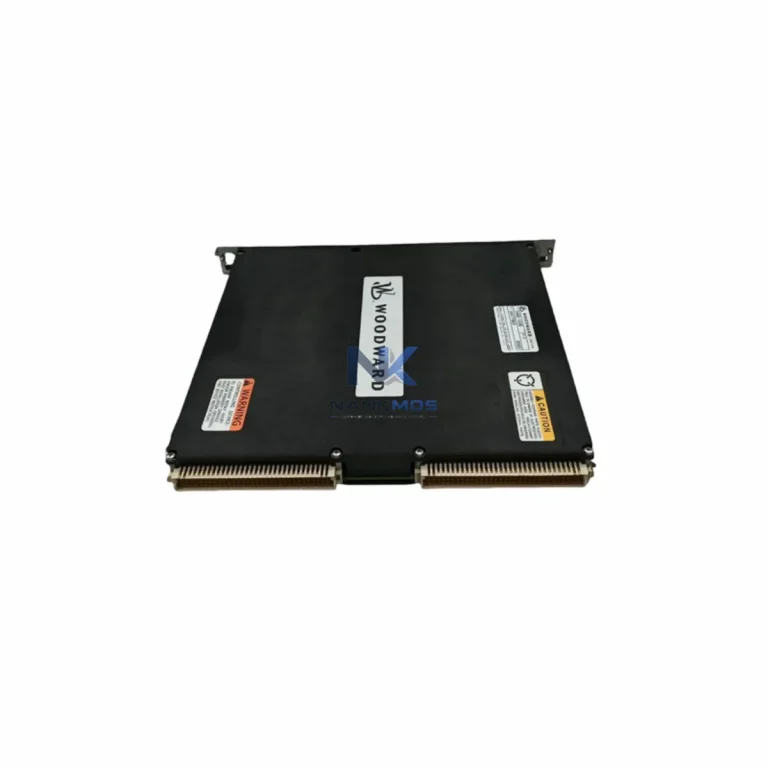
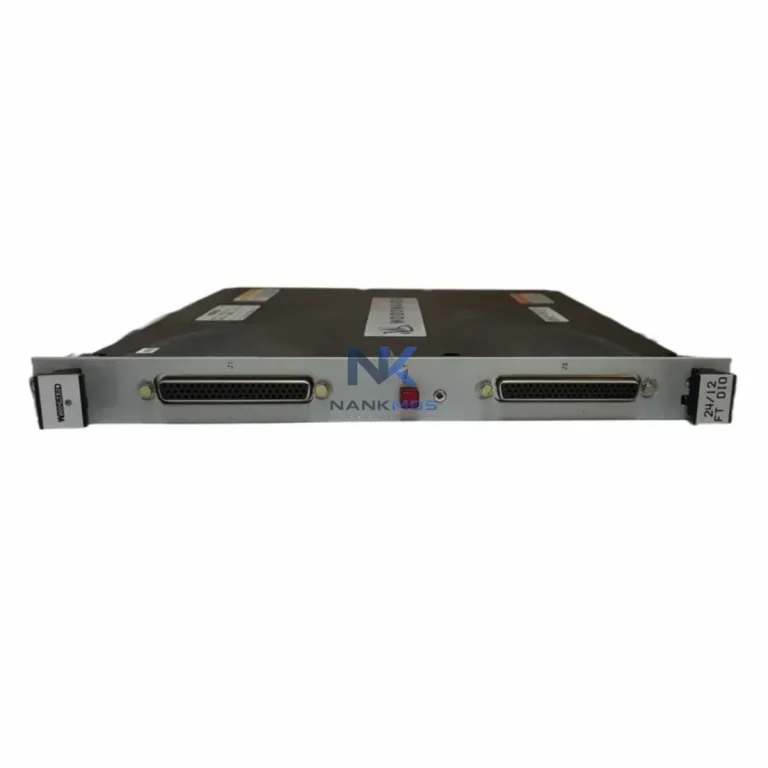
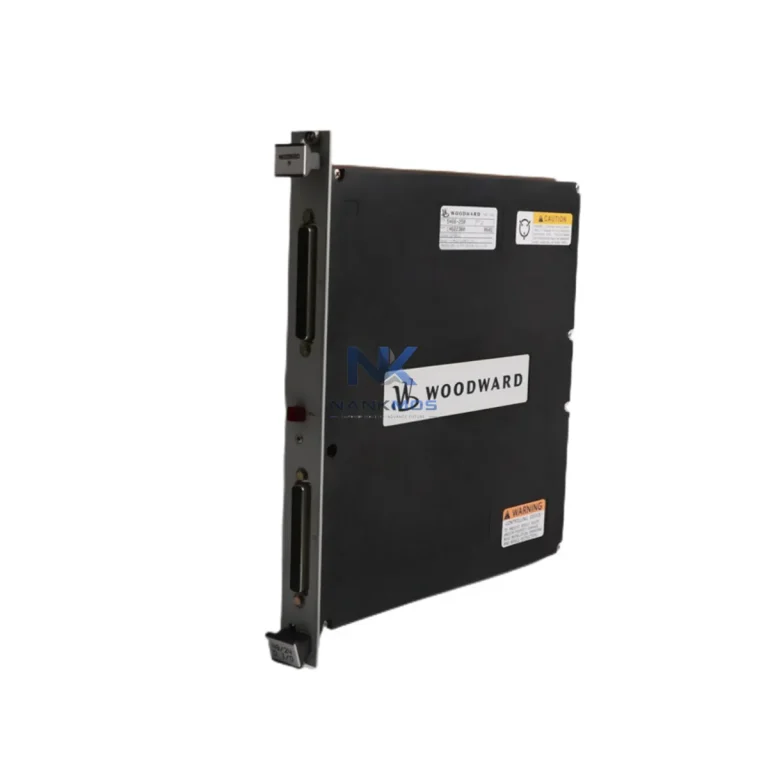
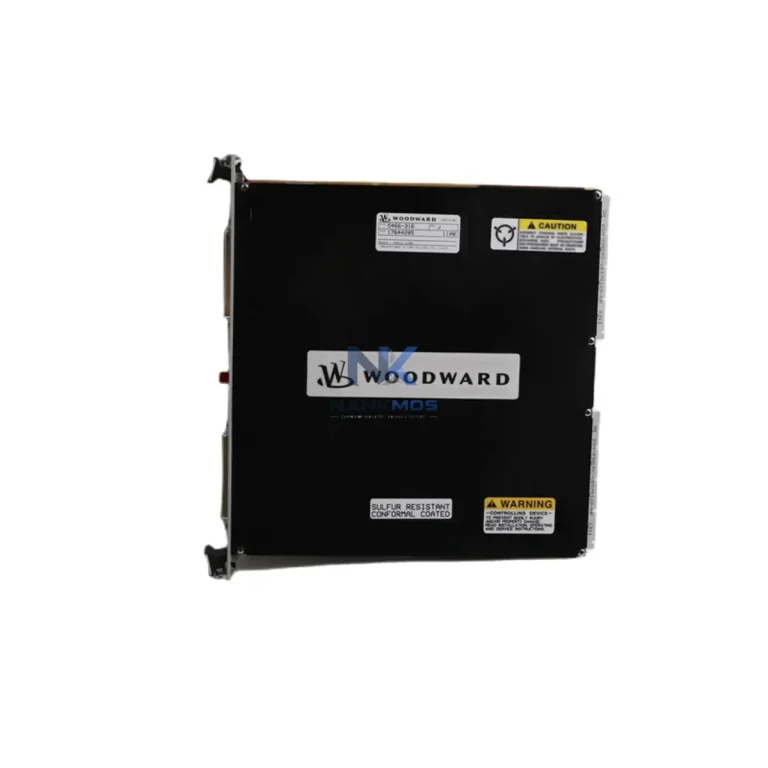
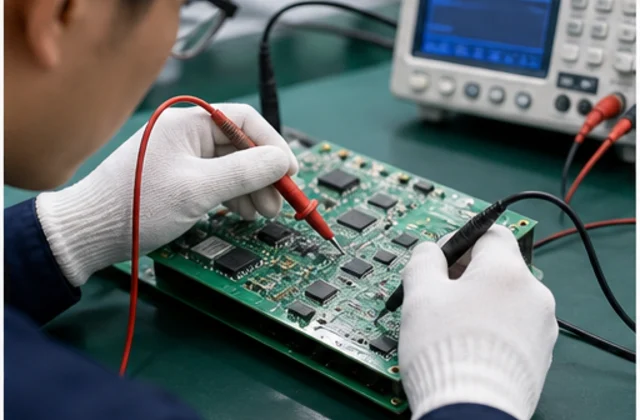
 Functional Inspection
100% tested on professional platforms to ensure stable performance.
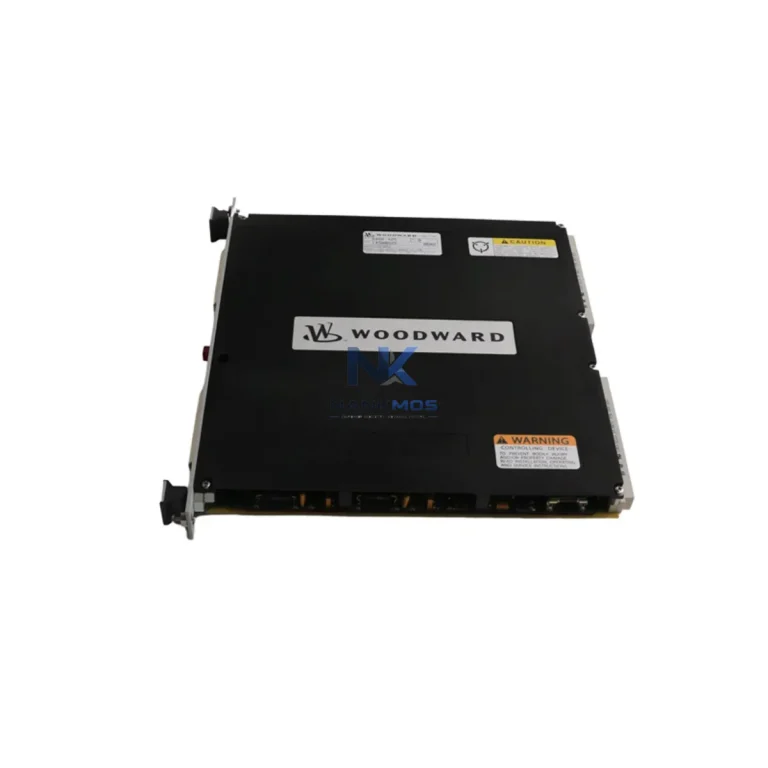
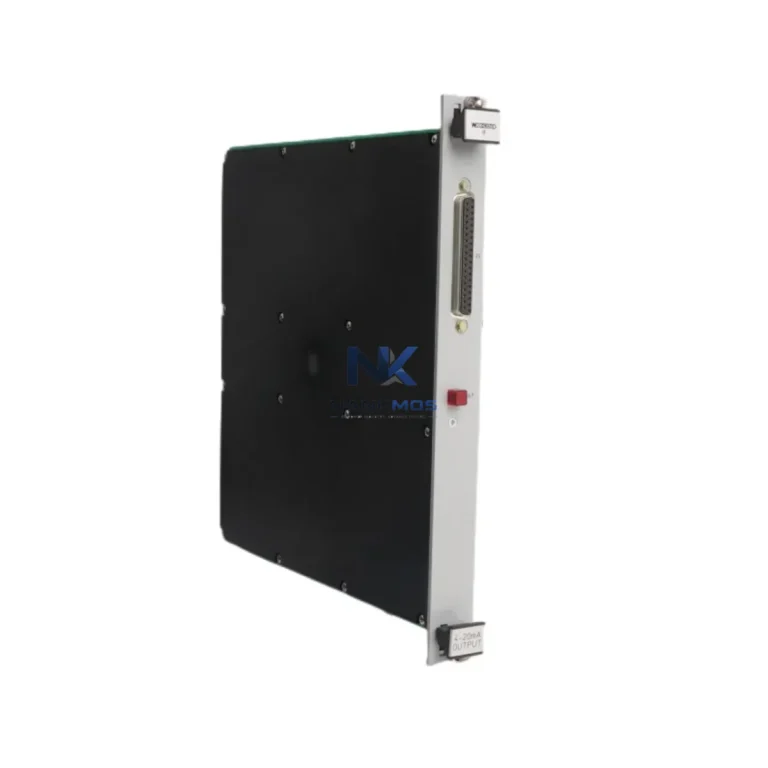
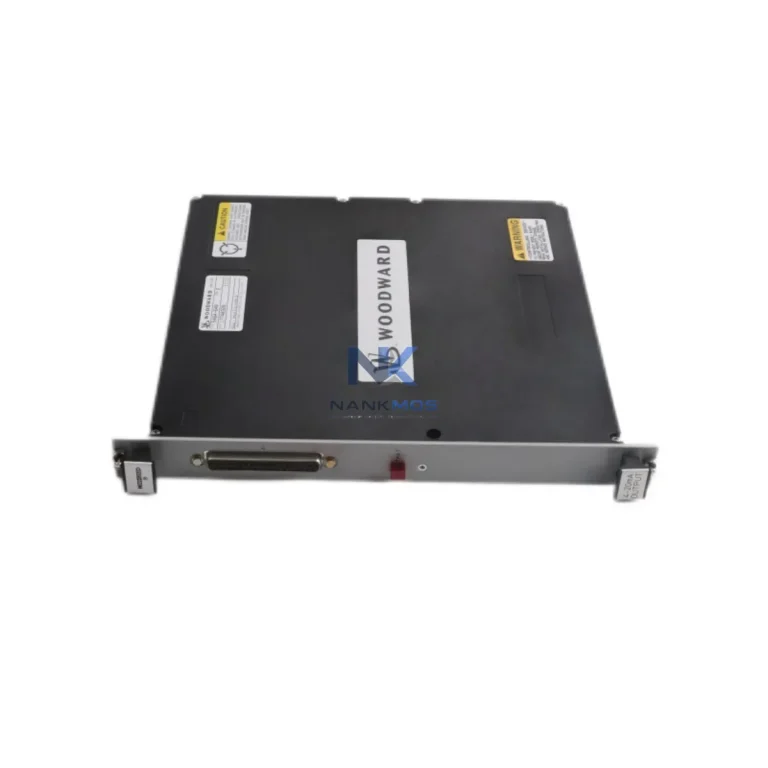
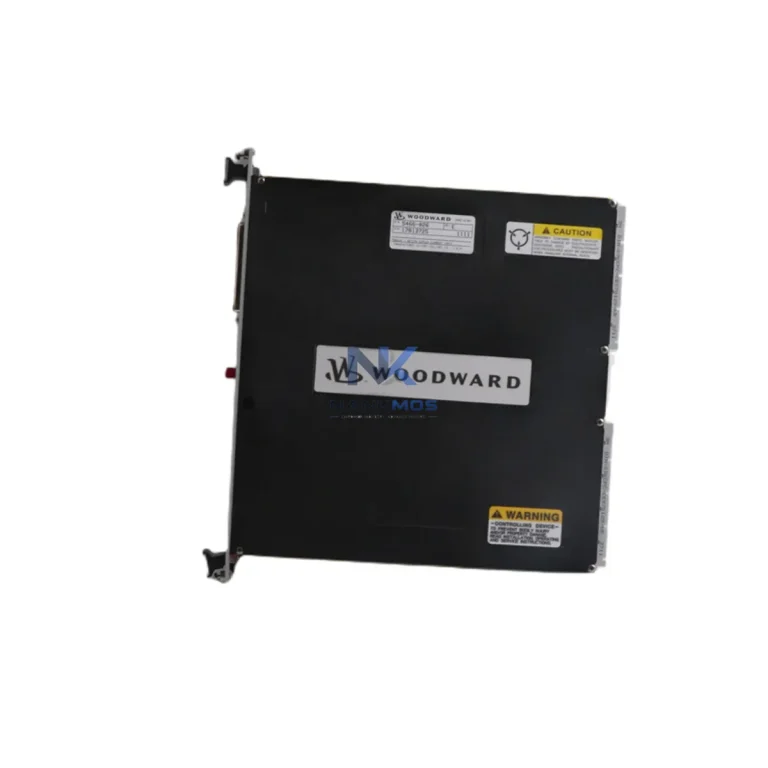
Woodward 9905-463 is a NANKMOS industrial automation product record Listed under Other series series and Business & Industrial > Automation, Control & Flow Devices > Programmable Logic Controllers. Confirm condition, availability, lead time, compatibility and documentation by email inquiry.
Brand names are used for identification only.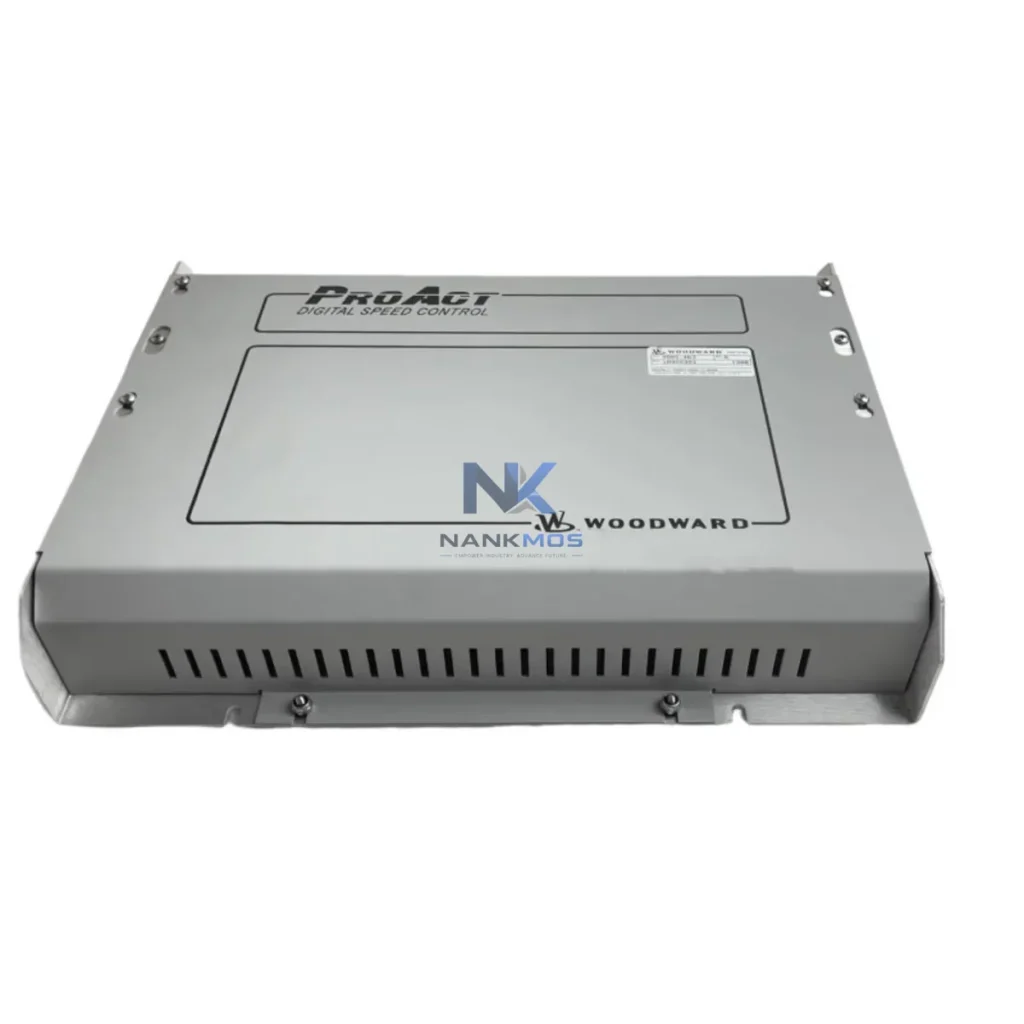
Woodward 9905-463 is a NANKMOS industrial automation product record Listed under Other series series and Business & Industrial > Automation, Control & Flow Devices > Programmable Logic Controllers. Confirm condition, availability, lead time, compatibility and documentation by email inquiry.
| Manufacturer | Woodward |
|---|---|
| Application | Controller Processing & System Control |
| Part Number / Model | 9905-463 |
| Compatible System | Confirmed by inquiry |
| Condition Options | To Confirm |
| Module Type | Controller / CPU Module |
| Warranty | 12 Months |
| Packaging | Anti-static Bag / Secure Box |
| Shipping Methods | DHL / FedEx / UPS / Air / Sea |
| Availability | To Confirm |
| Lead Time | To Confirm |
| Documentation | Part number and revision checked before quote |
The Woodward 9905-463 ProAct Speed Control Module is an engineering-grade actuator control unit designed for precision speed regulation in turbines, gas engines, and industrial gensets. As a core component of energy-control architecture on modern production lines, the 9905-463 delivers stable closed-loop speed management that directly reduces fuel consumption, minimizes thermal stress, and extends the operational lifespan of rotating machinery. Whether deployed in power generation facilities, petrochemical plants, or heavy manufacturing environments, this module provides the deterministic response time and load-tracking accuracy that energy-intensive operations demand.
Built on Woodward's proven ProAct platform, the 9905-463 integrates seamlessly into distributed control architectures. It accepts analog speed reference signals and interfaces with magnetic pickup sensors to maintain precise RPM targets under variable load conditions. The module's adaptive gain structure compensates for fuel system nonlinearities, ensuring stable isochronous or droop operation without manual retuning across load cycles — a critical capability for facilities targeting ISO 50001 energy management compliance.
In a fully integrated energy-control topology, the Woodward 9905-463 does not operate in isolation — it functions as the speed-regulation node within a broader automation ecosystem. On the PLC side, a Siemens S7-1200 or Allen-Bradley CompactLogix typically issues speed setpoint commands via analog output modules, with the 9905-463 translating those references into precise actuator positioning. This closed-loop handshake eliminates the speed hunting and load-induced oscillations that waste fuel and accelerate mechanical wear.
For facilities running variable-speed auxiliary loads alongside the prime mover, a Siemens SINAMICS G120 variable frequency drive or ABB ACS880 industrial drive may govern pump and fan motor speeds in parallel, with both the VFD and the 9905-463 receiving coordinated setpoints from the plant DCS. This coordinated approach ensures that total facility power draw remains within contracted demand limits, avoiding peak-demand penalty charges.
Power quality monitoring is handled upstream by a Schneider Electric PowerLogic PM8000 power meter or equivalent multifunction energy analyzer, which feeds real-time kW, kVAR, and harmonic distortion data to the SCADA layer. The SCADA system — often running on a Wonderware InTouch or Ignition SCADA platform — uses this data to dynamically adjust the speed reference sent to the 9905-463, enabling demand-response operation during grid stress events.
On the I/O and communications side, a Woodward easYgen-3000 genset controller or a Beckhoff EtherCAT I/O terminal can relay discrete fault signals and analog feedback from the 9905-463 back to the supervisory layer, enabling predictive maintenance workflows. Magnetic pickup sensors mounted on the flywheel ring gear provide the raw frequency signal that the 9905-463 converts to RPM, while a Pt100 RTD temperature sensor on the actuator body monitors thermal load — both inputs feeding into the plant's condition-monitoring database.
For HMI visualization, operators interact with a Siemens SIMATIC HMI TP1200 Comfort or equivalent panel to monitor speed deviation, actuator position, and fuel rack feedback in real time. This visibility layer is essential for shift engineers to identify inefficient operating points and schedule corrective action before energy waste compounds into unplanned downtime.
The primary energy optimization contribution of the Woodward 9905-463 lies in its ability to hold engine or turbine speed within ±0.25% of setpoint under transient load conditions. In practical terms, this means that when a large motor load — such as a compressor or centrifuge — comes online and creates a sudden demand spike, the 9905-463 responds within milliseconds to increase fuel delivery, preventing the speed droop that would otherwise force the prime mover to operate in an inefficient, fuel-rich recovery mode for extended periods.
Over a typical 8,000-hour annual operating cycle, facilities that upgrade from legacy mechanical governors to the ProAct 9905-463 electronic control system report measurable reductions in specific fuel consumption — often in the range of 2–5% depending on load profile variability. For a 1 MW genset running on natural gas, this translates to significant annual fuel cost savings and a proportional reduction in CO₂ emissions, supporting corporate sustainability reporting requirements.
Thermal load management is equally important. Mechanical governors that hunt under partial load generate cyclical stress on fuel injectors, actuator linkages, and turbocharger bearings. The 9905-463's adaptive PID control eliminates this hunting behavior, reducing component temperature cycling and extending mean time between overhauls (MTBO). Maintenance teams benefit from longer service intervals, lower spare parts consumption, and more predictable shutdown scheduling — all of which contribute to higher overall equipment effectiveness (OEE) scores.
From a production line rhythm perspective, stable prime mover speed directly stabilizes the voltage and frequency output of on-site generation, which in turn protects sensitive downstream equipment — including servo drives, CNC controllers, and precision measurement instruments — from the voltage sags and frequency excursions that cause nuisance trips and quality rejects. The 9905-463 is therefore not merely a governor component; it is a foundational element of power quality infrastructure on any production line that relies on captive generation.
Every Woodward 9905-463 unit shipped by NANKMOS is sourced from verified supply channels, undergoes pre-shipment functional verification, and is covered by a 12-month warranty from the date of dispatch. In-stock availability supports fast lead times for maintenance replacements and new installation projects alike.
Q1: What measurable energy savings can I expect after installing the Woodward 9905-463? Actual savings depend on your prime mover type, load profile, and the baseline governor technology being replaced. Facilities transitioning from mechanical governors to the ProAct 9905-463 electronic control system typically observe 2–5% reductions in specific fuel consumption under variable-load conditions, along with reduced thermal cycling that extends component service life.
Q2: Is the 9905-463 compatible with my existing PLC and SCADA infrastructure? Yes. The 9905-463 accepts standard 4–20 mA analog speed reference signals, making it compatible with analog output modules from Siemens, Allen-Bradley, Mitsubishi, and other major PLC platforms. SCADA integration is achieved through the PLC layer or via direct analog I/O — no proprietary fieldbus is required for basic speed control operation.
Q3: Can the 9905-463 replace an older Woodward ProAct module directly? The 9905-463 is designed as a drop-in replacement within the ProAct actuator family. Wiring harness compatibility should be verified against your specific actuator model and existing control panel wiring. NANKMOS technical support can assist with cross-reference verification prior to order confirmation.
Q4: What does the 12-month warranty cover, and how is the testing process handled? All units undergo pre-shipment functional testing covering actuator drive output, speed reference input response, and power supply regulation. The 12-month warranty covers manufacturing defects and functional failures under normal operating conditions from the date of shipment. Warranty claims are processed through NANKMOS with replacement or repair turnaround coordinated to minimize production downtime.
Functional Inspection100% tested on professional platforms to ensure stable performance.
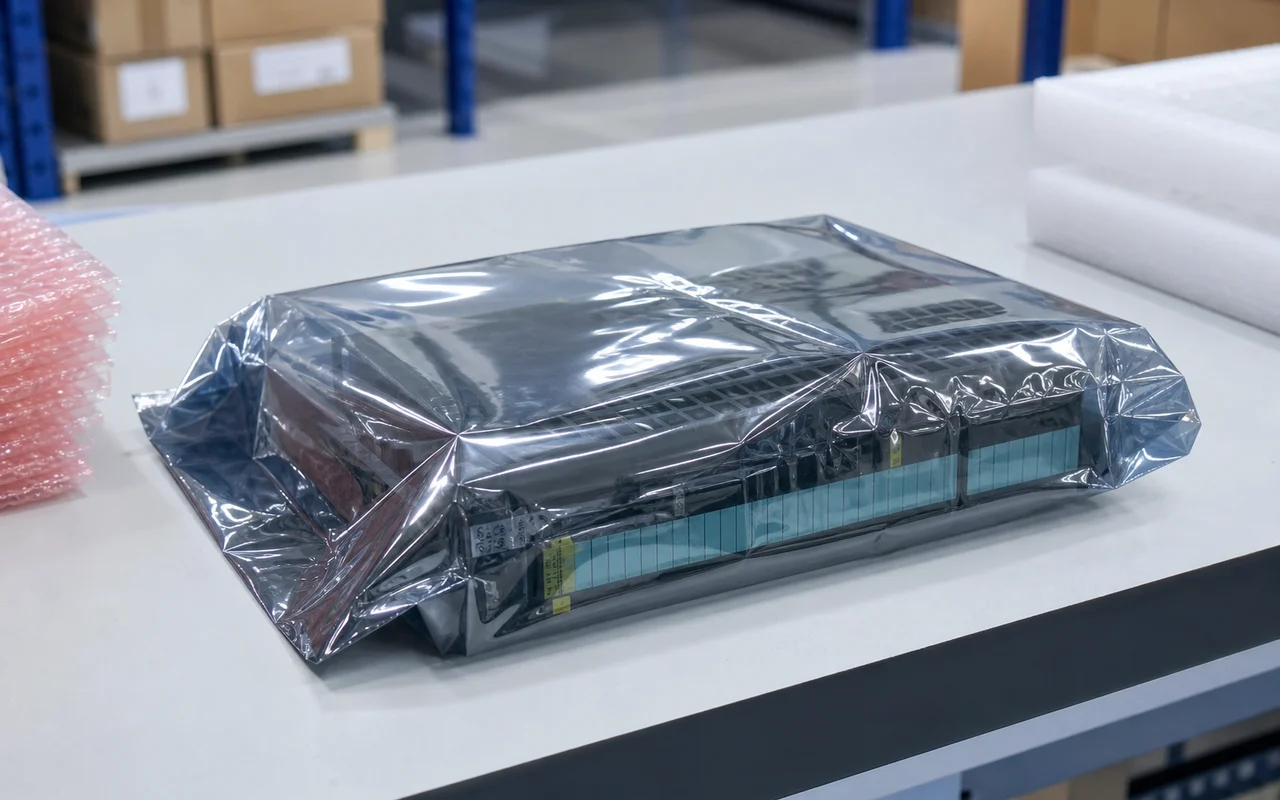 Anti-static Packaging
Modules are packed in anti-static bags to prevent electrostatic damage.
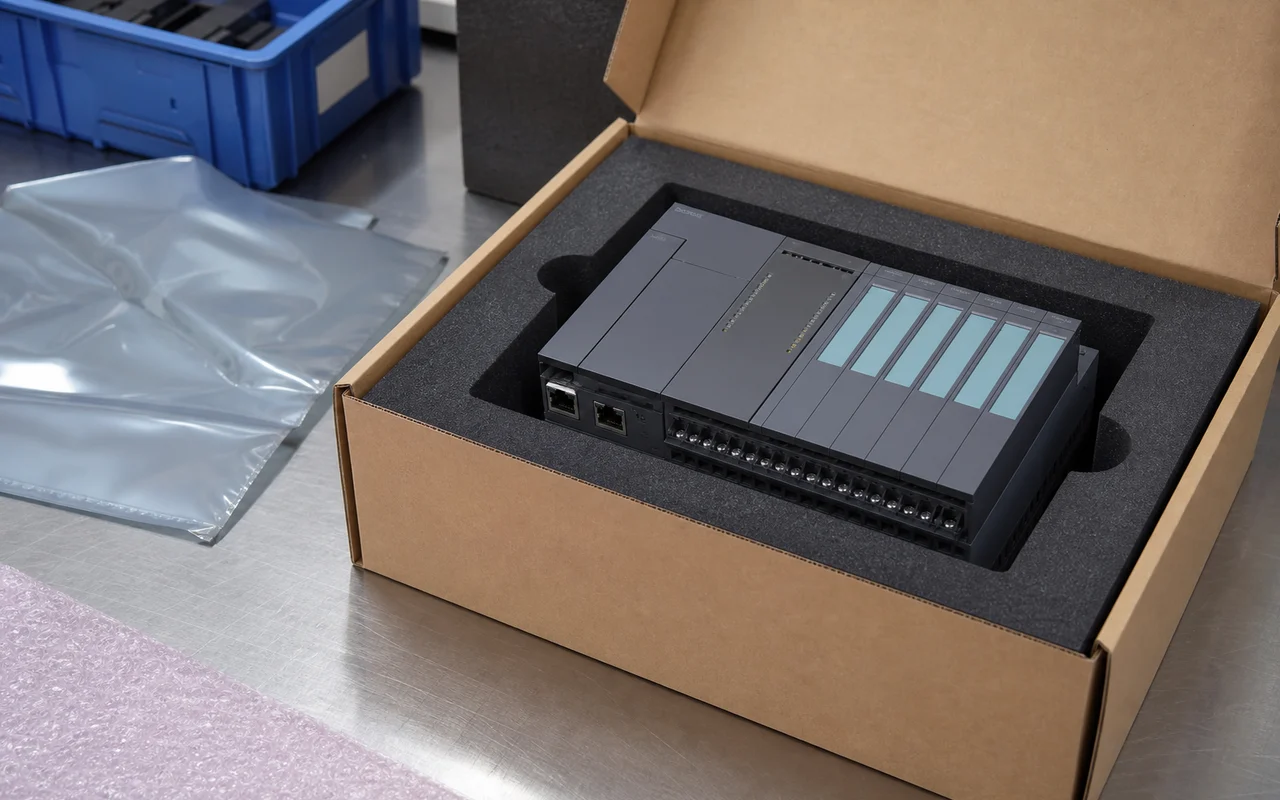 Secure Export Packing
Cushion protection and strong cartons ensure safe transportation.
 Worldwide Shipping
Global logistics network supports air, sea and express delivery.
 Documentation Check
Part number, revision and compatibility verified before shipment.
 After-sales Support
Professional technical support to help resolve your issues.