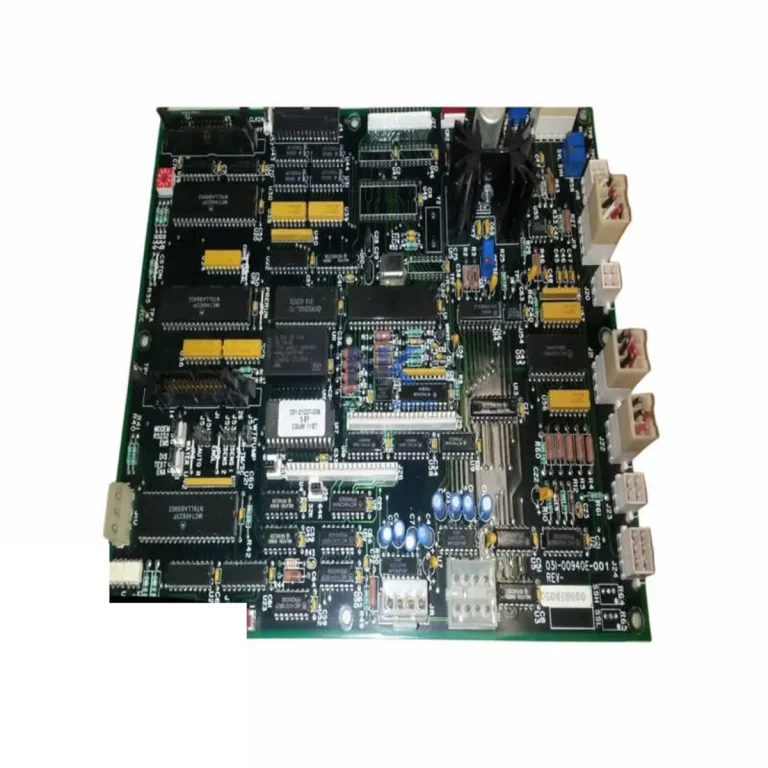
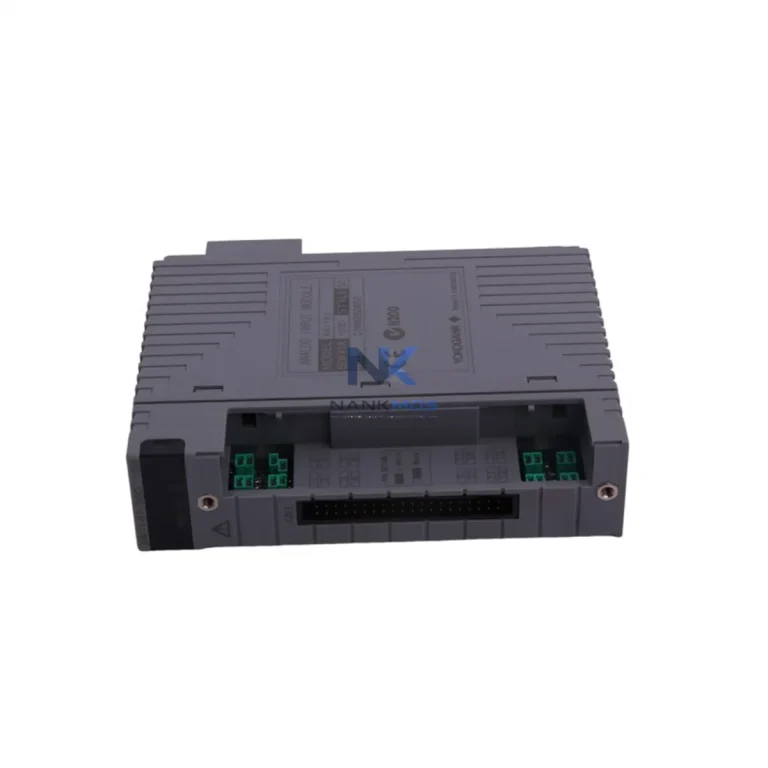
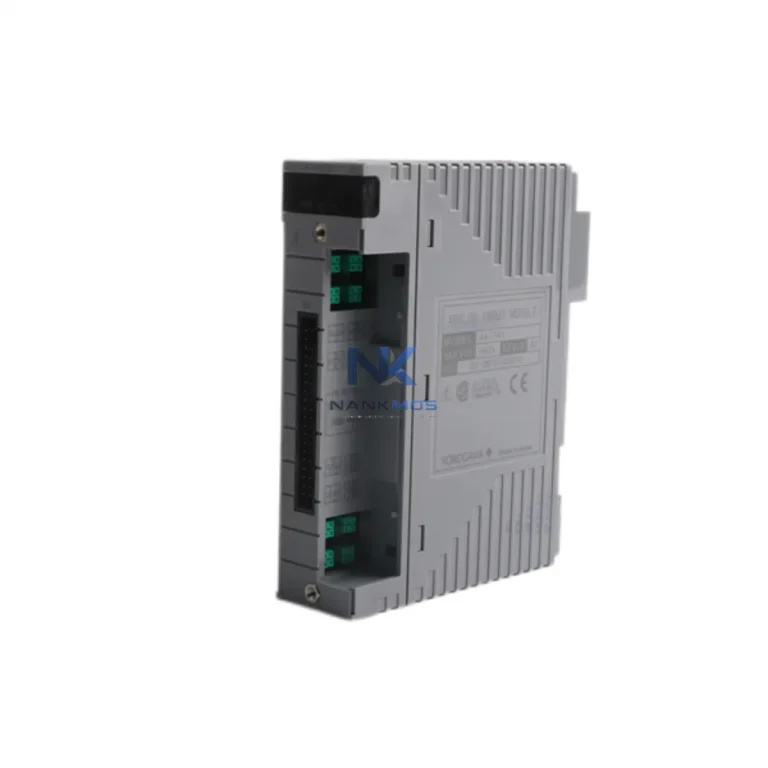
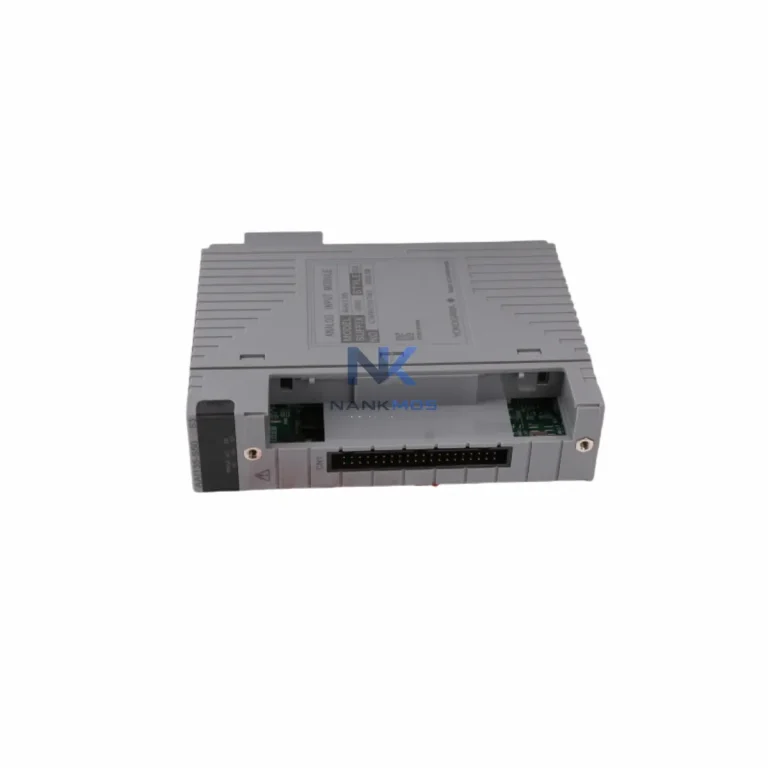
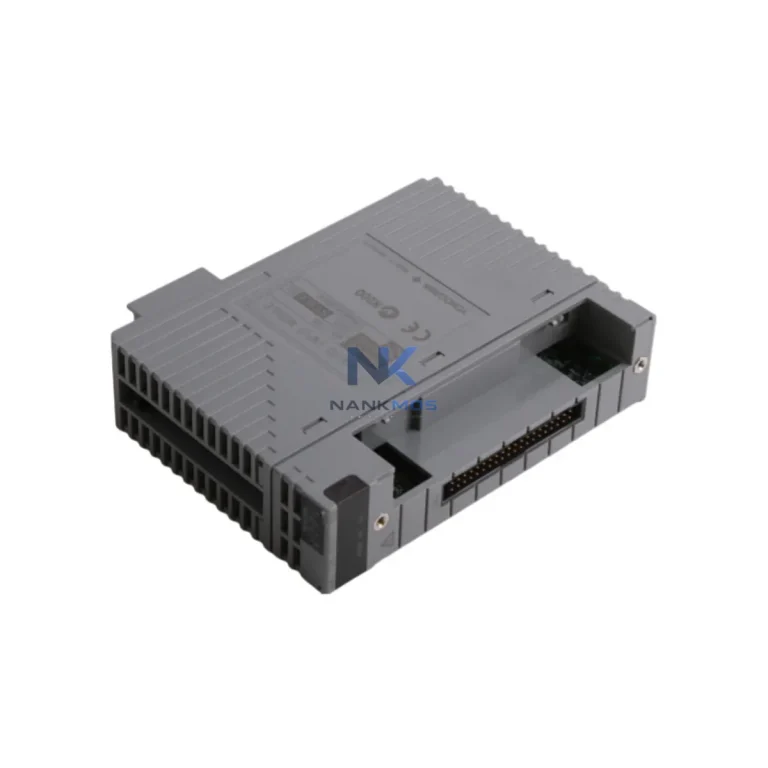
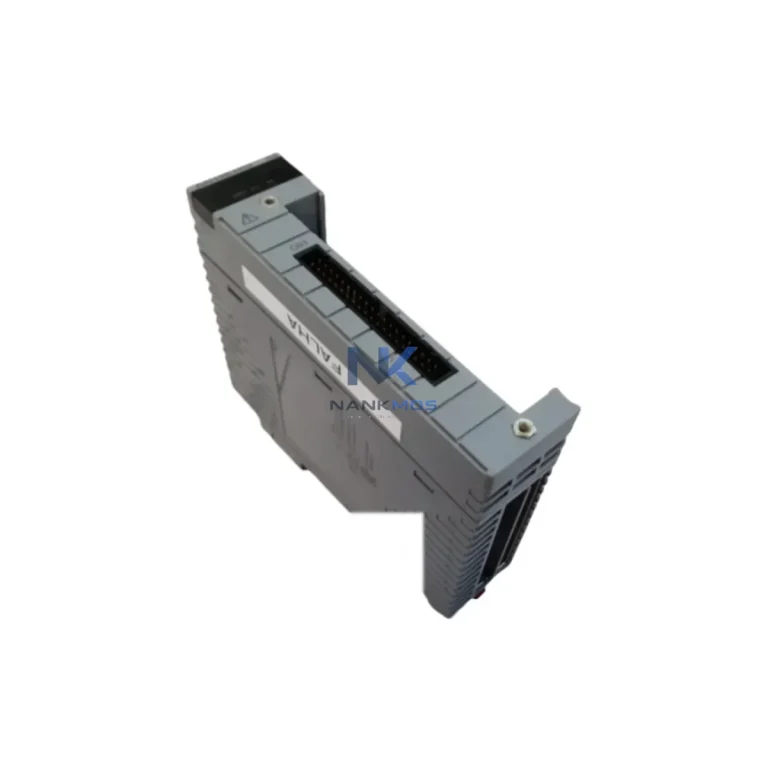
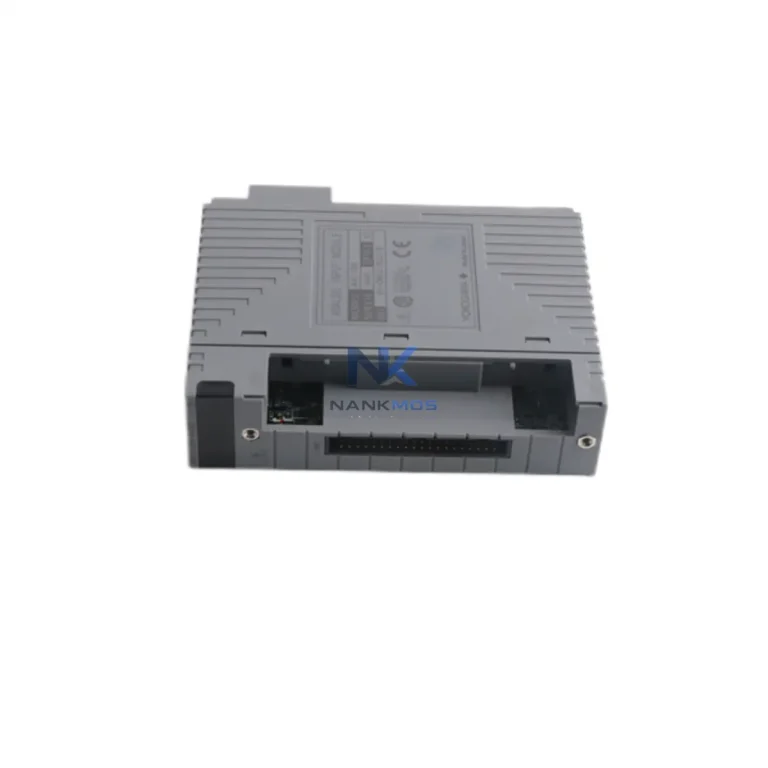
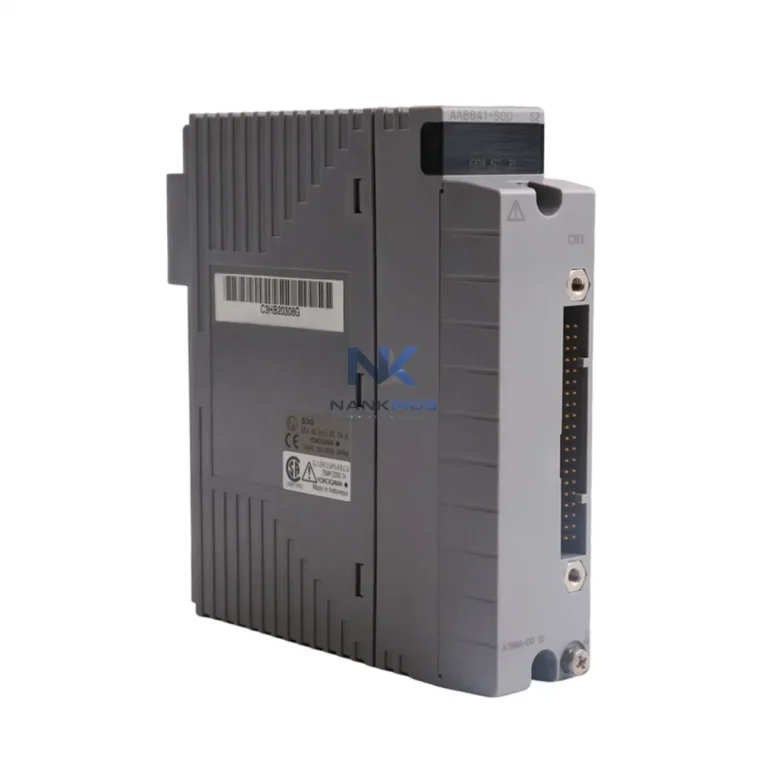
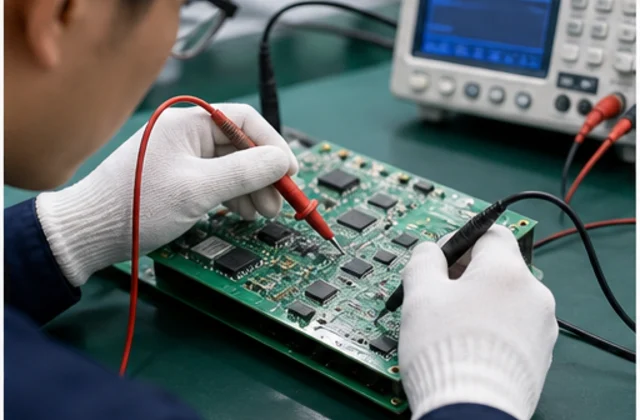
 Functional Inspection
100% tested on professional platforms to ensure stable performance.
Yokogawa AAP135-S53 is a NANKMOS industrial automation product record Listed under STARDOM series and Business & Industrial > Automation, Control & Flow Devices > Programmable Logic Controllers. Confirm condition, availability, lead time, compatibility and documentation by email inquiry.
Brand names are used for identification only.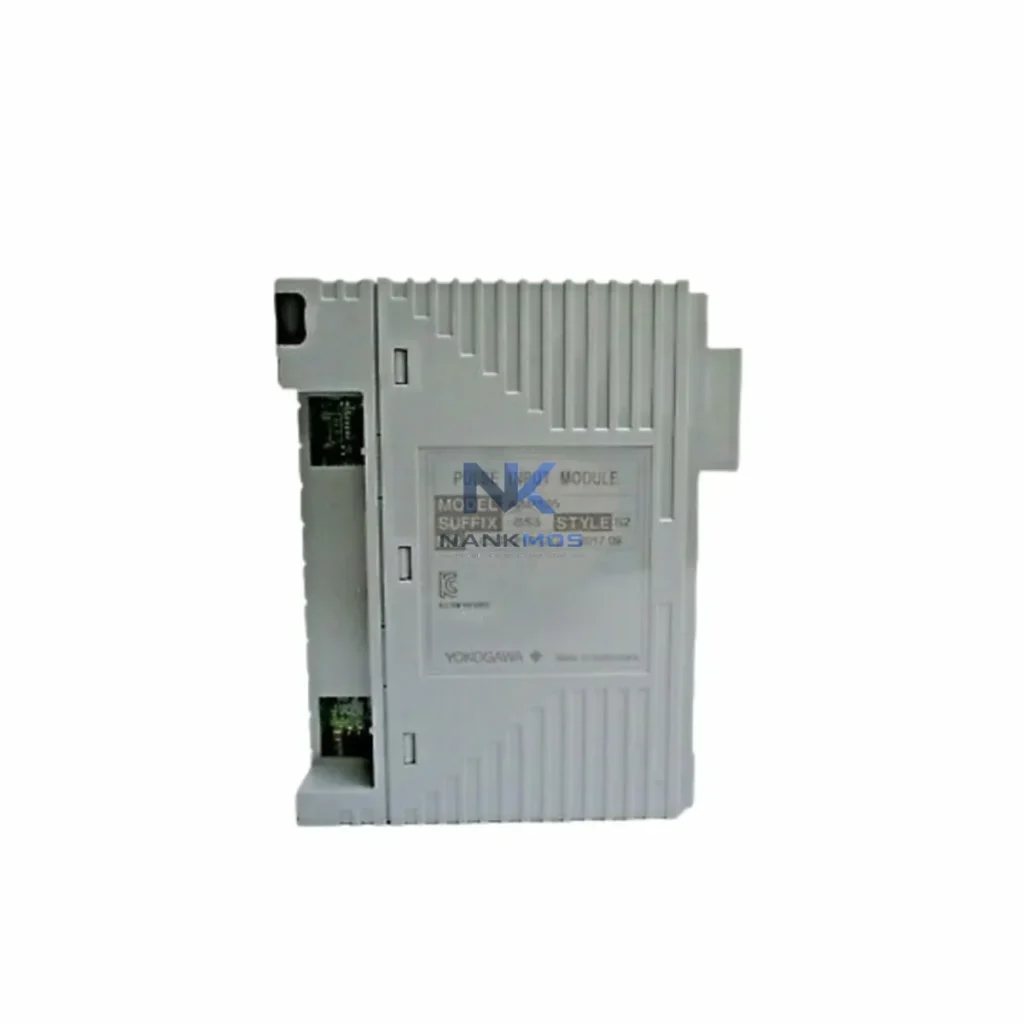
Yokogawa AAP135-S53 is a NANKMOS industrial automation product record Listed under STARDOM series and Business & Industrial > Automation, Control & Flow Devices > Programmable Logic Controllers. Confirm condition, availability, lead time, compatibility and documentation by email inquiry.
| Manufacturer | Yokogawa |
|---|---|
| Application | Controller Processing & System Control |
| Part Number / Model | AAP135-S53 |
| Compatible System | STARDOM |
| Series | STARDOM |
| Condition Options | To Confirm |
| Module Type | Controller / CPU Module |
| Warranty | 12 Months |
| Packaging | Anti-static Bag / Secure Box |
| Shipping Methods | DHL / FedEx / UPS / Air / Sea |
| Availability | To Confirm |
| Lead Time | To Confirm |
| Documentation | Part number and revision checked before quote |
The Yokogawa AAP135-S53 is a high-integrity pulse input network interface module engineered for the STARDOM FCN/FCJ autonomous controller platform. Designed to serve as a critical data link between field instrumentation and upper-level control systems, the AAP135-S53 bridges the gap between raw pulse signals from flow meters, encoders, and turbine sensors and the structured data environments demanded by modern SCADA, DCS, and MES architectures. In smart factory deployments where real-time data fidelity and network continuity are non-negotiable, this module delivers the protocol versatility and signal integrity that industrial engineers depend on.
At its core, the AAP135-S53 supports Modbus TCP, OPC-UA, and FOUNDATION Fieldbus — three of the most widely adopted industrial communication standards — enabling seamless integration across heterogeneous automation networks. Whether connecting to a Yokogawa CENTUM VP DCS, a third-party PLC via Modbus TCP polling, or an OPC-UA-compliant SCADA server, the module maintains deterministic data delivery with minimal latency, ensuring that pulse count data from field devices reaches control logic and visualization layers without distortion or delay.
In a fully connected smart factory, the AAP135-S53 occupies a pivotal position in the data acquisition layer. Field devices such as vortex flow meters, magnetic encoders, and turbine pulse transmitters generate high-frequency pulse signals that must be accurately captured, timestamped, and transmitted upstream. The AAP135-S53 performs this function within the STARDOM FCN autonomous controller rack, converting raw pulse inputs into structured process variables that are immediately available to the controller's logic engine.
From the FCN controller, data flows via Modbus TCP to upstream systems including Yokogawa's FAST/TOOLS SCADA platform, where operators monitor flow totals, batch counts, and equipment cycle rates in real time. Simultaneously, the OPC-UA server embedded in the STARDOM FCN publishes live process data to MES platforms and historian databases, enabling production analytics and regulatory compliance reporting without manual data entry. In parallel FOUNDATION Fieldbus segments, the AAP135-S53 coexists with Yokogawa EJX series pressure transmitters and YTA series temperature transmitters, sharing the same H1 fieldbus segment and contributing to a unified process data backbone.
At the network layer, managed industrial Ethernet switches — such as those supporting IEEE 802.3 with VLAN segmentation — route Modbus TCP and OPC-UA traffic between the STARDOM FCN rack, remote I/O panels, and the plant's control room servers. Where remote sites or geographically distributed production lines are involved, Yokogawa FCJ compact controllers serve as satellite nodes, each equipped with compatible pulse input modules and connected back to the central FAST/TOOLS SCADA via redundant Ethernet paths. This architecture ensures that pulse data from every metering point — whether in a compressor station, a chemical dosing skid, or a utility substation — arrives at the SCADA historian with full traceability.
For drive and motor control integration, the AAP135-S53 data chain extends to variable frequency drives (VFDs) monitoring motor shaft speed via encoder pulse feedback. The FCN controller reads these pulse inputs through the AAP135-S53, calculates real-time RPM and flow rate, and issues corrective setpoints to the VFD via Modbus TCP — closing the control loop entirely within the STARDOM platform. Yokogawa WT series power analyzers and energy meters connected on the same Modbus TCP network provide complementary energy consumption data, enabling the SCADA layer to correlate flow throughput with power draw for efficiency benchmarking.
At the edge, industrial IoT gateways aggregate OPC-UA data streams from multiple STARDOM FCN nodes and forward normalized datasets to cloud analytics platforms or on-premise data lakes. This edge-to-cloud pipeline supports predictive maintenance models that analyze pulse count trends, detect anomalies in flow meter behavior, and trigger maintenance work orders before equipment failure occurs. The AAP135-S53's role in this chain — as the first point of digital signal capture — makes its accuracy and network reliability foundational to the entire smart factory data strategy.
Protocol Fragmentation: Many brownfield automation sites operate a mix of legacy serial protocols alongside modern Ethernet-based systems. The AAP135-S53, operating within the STARDOM FCN platform, resolves this by presenting pulse input data simultaneously over Modbus TCP and OPC-UA, allowing both legacy SCADA servers and modern MES platforms to consume the same process variable without protocol conversion middleware.
Data Silos and Visibility Gaps: Pulse-based metering data — flow totals, batch counts, cycle rates — is frequently trapped in standalone PLCs or standalone data loggers with no path to the plant historian. The AAP135-S53 eliminates this silo by integrating pulse inputs directly into the STARDOM FCN's OPC-UA data model, making every pulse count immediately visible to FAST/TOOLS SCADA and any OPC-UA-compliant client on the network.
Remote Monitoring and Alarm Management: In distributed production environments, delayed alarm notification leads to undetected process deviations and product quality failures. The STARDOM FCN platform, with the AAP135-S53 as its pulse input front-end, supports configurable alarm thresholds on pulse rate and count deviation. When a flow meter underperforms or a batch count exceeds tolerance, the FCN generates an alarm event that propagates through Modbus TCP or OPC-UA to the SCADA alarm management console within milliseconds — enabling operators to respond before the deviation becomes a production loss.
Production Line Transparency and Scalability: As production lines expand, adding new metering points should not require architectural redesign. The STARDOM FCN's modular rack architecture allows additional AAP135-S53 modules to be inserted alongside existing I/O, scaling pulse input capacity without disrupting live network traffic. Combined with FOUNDATION Fieldbus segment expansion, this modularity supports greenfield and brownfield capacity additions with minimal engineering overhead.
Q1: What communication protocols does the Yokogawa AAP135-S53 support, and are they compatible with third-party SCADA systems? The AAP135-S53 operates within the STARDOM FCN/FCJ platform, which natively supports Modbus TCP, OPC-UA, and FOUNDATION Fieldbus. Modbus TCP ensures compatibility with virtually all third-party SCADA and HMI systems. OPC-UA provides a vendor-neutral, secure data exchange path to MES, historian, and cloud analytics platforms. FOUNDATION Fieldbus H1 supports integration with certified field instruments from multiple manufacturers. Pre-shipment protocol verification is included with every unit.
Q2: How does the AAP135-S53 perform in high-noise industrial environments, and what is its network latency profile? The STARDOM FCN platform is designed for industrial environments with EMI, vibration, and temperature variation. The AAP135-S53 module benefits from the FCN's hardened backplane design and isolated I/O architecture. Modbus TCP polling cycles are configurable to match SCADA scan rates, and OPC-UA subscription intervals can be tuned for latency-sensitive applications. Typical Modbus TCP response times are sub-100ms under normal network load conditions.
Q3: Can the AAP135-S53 be integrated into an existing STARDOM FCN system without disrupting live production? Yes. The STARDOM FCN's modular rack architecture supports hot-insertion of I/O modules in most configurations, subject to FCN firmware version and rack slot availability. The AAP135-S53 is recognized by the FCN controller upon insertion and can be configured via Yokogawa's FAST/TOOLS engineering environment or the FCN's web-based configuration interface. Network traffic on existing Modbus TCP and OPC-UA connections is not interrupted during module addition.
Q4: What does the 12-Month Warranty cover, and what is the dispatch and testing process? Every Yokogawa AAP135-S53 unit supplied by NANKMOS is covered by a 12-Month Warranty from the date of dispatch. Pre-shipment functional testing verifies pulse input channel integrity, network interface operation, and protocol communication. Units are dispatched in original or equivalent protective packaging with full traceability documentation. For warranty claims or technical support, contact [email protected] or call +86 18359268345.
Functional Inspection100% tested on professional platforms to ensure stable performance.
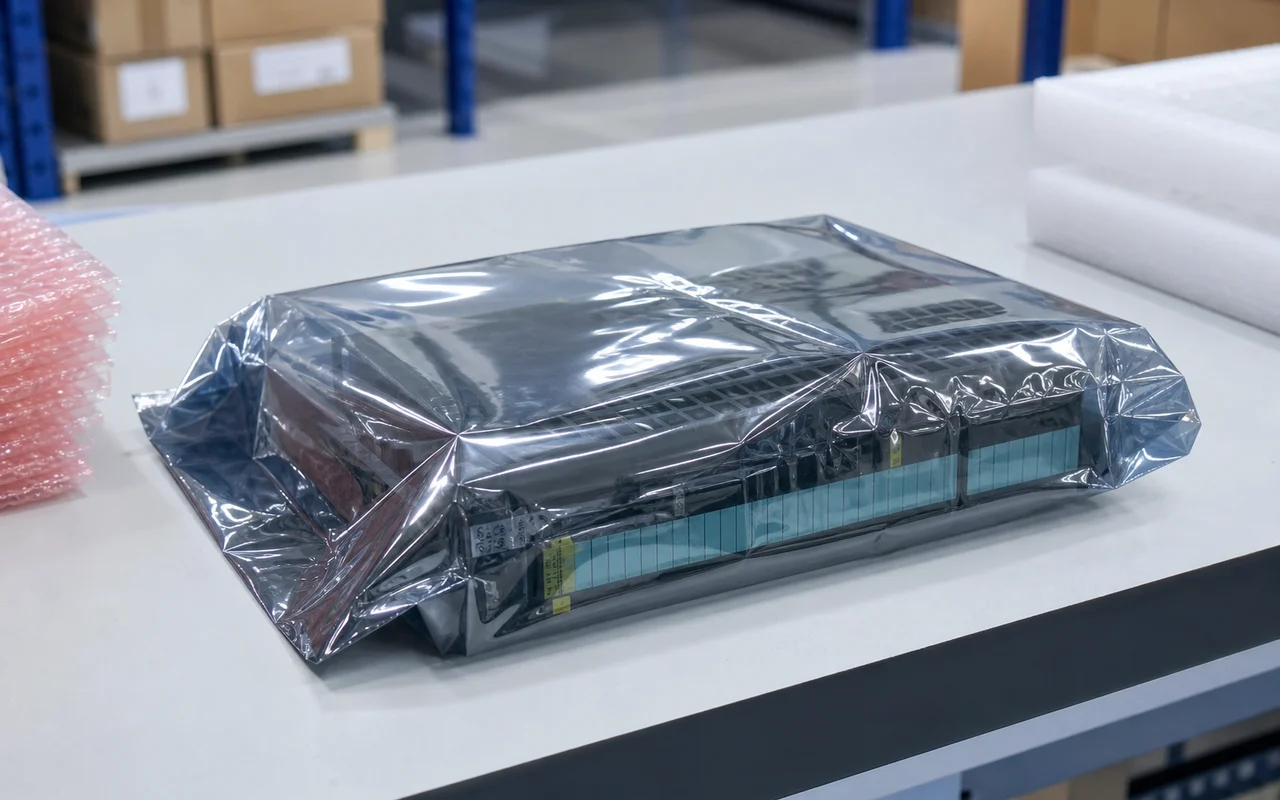 Anti-static Packaging
Modules are packed in anti-static bags to prevent electrostatic damage.
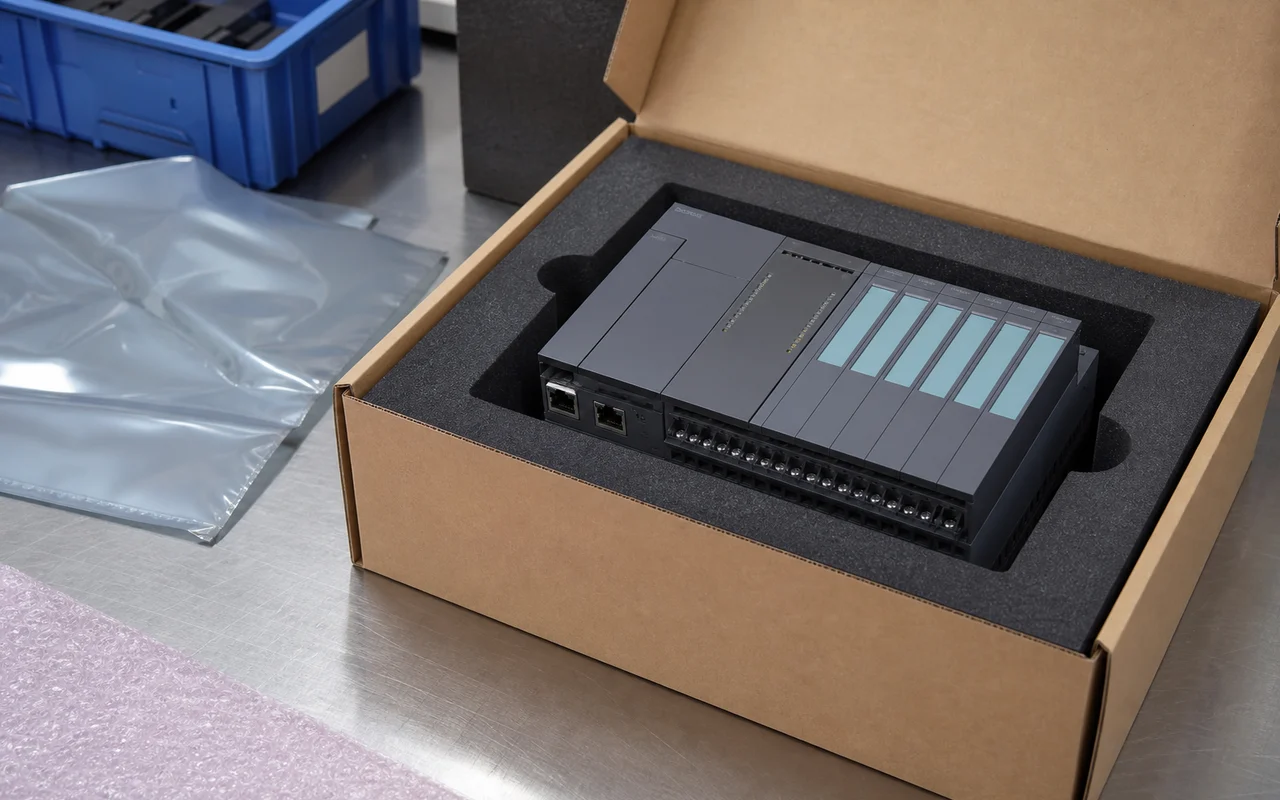 Secure Export Packing
Cushion protection and strong cartons ensure safe transportation.
 Worldwide Shipping
Global logistics network supports air, sea and express delivery.
 Documentation Check
Part number, revision and compatibility verified before shipment.
 After-sales Support
Professional technical support to help resolve your issues.