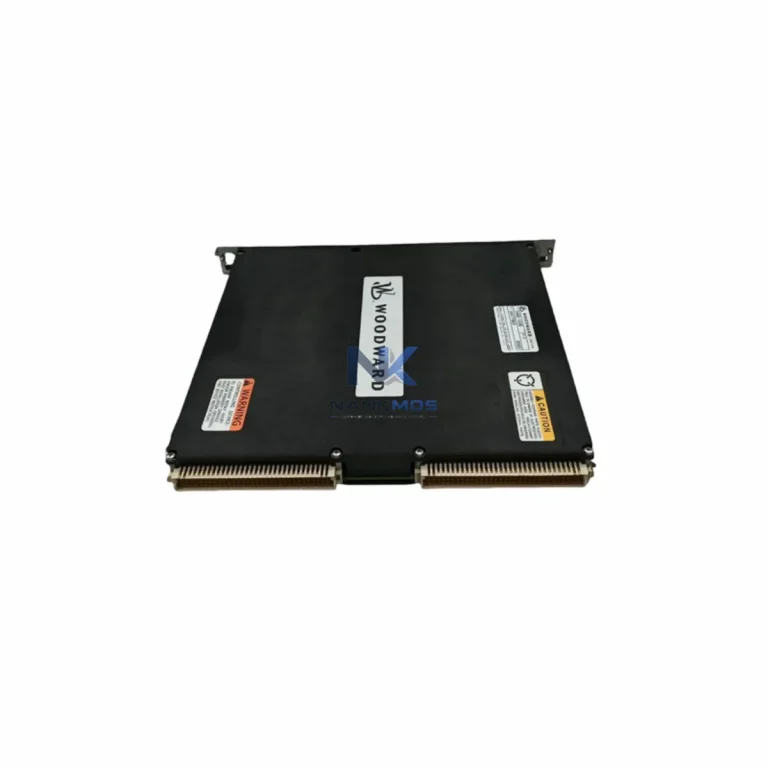
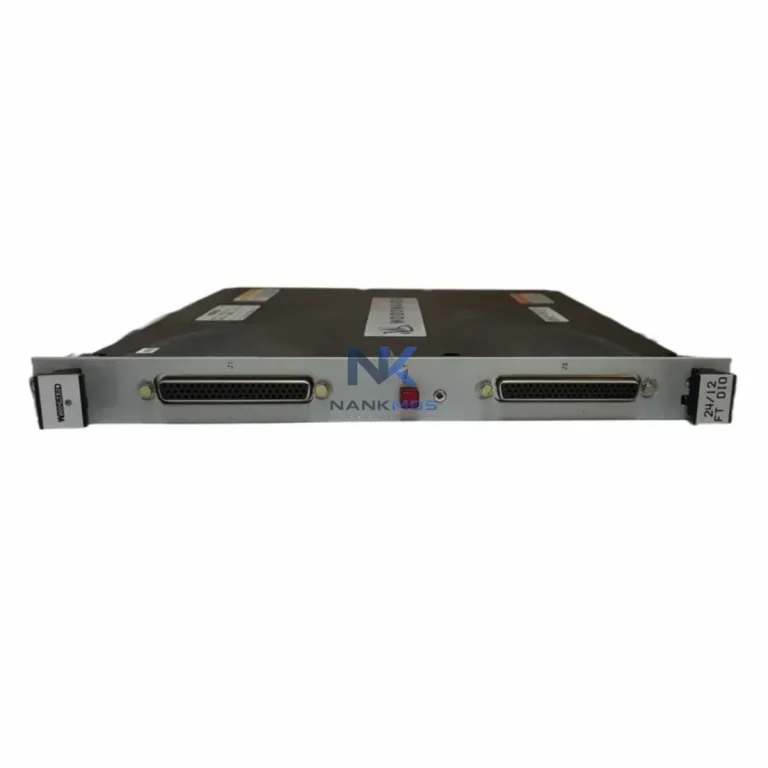
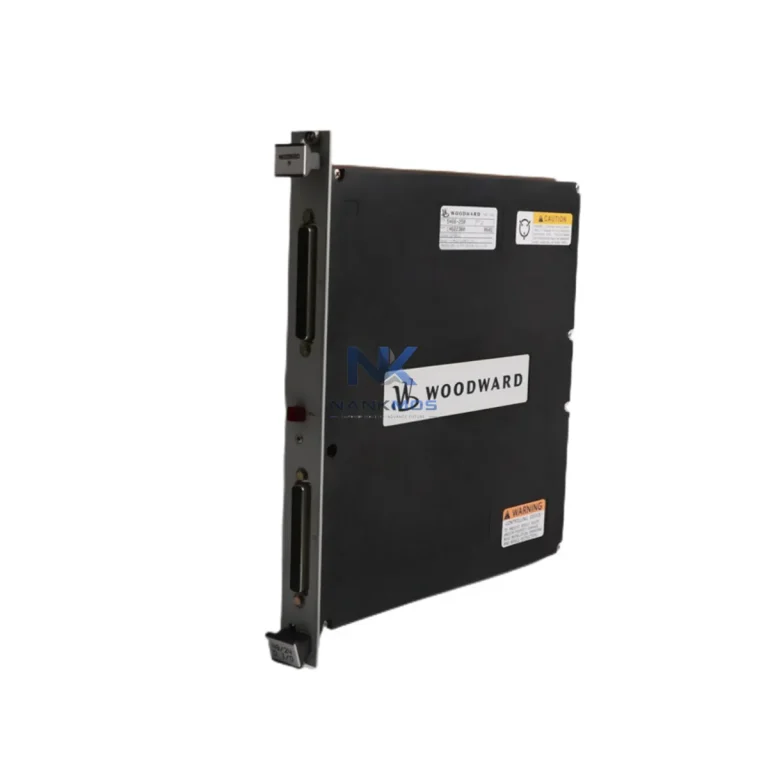
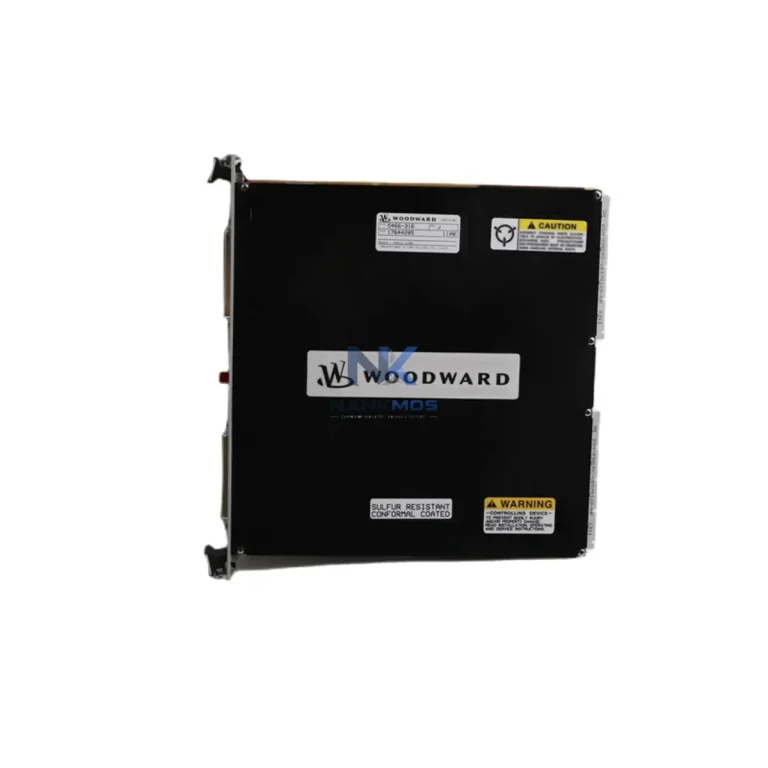
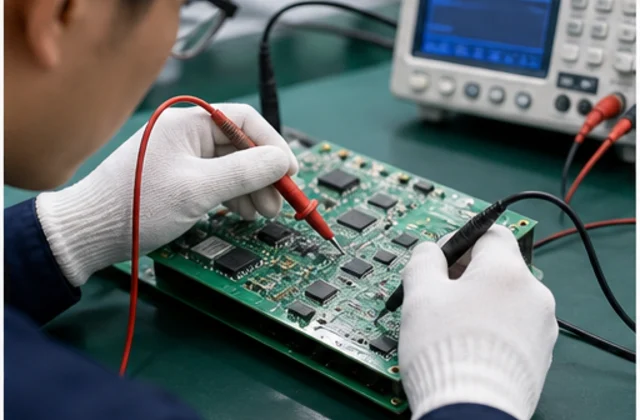
 Functional Inspection
100% tested on professional platforms to ensure stable performance.
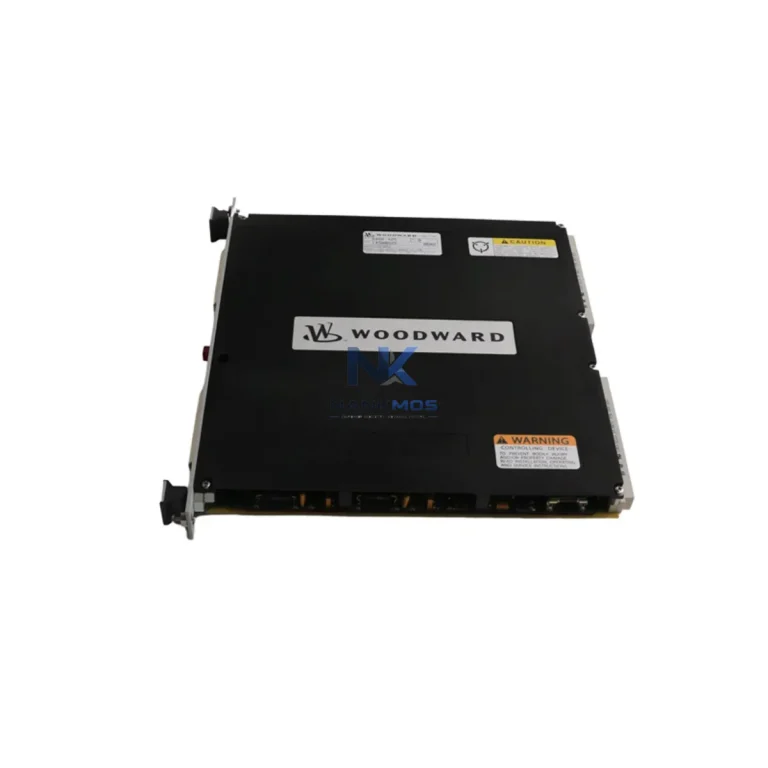
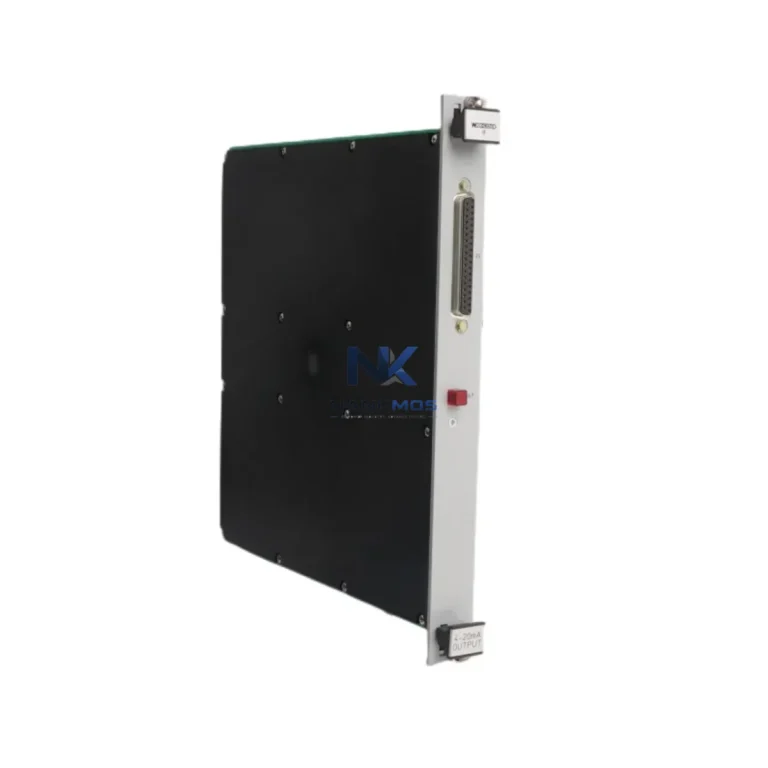
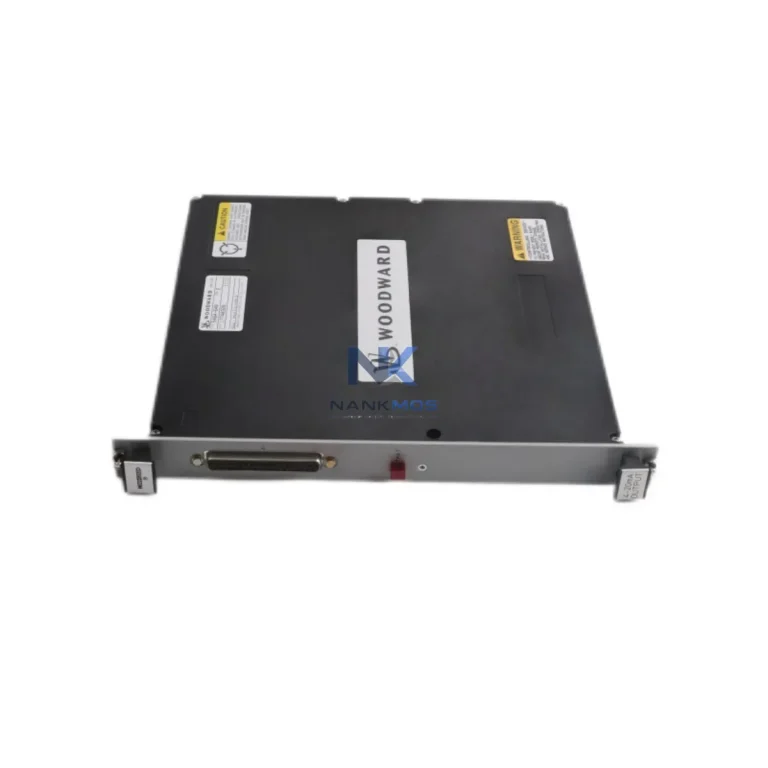
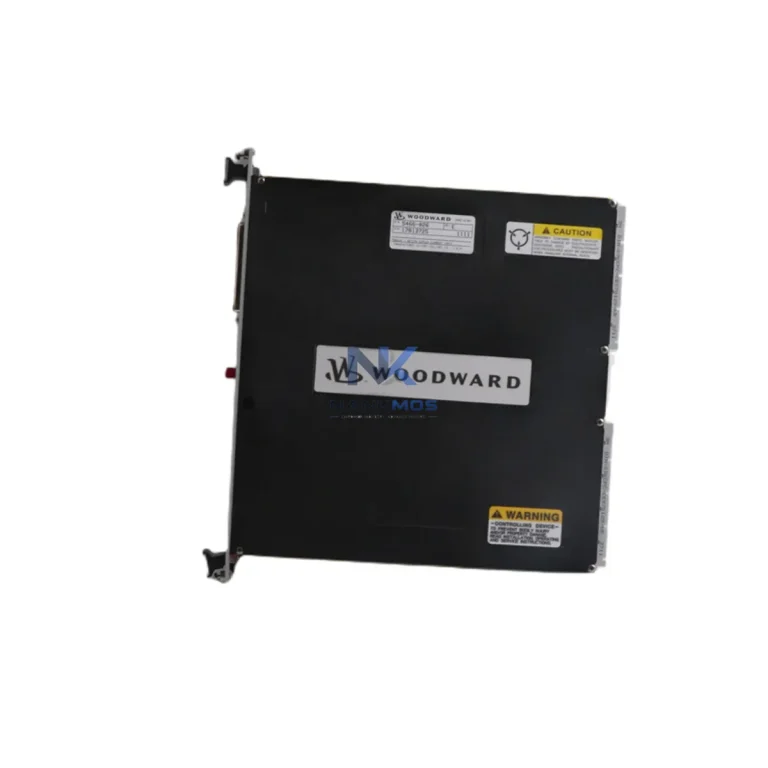
Woodward APP-PS7-PCI is a NANKMOS industrial automation product record Listed under Other series series and Business & Industrial > Automation, Control & Flow Devices > Programmable Logic Controllers. Confirm condition, availability, lead time, compatibility and documentation by email inquiry.
Brand names are used for identification only.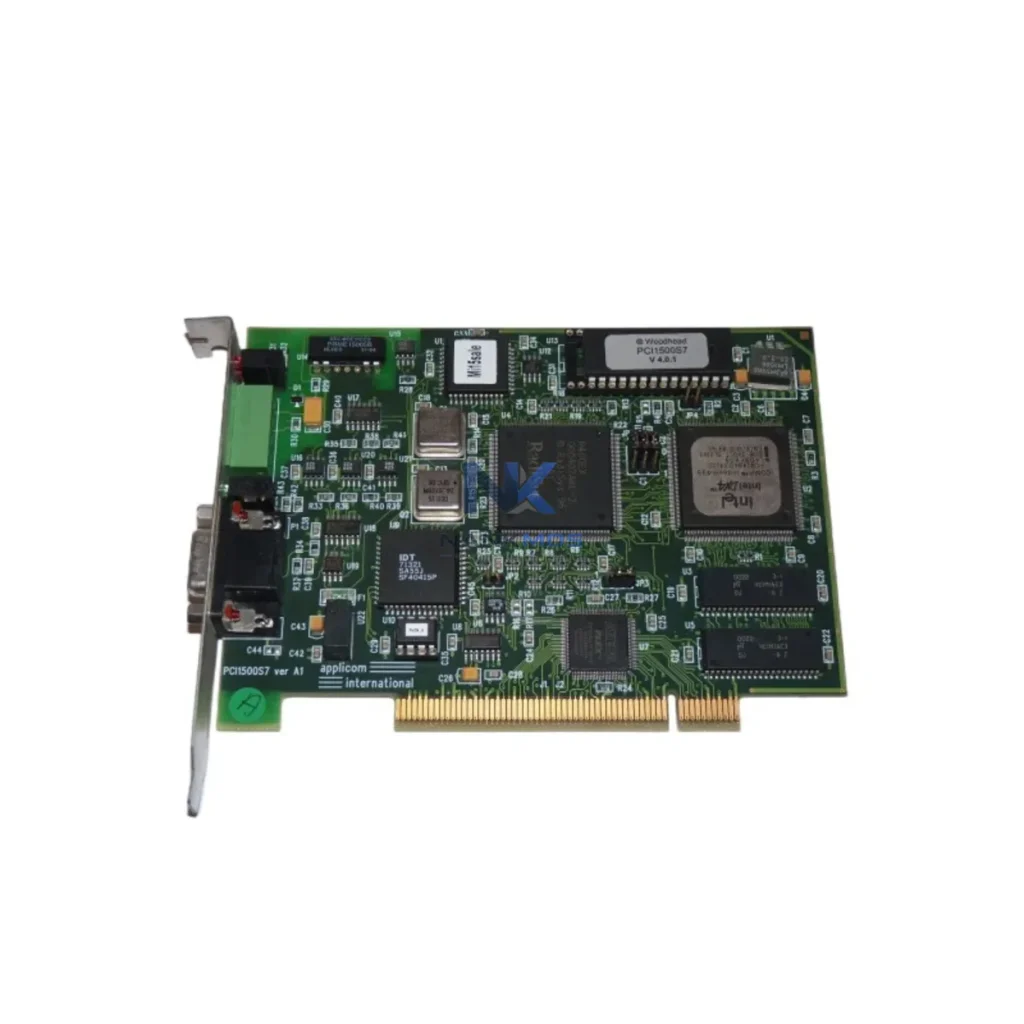
Woodward APP-PS7-PCI is a NANKMOS industrial automation product record Listed under Other series series and Business & Industrial > Automation, Control & Flow Devices > Programmable Logic Controllers. Confirm condition, availability, lead time, compatibility and documentation by email inquiry.
| Manufacturer | Woodward |
|---|---|
| Application | Control System Power Support |
| Part Number / Model | APP-PS7-PCI |
| Compatible System | Confirmed by inquiry |
| Condition Options | To Confirm |
| Module Type | Power Supply Module |
| Warranty | 12 Months |
| Packaging | Anti-static Bag / Secure Box |
| Shipping Methods | DHL / FedEx / UPS / Air / Sea |
| Availability | To Confirm |
| Lead Time | To Confirm |
| Documentation | Part number and revision checked before quote |
The WOODWARD APP-PS7-PCI is a dedicated backplane power supply module engineered for seamless integration within the APP-PS7 programmable control platform. Designed to deliver stable, regulated DC power directly to the APP-PS7 backplane bus, this module ensures that every CPU, I/O, and communication card seated in the rack receives clean, uninterrupted power — a foundational requirement for deterministic control in demanding industrial environments.
In modern industrial automation, power integrity is not a peripheral concern — it is the backbone of system reliability. The APP-PS7-PCI addresses this by providing a dedicated power conversion stage that isolates the backplane from upstream AC line disturbances, voltage sags, and transient spikes. This isolation is critical in environments such as petrochemical processing, power generation, water treatment, and heavy manufacturing, where grid instability can propagate into control logic and cause unplanned shutdowns or data corruption in the controller's memory.
The module is architected to support the full APP-PS7 rack ecosystem. Whether the system is configured with a single-rack standalone controller or a multi-rack distributed I/O architecture, the APP-PS7-PCI provides the consistent power foundation that allows the system integrator to scale without re-engineering the power distribution layer. Its plug-in backplane form factor eliminates external wiring between the power supply and the bus, reducing installation time and eliminating a common source of field wiring errors.
From a system architecture perspective, the APP-PS7-PCI operates at the power layer — the lowest and most critical tier of the control hierarchy. Above it, the APP-PS7 CPU module executes the control program, managing scan cycles, PID loops, sequence logic, and communication polling. The CPU's deterministic performance is directly dependent on the stability of its supply voltage; any ripple or dropout at the backplane level will manifest as erratic I/O behavior, communication timeouts, or in worst cases, controller faults. The APP-PS7-PCI's regulated output ensures that the CPU and all co-resident modules operate within their specified voltage windows at all times.
At the I/O layer, digital and analog I/O modules — such as the APP-DI16, APP-DO16, APP-AI8, and APP-AO4 — draw their operating power from the same backplane bus. Signal accuracy in analog modules is particularly sensitive to power quality; a noisy supply rail will introduce offset errors and noise floors that degrade measurement resolution. By providing a clean, low-ripple DC bus, the APP-PS7-PCI directly contributes to the signal fidelity of every analog channel in the rack, which is essential in applications such as flow metering, pressure monitoring, and temperature control in process industries.
At the communication layer, gateway and fieldbus modules — including PROFIBUS-DP masters, MODBUS RTU/TCP bridges, and EtherNet/IP adapters — require stable power to maintain their communication stacks and buffer incoming/outgoing data frames. Communication dropouts caused by power instability are among the most difficult faults to diagnose in the field, as they often appear intermittent and do not generate hard fault codes. The APP-PS7-PCI eliminates this failure mode by ensuring that communication modules receive uninterrupted, within-spec power throughout the operating cycle.
For HMI integration, operator panels and SCADA gateways connected to the APP-PS7 platform rely on the controller's communication ports remaining active. Power instability at the backplane level can cause the CPU's communication co-processor to reset, dropping active HMI sessions and requiring operator intervention to re-establish the connection. In 24/7 production environments, this is unacceptable. The APP-PS7-PCI's stable output ensures that the CPU's communication subsystem remains continuously active, supporting uninterrupted SCADA data acquisition and HMI display refresh.
In redundant control architectures, where a secondary APP-PS7 CPU module is configured in hot-standby mode, the power supply layer must be equally redundant. The APP-PS7-PCI supports redundant power configurations by allowing two units to be installed in parallel on the same backplane, with automatic load sharing and failover. This means that if one power supply module develops a fault, the second unit assumes the full load without any interruption to the control program — a critical capability for applications in power generation, oil and gas, and water treatment where unplanned shutdowns carry significant safety and financial consequences.
From a maintenance and diagnostics perspective, the APP-PS7-PCI is designed for in-service replacement. Its hot-swap capability (where supported by the rack configuration) allows maintenance technicians to replace a degraded power supply module without powering down the rack, minimizing maintenance windows and reducing the risk of process upsets during planned maintenance. The module's status indicators provide immediate visual feedback on output voltage health, allowing technicians to identify a degrading supply before it causes a system fault.
Long-term inventory availability is a key consideration for plant engineers responsible for maintaining aging control systems. WOODWARD's APP-PS7 platform has a well-established installed base across turbine control, generator management, and process automation applications. The APP-PS7-PCI is stocked to support both new system builds and long-term spare parts programs, ensuring that replacement units are available on short lead times without requiring costly emergency procurement.
Every APP-PS7-PCI unit shipped by NANKMOS undergoes pre-shipment functional testing, including output voltage verification, ripple measurement, and load regulation testing, before dispatch. This ensures that the unit arrives on-site ready for installation without requiring incoming inspection. All units are covered by a 12-Month Warranty from the date of shipment, providing assurance of product quality and long-term support.
The APP-PS7-PCI is the power foundation upon which the entire APP-PS7 control platform is built. In a fully configured APP-PS7 rack, the power supply module co-exists with the APP-PS7 CPU module (the primary control processor executing turbine or process control logic), APP-DI16 digital input modules (for discrete sensor and switch inputs), APP-DO16 digital output modules (for relay and solid-state actuator control), APP-AI8 analog input modules (for 4–20 mA and voltage signal acquisition), and APP-AO4 analog output modules (for valve positioner and drive reference signals).
At the communication layer, the rack may host a PROFIBUS-DP master module for distributed I/O expansion, a MODBUS TCP/RTU gateway for SCADA integration, or an EtherNet/IP adapter for integration with Rockwell Automation supervisory systems. All of these modules draw their operating power from the backplane bus supplied by the APP-PS7-PCI, making the power supply module's reliability a system-wide concern rather than a module-level one.
In the HMI and supervisory layer, operator panels connected via RS-232 or Ethernet to the APP-PS7 CPU rely on the controller's communication ports remaining continuously active — a condition that is only guaranteed when the backplane power supply is operating within specification. For redundant architectures, a second APP-PS7-PCI unit installed in the same rack provides automatic failover, ensuring that a single power supply fault does not propagate into a system-level shutdown.
In the protection layer, the APP-PS7 platform may interface with signal isolators and surge protection modules at the field terminal level, ensuring that transient energy from field wiring does not reach the backplane bus. The APP-PS7-PCI's regulated output complements these protection measures by providing a stable reference voltage that allows the CPU to accurately detect and respond to field fault conditions.
Turbine and Generator Control: The APP-PS7 platform is widely deployed in gas turbine and steam turbine control applications, where the APP-PS7-PCI provides the stable backplane power required for high-speed governor control loops, fuel valve positioning, and speed/load management. In these applications, power supply reliability is directly linked to turbine availability and grid stability.
Power Generation and Substation Automation: In power plant auxiliary systems and substation automation panels, the APP-PS7-PCI supports continuous operation of protection relay interfaces, SCADA communication modules, and alarm management systems. Its redundant power capability is particularly valued in grid-connected applications where unplanned controller restarts can trigger protection relay misoperations.
Petrochemical and Refinery Process Control: In hazardous area control panels and safe-area marshalling cabinets, the APP-PS7-PCI provides the clean DC power required for intrinsically safe barrier interfaces, analog signal conditioning modules, and fieldbus communication cards. Its stable output ensures that analog measurement accuracy is maintained across the full operating temperature range of the control room environment.
Water and Wastewater Treatment: Municipal water treatment facilities rely on the APP-PS7 platform for pump sequencing, chemical dosing control, and SCADA data acquisition. The APP-PS7-PCI's long-term reliability and availability as a spare part are critical for these applications, where control system downtime directly impacts public health infrastructure.
Mining and Mineral Processing: In conveyor control, crusher management, and flotation cell automation, the APP-PS7-PCI supports continuous operation in high-vibration, high-dust environments. Its robust backplane mounting ensures that the power supply remains securely seated even under the mechanical stress conditions common in mining plant control rooms.
Q1: Is the APP-PS7-PCI compatible with all APP-PS7 rack configurations, including expanded multi-rack systems?A: Yes. The APP-PS7-PCI is designed for the APP-PS7 backplane and is compatible with all standard APP-PS7 rack sizes. In multi-rack configurations, each rack requires its own APP-PS7-PCI unit. The power supply does not need to be reconfigured when additional I/O racks are added to the system, as each rack's backplane is independently powered.
Q2: Can two APP-PS7-PCI units be installed in the same rack for redundancy, and how does failover work?A: Redundant power supply configurations are supported in APP-PS7 racks that have dual power supply slots. When two APP-PS7-PCI units are installed, they operate in load-sharing mode under normal conditions. If one unit develops a fault, the second unit automatically assumes the full backplane load without interrupting the CPU's control program or causing a communication dropout. This failover is transparent to the control application and does not require operator intervention.
Q3: What is the warranty coverage for the APP-PS7-PCI, and what does NANKMOS's pre-shipment testing include?A: Every APP-PS7-PCI unit supplied by NANKMOS is covered by a 12-Month Warranty from the date of shipment. Pre-shipment testing includes output voltage verification under load, ripple and noise measurement, load regulation testing across the specified output current range, and visual inspection for physical damage. Units that do not pass all test criteria are quarantined and not dispatched. This testing protocol ensures that every unit arrives on-site ready for installation without requiring incoming inspection by the customer's engineering team.
Functional Inspection100% tested on professional platforms to ensure stable performance.
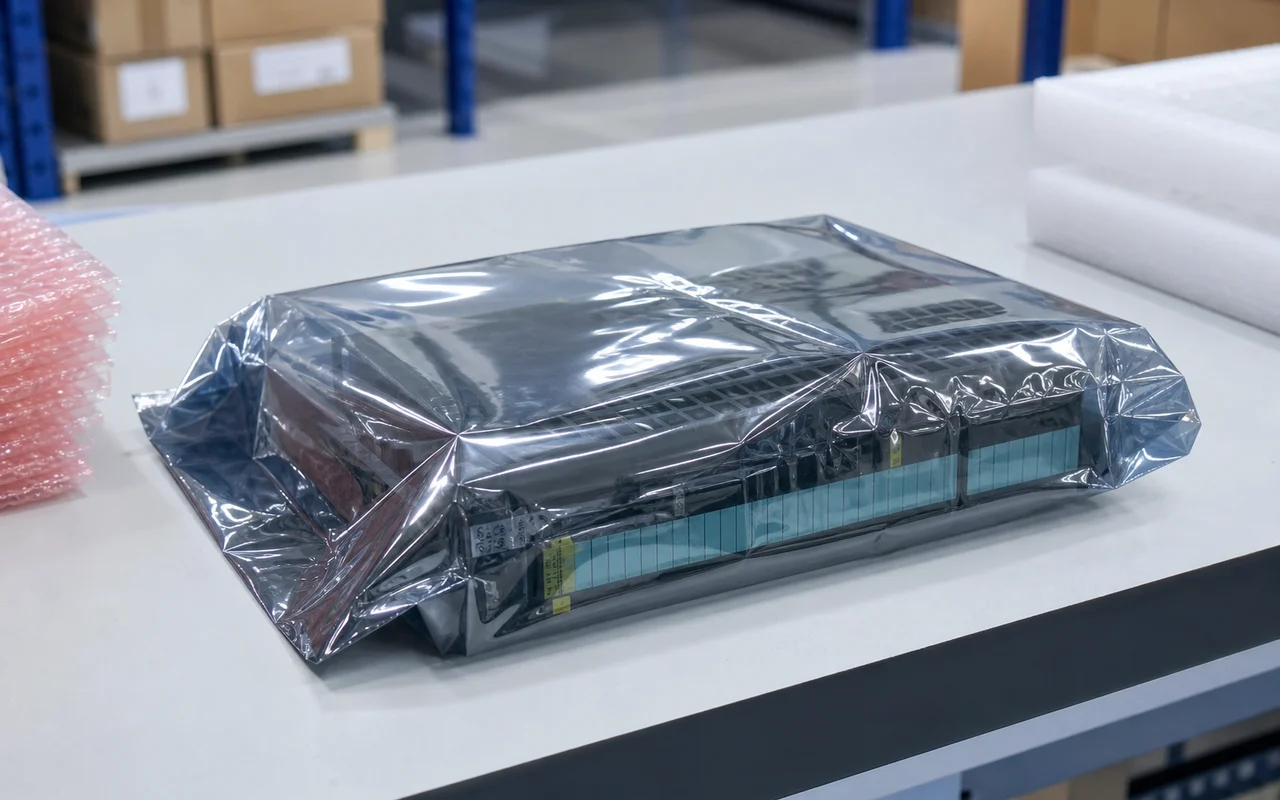 Anti-static Packaging
Modules are packed in anti-static bags to prevent electrostatic damage.
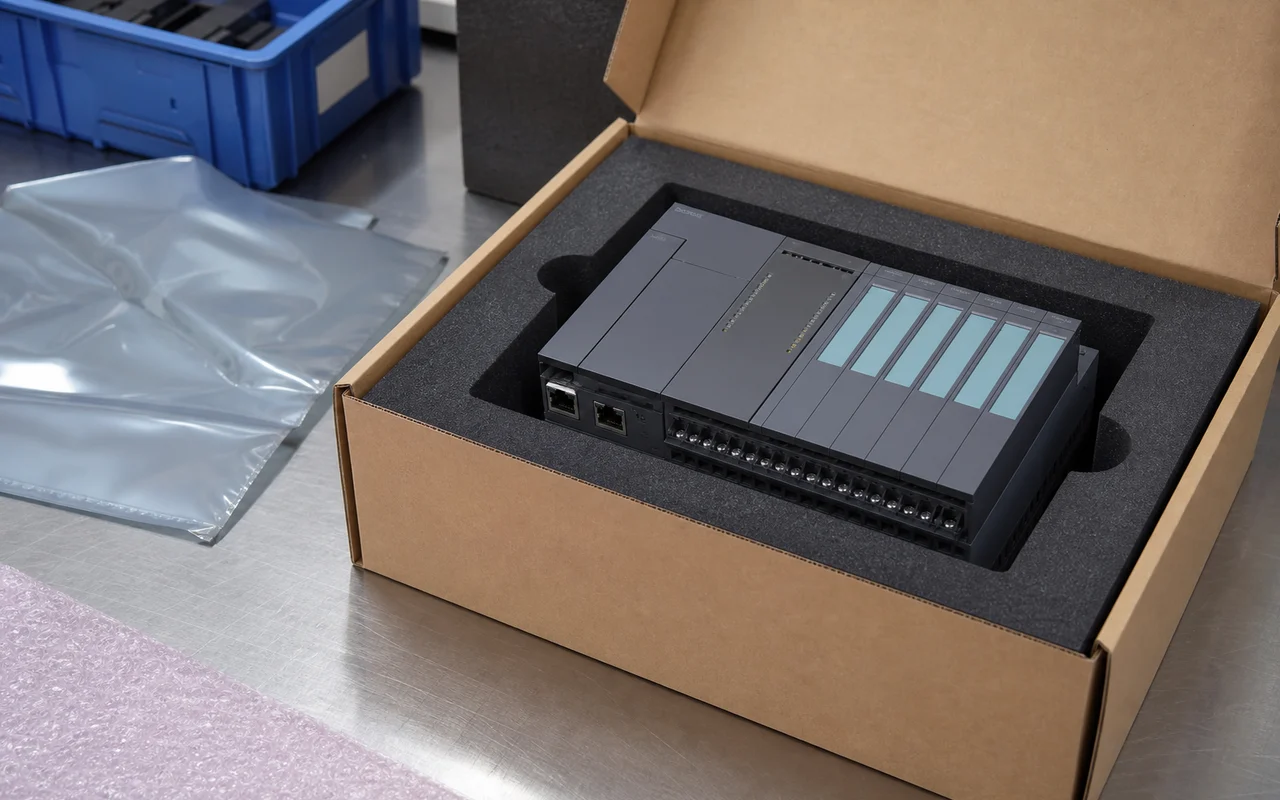 Secure Export Packing
Cushion protection and strong cartons ensure safe transportation.
 Worldwide Shipping
Global logistics network supports air, sea and express delivery.
 Documentation Check
Part number, revision and compatibility verified before shipment.
 After-sales Support
Professional technical support to help resolve your issues.