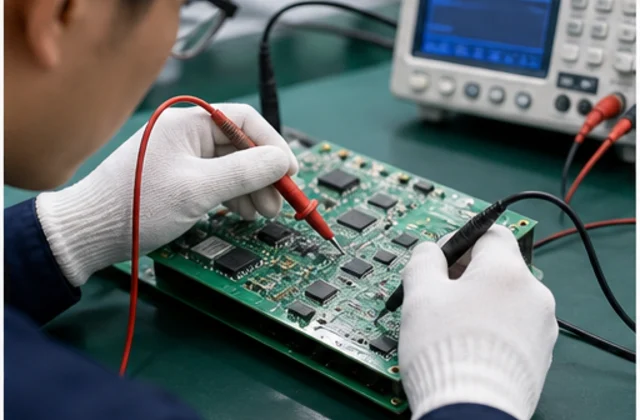
 Functional Inspection
100% tested on professional platforms to ensure stable performance.
ABB SDCS-AMC-DC-2COAT 3ADT220090R0040 is a NANKMOS industrial automation product record Listed under S800 series and Drives. Confirm condition, availability, lead time, compatibility and documentation by email inquiry.
Brand names are used for identification only.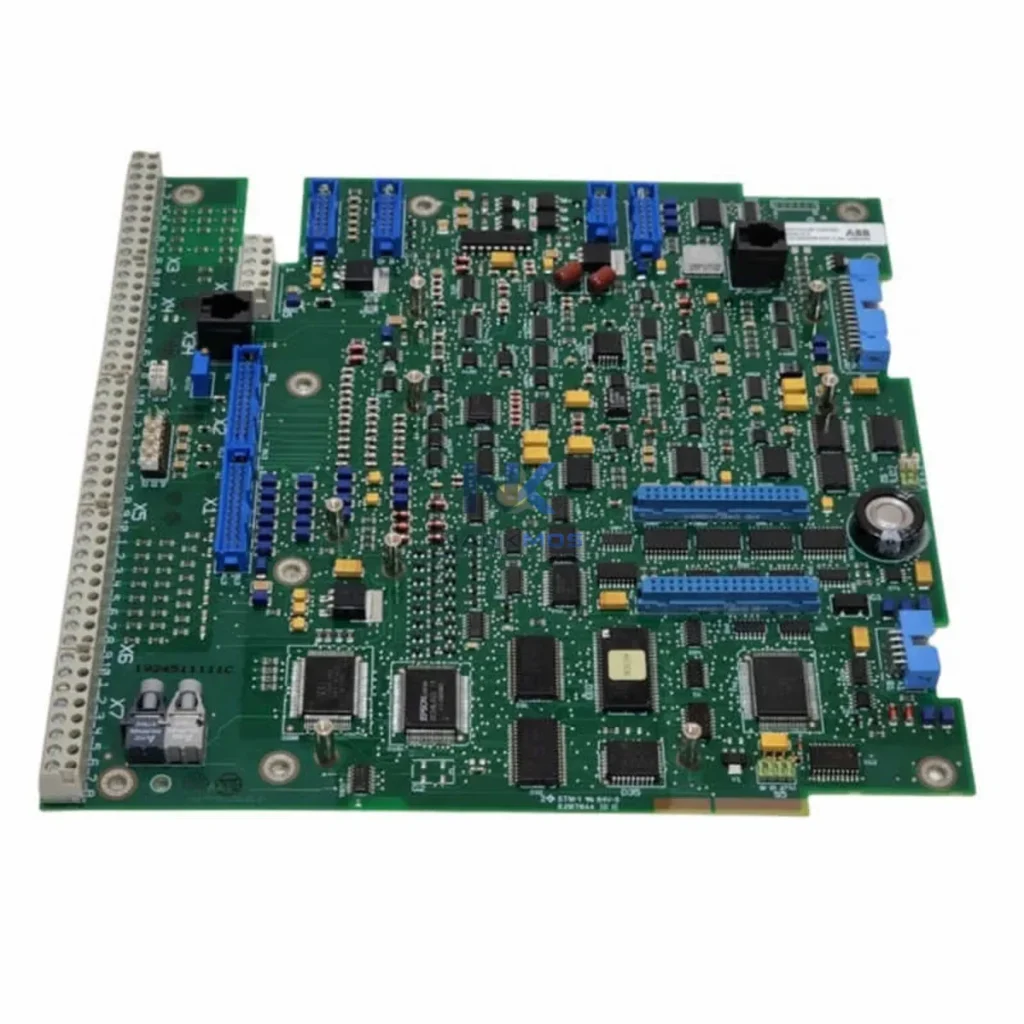
ABB SDCS-AMC-DC-2COAT 3ADT220090R0040 is a NANKMOS industrial automation product record Listed under S800 series and Drives. Confirm condition, availability, lead time, compatibility and documentation by email inquiry.
| Manufacturer | ABB |
|---|---|
| Application | Motion Control & Drive System |
| Part Number / Model | SDCS-AMC-DC-2COAT 3ADT220090R0040 |
| Compatible System | S800 |
| Series | S800 |
| Condition Options | To Confirm |
| Module Type | Servo / Drive Module |
| Warranty | 12 Months |
| Packaging | Anti-static Bag / Secure Box |
| Shipping Methods | DHL / FedEx / UPS / Air / Sea |
| Availability | To Confirm |
| Lead Time | To Confirm |
| Documentation | Part number and revision checked before quote |
The ABB SDCS-AMC-DC-2COAT (Part No. 3ADT220090R0040) is an Advanced Motor Control board engineered for the ABB DCS800 series DC drive platform. Designed with dual conformal coating for reliable operation in harsh industrial environments — including high-humidity, dust-laden, and chemically aggressive production floors — this control board serves as the intelligent communication and processing core of the DCS800 drive system. It enables seamless data exchange between field-level DC drive hardware and upper-level automation systems, forming a critical node in the smart factory data chain.
In modern industrial automation architectures, the SDCS-AMC-DC-2COAT functions as more than a drive controller. It acts as a protocol-aware data bridge, translating drive-level signals into structured data streams that feed SCADA platforms, DCS controllers, HMI terminals, and MES systems. Whether deployed in steel rolling mills, paper machines, crane drives, or large-scale process lines, this board ensures that real-time motor performance data — speed, torque, current, fault codes — is continuously available to supervisory systems for monitoring, diagnostics, and optimization.
The SDCS-AMC-DC-2COAT sits at the intersection of drive-level hardware and plant-wide data infrastructure. In a typical smart factory deployment, the data flow begins at the motor shaft — where encoders and tachometers feed real-time speed and position signals into the DCS800 drive. The SDCS-AMC-DC-2COAT processes these signals, executes closed-loop control algorithms, and simultaneously packages drive status data for transmission upstream.
Via the DDCS fiber optic interface, the board communicates directly with ABB's AC800M DCS controller or with an RDCO-02 DDCS communication adapter, which bridges the drive network to a PROFIBUS-DP segment. This PROFIBUS backbone connects to Siemens S7-300/S7-400 PLCs or ABB AC500 PLCs acting as supervisory controllers, enabling coordinated multi-drive sequencing across a production line. The PLC layer aggregates drive data and forwards it to a SCADA platform — such as ABB System 800xA or Wonderware InTouch — where operators monitor torque curves, current profiles, and fault histories in real time.
For sites requiring Modbus RTU integration, the SDCS-AMC-DC-2COAT's serial interface connects to an industrial protocol gateway — such as the Moxa MGate MB3170 or HMS Anybus Communicator — which translates Modbus registers into EtherNet/IP or PROFINET frames for higher-level network segments. This gateway layer also feeds data to edge computing nodes running IIoT analytics, enabling predictive maintenance algorithms to flag bearing wear or armature degradation before a fault occurs.
HMI terminals — including ABB CP600 panels or Siemens TP700 Comfort panels — connect to the PROFIBUS or Modbus segment to display live drive parameters: output voltage, armature current, field current, speed reference vs. actual, and active fault codes. Operators can issue speed setpoint changes or initiate controlled stops directly from the HMI, with commands routed back through the PLC to the SDCS-AMC-DC-2COAT in milliseconds.
Remote I/O modules — such as ABB S900 remote I/O or Phoenix Contact Axioline F — extend the digital and analog signal reach of the control system, connecting limit switches, temperature sensors, and pressure transmitters to the same data backbone. These field signals are time-stamped and logged by the SCADA historian, creating a complete audit trail for quality management and regulatory compliance.
At the network infrastructure layer, industrial managed switches — such as the Hirschmann RS20 or Cisco IE-2000 — provide the Ethernet backbone that carries PROFINET and EtherNet/IP traffic between PLCs, SCADA servers, and engineering workstations. The SDCS-AMC-DC-2COAT's data ultimately flows through this switched network to the MES layer, where production KPIs — including drive uptime, energy consumption per cycle, and throughput rates — are calculated and reported to plant management dashboards.
For energy monitoring, the drive's power consumption data — extracted via the SDCS-AMC-DC-2COAT's analog output channels — feeds into energy metering modules such as the ABB M2M energy gateway or Schneider Electric PowerLogic ION meters, enabling ISO 50001-aligned energy management and carbon footprint tracking per production batch.
Many legacy DC drive installations suffer from data isolation: the drive operates reliably at the field level but contributes no visibility to the plant's digital infrastructure. Operators rely on manual readings, paper logs, and reactive maintenance — a model incompatible with Industry 4.0 requirements. The SDCS-AMC-DC-2COAT directly addresses these gaps.
Protocol Fragmentation: Sites running mixed PROFIBUS, Modbus, and proprietary DDCS networks struggle to unify drive data. The SDCS-AMC-DC-2COAT's multi-protocol architecture — combined with compatible gateway adapters — allows a single DCS800 drive to participate in multiple network segments simultaneously, eliminating the need for manual data transcription between systems.
Data Silos: Without a capable control board, drive fault histories, energy consumption trends, and performance degradation signals remain trapped at the drive level. The SDCS-AMC-DC-2COAT enables continuous data streaming to SCADA historians, breaking down silos and enabling cross-system correlation — for example, linking a torque spike event to a simultaneous upstream conveyor jam detected by a separate PLC.
Remote Monitoring Limitations: In multi-site or geographically distributed plants, engineers cannot physically inspect every drive. The SDCS-AMC-DC-2COAT's network connectivity allows remote diagnostic access via SCADA or DCS workstations, enabling engineers to read fault buffers, adjust speed references, and verify control loop performance from a central control room or via secure VPN access.
Production Line Transparency: The board's real-time data output supports OEE (Overall Equipment Effectiveness) calculations by feeding actual run time, fault downtime, and speed deviation data to MES systems — giving production managers accurate, live visibility into line performance without manual data collection.
Alarm Tracking and Escalation: Integrated with SCADA alarm management systems, the SDCS-AMC-DC-2COAT's fault output signals trigger structured alarm workflows — notifying maintenance teams via SMS or email, logging response times, and escalating unresolved faults to supervisory personnel automatically.
System Scalability: As production lines expand, additional DCS800 drives equipped with SDCS-AMC-DC-2COAT boards can be added to the existing DDCS fiber ring or PROFIBUS segment without redesigning the network architecture, supporting phased capacity expansion with minimal integration effort.
Q1: What communication protocols does the SDCS-AMC-DC-2COAT support, and how does it integrate with existing SCADA systems?The SDCS-AMC-DC-2COAT natively supports ABB's DDCS fiber optic protocol for high-speed drive-to-controller communication. With the RDCO-02 adapter, it extends to PROFIBUS-DP, enabling direct integration with Siemens, ABB, and Rockwell SCADA/DCS platforms. Modbus RTU is supported via the serial interface, and EtherNet/IP or PROFINET connectivity is achievable through compatible industrial protocol gateways. This multi-protocol flexibility ensures the board can be integrated into virtually any existing plant network without requiring a full infrastructure overhaul.
Q2: How does the dual conformal coating (2COAT) affect long-term network reliability in harsh environments?The dual conformal coating protects all PCB traces, solder joints, and electronic components from moisture ingress, corrosive gases, conductive dust, and thermal cycling — all common in steel, paper, chemical, and mining plant environments. This protection directly reduces the risk of communication dropouts caused by corrosion-induced signal degradation, ensuring that the board's network interfaces maintain stable, low-latency data transmission throughout its service life. Sites with aggressive environments should always specify the 2COAT variant over standard uncoated boards.
Q3: Can the SDCS-AMC-DC-2COAT support remote diagnostics and predictive maintenance workflows?Yes. The board continuously exposes drive health parameters — including armature current, field current, DC bus voltage, speed error, and active fault codes — via its communication interfaces. When connected to a SCADA historian or IIoT edge gateway, these parameters can be trended over time to detect early signs of degradation, such as increasing current draw at constant load or growing speed regulation error. Maintenance teams can access this data remotely via SCADA workstations or secure remote access solutions, enabling condition-based maintenance scheduling without on-site inspection.
Q4: What warranty and pre-shipment testing does this board include?Every SDCS-AMC-DC-2COAT 3ADT220090R0040 unit supplied by NANKMOS is covered by a 12-month warranty from the date of shipment. Prior to dispatch, each board undergoes functional verification testing to confirm communication interface integrity, control output accuracy, and firmware operability. Units are shipped in anti-static packaging with appropriate physical protection to prevent transit damage. In-stock units are available for immediate dispatch, minimizing lead times for urgent maintenance and replacement requirements.
Functional Inspection100% tested on professional platforms to ensure stable performance.
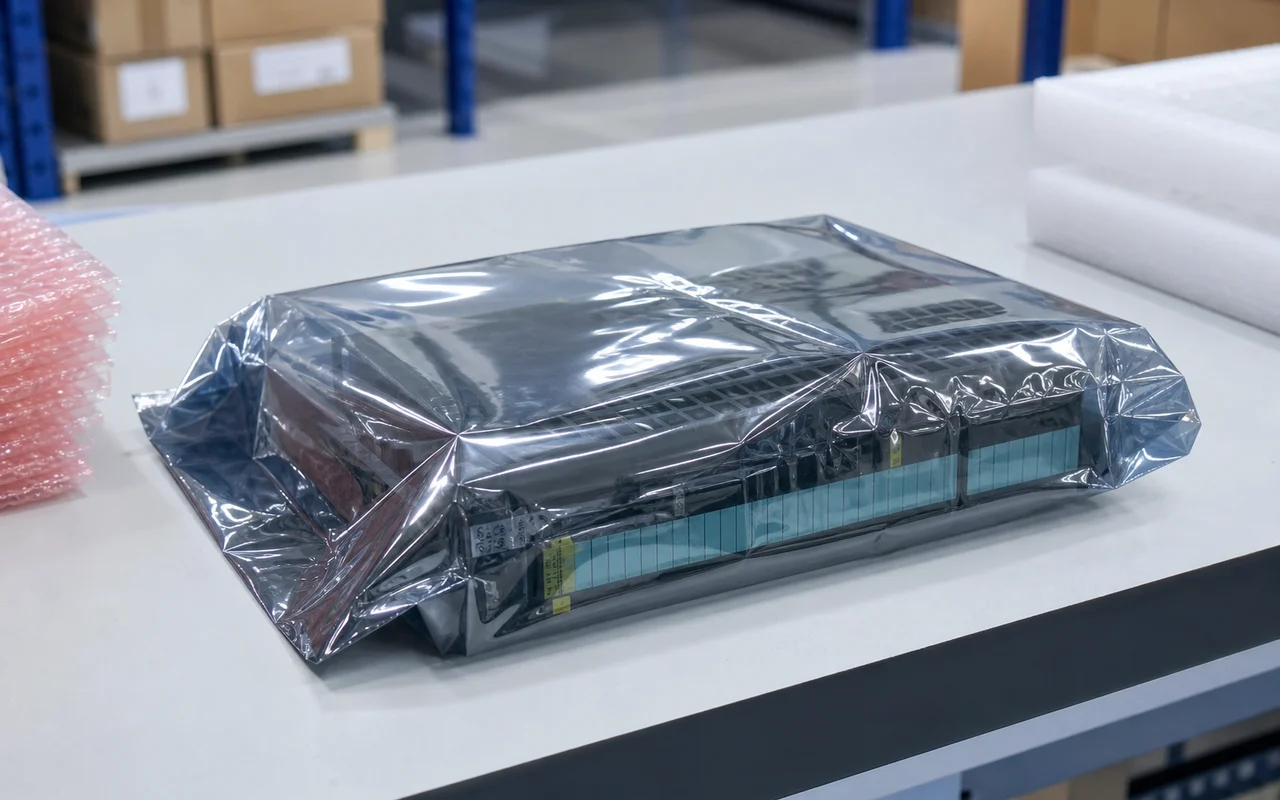 Anti-static Packaging
Modules are packed in anti-static bags to prevent electrostatic damage.
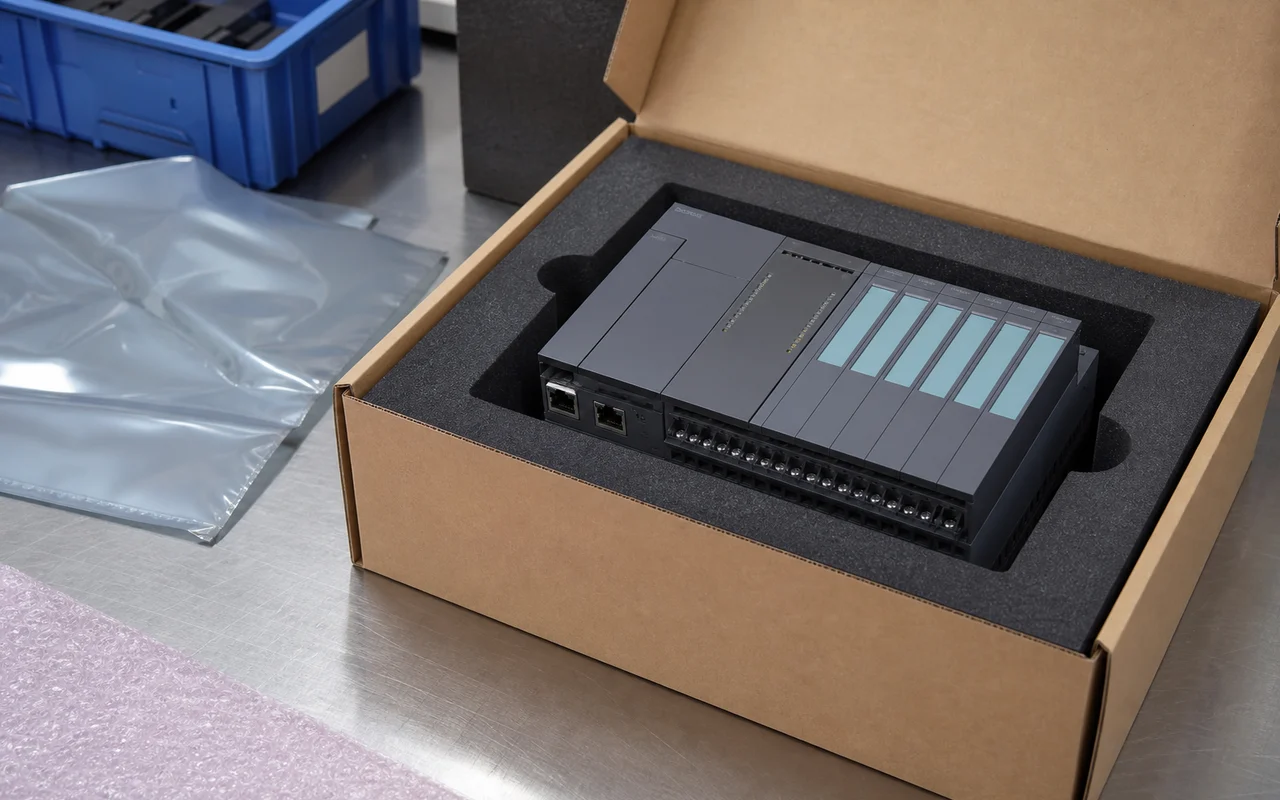 Secure Export Packing
Cushion protection and strong cartons ensure safe transportation.
 Worldwide Shipping
Global logistics network supports air, sea and express delivery.
 Documentation Check
Part number, revision and compatibility verified before shipment.
 After-sales Support
Professional technical support to help resolve your issues.