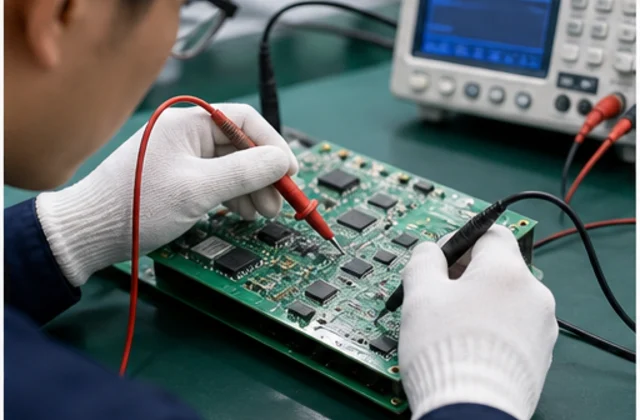
 Functional Inspection
100% tested on professional platforms to ensure stable performance.
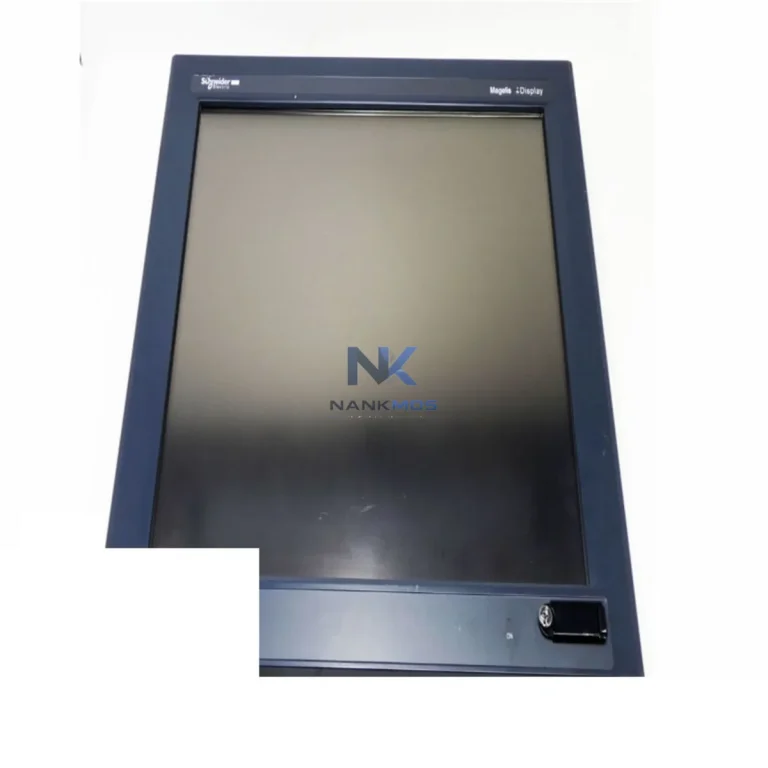
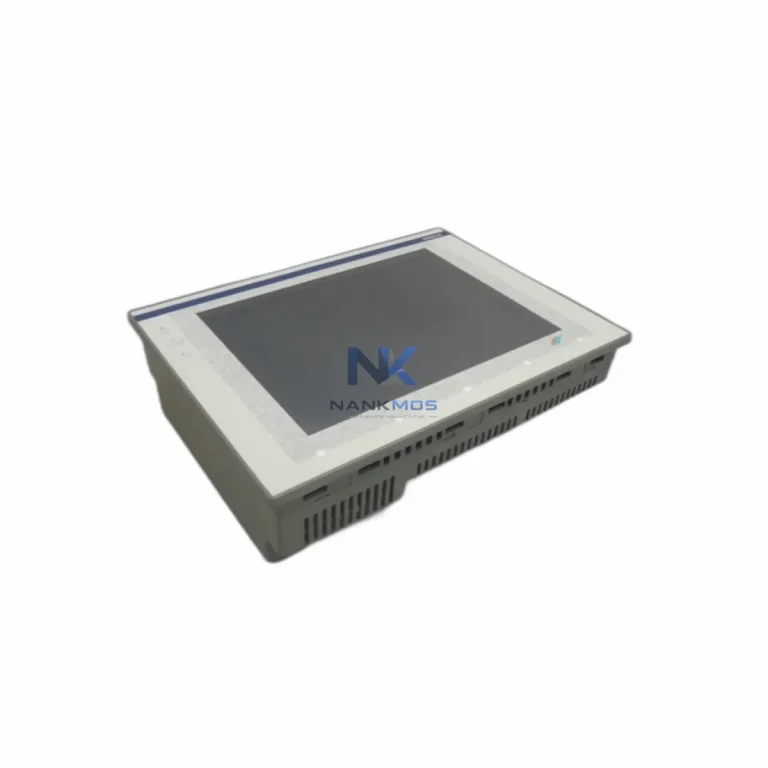
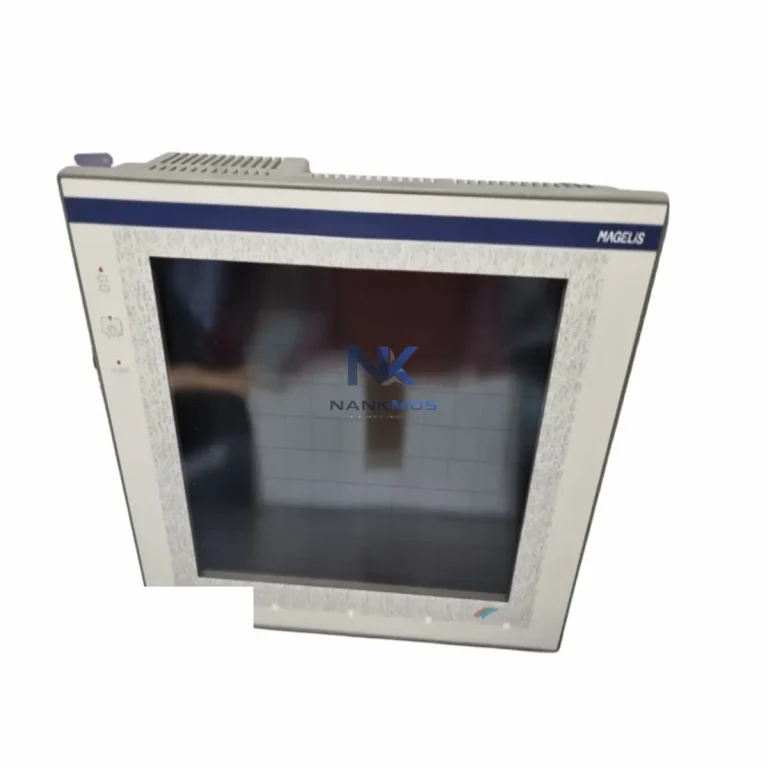
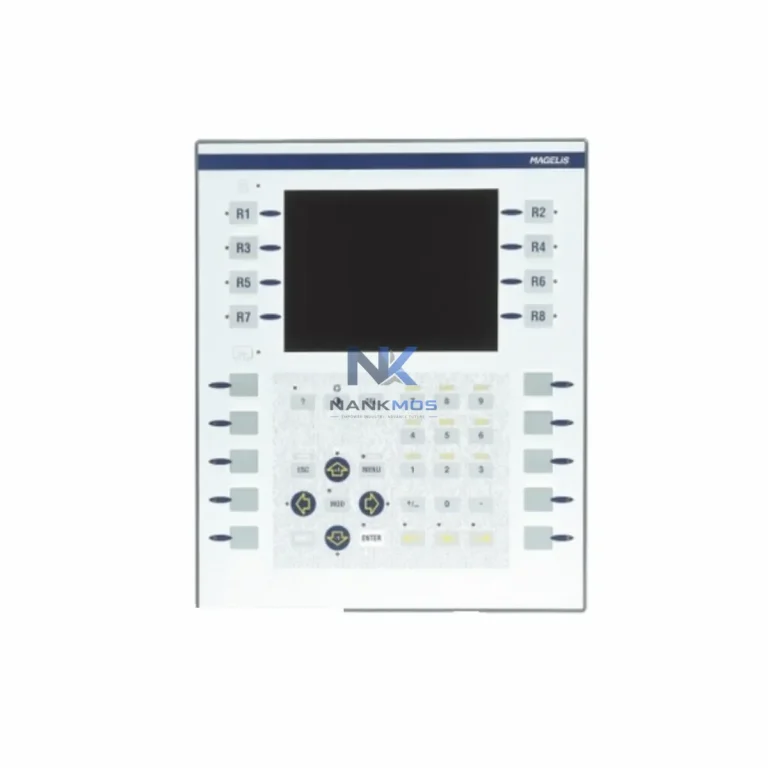
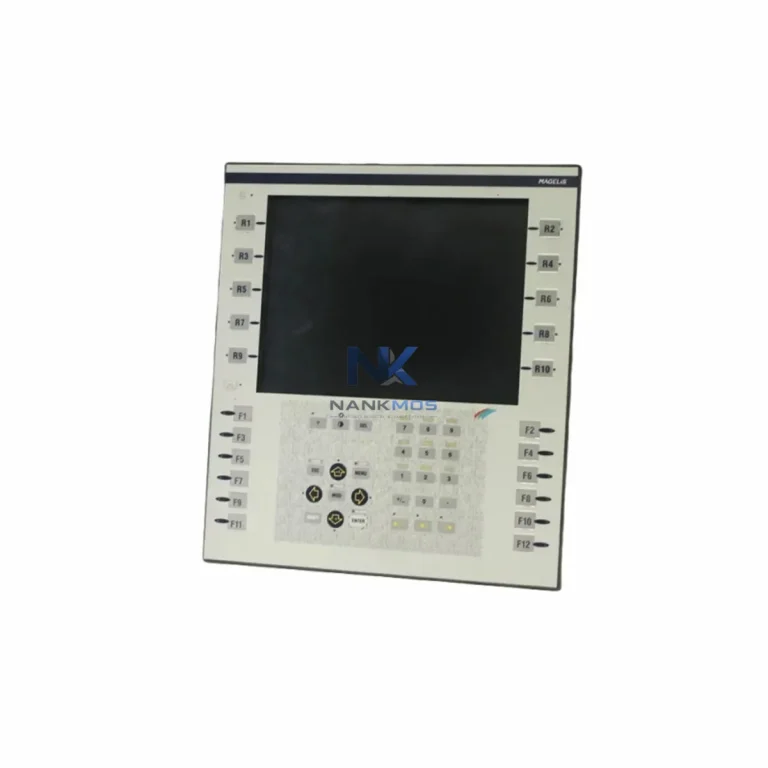
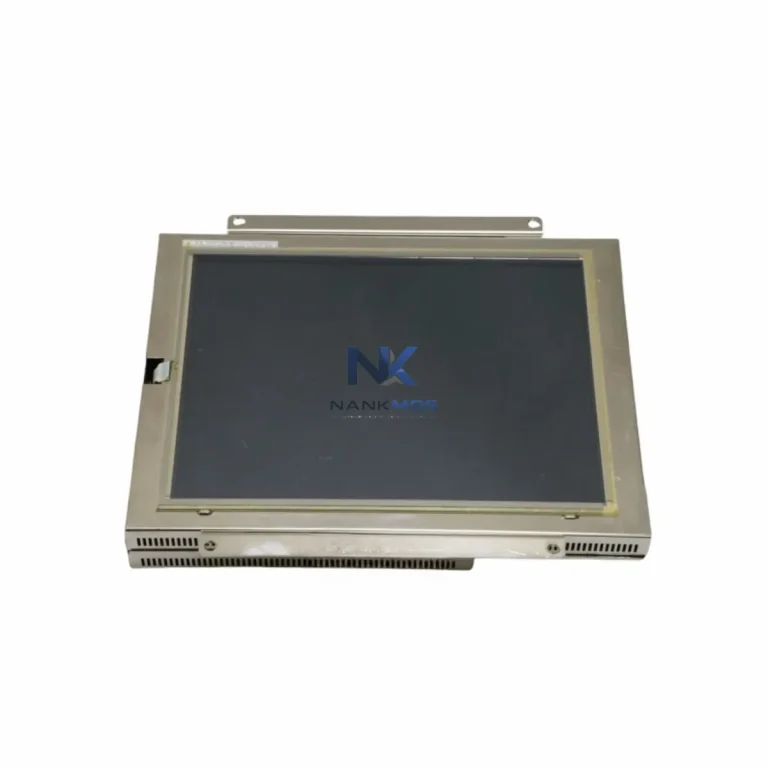
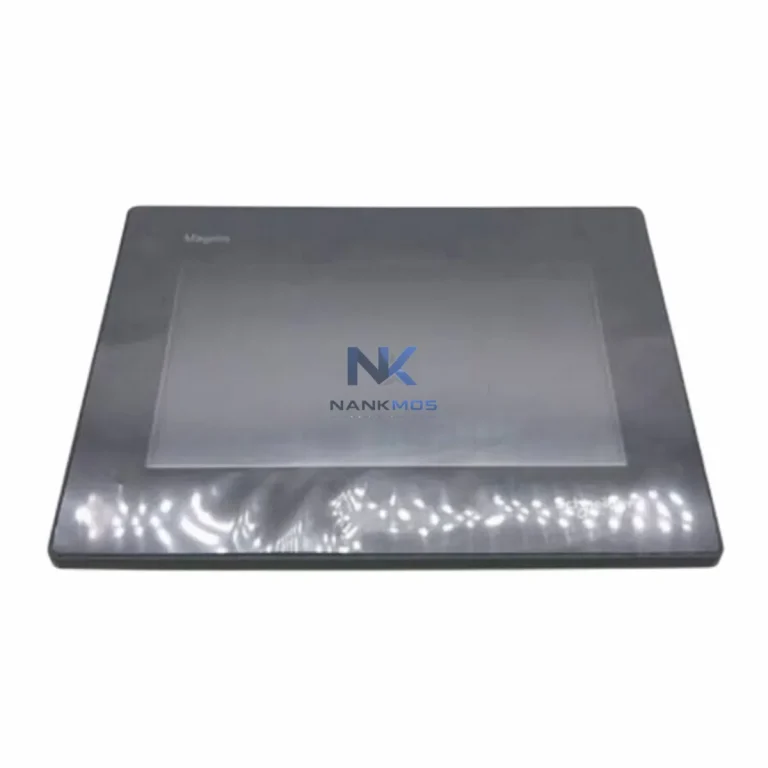
Schneider Electric HMIGTO5310 is a NANKMOS industrial automation product record Listed under Magelis series and HMI Panels. Confirm condition, availability, lead time, compatibility and documentation by email inquiry.
Brand names are used for identification only.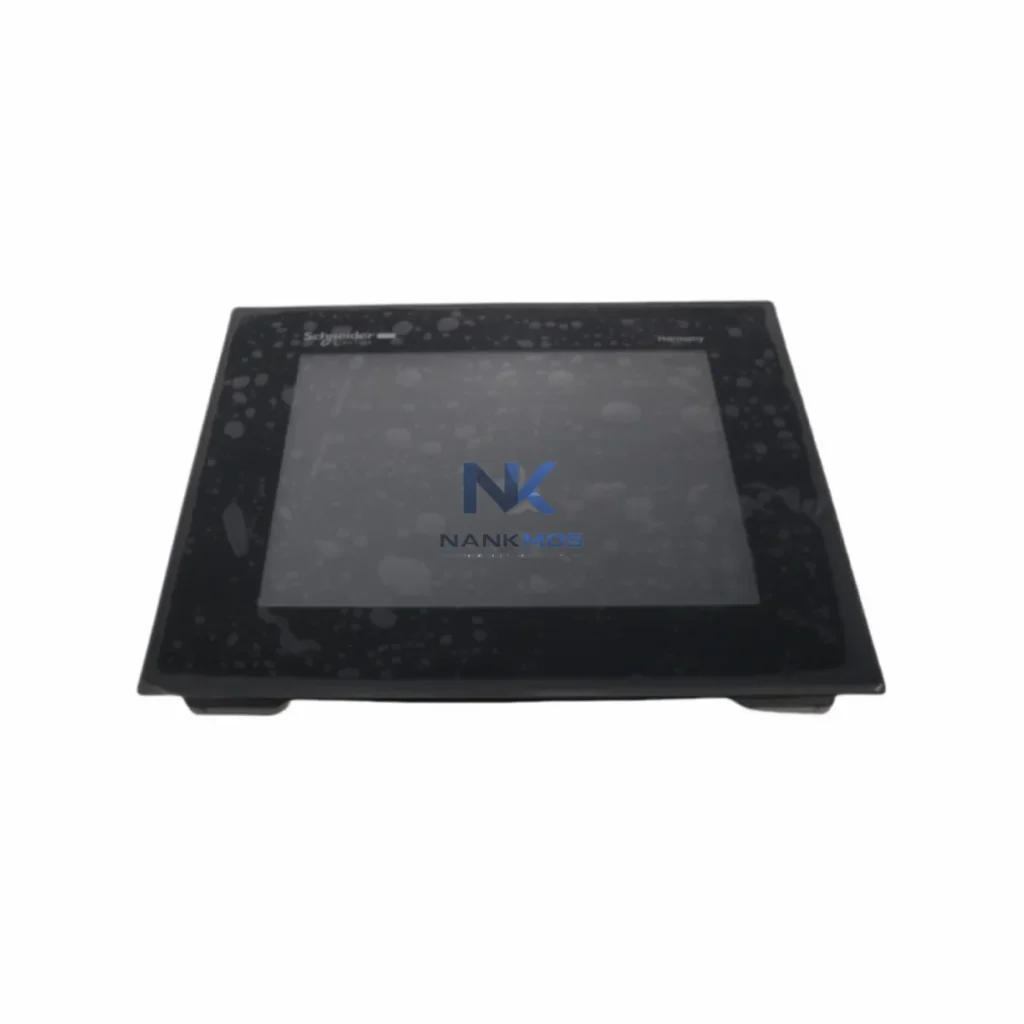
Schneider Electric HMIGTO5310 is a NANKMOS industrial automation product record Listed under Magelis series and HMI Panels. Confirm condition, availability, lead time, compatibility and documentation by email inquiry.
| Manufacturer | Schneider Electric |
|---|---|
| Application | Industrial Automation Maintenance |
| Part Number / Model | HMIGTO5310 |
| Compatible System | Magelis |
| Series | Magelis |
| Condition Options | To Confirm |
| Module Type | HMI Panels |
| Warranty | 12 Months |
| Packaging | Anti-static Bag / Secure Box |
| Shipping Methods | DHL / FedEx / UPS / Air / Sea |
| Availability | To Confirm |
| Lead Time | To Confirm |
| Documentation | Part number and revision checked before quote |
The Schneider Electric HMIGTO5310 is a high-performance Magelis GTO series Human-Machine Interface engineered for demanding industrial environments where seamless data connectivity, real-time visualization, and multi-protocol communication are mission-critical. Designed to serve as the central node in a smart factory data architecture, the HMIGTO5310 bridges field-level devices—sensors, actuators, and remote I/O modules—with upper-level control and supervisory systems including PLCs, SCADA platforms, and MES infrastructure.
In modern automated production lines, data flows continuously from the physical layer upward through the control hierarchy. The HMIGTO5310 sits at the intersection of this flow, collecting signals from field instruments and translating them into actionable visual information for operators. Whether monitoring a Schneider Modicon M340 PLC managing conveyor logic, receiving analog inputs from temperature and pressure transmitters, or displaying alarm states from a distributed remote I/O rack, the HMIGTO5310 ensures that every data point is captured, processed, and presented with minimal latency.
The HMIGTO5310 is purpose-built to anchor the data flow architecture of a connected factory. At the field level, it communicates directly with Schneider Modicon TM221 and TM241 PLCs via Modbus TCP over the plant Ethernet backbone, enabling real-time exchange of process variables, setpoints, and control commands. Simultaneously, its RS-485 serial port supports Modbus RTU connections to legacy field devices—variable frequency drives such as the Schneider ATV320 series, motor starters, and analog I/O modules—ensuring that older equipment is not left outside the data loop.
Remote I/O expansion is handled through Schneider TM3 and TM2 I/O modules connected to the host PLC, with status data aggregated and forwarded to the HMIGTO5310 for operator display. This architecture eliminates the need for separate local indicators at each I/O station, centralizing alarm management and process visualization on a single high-resolution touchscreen interface. When a sensor threshold is breached—whether a thermocouple on a heat treatment furnace or a flow meter on a chemical dosing line—the HMIGTO5310 triggers an on-screen alarm, logs the event with a timestamp, and can relay the alert upstream to a SCADA server running Schneider EcoStruxure Operator Terminal Expert or a third-party supervisory platform via OPC-DA or Modbus TCP.
For facilities deploying edge computing architectures, the HMIGTO5310 integrates naturally with industrial edge gateways positioned between the plant floor and the cloud or enterprise network. Data collected by the HMI—cycle counts, energy consumption readings from Schneider PM5000 series power meters, batch completion flags, and equipment runtime hours—can be forwarded to edge nodes for local analytics before being pushed to cloud-based dashboards or ERP systems. This layered approach ensures that time-sensitive control decisions remain local while historical and trend data flows upward for long-term analysis and predictive maintenance planning.
Industrial Ethernet switches, such as managed switches supporting IEEE 802.1Q VLAN segmentation, are deployed between the HMIGTO5310, the PLC network, and the SCADA server to ensure deterministic communication and network isolation between control and information traffic. This separation is critical in environments where cybersecurity and network stability are regulatory requirements. The HMIGTO5310's 10/100 Mbps Ethernet port supports standard industrial network topologies including star, ring, and daisy-chain configurations, providing flexibility for both greenfield installations and brownfield retrofits.
One of the most persistent challenges in industrial automation is the coexistence of multiple communication protocols across different generations of equipment. A single production line may include a Schneider Modicon M580 PLC communicating over EtherNet/IP, legacy drives using Modbus RTU over RS-485, and third-party sensors with proprietary serial interfaces. The HMIGTO5310 addresses this heterogeneity through its multi-port communication architecture, acting as a protocol bridge that normalizes data from disparate sources into a unified operator view.
Data silos—isolated pockets of process information that never reach the control room—are eliminated when the HMIGTO5310 is deployed as the primary visualization layer. By aggregating inputs from multiple PLCs, remote I/O racks, and field instruments, it creates a single source of truth for operators, reducing the risk of missed alarms and delayed responses. Remote monitoring capabilities allow maintenance engineers to access live process data and historical trends from off-site locations via secure network connections, supporting predictive maintenance strategies and reducing unplanned downtime.
Production line transparency is further enhanced through the HMIGTO5310's data logging and reporting functions. Shift reports, batch records, and equipment utilization summaries can be generated directly on the HMI and exported for integration with MES or ERP platforms. Alarm tracking with configurable acknowledgment workflows ensures that every fault event is documented, reviewed, and resolved according to site safety procedures. As production requirements evolve, the HMIGTO5310's scalable communication architecture supports system expansion without requiring hardware replacement—additional PLCs, I/O modules, or network segments can be integrated by updating the HMI project configuration.
Q1: What communication protocols does the HMIGTO5310 support, and is it compatible with third-party PLCs?The HMIGTO5310 natively supports Modbus TCP/IP, Modbus RTU, and Uni-Telway protocols, making it compatible with Schneider Modicon PLCs as well as a wide range of third-party controllers that implement standard Modbus. For EtherNet/IP or PROFIBUS connectivity, protocol gateways can be deployed in the network architecture to bridge communication between the HMI and non-native devices.
Q2: How does the HMIGTO5310 ensure network stability in high-noise industrial environments?The HMIGTO5310 is designed to operate in environments with electromagnetic interference typical of industrial settings. Its Ethernet interface supports standard industrial network practices including shielded cabling, managed switch infrastructure with storm control, and VLAN segmentation to isolate control traffic. The RS-485 serial interface provides inherent noise immunity for long-distance field device connections.
Q3: Can the HMIGTO5310 support remote diagnostics and off-site monitoring?Yes. When connected to the plant Ethernet network, the HMIGTO5310 can be accessed remotely via VNC or web-based interfaces (depending on firmware configuration), allowing maintenance engineers to view live screens, check alarm logs, and diagnose process issues without being physically present on the plant floor. Integration with SCADA systems further extends remote visibility across multiple HMI nodes.
Q4: What does the 12-month warranty cover, and how is pre-shipment testing conducted?Every HMIGTO5310 unit supplied by NANKMOS is covered by a 12-month warranty against manufacturing defects and functional failures. Prior to shipment, each unit undergoes functional verification including communication port testing, display integrity checks, and power-on diagnostics to ensure it meets original manufacturer specifications. Units are shipped with appropriate protective packaging to prevent transit damage.
Functional Inspection100% tested on professional platforms to ensure stable performance.
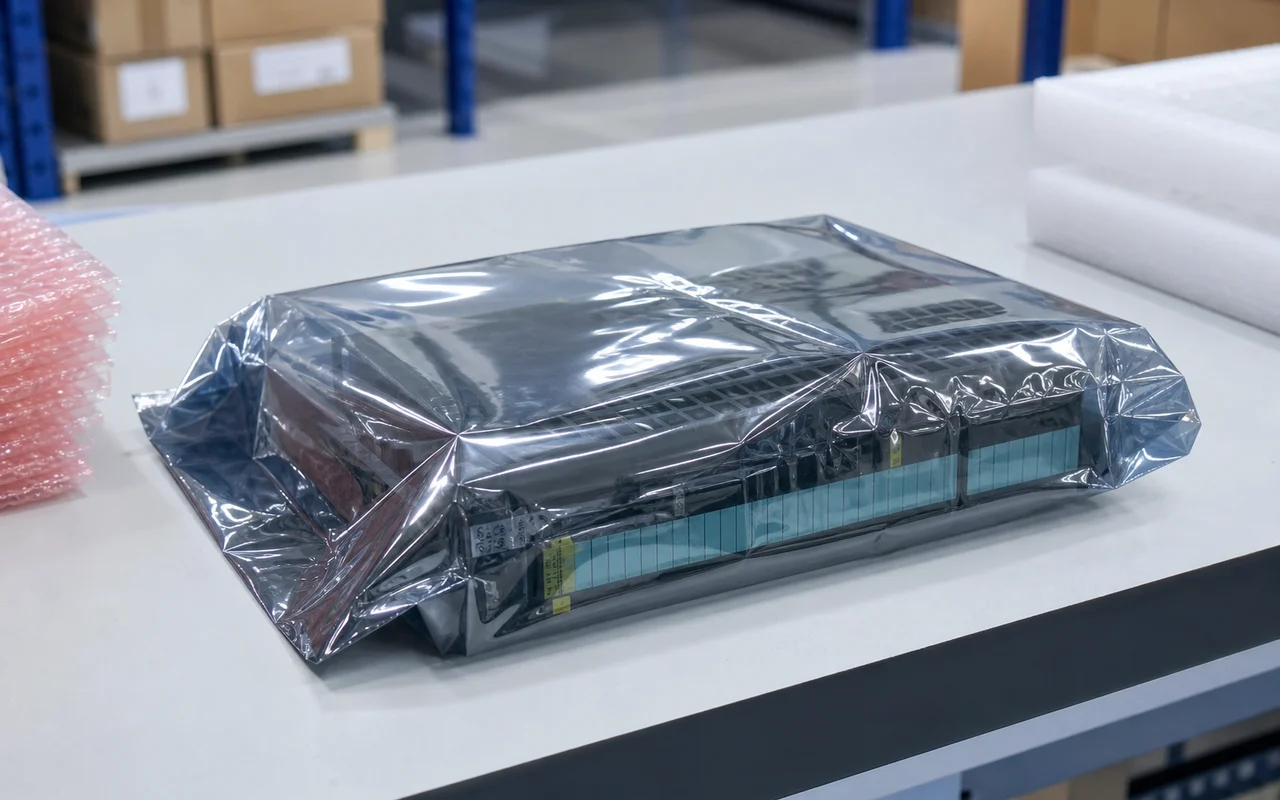 Anti-static Packaging
Modules are packed in anti-static bags to prevent electrostatic damage.
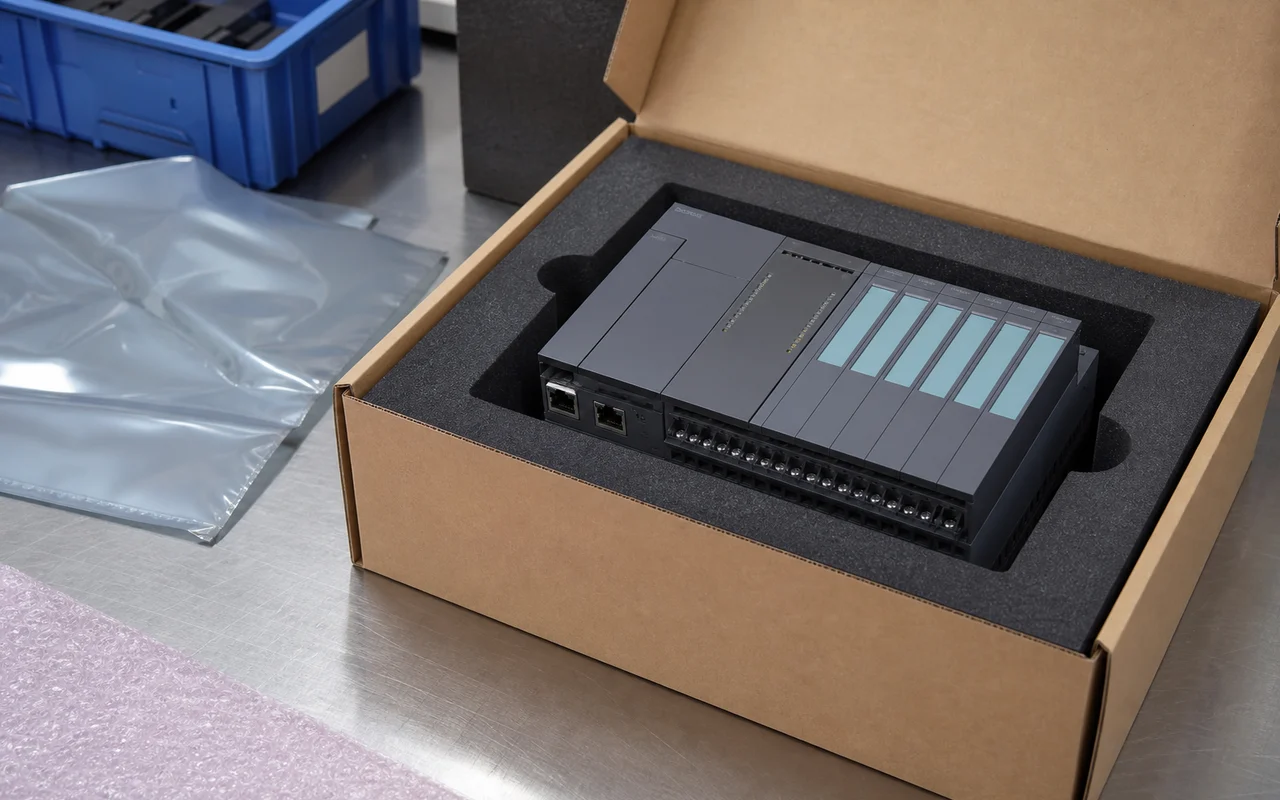 Secure Export Packing
Cushion protection and strong cartons ensure safe transportation.
 Worldwide Shipping
Global logistics network supports air, sea and express delivery.
 Documentation Check
Part number, revision and compatibility verified before shipment.
 After-sales Support
Professional technical support to help resolve your issues.