
Industry Applications
Honeywell’s Automation Focus: What Maintenance Teams Should Recheck
Honeywell's automation focus makes vendor records, model identity and documentation checks more important for legacy-system maintenance inquiries.
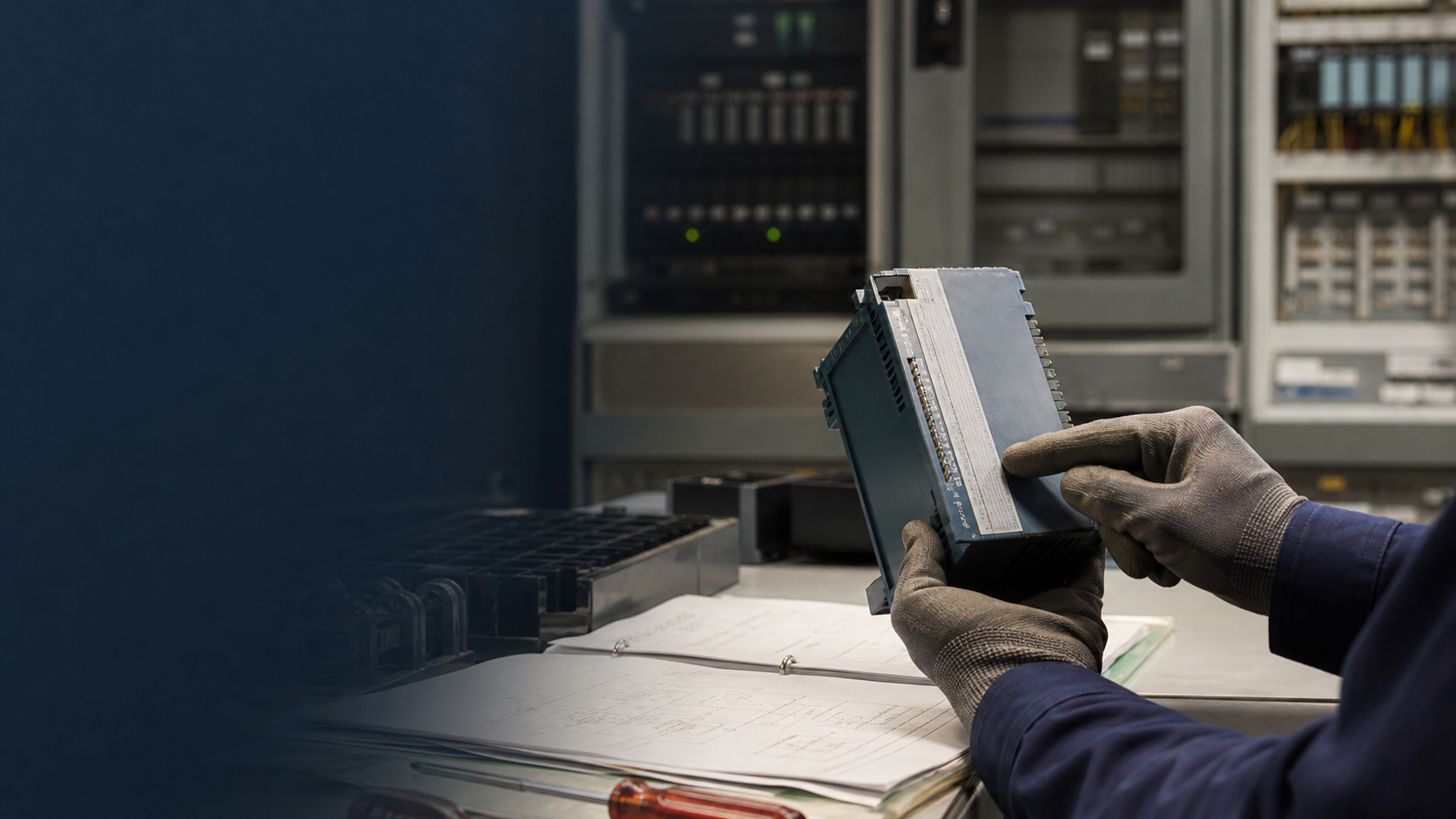
Honeywell Technologies reported its second-quarter 2026 results on July 23, shortly after the completion of the Honeywell Aerospace separation. In the release, the company described Honeywell Technologies as an independent, pure-play automation company and reported results for its building, process, and industrial automation activities.
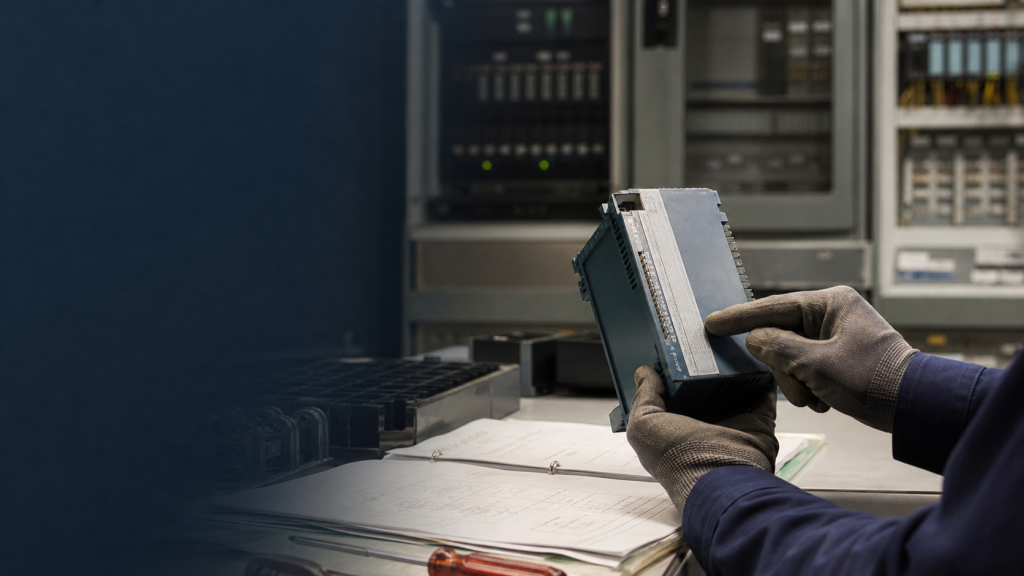
For plant maintenance teams, the practical importance is not a change in the identity of every Honeywell product. It is a reminder that vendor records, technical documents, historical names, and installed-base references need to be kept precise. A corporate update can change how information is organized, while the equipment in a plant may continue to carry an older product name or model reference for many years.
What the official update confirms
Honeywell’s official release says that Honeywell Aerospace separated from Honeywell Technologies on June 29, 2026. It also describes the remaining Honeywell Technologies business as a pure-play automation company serving building, industrial, and process sectors.
The release reports separate segment commentary for process automation and technology, industrial automation, and building automation. It also discusses orders, sales, margins, and the company’s 2026 outlook. Those statements describe the company’s reported business performance and management expectations.
They do not, by themselves, confirm the availability, lifecycle status, compatibility, warranty, or support path for an individual controller, I/O card, communication module, or legacy system. Those details still need to be checked against the exact model, revision, condition, and destination involved in an inquiry.
Why maintenance records deserve a second look
Industrial automation assets often outlive several rounds of internal documentation. A plant may have a maintenance database, an old bill of materials, a system drawing, a cabinet label, and a supplier quotation that each use slightly different names for the same platform. When a vendor’s business structure changes, those inconsistencies become harder to resolve if the record contains only a broad brand name.
A stronger record should preserve the original nameplate information, the complete part number, the series or platform, the installed application, and any visible revision or firmware reference. It should also retain a photo of the front label and, where useful, the connector or rear-panel layout. These details give a sourcing team something concrete to compare when official documents or old catalog references use different terminology.
What should be checked before a replacement inquiry
Start with the exact model rather than the product family. For a Honeywell module or controller, record the complete part number exactly as printed, including suffixes, separators, and revision markers. If the module is installed in a rack, record the rack position and the neighboring modules as context.
Next, separate four questions that are often mixed together:
- Is the model identity correct?
- Is the requested condition new, used, or refurbished?
- Is the item technically compatible with the installed system?
- Is the item available for the required destination and timing?
The first question can often be improved with a clear nameplate photograph. The second depends on the actual unit and inspection record. The third may require system documentation or an engineering review. The fourth must be confirmed during the individual quotation process. A corporate announcement cannot answer all four questions.
How to handle older Honeywell references
Older plant records may refer to a product family, business unit, or document title that is no longer used in current marketing. That does not automatically mean the part is obsolete, unsupported, or interchangeable with a newer item. It means the reference should be reconciled carefully.
Keep the historical reference in the maintenance record, but add the exact model and a neutral note about what remains to be confirmed. Avoid silently replacing an old brand or series name with a newer label. Silent normalization can make a search easier while making an audit trail less reliable.
For difficult records, prepare a small evidence package: nameplate photo, front-panel photo, system or rack context, quantity, condition preference, application, destination country, and any known urgency. This is usually more useful than sending a broad request for “Honeywell PLC parts.”
A practical review workflow for maintenance teams
Before submitting a request, use this short sequence:
- Photograph the model label in focus and include the full label boundaries.
- Transcribe the part number without correcting or abbreviating it.
- Record the brand, series, rack or system context, and application.
- State the required quantity and condition preference.
- Attach the relevant page of the parts list or system drawing if available.
- Ask the supplier to confirm identity, condition, documentation, compatibility context, availability, and delivery options separately.
This workflow reduces avoidable back-and-forth while keeping the final answer tied to the actual part requested. It also makes it easier to compare several quotations without losing the original plant reference.
What remains unconfirmed
The Honeywell release does not confirm that a particular Honeywell model is in stock, newly supported, discontinued, authorized for resale, or a direct replacement for another model. It also does not establish a fixed warranty term for an individual unit. NANKMOS should therefore use the release as industry context only and confirm product-specific details during quotation review.
Readers can review the NANKMOS product catalog for published product records, browse the supported brands directory, review the quality and delivery process, or send a part number and inquiry. Availability, condition, compatibility, documentation, and delivery details are confirmed for the specific inquiry rather than assumed from a general brand reference.
Final takeaway
Honeywell’s recent corporate update is useful to maintenance teams because it highlights the importance of clean vendor and asset records. The right response is not to assume that every historical reference has changed. It is to preserve the original evidence, identify the exact model, distinguish identity from availability, and request confirmation against the application.
For legacy automation systems, accurate records are still the most reliable starting point. A complete model number, clear photo, and system context give an inquiry a much better chance of receiving a useful answer than a broad brand-only request.
Related guides
View all guides
Electrified Process Heating: Where Power Control Meets the Process Loop
A practical way to distinguish process measurement, control logic and electrical power boundaries when an industrial process heater shows a temperature deviation.
Read guide
DeltaV IQ Controller: How Server-Based Control Changes Spare Planning
Emerson’s DeltaV IQ announcement highlights server-based control. Here is how maintenance teams can distinguish host, software, redundancy and physical-controller support boundaries.
Read guide
Siemens and P&G Expand AI Inspection: What Keeps the Line Running
Siemens’ recent AI inspection announcement highlights an interconnected camera, edge-computing and PLC workflow. Here is how maintenance teams can trace faults before replacing hardware.
Read guide
Emerson’s Planned Qatar Service Center: What Flow-Instrument RFQs Still Need
Emerson has announced a planned Qatar automation service center. Here is what buyers should document in flow-instrument RFQs while its capabilities remain future plans.
Read guideSend your part number, photos or nameplate.
Our team will verify, check availability, and reply with options within 24 hours.
[email protected]+86 18359268345WhatsApp