
Industry Applications
GE Vernova MV-UPS: Maintenance Across the Power Path
GE Vernova's MV-UPS article highlights source-side and load-side power stability. Keep event location, support scope and rollout dates clear in maintenance.
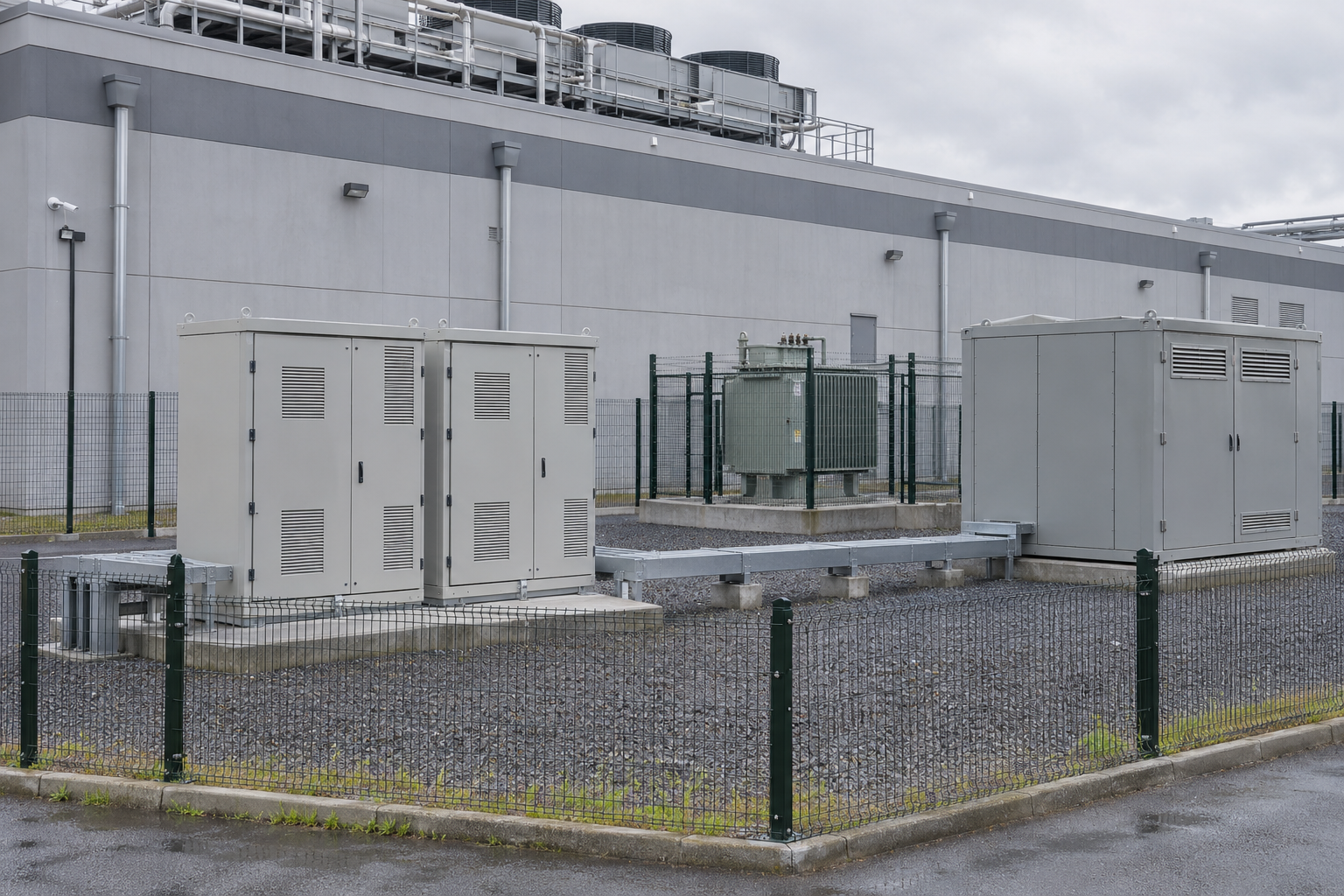
GE Vernova’s November 16, 2026 article describes an MV-UPS system for managing rapid power changes at AI data centers. Rather than addressing only disturbances entering a facility, the manufacturer describes protection in both directions: shielding the computing load from supply disturbances and buffering changes in the load before they affect the upstream power system.
The development draws on converter experience with demanding industrial loads such as electric arc furnaces. Its maintenance relevance is not simply that another UPS is being introduced. It is the need to understand the boundary between the source, the conversion equipment and the protected load.
Follow the power path before classifying an event
In the architecture described, power for the protected load passes through the MV-UPS. Incoming AC is converted through a DC stage and recreated as AC, with batteries providing or absorbing energy as required. That system description comes from the manufacturer; the maintenance considerations below are NANKMOS’s analysis, not a service procedure for the new equipment.
For an event investigation, “the facility saw a disturbance” is therefore an incomplete description. The responsible engineer needs to establish where the observation was made and which equipment the record describes. A source-side observation, a converter status message and a load-side measurement should not silently be treated as the same evidence.
Give each record a location and an owner
A useful handover should make it possible to identify the origin of a record without relying on whoever happened to capture the screenshot. Preserve the equipment reference, measurement location and acquisition time with the original export. Where a record has been summarised or translated into an alarm message, keep that distinction visible.
This does not require sending an entire confidential site design to a parts supplier. Engineering evidence can remain under the site’s control while a commercial enquiry identifies the exact assembly requiring confirmation. The two processes should be connected, but they do not need the same level of access.
Separate a technology description from acceptance evidence
A manufacturer’s explanation of intended operation is not the acceptance record for a specific installation. Before maintenance responsibilities are assigned, the facility and its appointed specialists should agree which documents identify the supplied configuration, approved operating boundaries and responsibility for technical support.
Do not turn a published performance claim into a site-specific alarm threshold or a universal replacement rule. This article gives no instructions for switching, isolation, bypass operation, battery access or changes to protection settings. Such work requires the responsible qualified personnel and approved procedures.
Keep the rollout timeline separate from a parts quotation
GE Vernova states that the first MV-UPS units are due to ship in mid-2027. That is a stated rollout plan, not evidence of current NANKMOS inventory or a confirmed delivery date for any component. The news also establishes no interchangeability with legacy GE automation cards.
Our product-system resources and industrial automation catalogue can help with a separately identified automation-parts enquiry. Through NANKMOS Contact / RFQ, provide the complete part reference, relevant revision information and quantity. Availability, condition, lead time and alternatives require individual confirmation; a commercial quotation does not replace the facility’s engineering approval or OEM support arrangements.
Related guides
View all guides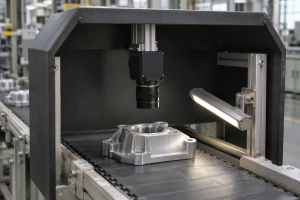
Machine Vision False Rejects: Check the Lighting Before the Camera
When a reflective part fails inspection, compare reference images before ordering a camera. Learn when to scope the light, controller or mounting instead.
Read guide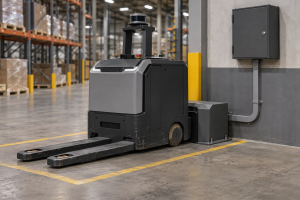
AMR Charging Faults: Is the Spare on the Robot or at the Dock?
When an AMR stops charging, distinguish the fixed dock from the vehicle battery. Use dock IDs and fleet events to scope the right replacement RFQ.
Read guide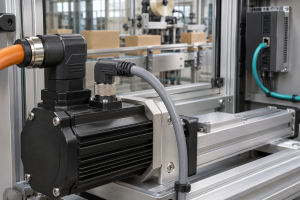
Servo Drive Spares: EtherCAT Is Not the Encoder Interface
An EtherCAT drive can still be the wrong spare. Learn how to verify the motor encoder protocol, feedback cable and exact drive variant before ordering.
Read guide
CENTUM R7.02: An Estimate Is Not a Field Measurement
Yokogawa’s CENTUM R7.02 adds AI Estimation. See how to distinguish model outputs, transmitter readings and laboratory results before ordering a spare.
Read guideSend your part number, photos or nameplate.
Our team will verify, check availability, and reply with options within 24 hours.
[email protected]+86 18359268345WhatsApp