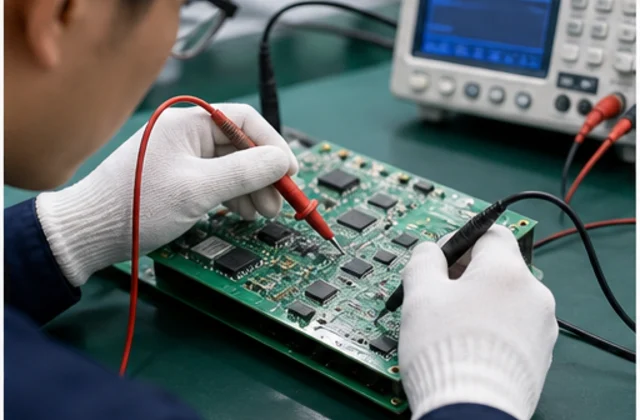
 Functional Inspection
100% tested on professional platforms to ensure stable performance.
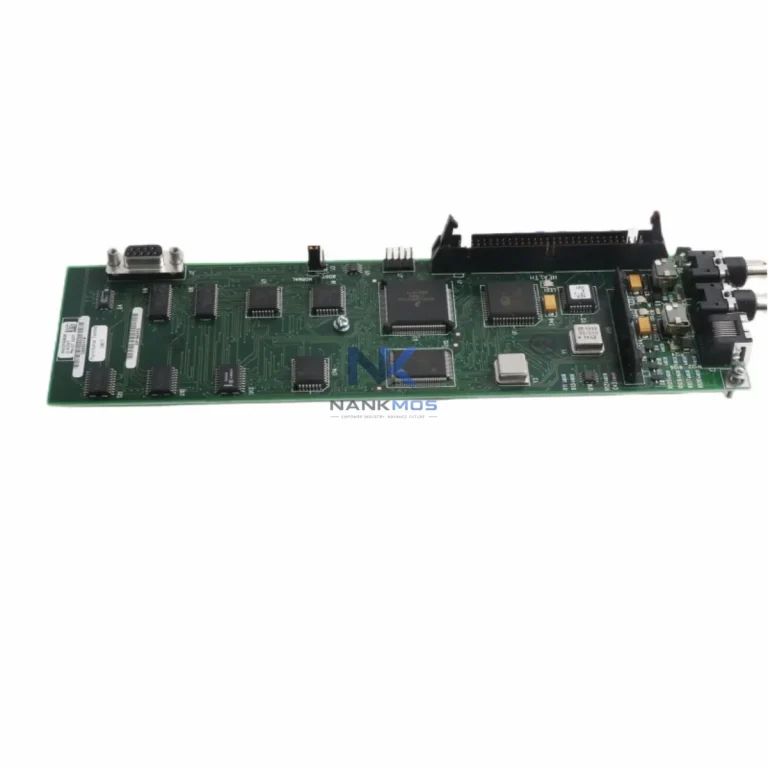
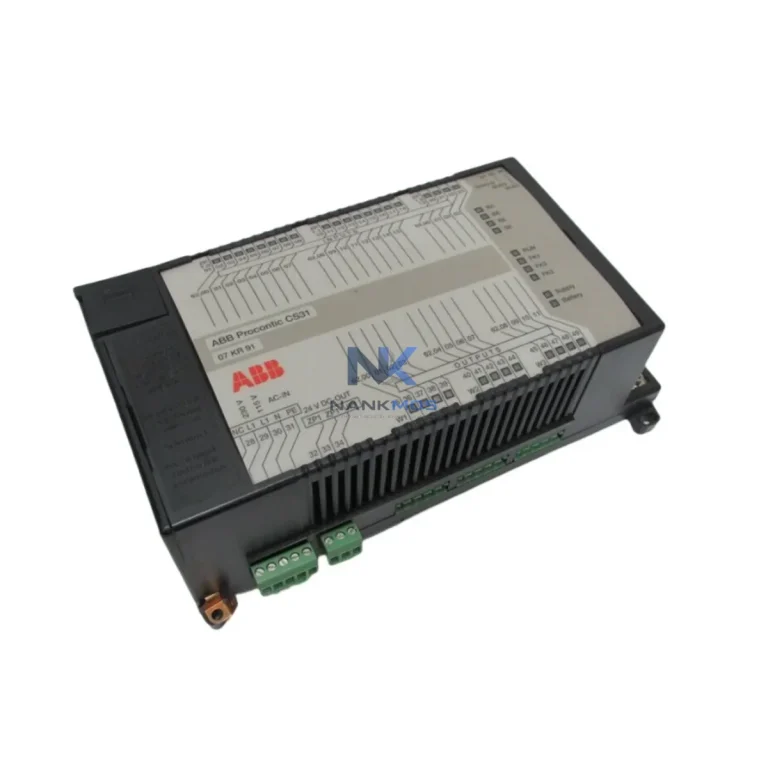
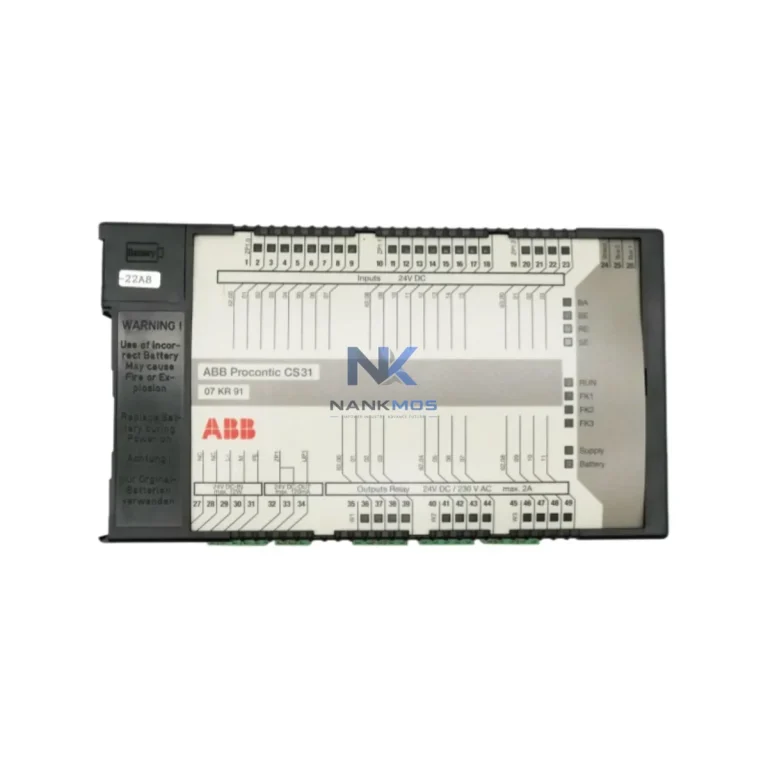
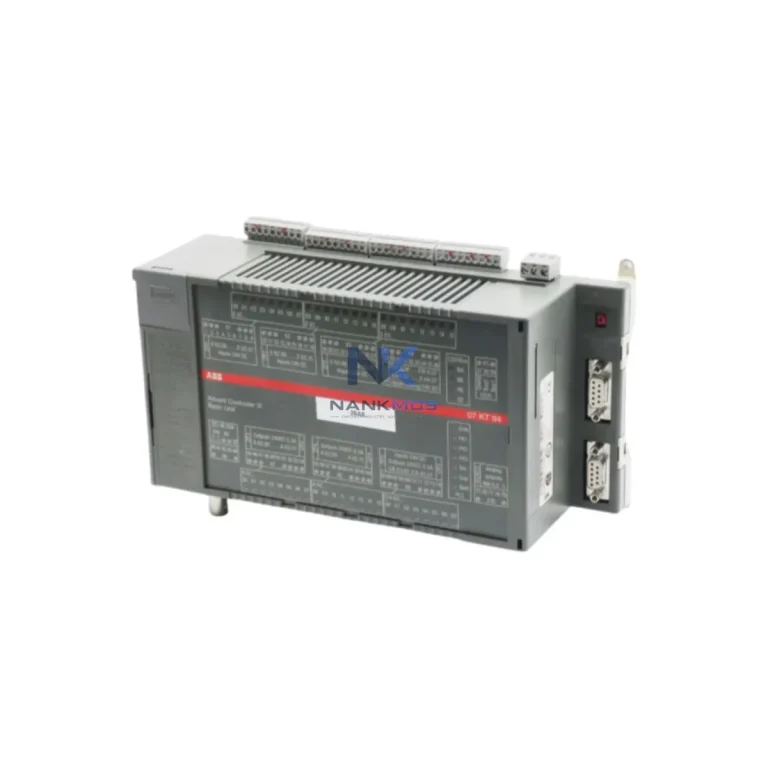
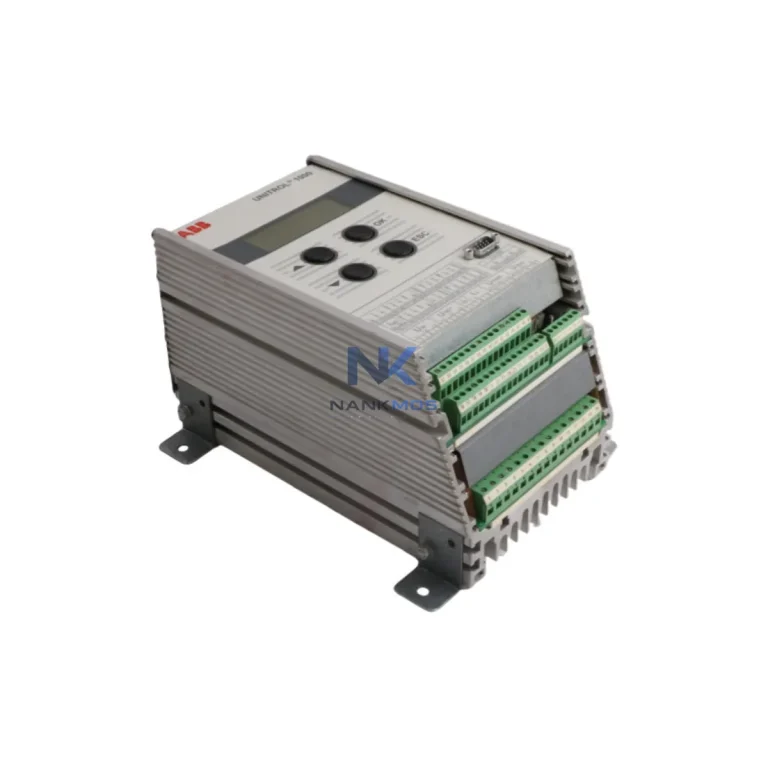
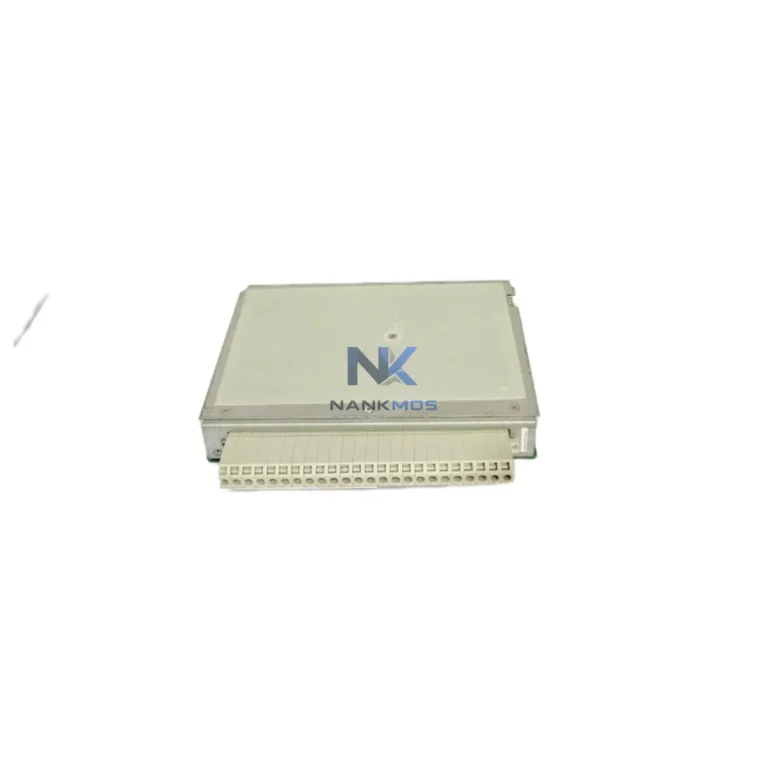
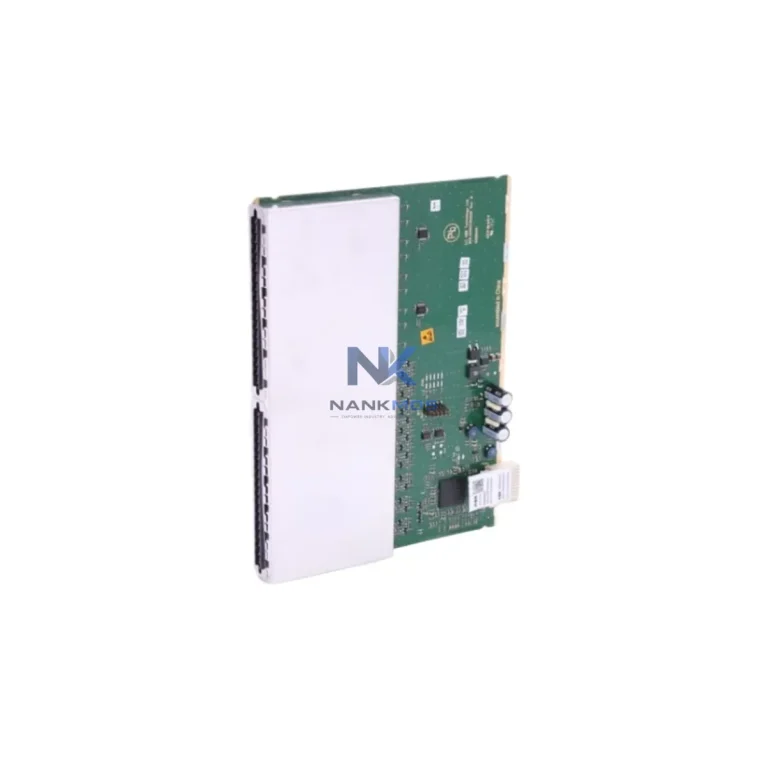
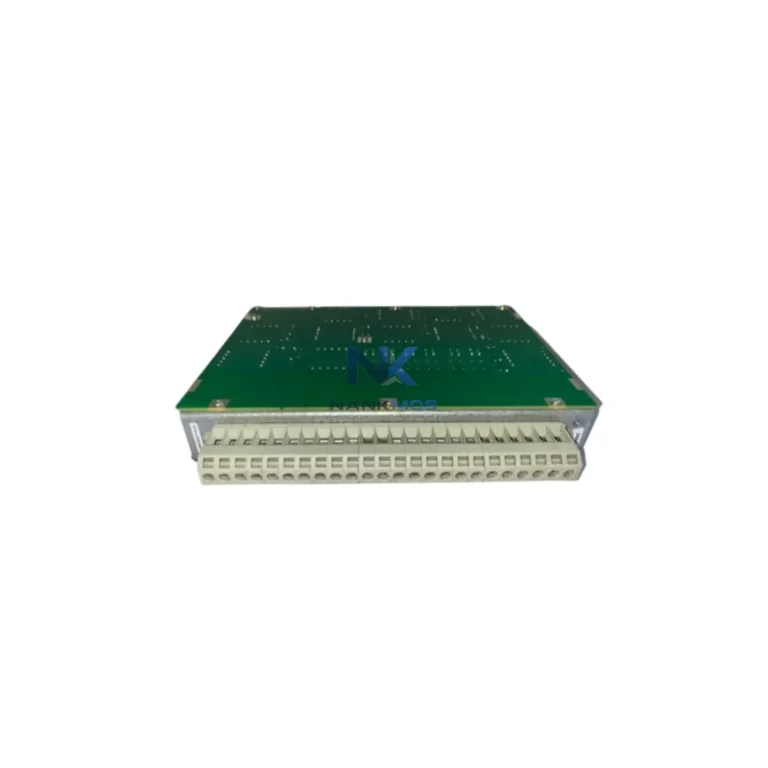
ABB APBU-44C 64669982G is a NANKMOS industrial automation product record Listed under AC800M series and Business & Industrial > Automation, Control & Flow Devices. Confirm condition, availability, lead time, compatibility and documentation by email inquiry.
Brand names are used for identification only.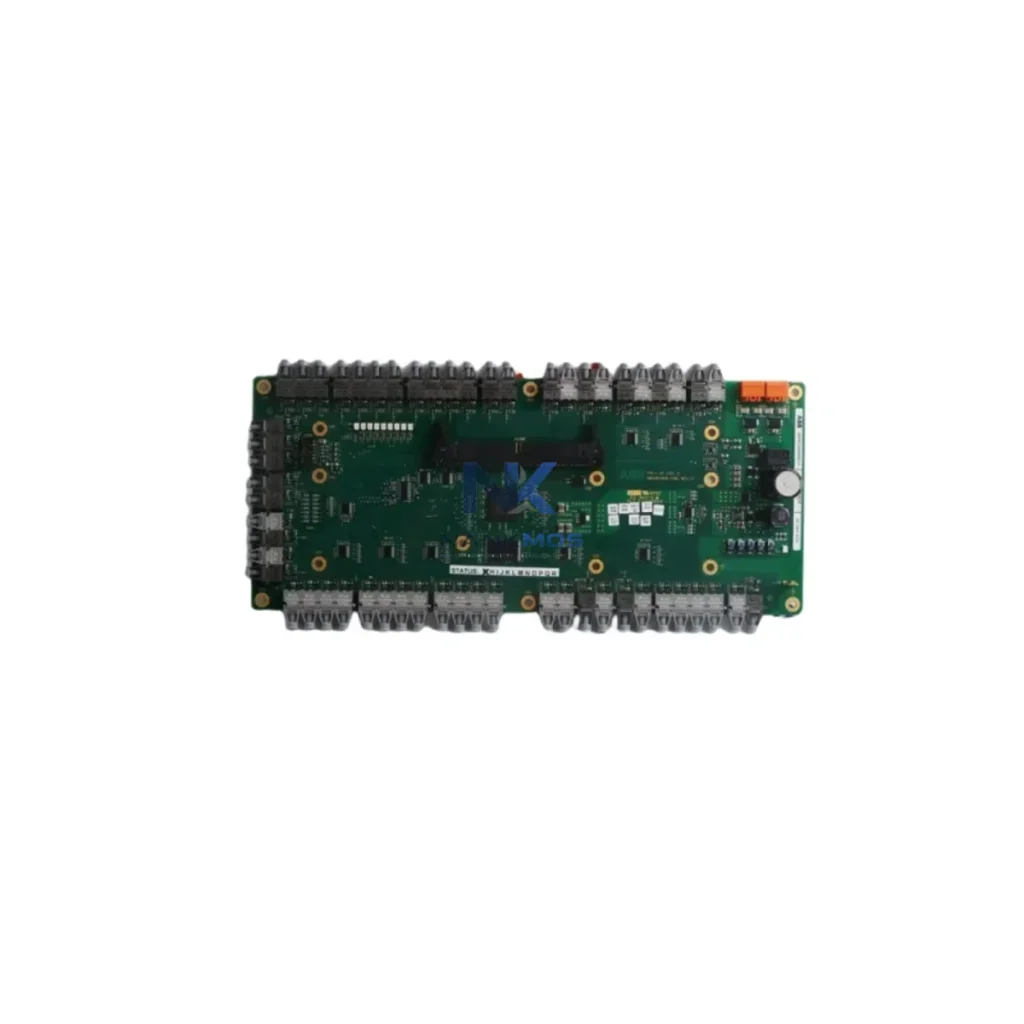
ABB APBU-44C 64669982G is a NANKMOS industrial automation product record Listed under AC800M series and Business & Industrial > Automation, Control & Flow Devices. Confirm condition, availability, lead time, compatibility and documentation by email inquiry.
| Manufacturer | ABB |
|---|---|
| Application | Industrial Network & Bus Termination |
| Part Number / Model | APBU-44C 64669982G |
| Compatible System | AC800M |
| Series | AC800M |
| Condition Options | To Confirm |
| Module Type | Bus / Network Interface Module |
| Warranty | 12 Months |
| Packaging | Anti-static Bag / Secure Box |
| Shipping Methods | DHL / FedEx / UPS / Air / Sea |
| Availability | To Confirm |
| Lead Time | To Confirm |
| Documentation | Part number and revision checked before quote |
The ABB APBU-44C (part number 64669982G) is a high-integrity bus interface module engineered for deployment within ABB's AC800M distributed control system architecture. Designed to serve as the communication backbone between the controller backplane and field-level I/O subsystems, the APBU-44C ensures deterministic signal routing, low-latency data exchange, and sustained bus integrity across multi-node automation platforms. Its role within the control hierarchy extends beyond simple connectivity — it actively supports system coherence, redundancy readiness, and long-term maintainability in demanding industrial environments.
The APBU-44C is not a standalone component — it is a structural element within a layered automation architecture. Its value is fully realized when deployed alongside the broader AC800M ecosystem and complementary ABB control hardware.
At the control layer, the APBU-44C interfaces directly with AC800M CPUs such as the PM861A and PM864A, enabling the controller to communicate with distributed I/O nodes across the ModuleBus. The module's bus interface function ensures that CPU scan cycles remain synchronized with field data acquisition, reducing latency and improving determinism in closed-loop control applications.
At the I/O layer, the APBU-44C supports connection to S800 I/O modules including analog input modules (AI810, AI820), digital output modules (DO810), and thermocouple input modules (AI830A). These modules mount on S800 I/O stations and communicate upstream through the bus interface, enabling modular field signal aggregation without additional wiring infrastructure.
At the communication layer, the APBU-44C works in conjunction with communication interface modules such as the CI854A (PROFIBUS DP master) and CI857 (HART multiplexer interface), extending the AC800M platform's reach into legacy field device networks and enabling transparent integration of HART-enabled instruments within the DCS architecture.
At the power layer, the APBU-44C relies on stable 24 VDC backplane power delivered through ABB's SD821 or SD822 power supply units. Redundant power configurations using dual SD822 units ensure that bus interface continuity is maintained even during single-supply failure events, a critical requirement in continuous process industries.
At the backplane and rack layer, the APBU-44C is mounted within ABB TB820V2 or compatible I/O station baseplate assemblies. The physical rack architecture determines the maximum number of I/O modules per station and the total bus segment length, both of which are governed by the APBU-44C's bus loading specifications.
For applications requiring redundancy, the APBU-44C supports hot-standby configurations when paired with redundant AC800M controller pairs. In these architectures, the bus interface module ensures that switchover events between primary and standby CPUs do not interrupt field I/O communication, preserving process continuity during controller failover.
At the HMI and supervisory layer, the AC800M system — anchored by the APBU-44C's bus integrity — connects to ABB's 800xA System operator workstations via OPC DA/UA or proprietary ABB communication stacks. This integration enables real-time process visualization, alarm management, and historical data logging without compromising field-level communication performance.
The APBU-44C is deployed across a wide range of process-critical industries where system reliability, signal integrity, and long-term maintainability are non-negotiable requirements.
In power generation and utilities, the module supports turbine control, boiler management, and auxiliary system automation within AC800M-based DCS platforms. Its deterministic bus communication ensures that protection relay coordination and interlock logic execute within defined scan cycle windows.
In oil, gas, and petrochemical facilities, the APBU-44C enables distributed I/O expansion across large-scale process units including distillation columns, compressor trains, and heat exchanger networks. Its compatibility with HART-enabled field instruments via CI857 interface modules supports advanced diagnostics and predictive maintenance workflows.
In water and wastewater treatment plants, the module's modular architecture allows phased I/O expansion as treatment capacity grows, without requiring controller replacement or system reconfiguration. This scalability reduces capital expenditure during plant upgrades.
In mining and minerals processing, the APBU-44C supports conveyor control, crusher automation, and flotation cell management within harsh electrical environments. Its robust backplane interface design tolerates the high-frequency electrical noise common in variable-speed drive-intensive applications.
In marine and offshore automation, the module's compact form factor and DIN rail mounting compatibility make it suitable for installation within space-constrained control panels aboard vessels and offshore platforms, where ABB's AC800M platform is widely specified for integrated bridge and machinery automation systems.
In pharmaceutical and food processing environments, the APBU-44C supports FDA 21 CFR Part 11-compliant DCS architectures by maintaining consistent I/O data integrity and audit trail continuity through its deterministic bus communication protocol.
Q1: Is the APBU-44C 64669982G compatible with both PM861A and PM864A controllers in the AC800M platform? Yes. The APBU-44C is designed for use within the AC800M controller family and is compatible with multiple CPU variants including the PM861A and PM864A. Compatibility is governed by the AC800M system firmware version and the I/O station configuration. It is recommended to verify the firmware revision of the target controller against ABB's compatibility matrix prior to installation. All units supplied by NANKMOS are pre-shipment tested to confirm bus interface functionality before dispatch.
Q2: Can the APBU-44C support redundant I/O bus configurations, and what additional hardware is required? The APBU-44C supports redundant ModuleBus configurations when used in conjunction with redundant AC800M controller pairs and compatible S800 I/O station hardware. Redundant bus operation requires dual APBU modules installed in the I/O station, with each module connected to a separate controller CPU. This architecture ensures that a single bus interface failure does not interrupt field I/O communication. Consult ABB's AC800M Hardware Configuration manual for detailed redundancy wiring and station addressing requirements.
Q3: What warranty and post-shipment support does NANKMOS provide for the APBU-44C 64669982G? All APBU-44C units supplied by NANKMOS are covered by a 12-Month Warranty from the date of shipment. Each unit undergoes pre-shipment functional testing to verify bus interface integrity, backplane connector condition, and firmware compatibility. In the event of a warranty claim, NANKMOS provides direct technical support and replacement coordination. For procurement inquiries, stock availability confirmation, or application-specific compatibility questions, contact NANKMOS at [email protected] or +86 18359268345.
Functional Inspection100% tested on professional platforms to ensure stable performance.
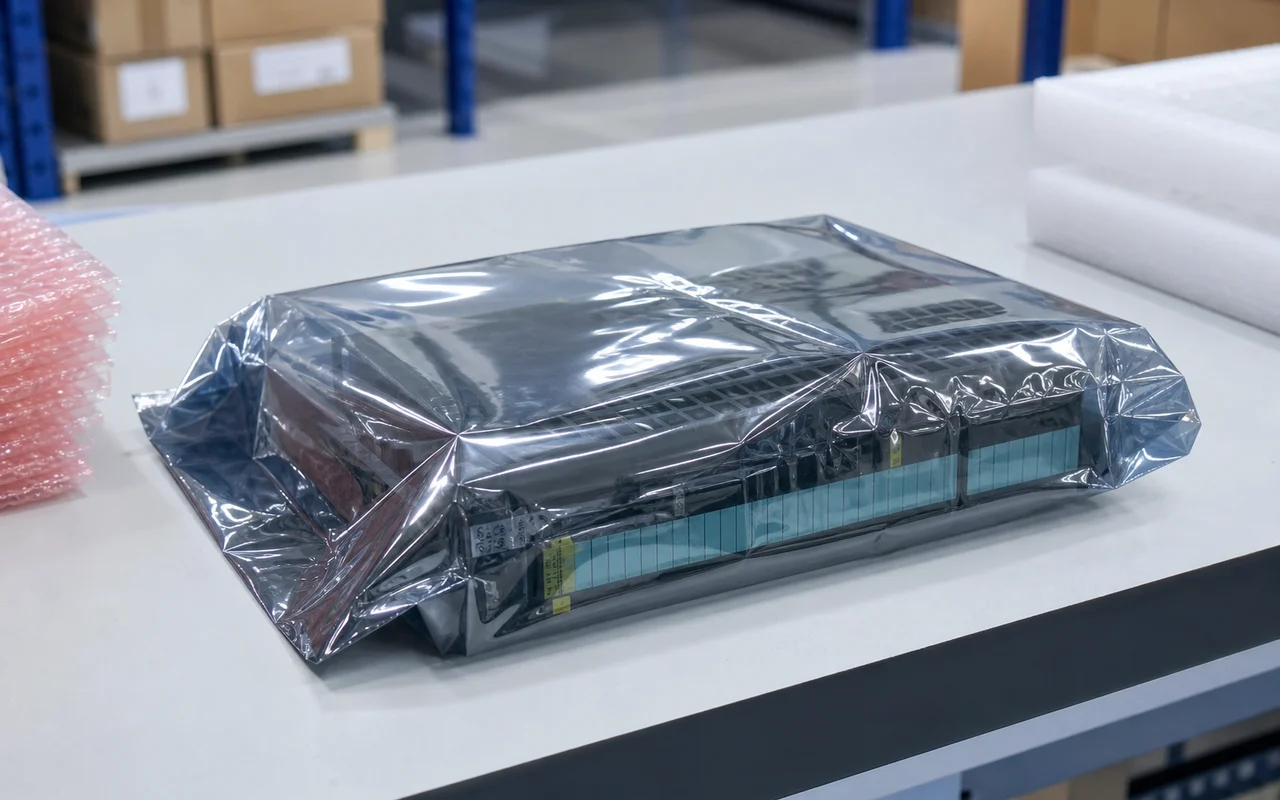 Anti-static Packaging
Modules are packed in anti-static bags to prevent electrostatic damage.
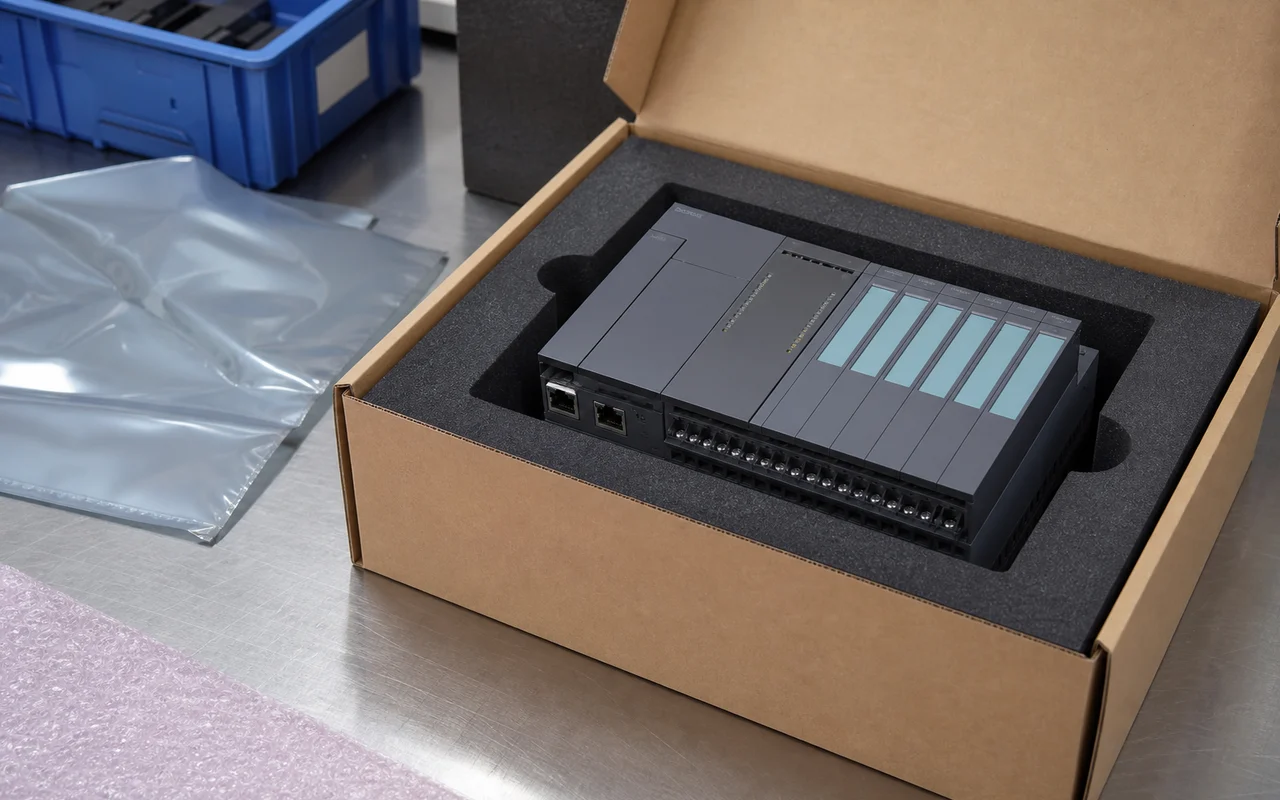 Secure Export Packing
Cushion protection and strong cartons ensure safe transportation.
 Worldwide Shipping
Global logistics network supports air, sea and express delivery.
 Documentation Check
Part number, revision and compatibility verified before shipment.
 After-sales Support
Professional technical support to help resolve your issues.