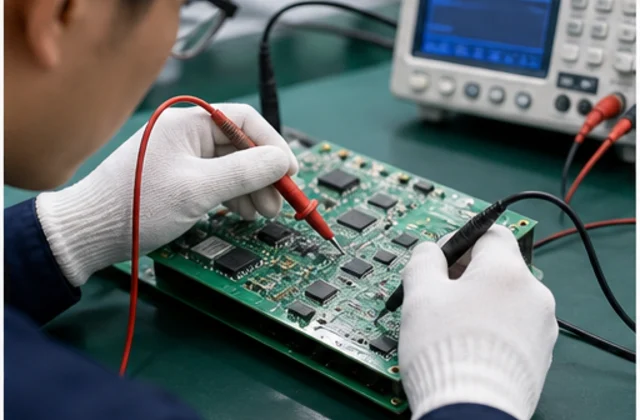
 Functional Inspection
100% tested on professional platforms to ensure stable performance.
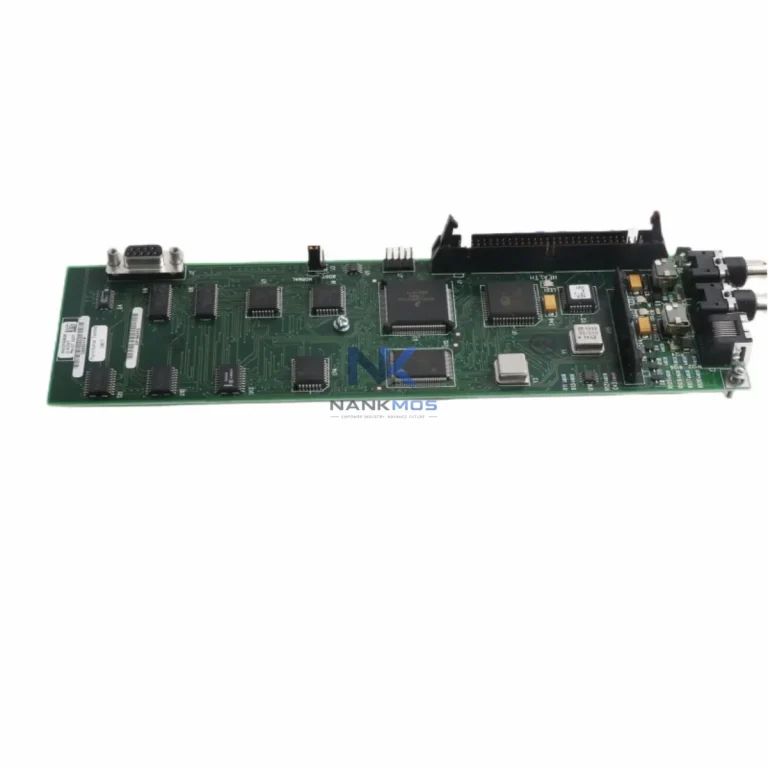
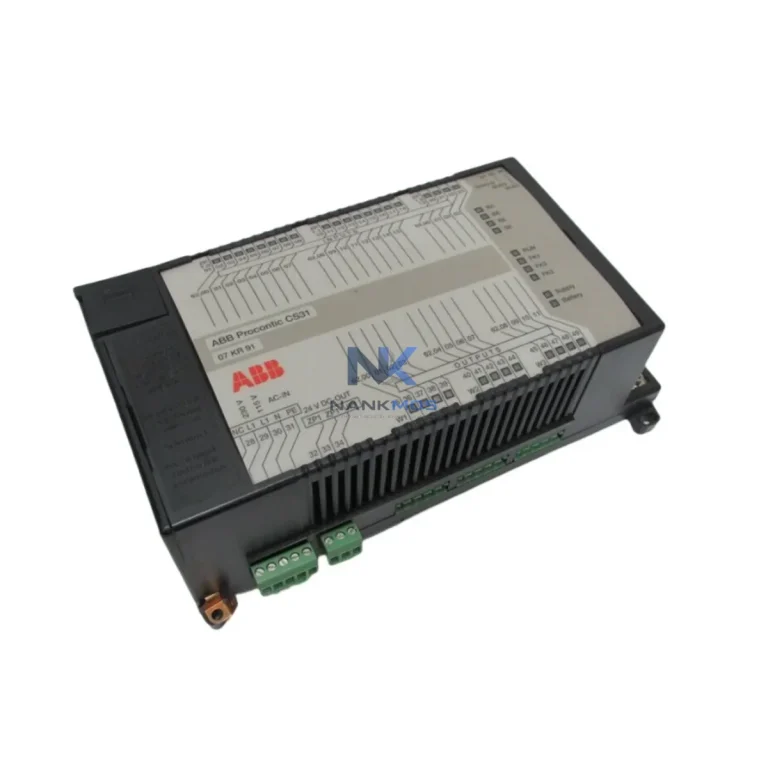
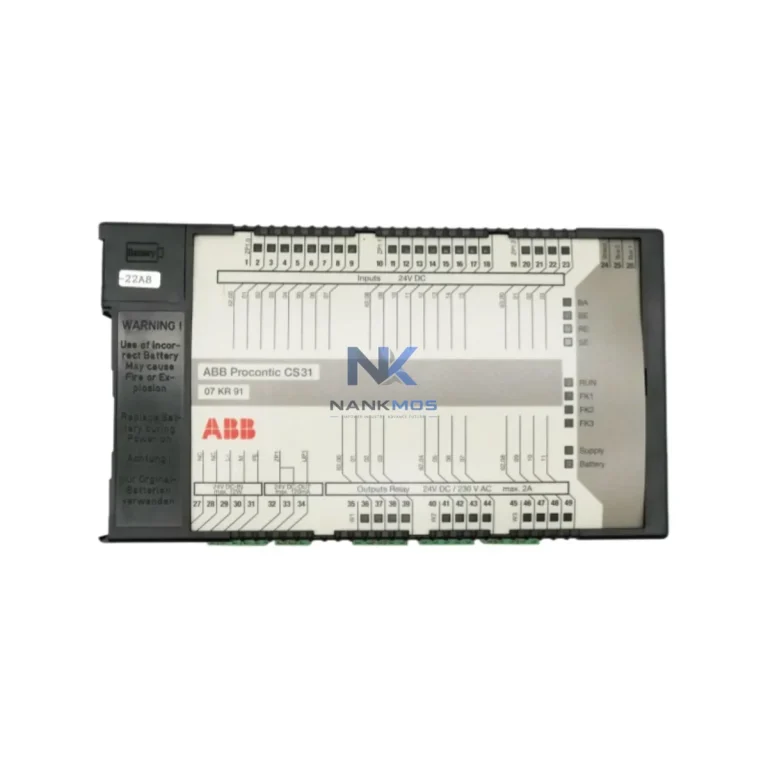
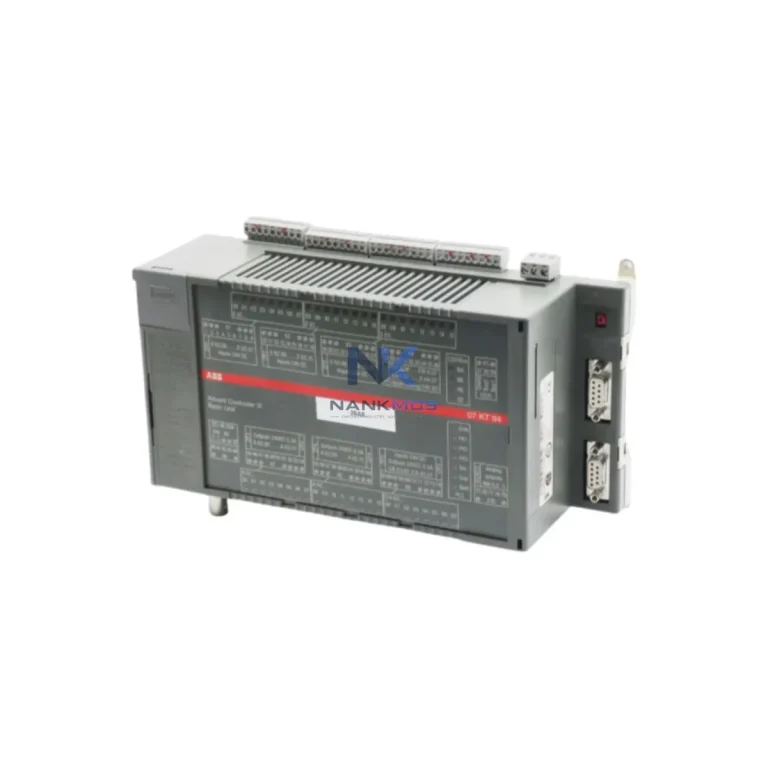
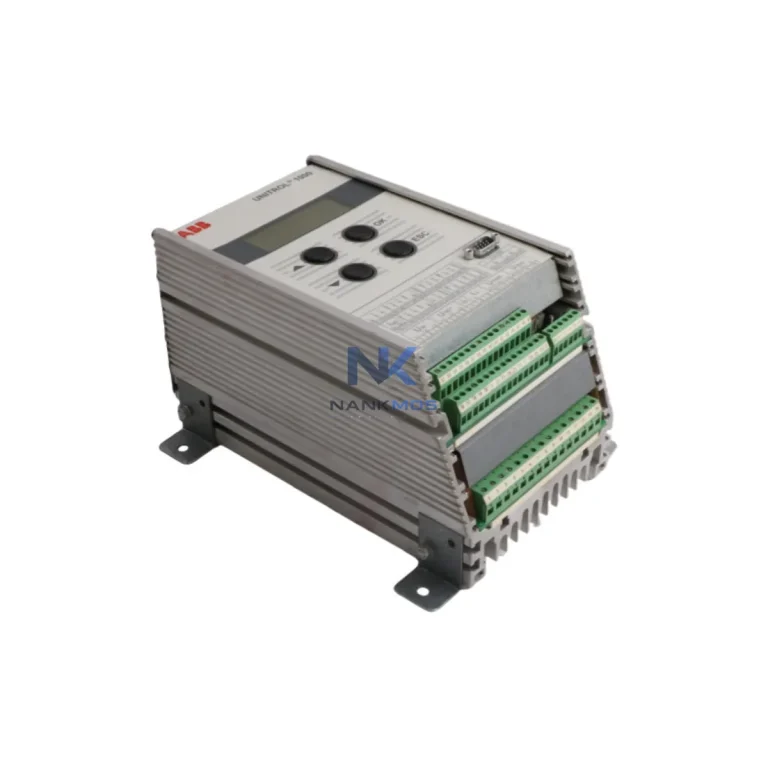
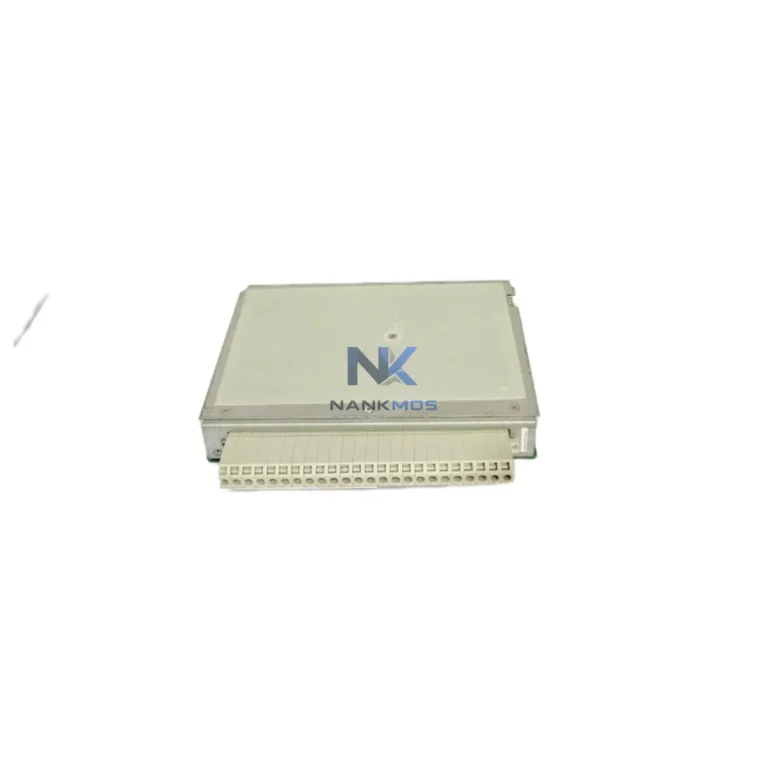
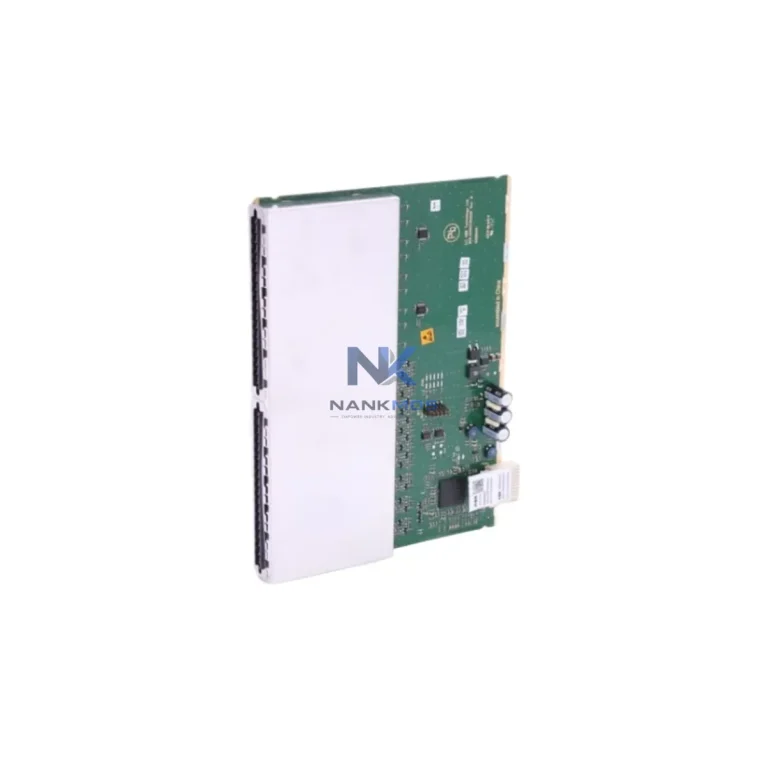
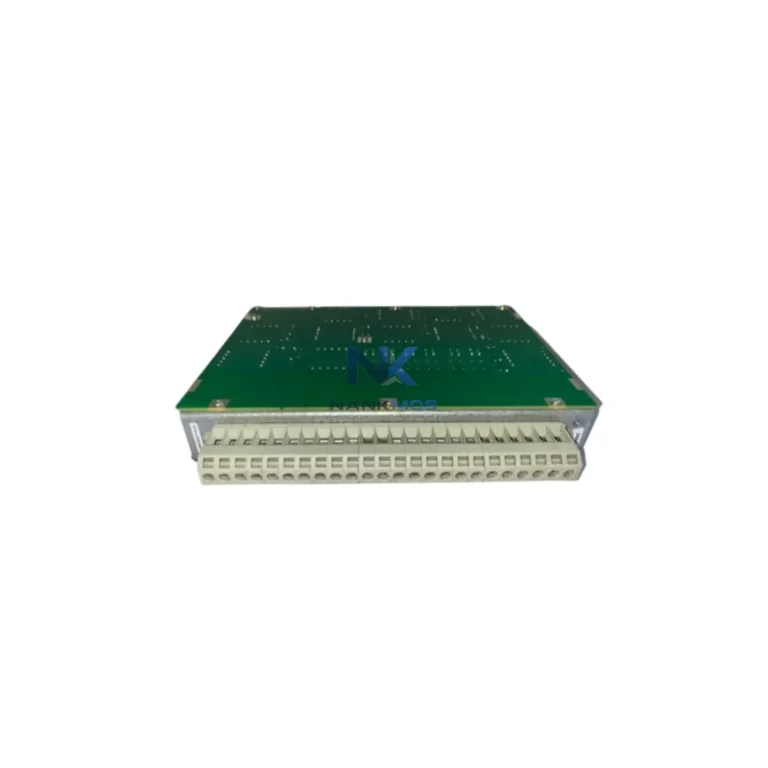
ABB PFSK109 YM322001-EK is a NANKMOS industrial automation product record Listed under Symphony Plus series and Business & Industrial > Automation, Control & Flow Devices. Confirm condition, availability, lead time, compatibility and documentation by email inquiry.
Brand names are used for identification only.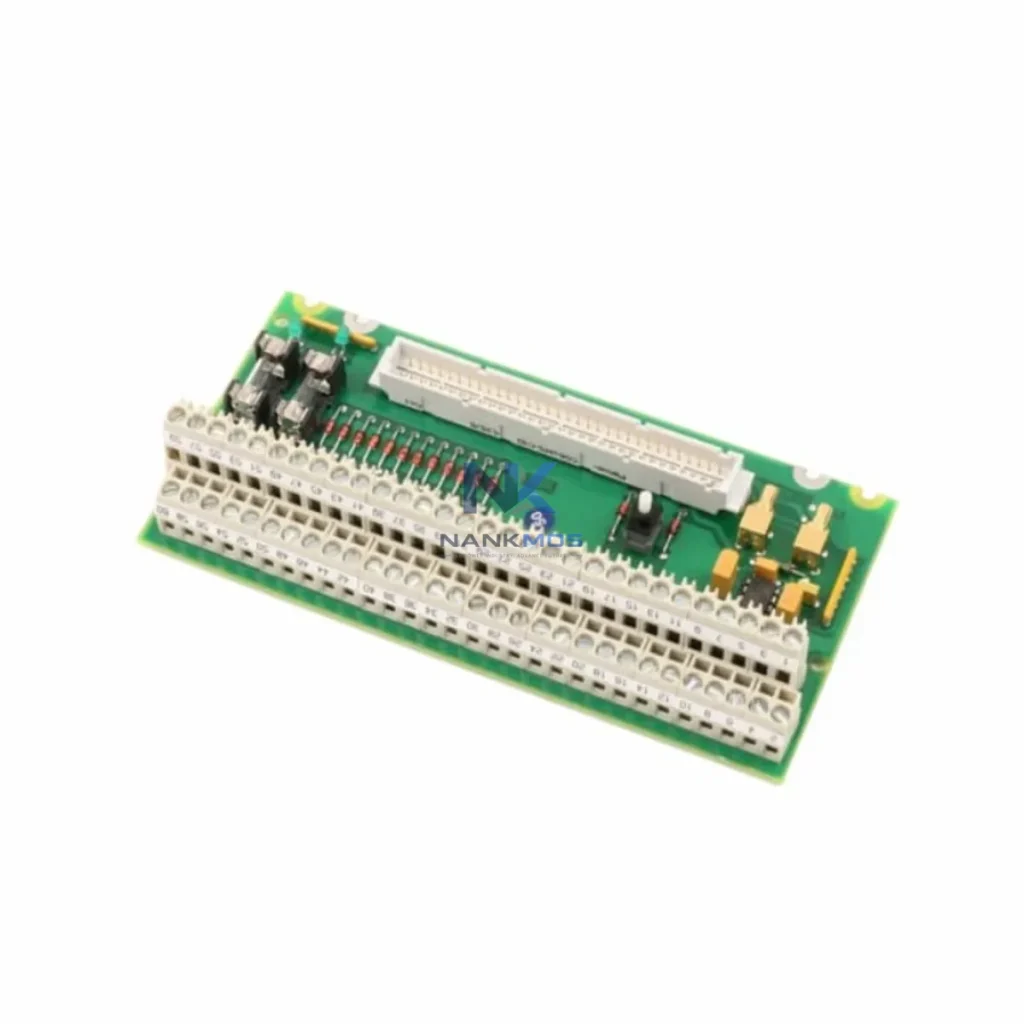
ABB PFSK109 YM322001-EK is a NANKMOS industrial automation product record Listed under Symphony Plus series and Business & Industrial > Automation, Control & Flow Devices. Confirm condition, availability, lead time, compatibility and documentation by email inquiry.
| Manufacturer | ABB |
|---|---|
| Application | DCS / Control Board Replacement |
| Part Number / Model | PFSK109 YM322001-EK |
| Compatible System | Symphony Plus |
| Series | Symphony Plus |
| Condition Options | To Confirm |
| Module Type | Control Board / Card |
| Warranty | 12 Months |
| Packaging | Anti-static Bag / Secure Box |
| Shipping Methods | DHL / FedEx / UPS / Air / Sea |
| Availability | To Confirm |
| Lead Time | To Confirm |
| Documentation | Part number and revision checked before quote |
The ABB PFSK109 YM322001-EK is a high-performance DCS Connection Unit engineered for the ABB Symphony Plus distributed control system architecture. Designed to serve as the critical communication bridge between field-level instrumentation and upper-level supervisory platforms, this module enables seamless, deterministic data exchange across multi-layer industrial networks. In smart factory environments where uptime, data integrity, and protocol interoperability are non-negotiable, the PFSK109 YM322001-EK delivers the connectivity backbone that keeps automation systems synchronized and responsive.
At the heart of modern industrial data architecture, the PFSK109 YM322001-EK functions as a network-linked interface that aggregates signals from field devices — including pressure transmitters, flow sensors, temperature probes, and actuator feedback loops — and routes structured data packets upstream to DCS controllers, SCADA servers, and HMI workstations. Its role in the data chain begins at the I/O marshalling level, where it collects raw process values and converts them into protocol-compliant frames compatible with the Symphony Plus communication bus. This ensures that every data point — from a valve position signal to a motor speed feedback — arrives at the control layer with full fidelity and minimal latency.
Within a connected factory topology, the PFSK109 YM322001-EK operates in close coordination with ABB's broader Symphony Plus ecosystem. Modules such as the PFSK107 communication processor and the PFSK102 network interface card share the same backplane architecture, enabling engineers to build scalable, redundant control networks without introducing protocol translation overhead. When paired with remote I/O expansion units like the PFSK110 or PFSK112 series, the PFSK109 YM322001-EK extends the data reach of the DCS to geographically distributed process areas — including compressor stations, heat exchanger banks, and reactor feed systems — while maintaining a unified network namespace visible to the SCADA layer.
The module's communication design supports high-speed cyclic data exchange, making it well-suited for time-critical control loops where scan-cycle consistency directly impacts process stability. In applications involving ABB AC800M PLC controllers or third-party Modbus RTU/TCP field devices, the PFSK109 YM322001-EK acts as a protocol gateway, normalizing data formats before they enter the Symphony Plus data highway. This gateway function eliminates data silos that commonly arise when legacy PLCs, variable frequency drives (VFDs), or standalone sensor nodes operate on incompatible communication stacks. By bridging these protocol gaps, the module enables plant-wide data visibility from a single SCADA or historian platform.
Remote diagnostics capability is a defining operational advantage of the PFSK109 YM322001-EK. Maintenance engineers can interrogate the module's health status, communication error counters, and link quality metrics from a remote engineering workstation without requiring physical access to the control cabinet. This is particularly valuable in hazardous or hard-to-reach process areas where on-site intervention carries safety and logistical costs. Alarm events generated by the module — such as communication timeouts, CRC errors, or node dropouts — are propagated upstream to the SCADA alarm management system, where they can be correlated with process deviations and logged for root-cause analysis.
Integration with data visualization platforms is straightforward. The PFSK109 YM322001-EK's structured data output is compatible with OPC DA/UA server configurations, allowing process historians such as ABB's System 800xA Information Management or third-party platforms to subscribe to real-time tag streams. Operators monitoring dashboards built on these platforms gain live visibility into process KPIs — including throughput rates, energy consumption indices, and equipment health scores — all sourced from field data routed through the PFSK109 YM322001-EK. This end-to-end data chain, from sensor to dashboard, is what defines the module's value in a digitally integrated smart factory.
System expansion is handled gracefully. As production capacity grows or new process units are commissioned, additional PFSK109 YM322001-EK modules can be added to the Symphony Plus network without disrupting existing control loops. The modular architecture of the Symphony Plus platform means that network reconfiguration — including adding new I/O nodes, integrating edge gateways for cloud connectivity, or onboarding new field device types — can be performed with minimal engineering effort. Industrial Ethernet switches compatible with the Symphony Plus network, such as managed switches supporting PROFINET or EtherNet/IP topologies, can be inserted into the network architecture to extend reach and add redundancy.
Every PFSK109 YM322001-EK unit supplied by NANKMOS undergoes pre-shipment functional verification, including communication link testing, I/O channel validation, and firmware version confirmation. Units are sourced from verified supply channels and are backed by a 12-month warranty covering manufacturing defects and communication failures. In-stock availability supports rapid deployment for both planned system expansions and emergency replacement scenarios, minimizing the risk of extended production downtime.
In a typical Symphony Plus deployment, the PFSK109 YM322001-EK sits at the intersection of field instrumentation and the DCS control highway. Field sensors — including ABB-compatible 4–20 mA pressure transmitters, HART-enabled flow meters, and thermocouple input modules — feed analog and digital signals into remote I/O racks. These racks, often populated with PFSK110 or PFSK112 I/O expansion modules, aggregate channel data and forward it to the PFSK109 YM322001-EK over the Symphony Plus backplane. The connection unit then packages this data into network frames and transmits it to the AC800M PLC controller or the Symphony Plus DCS server, where control algorithms execute and generate output commands.
On the supervisory side, the data stream from the PFSK109 YM322001-EK feeds into the System 800xA HMI and SCADA layer, where operators monitor real-time process graphics, trend charts, and alarm lists. The PFSK107 communication processor, operating in parallel within the same controller cabinet, handles redundant communication paths to ensure that a single link failure does not interrupt data flow. For sites integrating third-party variable frequency drives — such as ABB ACS880 series drives controlling pump and fan motors — the PFSK109 YM322001-EK's gateway function translates drive status registers and speed references between the drive's native Modbus RTU interface and the Symphony Plus data highway, eliminating the need for standalone protocol converters.
Edge connectivity is increasingly relevant in modern smart factory designs. Industrial edge gateways positioned between the DCS network and cloud analytics platforms rely on stable, well-structured data feeds from modules like the PFSK109 YM322001-EK. Managed industrial Ethernet switches — supporting ring topology redundancy protocols such as MRP or RSTP — provide the network infrastructure that carries this data from the control room to the edge node. From there, process data can be forwarded to cloud-based analytics platforms or on-premise data historians for long-term trend analysis, predictive maintenance modeling, and energy optimization reporting.
Industrial automation sites frequently encounter data gaps that undermine operational transparency and control effectiveness. The most common challenges include protocol fragmentation — where legacy PLCs, standalone sensors, and modern DCS controllers speak incompatible communication languages — and data silos, where process information is trapped within isolated subsystems and unavailable to plant-wide SCADA or MES platforms.
The PFSK109 YM322001-EK directly addresses protocol fragmentation by acting as a gateway between the Symphony Plus communication bus and external Modbus RTU/TCP devices. This means that field instruments and drives that predate the Symphony Plus installation can be integrated into the unified data network without hardware replacement. Data that was previously inaccessible to the SCADA layer — such as motor current readings from older VFDs or tank level data from standalone controllers — becomes available as live tags in the historian and HMI.
Remote monitoring gaps are resolved through the module's diagnostic transparency. Rather than requiring technicians to physically inspect communication links in the field, the PFSK109 YM322001-EK surfaces link health data to the engineering workstation, enabling proactive fault detection before communication failures escalate into process upsets. Alarm tracking is tightened because every communication event — including transient errors and recovery events — is logged with timestamps, giving maintenance teams the data they need to distinguish between intermittent wiring faults and systematic network configuration issues.
Production line transparency improves as more field devices are brought online through the PFSK109 YM322001-EK's network. With a complete and consistent data feed reaching the SCADA and MES layers, production managers gain the visibility needed to optimize batch scheduling, reduce unplanned downtime, and benchmark equipment performance against design specifications. System expansion — whether adding new process units, integrating additional I/O nodes, or onboarding new sensor types — is handled incrementally without disrupting existing control loops, protecting the capital investment in the existing Symphony Plus infrastructure.
Q1: What communication protocols does the ABB PFSK109 YM322001-EK support, and is it compatible with third-party SCADA systems?The PFSK109 YM322001-EK operates natively on the ABB Symphony Plus communication bus and supports Modbus RTU/TCP gateway functionality for integration with third-party field devices. Its data output is compatible with OPC DA/UA server configurations, enabling connectivity with a wide range of SCADA, HMI, and historian platforms from vendors including Wonderware, Ignition, and ABB's own System 800xA.
Q2: How does the PFSK109 YM322001-EK perform in terms of communication latency and network stability?The module is designed for deterministic, cyclic data exchange with low and consistent latency, making it suitable for time-critical control loops. Network stability is supported by the Symphony Plus architecture's redundancy features, and the module's diagnostic outputs allow engineers to monitor link quality metrics in real time, enabling proactive intervention before latency issues affect control performance.
Q3: Can the PFSK109 YM322001-EK be used to expand an existing Symphony Plus system without disrupting active control loops?Yes. The modular design of the Symphony Plus platform allows additional PFSK109 YM322001-EK units to be commissioned on the network while existing control loops remain active. Network reconfiguration, including adding new I/O nodes or integrating edge gateways, can be performed with standard Symphony Plus engineering tools without requiring a full system shutdown.
Q4: What pre-shipment testing is performed, and what does the 12-month warranty cover?Every PFSK109 YM322001-EK unit undergoes pre-shipment functional verification including communication link testing, I/O channel validation, and firmware version confirmation. The 12-month warranty covers manufacturing defects and communication failures under normal operating conditions. NANKMOS maintains in-stock inventory to support rapid replacement in emergency scenarios, minimizing production downtime risk.
Functional Inspection100% tested on professional platforms to ensure stable performance.
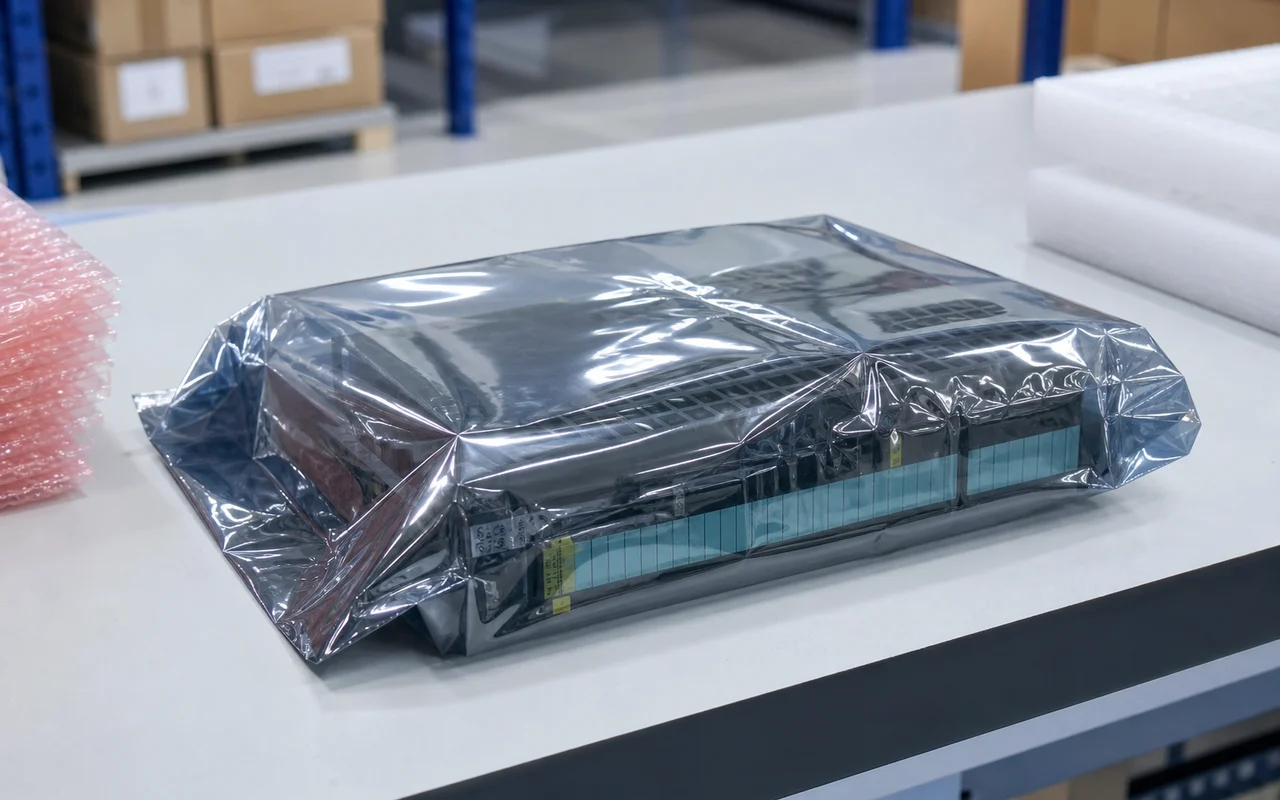 Anti-static Packaging
Modules are packed in anti-static bags to prevent electrostatic damage.
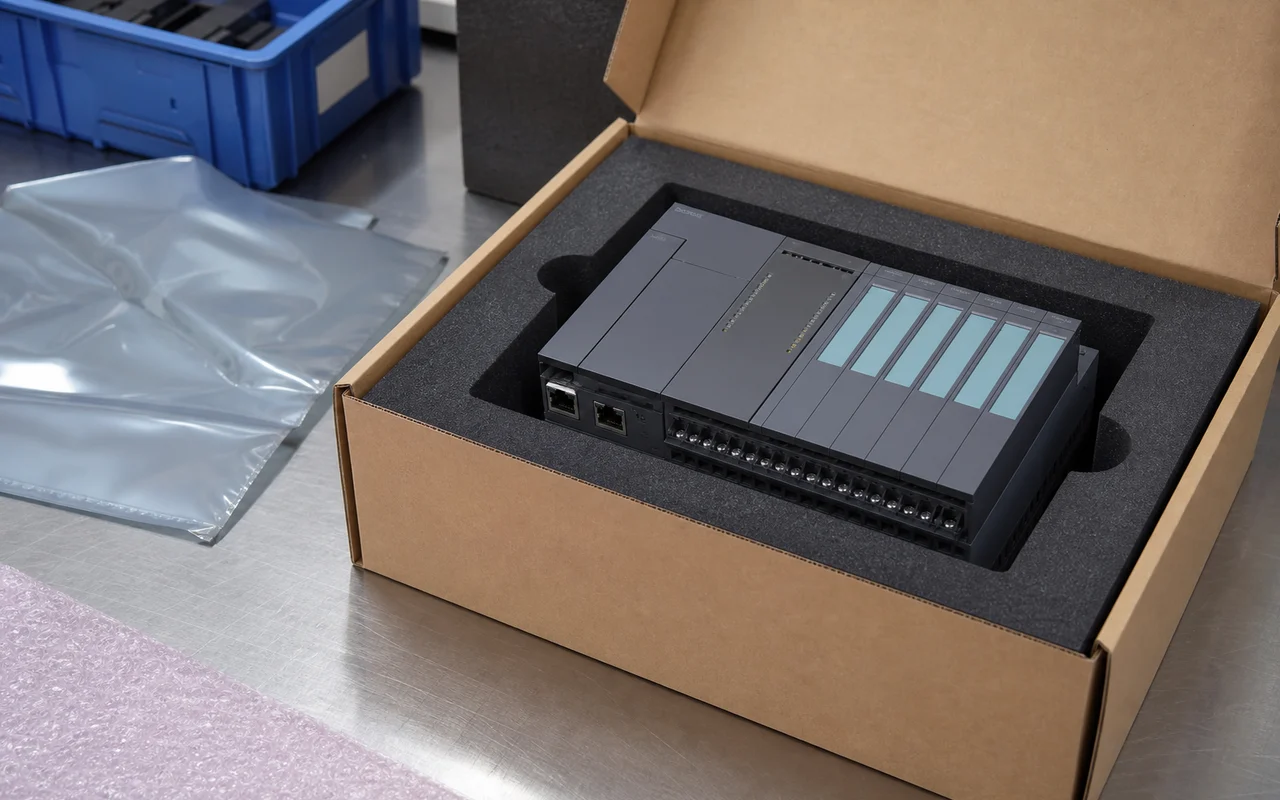 Secure Export Packing
Cushion protection and strong cartons ensure safe transportation.
 Worldwide Shipping
Global logistics network supports air, sea and express delivery.
 Documentation Check
Part number, revision and compatibility verified before shipment.
 After-sales Support
Professional technical support to help resolve your issues.