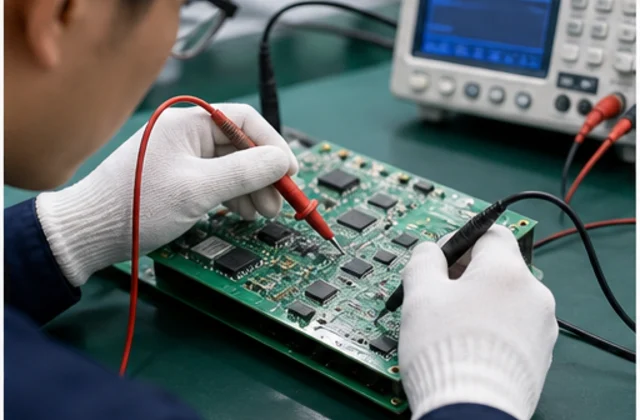
 Functional Inspection
100% tested on professional platforms to ensure stable performance.
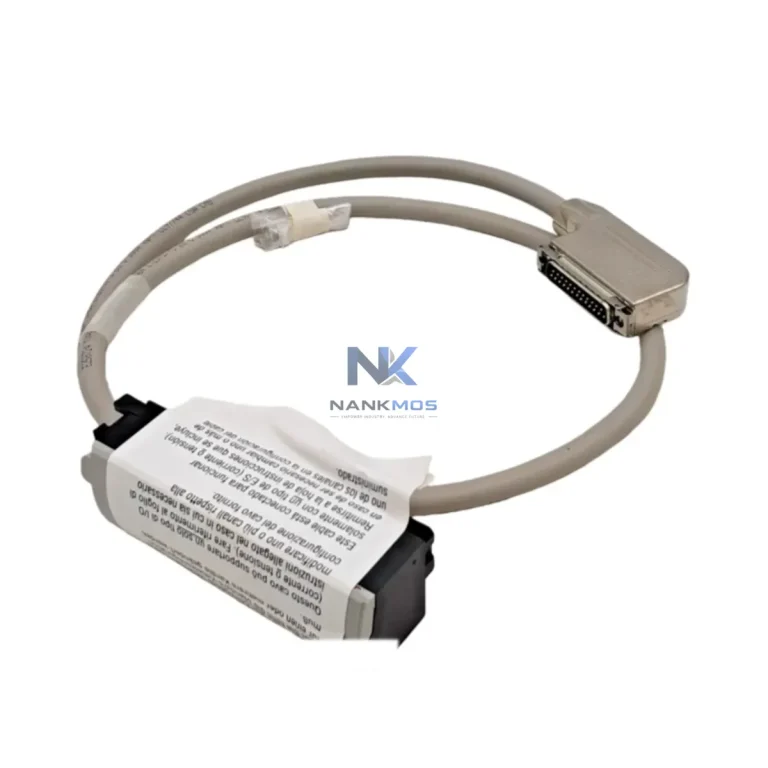
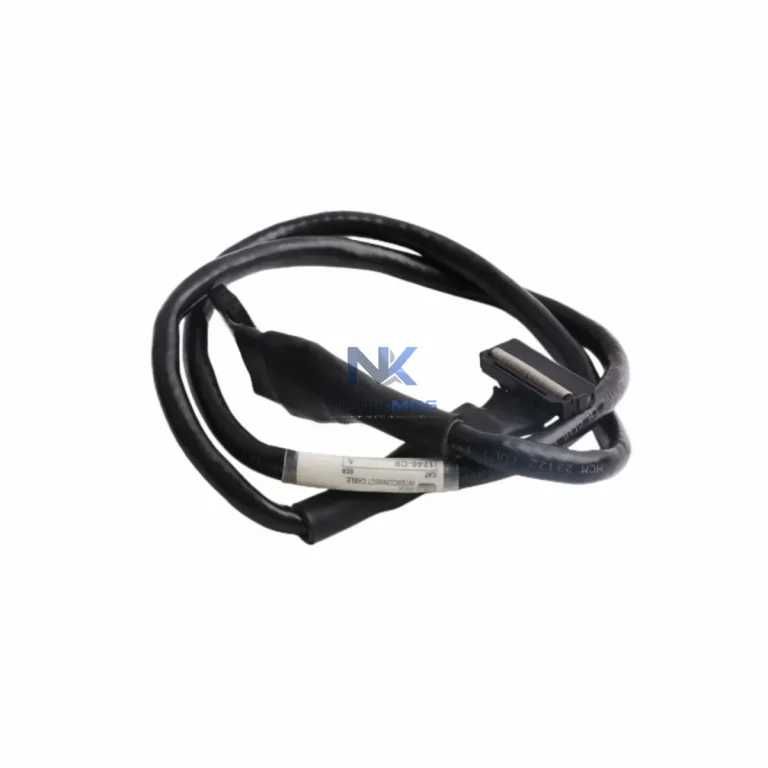
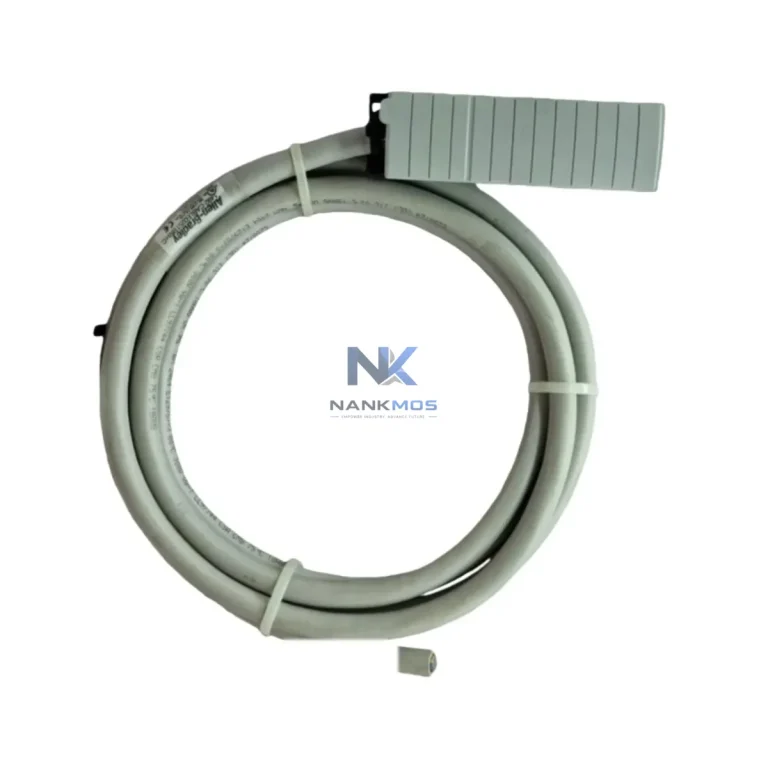
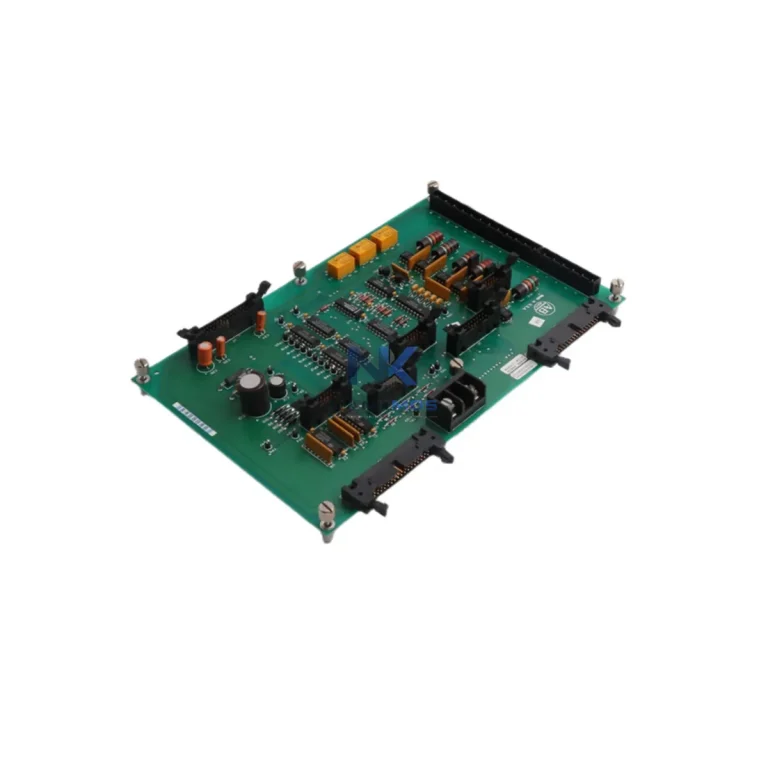
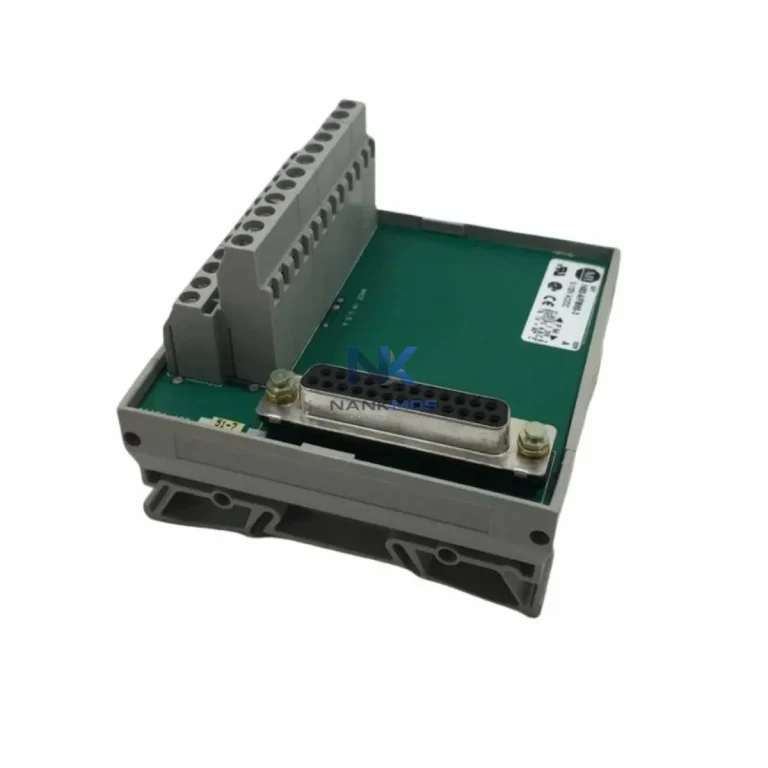
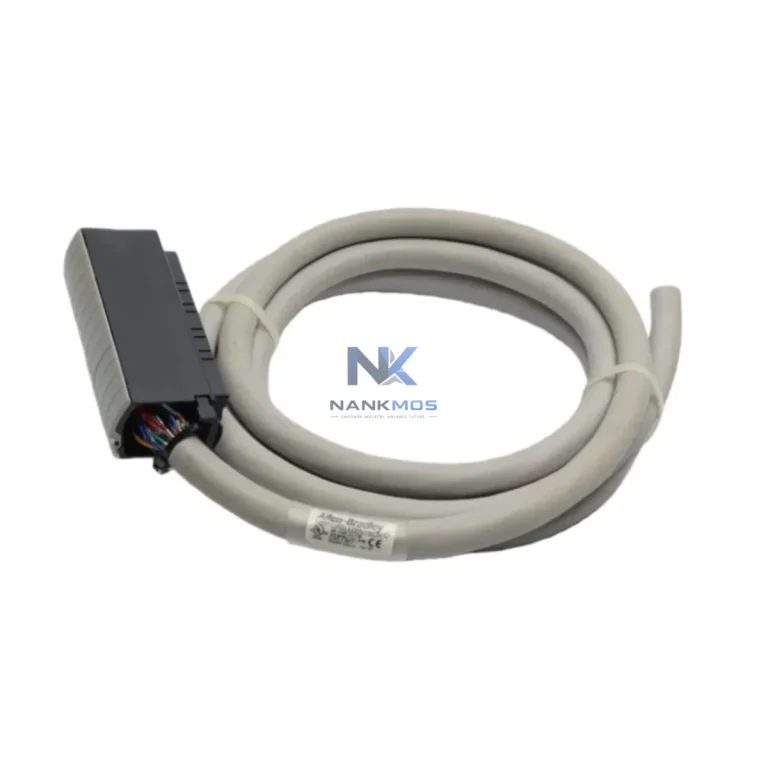
Allen-Bradley 1746-C9 is a NANKMOS industrial automation product record Listed under SLC 500 series and Cables & Connectors. Confirm condition, availability, lead time, compatibility and documentation by email inquiry.
Brand names are used for identification only.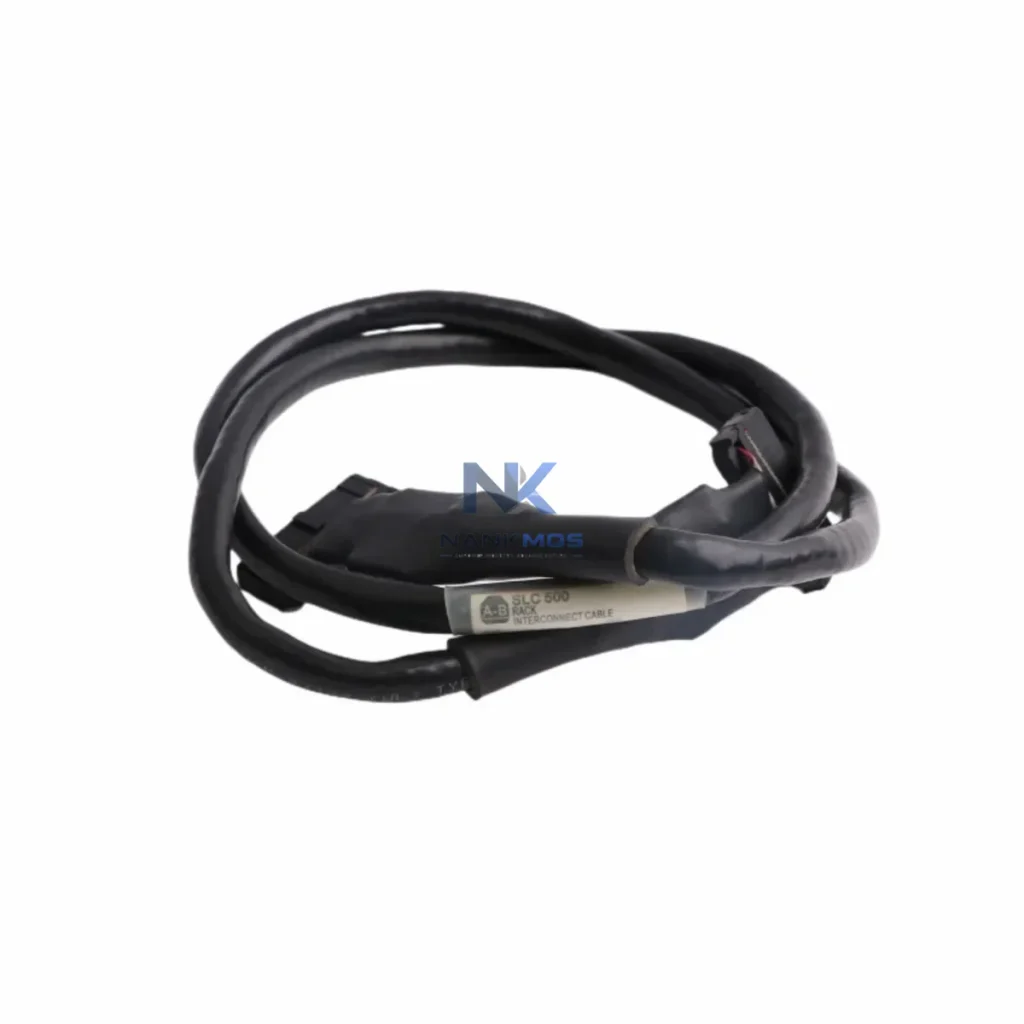
Allen-Bradley 1746-C9 is a NANKMOS industrial automation product record Listed under SLC 500 series and Cables & Connectors. Confirm condition, availability, lead time, compatibility and documentation by email inquiry.
| Manufacturer | Allen-Bradley |
|---|---|
| Application | Industrial Network Communication |
| Part Number / Model | 1746-C9 |
| Compatible System | SLC 500 |
| Series | SLC 500 |
| Condition Options | To Confirm |
| Module Type | Communication Module |
| Warranty | 12 Months |
| Packaging | Anti-static Bag / Secure Box |
| Shipping Methods | DHL / FedEx / UPS / Air / Sea |
| Availability | To Confirm |
| Lead Time | To Confirm |
| Documentation | Part number and revision checked before quote |
In modern smart factory environments, the integrity of data flow between field devices, programmable logic controllers, remote I/O modules, and supervisory systems is the backbone of operational efficiency. The Allen-Bradley 1746-C9 SLC 500 Chassis Interconnect Cable is a purpose-engineered connectivity solution designed to extend and link SLC 500 chassis in multi-chassis configurations, enabling seamless DH-485 network communication across distributed control architectures. Whether you are integrating a compact SLC 5/03 processor with an expanded I/O rack or building a multi-node automation cell that feeds real-time data to a SCADA platform, the 1746-C9 provides the physical network backbone that keeps your industrial data chain intact.
The 1746-C9 is not simply a cable — it is a critical network infrastructure component. In SLC 500 systems, the chassis interconnect cable carries both backplane power and DH-485 communication signals between linked chassis, allowing the processor in the primary chassis to address I/O modules housed in expansion chassis as if they were local. This architecture is fundamental to scalable automation designs where a single SLC 5/04 or SLC 5/05 processor must manage a large number of discrete and analog I/O points distributed across multiple physical enclosures. By maintaining low-latency, deterministic communication across the chassis link, the 1746-C9 ensures that scan cycle times remain predictable and that the controller's ladder logic executes against accurate, real-time field data.
From a smart factory data flow perspective, the 1746-C9 sits at the intersection of signal acquisition and network transport. Field sensors — including proximity switches, photoelectric sensors, pressure transmitters, and thermocouple inputs — connect to 1746-series I/O modules housed in expansion chassis. The 1746-C9 carries the digitized process values from these modules back to the primary chassis, where the SLC processor aggregates the data and makes control decisions. Upstream, the SLC 5/05 processor's built-in Ethernet port or an additional 1747-AENTR EtherNet/IP adapter bridges the SLC data onto the plant's Ethernet backbone, making real-time process values available to FactoryTalk View SE SCADA servers, FactoryTalk Historian, and MES platforms. This complete chain — from sensor to I/O module, through the 1746-C9 chassis link, into the SLC processor, and out to the Ethernet network — represents the foundational data pipeline of a connected factory cell.
For facilities operating mixed-generation automation infrastructure, the 1746-C9 also plays a role in protocol bridging and system integration. SLC 500 systems frequently coexist with newer ControlLogix or CompactLogix platforms, and data from SLC-controlled cells is often aggregated through a 1761-NET-AIC Advanced Interface Converter or a 1747-KFC15 DF1-to-DH-485 gateway before being forwarded to higher-level systems. In these hybrid architectures, the reliability of the chassis interconnect cable directly affects the quality of data available to remote diagnostic tools, OEE dashboards, and alarm management systems. A degraded or intermittent chassis link introduces latency, missed I/O updates, and false fault conditions that propagate through the entire data chain — making the physical integrity of the 1746-C9 a prerequisite for accurate remote monitoring and diagnostics.
Remote diagnostics and predictive maintenance workflows depend on continuous, uninterrupted data streams from the field. When a 1746-C9 interconnect cable is properly installed and functioning, the SLC processor can report I/O module status, fault codes, and process variable trends to connected HMI panels — such as a PanelView 800 or PanelView Plus 7 — and to remote SCADA clients without data gaps. Maintenance engineers monitoring the system from a control room or via a remote VPN connection can observe real-time analog values, discrete input states, and controller diagnostic registers, enabling condition-based maintenance decisions without requiring physical presence on the plant floor. This remote visibility is only possible when the chassis interconnect layer — anchored by components like the 1746-C9 — is operating reliably.
System expansion is another key value driver for the 1746-C9. As production requirements grow, additional 1746-series expansion chassis can be added to an existing SLC 500 system using additional interconnect cables, extending the I/O capacity of the controller without requiring a full system redesign. This modularity allows automation engineers to scale their control architecture incrementally, adding 1746-OB16 digital output modules, 1746-NI4 analog input modules, or 1746-HSRV high-speed counter modules in new expansion chassis as process complexity increases. The 1746-C9 makes this expansion straightforward, preserving the investment in existing SLC 500 hardware while accommodating new automation requirements.
At NANKMOS, every 1746-C9 unit is sourced from verified supply channels and undergoes pre-shipment functional inspection to confirm connector integrity, cable continuity, and shielding performance. Our inventory is maintained to support both urgent replacement orders and planned project procurement, with fast global shipping to minimize downtime on production lines. Each unit is backed by a 12-month warranty, reflecting our commitment to supply chain reliability and product quality for industrial automation professionals worldwide.
A typical smart factory deployment using the 1746-C9 begins at the field level, where discrete sensors and analog transmitters feed process data into 1746-series I/O modules distributed across expansion chassis. The 1746-C9 interconnect cable carries this data across the chassis boundary to the primary SLC 500 chassis, where a SLC 5/05 processor with an integrated Ethernet port aggregates all I/O states and executes the control program. For facilities requiring higher I/O density, a 1746-A13 13-slot expansion chassis linked via the 1746-C9 provides additional module slots for analog inputs, thermocouple modules, and high-speed counter cards.
At the network transport layer, a 1747-AENTR EtherNet/IP Remote I/O Adapter can be used to bridge SLC 500 I/O data onto the plant's EtherNet/IP backbone, enabling the SLC system to participate in a broader ControlLogix or CompactLogix-managed network. A 1761-NET-AIC Advanced Interface Converter provides DH-485-to-RS-232 bridging for legacy HMI connections, while a 1747-KFC15 DF1-to-DH-485 Gateway enables communication between the SLC network and upstream data collection systems. These gateway components rely on the 1746-C9 to maintain a stable, low-latency chassis link as the foundation of the data chain.
At the visualization and monitoring layer, a PanelView Plus 7 HMI terminal connected via EtherNet/IP displays real-time process values sourced from the SLC 500 system, including analog trends, discrete alarm states, and production counters. A FactoryTalk View SE SCADA server aggregates data from multiple SLC 500 nodes across the plant, providing operators with a unified view of production status, energy consumption, and equipment health. Variable frequency drives — such as a PowerFlex 40 connected via DeviceNet or an RS-485 link — report speed, current, and fault status back through the network, with the SLC processor acting as the data concentrator for the drive network segment.
For remote diagnostics, a FactoryTalk Remote Access gateway or a third-party industrial router provides secure VPN connectivity to the SLC 500 system, allowing maintenance engineers to monitor I/O states, download updated ladder logic programs, and review fault history logs without traveling to the plant floor. Edge computing nodes — such as a Stratus EWF 2100 edge server — can be deployed alongside the SLC system to buffer process data locally and forward aggregated datasets to cloud-based analytics platforms, enabling predictive maintenance models to be trained on historical I/O trends. The entire data chain, from field sensor through the 1746-C9 chassis link to the cloud analytics layer, represents the connected factory architecture that the 1746-C9 helps to anchor at the physical network level.
One of the most persistent challenges in legacy and hybrid automation environments is the presence of data silos — isolated control systems that cannot share process information with adjacent systems or with plant-level supervisory platforms. In SLC 500 installations, a failing or incorrectly specified chassis interconnect cable is a common root cause of data gaps, manifesting as intermittent I/O faults, unexpected controller halts, and missing data points in SCADA historian databases. Replacing a degraded cable with a correctly rated 1746-C9 restores the physical integrity of the chassis link and eliminates the source of these data interruptions.
Protocol inconsistency is another frequent barrier to plant-wide data transparency. SLC 500 systems communicate natively over DH-485, while newer automation platforms use EtherNet/IP or PROFINET. Bridging these protocol domains requires reliable gateway hardware — but the gateway can only perform its translation function if the underlying chassis communication, maintained by the 1746-C9, is stable and error-free. A high bit-error rate on the chassis link will cause the gateway to report stale or invalid data to the upstream SCADA system, undermining the accuracy of production dashboards and alarm management systems.
Remote monitoring and alarm tracking are also directly affected by chassis link quality. In facilities where maintenance teams rely on remote HMI access or mobile SCADA clients to monitor production status, a degraded chassis interconnect introduces latency and data loss that can cause alarm events to be missed or reported with incorrect timestamps. By maintaining a reliable 1746-C9 chassis link, automation engineers ensure that alarm data is captured accurately and forwarded to the alarm management system in real time, supporting root cause analysis and regulatory compliance reporting.
System scalability is a long-term concern for any growing manufacturing operation. The modular architecture of the SLC 500 platform, enabled by the 1746-C9 chassis interconnect, allows production lines to be expanded incrementally without requiring a complete control system redesign. New I/O modules can be added to expansion chassis as process requirements evolve, and the 1746-C9 ensures that the expanded I/O capacity is fully accessible to the SLC processor without performance degradation. This scalability protects the capital investment in existing SLC 500 infrastructure while accommodating future automation requirements.
Q1: What communication protocol does the Allen-Bradley 1746-C9 support, and is it compatible with EtherNet/IP networks? The 1746-C9 operates on the DH-485 (Data Highway 485) protocol at the chassis backplane level. It is not a direct EtherNet/IP device; however, when used in conjunction with a 1747-AENTR EtherNet/IP Remote I/O Adapter or a 1761-NET-AIC interface converter, the SLC 500 system can bridge DH-485 data onto an EtherNet/IP network, enabling integration with ControlLogix systems, FactoryTalk SCADA platforms, and plant-level Ethernet infrastructure.
Q2: How does the 1746-C9 affect network stability and scan cycle performance in multi-chassis SLC 500 systems? The 1746-C9 provides a dedicated backplane communication path between linked SLC 500 chassis, ensuring that I/O data is transferred deterministically within the controller's scan cycle. A properly installed and undamaged 1746-C9 maintains low-latency, error-free chassis communication, which is essential for predictable scan cycle times and accurate real-time control. Cable damage, incorrect length selection, or connector degradation can introduce communication errors that extend scan times and cause I/O fault conditions.
Q3: Can the 1746-C9 support remote diagnostics and SCADA integration in a connected factory environment? Yes. The 1746-C9 is the physical foundation of the SLC 500 multi-chassis data chain. When the chassis link is operating correctly, the SLC processor has full visibility into all I/O modules across linked chassis, and this data can be forwarded to remote HMI panels, SCADA servers, and remote diagnostic tools via the processor's communication ports or through gateway adapters. Reliable chassis communication is a prerequisite for accurate remote monitoring, alarm tracking, and data visualization in any connected factory deployment.
Q4: What warranty and pre-shipment testing does NANKMOS provide for the 1746-C9? Every 1746-C9 unit supplied by NANKMOS is covered by a 12-month warranty from the date of shipment. Prior to dispatch, each unit undergoes pre-shipment inspection covering connector integrity, cable continuity, and shielding performance to ensure it meets the original Allen-Bradley specification. Our inventory is maintained to support both urgent replacement orders and planned project procurement, with fast global shipping to minimize production downtime. For volume orders or project-specific requirements, contact our technical team for lead time confirmation and application support.
Functional Inspection100% tested on professional platforms to ensure stable performance.
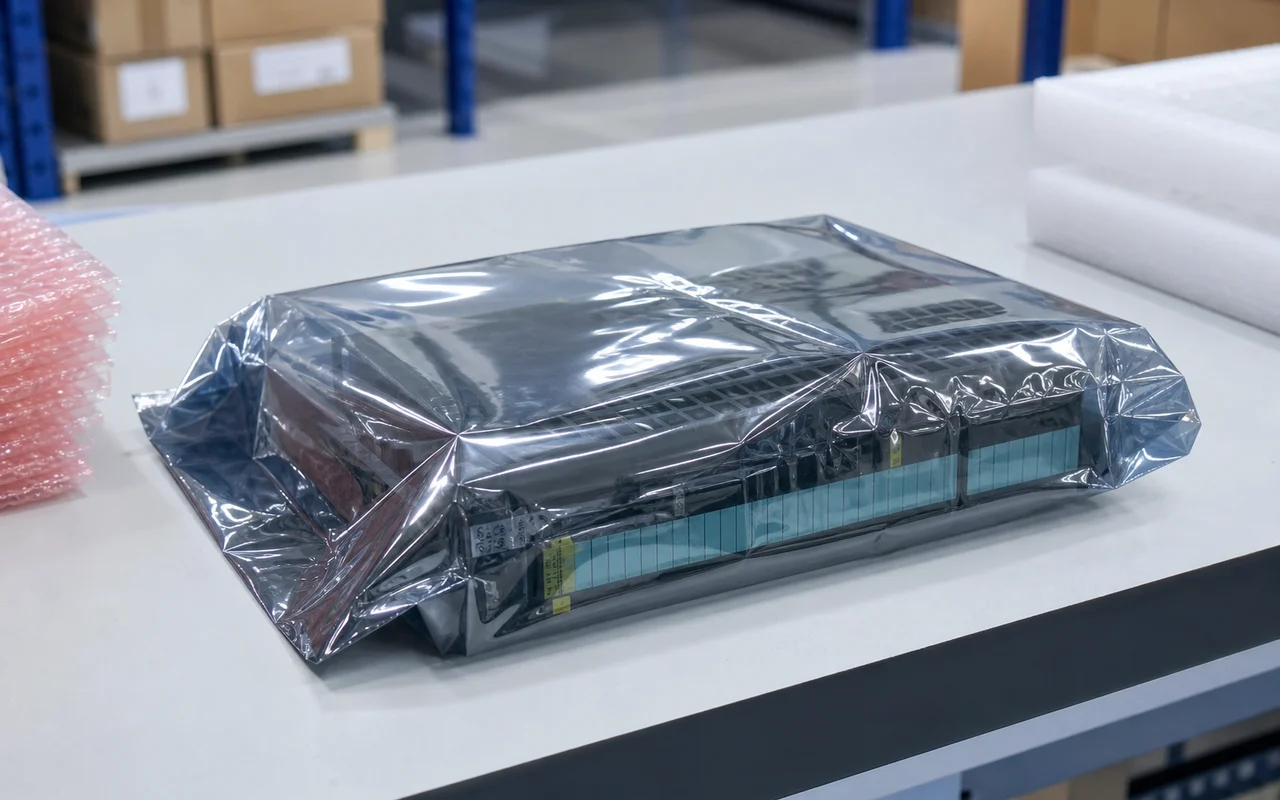 Anti-static Packaging
Modules are packed in anti-static bags to prevent electrostatic damage.
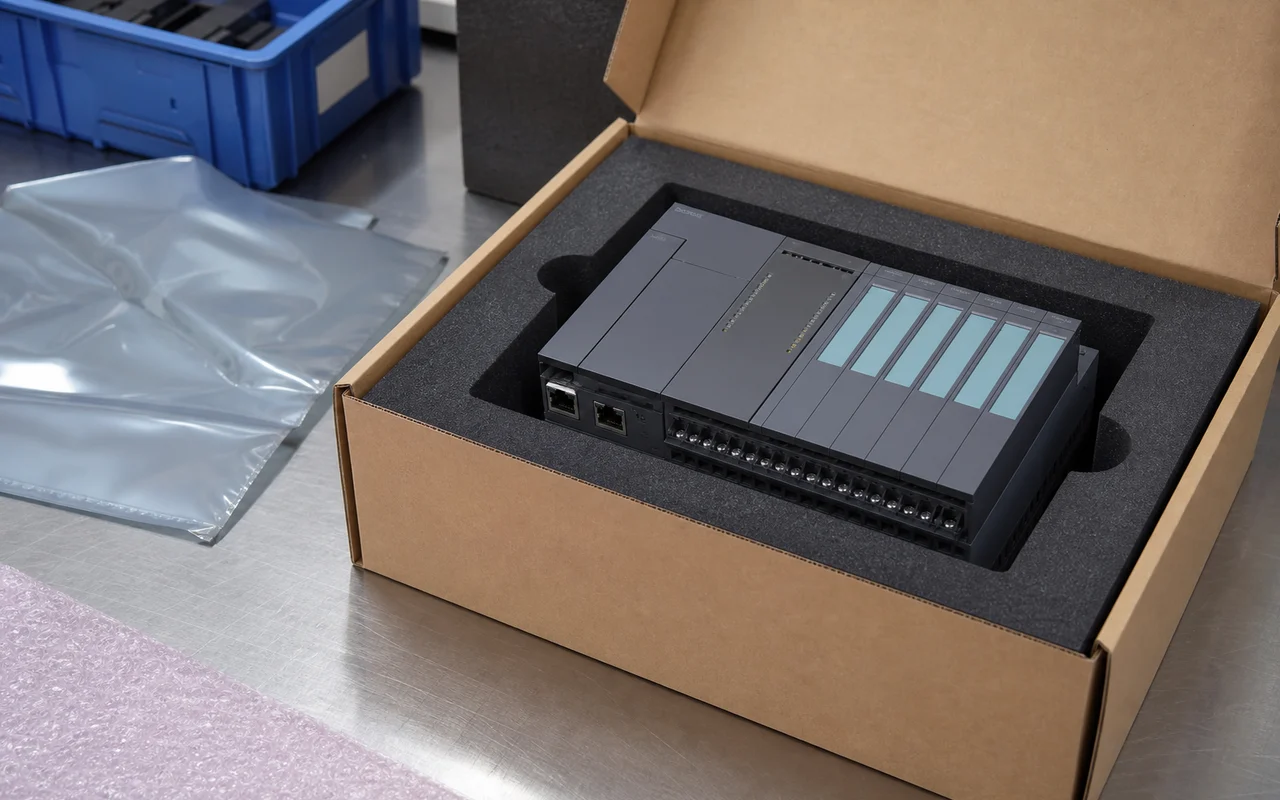 Secure Export Packing
Cushion protection and strong cartons ensure safe transportation.
 Worldwide Shipping
Global logistics network supports air, sea and express delivery.
 Documentation Check
Part number, revision and compatibility verified before shipment.
 After-sales Support
Professional technical support to help resolve your issues.