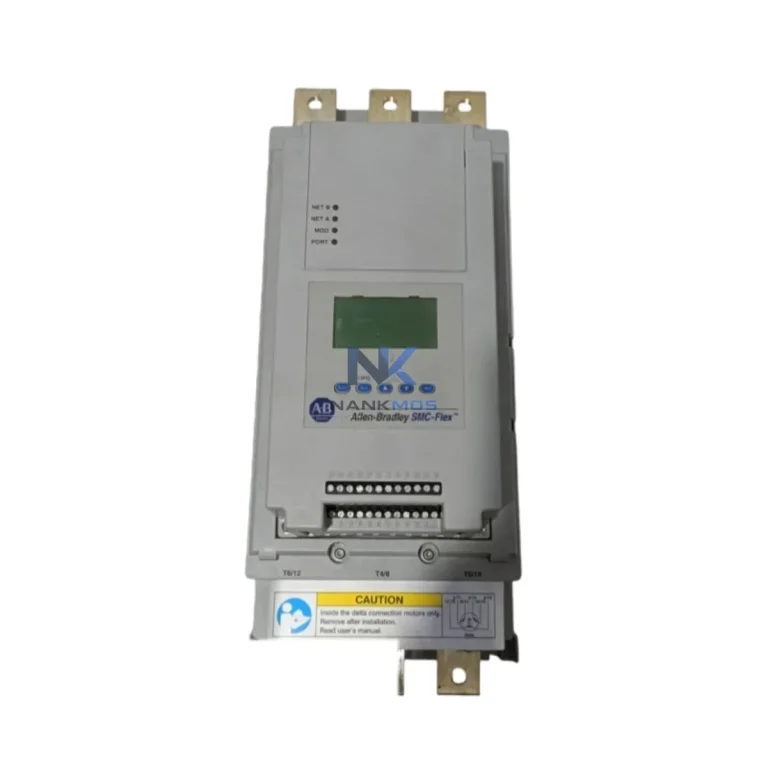
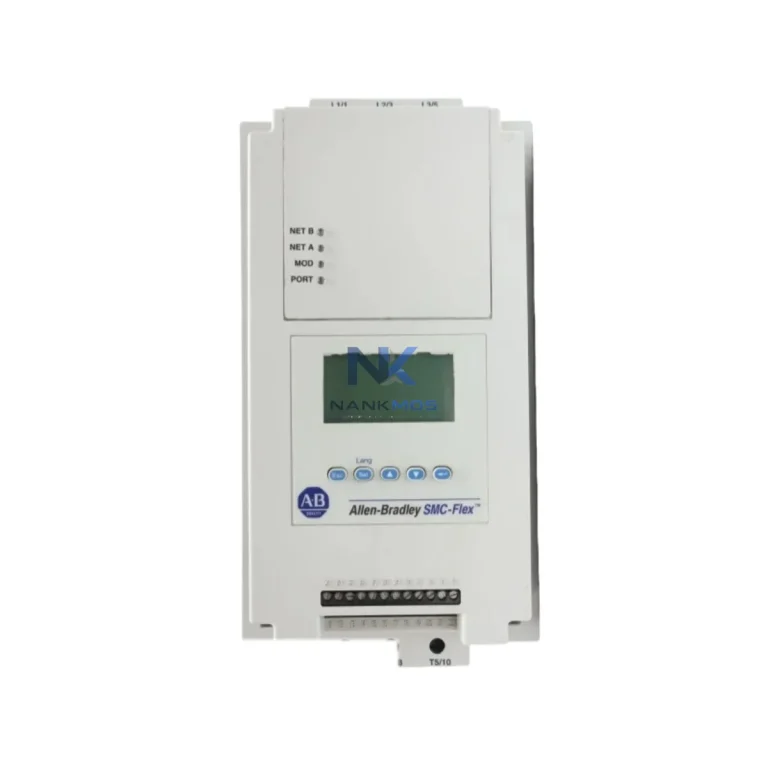
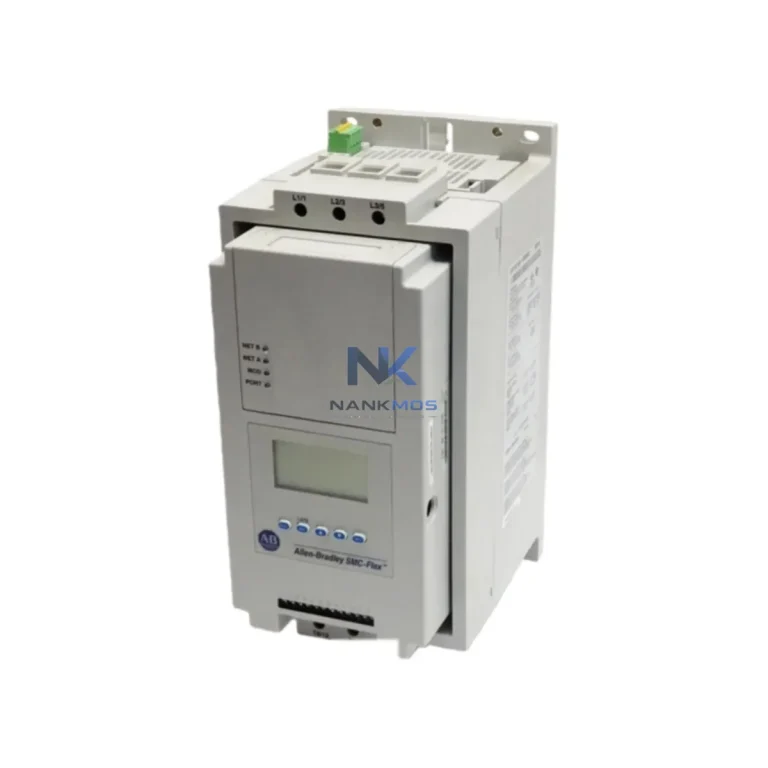
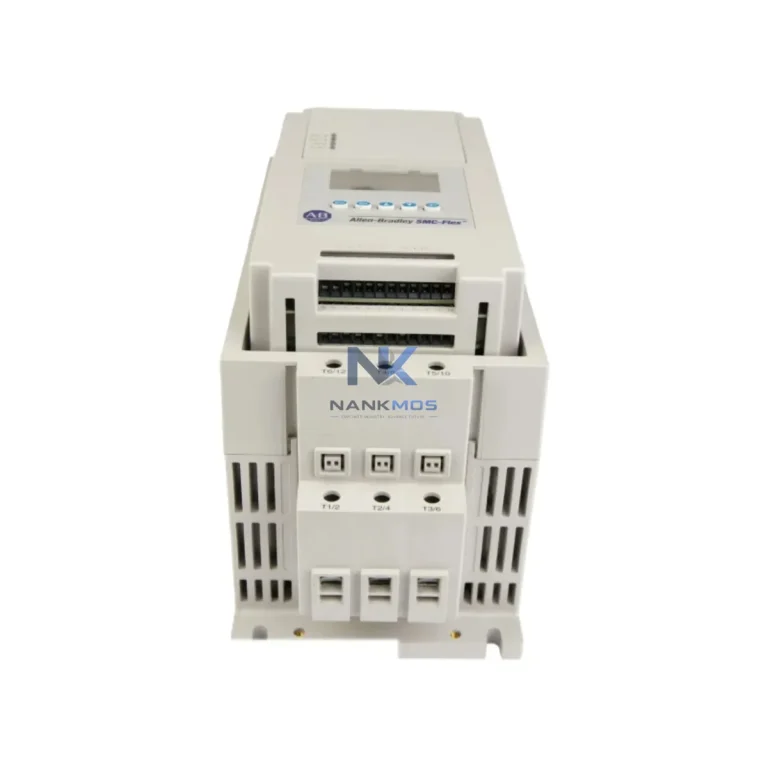
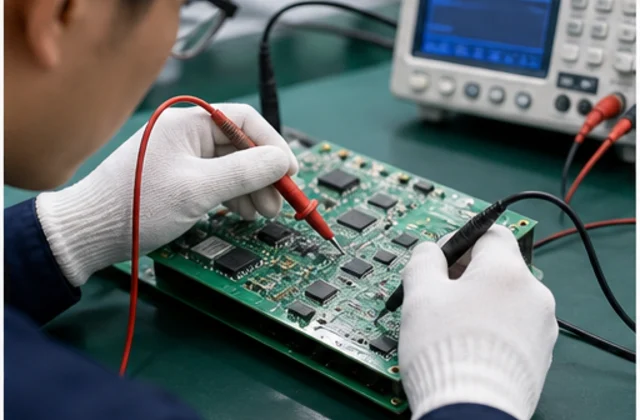
 Functional Inspection
100% tested on professional platforms to ensure stable performance.
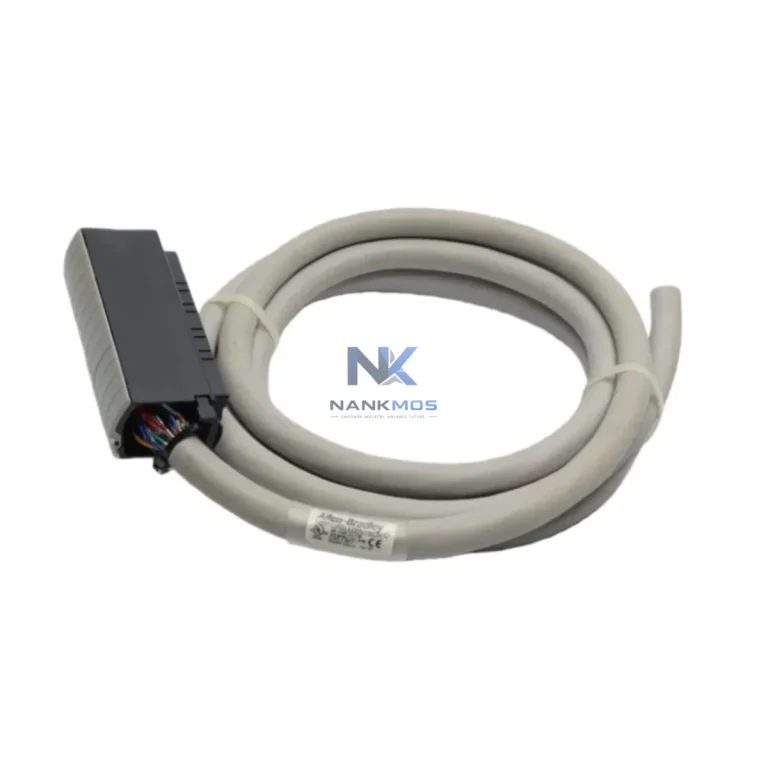
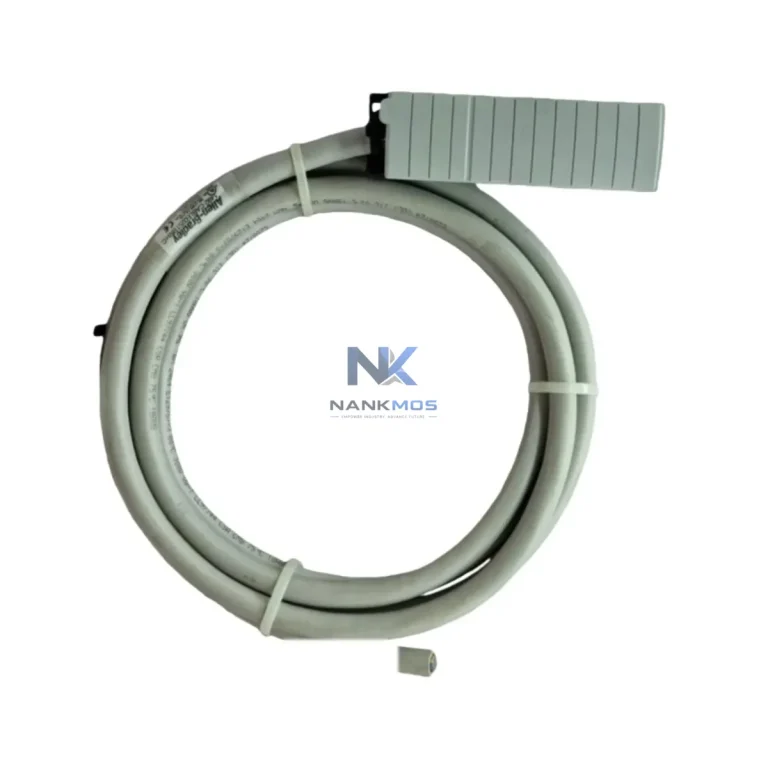
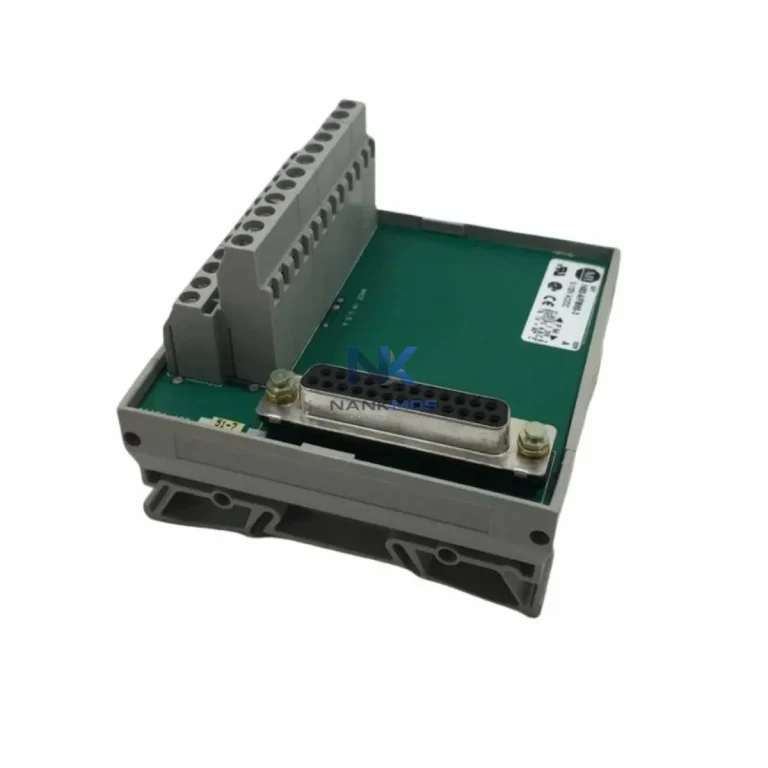
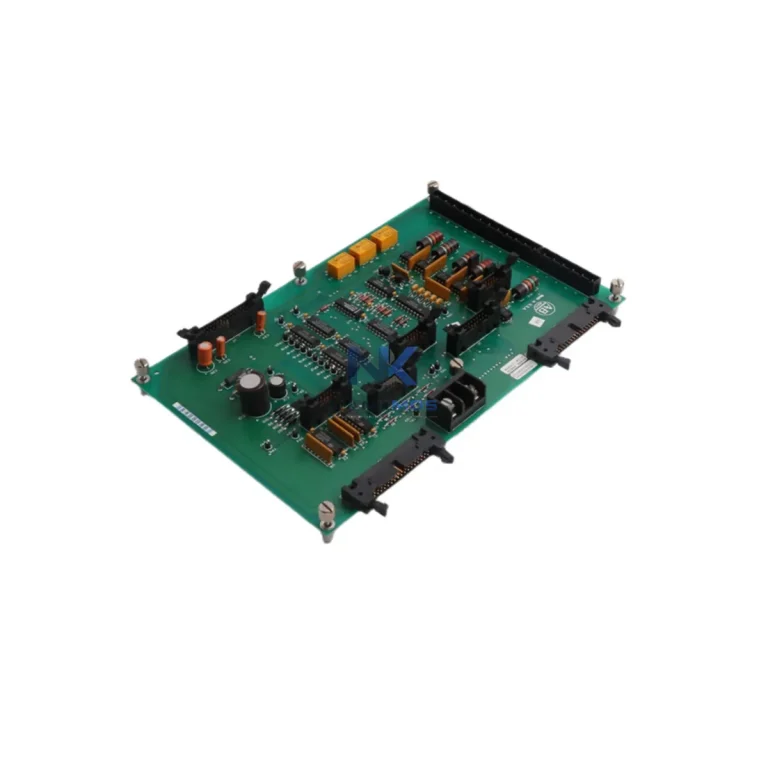
Allen-Bradley 1771-IFM is a NANKMOS industrial automation product record Listed under PLC-5 series and Business & Industrial > Automation, Control & Flow Devices > Programmable Logic Controllers. Confirm condition, availability, lead time, compatibility and documentation by email inquiry.
Brand names are used for identification only.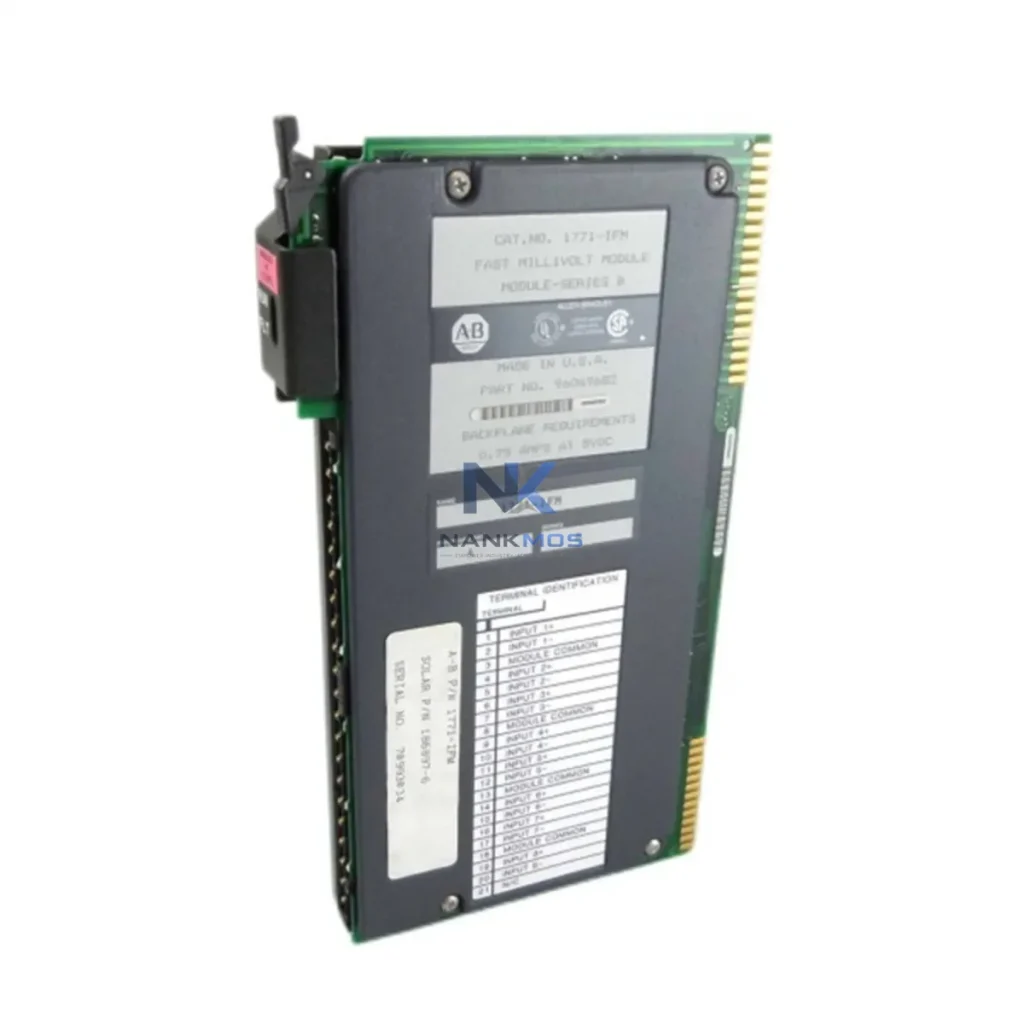
Allen-Bradley 1771-IFM is a NANKMOS industrial automation product record Listed under PLC-5 series and Business & Industrial > Automation, Control & Flow Devices > Programmable Logic Controllers. Confirm condition, availability, lead time, compatibility and documentation by email inquiry.
| Manufacturer | Allen-Bradley |
|---|---|
| Application | Controller Processing & System Control |
| Part Number / Model | 1771-IFM |
| Compatible System | PLC-5 |
| Series | PLC-5 |
| Condition Options | To Confirm |
| Module Type | Controller / CPU Module |
| Warranty | 12 Months |
| Packaging | Anti-static Bag / Secure Box |
| Shipping Methods | DHL / FedEx / UPS / Air / Sea |
| Availability | To Confirm |
| Lead Time | To Confirm |
| Documentation | Part number and revision checked before quote |
The Allen-Bradley 1771-IFM is a high-performance analog input/output module engineered for the PLC-5 programmable controller platform, one of Rockwell Automation's most enduring and widely deployed control architectures in industrial environments. Designed to bridge the gap between field-level instrumentation and upper-layer control systems, the 1771-IFM delivers reliable, real-time analog signal acquisition and transmission across complex industrial data networks. Whether deployed in discrete manufacturing, process control, energy management, or water treatment facilities, this module serves as a critical node in the smart factory data chain — converting physical process variables into structured digital data that feeds SCADA platforms, HMI dashboards, and enterprise-level MES systems.
In modern industrial connectivity architectures, the 1771-IFM functions as the front-end signal conditioner and data originator. Field sensors — including 4–20 mA current loop transmitters, thermocouple inputs, RTD probes, and voltage-output transducers — connect directly to the module's input terminals. The 1771-IFM then digitizes these analog signals with high resolution and passes structured process data upstream through the PLC-5 backplane to the processor, where it becomes available for ladder logic execution, PID loop control, alarm management, and network-level data sharing. This seamless signal-to-data conversion is the foundation of any transparent, connected production environment.
Within the broader Allen-Bradley 1771 I/O chassis ecosystem, the 1771-IFM operates alongside complementary modules such as the 1771-OFE analog output module, the 1771-IXE thermocouple input module, and the 1771-IBD digital input module, forming a complete mixed-signal I/O subsystem. The PLC-5 processor — whether a 1785-L40B, 1785-L60B, or 1785-LT — coordinates data exchange between these modules and the plant network via Data Highway Plus (DH+) or Remote I/O (RIO) communication links. This architecture allows the 1771-IFM's process data to be accessed by remote operator stations running RSView32 or FactoryTalk View SE, enabling real-time visualization of temperature, pressure, flow, and level variables across the production floor.
For facilities integrating legacy PLC-5 systems with modern Ethernet-based infrastructure, the 1771-IFM's data can be bridged to EtherNet/IP networks using communication gateways such as the 1756-ENBT ControlLogix Ethernet bridge or third-party protocol converters. This enables SCADA platforms like FactoryTalk Historian, Ignition SCADA, or Wonderware InTouch to poll live analog values from the 1771-IFM at configurable scan rates, supporting real-time trending, alarm threshold monitoring, and historical data logging. The result is a fully transparent data pipeline from field sensor to cloud-ready analytics platform — a core requirement of Industry 4.0 and IIoT-driven smart factory initiatives.
Remote diagnostics capabilities are significantly enhanced when the 1771-IFM is integrated into a networked PLC-5 system. Maintenance engineers can remotely monitor analog channel health, verify signal scaling, and detect out-of-range conditions through RSLogix 5 programming software connected via DH+ or through a 1784-PKTX communication card. Fault conditions — such as broken wire detection, over-range inputs, or module communication errors — are flagged in real time and propagated to HMI alarm banners and SCADA event logs, enabling rapid remote diagnosis without requiring on-site intervention. This capability is especially valuable in geographically distributed installations such as pipeline monitoring stations, water treatment plants, and substation automation systems.
The 1771-IFM also plays a key role in energy optimization workflows. By continuously acquiring analog data from power meters, current transformers, and energy transducers, the module feeds real-time consumption data into energy management SCADA systems. When paired with Allen-Bradley PowerFlex variable frequency drives — such as the PowerFlex 700 or PowerFlex 40 — the analog feedback loop enables precise motor speed control based on process demand, reducing energy waste and extending equipment service life. This closed-loop control architecture, anchored by the 1771-IFM's reliable analog acquisition, is a proven strategy for achieving measurable energy efficiency gains in pump, fan, and compressor applications.
All units supplied by NANKMOS undergo pre-shipment functional testing, including analog channel verification, signal linearity checks, and backplane communication validation. Each 1771-IFM is backed by a 12-month warranty covering manufacturing defects and functional failures under normal operating conditions. NANKMOS maintains ready stock of the 1771-IFM and related PLC-5 I/O modules, supporting fast global delivery to minimize production downtime for maintenance and expansion projects.
The 1771-IFM anchors a complete industrial data flow chain that begins at the field instrument level and extends to enterprise-wide monitoring platforms. At the field layer, process sensors — including differential pressure transmitters, thermocouple assemblies, and 4–20 mA flow meters — deliver analog signals to the 1771-IFM's input channels. The module digitizes these signals and passes structured data through the 1771 I/O chassis backplane to the PLC-5 processor, where real-time control logic executes PID algorithms, setpoint comparisons, and interlock conditions.
From the PLC-5 processor, process data travels over Data Highway Plus to remote I/O adapter modules such as the 1771-ASB, which extends the I/O network to distributed field panels and remote equipment skids. Simultaneously, the DH+ network connects to operator workstations running RSView32 or FactoryTalk View SE HMI software, where process engineers monitor live analog trends, acknowledge alarms, and adjust setpoints. For sites requiring integration with modern Ethernet infrastructure, a 1784-PKTX or 1756-ENBT gateway bridges DH+ data to EtherNet/IP, making 1771-IFM analog values accessible to FactoryTalk Historian servers, Ignition SCADA gateways, and OPC-UA data aggregators.
At the edge layer, industrial Ethernet switches — such as Stratix 5700 managed switches — segment and prioritize automation traffic, ensuring deterministic data delivery between PLC-5 nodes, HMI clients, and SCADA servers. PowerFlex 700 variable frequency drives receive analog speed reference signals derived from 1771-IFM process feedback, closing the control loop between field measurement and actuator response. Remote I/O modules in satellite panels relay digital status signals back to the PLC-5, completing the bidirectional data exchange that defines a fully connected smart factory architecture.
Many industrial facilities operating legacy PLC-5 systems face persistent challenges: protocol fragmentation between DH+ and modern EtherNet/IP networks, analog data islands that cannot be accessed by SCADA or MES platforms, and limited remote visibility into field-level process variables. The 1771-IFM directly addresses these gaps by providing a reliable, high-resolution analog acquisition point that integrates natively with the PLC-5 control architecture and can be bridged to modern network layers through proven gateway solutions.
Protocol unification is achieved by deploying communication gateways that translate DH+ data frames into EtherNet/IP or Modbus TCP packets, allowing SCADA platforms to poll 1771-IFM analog values without requiring controller replacement or system redesign. Data silos are eliminated as analog process variables — previously visible only at local HMI panels — become available to plant-wide historian databases, enabling cross-system correlation, production reporting, and predictive maintenance analytics. Remote monitoring capabilities are extended through VPN-secured SCADA connections, allowing off-site engineers to view live 1771-IFM data, acknowledge alarms, and adjust control parameters without traveling to the plant.
Production line transparency is further enhanced by integrating 1771-IFM data streams into MES dashboards, where OEE calculations, batch tracking, and quality control metrics are computed from real-time analog inputs. Alarm tracking is systematized through SCADA alarm management modules that log every out-of-range analog event with timestamp, duration, and operator response, supporting regulatory compliance and root cause analysis. System expansion is simplified by the modular 1771 I/O chassis architecture, which allows additional 1771-IFM modules to be added to existing chassis slots as process monitoring requirements grow.
Q1: What communication protocols does the Allen-Bradley 1771-IFM support? The 1771-IFM communicates natively via the PLC-5 backplane using Data Highway Plus (DH+) and Remote I/O (RIO) protocols. For integration with modern EtherNet/IP or Modbus TCP networks, protocol gateway devices such as the 1756-ENBT or third-party converters are used to bridge legacy DH+ data to Ethernet-based SCADA and MES systems without replacing the existing PLC-5 infrastructure.
Q2: Can the 1771-IFM be used in systems with mixed analog and digital I/O requirements? Yes. The 1771 I/O chassis supports mixed module configurations, allowing the 1771-IFM to operate alongside digital input modules (e.g., 1771-IBD), digital output modules (e.g., 1771-OBD), and other analog modules (e.g., 1771-OFE) within the same chassis. The PLC-5 processor manages all module data through a unified backplane scan, enabling coordinated control of both analog and discrete process variables.
Q3: How is remote diagnostics performed on a 1771-IFM in a networked PLC-5 system? Remote diagnostics are performed using RSLogix 5 software connected to the PLC-5 via a DH+ network link or through a 1784-PKTX communication card. Engineers can remotely monitor analog channel status, verify signal scaling, and detect fault conditions such as broken wire or over-range inputs. SCADA platforms connected via gateway also receive real-time fault data, enabling alarm notification and remote troubleshooting without on-site presence.
Q4: What warranty and stock availability does NANKMOS provide for the 1771-IFM? NANKMOS provides a 12-month warranty on all 1771-IFM units, covering manufacturing defects and functional failures under normal operating conditions. Units are pre-tested prior to shipment, including analog channel verification and backplane communication validation. The 1771-IFM is maintained in ready stock for fast global delivery, minimizing lead times for maintenance replacements and system expansion projects. Contact [email protected] or +86 18359268345 for availability and pricing.
Functional Inspection100% tested on professional platforms to ensure stable performance.
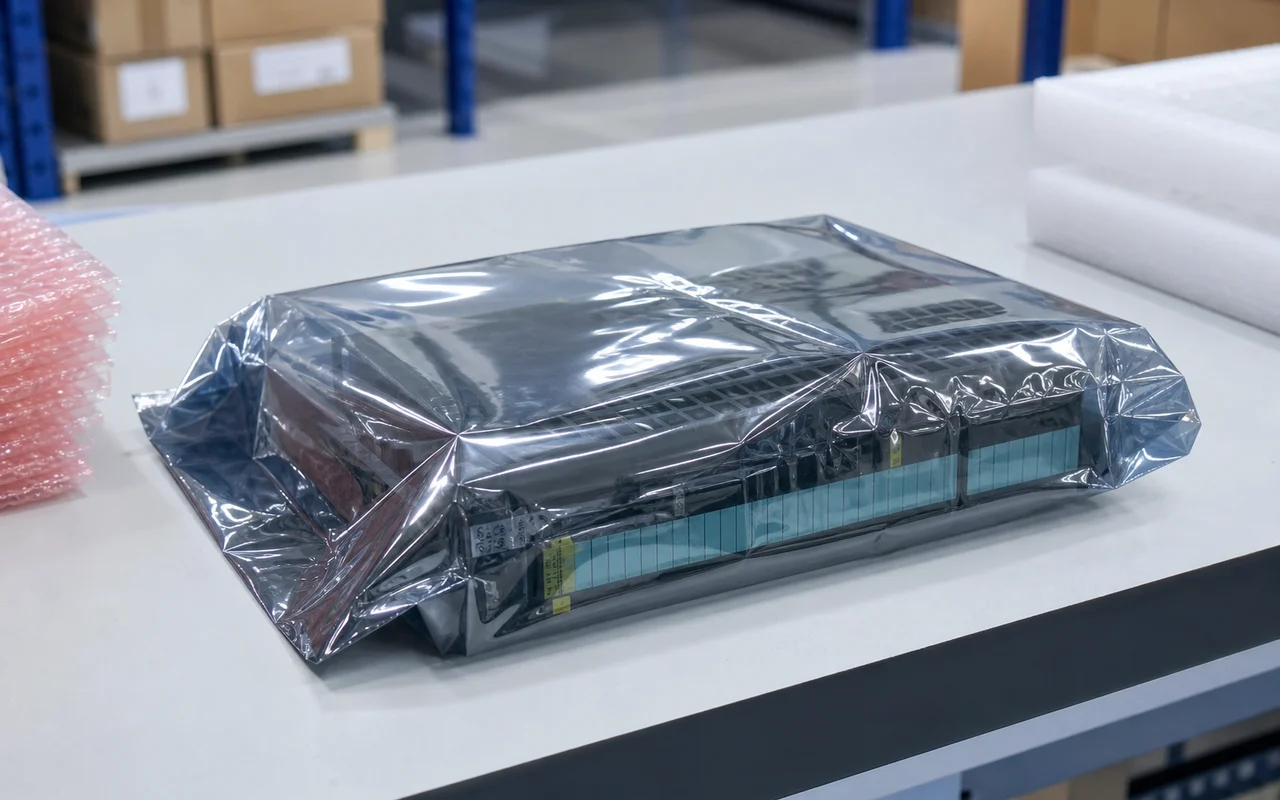 Anti-static Packaging
Modules are packed in anti-static bags to prevent electrostatic damage.
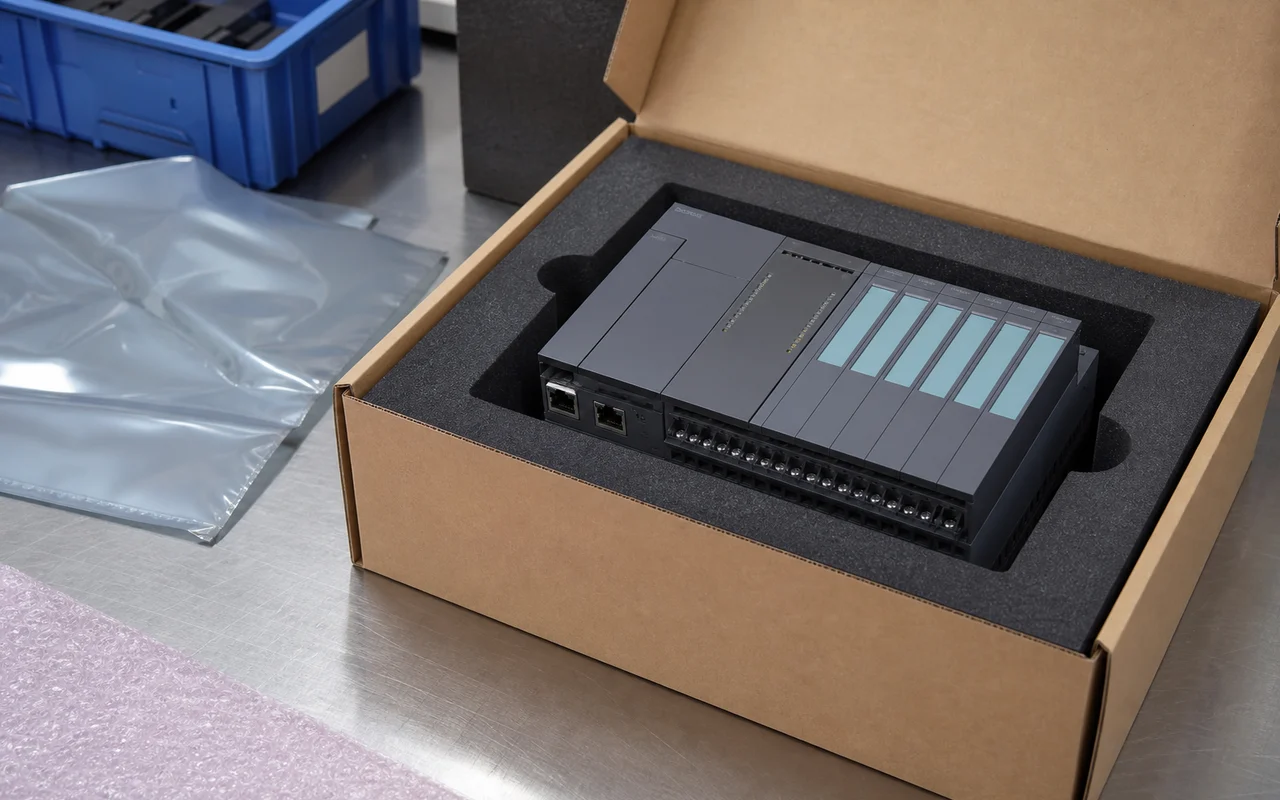 Secure Export Packing
Cushion protection and strong cartons ensure safe transportation.
 Worldwide Shipping
Global logistics network supports air, sea and express delivery.
 Documentation Check
Part number, revision and compatibility verified before shipment.
 After-sales Support
Professional technical support to help resolve your issues.