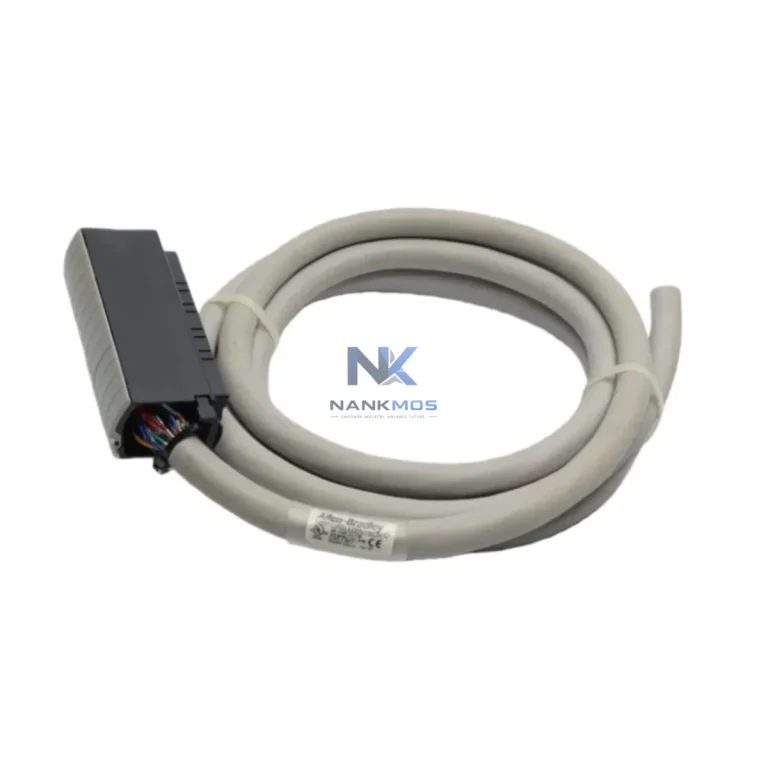
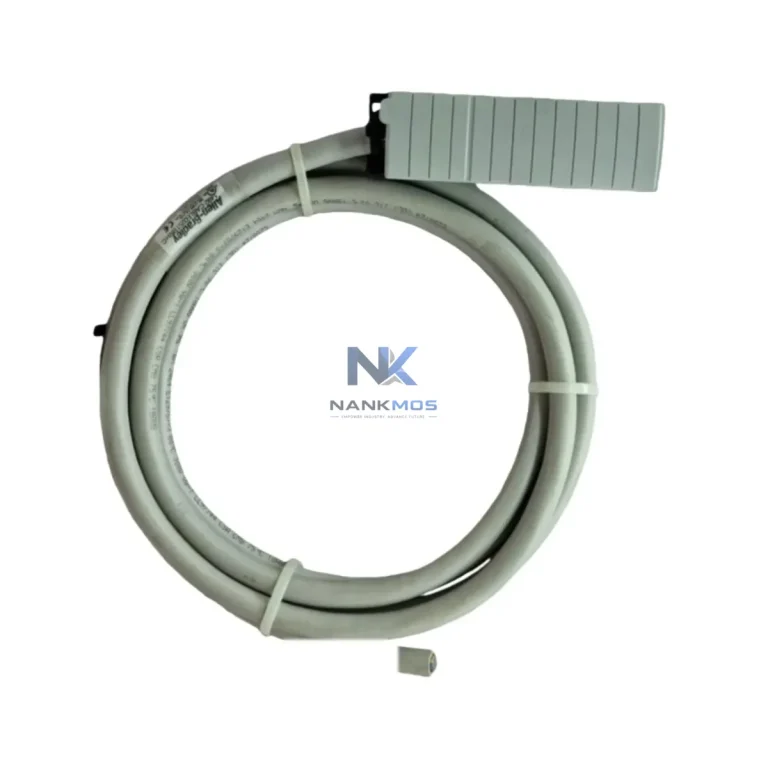
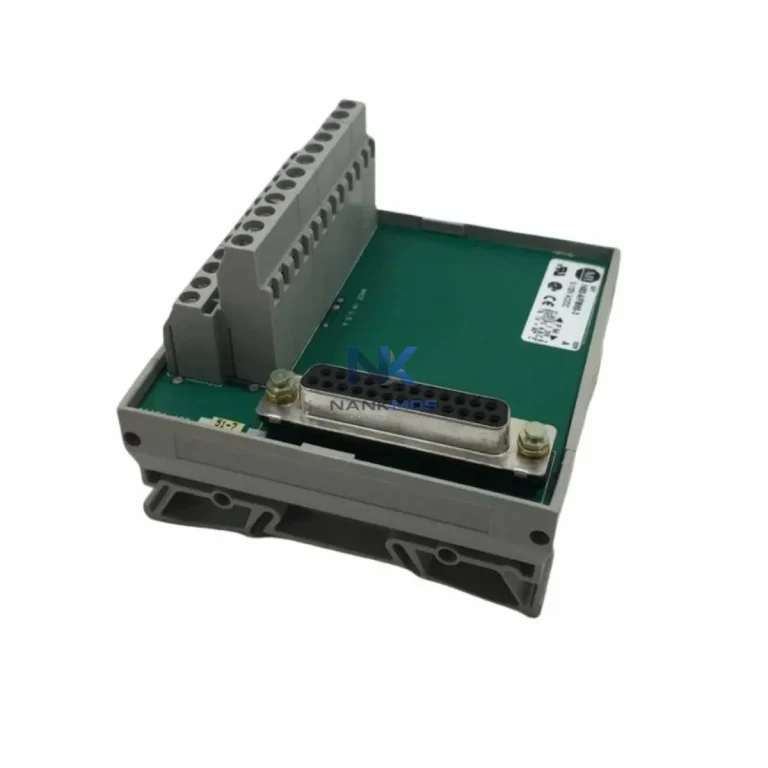
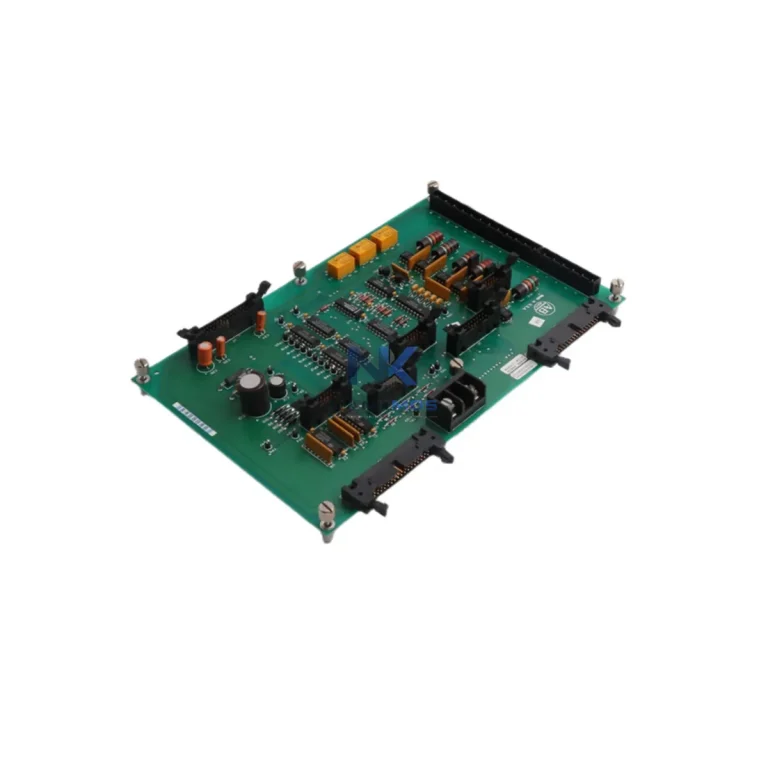
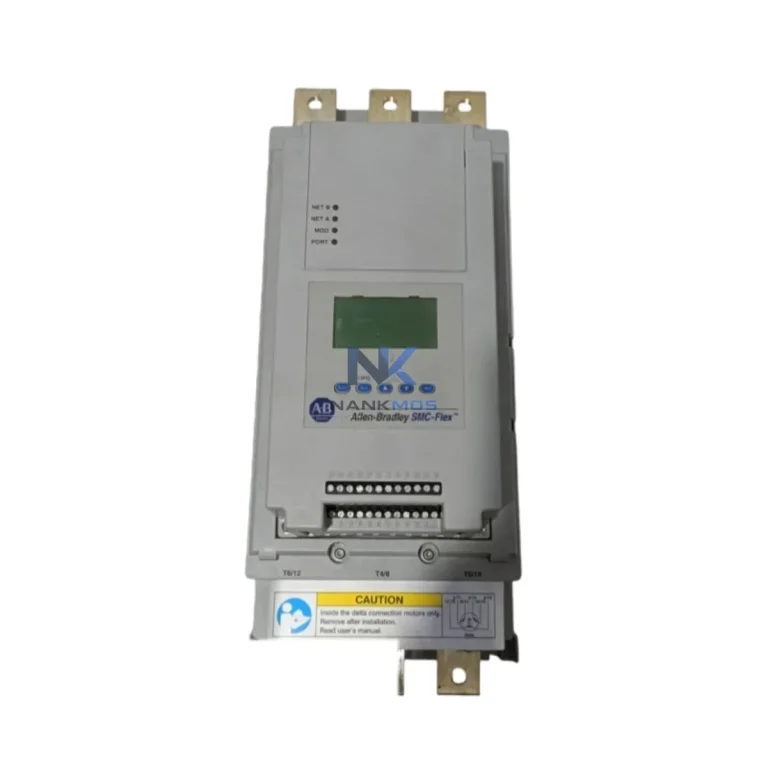
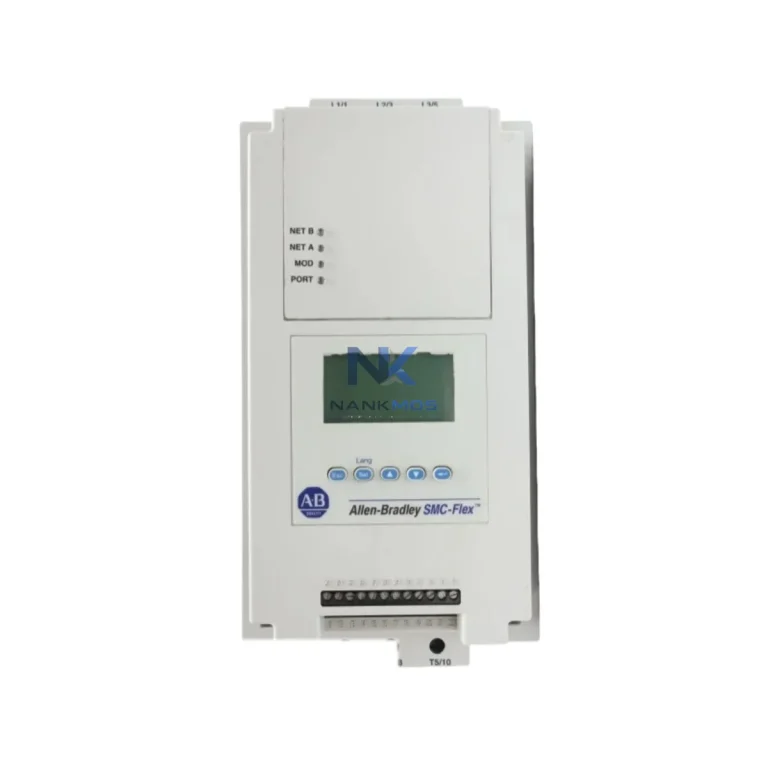
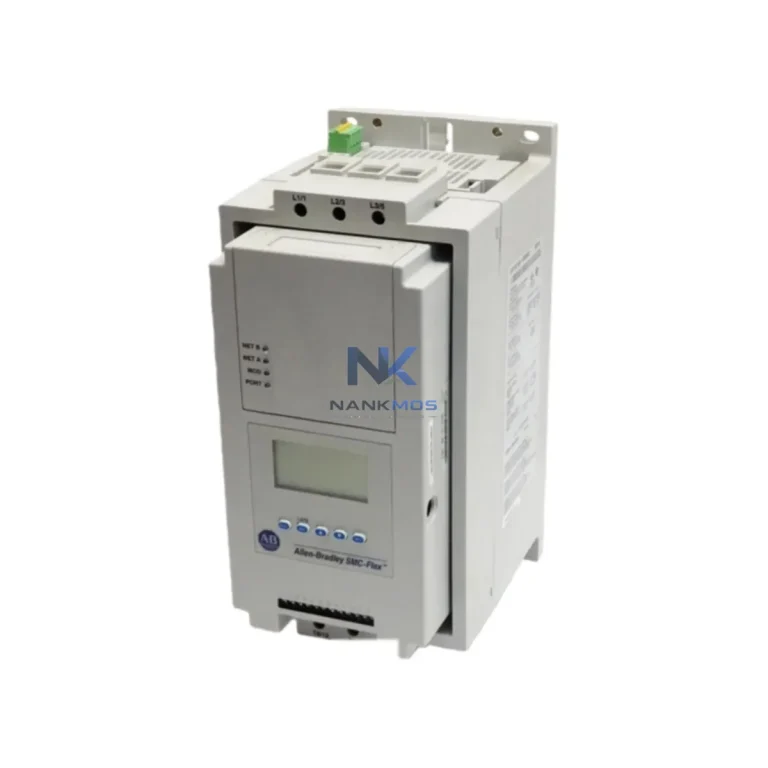
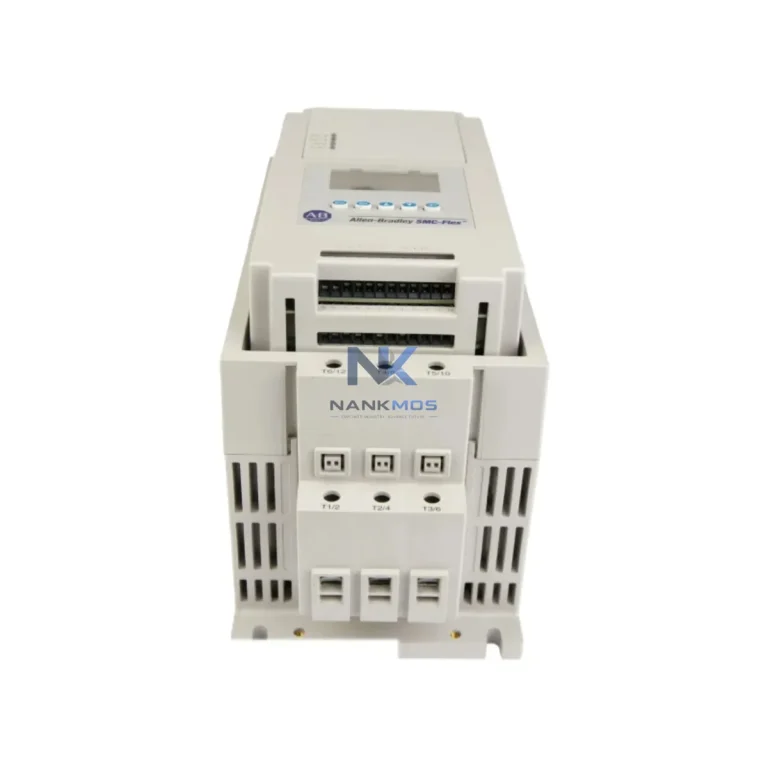
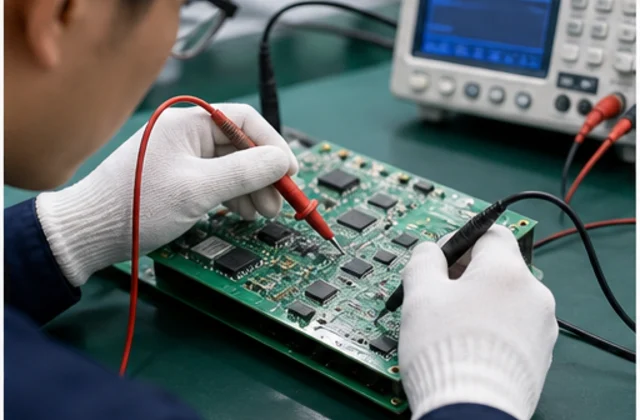
 Functional Inspection
100% tested on professional platforms to ensure stable performance.
Allen-Bradley 1771-IL is a NANKMOS industrial automation product record Listed under PLC-5 series and Business & Industrial > Automation, Control & Flow Devices > Programmable Logic Controllers. Confirm condition, availability, lead time, compatibility and documentation by email inquiry.
Brand names are used for identification only.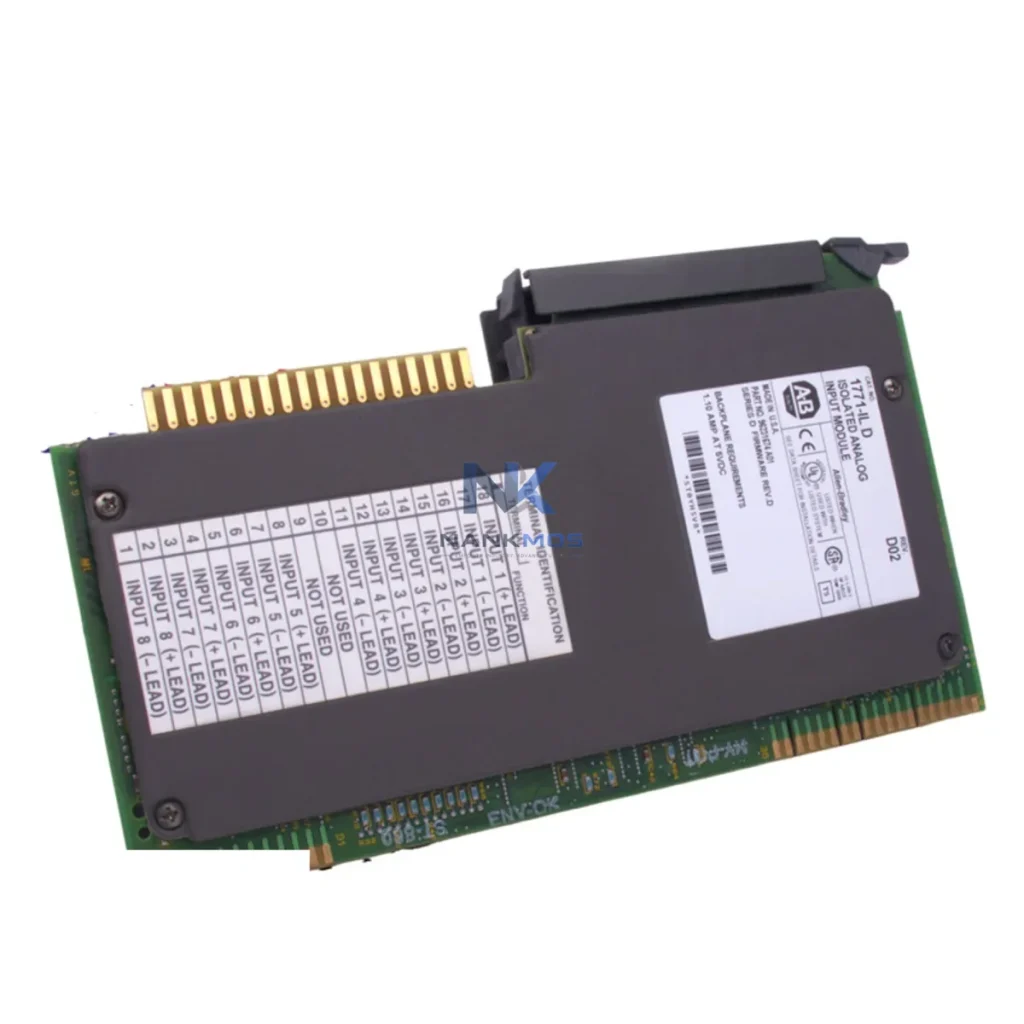
Allen-Bradley 1771-IL is a NANKMOS industrial automation product record Listed under PLC-5 series and Business & Industrial > Automation, Control & Flow Devices > Programmable Logic Controllers. Confirm condition, availability, lead time, compatibility and documentation by email inquiry.
| Manufacturer | Allen-Bradley |
|---|---|
| Application | Controller Processing & System Control |
| Part Number / Model | 1771-IL |
| Compatible System | PLC-5 |
| Series | PLC-5 |
| Condition Options | To Confirm |
| Module Type | Controller / CPU Module |
| Warranty | 12 Months |
| Packaging | Anti-static Bag / Secure Box |
| Shipping Methods | DHL / FedEx / UPS / Air / Sea |
| Availability | To Confirm |
| Lead Time | To Confirm |
| Documentation | Part number and revision checked before quote |
The Allen-Bradley 1771-IL is a precision analog input module engineered for the PLC-5 I/O chassis platform, delivering reliable 4–20mA signal acquisition across demanding industrial environments. As a cornerstone of field-level data collection, the 1771-IL bridges the gap between physical process variables and the digital control layer, enabling real-time visibility into temperature, pressure, flow, and level measurements across production lines, energy facilities, and process automation sites. Its role in the smart factory data chain extends far beyond simple signal conversion — it forms the first link in a continuous data pipeline that feeds PLC controllers, SCADA systems, HMI panels, and cloud-based analytics platforms with the accurate, time-stamped process data that modern industrial operations depend on.
In a connected factory architecture, the 1771-IL slots directly into the Allen-Bradley 1771 I/O chassis alongside complementary modules such as the 1771-OFE analog output module and the 1771-IFE analog input module, creating a unified analog I/O subsystem under the PLC-5 processor. The PLC-5 processor — whether a 1785-L40B, 1785-L60B, or 1785-L80B — reads the 1771-IL's channel data over the 1771 backplane at scan-cycle speeds, making the analog values immediately available for ladder logic processing, PID loop control, and alarm threshold evaluation. This tight integration between the 1771-IL and the PLC-5 processor family ensures deterministic data delivery with minimal latency, a critical requirement for closed-loop process control in chemical, oil and gas, and power generation applications.
Upstream from the PLC-5, the 1771-IL's data flows through the ControlNet or Data Highway Plus (DH+) network infrastructure to reach supervisory systems. A 1784-KTX or 1784-PCMK communication card installed in the engineering workstation provides the DH+ gateway link, while a 1770-KFD or 1785-KA5 module bridges the PLC-5 network to Ethernet/IP for integration with modern SCADA platforms such as Rockwell's FactoryTalk View SE or third-party systems running OPC-DA and OPC-UA servers. This multi-layer communication architecture — from the 1771-IL's 4–20mA field input, through the PLC-5 backplane, across DH+ or ControlNet, and into the SCADA historian — represents the complete data chain that transforms raw sensor signals into actionable production intelligence.
At the field device level, the 1771-IL accepts signals from a wide range of industrial sensors and transmitters: pressure transmitters on hydraulic and pneumatic circuits, thermocouple transmitters with 4–20mA output conditioning, ultrasonic level transmitters in storage tanks, and electromagnetic flow transmitters on process pipelines. Each of these field instruments connects to the 1771-IL's input terminals, where the module performs analog-to-digital conversion and scales the raw counts to engineering units within the PLC-5 program. The resulting process values are then available for display on PanelView HMI terminals — such as the 2711-T10C8 or 2711P-T10C4D1 — giving operators real-time visibility into process conditions without requiring direct access to the field instrumentation.
For remote monitoring and diagnostics, the 1771-IL's data path extends beyond the local control room. Through the FactoryTalk Historian or a third-party OPC server, analog values collected by the 1771-IL are archived at configurable scan rates, creating the time-series dataset required for trend analysis, predictive maintenance modeling, and regulatory compliance reporting. Remote engineers can access live and historical analog data through FactoryTalk VantagePoint or web-based SCADA dashboards, enabling off-site diagnosis of process deviations, sensor drift, and loop performance degradation without dispatching field technicians. This remote diagnostic capability is particularly valuable in geographically distributed facilities — pipeline stations, water treatment plants, and multi-site manufacturing networks — where minimizing travel time directly reduces operational costs.
The 1771-IL also plays a key role in alarm management and event-driven automation. When an analog input value crosses a configured high or low alarm threshold within the PLC-5 ladder program, the processor can trigger discrete output modules such as the 1771-OB16 to activate warning lights, horns, or interlock relays, while simultaneously logging the alarm event to the SCADA historian with a millisecond-resolution timestamp. This closed-loop alarm response — from the 1771-IL's field signal, through the PLC-5 logic, to the output actuator and SCADA record — provides the audit trail and response documentation required by process safety management (PSM) regulations and ISO 9001 quality systems.
System expansion is straightforward within the 1771 platform. Additional 1771-IL modules can be added to the same chassis or to remote I/O racks connected via the 1771-ASB remote I/O adapter, extending the analog input capacity of the PLC-5 system without requiring changes to the processor or network infrastructure. For sites migrating toward Ethernet-based architectures, the 1771-IL continues to deliver value as part of a hybrid system where legacy PLC-5 racks coexist with newer ControlLogix or CompactLogix platforms connected through a 1756-DHRIO or 1756-RIO bridge module. This migration-friendly architecture protects the capital investment in existing 1771-IL modules while enabling a phased transition to modern Ethernet/IP-based control systems.
The 1771-IL anchors the analog data acquisition layer in a multi-tier smart factory architecture. At the field level, 4–20mA transmitters — pressure, temperature, flow, and level — feed raw process signals into the 1771-IL's input channels. The module digitizes these signals and delivers scaled engineering-unit values to the Allen-Bradley PLC-5 processor (1785-L40B / 1785-L60B) over the 1771 backplane. The PLC-5 executes PID control loops, alarm evaluations, and interlock logic using this real-time analog data, then outputs control commands to discrete and analog output modules such as the 1771-OB16 and 1771-OFE within the same chassis.
At the network layer, the PLC-5 communicates upstream via Data Highway Plus (DH+) using a 1784-KTX gateway card, or via ControlNet using a 1771-ACN15 adapter, routing process data to the SCADA server running FactoryTalk Historian. A 1756-DHRIO bridge module in a ControlLogix rack can simultaneously access the PLC-5 data over DH+ and re-publish it on Ethernet/IP, making the 1771-IL's analog values available to OPC-UA clients, MES platforms, and cloud-based data visualization dashboards. PanelView HMI terminals (2711P series) connected to the DH+ network display live analog trends and alarm states to floor operators, while remote engineers access the same data through FactoryTalk VantagePoint over the plant's Ethernet backbone.
For remote I/O expansion, the 1771-ASB remote I/O adapter extends the 1771 chassis to satellite racks located up to 3,000 meters from the PLC-5 processor, allowing additional 1771-IL modules to collect analog signals from geographically dispersed field instruments without running individual signal cables back to the main control room. This distributed I/O topology — combined with the DH+ or ControlNet network backbone — creates a scalable, fault-tolerant data collection infrastructure that supports both greenfield smart factory deployments and brownfield upgrades of legacy process control systems.
Protocol Fragmentation: Many legacy automation sites operate a mix of 4–20mA analog instruments, HART-enabled smart transmitters, and digital fieldbus devices. The 1771-IL standardizes 4–20mA signal collection within the PLC-5 platform, providing a consistent, well-documented data path that eliminates the signal conditioning variability introduced by ad-hoc wiring practices. For sites requiring HART pass-through or fieldbus integration, the 1771-IL can be paired with HART multiplexers or Profibus-to-DH+ gateways to consolidate all field data into the PLC-5 historian without creating parallel data silos.
Data Islands and Visibility Gaps: In facilities where analog data is collected locally but never transmitted to the SCADA layer, the 1771-IL's integration with the PLC-5 DH+ network eliminates the visibility gap by making every analog channel value available to the FactoryTalk Historian in real time. Operators and engineers gain a unified view of process conditions across all production areas, replacing manual log sheets and isolated panel meters with a centralized, time-stamped data record that supports root-cause analysis and continuous improvement initiatives.
Remote Monitoring Limitations: Sites without remote monitoring capability face delayed fault detection and extended mean-time-to-repair (MTTR). By routing 1771-IL data through the PLC-5 to a SCADA system with remote access capability, maintenance teams can monitor analog trends, detect sensor drift, and identify developing process faults from any location with network access — reducing unplanned downtime and enabling condition-based maintenance scheduling.
System Scalability: As production capacity grows, the 1771-IL's compatibility with the 1771-ASB remote I/O adapter and the PLC-5's multi-rack architecture allows analog input capacity to be expanded incrementally without replacing the existing control system. This scalability protects the capital investment in the PLC-5 platform while accommodating new process equipment, additional measurement points, and evolving data collection requirements.
Q: What is the communication latency between the 1771-IL and the PLC-5 processor?A: The 1771-IL delivers analog data to the PLC-5 processor over the 1771 backplane at the processor's I/O scan rate, typically 5–50ms depending on the chassis configuration and program scan time. This deterministic, scan-cycle-synchronized data delivery ensures that PID loops and alarm logic always operate on current analog values without communication-induced delays.
Q: Is the 1771-IL compatible with modern Ethernet/IP-based SCADA systems?A: Yes, through gateway modules such as the 1756-DHRIO or 1784-KTX, the 1771-IL's data can be bridged from the PLC-5's DH+ or ControlNet network to Ethernet/IP, making it accessible to OPC-UA servers, FactoryTalk Historian, and any SCADA platform that supports standard industrial communication protocols.
Q: Can the 1771-IL be used in a remote I/O configuration far from the main PLC-5 rack?A: Yes. Using the 1771-ASB remote I/O adapter, 1771-IL modules can be installed in remote chassis located up to 3,000 meters from the PLC-5 processor, enabling distributed analog data collection across large facilities without long individual signal cable runs.
Q: What warranty and quality assurance does NANKMOS provide for the 1771-IL?A: Every 1771-IL supplied by NANKMOS carries a 12-month warranty covering manufacturing defects and functional performance. Each unit undergoes pre-shipment functional testing to verify analog input accuracy and backplane communication integrity before dispatch. In-stock units are available for immediate global shipping, with lead times confirmed at order placement.
Functional Inspection100% tested on professional platforms to ensure stable performance.
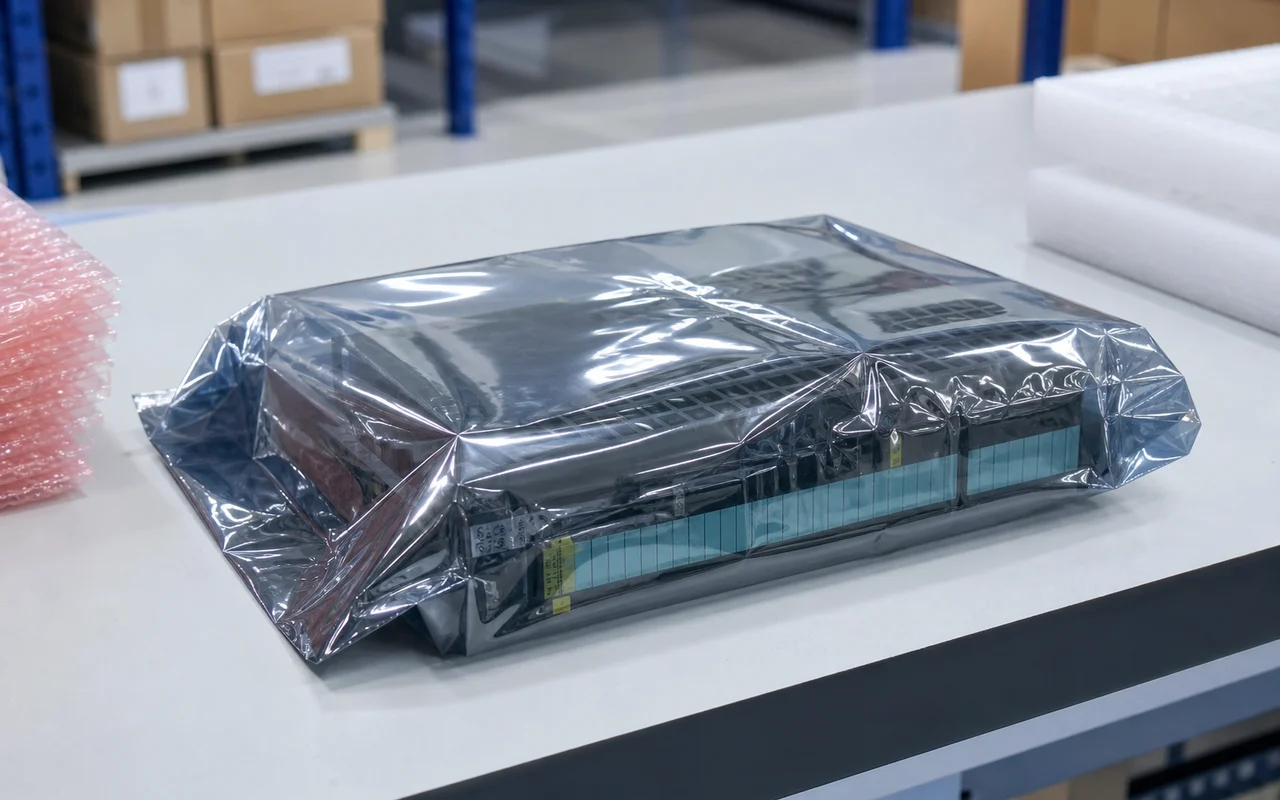 Anti-static Packaging
Modules are packed in anti-static bags to prevent electrostatic damage.
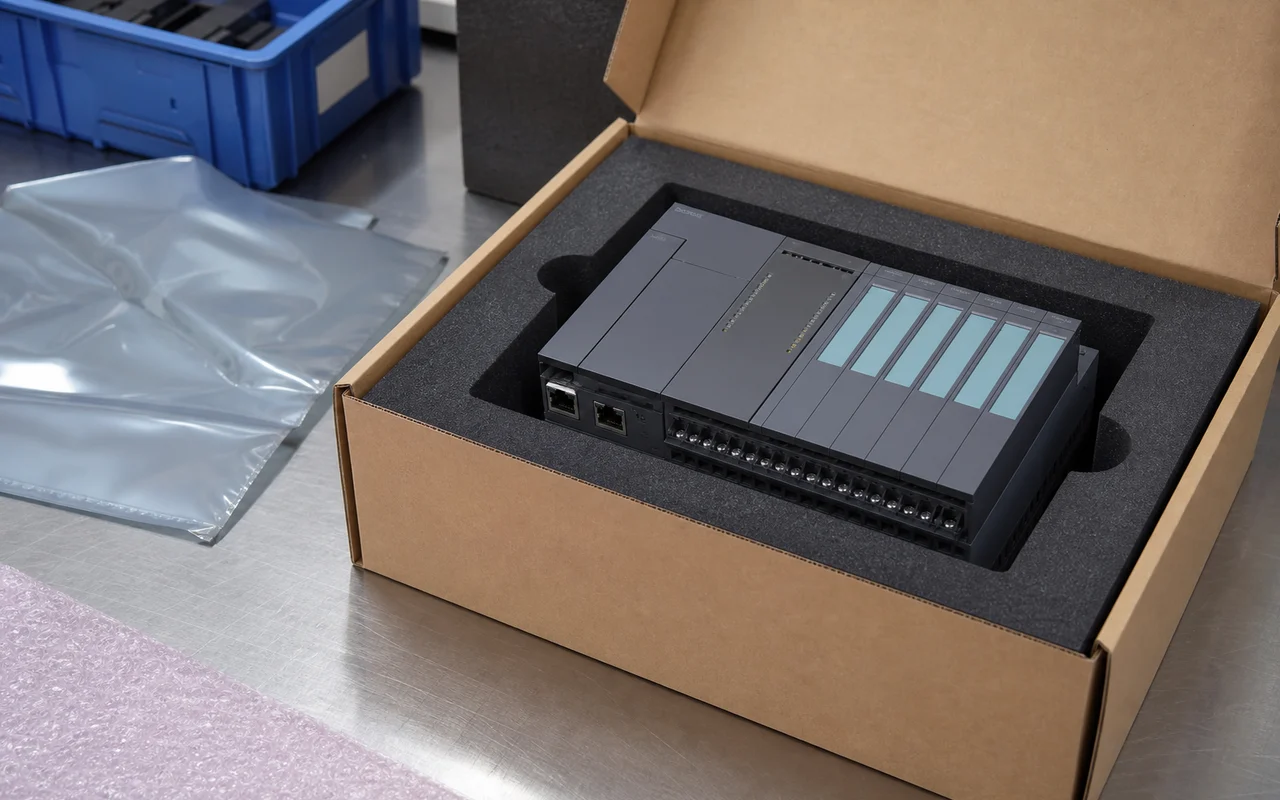 Secure Export Packing
Cushion protection and strong cartons ensure safe transportation.
 Worldwide Shipping
Global logistics network supports air, sea and express delivery.
 Documentation Check
Part number, revision and compatibility verified before shipment.
 After-sales Support
Professional technical support to help resolve your issues.