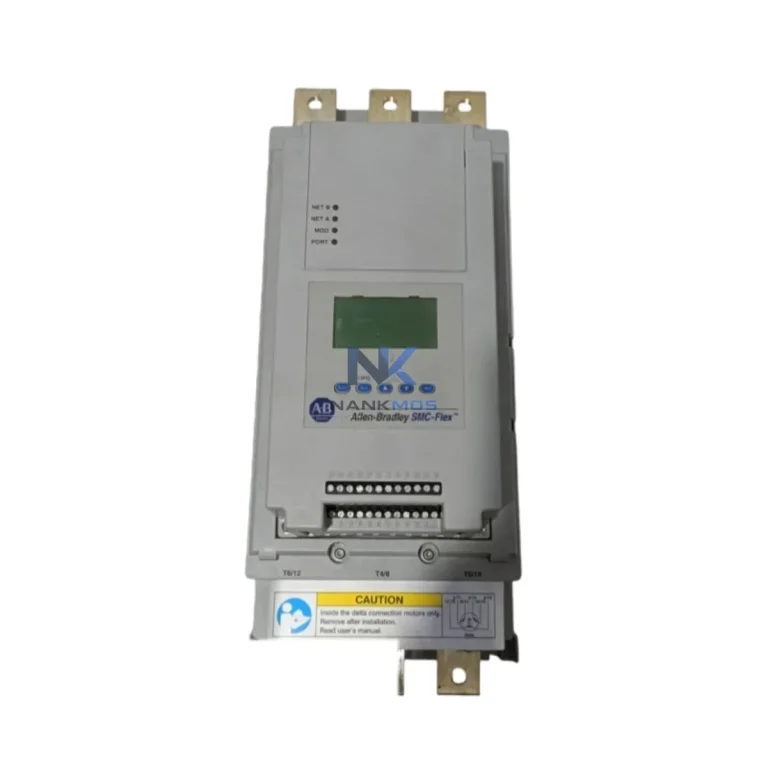
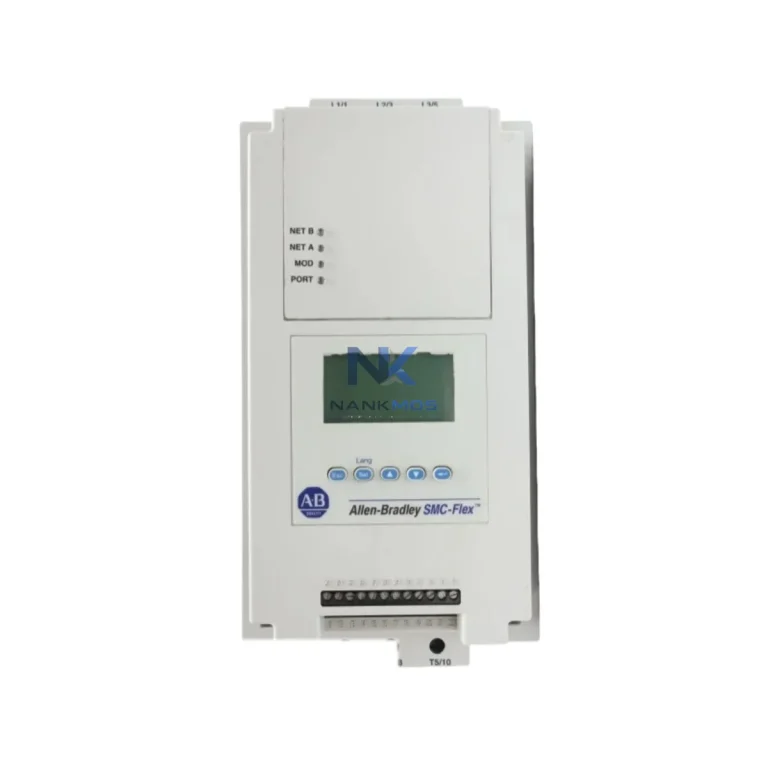
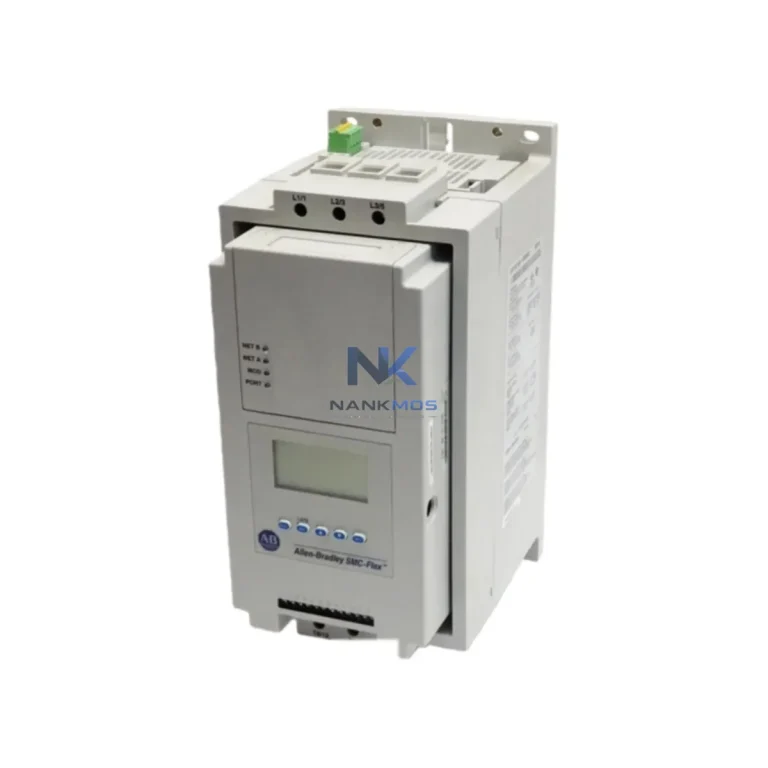
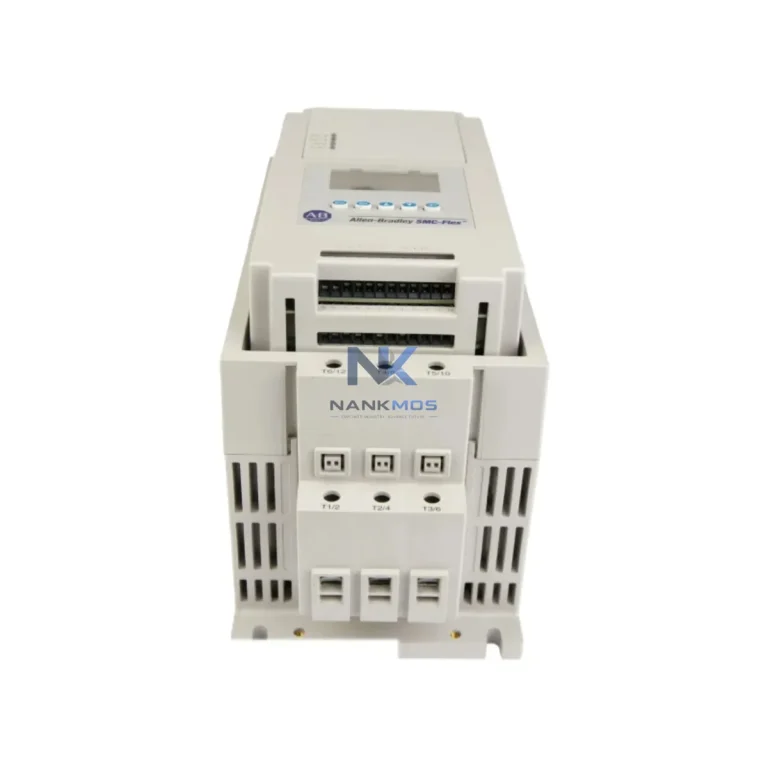
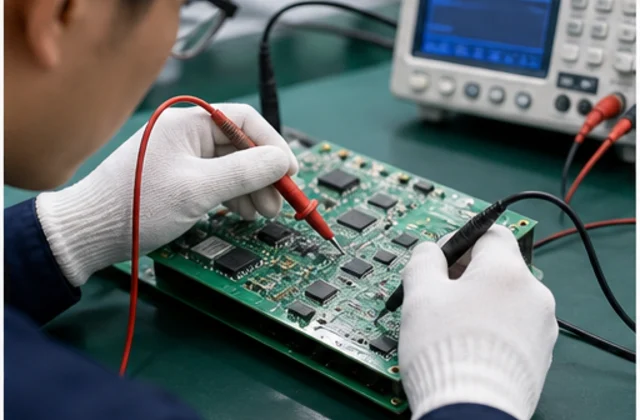
 Functional Inspection
100% tested on professional platforms to ensure stable performance.
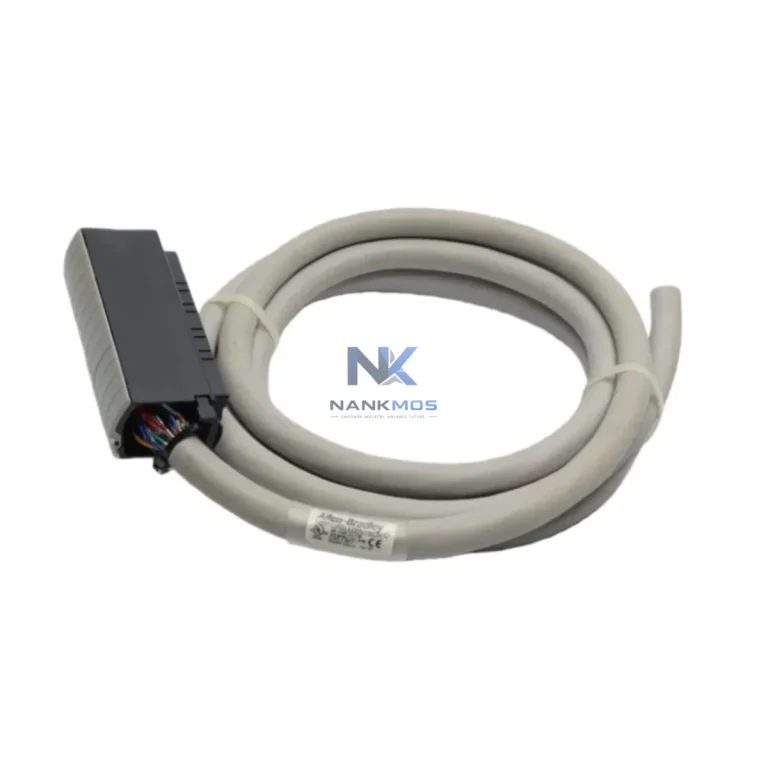
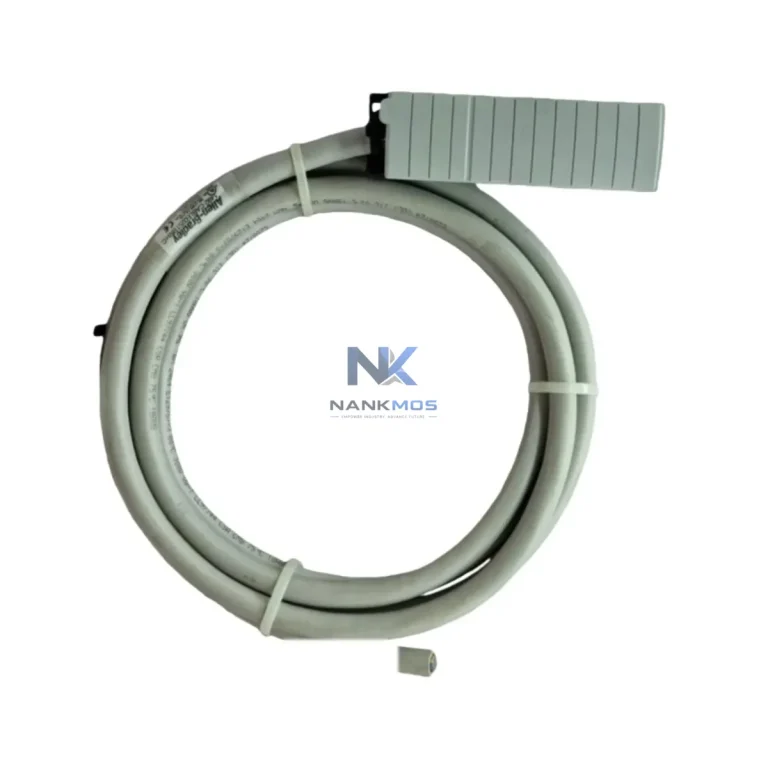
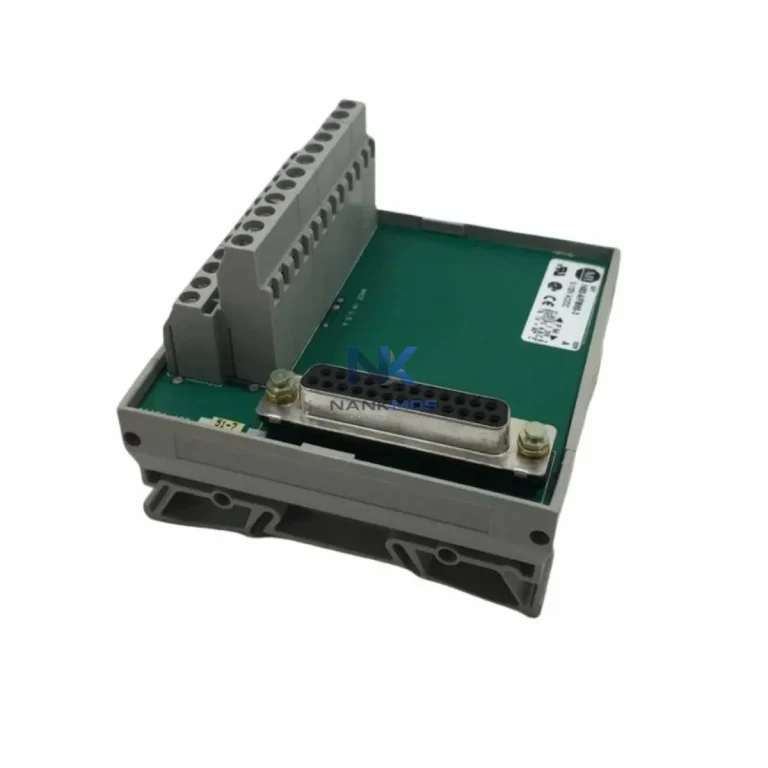
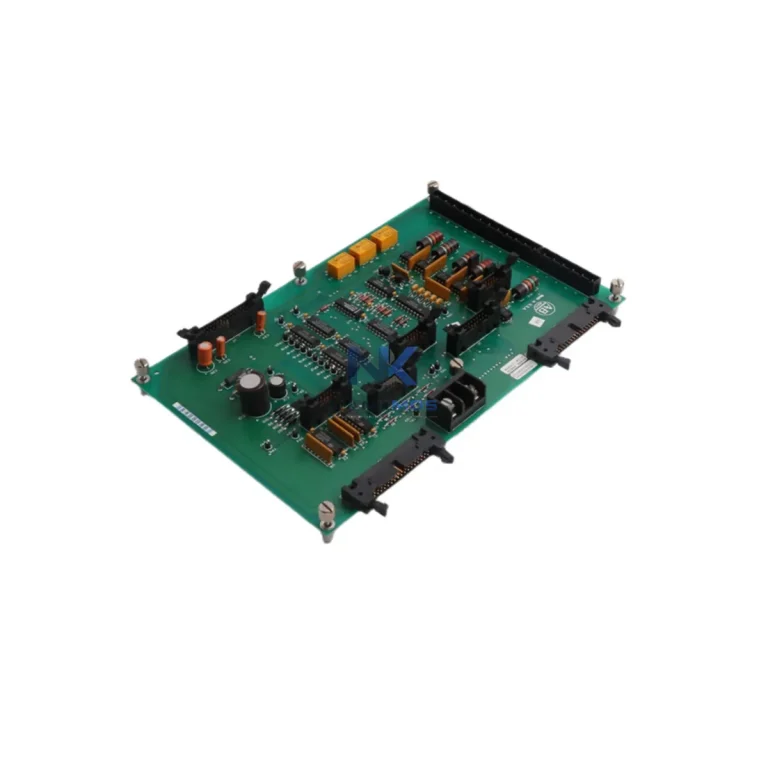
Allen-Bradley 1771-IMD is a NANKMOS industrial automation product record Listed under PLC-5 series and Business & Industrial > Automation, Control & Flow Devices > Programmable Logic Controllers. Confirm condition, availability, lead time, compatibility and documentation by email inquiry.
Brand names are used for identification only.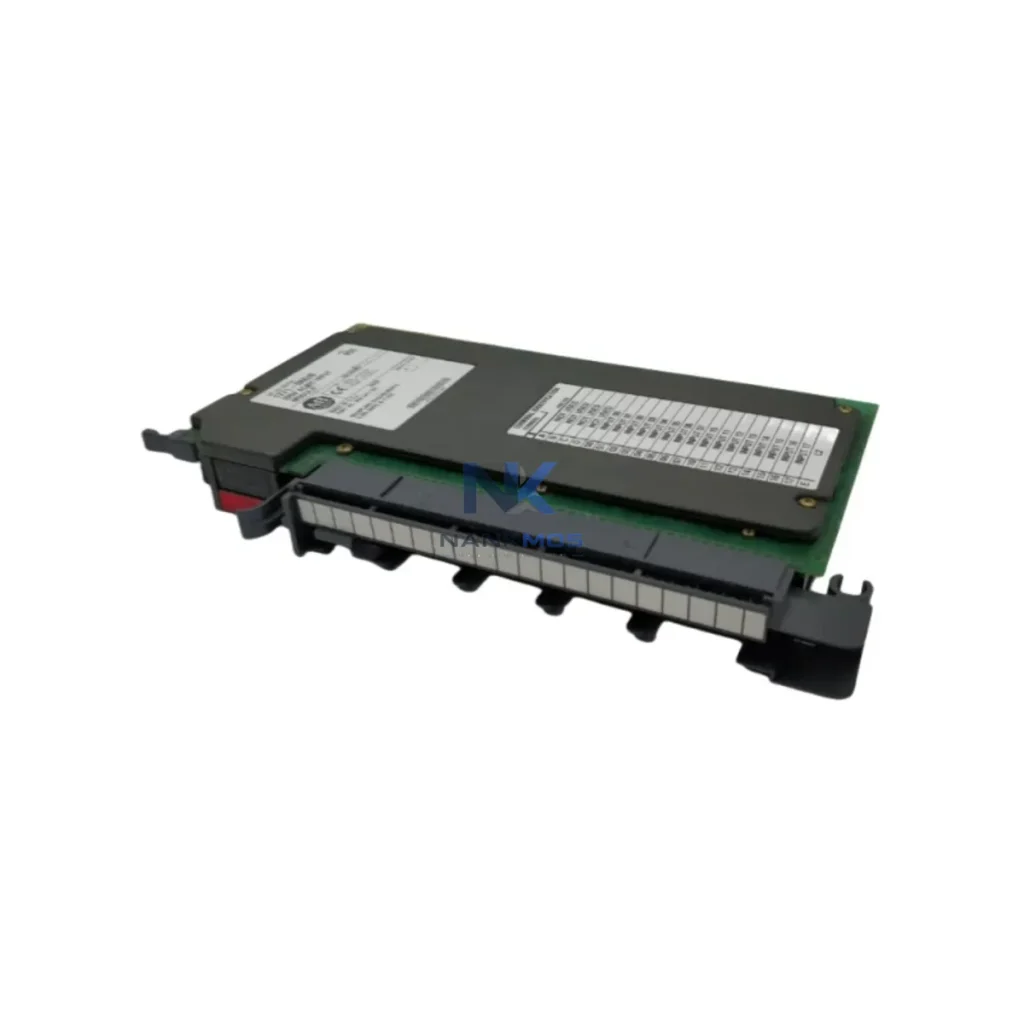
Allen-Bradley 1771-IMD is a NANKMOS industrial automation product record Listed under PLC-5 series and Business & Industrial > Automation, Control & Flow Devices > Programmable Logic Controllers. Confirm condition, availability, lead time, compatibility and documentation by email inquiry.
| Manufacturer | Allen-Bradley |
|---|---|
| Application | Controller Processing & System Control |
| Part Number / Model | 1771-IMD |
| Compatible System | PLC-5 |
| Series | PLC-5 |
| Condition Options | To Confirm |
| Module Type | Controller / CPU Module |
| Warranty | 12 Months |
| Packaging | Anti-static Bag / Secure Box |
| Shipping Methods | DHL / FedEx / UPS / Air / Sea |
| Availability | To Confirm |
| Lead Time | To Confirm |
| Documentation | Part number and revision checked before quote |
The Allen-Bradley 1771-IMD is a discrete digital input module engineered for the PLC-5 platform, purpose-built to deliver precise signal acquisition and energy-aware load management across demanding industrial production environments. As a core component of the 1771 I/O chassis ecosystem, the 1771-IMD captures real-time field-device status — from motor contactors and limit switches to pressure sensors and safety interlocks — and feeds that data directly into the PLC-5 processor for deterministic, energy-optimized control decisions. In smart production lines where every watt of unnecessary draw represents cost and thermal risk, the 1771-IMD plays a foundational role in reducing idle-state energy consumption and eliminating spurious actuator cycles that inflate power demand.
Designed for continuous-duty industrial service, the 1771-IMD interfaces seamlessly with the Allen-Bradley PLC-5/20, PLC-5/40, and PLC-5/60 processors, enabling high-density input scanning across multi-zone production cells. Its isolated input architecture suppresses electrical noise from variable-frequency drives, servo amplifiers, and high-current switching loads — protecting signal integrity and preventing false triggers that would otherwise force unnecessary machine restarts and associated energy spikes. When paired with a 1771-OBD discrete output module in the same chassis, the 1771-IMD forms a tightly coupled sense-and-respond loop that minimizes the latency between field-condition detection and corrective actuation, directly reducing the duration of off-spec operating states that consume excess energy.
In a fully integrated energy-aware automation architecture, the 1771-IMD does not operate in isolation — it is one node in a coordinated network of sensing, control, and drive components that collectively govern how energy flows through a production line. Consider a typical motor-driven conveyor cell: the 1771-IMD reads the run-permissive signal from a 1771-IQ16 proximity input module monitoring belt tension, while the PLC-5 processor uses that combined input state to command a PowerFlex 700 variable-frequency drive via a 1771-SDN DeviceNet Scanner module. The VFD adjusts motor speed in real time based on load demand rather than running at fixed full speed — a strategy that can reduce motor energy consumption by 20–50% under partial-load conditions.
The 1771-IMD's input data also feeds into energy dashboards hosted on a PanelView Plus 7 HMI, where operators monitor real-time load states, input fault counts, and cycle-time deviations that signal emerging inefficiencies. Simultaneously, a 1771-ACN15 ControlNet Adapter bridges the 1771 I/O chassis to a ControlNet backbone, allowing a supervisory ControlLogix L73 controller to aggregate input status from multiple PLC-5 nodes across the plant floor and execute plant-wide load-shedding routines during peak-demand windows. This cross-platform coordination — enabled by the 1771-IMD's reliable, noise-immune input acquisition — is what transforms individual machine control into a coherent energy management strategy.
On the power quality side, the 1771-IMD's isolated inputs prevent ground loops and common-mode noise — generated by nearby Kinetix 6000 servo drives and high-frequency switching power supplies — from corrupting input states. False ON signals caused by noise would trigger unnecessary actuator cycles, wasting compressed air, hydraulic energy, and electrical power. By maintaining clean, stable input reads, the 1771-IMD ensures that the 1771-OW16 relay output module only energizes loads when genuinely commanded, keeping parasitic energy draw to a minimum. A 1771-P4S power supply module in the same chassis provides regulated backplane voltage, and its current draw telemetry can be monitored via the PLC-5 processor to detect abnormal module loading — an early indicator of impending hardware degradation that, if unaddressed, leads to unplanned downtime and the associated energy waste of emergency restarts and reheating of thermal-mass components.
Production line energy optimization is not achieved through a single component — it is the cumulative result of accurate sensing, fast control response, and intelligent load management working in concert. The Allen-Bradley 1771-IMD contributes to each of these dimensions. Its 16-point isolated input array provides the PLC-5 with a high-resolution view of field device states across an entire production zone, enabling the controller to implement granular energy-saving logic: shutting down conveyor segments when no product is detected, reducing drive speed during buffer-full conditions, and sequencing motor starts to avoid simultaneous inrush currents that spike peak demand charges.
In process industries such as petrochemical refining and water treatment, where pumps and compressors run continuously, the 1771-IMD monitors flow switch, pressure switch, and level sensor states that determine whether a pump should run at full speed, reduced speed, or enter a standby state. This input intelligence, processed by the PLC-5 and communicated to a PowerFlex 4M compact drive or a SMC Flex soft starter, enables demand-responsive motor control that eliminates the energy waste of constant-speed operation against variable process loads. Over a 24-hour production cycle, this approach can reduce pump and fan energy consumption by 15–40%, depending on load profile variability.
Predictive maintenance integration further amplifies the energy benefits of the 1771-IMD. By logging input state transition frequencies — how often a limit switch trips, how frequently an overload relay opens — the PLC-5 can identify mechanical wear patterns before they cause failures. A bearing that is beginning to seize will cause a conveyor drive to draw progressively more current, detectable through increased motor overload relay trip frequency captured by the 1771-IMD. Early intervention — replacing the bearing before failure — avoids the energy-intensive process of restarting a cold production line, reheating ovens or furnaces, and running catch-up production at elevated speeds. The 1771-IMD's role in this predictive maintenance loop is quiet but critical: it is the sensor gateway through which the PLC-5 perceives the mechanical health of the production environment.
Every 1771-IMD unit supplied by NANKMOS is pre-shipment tested under functional load conditions, verifying input response across all 16 channels, isolation integrity, and backplane communication stability. Units are shipped with a 12-month warranty covering manufacturing defects and functional failures, with in-stock availability ensuring minimal lead time for maintenance replacements and new installation projects.
Q1: How does the 1771-IMD contribute to measurable energy savings on a production line? The 1771-IMD enables the PLC-5 to implement load-state-aware control logic — shutting down idle conveyor segments, triggering VFD speed reductions during low-demand periods, and preventing false-trigger actuator cycles. In multi-zone production environments, this input-driven load management typically reduces unnecessary motor run time by 10–30%, translating directly into lower kWh consumption and reduced peak demand charges.
Q2: Is the 1771-IMD compatible with modern ControlLogix or CompactLogix systems? The 1771-IMD is natively designed for the PLC-5 / 1771 I/O platform. For facilities migrating to ControlLogix, the module can continue to operate within a 1771 remote I/O chassis connected via a 1756-DHRIO or 1756-RIO bridge module, preserving existing field wiring while the control platform is upgraded. Full ControlLogix-native replacement would use 1756-series I/O modules.
Q3: What is the pre-shipment testing process for the 1771-IMD? Each unit undergoes functional verification prior to dispatch: all 16 input channels are exercised with a calibrated 24 V DC test signal, isolation resistance is measured between input commons and backplane ground, and backplane communication is confirmed via a PLC-5 chassis test fixture. A test record is available upon request. Units pass or are quarantined — no borderline units are shipped.
Q4: What warranty and supply assurance does NANKMOS provide for the 1771-IMD? NANKMOS provides a 12-month warranty on all 1771-IMD units, covering functional failures and manufacturing defects under normal operating conditions. Units are held in stock for immediate dispatch, minimizing downtime exposure for maintenance replacements. For critical spares programs, volume pricing and reserved stock arrangements are available — contact [email protected] or +86 18359268345 to discuss supply agreements.
Functional Inspection100% tested on professional platforms to ensure stable performance.
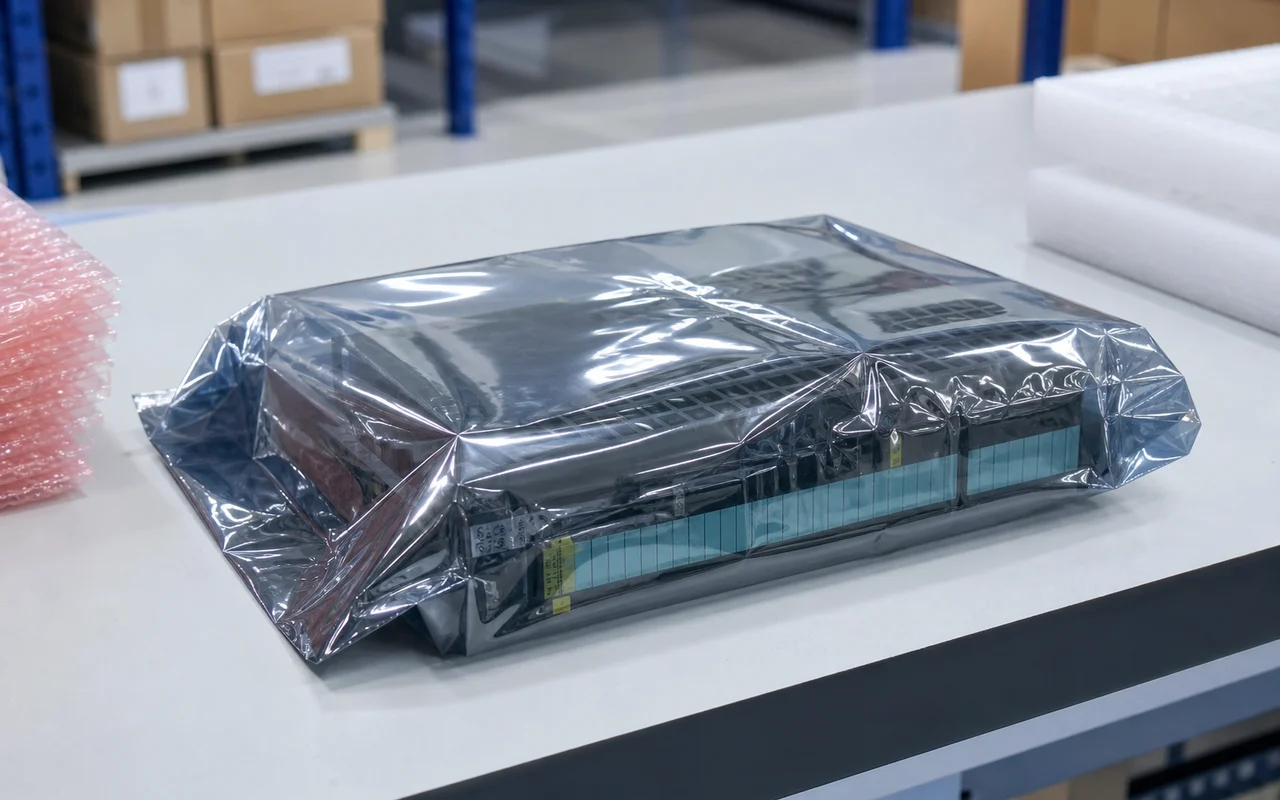 Anti-static Packaging
Modules are packed in anti-static bags to prevent electrostatic damage.
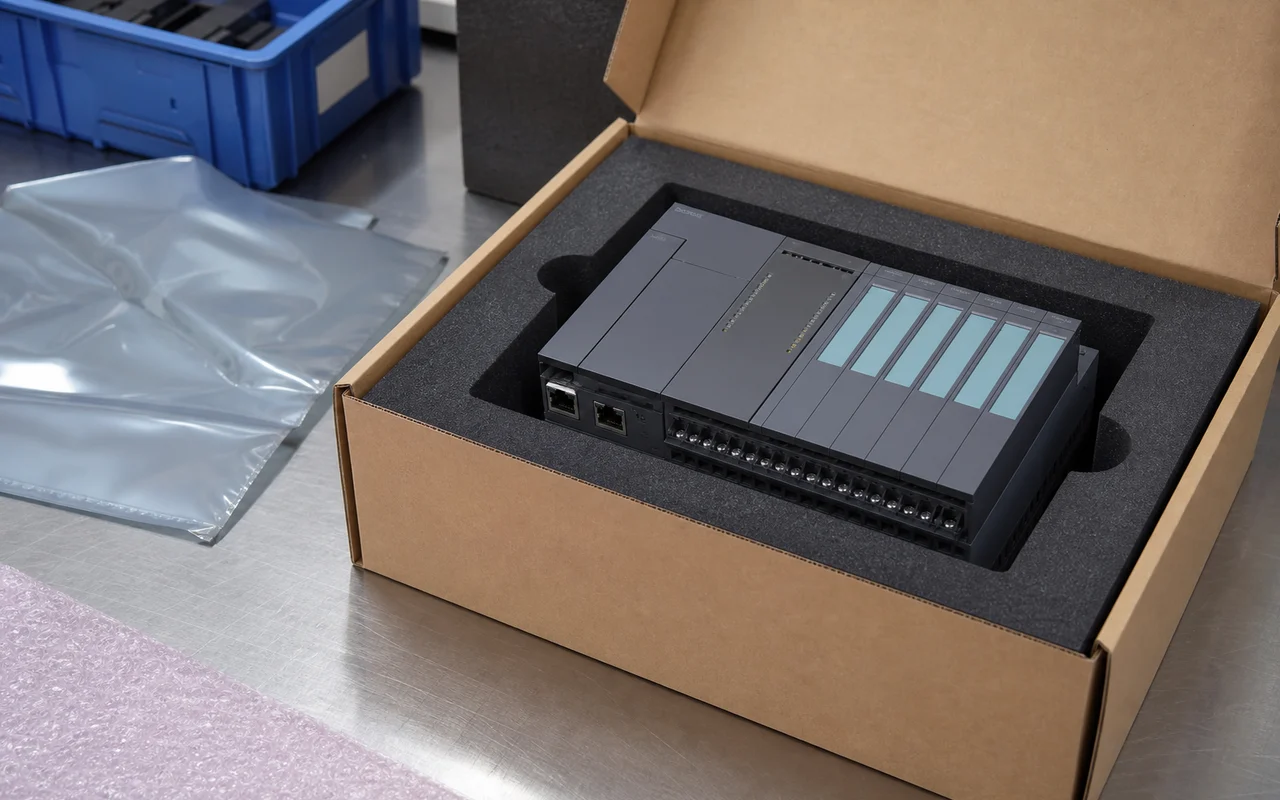 Secure Export Packing
Cushion protection and strong cartons ensure safe transportation.
 Worldwide Shipping
Global logistics network supports air, sea and express delivery.
 Documentation Check
Part number, revision and compatibility verified before shipment.
 After-sales Support
Professional technical support to help resolve your issues.