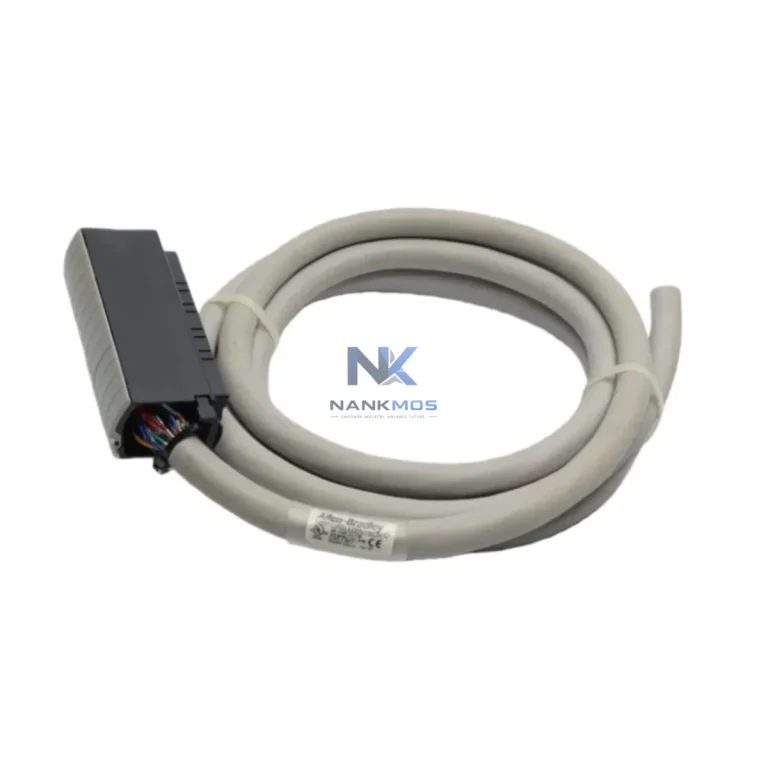
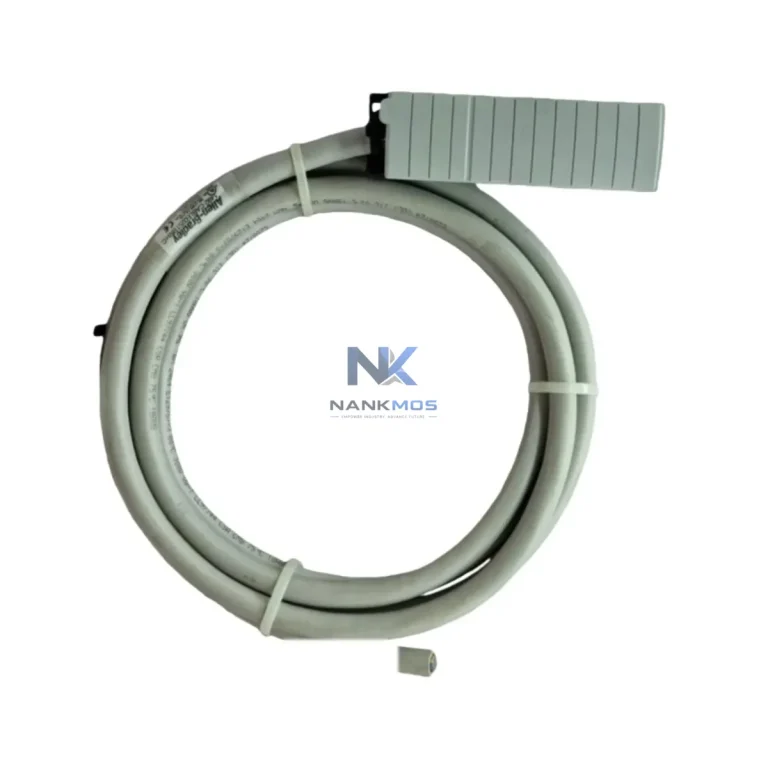
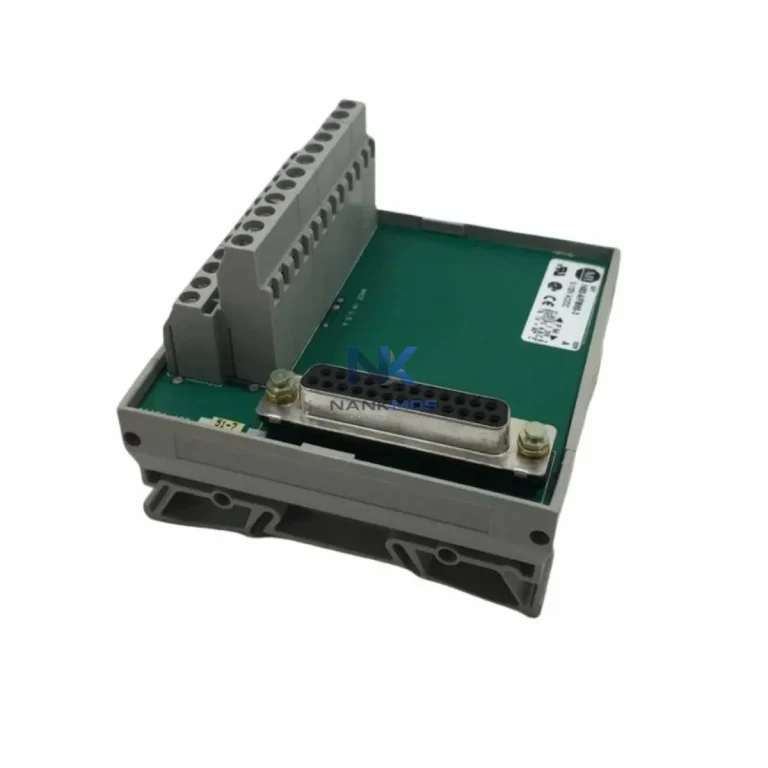
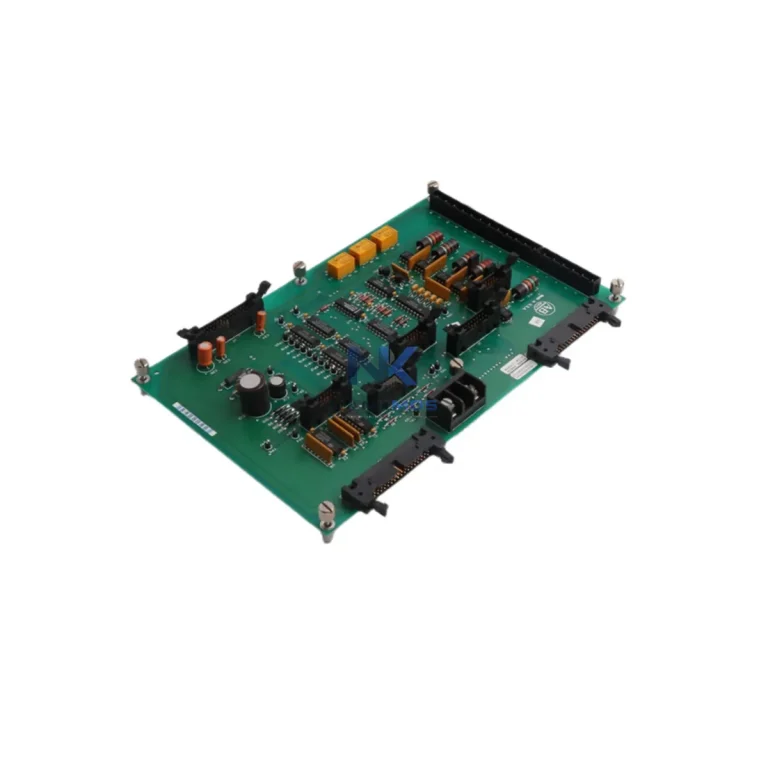
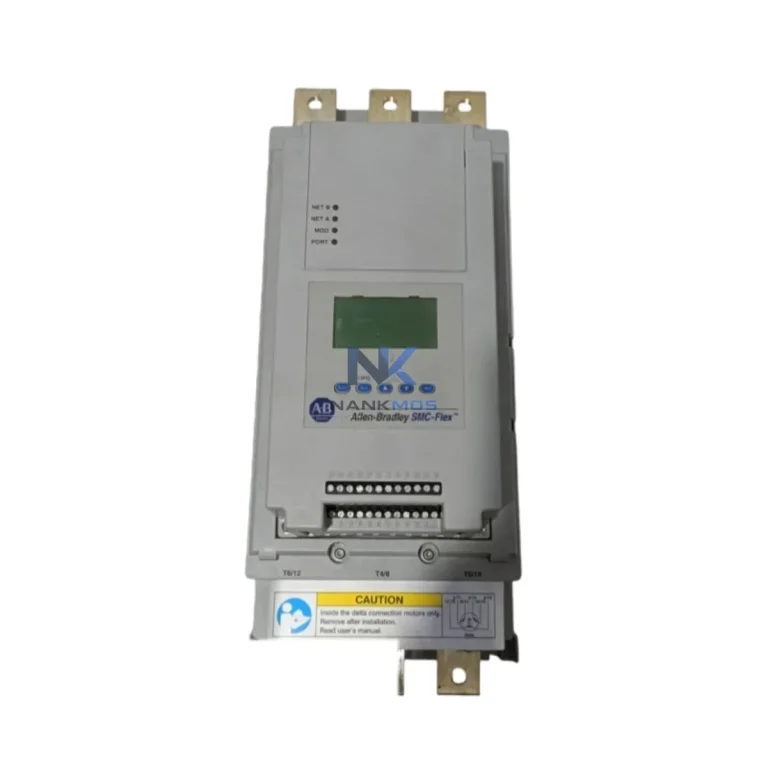
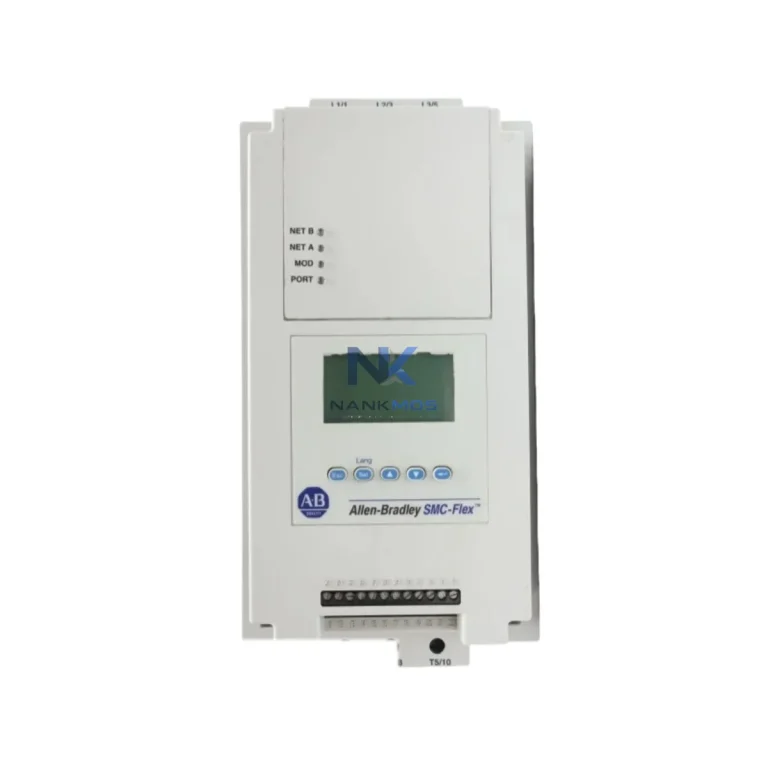
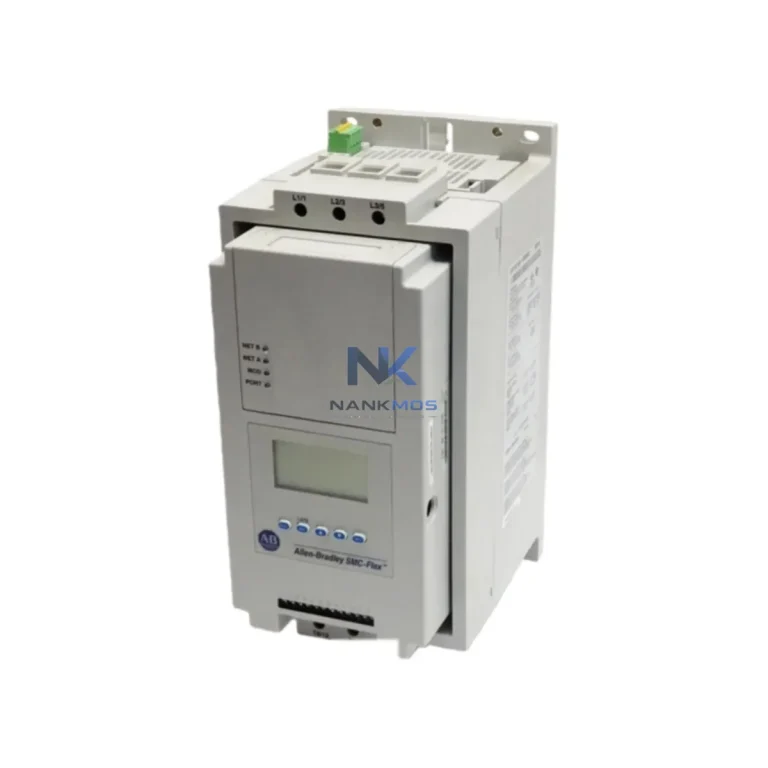
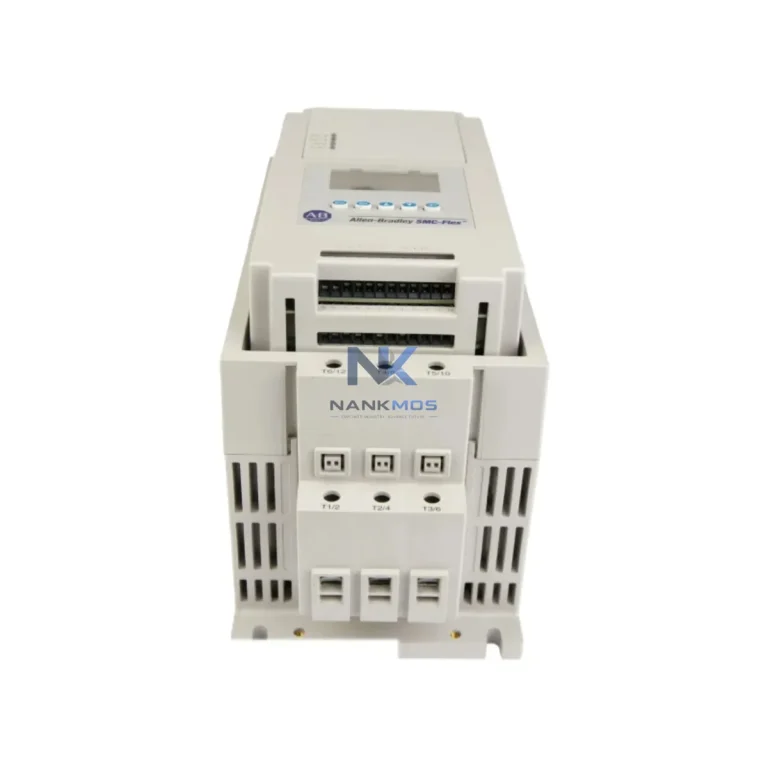
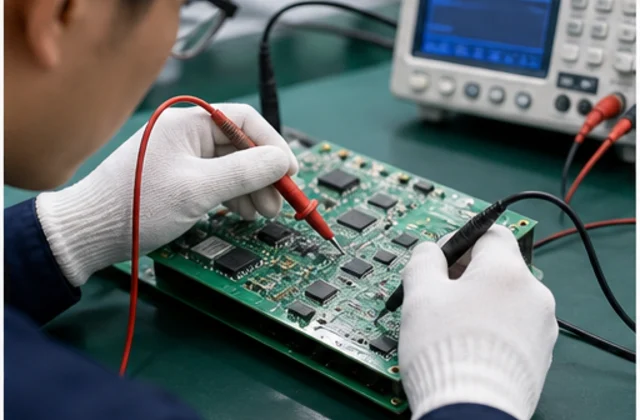
 Functional Inspection
100% tested on professional platforms to ensure stable performance.
Allen-Bradley 1771-OFE3 is a NANKMOS industrial automation product record Listed under PLC-5 series and Business & Industrial > Automation, Control & Flow Devices > Programmable Logic Controllers. Confirm condition, availability, lead time, compatibility and documentation by email inquiry.
Brand names are used for identification only.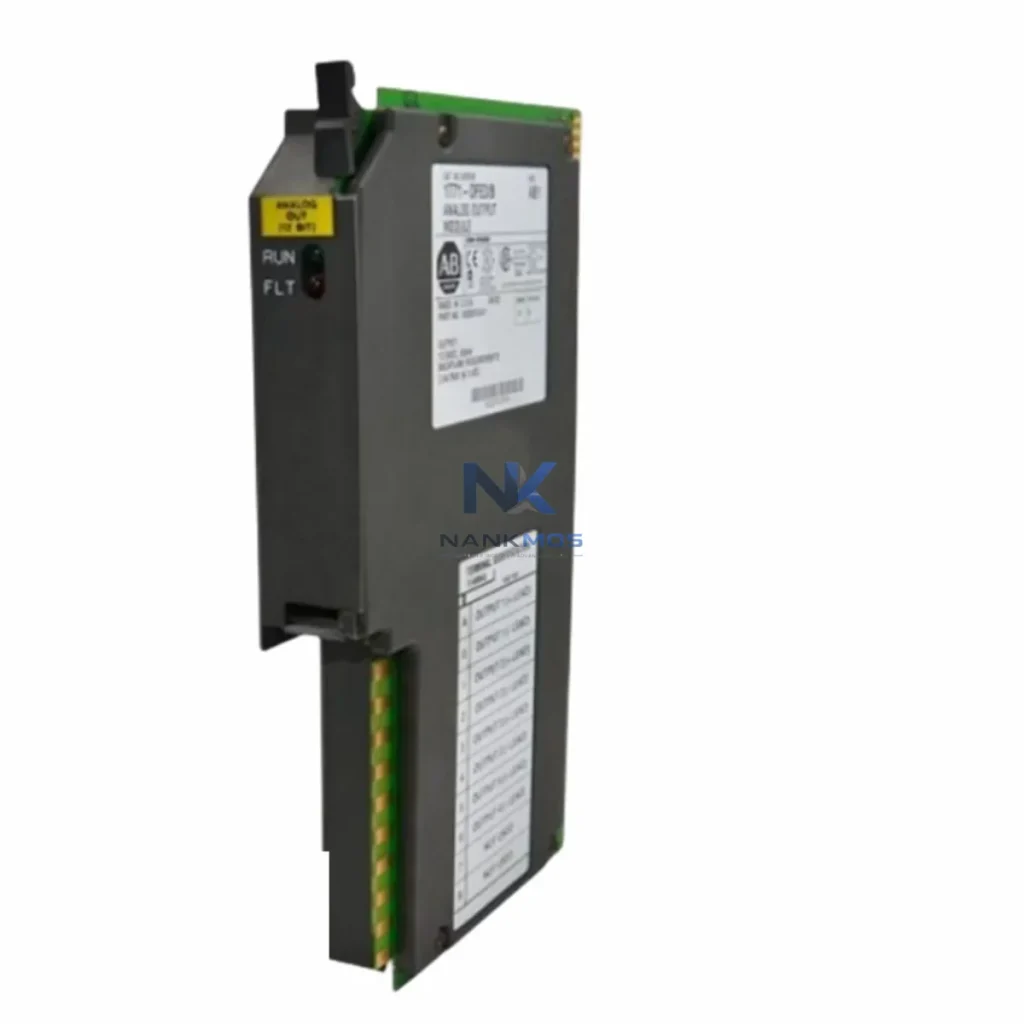
Allen-Bradley 1771-OFE3 is a NANKMOS industrial automation product record Listed under PLC-5 series and Business & Industrial > Automation, Control & Flow Devices > Programmable Logic Controllers. Confirm condition, availability, lead time, compatibility and documentation by email inquiry.
| Manufacturer | Allen-Bradley |
|---|---|
| Application | Controller Processing & System Control |
| Part Number / Model | 1771-OFE3 |
| Compatible System | PLC-5 |
| Series | PLC-5 |
| Condition Options | To Confirm |
| Module Type | Controller / CPU Module |
| Warranty | 12 Months |
| Packaging | Anti-static Bag / Secure Box |
| Shipping Methods | DHL / FedEx / UPS / Air / Sea |
| Availability | To Confirm |
| Lead Time | To Confirm |
| Documentation | Part number and revision checked before quote |
The Allen-Bradley 1771-OFE3 is a four-channel isolated analog output module engineered for seamless integration within the PLC-5 control platform. Its role within a complete automation architecture extends far beyond simple signal conversion — it serves as a precision interface layer between the digital control domain and the physical process environment, enabling accurate, stable, and repeatable analog command signals across demanding industrial applications.
Within a fully realized PLC-5 control architecture, the 1771-OFE3 operates in close coordination with the Allen-Bradley PLC-5/20, PLC-5/40, or PLC-5/80 processor modules, which provide the scan-cycle execution and data table management that drive output register values to the module. The processor communicates with the 1771-OFE3 via the 1771 I/O backplane, housed within chassis such as the 1771-A3B or 1771-A4B, which provide the structural and electrical backbone for the entire I/O subsystem. Proper chassis selection ensures adequate slot capacity for co-locating the 1771-OFE3 alongside complementary modules including the 1771-IFE (analog input) for closed-loop feedback, and 1771-OBD or 1771-OW16 discrete output modules for coordinated digital actuation.
At the communication layer, PLC-5 systems frequently employ 1784-KTX or 1784-PCMK Data Highway Plus (DH+) interface cards to connect the processor to supervisory SCADA systems or HMI terminals. The Allen-Bradley PanelView 550 or PanelView 1000 HMI terminals, connected via DH+ or Remote I/O (RIO) links, provide operators with real-time visibility into analog output values commanded by the 1771-OFE3, enabling process monitoring and manual override capability without disrupting automated sequences.
For applications requiring distributed I/O expansion beyond the local chassis, the 1771-ASB (Adapter/Scanner B) remote I/O adapter enables the 1771-OFE3 to be deployed in remote chassis configurations, extending analog output capability to field panels located hundreds of meters from the main control cabinet. This architecture is particularly valuable in large-footprint facilities such as petrochemical plants, water treatment stations, and power generation facilities where control cabinets must be distributed across the process area.
Power integrity is maintained through the 1771-P4S or 1771-P7 power supply modules, which deliver regulated 5 VDC backplane power and support the field-side 24 VDC requirements of the 1771-OFE3's output circuits. Redundant power configurations using dual power supplies with automatic switchover further enhance system availability in critical process environments. Signal conditioning at the field termination level is supported by Allen-Bradley 1492-IFM (interface module) terminal blocks, which provide organized, labeled wiring points for the 1771-OFE3's analog output field connections, reducing installation time and improving long-term maintainability.
In drive control applications, the 1771-OFE3 analog outputs are commonly wired to Allen-Bradley PowerFlex 40 or PowerFlex 70 variable frequency drives (VFDs), providing precise speed reference signals (0–10 VDC or 4–20 mA) that translate directly into motor speed commands. This integration enables smooth, stepless speed control of pumps, fans, compressors, and conveyor systems — all governed by PLC-5 program logic executing in the processor module. The combination of the 1771-OFE3's 12-bit resolution and the PowerFlex drive's high-resolution speed control results in exceptionally fine process regulation, critical in applications such as chemical dosing, pressure control, and flow regulation.
The 1771-OFE3 has established a proven track record across a broad spectrum of industrial sectors, each leveraging its analog output precision within layered control architectures:
Manufacturing & Assembly Lines: In automotive and discrete manufacturing environments, the 1771-OFE3 provides analog speed references to servo amplifiers and VFDs controlling conveyor indexing, robotic welding positioners, and paint application systems. Its channel isolation prevents ground loop interference between adjacent drive systems, maintaining signal integrity across multi-axis motion sequences.
Oil, Gas & Petrochemical: Refinery and upstream processing facilities deploy the 1771-OFE3 to command control valve positioners (4–20 mA) governing flow rates of hydrocarbons, steam, and process gases. The module's channel-to-channel isolation is essential in hazardous area installations where ground potential differences between field instruments can introduce measurement errors or safety risks.
Power Generation & Utilities: In thermal and hydroelectric power plants, the 1771-OFE3 interfaces with turbine governor systems and excitation controllers, providing precise analog setpoints that regulate generator output and grid synchronization parameters. Its compatibility with the PLC-5 platform's redundancy options supports the high-availability requirements of power utility control systems.
Water & Wastewater Treatment: Municipal water authorities use the 1771-OFE3 to control chemical dosing pump speeds, aeration blower outputs, and filter backwash valve positions. The module's 4–20 mA output mode is preferred in these applications for its inherent noise immunity over long cable runs between the control room and remote pump stations.
Mining & Mineral Processing: Ore processing plants rely on the 1771-OFE3 for analog control of ball mill feed rates, flotation cell agitator speeds, and thickener rake drives. The module's robust operating temperature range and vibration tolerance make it well-suited to the harsh electrical environments typical of mining control rooms.
Packaging & Food Processing: High-speed packaging lines use the 1771-OFE3 to synchronize multiple VFD-driven axes — infeed conveyors, filling stations, sealing units, and discharge belts — through coordinated analog speed references managed by PLC-5 program logic. Hygienic design requirements in food processing facilities are addressed through careful cable routing and sealed terminal enclosures at the 1492-IFM interface level.
Q1: Is the 1771-OFE3 compatible with all PLC-5 processor variants, and can it be used in a redundant PLC-5 system? The 1771-OFE3 is compatible with all PLC-5 processor variants (PLC-5/11, PLC-5/20, PLC-5/30, PLC-5/40, PLC-5/60, PLC-5/80) that support the 1771 I/O platform. In redundant PLC-5 configurations using the 1785-CHBM Hot Backup Module, the 1771-OFE3 can be installed in the I/O chassis shared between primary and backup processors, enabling seamless bumpless transfer of analog output control upon processor switchover. Proper configuration of the Hot Backup system ensures that output values are maintained during the switchover interval, preventing process upsets in critical applications.
Q2: What are the wiring and grounding best practices for the 1771-OFE3 to ensure signal stability in electrically noisy environments? For optimal signal integrity, each analog output channel should be wired using individually shielded twisted-pair cables, with the shield grounded at a single point (typically at the control panel end) to prevent shield current loops. Field devices should be powered from a dedicated 24 VDC supply isolated from the backplane power source. In environments with significant electromagnetic interference (EMI) — such as those with large VFDs, welding equipment, or high-voltage switchgear — additional signal isolation using DIN-rail mounted signal isolators/repeaters between the 1771-OFE3 output and the field device input is recommended to eliminate common-mode noise and ground potential differences.
Q3: How does NANKMOS ensure the quality and long-term reliability of 1771-OFE3 modules, and what does the 12-Month Warranty cover? Every 1771-OFE3 module supplied by NANKMOS undergoes a comprehensive pre-shipment verification process that includes visual inspection, functional power-on testing, and analog output accuracy verification across all four channels. Modules are sourced from verified supply chains and stored under controlled environmental conditions to prevent electrostatic discharge (ESD) damage and component degradation. The 12-Month Warranty covers all manufacturing defects and functional failures under normal operating conditions from the date of shipment. In the event of a warranty claim, NANKMOS provides rapid replacement or repair service to minimize control system downtime, supported by our technical team available via [email protected] or +86 18359268345.
Functional Inspection100% tested on professional platforms to ensure stable performance.
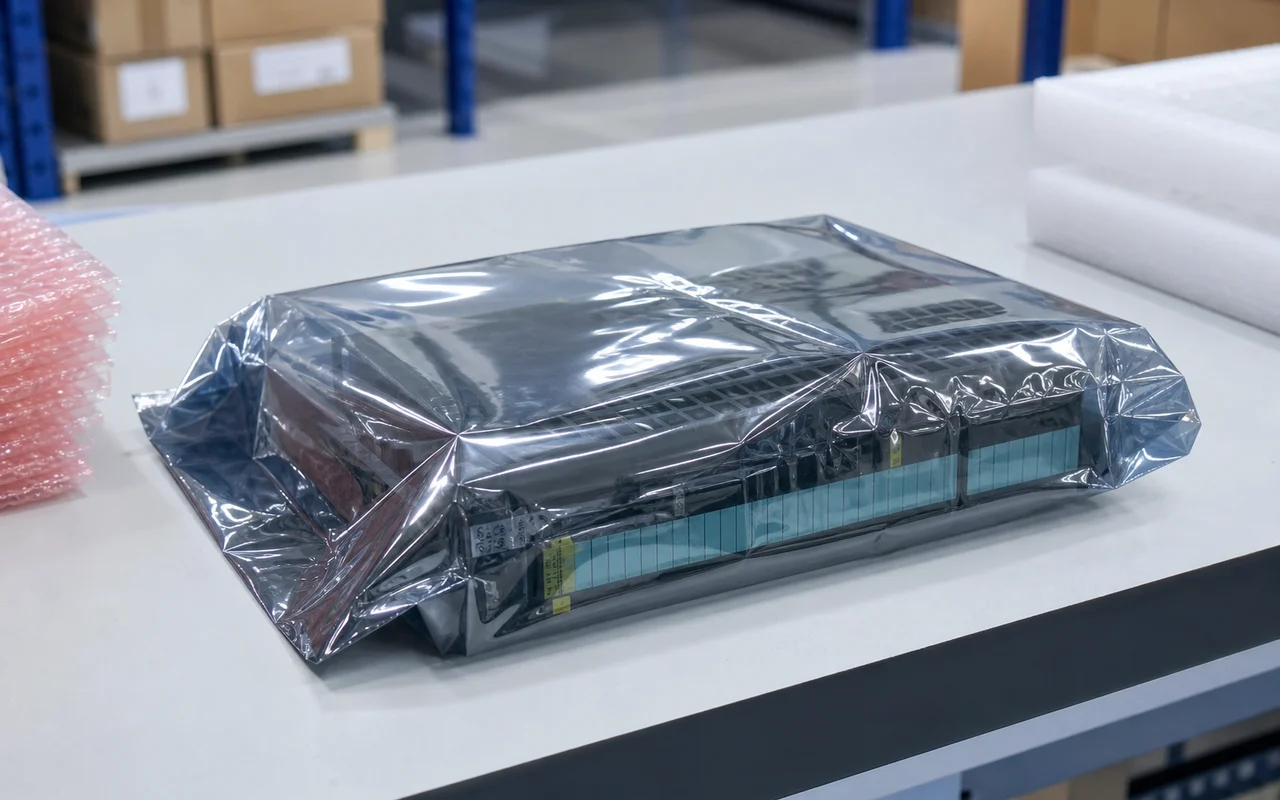 Anti-static Packaging
Modules are packed in anti-static bags to prevent electrostatic damage.
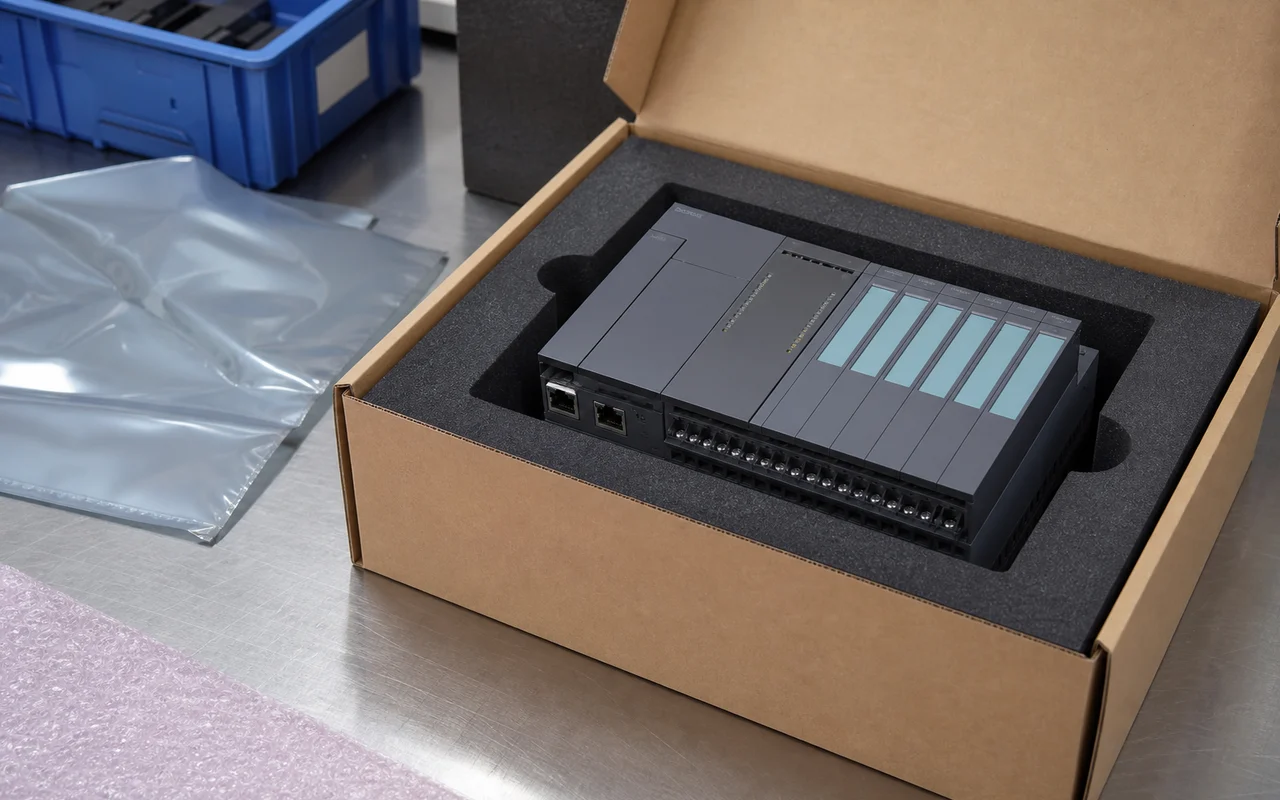 Secure Export Packing
Cushion protection and strong cartons ensure safe transportation.
 Worldwide Shipping
Global logistics network supports air, sea and express delivery.
 Documentation Check
Part number, revision and compatibility verified before shipment.
 After-sales Support
Professional technical support to help resolve your issues.