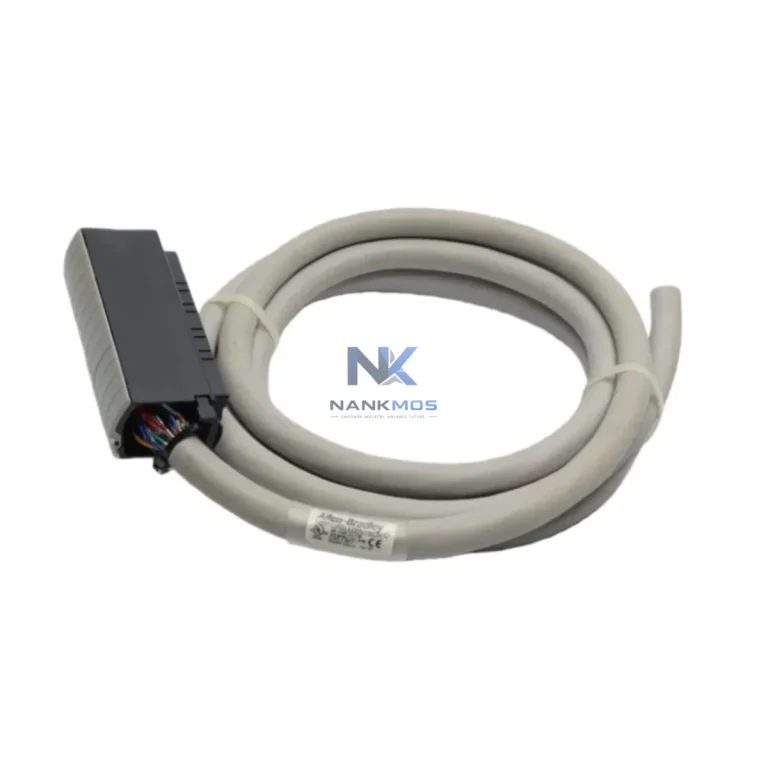
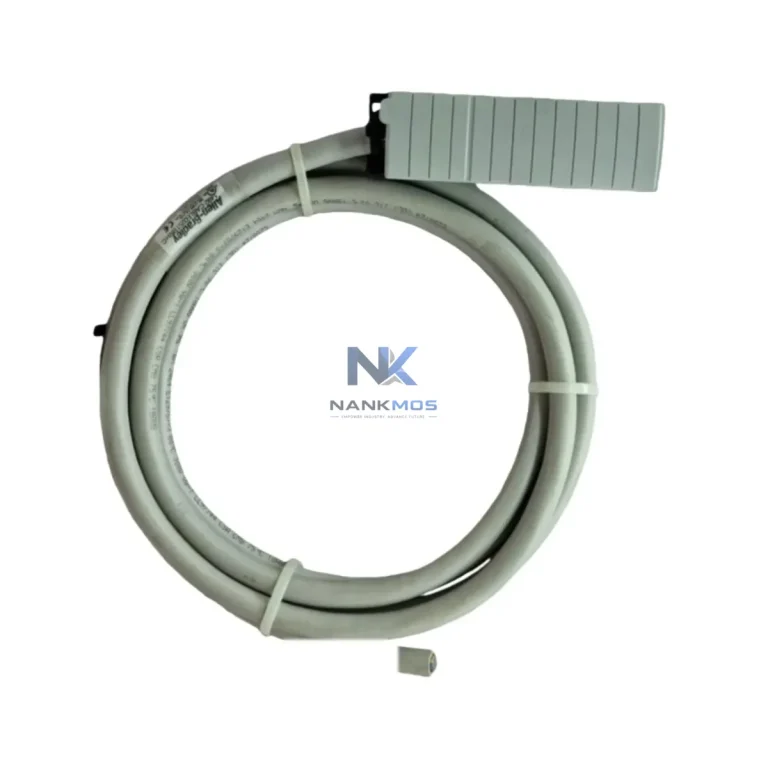
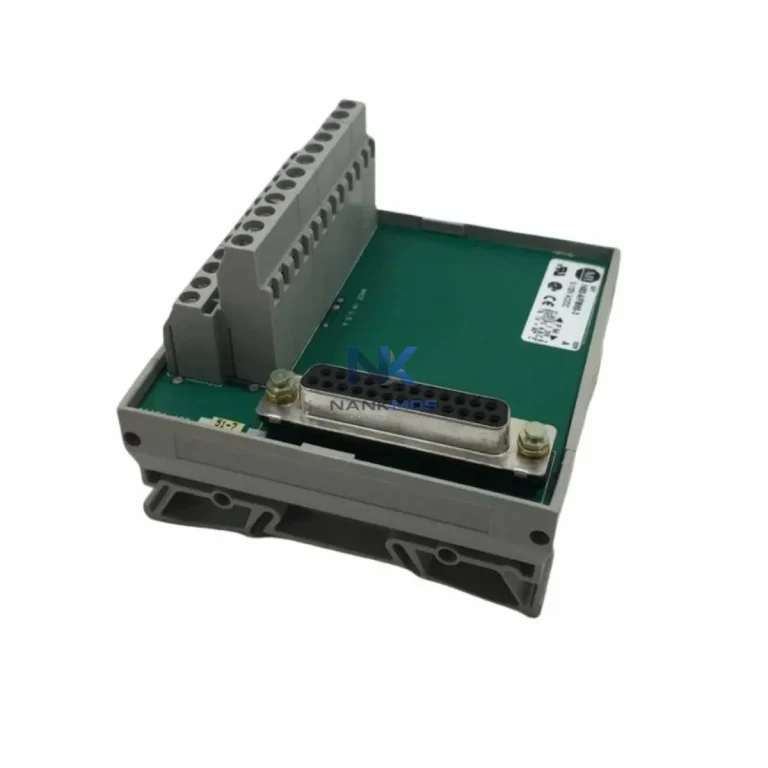
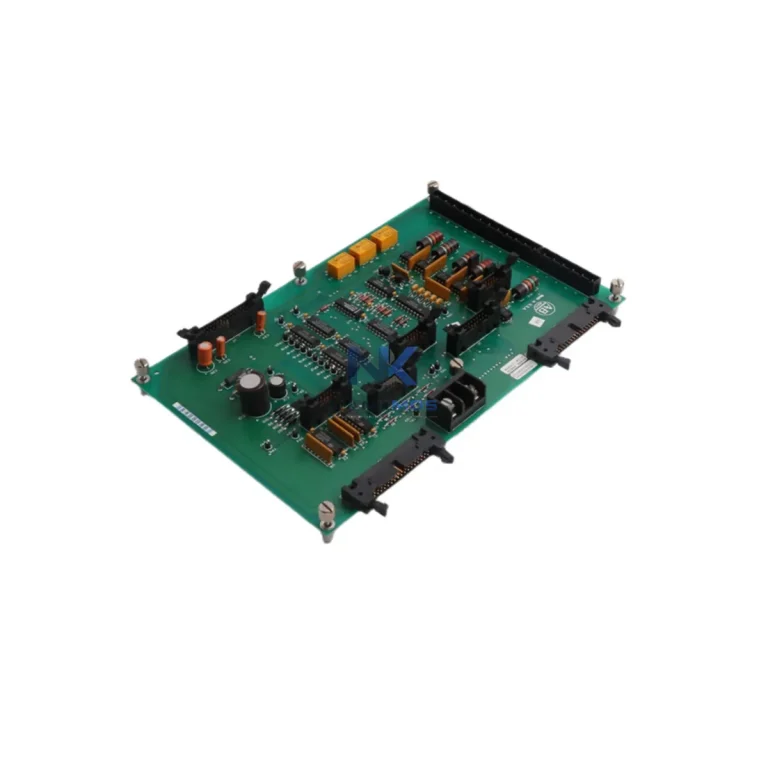
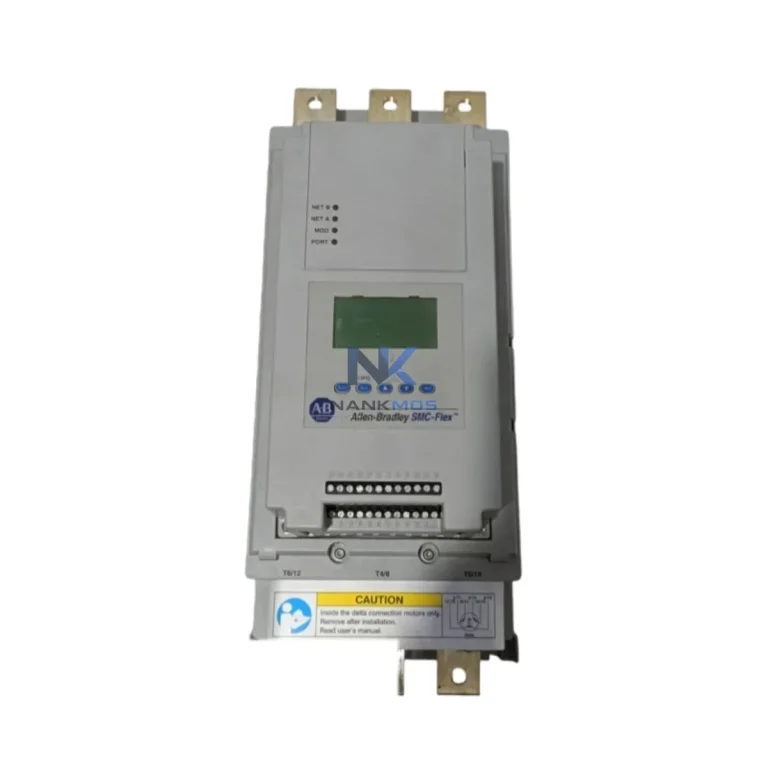
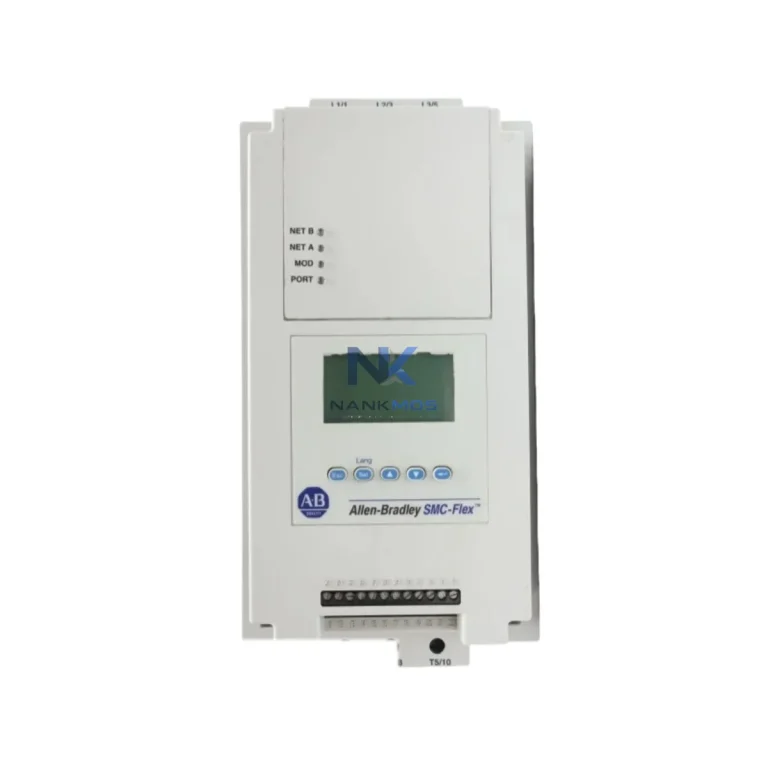
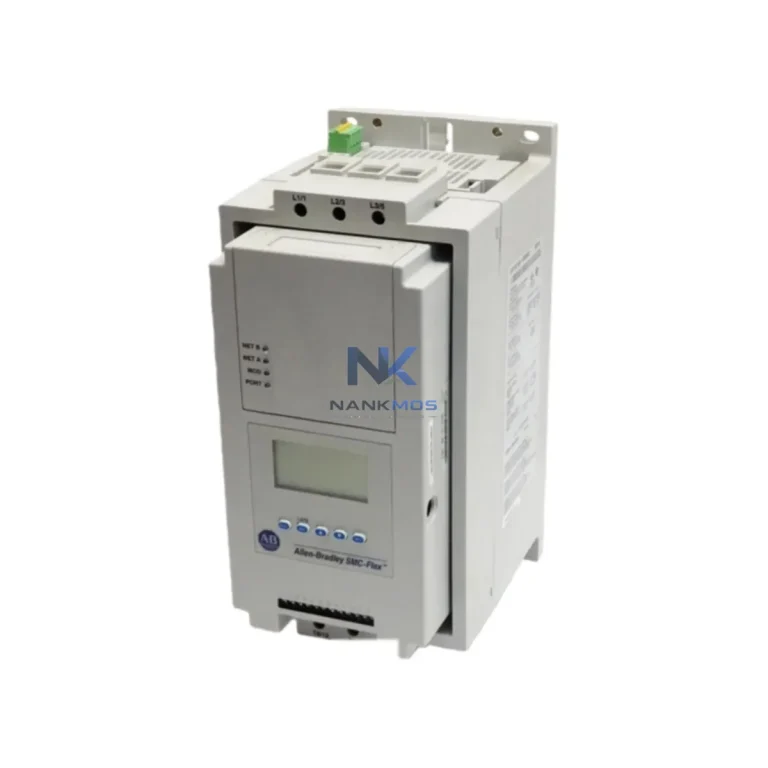
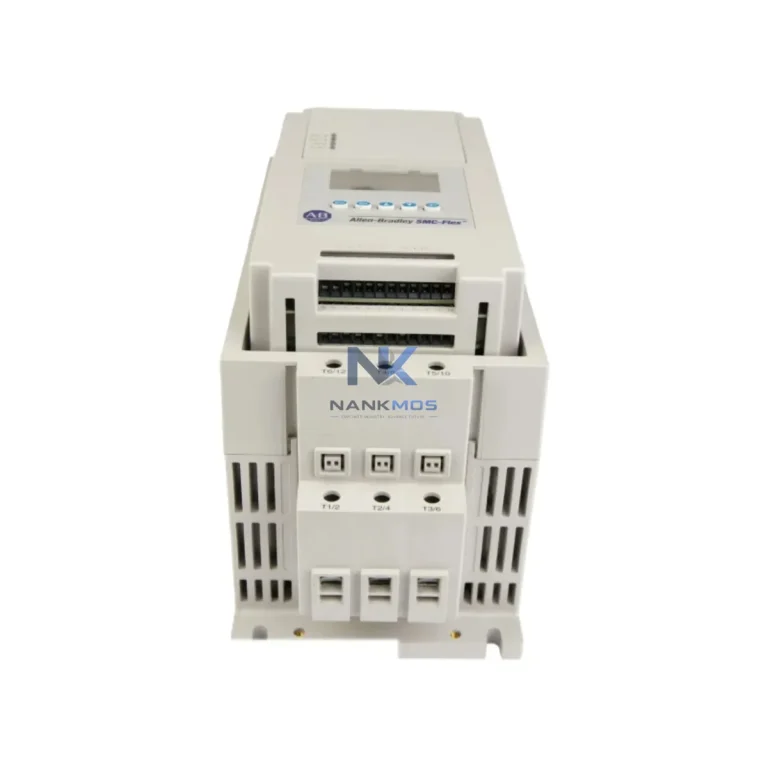
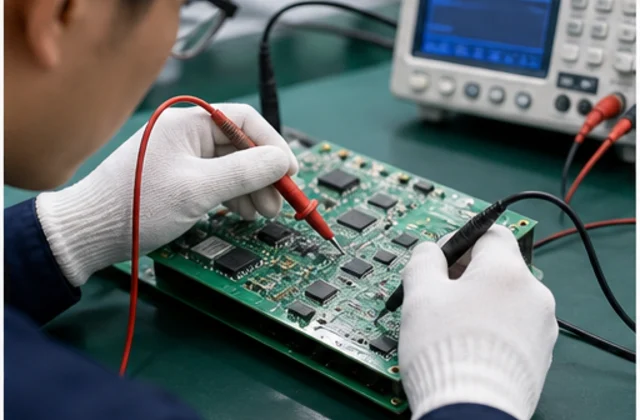
 Functional Inspection
100% tested on professional platforms to ensure stable performance.
Allen-Bradley 1771-PS7 is a NANKMOS industrial automation product record Listed under PLC-5 series and Business & Industrial > Automation, Control & Flow Devices > Programmable Logic Controllers. Confirm condition, availability, lead time, compatibility and documentation by email inquiry.
Brand names are used for identification only.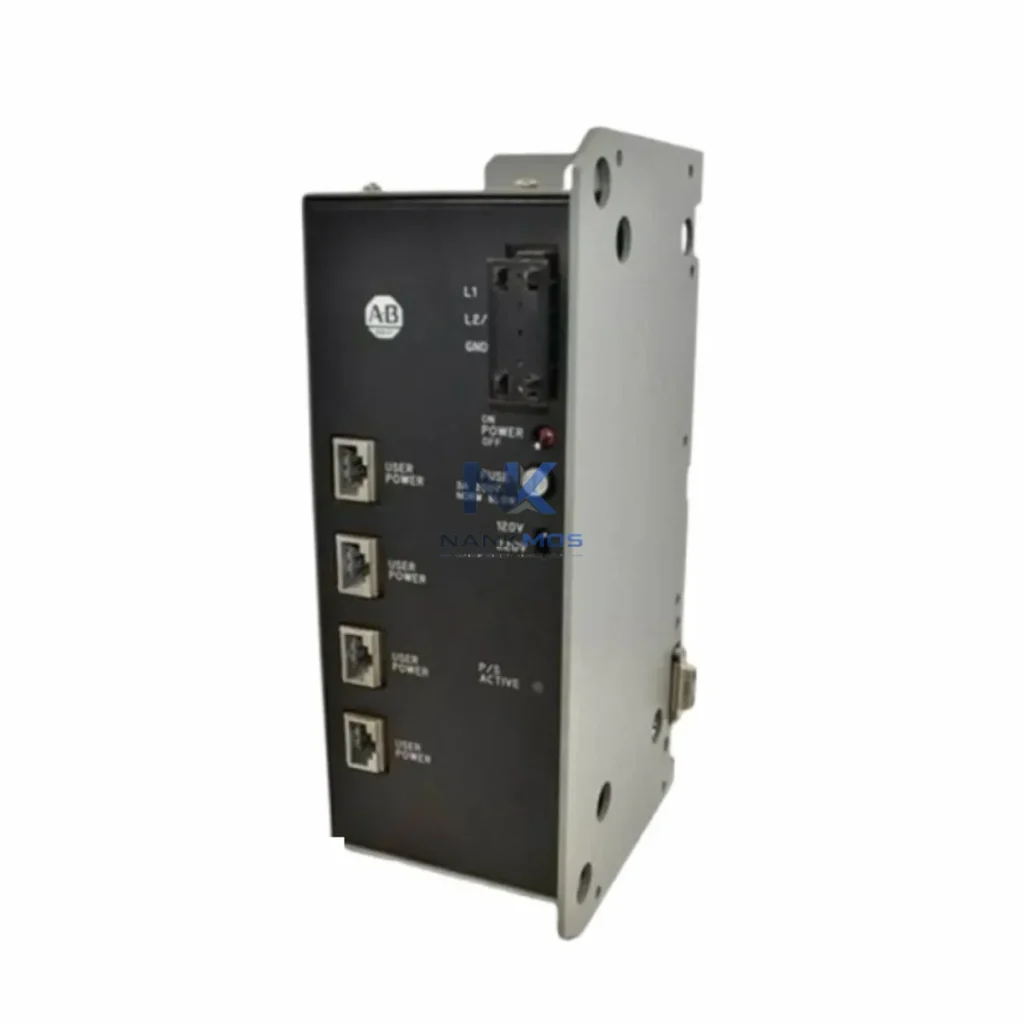
Allen-Bradley 1771-PS7 is a NANKMOS industrial automation product record Listed under PLC-5 series and Business & Industrial > Automation, Control & Flow Devices > Programmable Logic Controllers. Confirm condition, availability, lead time, compatibility and documentation by email inquiry.
| Manufacturer | Allen-Bradley |
|---|---|
| Application | Control System Power Support |
| Part Number / Model | 1771-PS7 |
| Compatible System | PLC-5 |
| Series | PLC-5 |
| Condition Options | To Confirm |
| Module Type | Power Supply Module |
| Warranty | 12 Months |
| Packaging | Anti-static Bag / Secure Box |
| Shipping Methods | DHL / FedEx / UPS / Air / Sea |
| Availability | To Confirm |
| Lead Time | To Confirm |
| Documentation | Part number and revision checked before quote |
The Allen-Bradley 1771-PS7 is a dedicated backplane power supply module engineered for the PLC-5 processor family and the 1771 I/O chassis system — one of the most widely deployed programmable controller platforms in heavy industry. In smart factory environments where uninterrupted data flow between field devices, controllers, and supervisory systems is mission-critical, the 1771-PS7 provides the stable, regulated DC power backbone that keeps every node in the automation network online and communicating. From signal acquisition at the sensor level to real-time visualization on SCADA dashboards, the integrity of the entire data chain depends on a reliable power foundation — and the 1771-PS7 is purpose-built to deliver exactly that.
In a fully connected smart factory, the 1771-PS7 sits at the heart of the 1771 I/O chassis, supplying regulated power to every module slot — from analog input cards reading 4–20 mA signals from pressure transmitters and flow sensors, to digital output modules driving motor starters and solenoid valves. The PLC-5 processor, powered and supported by the 1771-PS7 chassis infrastructure, communicates upstream via Data Highway Plus (DH+) to a 1784-KTX or 1784-PCMK communication interface card, bridging field-level data to RSView32 or FactoryTalk View SCADA workstations for real-time process visualization.
In distributed control architectures, the 1771-PS7 supports chassis configurations that include 1771-ASB Remote I/O Adapter modules, extending the PLC-5 network across multiple remote I/O drops on the plant floor. Each remote chassis — whether housing 1771-IFE analog input modules, 1771-OFE analog output modules, or 1771-IBD digital input modules — depends on a stable power supply to maintain continuous scan cycle integrity and prevent data dropout on the Remote I/O link. When the 1771-PS7 maintains clean backplane power, the entire remote I/O chain — from field sensor to PLC register to SCADA tag — remains synchronized without communication faults.
For facilities running hybrid architectures that bridge legacy PLC-5 systems with modern ControlLogix platforms, the 1771-PS7 chassis often operates alongside a 1756-DHRIO ControlLogix bridge module, enabling DH+ and Remote I/O traffic to pass through EtherNet/IP gateways into the enterprise network. This integration path allows plant historians, MES platforms, and cloud-based analytics tools to consume real-time production data from PLC-5 systems without requiring full controller migration. The 1771-PS7 thus becomes a critical enabler of phased digital transformation — keeping legacy assets productive while the broader IIoT infrastructure matures.
Variable frequency drives such as the PowerFlex 700 or PowerFlex 40 series, connected via DeviceNet or ControlNet to the PLC-5 network, rely on the controller's scan cycle — sustained by the 1771-PS7 — to receive speed reference commands and return drive status feedback. Similarly, PanelView 550 and PanelView 900 HMI terminals communicating over DH-485 or DH+ depend on the PLC-5 processor remaining online to refresh display tags and process operator inputs. Any power instability at the chassis level propagates immediately as communication timeouts across every connected HMI, drive, and remote I/O node.
One of the most persistent challenges in aging automation infrastructure is the data island problem — where field devices generate valuable process data that never reaches the SCADA or MES layer due to communication failures rooted in hardware degradation. A failing or undersized power supply module is frequently the root cause of intermittent DH+ communication faults, Remote I/O scanner errors, and PLC-5 processor resets that appear as network instability rather than power issues. Replacing a degraded power supply with a tested 1771-PS7 unit resolves these phantom communication errors and restores full data transparency across the production line.
For sites managing multi-drop Remote I/O networks across large facilities — such as automotive assembly lines, water treatment plants, or oil and gas processing units — the 1771-PS7 ensures that each chassis in the network maintains the power margin required to support full I/O module loading without voltage sag. This directly impacts alarm response latency: when backplane power is stable, the PLC-5 scan cycle completes on time, alarm tags update without delay, and operators receive accurate, real-time fault notifications rather than stale or missing data.
Protocol unification across mixed-vendor environments is another area where the 1771-PS7 plays an indirect but essential role. By keeping the PLC-5 platform operational, it preserves the gateway function that many sites rely on to bridge Modbus RTU devices, HART field instruments, and Profibus DP peripherals into the Rockwell Automation network via protocol converter modules installed in the 1771 chassis. Removing or degrading this power infrastructure breaks the protocol bridge and creates data gaps that affect production reporting, energy monitoring, and regulatory compliance logging.
NANKMOS supplies the 1771-PS7 from verified inventory, with each unit undergoing functional testing prior to shipment. A 12-month warranty covers all supplied modules, and our technical team supports integration planning, chassis compatibility verification, and remote diagnostic consultation for complex multi-chassis deployments.
Q1: Does the 1771-PS7 support ControlNet and EtherNet/IP communication directly? The 1771-PS7 is a backplane power supply, not a communication module — it does not directly handle ControlNet or EtherNet/IP traffic. However, it powers the 1771 chassis that houses ControlNet scanner modules such as the 1771-ACN15, enabling those modules to maintain stable network communication. EtherNet/IP connectivity is typically achieved through a 1756-ENBT bridge in a ControlLogix chassis linked to the PLC-5 network.
Q2: Can the 1771-PS7 support a fully loaded 1771 I/O chassis without voltage instability? Yes. The 1771-PS7 is rated to supply sufficient backplane current for fully populated 1771 chassis configurations. For very high-density chassis with multiple analog and specialty modules, it is recommended to verify total module current draw against the 1771-PS7 output rating and consider supplemental power supply configurations if required. NANKMOS technical support can assist with chassis power budgeting.
Q3: How does a degraded 1771-PS7 affect remote diagnostics and SCADA data quality? A degraded power supply causes intermittent backplane faults that manifest as sporadic I/O communication errors, PLC-5 minor faults, and Remote I/O scanner timeouts. These errors propagate to SCADA as stale tags, false alarms, and missing data points — making remote diagnostics unreliable. Replacing the 1771-PS7 with a tested unit eliminates these fault sources and restores data integrity across the entire supervisory network.
Q4: What warranty and pre-shipment testing does NANKMOS provide for the 1771-PS7? Every 1771-PS7 supplied by NANKMOS carries a 12-month warranty and is functionally tested before shipment to verify output voltage regulation, backplane connector integrity, and module communication readiness. Customers receive documentation confirming test completion, and our team provides post-delivery technical support for installation and integration verification.
Functional Inspection100% tested on professional platforms to ensure stable performance.
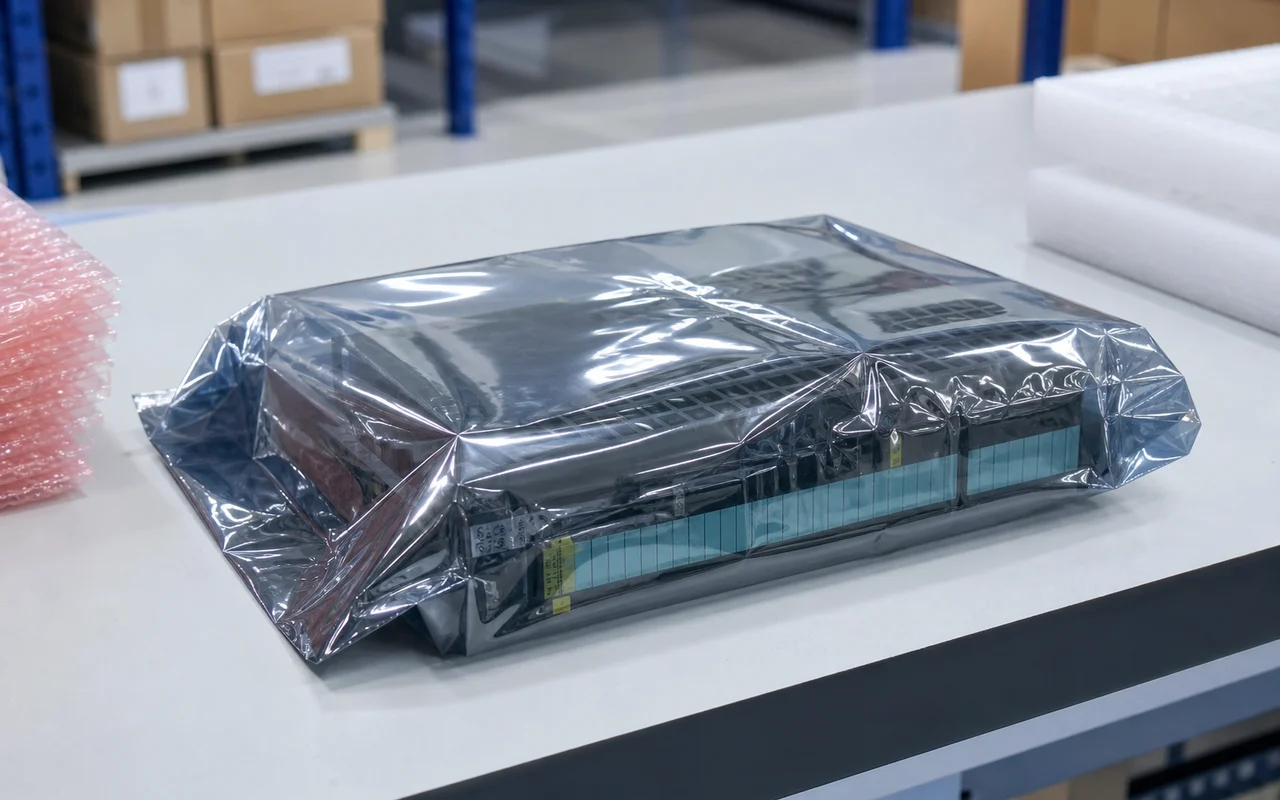 Anti-static Packaging
Modules are packed in anti-static bags to prevent electrostatic damage.
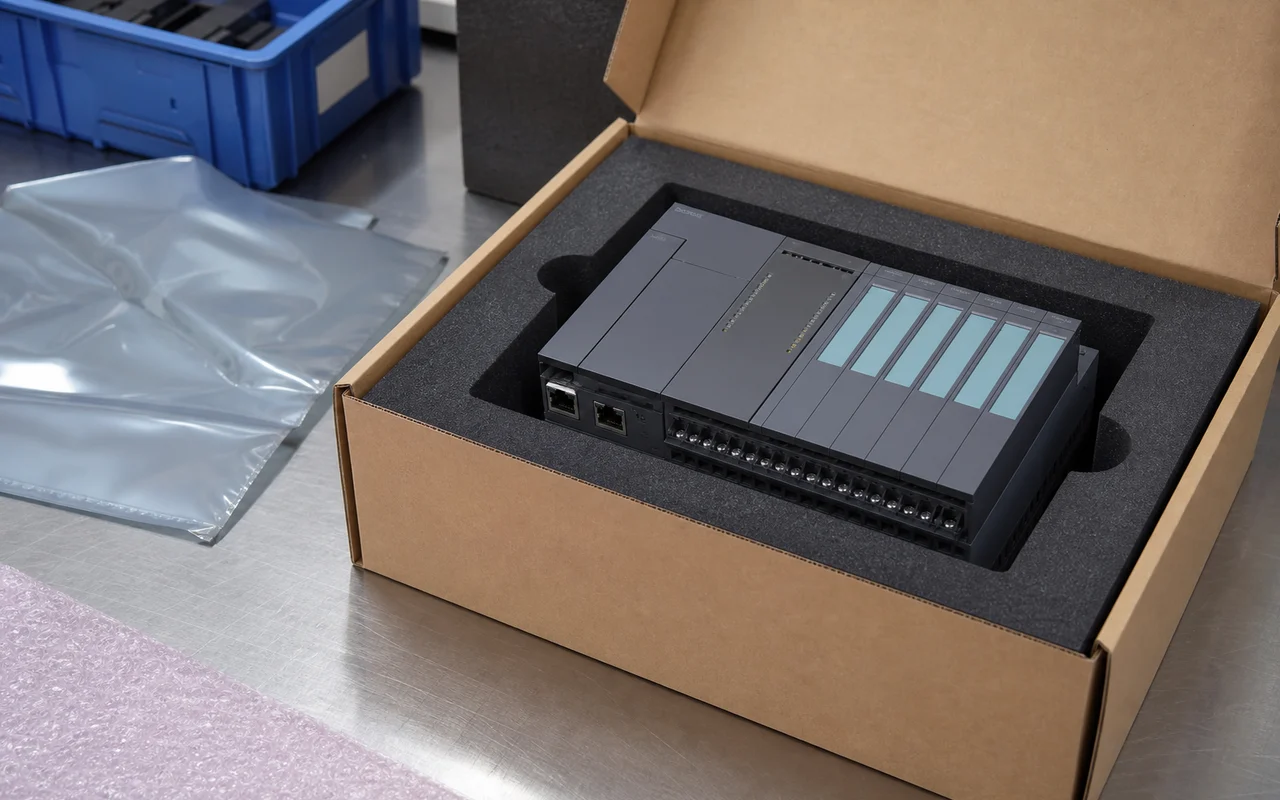 Secure Export Packing
Cushion protection and strong cartons ensure safe transportation.
 Worldwide Shipping
Global logistics network supports air, sea and express delivery.
 Documentation Check
Part number, revision and compatibility verified before shipment.
 After-sales Support
Professional technical support to help resolve your issues.