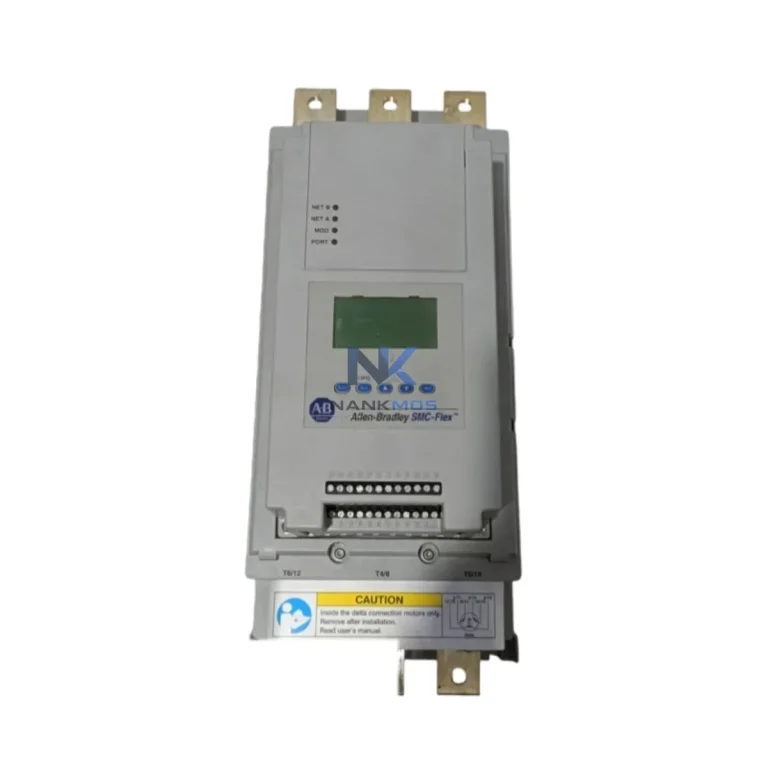
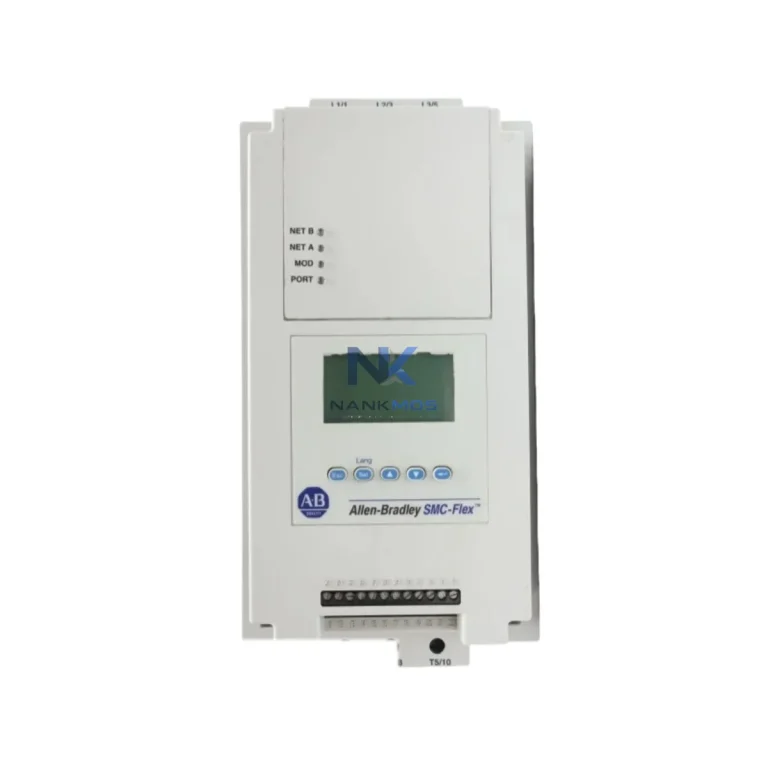
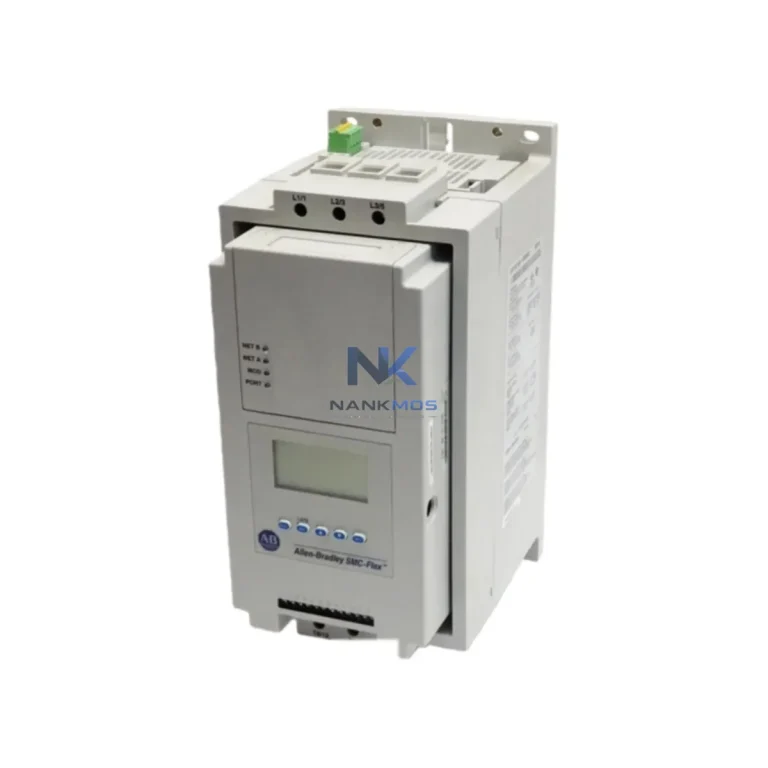
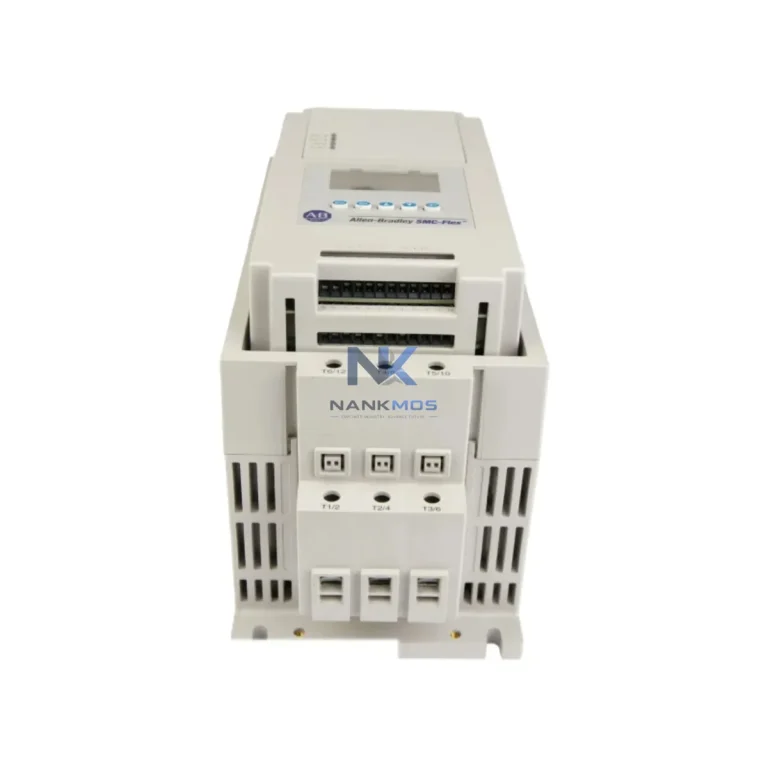
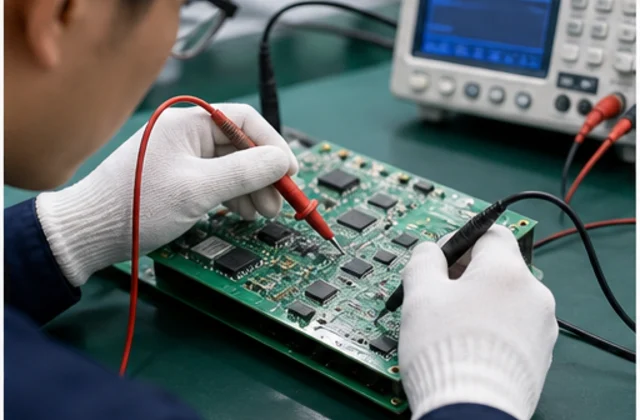
 Functional Inspection
100% tested on professional platforms to ensure stable performance.
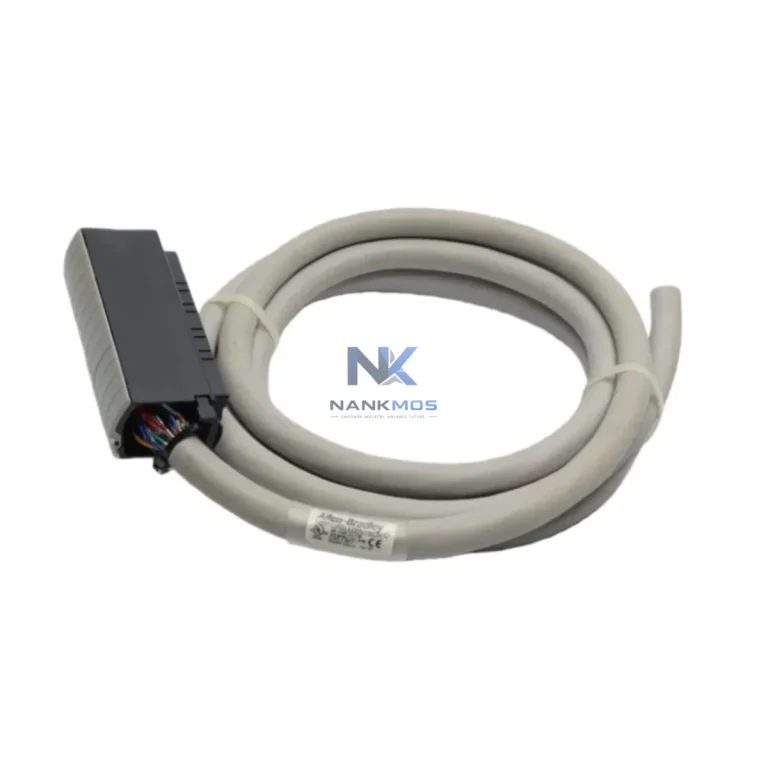
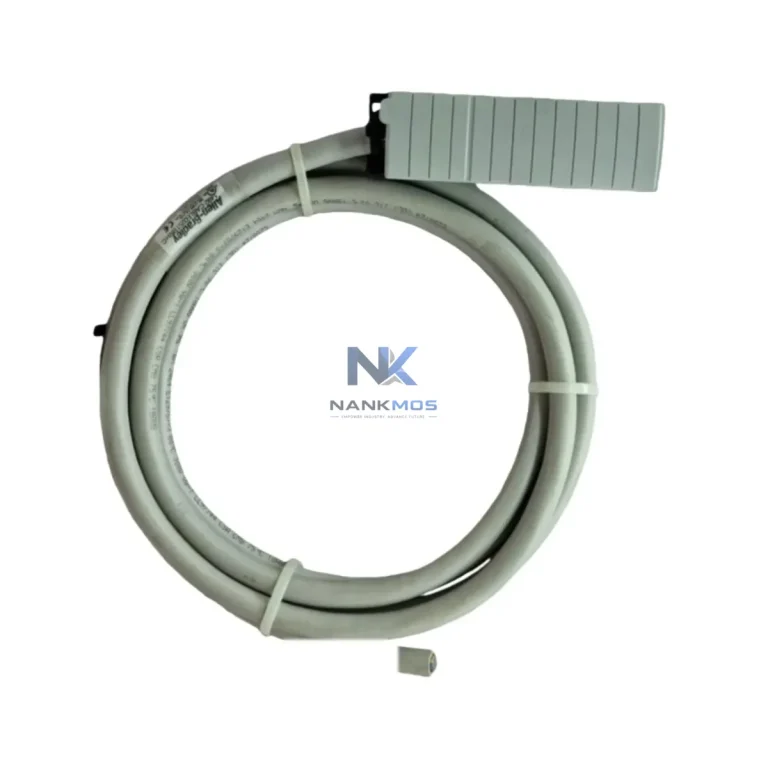
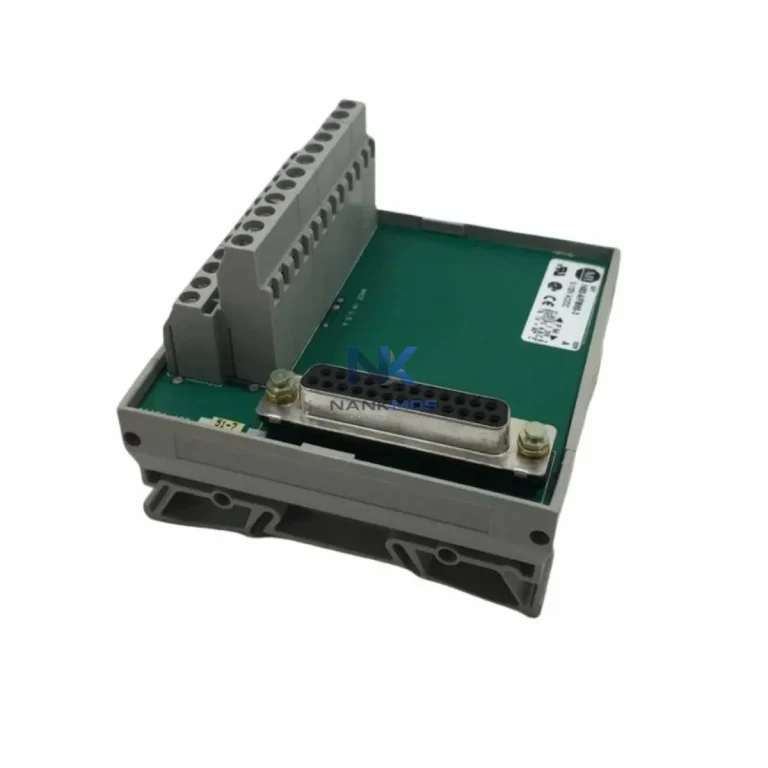
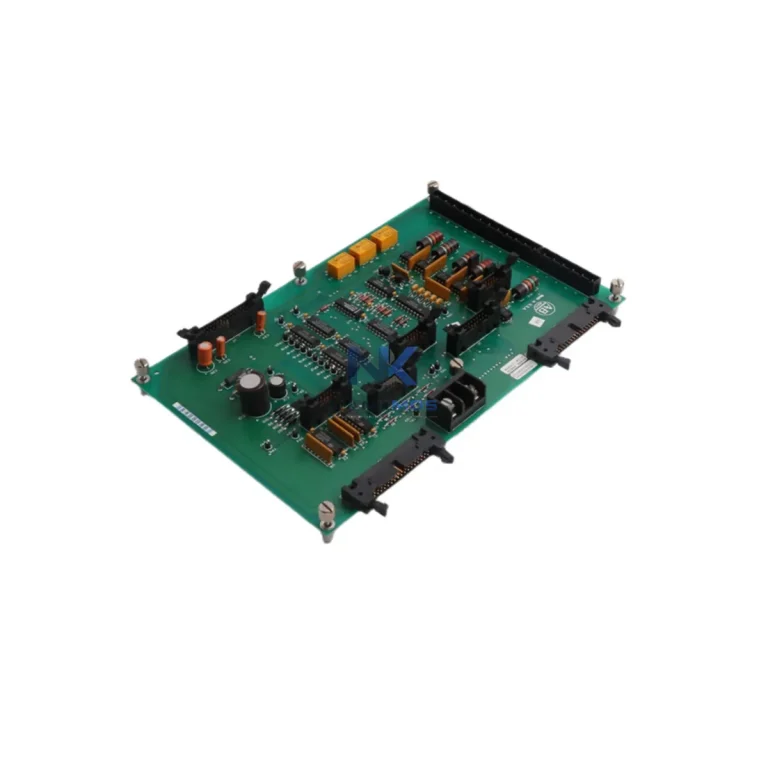
Allen-Bradley 1794-TB2 is a NANKMOS industrial automation product record Listed under Flex I/O series and Business & Industrial > Automation, Control & Flow Devices > Programmable Logic Controllers. Confirm condition, availability, lead time, compatibility and documentation by email inquiry.
Brand names are used for identification only.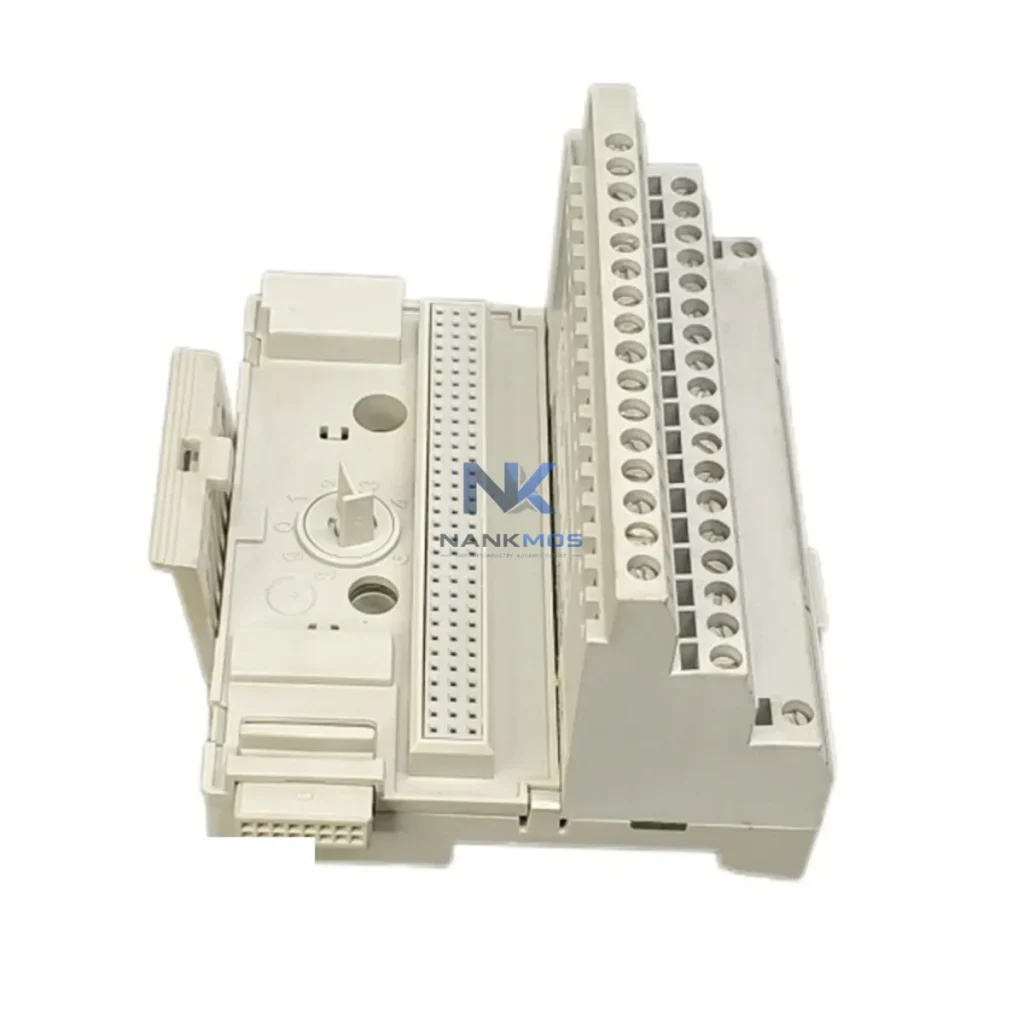
Allen-Bradley 1794-TB2 is a NANKMOS industrial automation product record Listed under Flex I/O series and Business & Industrial > Automation, Control & Flow Devices > Programmable Logic Controllers. Confirm condition, availability, lead time, compatibility and documentation by email inquiry.
| Manufacturer | Allen-Bradley |
|---|---|
| Application | Controller Processing & System Control |
| Part Number / Model | 1794-TB2 |
| Compatible System | Flex I/O |
| Series | Flex I/O |
| Condition Options | To Confirm |
| Module Type | Controller / CPU Module |
| Warranty | 12 Months |
| Packaging | Anti-static Bag / Secure Box |
| Shipping Methods | DHL / FedEx / UPS / Air / Sea |
| Availability | To Confirm |
| Lead Time | To Confirm |
| Documentation | Part number and revision checked before quote |
The Allen-Bradley 1794-TB2 is a field-proven terminal base unit engineered for Rockwell Automation's FLEX I/O platform, delivering reliable signal termination and module-to-backplane connectivity across distributed control architectures. In modern smart factory environments where data continuity between field devices and upper-level systems is non-negotiable, the 1794-TB2 serves as the physical and electrical foundation that keeps every I/O module communicating with precision. Whether deployed in a discrete manufacturing cell, a process control loop, or a hybrid automation network, this terminal base ensures that every signal — from proximity sensors and pressure transmitters to motor feedback encoders — reaches the PLC controller without interruption.
The 1794-TB2 is designed to accept FLEX I/O adapter and I/O modules, forming a modular node that integrates directly into ControlLogix, CompactLogix, or MicroLogix-based control systems via adapter modules such as the 1794-AENT (EtherNet/IP adapter) or 1794-ADN (DeviceNet adapter). This architecture allows plant engineers to position I/O nodes close to field devices — reducing wiring runs, minimizing signal degradation, and enabling faster scan times across the control network. The terminal base's wiring terminals accept both digital and analog field wiring, making it a universal building block for mixed-signal automation panels.
In a fully connected smart factory, the 1794-TB2 terminal base sits at the intersection of field-level signal collection and network-level data transmission. Consider a typical production line where a series of inductive proximity sensors and photoelectric detectors monitor part presence and conveyor position. These field signals wire directly into the screw terminals of the 1794-TB2, which hosts a 1794-IB16 digital input module. The module reads the 24 VDC signals and passes the data across the FLEX I/O backplane to a 1794-AENT EtherNet/IP adapter. From there, the data travels over a managed industrial Ethernet switch — such as a Stratix 5700 — to a CompactLogix L33ER PLC controller running Studio 5000 Logix Designer.
The PLC processes the incoming I/O data in real time, executing ladder logic that controls downstream actuators through a 1794-OB16 digital output module mounted on an adjacent 1794-TB2 terminal base. This paired input/output node architecture is a hallmark of FLEX I/O deployments: each terminal base provides the physical wiring interface, while the adapter module manages all network communication. For analog signal chains — such as 4–20 mA loop signals from pressure transmitters or RTD temperature sensors — a 1794-IE8 analog input module on the same terminal base converts field measurements into engineering-unit values that the PLC can act on directly or forward to a SCADA system via OPC-UA or EtherNet/IP.
At the supervisory level, FactoryTalk View SE or Ignition SCADA pulls real-time tag data from the CompactLogix controller, rendering live process dashboards on operator HMI panels. Alarm conditions detected at the field level — such as a sensor fault or an out-of-range analog value — propagate through the 1794-TB2's hosted I/O module, up through the 1794-AENT adapter, across the Stratix switch fabric, and into the SCADA alarm management system within milliseconds. This end-to-end latency performance is critical for process industries where delayed alarm response can result in product loss or equipment damage.
For remote diagnostic capability, the EtherNet/IP network path established through the 1794-AENT adapter allows Rockwell's FactoryTalk AssetCentre or a remote RSLinx Classic gateway to poll module health status, input/output fault flags, and communication diagnostics without requiring a technician to be physically present at the panel. This remote visibility is especially valuable in geographically distributed facilities or in hazardous-area installations where panel access is restricted. Edge gateway devices — such as a Moxa MGate protocol converter or a Kepware KEPServerEX OPC server — can further bridge the FLEX I/O data into cloud-based MES or ERP platforms, completing the digital thread from sensor to enterprise system.
Variable frequency drives (VFDs) integrated into the same control network — for example, a PowerFlex 525 connected via EtherNet/IP — receive speed reference and enable commands from the same CompactLogix controller that reads the 1794-TB2 I/O nodes. This tight integration between the terminal base I/O layer and the drive control layer enables coordinated motion sequences, energy-optimized ramp profiles, and fault interlock logic that spans the entire production cell. The 1794-TB2's role in this architecture is foundational: without reliable signal termination and backplane communication at the field level, the entire data chain from sensor to drive to SCADA loses its integrity.
One of the most persistent challenges in brownfield automation upgrades is protocol fragmentation — legacy field devices speaking Modbus RTU or PROFIBUS DP while new PLC platforms expect EtherNet/IP or ControlNet. The FLEX I/O platform addresses this directly: by selecting the appropriate adapter module for the 1794-TB2 terminal base, engineers can bridge legacy field wiring into modern network architectures without replacing sensors, actuators, or field junction boxes. A 1794-APB PROFIBUS DP adapter, for instance, allows existing PROFIBUS field devices to communicate with a ControlLogix system through the same 1794-TB2 terminal base infrastructure.
Data silos — where machine-level data never reaches the plant historian or MES — are eliminated when the 1794-TB2 nodes are configured with EtherNet/IP adapters and integrated into a FactoryTalk Historian or OSIsoft PI data infrastructure. Every I/O point hosted on the terminal base becomes a named tag in the historian, enabling trend analysis, OEE calculation, and predictive maintenance algorithms to operate on real field data rather than estimates. For sites where remote monitoring is a priority, the EtherNet/IP path through the 1794-AENT adapter supports VPN-secured remote access, allowing off-site engineers to perform live diagnostics, force I/O points for commissioning, and review fault logs without traveling to the site.
Production line transparency — knowing exactly which station is running, faulted, or starved at any given moment — is achieved by mapping every 1794-TB2 I/O node to a SCADA graphic element. Alarm tracking becomes systematic rather than reactive: fault timestamps, duration logs, and acknowledgment records are stored in the SCADA historian, enabling root-cause analysis and shift-by-shift performance reviews. System expansion is straightforward with the FLEX I/O architecture: additional 1794-TB2 terminal bases and I/O modules can be added to an existing adapter node up to the module capacity limit, or new adapter nodes can be added to the network without disrupting existing I/O points.
Q1: What communication protocols does the Allen-Bradley 1794-TB2 support?The 1794-TB2 terminal base itself is protocol-agnostic — it provides the physical wiring and backplane interface for FLEX I/O modules. Protocol support is determined by the adapter module installed on the same node: the 1794-AENT supports EtherNet/IP, the 1794-ADN supports DeviceNet, the 1794-ACN15 supports ControlNet, and the 1794-APB supports PROFIBUS DP. This modular approach allows the same terminal base hardware to serve multiple network architectures.
Q2: How does the 1794-TB2 support remote diagnostics and network stability?When paired with a 1794-AENT EtherNet/IP adapter, the 1794-TB2 node exposes module health, I/O fault status, and communication diagnostics as EtherNet/IP attributes readable by any CIP-compliant tool, including RSLinx Classic, FactoryTalk AssetCentre, and third-party OPC-UA servers. Network stability is maintained through the managed switch infrastructure (e.g., Stratix 5700) that supports IGMP snooping, QoS prioritization, and redundant ring topologies via DLR (Device Level Ring).
Q3: Can the 1794-TB2 be expanded as production requirements grow?Yes. The FLEX I/O architecture supports up to 8 I/O modules per adapter node, and multiple adapter nodes can be added to the same EtherNet/IP or DeviceNet network segment. Additional 1794-TB2 terminal bases and compatible I/O modules (digital, analog, specialty) can be integrated without modifying existing node configurations, making the platform well-suited for phased capacity expansions and future-proofing automation investments.
Q4: What does the 12-month warranty cover, and how is pre-shipment testing conducted?Every 1794-TB2 unit supplied by NANKMOS carries a 12-month warranty covering manufacturing defects and functional failures under normal operating conditions. Prior to shipment, each unit undergoes functional verification including backplane continuity checks and terminal integrity inspection. Units are packaged in anti-static, shock-resistant materials to prevent transit damage. In-stock units typically ship within 1–3 business days; lead times for bulk orders are confirmed at the time of RFQ.
Functional Inspection100% tested on professional platforms to ensure stable performance.
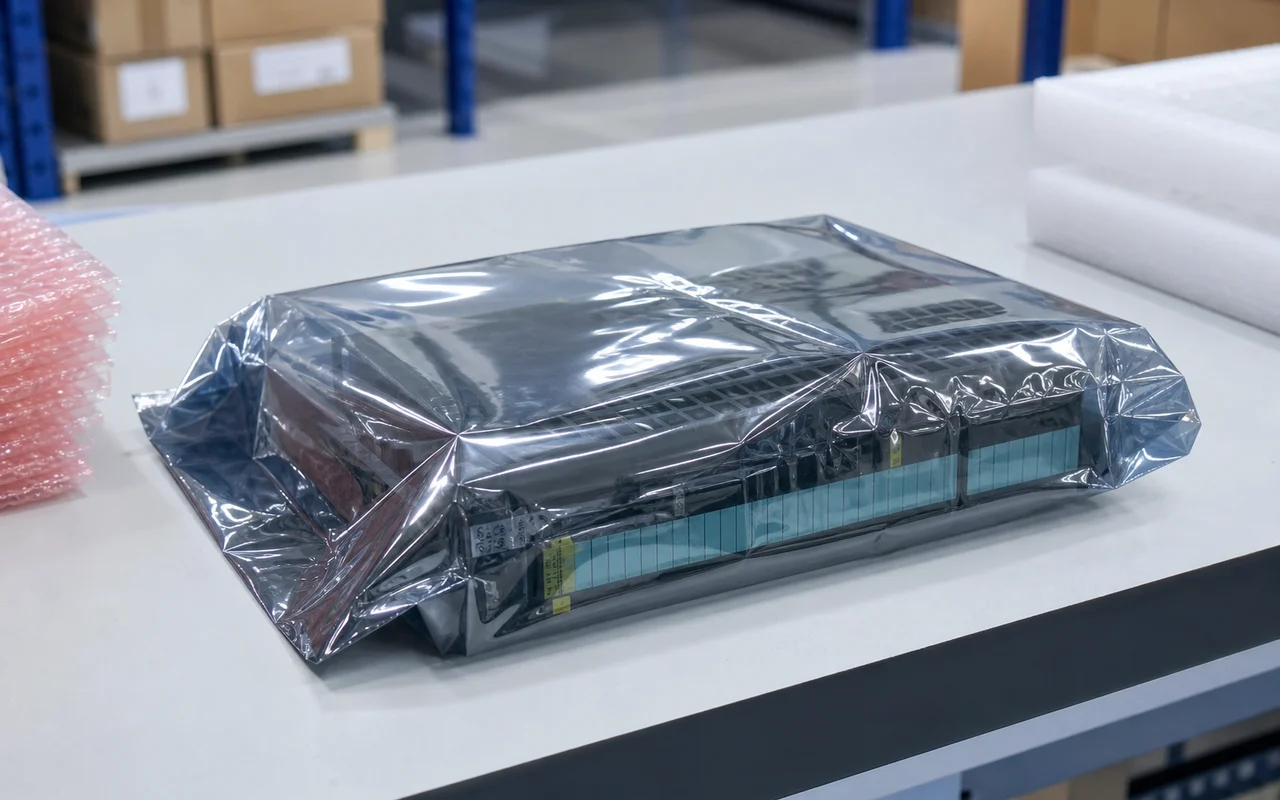 Anti-static Packaging
Modules are packed in anti-static bags to prevent electrostatic damage.
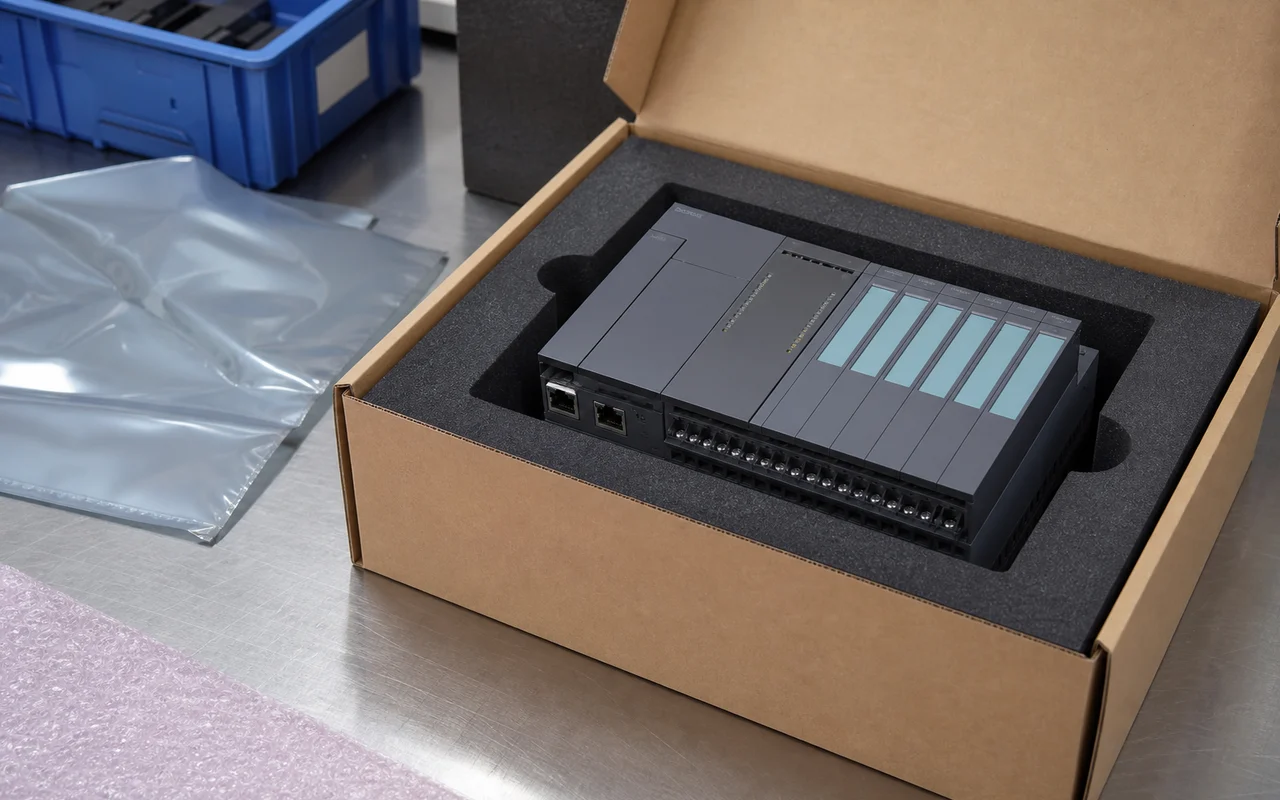 Secure Export Packing
Cushion protection and strong cartons ensure safe transportation.
 Worldwide Shipping
Global logistics network supports air, sea and express delivery.
 Documentation Check
Part number, revision and compatibility verified before shipment.
 After-sales Support
Professional technical support to help resolve your issues.