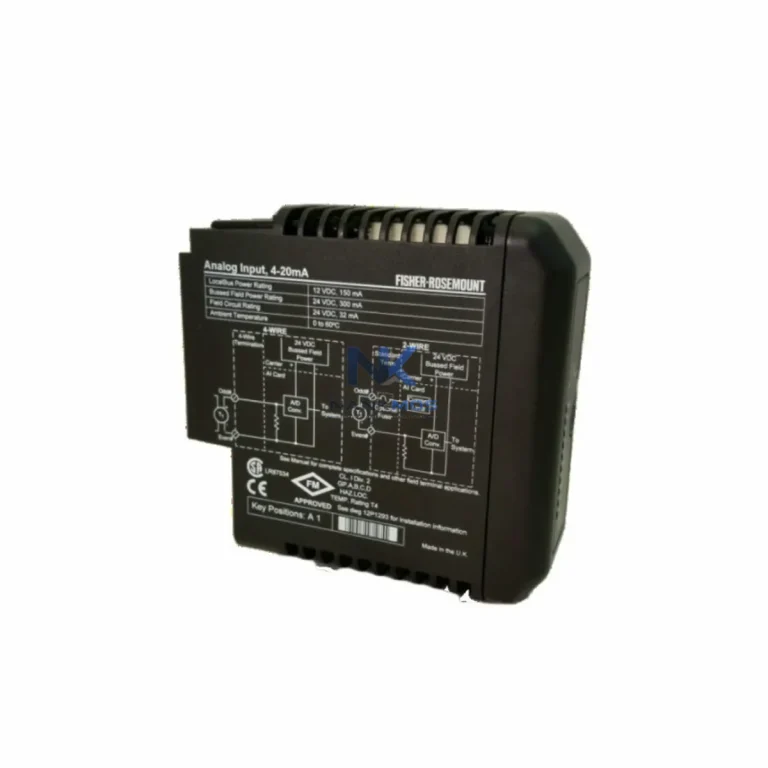
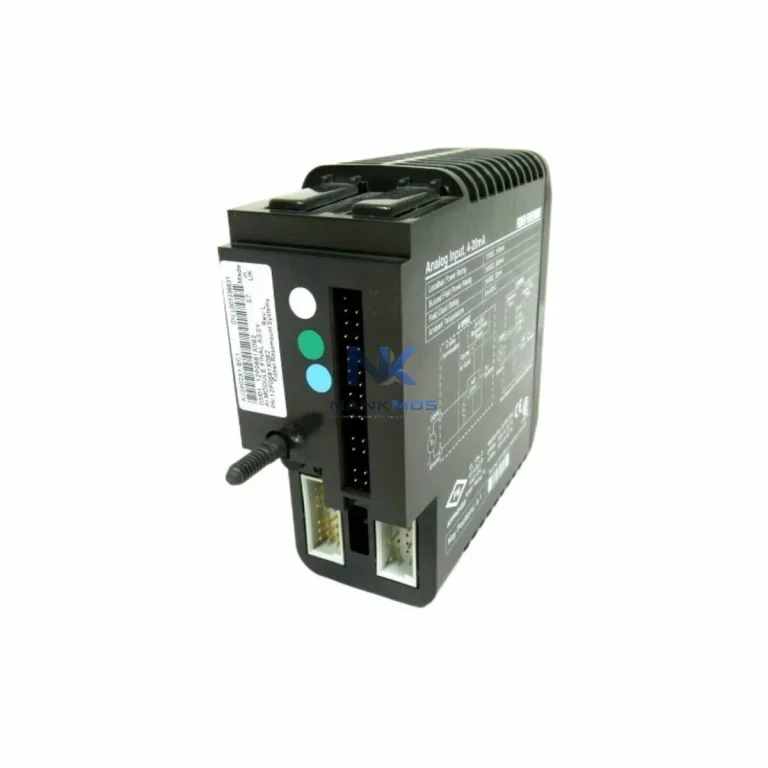
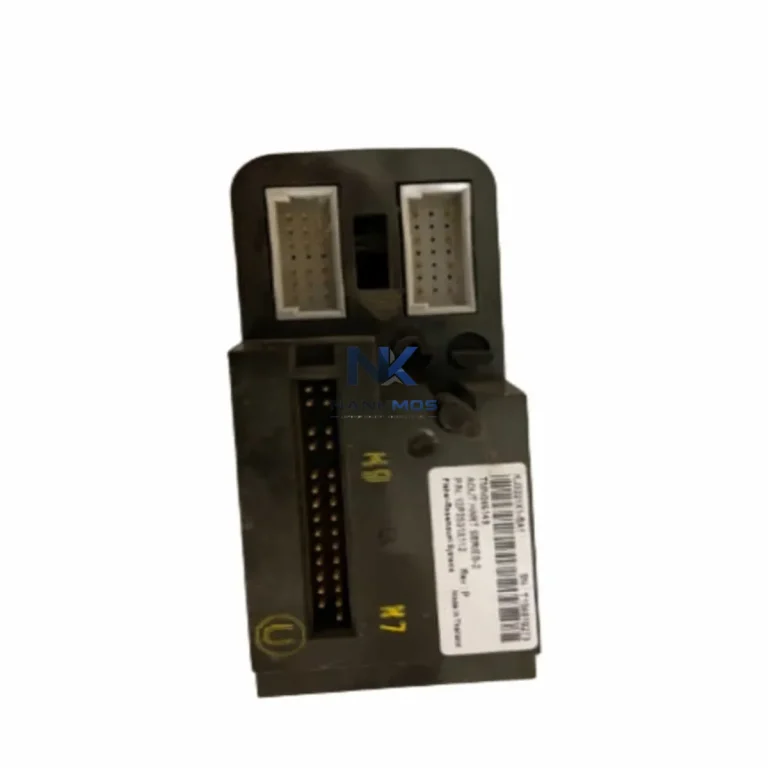
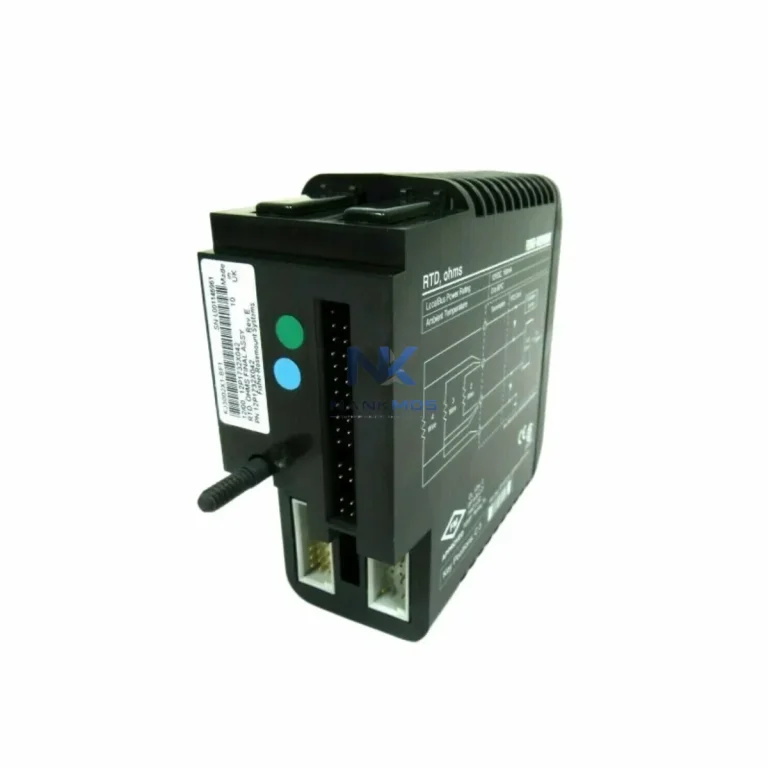
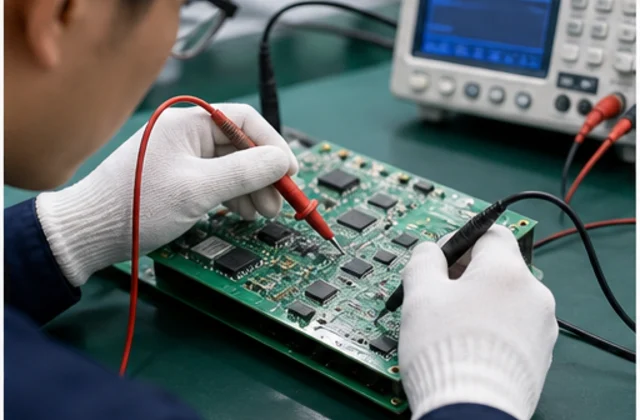
 Functional Inspection
100% tested on professional platforms to ensure stable performance.
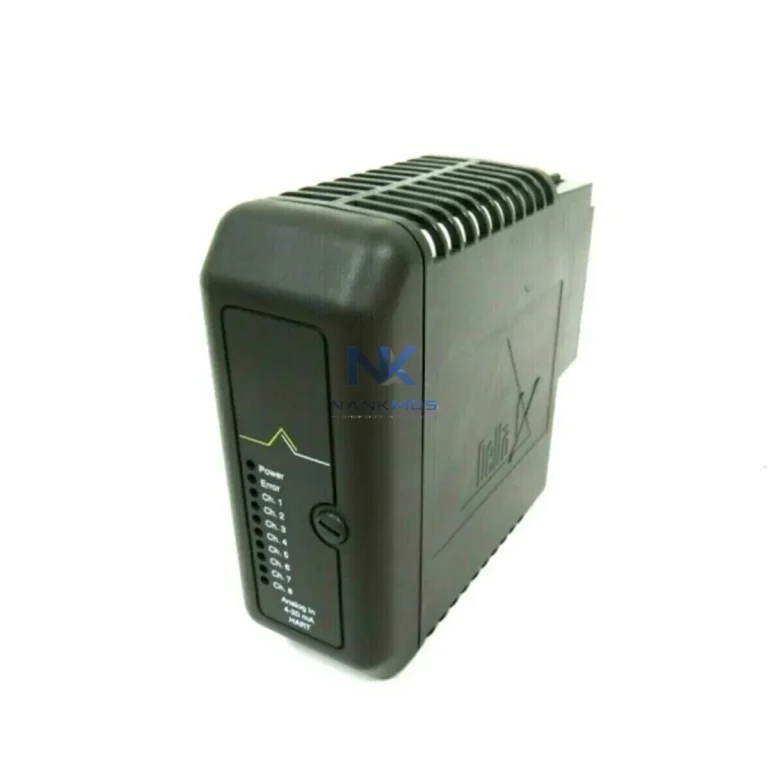
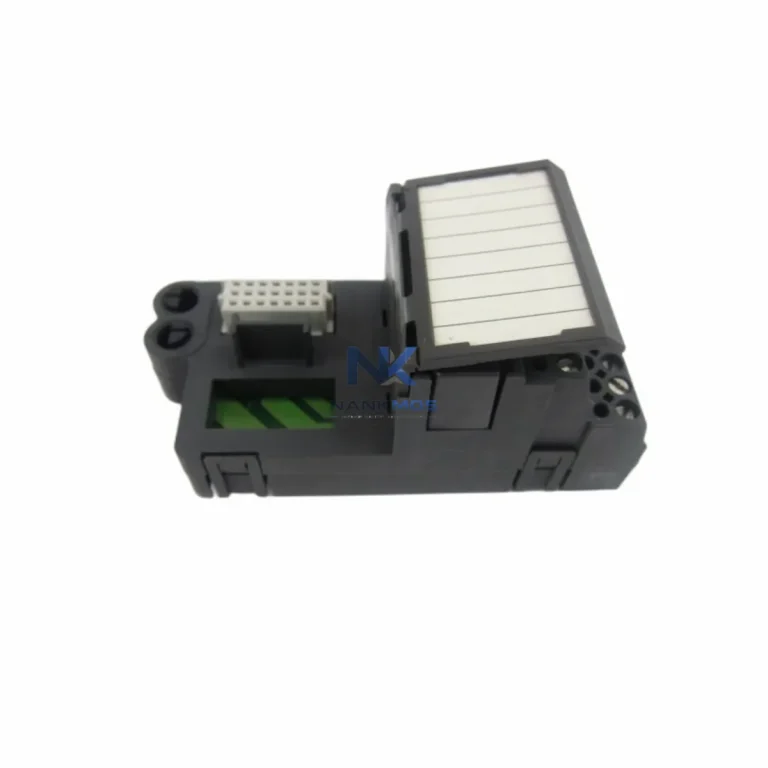
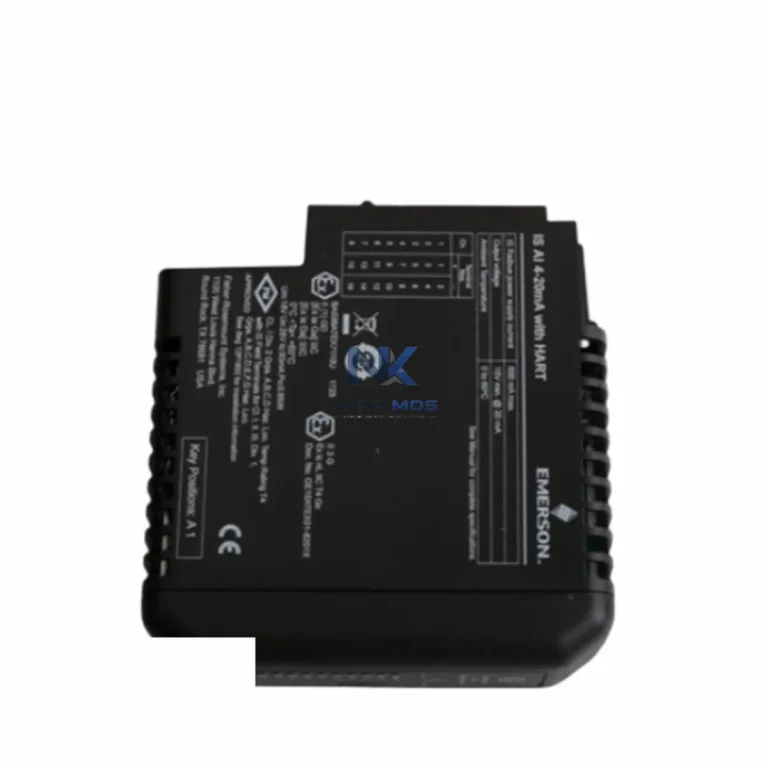
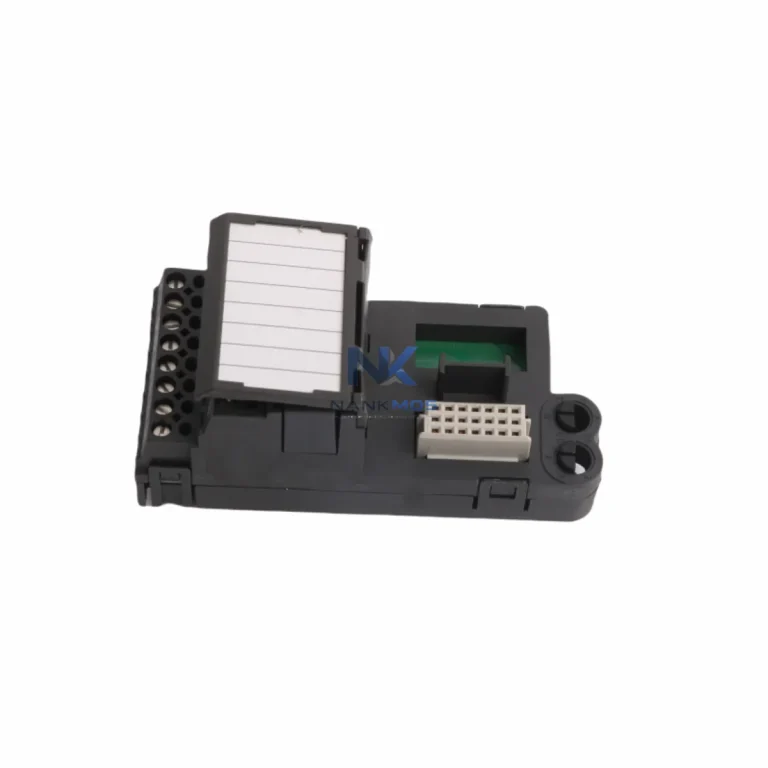
Emerson HG4F-JT22F-EX is a NANKMOS industrial automation product record Listed under DeltaV series and Business & Industrial > Automation, Control & Flow Devices > Programmable Logic Controllers. Confirm condition, availability, lead time, compatibility and documentation by email inquiry.
Brand names are used for identification only.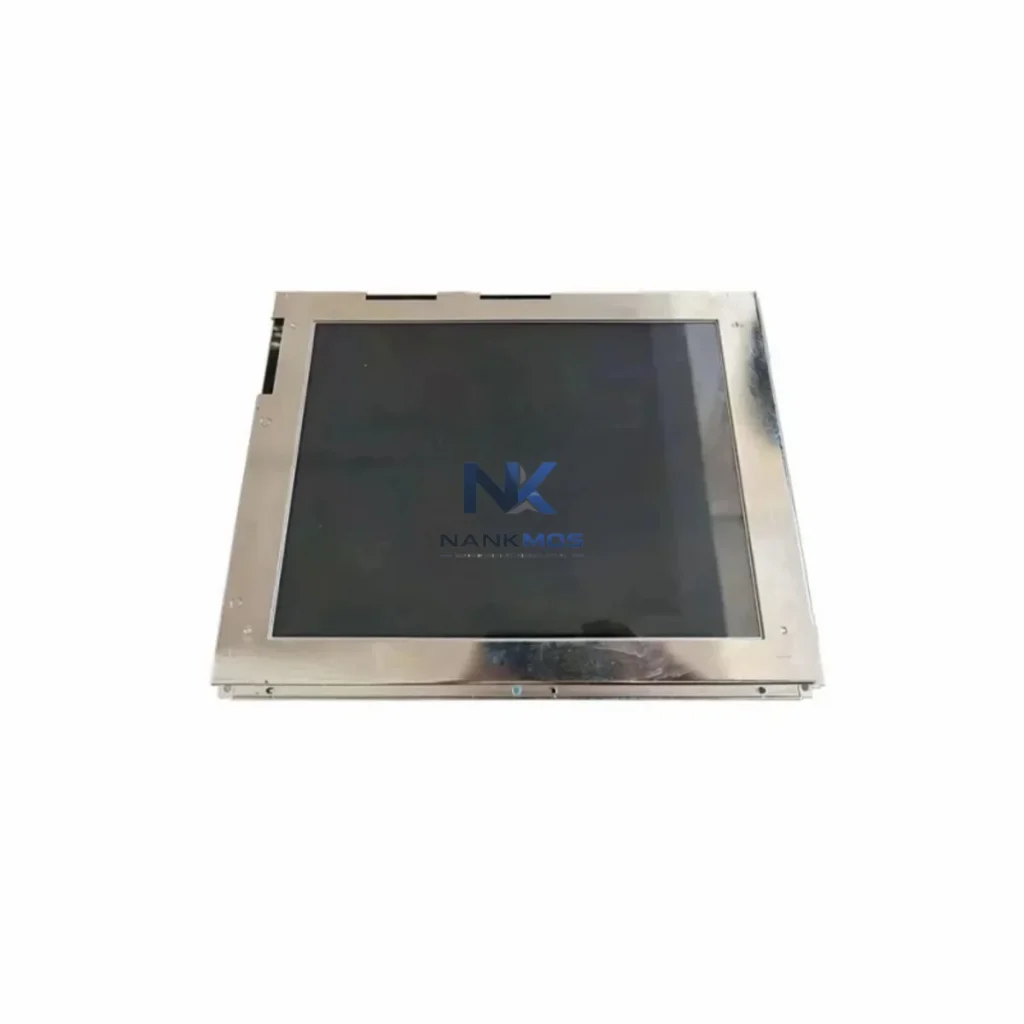
Emerson HG4F-JT22F-EX is a NANKMOS industrial automation product record Listed under DeltaV series and Business & Industrial > Automation, Control & Flow Devices > Programmable Logic Controllers. Confirm condition, availability, lead time, compatibility and documentation by email inquiry.
| Manufacturer | Emerson |
|---|---|
| Application | Controller Processing & System Control |
| Part Number / Model | HG4F-JT22F-EX |
| Compatible System | DeltaV |
| Series | DeltaV |
| Condition Options | To Confirm |
| Module Type | Controller / CPU Module |
| Warranty | 12 Months |
| Packaging | Anti-static Bag / Secure Box |
| Shipping Methods | DHL / FedEx / UPS / Air / Sea |
| Availability | To Confirm |
| Lead Time | To Confirm |
| Documentation | Part number and revision checked before quote |
The Emerson HG4F-JT22F-EX is a 4-channel intrinsically safe HART analog input module engineered for seamless integration within Emerson DeltaV distributed control systems. Designed for hazardous area deployment in Zone 1 and Zone 2 environments, this module serves as a critical data link between field-level instrumentation and upper-layer control, monitoring, and analytics platforms. In modern smart factory architectures, where every millisecond of signal latency and every byte of process data carries operational weight, the HG4F-JT22F-EX delivers the reliability, protocol fidelity, and network transparency that industrial automation demands.
From the moment a field transmitter — such as a Rosemount 3051 pressure transmitter or a Micro Motion Coriolis flow meter — generates a HART signal, the HG4F-JT22F-EX captures that analog and digital data simultaneously. The module's 4–20 mA analog backbone carries the primary process variable, while the superimposed HART digital layer transmits secondary variables, device diagnostics, and configuration parameters upstream to the DeltaV controller. This dual-layer signal architecture eliminates the need for separate diagnostic wiring, reducing installation complexity and enabling continuous device health monitoring without interrupting the control loop.
Within the DeltaV system hierarchy, the HG4F-JT22F-EX connects to the DeltaV I/O subsystem, feeding real-time process values to the DeltaV MD or MQ controller via the DeltaV I/O bus. The controller then aggregates these values and makes them available to the DeltaV Operate HMI, where operators can visualize trends, configure alarm thresholds, and initiate remote diagnostics. For sites running OPC-UA or OPC-DA middleware, the DeltaV OPC server bridges the HG4F-JT22F-EX data stream to third-party SCADA platforms — including Wonderware System Platform, Ignition SCADA, or iFIX — enabling cross-system data visibility without protocol conversion hardware.
In process industries where hazardous area compliance is non-negotiable, the HG4F-JT22F-EX's intrinsic safety certification ensures that energy levels at the field interface remain below ignition thresholds, even under fault conditions. This makes it directly compatible with IS-rated field devices such as Yokogawa EJA-series differential pressure transmitters or ABB TB82 temperature transmitters deployed in Zone 1 gas or dust atmospheres. The module's galvanic isolation further protects the DeltaV backplane from ground loops and transient surges originating in the field wiring network.
For facilities pursuing IIoT-driven transparency, the HART pass-through capability of the HG4F-JT22F-EX is particularly valuable. By routing HART device variables through the DeltaV Asset Management Solution (AMS), maintenance teams gain access to device calibration records, loop diagnostics, and predictive maintenance alerts — all without physical access to the field device. This remote diagnostic capability is especially critical in offshore platforms, chemical reactors, or pipeline stations where physical inspection carries safety and logistical costs. When integrated with the Emerson AMS Device Manager, the HG4F-JT22F-EX enables condition-based maintenance workflows that reduce unplanned downtime and extend instrument service intervals.
The module's role in the smart factory data chain extends beyond simple signal acquisition. In a typical DeltaV-based automation architecture, the HG4F-JT22F-EX sits at the intersection of the field device layer and the control network layer. Field signals flow upward through the module into the DeltaV controller, then traverse the plant Ethernet backbone — often built on Cisco IE industrial switches or Hirschmann MICE managed switches — to reach the DeltaV application station. From there, data is distributed to the DeltaV Batch Executive for recipe-driven process control, to the DeltaV Continuous Historian for long-term trend storage, and to the DeltaV Operate workstation for real-time operator interaction.
For sites requiring integration with enterprise-level systems, the historian data can be further forwarded via OSIsoft PI or AspenTech IP.21 to ERP platforms such as SAP or Oracle, completing the data chain from field sensor to business intelligence dashboard. This end-to-end connectivity — from the HG4F-JT22F-EX's field terminals to the boardroom analytics layer — is the defining characteristic of a truly connected smart factory.
Every HG4F-JT22F-EX unit supplied by NANKMOS undergoes pre-shipment functional testing, including loop integrity verification, HART communication handshake confirmation, and IS barrier continuity checks. Units are shipped with full documentation and are backed by a 12-month warranty covering manufacturing defects and communication failures. Global inventory availability ensures short lead times for MRO replacement, system expansion, and new project commissioning across APAC, EMEA, and Americas regions.
The HG4F-JT22F-EX anchors the field-to-control data chain in DeltaV-based automation architectures. At the field level, IS-rated transmitters — including Rosemount 3051 differential pressure transmitters, Micro Motion 2700 Coriolis flow meters, and Yokogawa EJA110E pressure sensors — connect directly to the module's IS-certified field terminals. The HART protocol carries both the 4–20 mA primary variable and up to three secondary digital variables per channel, giving the DeltaV controller a rich, multi-variable data stream from each field device.
The DeltaV MD Plus controller receives this data via the I/O bus and executes PID control algorithms in real time, with scan rates as low as 100 ms for fast-loop applications. Control outputs are distributed to DeltaV AO modules driving Fisher control valves or Emerson FIELDVUE digital valve controllers, closing the control loop at the field level. Simultaneously, the HART secondary variables — including device temperature, loop current, and diagnostic status — are routed to the Emerson AMS Device Manager running on the DeltaV application station, where predictive maintenance algorithms flag instruments approaching calibration drift or seal degradation.
The DeltaV application station connects to the plant control network via a managed industrial Ethernet switch — typically a Cisco IE-3400 or Hirschmann MICE RS20 — operating on a dedicated VLAN to isolate control traffic from corporate IT traffic. The DeltaV Continuous Historian archives process values at configurable compression rates, feeding the DeltaV Operate HMI with trend data for operator analysis. For multi-site operations, the DeltaV Remote Client enables operators at a central control room to monitor and interact with distributed DeltaV nodes across the plant network, with the HG4F-JT22F-EX's HART data visible at every level of the hierarchy.
Integration with third-party SCADA platforms — such as Ignition SCADA by Inductive Automation or Wonderware System Platform — is achieved via the DeltaV OPC-UA server, which publishes all I/O module data as OPC-UA nodes accessible to any compliant SCADA client. Edge gateway devices, such as the Emerson ROC800 or a Moxa UC-8100 edge computer, can subscribe to these OPC-UA data streams and forward aggregated process data to cloud analytics platforms or MES systems, completing the IIoT data chain from the HG4F-JT22F-EX field terminals to enterprise dashboards.
Protocol Fragmentation: Many brownfield plants operate a mix of HART, Profibus PA, Foundation Fieldbus, and 4–20 mA conventional instruments. The HG4F-JT22F-EX standardizes HART device data into the DeltaV I/O framework, eliminating the need for external HART multiplexers or protocol converters for HART-capable instruments. For non-HART legacy devices, the DeltaV AI module handles conventional 4–20 mA signals on the same backplane, allowing a unified I/O architecture without separate marshalling cabinets.
Data Silos and Remote Monitoring: Without HART pass-through, field device diagnostics remain trapped at the instrument level, invisible to control room operators until a failure occurs. The HG4F-JT22F-EX's HART communication path to AMS Device Manager breaks down this data silo, surfacing device health indicators — including sensor degradation, plugged impulse line detection, and valve signature analysis — as actionable alerts in the DeltaV Operate environment. Remote monitoring via DeltaV Remote Client or OPC-UA SCADA clients extends this visibility to off-site engineering teams, enabling remote diagnostics without plant access.
Production Line Transparency and Alarm Management: The module's 4-channel architecture allows a single I/O card to monitor four independent process loops, reducing backplane slot consumption and simplifying alarm rationalization. Each channel's HART device status is mapped to DeltaV alarm priorities, ensuring that instrument faults generate structured alarms in the DeltaV Operate HMI rather than silent process deviations. This alarm transparency supports ISA-18.2 alarm management compliance and reduces operator response time to abnormal process conditions.
System Expansion: As production capacity grows, additional HG4F-JT22F-EX modules can be added to existing DeltaV I/O carriers without controller reconfiguration, thanks to DeltaV's electronic marshalling architecture. This plug-and-play expandability supports phased plant expansions and minimizes commissioning time for new measurement loops.
Q1: Does the HG4F-JT22F-EX support multi-drop HART communication? The HG4F-JT22F-EX is designed for point-to-point HART communication in the 4–20 mA mode, which is the standard configuration for DeltaV HART I/O modules. Multi-drop HART (fixed 4 mA, digital-only) is not the intended operating mode for this module in DeltaV applications. Each channel independently communicates with one HART-capable field device, ensuring deterministic scan rates and reliable process variable acquisition.
Q2: Is the HG4F-JT22F-EX compatible with third-party SCADA systems via OPC-UA? Yes. When installed in a DeltaV system with the DeltaV OPC-UA server enabled, all HART data acquired by the HG4F-JT22F-EX — including primary and secondary process variables and device diagnostics — is published as OPC-UA nodes. Any OPC-UA compliant SCADA client, including Ignition, Wonderware, and iFIX, can subscribe to these nodes for real-time data visualization and alarm integration without additional protocol conversion hardware.
Q3: How does the module handle network instability or communication interruptions? The HG4F-JT22F-EX maintains the 4–20 mA analog signal path independently of the HART digital communication layer. If HART communication is temporarily interrupted due to wiring noise or network instability, the analog process variable continues to be transmitted to the DeltaV controller without interruption. The DeltaV system logs HART communication failures as diagnostic events, allowing maintenance teams to investigate and resolve wiring or device issues without process disruption.
Q4: What does the 12-month warranty cover, and what pre-shipment testing is performed? Every HG4F-JT22F-EX unit supplied by NANKMOS is covered by a 12-month warranty against manufacturing defects and communication failures. Pre-shipment testing includes loop integrity verification across all four channels, HART communication handshake confirmation with a reference HART master, and IS barrier continuity checks to verify intrinsic safety compliance. Units are shipped with test records and full product documentation to support site commissioning and regulatory audits.
Functional Inspection100% tested on professional platforms to ensure stable performance.
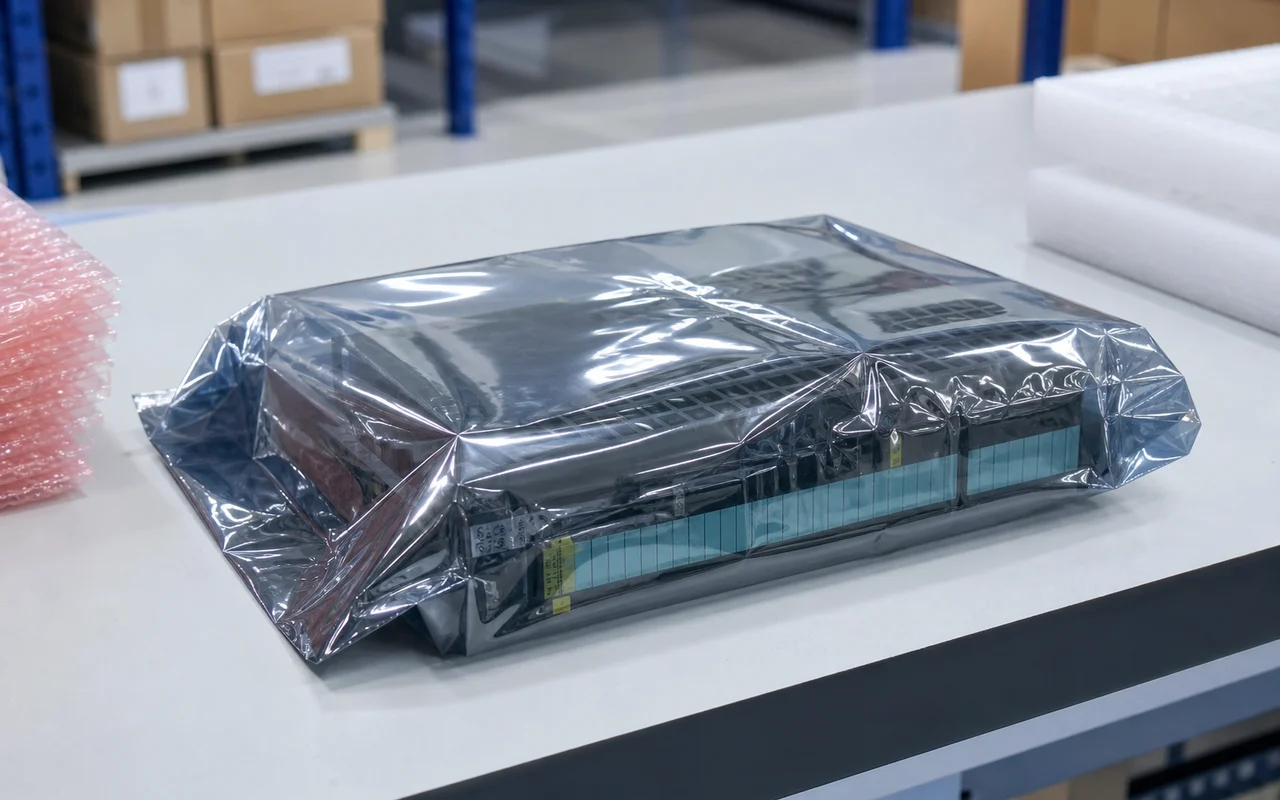 Anti-static Packaging
Modules are packed in anti-static bags to prevent electrostatic damage.
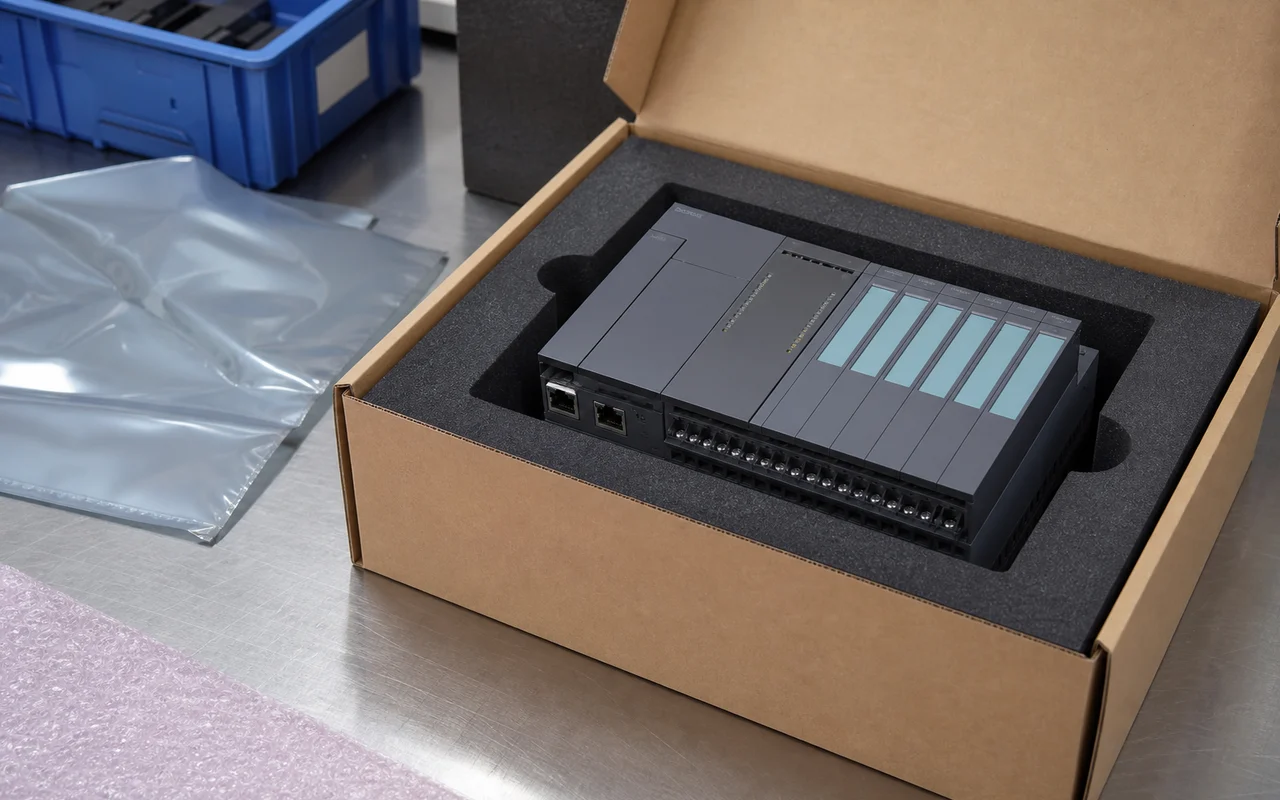 Secure Export Packing
Cushion protection and strong cartons ensure safe transportation.
 Worldwide Shipping
Global logistics network supports air, sea and express delivery.
 Documentation Check
Part number, revision and compatibility verified before shipment.
 After-sales Support
Professional technical support to help resolve your issues.