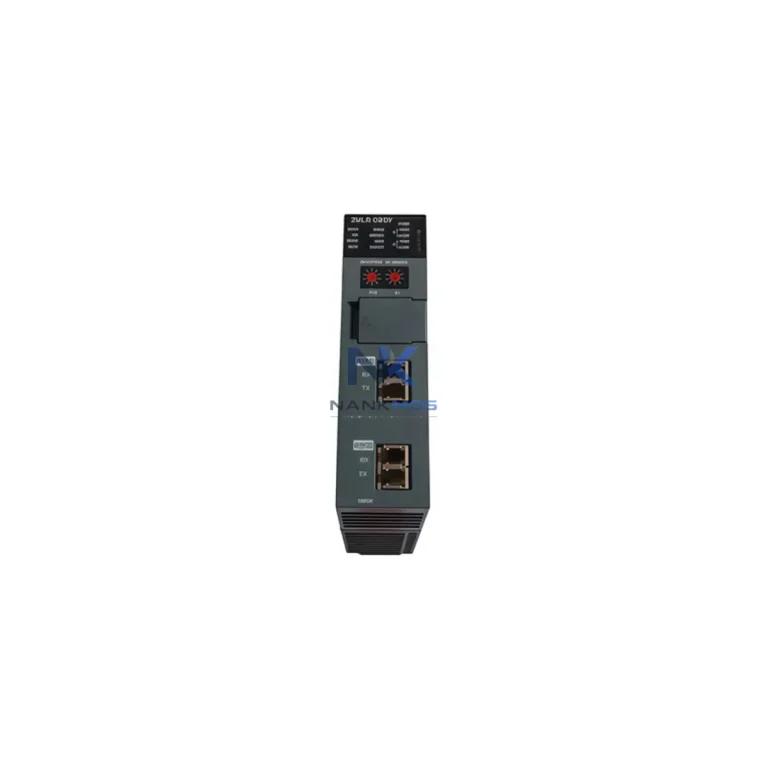
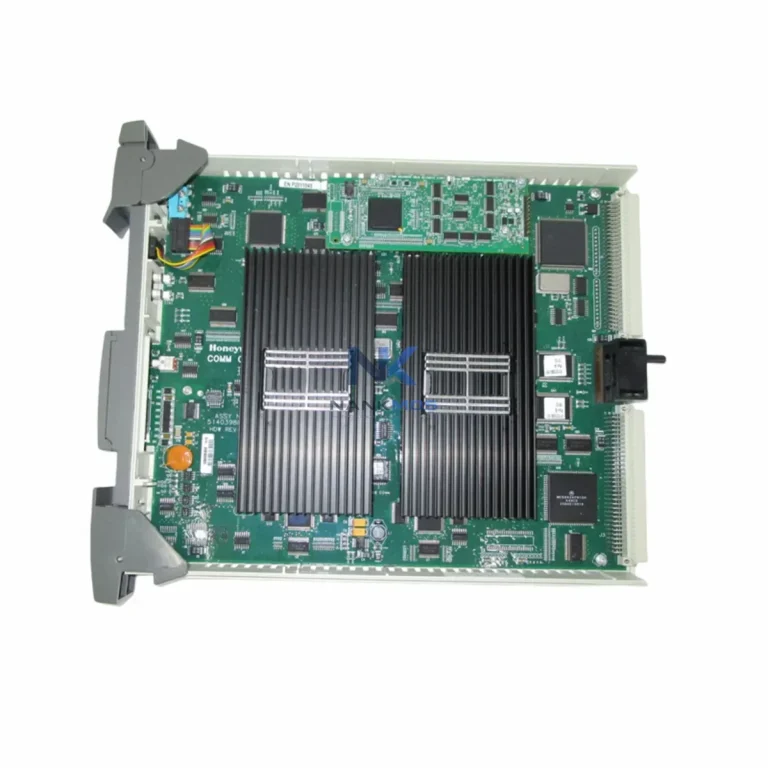
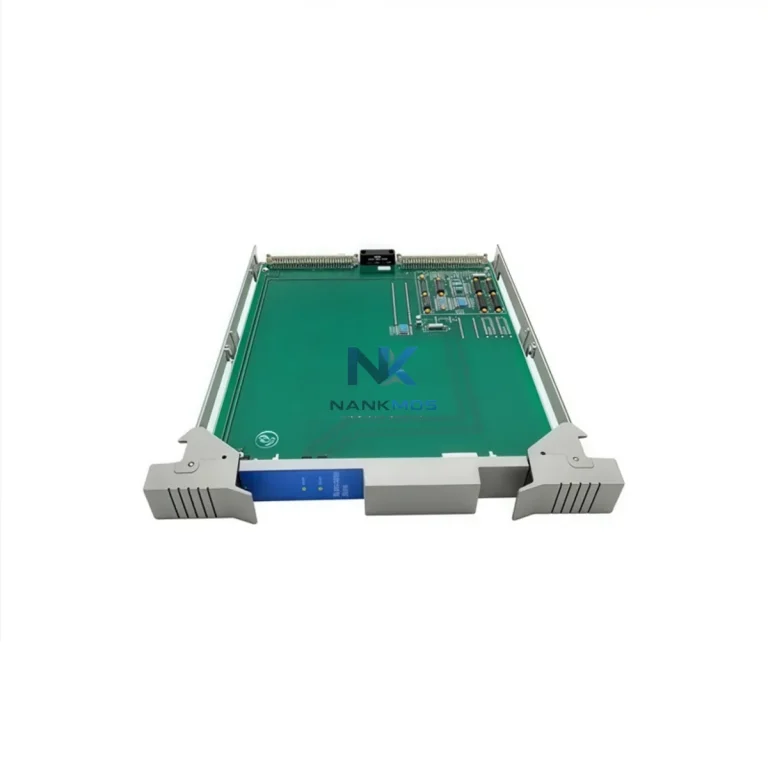
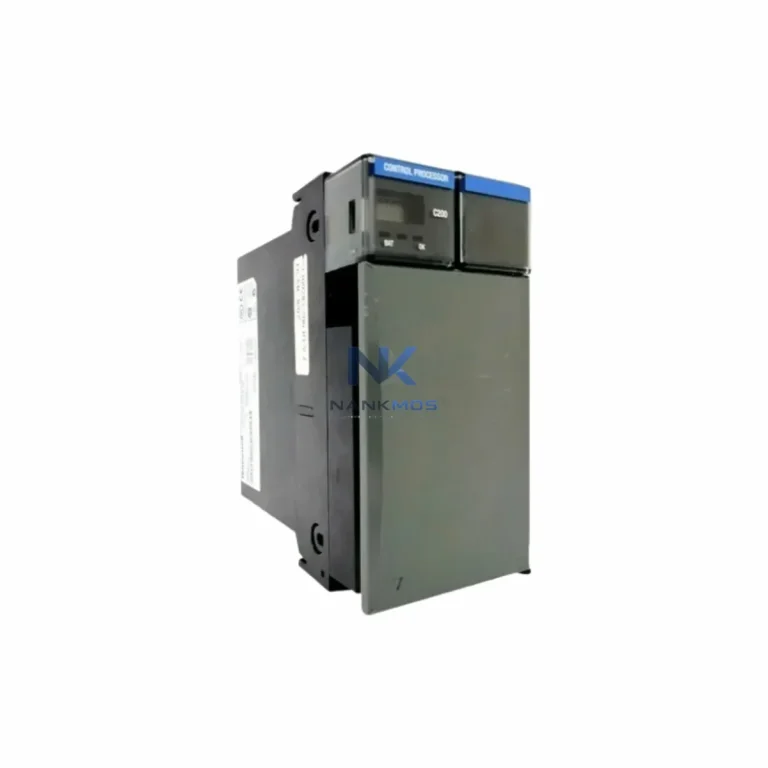
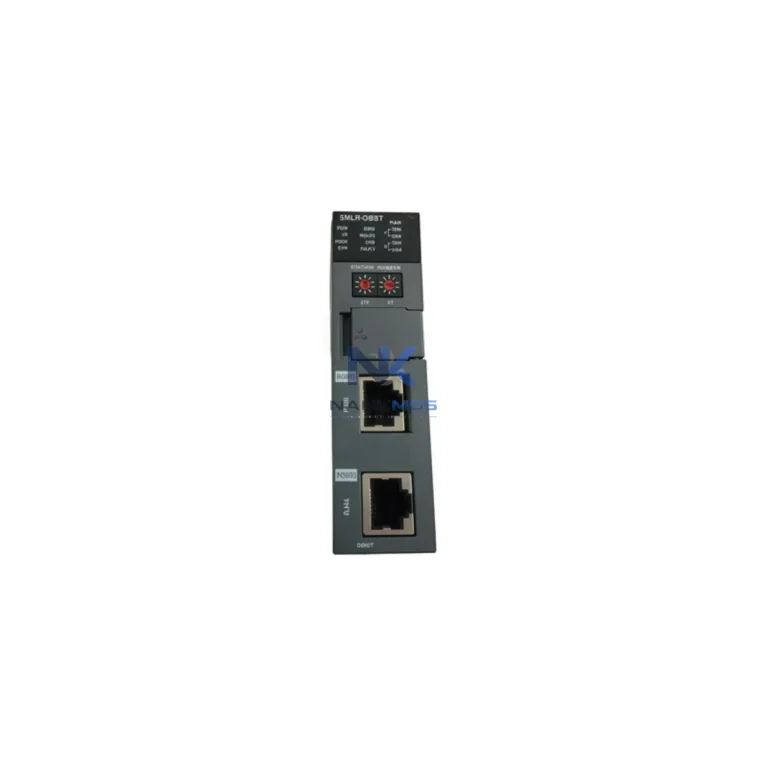
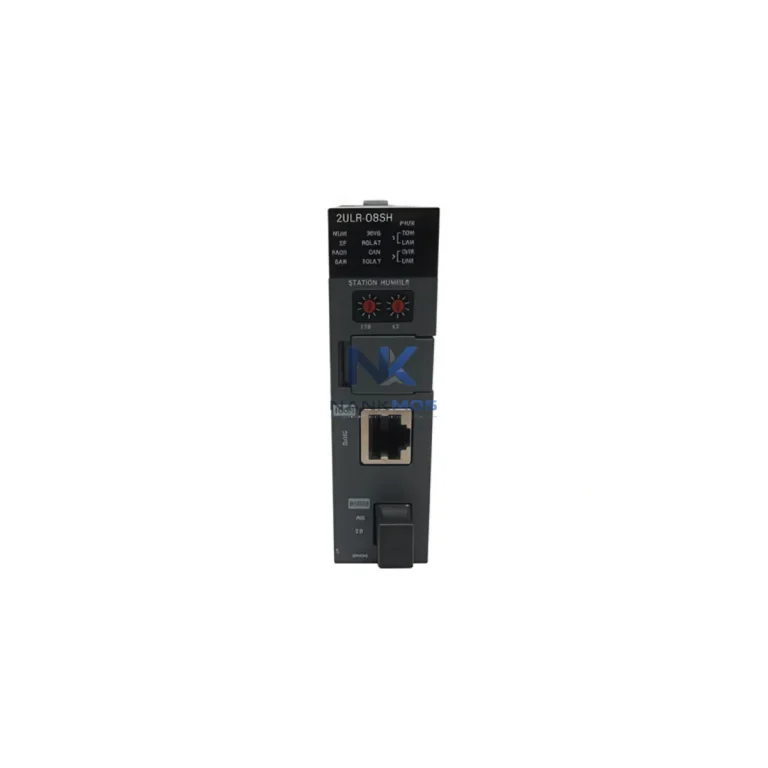
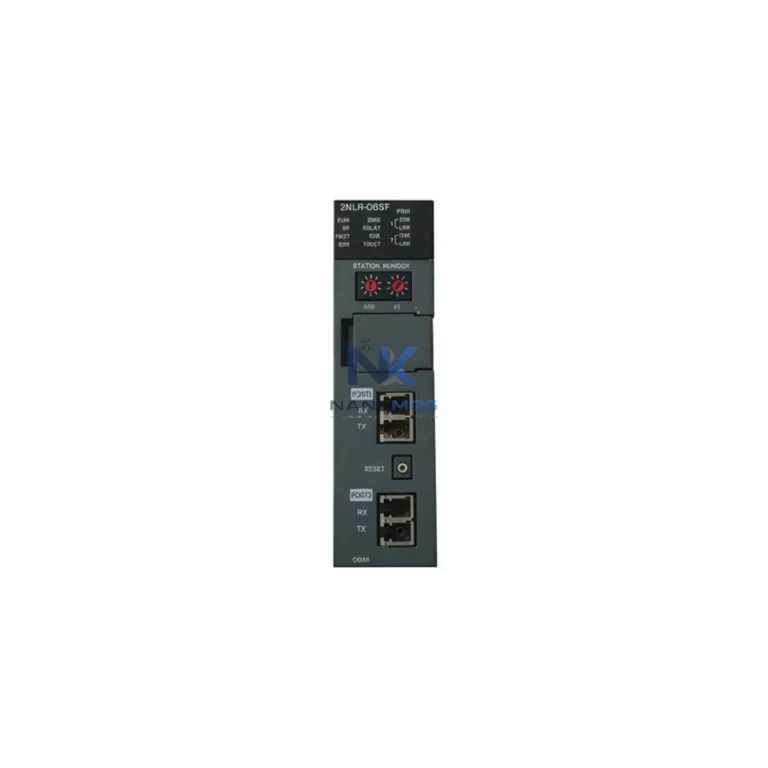
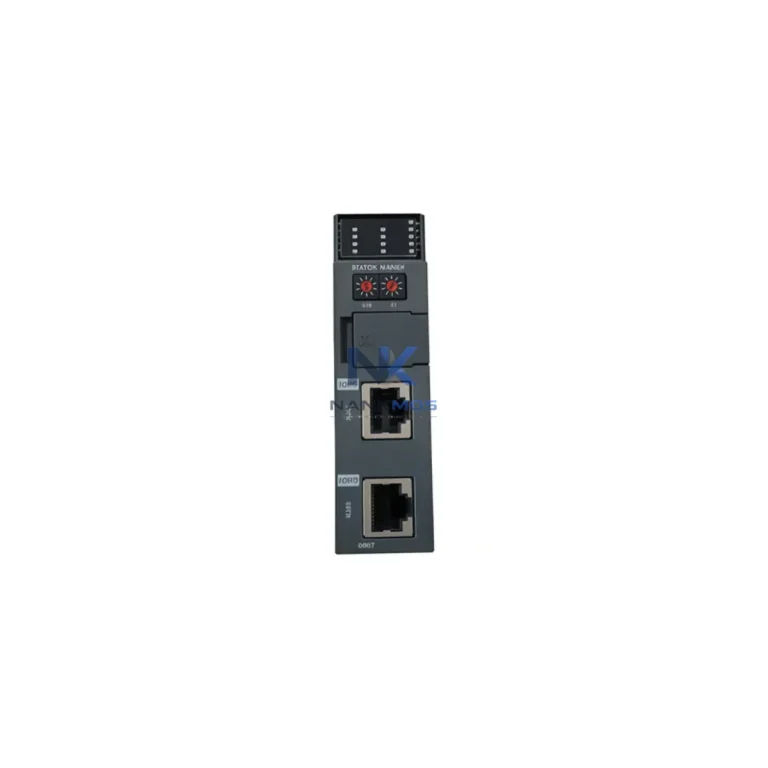
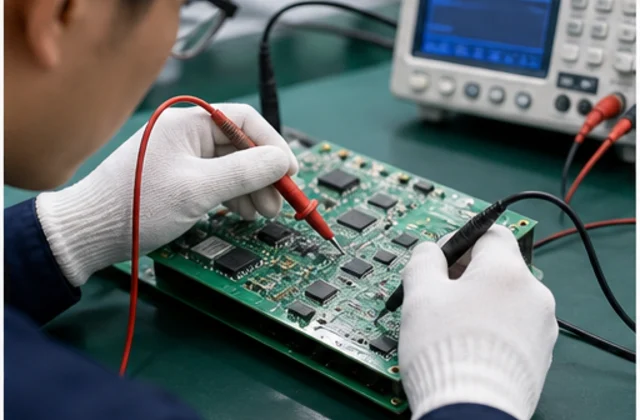
 Functional Inspection
100% tested on professional platforms to ensure stable performance.
Honeywell 10100/2/1 CC10900 is a NANKMOS industrial automation product record Listed under TDC 3000 series and Drives. Confirm condition, availability, lead time, compatibility and documentation by email inquiry.
Brand names are used for identification only.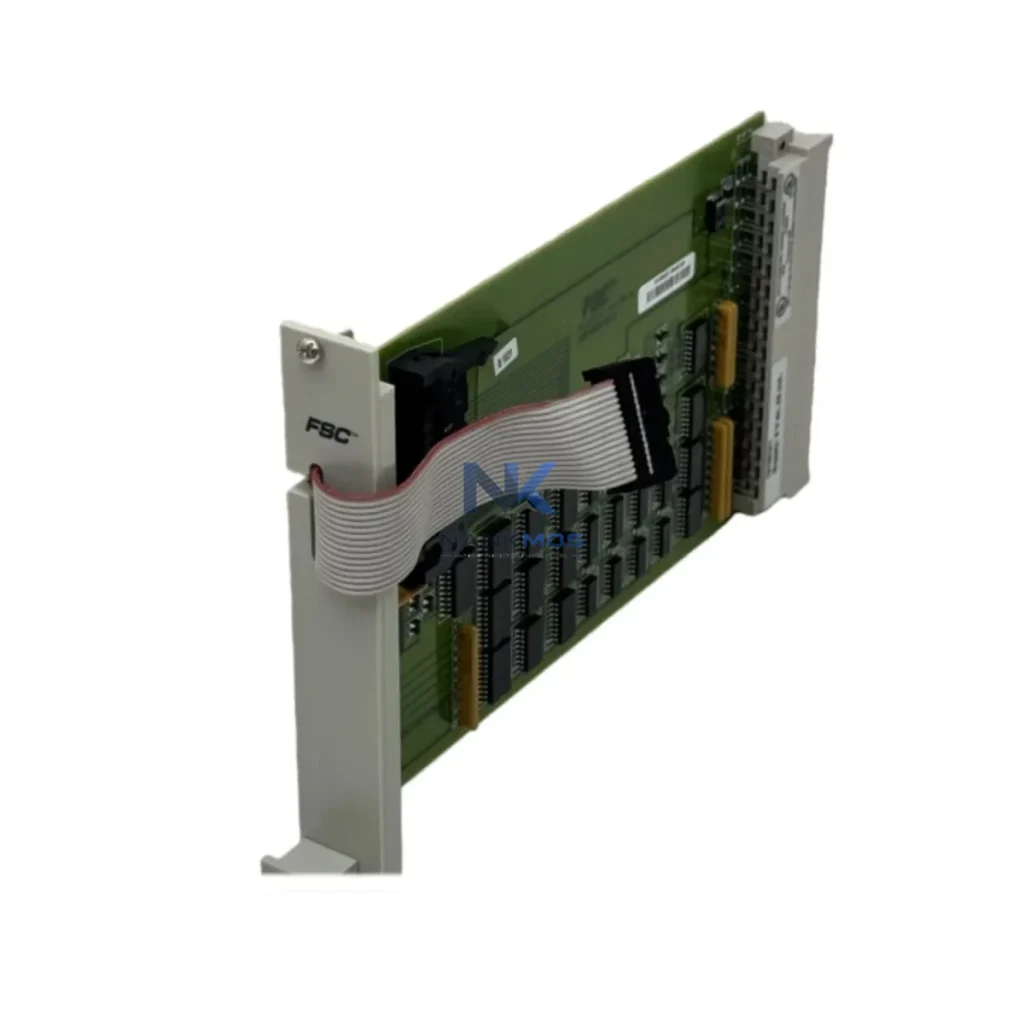
Honeywell 10100/2/1 CC10900 is a NANKMOS industrial automation product record Listed under TDC 3000 series and Drives. Confirm condition, availability, lead time, compatibility and documentation by email inquiry.
| Manufacturer | Honeywell |
|---|---|
| Application | Industrial Network & Bus Termination |
| Part Number / Model | 10100/2/1 CC10900 |
| Compatible System | TDC 3000 |
| Series | TDC 3000 |
| Condition Options | To Confirm |
| Module Type | Bus / Network Interface Module |
| Warranty | 12 Months |
| Packaging | Anti-static Bag / Secure Box |
| Shipping Methods | DHL / FedEx / UPS / Air / Sea |
| Availability | To Confirm |
| Lead Time | To Confirm |
| Documentation | Part number and revision checked before quote |
The Honeywell CC10900 (SKU: 10100/2/1) is a high-performance Bus Driver Module engineered for the Honeywell TDC 3000 Distributed Control System (DCS). Designed to serve as the communication backbone between field devices and the central control architecture, the CC10900 plays a critical role in energy-aware industrial automation — enabling factories to reduce unnecessary power consumption, stabilize production rhythms, and extend the operational lifespan of connected equipment.
In modern smart manufacturing environments, energy efficiency is no longer a secondary concern — it is a core production KPI. The CC10900 directly supports this objective by ensuring clean, low-latency data transmission across the TDC 3000 data highway, minimizing signal retries, reducing CPU overhead on connected controllers, and enabling real-time visibility into device status. When integrated with Honeywell's broader automation ecosystem, this module becomes a foundational component of any energy optimization strategy targeting motor control, drive regulation, and load balancing across multi-zone production lines.
The CC10900 Bus Driver Module is most effective when deployed as part of a coordinated, power-aware automation architecture. Within the Honeywell TDC 3000 platform, it interfaces directly with the Honeywell LCN (Local Control Network) and UCN (Universal Control Network), ensuring that upstream controllers — including the Honeywell HPM (High-Performance Process Manager) — receive accurate, timely field data without communication bottlenecks that would otherwise force redundant polling cycles and increase CPU energy draw.
When paired with Honeywell PM (Process Manager) modules and Honeywell FTA (Field Termination Assembly) units, the CC10900 enables a tightly coupled I/O architecture that minimizes wiring losses and reduces the number of active signal conditioning components required per loop. This directly translates to lower panel heat generation and reduced cooling energy demand — a measurable benefit in large-scale process plants operating hundreds of control loops simultaneously.
For facilities integrating variable frequency drives (VFDs) or servo drive systems into their TDC 3000 environment, the CC10900 ensures that drive status feedback — including speed references, torque limits, and fault codes — is transmitted reliably to the DCS without latency spikes. This allows the Honeywell TDC 3000 AM (Application Module) to execute energy-optimized control strategies such as demand-based motor speed adjustment, soft-start sequencing, and load shedding during peak tariff periods.
The module also supports integration with Honeywell PHD (Process Historian Database) for long-term energy trend analysis, enabling plant engineers to correlate bus communication health with energy consumption patterns across shifts, production campaigns, and seasonal demand cycles. Combined with Honeywell Experion PKS migration pathways, the CC10900 provides a bridge between legacy TDC 3000 infrastructure and modern SCADA and energy management platforms — protecting capital investment while enabling incremental efficiency improvements.
In multi-node DCS topologies, the CC10900 works alongside Honeywell NIM (Network Interface Module) and Honeywell GUS (Global User Station) operator workstations to provide operators with real-time device health dashboards. This visibility allows proactive intervention before communication degradation leads to control loop instability — a common hidden source of energy waste in aging DCS installations.
Production line energy efficiency depends on more than just selecting efficient motors or drives — it requires a control infrastructure that can reliably communicate device states, enforce setpoints, and respond to load changes in real time. The Honeywell CC10900 addresses this need at the communication layer, ensuring that every connected field device — from flow transmitters and pressure sensors to motor starters and control valves — reports its status accurately and without delay.
In continuous process industries such as refining, petrochemicals, pulp and paper, and power generation, communication failures or degraded bus performance can cause controllers to fall back to manual or default operating modes — modes that are rarely energy-optimized. By maintaining robust data highway integrity, the CC10900 keeps automated energy control strategies active and effective, preventing the silent energy waste that occurs when control loops operate open-loop or with stale process data.
The module's role in load management is particularly significant in facilities that operate large rotating equipment — compressors, pumps, fans, and agitators — where even small improvements in control loop responsiveness translate to measurable reductions in kWh consumption per unit of production output. When the TDC 3000 system can reliably receive and act on real-time feedback from these assets, it can implement strategies such as cascade control, feedforward compensation, and predictive load balancing that would be impossible with a degraded communication bus.
From a predictive maintenance perspective, the CC10900 supports early fault detection by ensuring that anomalous device behavior — increased scan times, communication timeouts, or unexpected status changes — is captured and logged before it escalates into unplanned downtime. Unplanned stops are among the most energy-intensive events in industrial production, as they require full system restarts, purge cycles, and extended warm-up periods that consume disproportionate amounts of energy relative to steady-state operation.
Every CC10900 unit supplied by NANKMOS is sourced from verified inventory channels, subjected to functional communication testing prior to shipment, and backed by a 12-month warranty. This ensures that replacement modules perform identically to original factory units — maintaining the energy control integrity of your TDC 3000 system from day one of installation.
Q1: How does the CC10900 contribute to energy savings in a TDC 3000 DCS environment? The CC10900 maintains clean, high-speed communication across the TDC 3000 data highway, reducing the frequency of retransmissions and polling overhead that consume controller CPU cycles and indirectly increase system power draw. By keeping control loops operating on accurate, real-time data, it enables energy-optimized control strategies — including demand-based motor speed control and load shedding — to function as designed.
Q2: Is the CC10900 compatible with modern SCADA and energy management systems? Yes. The CC10900 operates within the Honeywell TDC 3000 architecture, which supports integration with Honeywell Experion PKS and third-party SCADA platforms via standard OPC and gateway interfaces. This allows energy data collected through the TDC 3000 network to be aggregated into plant-wide energy management systems for reporting, benchmarking, and optimization.
Q3: Can the CC10900 be used as a direct replacement for a failed unit without system reconfiguration? In most TDC 3000 installations, the CC10900 is a drop-in replacement that does not require system reconfiguration. However, it is recommended to verify firmware compatibility and node addressing with your system documentation before installation. NANKMOS provides pre-shipment functional testing to confirm module operability, reducing commissioning time and minimizing production disruption.
Q4: What does the 12-month warranty cover, and what is the typical lead time? The 12-month warranty covers functional defects under normal operating conditions. NANKMOS maintains ready stock of the CC10900 to support urgent replacement requirements, with fast dispatch available for verified orders. Each unit undergoes communication and load testing before shipment to ensure it meets TDC 3000 bus driver performance specifications.
Functional Inspection100% tested on professional platforms to ensure stable performance.
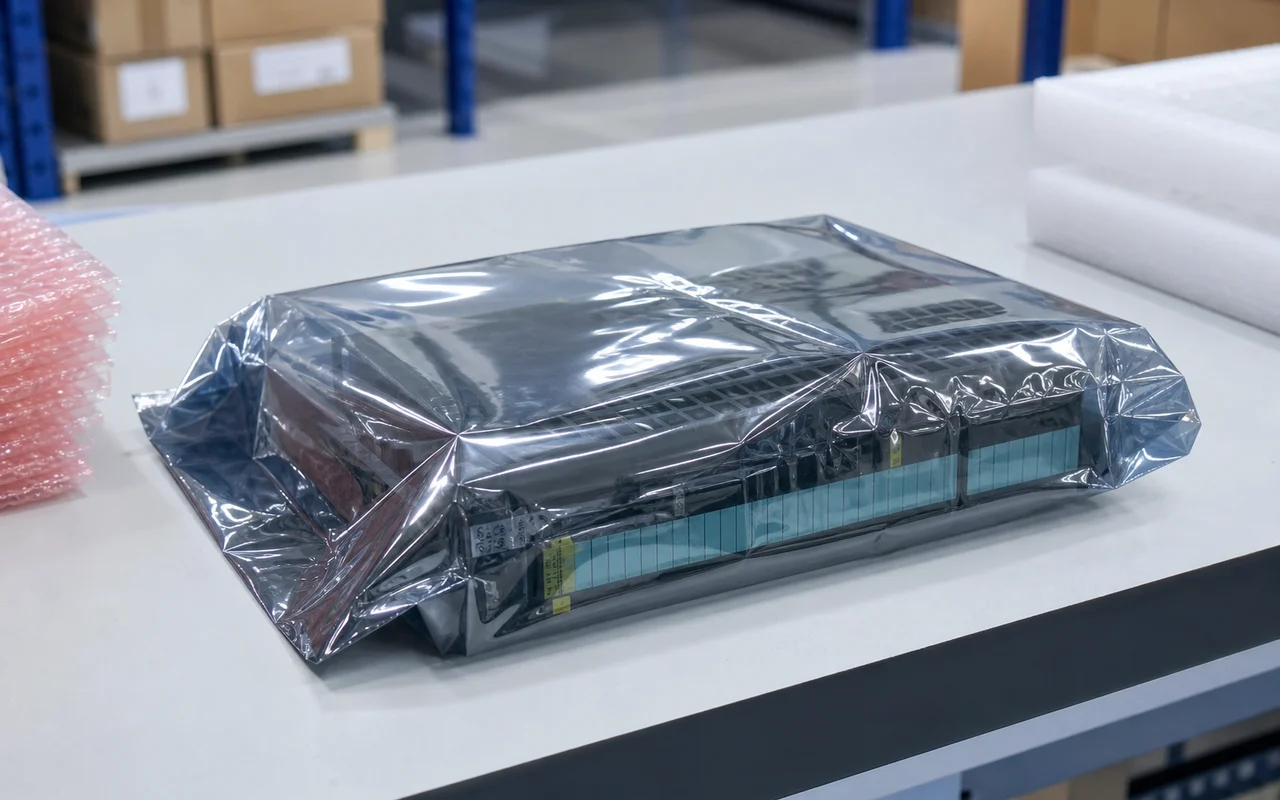 Anti-static Packaging
Modules are packed in anti-static bags to prevent electrostatic damage.
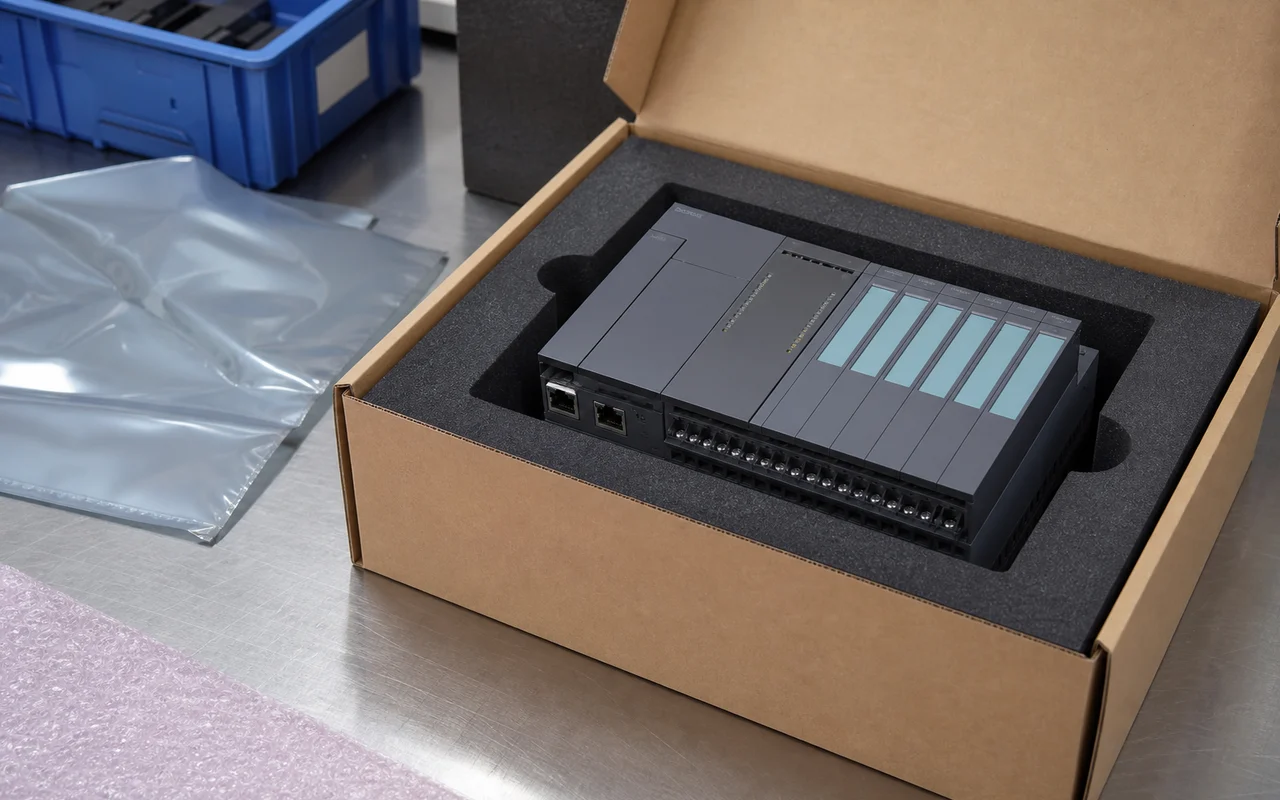 Secure Export Packing
Cushion protection and strong cartons ensure safe transportation.
 Worldwide Shipping
Global logistics network supports air, sea and express delivery.
 Documentation Check
Part number, revision and compatibility verified before shipment.
 After-sales Support
Professional technical support to help resolve your issues.