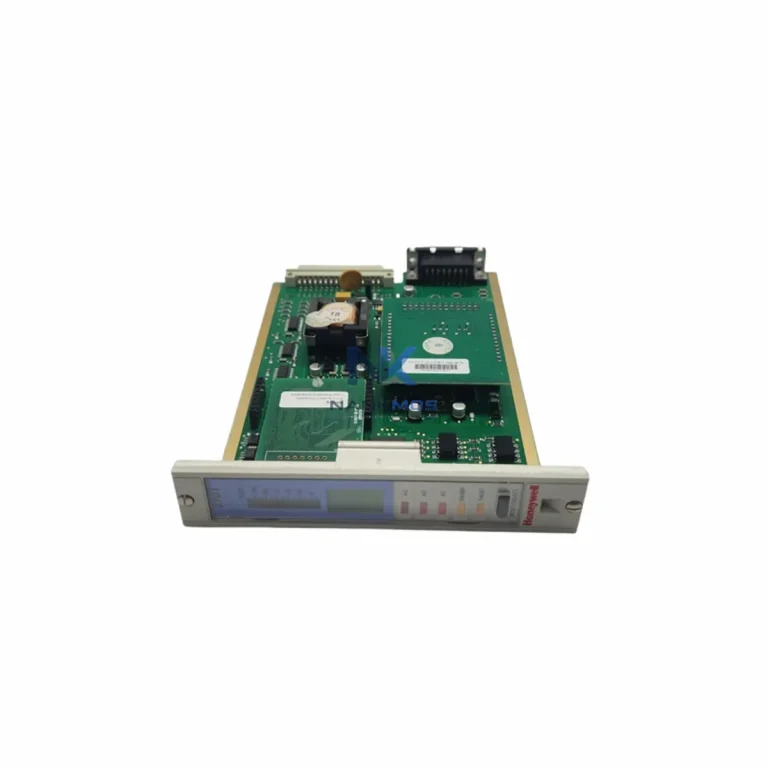
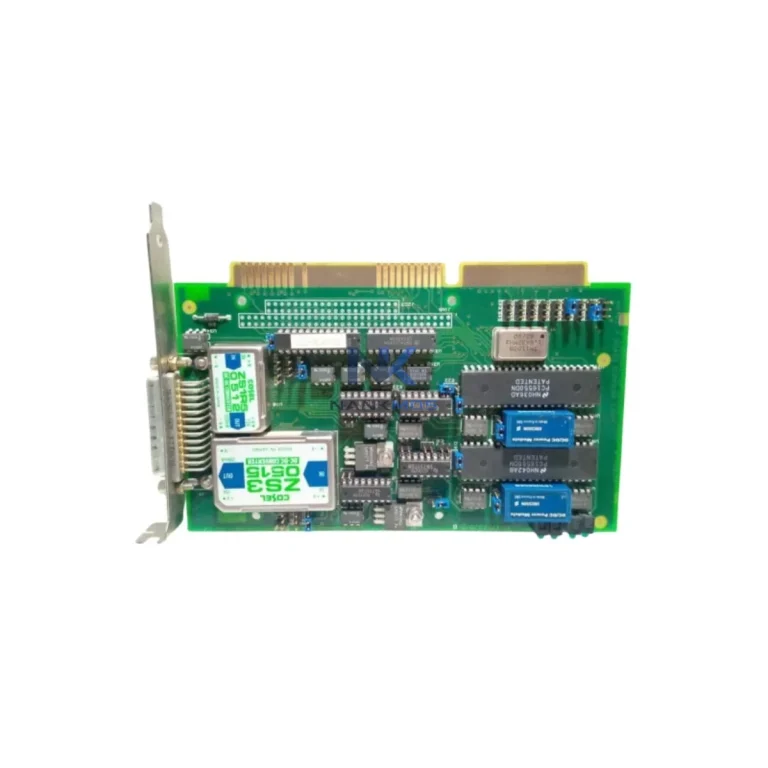
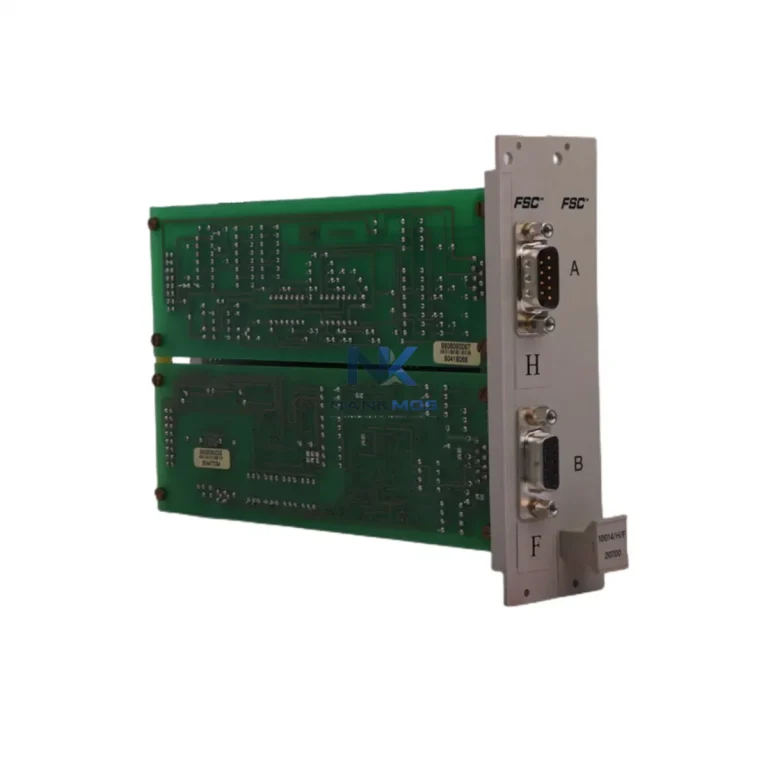
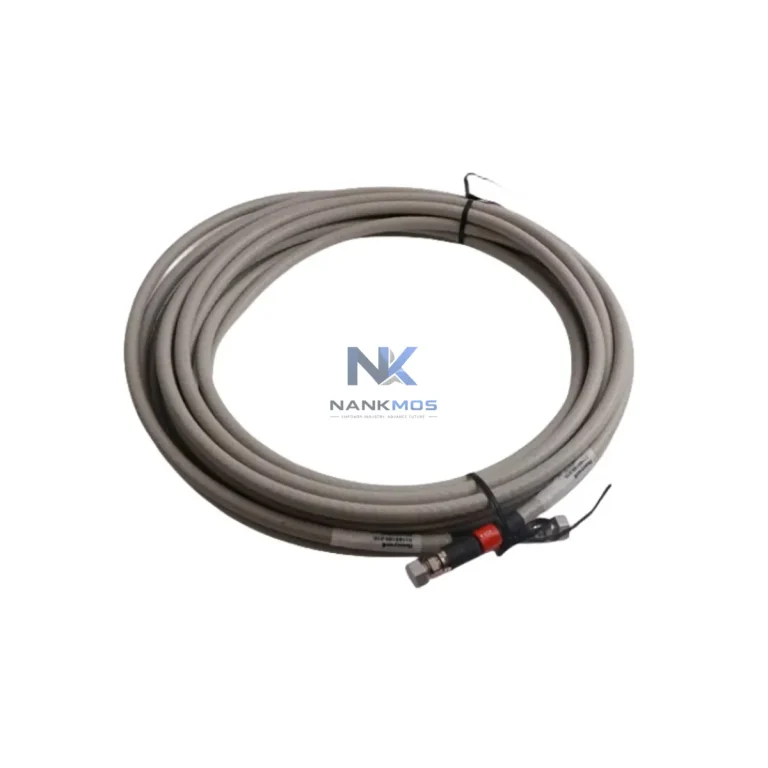
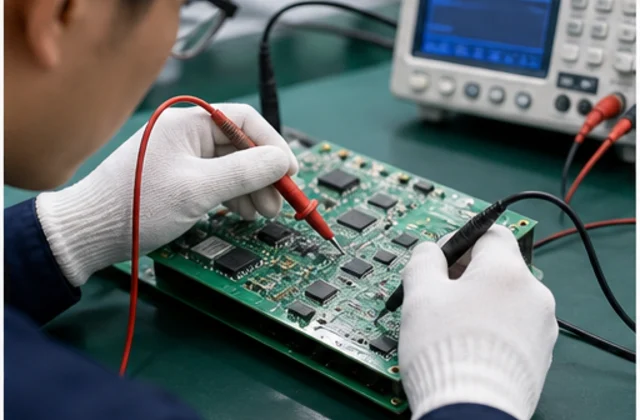
 Functional Inspection
100% tested on professional platforms to ensure stable performance.
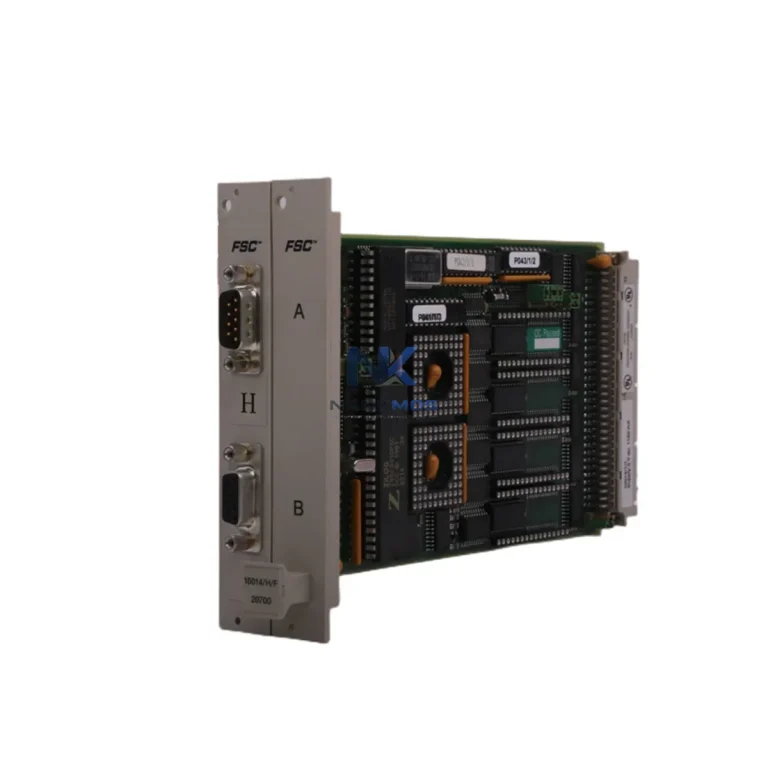
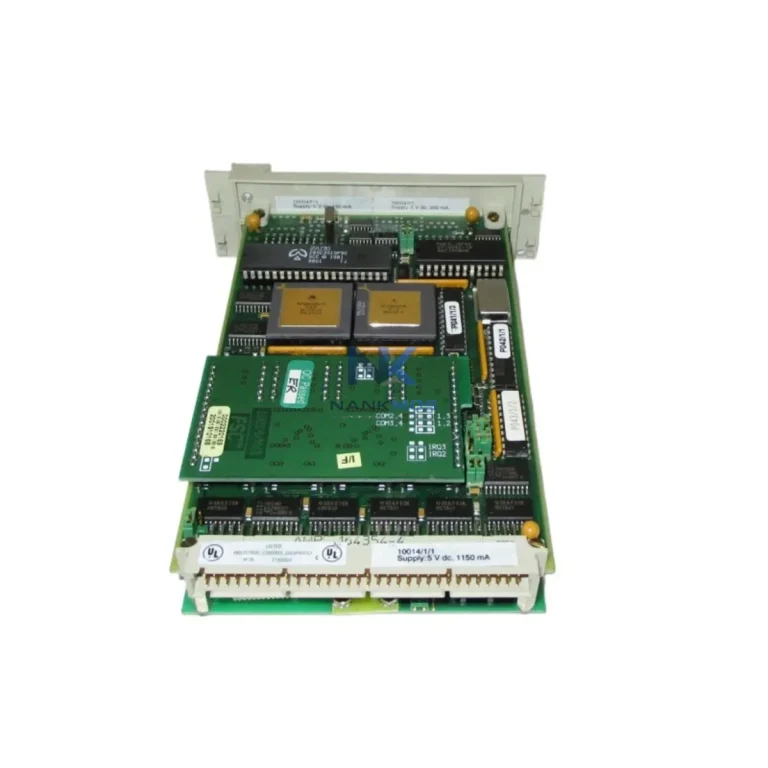
Honeywell 2MLC-F201 is a NANKMOS industrial automation product record Listed under TDC 3000 series and Business & Industrial > Automation, Control & Flow Devices > Programmable Logic Controllers. Confirm condition, availability, lead time, compatibility and documentation by email inquiry.
Brand names are used for identification only.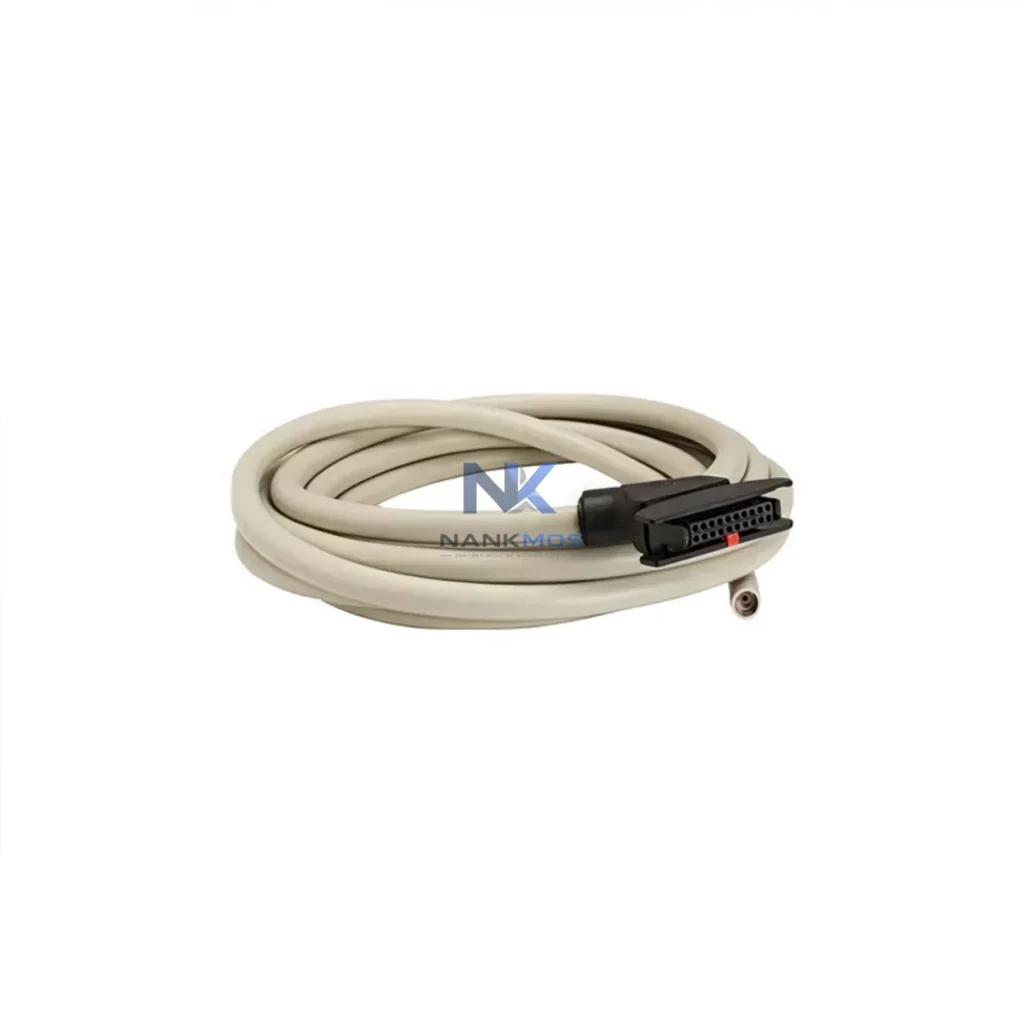
Honeywell 2MLC-F201 is a NANKMOS industrial automation product record Listed under TDC 3000 series and Business & Industrial > Automation, Control & Flow Devices > Programmable Logic Controllers. Confirm condition, availability, lead time, compatibility and documentation by email inquiry.
| Manufacturer | Honeywell |
|---|---|
| Application | Controller Processing & System Control |
| Part Number / Model | 2MLC-F201 |
| Compatible System | TDC 3000 |
| Series | TDC 3000 |
| Condition Options | To Confirm |
| Module Type | Controller / CPU Module |
| Warranty | 12 Months |
| Packaging | Anti-static Bag / Secure Box |
| Shipping Methods | DHL / FedEx / UPS / Air / Sea |
| Availability | To Confirm |
| Lead Time | To Confirm |
| Documentation | Part number and revision checked before quote |
The Honeywell 2MLC-F201 is a high-performance Sync Cable Module engineered for the TDC 3000 Distributed Control System (DCS) platform. Designed to meet the rigorous demands of modern industrial automation, this module plays a critical role in maintaining stable, low-loss signal transmission between control nodes — directly contributing to reduced energy waste, lower thermal loads, and optimized production line throughput. Whether deployed in continuous process manufacturing, chemical plants, oil and gas facilities, or power generation environments, the 2MLC-F201 delivers the communication reliability that energy-aware automation strategies depend on.
In today's industrial landscape, every component in a control architecture must justify its energy footprint. The 2MLC-F201 achieves this by ensuring that synchronization signals between DCS modules are transmitted with minimal attenuation and zero retransmission overhead — eliminating the hidden energy costs of signal degradation that plague aging or substandard cabling infrastructure. When integrated into a well-designed TDC 3000 control loop, this module supports the kind of deterministic communication that allows PLCs, variable frequency drives (VFDs), and servo drive systems to operate at peak efficiency without unnecessary polling cycles or error-correction overhead.
The 2MLC-F201 does not operate in isolation — its value is fully realized when it functions as part of a coherent, energy-optimized control architecture. In a typical TDC 3000 deployment, the sync cable module connects critical communication backbones between the Honeywell HPM (High-Performance Process Manager) and the Local Control Network (LCN), ensuring that process data flows without interruption to upstream SCADA systems and operator HMI stations.
When paired with the Honeywell AM (Application Module) and NIM (Network Interface Module), the 2MLC-F201 supports a communication fabric that allows variable frequency drives — such as those in the Honeywell or third-party VFD families — to receive precise speed and torque commands without latency-induced overcorrection. This directly reduces motor energy consumption by preventing the oscillatory behavior that occurs when drive controllers receive delayed or corrupted feedback signals.
In servo-driven production lines, the synchronization integrity provided by the 2MLC-F201 is equally critical. Servo drive systems rely on deterministic communication cycles to maintain position accuracy and minimize regenerative braking losses. A degraded sync path introduces jitter that forces servo amplifiers to compensate with excess current draw — a hidden energy cost that compounds across multi-axis systems. By maintaining clean synchronization, the 2MLC-F201 helps servo systems operate within their optimal efficiency envelope.
Power monitoring modules deployed alongside the TDC 3000 platform — including dedicated power quality analyzers and I/O modules tasked with energy metering — depend on accurate, time-stamped data to generate meaningful load profiles. The 2MLC-F201 ensures that the timing integrity of these measurements is preserved, enabling energy management systems (EMS) and SCADA platforms to produce actionable reports on peak demand, load shedding opportunities, and equipment utilization rates.
For facilities integrating the TDC 3000 with modern Profibus DP or Modbus RTU communication modules, the 2MLC-F201 provides the stable backbone that prevents protocol translation errors from propagating into the control loop. This is particularly important in hybrid architectures where legacy DCS nodes must coexist with newer PLC islands or distributed I/O racks — environments where signal integrity at the cable level is the first line of defense against system-wide inefficiency.
Factory energy optimization is rarely achieved through a single dramatic intervention — it is the cumulative result of eliminating small inefficiencies at every layer of the control stack. The Honeywell 2MLC-F201 addresses one of the most overlooked sources of energy waste in aging DCS installations: degraded synchronization infrastructure.
When sync cables fail or degrade, the TDC 3000 system compensates through increased error handling, watchdog resets, and redundant polling — all of which consume CPU cycles, generate heat in control cabinets, and introduce latency into the control loop. This latency cascades downstream: process controllers respond more slowly to load changes, VFDs receive delayed speed references, and production line throughput drops as equipment waits for valid control signals. The result is a measurable increase in energy consumption per unit of output — the inverse of what lean manufacturing demands.
Replacing a degraded sync cable module with a tested, specification-compliant 2MLC-F201 restores the communication integrity that the entire control hierarchy depends on. Process managers can once again execute control algorithms at their designed scan rates. Load management strategies — including demand response programs, peak shaving routines, and motor soft-start sequences — execute with the timing precision they require. Equipment utilization rates improve as unplanned micro-stoppages caused by communication faults are eliminated.
Predictive maintenance programs also benefit directly. When the DCS communication backbone is reliable, condition monitoring data from vibration sensors, temperature transmitters, and current transducers arrives at the historian with accurate timestamps and without data gaps. This allows maintenance teams to identify developing faults in motors, pumps, and compressors before they cause unplanned downtime — preserving both energy efficiency and production continuity.
Every unit of the 2MLC-F201 supplied by NANKMOS is drawn from verified inventory, subjected to functional testing prior to shipment, and backed by a 12-month warranty. This ensures that the energy and productivity gains achieved through proper synchronization infrastructure are protected against premature component failure.
Q1: How does the 2MLC-F201 contribute to energy savings in a TDC 3000 system? By maintaining low-loss, high-integrity synchronization between DCS modules, the 2MLC-F201 eliminates the error-handling overhead and retransmission cycles that degrade controller efficiency. This reduces CPU thermal load, stabilizes control loop timing, and allows downstream drives and motors to operate at their designed efficiency points — reducing overall energy consumption per production cycle.
Q2: Is the 2MLC-F201 compatible with both legacy and modernized TDC 3000 architectures? Yes. The 2MLC-F201 is designed for the Honeywell TDC 3000 platform and is compatible with HPM, AM, NIM, and LCN components. It supports hybrid environments where TDC 3000 nodes coexist with modern communication modules using Profibus, Modbus, or Ethernet-based protocols, provided the DCS backbone architecture remains TDC 3000-compliant.
Q3: What is the recommended replacement process, and how is the module tested before shipment? NANKMOS recommends a like-for-like replacement with a verified 2MLC-F201 unit. Each module undergoes functional testing prior to shipment to confirm signal integrity and connector condition. Installation should follow Honeywell TDC 3000 maintenance procedures, with system communication verified post-installation using the DCS diagnostic tools available within the platform.
Q4: What warranty and supply assurance does NANKMOS provide for the 2MLC-F201? All 2MLC-F201 units supplied by NANKMOS are covered by a 12-month warranty against defects in materials and workmanship. Units are held in verified inventory and are available for immediate shipment, minimizing downtime risk for facilities requiring urgent replacement. For volume requirements or scheduled maintenance programs, contact NANKMOS directly to confirm availability and lead times.
Functional Inspection100% tested on professional platforms to ensure stable performance.
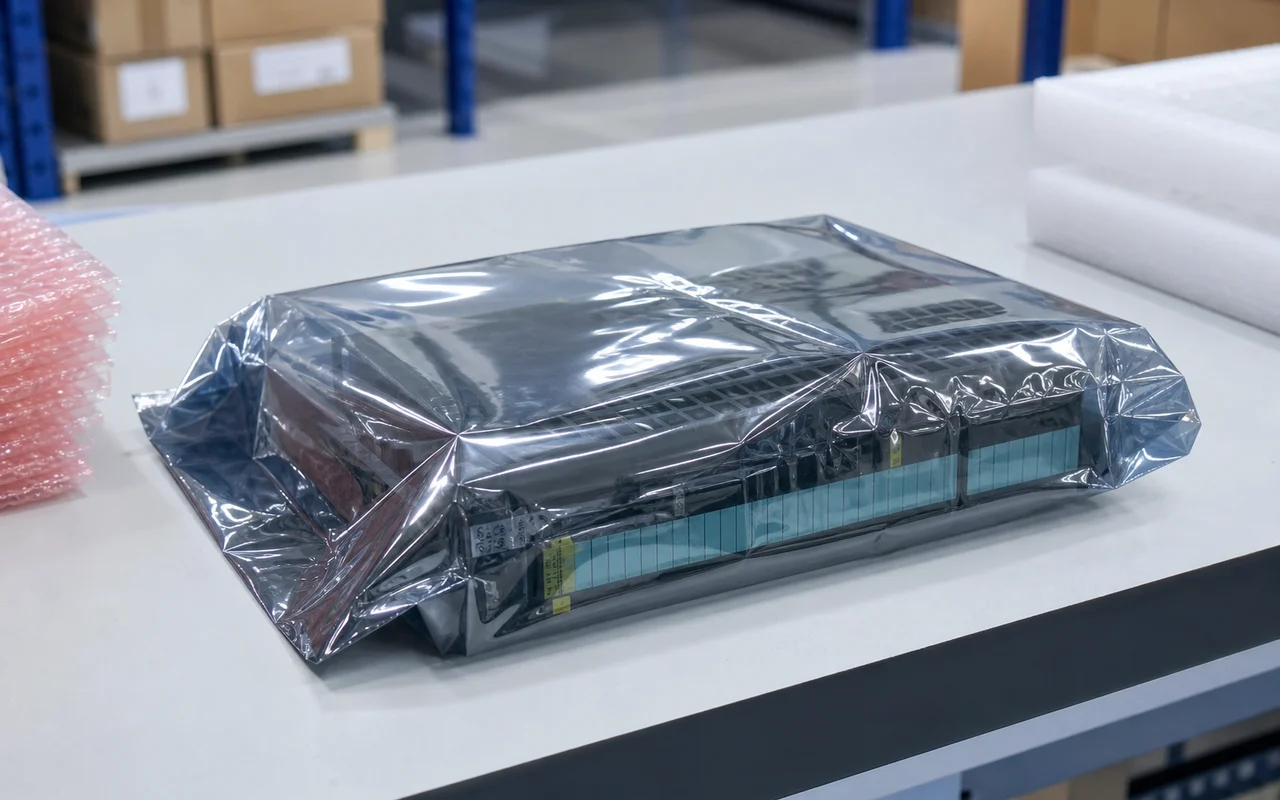 Anti-static Packaging
Modules are packed in anti-static bags to prevent electrostatic damage.
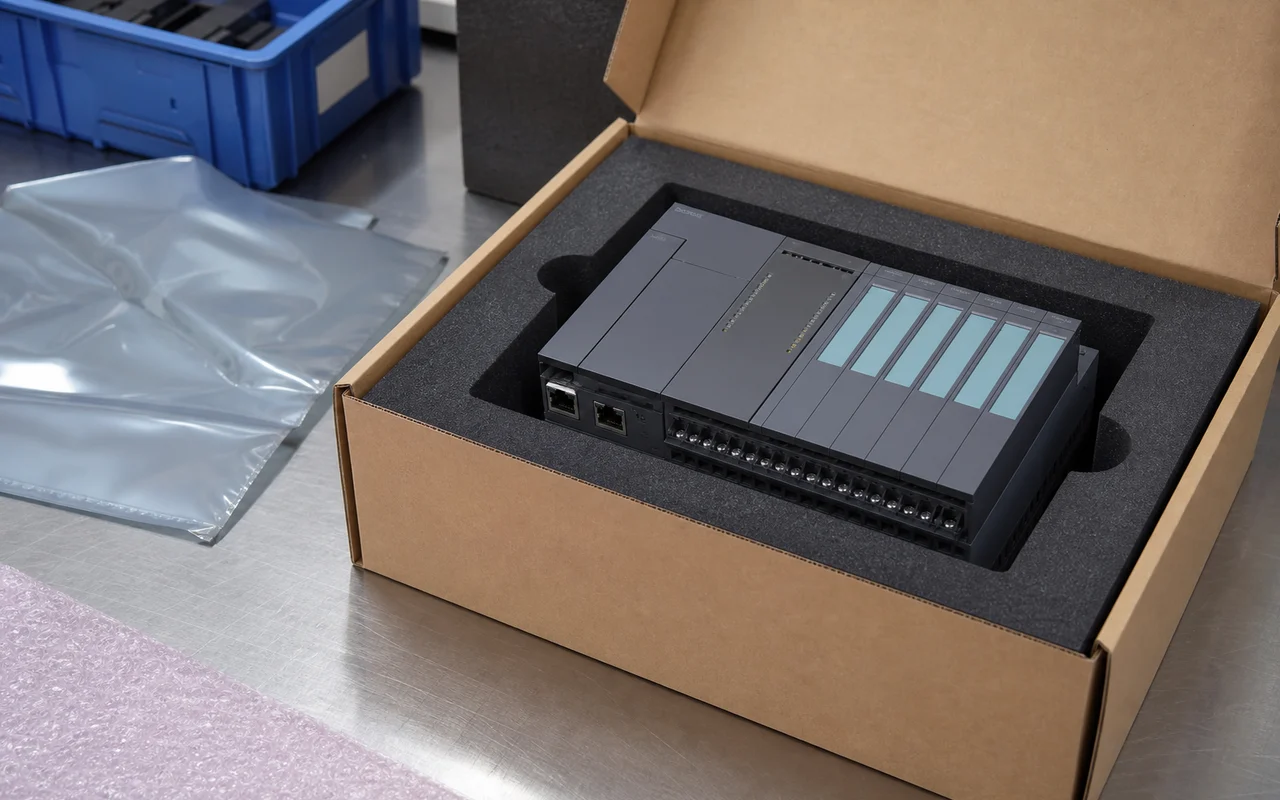 Secure Export Packing
Cushion protection and strong cartons ensure safe transportation.
 Worldwide Shipping
Global logistics network supports air, sea and express delivery.
 Documentation Check
Part number, revision and compatibility verified before shipment.
 After-sales Support
Professional technical support to help resolve your issues.