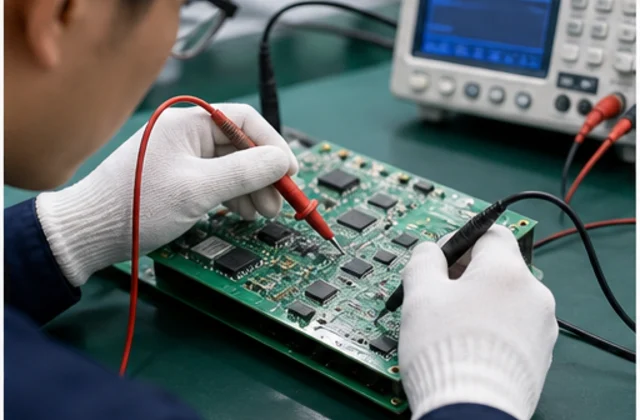
 Functional Inspection
100% tested on professional platforms to ensure stable performance.
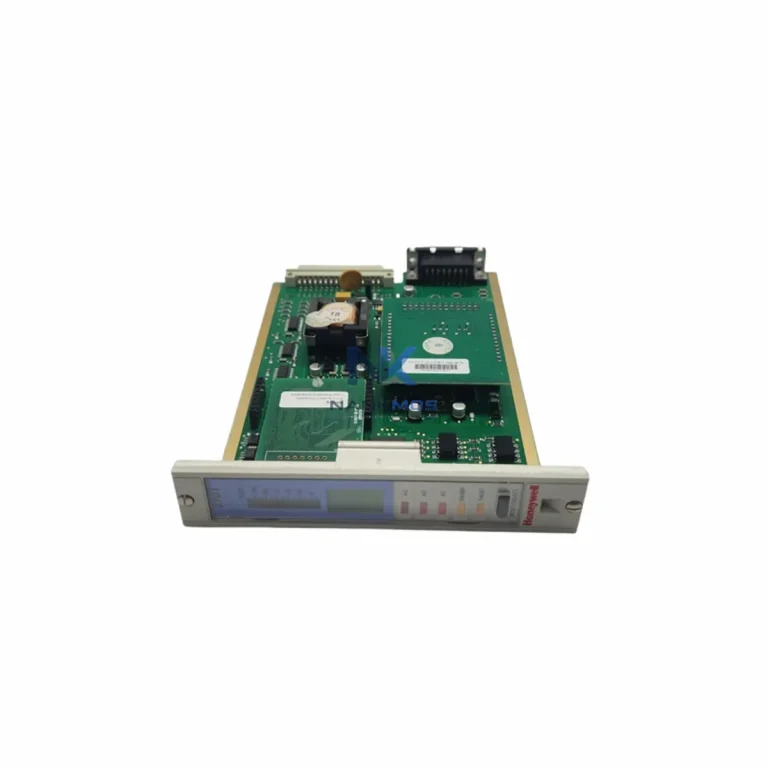
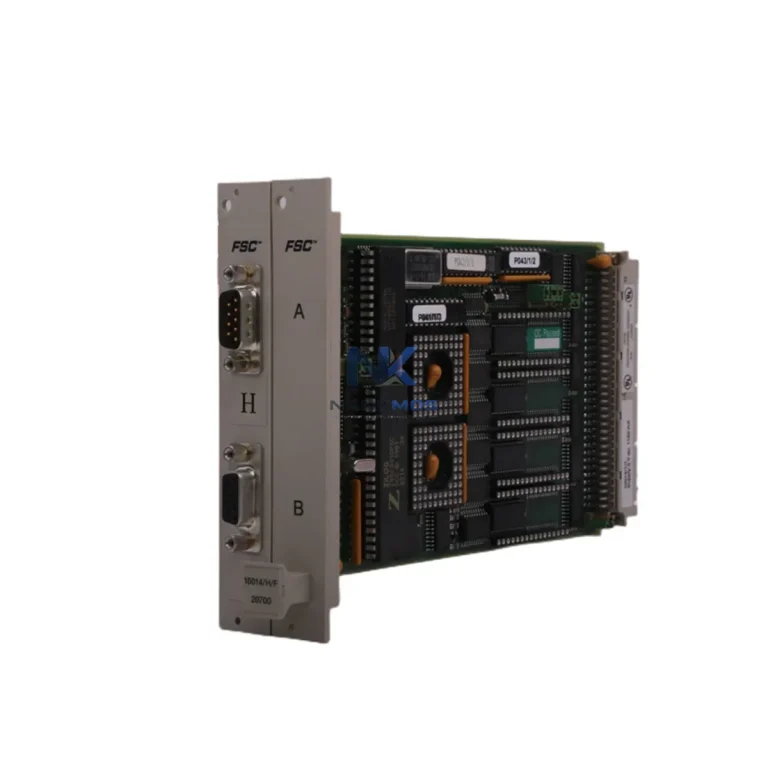
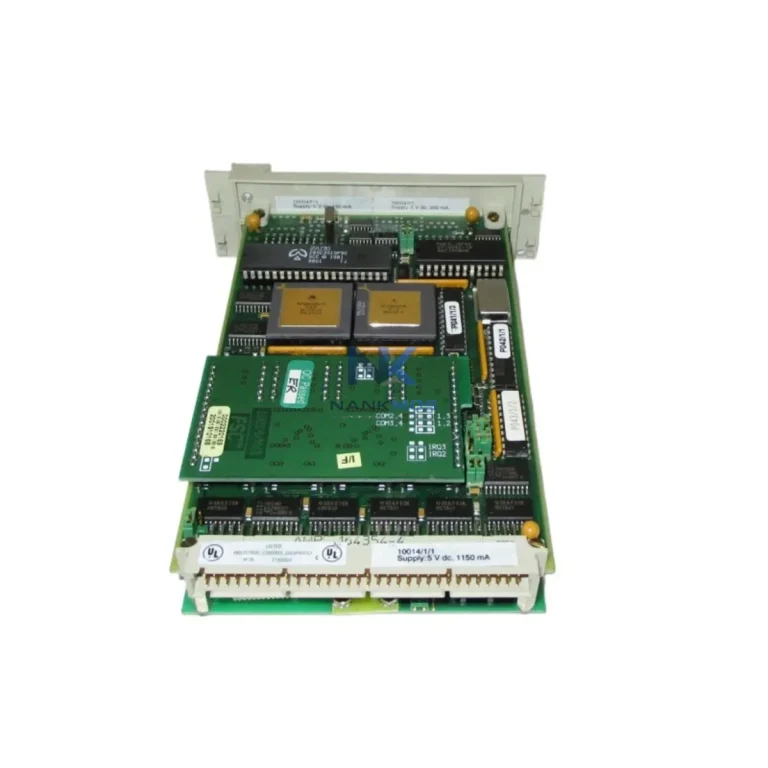
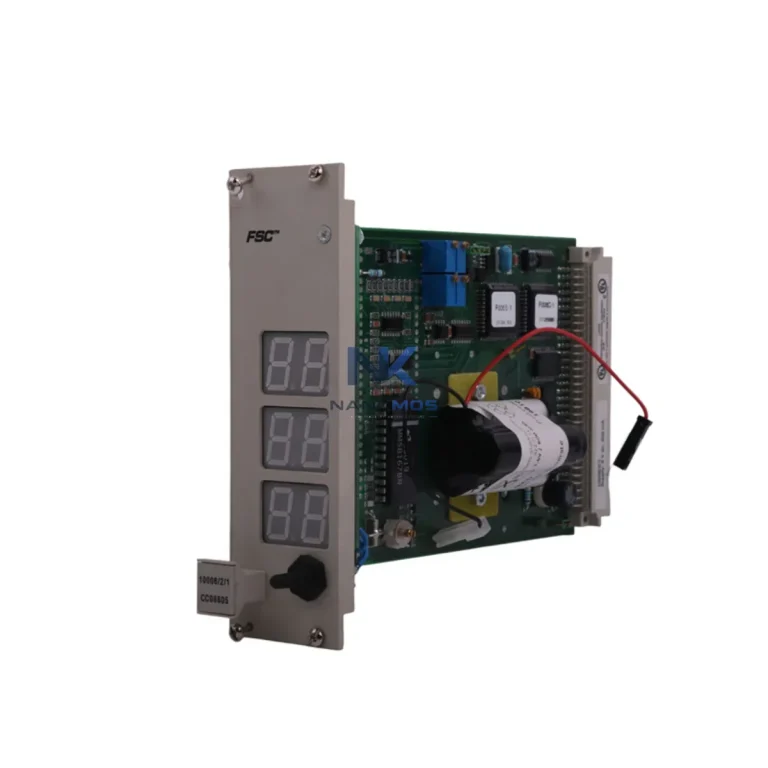
Honeywell 2MLF-AD16A-CC is a NANKMOS industrial automation product record Listed under TDC 3000 series and Business & Industrial > Automation, Control & Flow Devices > Programmable Logic Controllers. Confirm condition, availability, lead time, compatibility and documentation by email inquiry.
Brand names are used for identification only.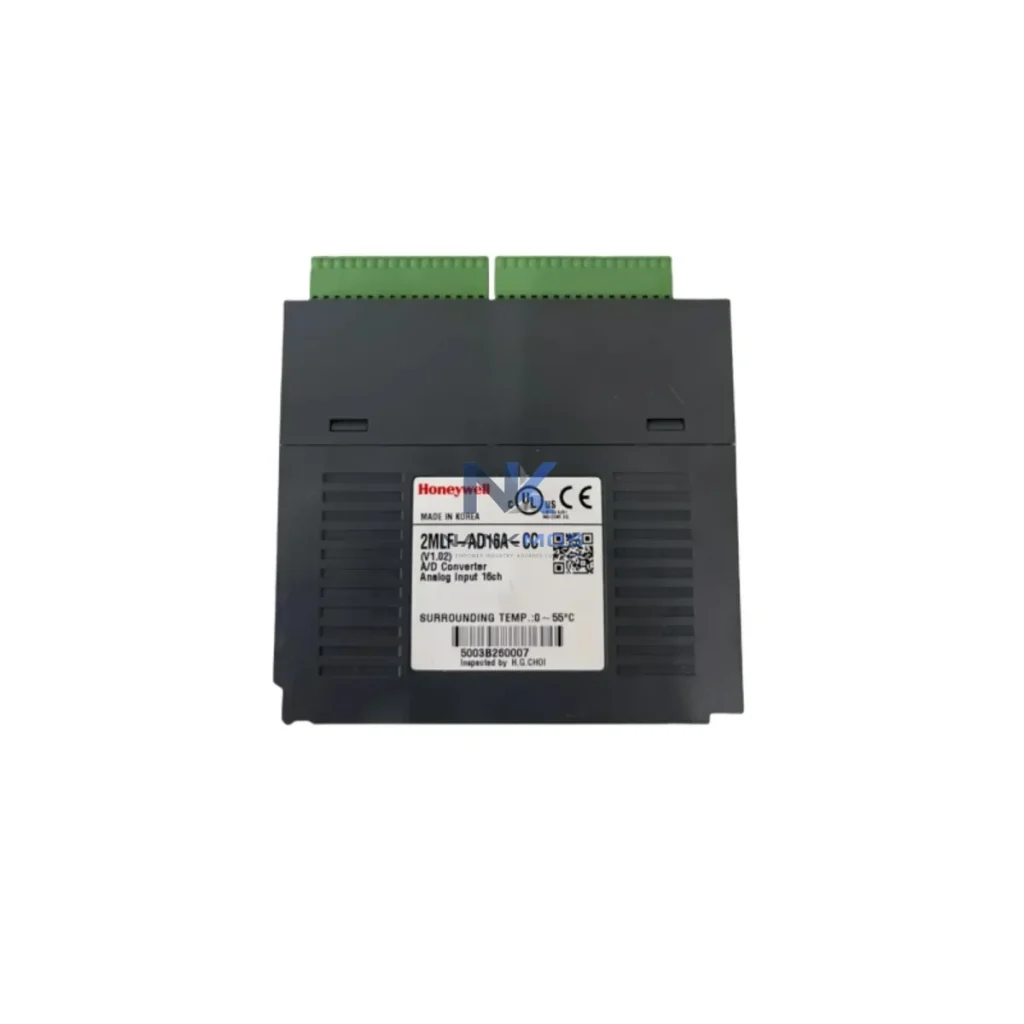
Honeywell 2MLF-AD16A-CC is a NANKMOS industrial automation product record Listed under TDC 3000 series and Business & Industrial > Automation, Control & Flow Devices > Programmable Logic Controllers. Confirm condition, availability, lead time, compatibility and documentation by email inquiry.
| Manufacturer | Honeywell |
|---|---|
| Application | Controller Processing & System Control |
| Part Number / Model | 2MLF-AD16A-CC |
| Compatible System | TDC 3000 |
| Series | TDC 3000 |
| Condition Options | To Confirm |
| Module Type | Controller / CPU Module |
| Warranty | 12 Months |
| Packaging | Anti-static Bag / Secure Box |
| Shipping Methods | DHL / FedEx / UPS / Air / Sea |
| Availability | To Confirm |
| Lead Time | To Confirm |
| Documentation | Part number and revision checked before quote |
The Honeywell 2MLF-AD16A-CC is a 16-channel analog input module engineered for the TDC 3000 Distributed Control System (DCS), one of Honeywell's most established process automation platforms. Designed for continuous industrial environments, this module serves as a critical data acquisition node that feeds real-time process variables — including temperature, pressure, flow, and current — into the DCS controller layer, enabling precise energy-aware decision-making across the production line.
In modern smart factories, the ability to monitor and respond to energy consumption at the field level is no longer optional. The 2MLF-AD16A-CC addresses this need by providing high-resolution analog signal acquisition across 16 independent channels, ensuring that every watt consumed by motors, drives, and process equipment is accurately measured, logged, and acted upon. Its integration into the TDC 3000 architecture allows plant engineers to correlate energy data with production throughput, identify inefficiency windows, and implement load-shedding strategies without disrupting process continuity.
The Honeywell 2MLF-AD16A-CC does not operate in isolation — its value is fully realized when integrated within a coordinated automation architecture. In a typical TDC 3000 environment, this analog input module works in concert with the Honeywell High-Performance Process Manager (HPM) controller, which processes the 16-channel signal data and executes control algorithms that govern energy-intensive field devices. The HPM's ability to handle thousands of I/O points makes the 2MLF-AD16A-CC a scalable building block for plant-wide energy visibility.
On the drive side, the analog signals captured by the 2MLF-AD16A-CC — such as motor current feedback or pump discharge pressure — are used to modulate variable frequency drives (VFDs) connected to high-load motors. By feeding accurate process data into the DCS, the module enables demand-responsive speed control, reducing motor energy consumption by 20–40% in variable-load applications such as compressors, fans, and centrifugal pumps. This closed-loop interaction between the analog input layer and the drive control layer is fundamental to any energy optimization strategy.
For servo-driven production equipment, the 2MLF-AD16A-CC complements Honeywell servo drive feedback modules by providing auxiliary process context — ambient temperature, line voltage quality, or hydraulic pressure — that informs servo tuning and reduces unnecessary torque demand. This cross-system data sharing reduces thermal stress on servo amplifiers and extends their operational lifespan.
Power quality and load management are further enhanced when the 2MLF-AD16A-CC is paired with power monitoring modules such as the Honeywell PM series or third-party power analyzers integrated via the LCN (Local Control Network). The analog input channels can be mapped to current transformers (CTs) and voltage transducers, turning the module into a distributed power metering node within the DCS. This configuration supports real-time energy dashboards in Honeywell Experion PKS or legacy TDC 3000 HMI consoles, giving operators immediate visibility into consumption anomalies.
Communication integrity is maintained through the Honeywell UCN (Universal Control Network) and LCN backbone, which carry the processed analog data from the 2MLF-AD16A-CC to upstream SCADA systems and historian platforms. When integrated with Honeywell PHD (Process Historian Database), the module's 16-channel data stream becomes a long-term energy audit trail, enabling predictive maintenance models that flag degrading sensors, drifting transmitters, or increasing baseline energy draw before they cause unplanned downtime.
At the field instrument level, the 2MLF-AD16A-CC interfaces directly with 4–20 mA smart transmitters — including Honeywell STT850 temperature transmitters and STG series pressure transmitters — ensuring that the energy data entering the DCS is both accurate and diagnostically rich. HART-compatible transmitters connected to this module can surface device health information alongside process values, reducing the need for manual field inspections and lowering maintenance labor costs.
In continuous process industries — refining, petrochemical, power generation, and pharmaceuticals — energy cost is the single largest variable operating expense. The Honeywell 2MLF-AD16A-CC contributes to energy optimization at three distinct levels: real-time monitoring, closed-loop control, and long-term analytics.
Real-Time Monitoring: With 16 simultaneous analog input channels, the module provides a dense, high-frequency snapshot of process conditions across an entire unit operation. Engineers can configure energy-relevant variables — motor current, steam flow, cooling water temperature, compressed air pressure — on a single module, reducing the number of I/O cards required and lowering both capital cost and rack power consumption. Fewer modules mean fewer power supplies, less heat generation in the control room, and a smaller UPS load — all of which contribute to measurable energy savings at the infrastructure level.
Closed-Loop Control: The data acquired by the 2MLF-AD16A-CC feeds directly into TDC 3000 control strategies — PID loops, cascade controllers, and advanced process control (APC) applications. In a boiler optimization scenario, for example, the module might simultaneously monitor fuel flow, steam pressure, flue gas oxygen, and feedwater temperature. The DCS uses this multi-variable input to trim combustion efficiency in real time, reducing fuel consumption by 2–5% — a significant saving in high-throughput facilities running 8,000+ hours per year.
Predictive Maintenance and Uptime: Signal drift on any of the 16 channels — caused by sensor fouling, wiring degradation, or transmitter failure — can be detected early through statistical process monitoring tools within the TDC 3000 or connected Experion system. Early detection prevents the energy waste associated with running processes on bad data: over-firing furnaces, over-pressurizing systems, or running pumps against closed valves. By maintaining signal integrity, the 2MLF-AD16A-CC indirectly protects production line rhythm and prevents the energy spikes associated with unplanned restarts.
Production Line Rhythm (Takt Stability): In batch and semi-continuous processes, the 2MLF-AD16A-CC supports takt time optimization by ensuring that transition signals — end-of-batch temperature, reactor pressure setpoint confirmation, or tank level thresholds — are captured with high accuracy and low latency. Missed or delayed analog signals are a common cause of extended batch cycles, which inflate per-unit energy consumption. The module's reliable signal acquisition keeps the production line on schedule and energy consumption per unit of output at its designed minimum.
Q1: What energy monitoring capabilities does the Honeywell 2MLF-AD16A-CC provide in a TDC 3000 system? The 2MLF-AD16A-CC supports 16 independent analog input channels, each capable of accepting 4–20 mA or voltage signals from field transmitters measuring energy-relevant variables such as current, power factor, flow, temperature, and pressure. When configured within the TDC 3000 DCS, these channels feed real-time data into control strategies and historian systems, enabling continuous energy KPI tracking, load profiling, and demand-response control without additional hardware.
Q2: Is the 2MLF-AD16A-CC compatible with modern Honeywell systems or only legacy TDC 3000 installations? The 2MLF-AD16A-CC is designed for the Honeywell TDC 3000 platform, including HPM, AM, HM, and LCN-connected subsystems. Many TDC 3000 installations remain operational in refineries and chemical plants worldwide, and Honeywell continues to support this platform. For sites migrating to Experion PKS, the TDC 3000 I/O subsystem — including this module — can often be retained and interfaced via Honeywell's C300 controller migration path, preserving the existing field wiring investment.
Q3: What is the pre-shipment testing and warranty process for the 2MLF-AD16A-CC? Every Honeywell 2MLF-AD16A-CC unit supplied by NANKMOS undergoes pre-shipment functional verification, including power-on testing and channel integrity checks, before dispatch. The module is covered by a 12-month warranty from the date of shipment. In the event of a verified functional fault within the warranty period, NANKMOS will provide a replacement unit. Detailed test records are available upon request for quality-critical procurement processes.
Q4: How quickly can the 2MLF-AD16A-CC be sourced, and what is the recommended replacement approach for aging TDC 3000 I/O? NANKMOS maintains in-stock inventory of the 2MLF-AD16A-CC to support urgent MRO (Maintenance, Repair & Operations) requirements. Lead times for in-stock units are typically 3–7 business days for international shipments. For sites with aging TDC 3000 I/O infrastructure, a proactive spare-parts strategy — stocking one or two 2MLF-AD16A-CC modules per critical process unit — is recommended to eliminate the risk of extended downtime caused by obsolete module failure. Contact NANKMOS for volume pricing and consignment stocking arrangements.
Functional Inspection100% tested on professional platforms to ensure stable performance.
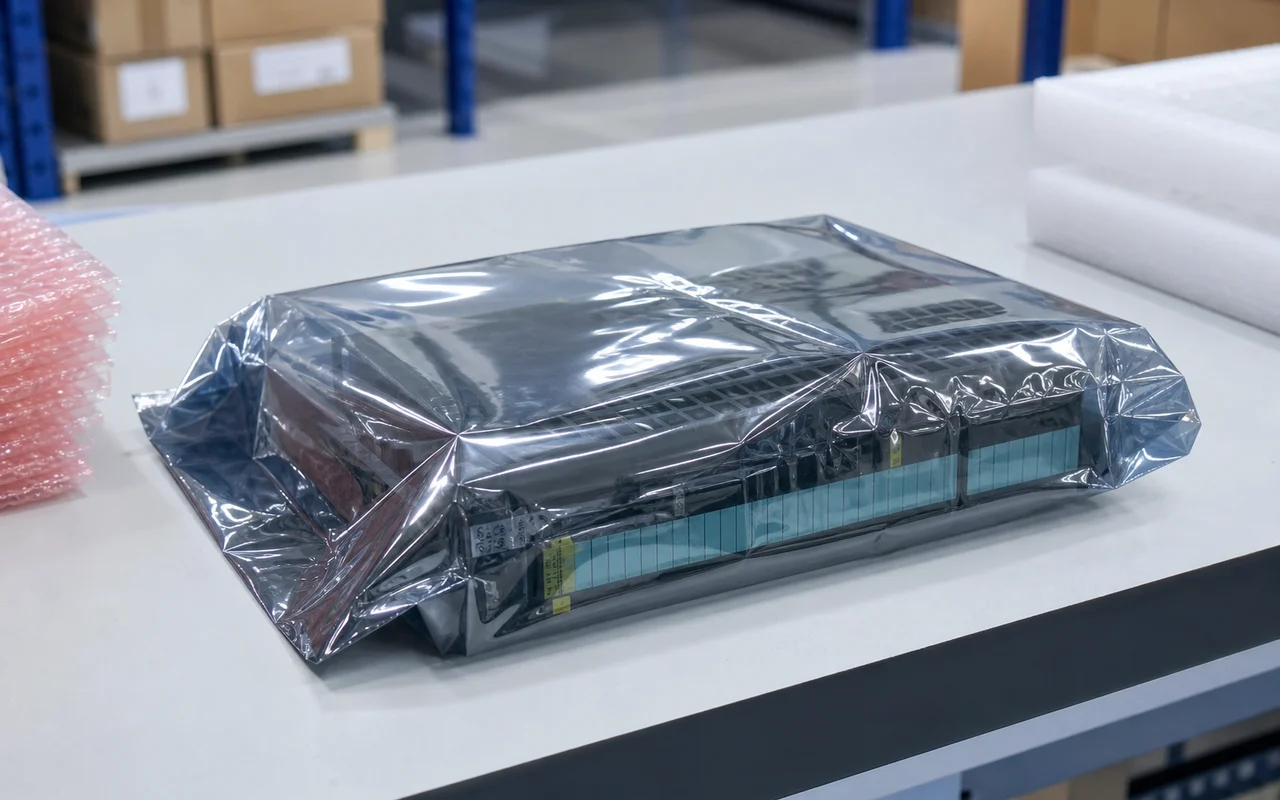 Anti-static Packaging
Modules are packed in anti-static bags to prevent electrostatic damage.
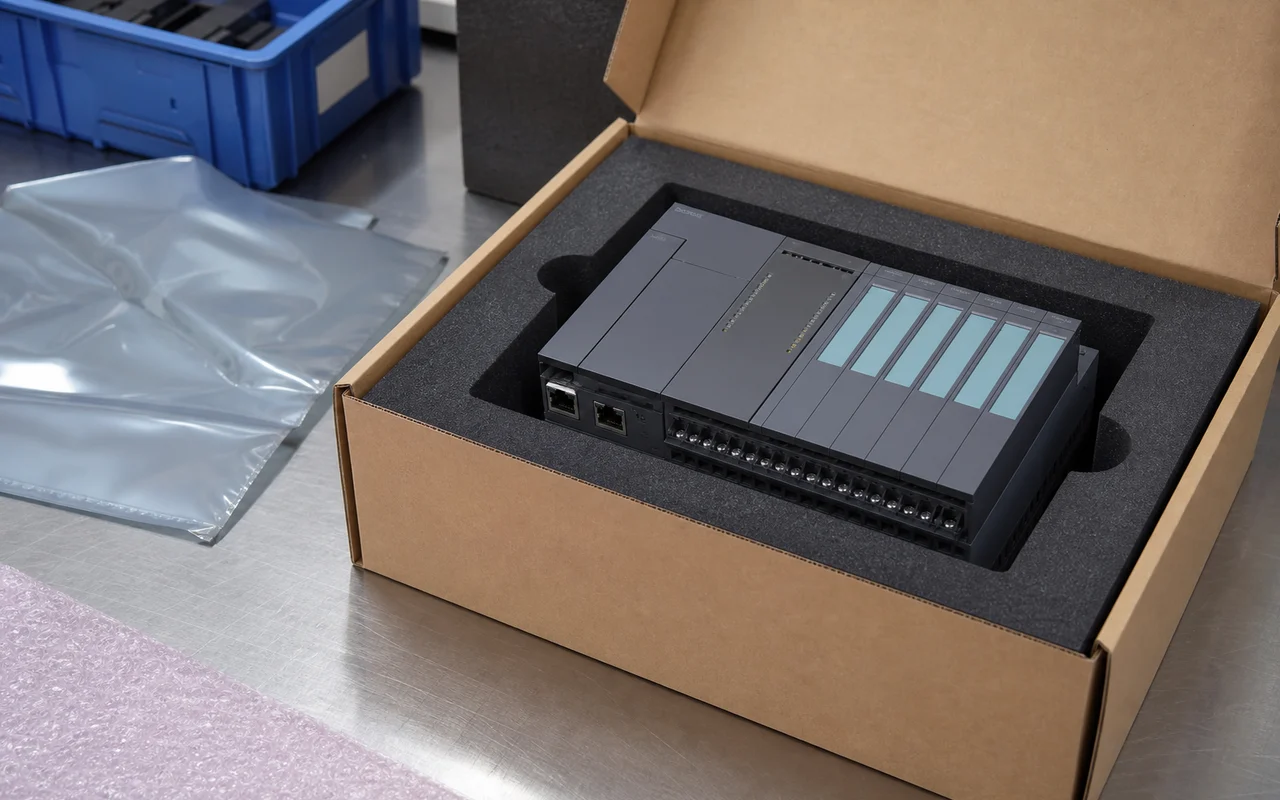 Secure Export Packing
Cushion protection and strong cartons ensure safe transportation.
 Worldwide Shipping
Global logistics network supports air, sea and express delivery.
 Documentation Check
Part number, revision and compatibility verified before shipment.
 After-sales Support
Professional technical support to help resolve your issues.