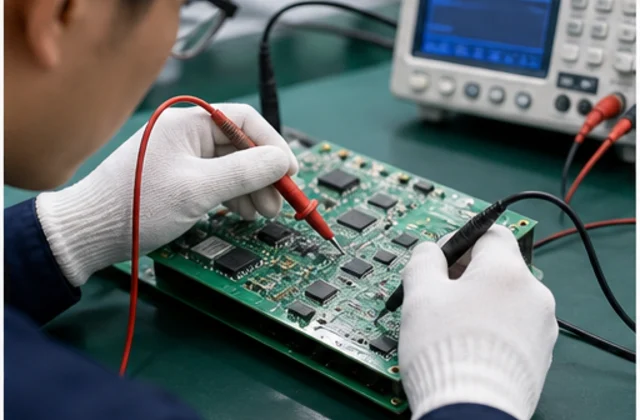
 Functional Inspection
100% tested on professional platforms to ensure stable performance.
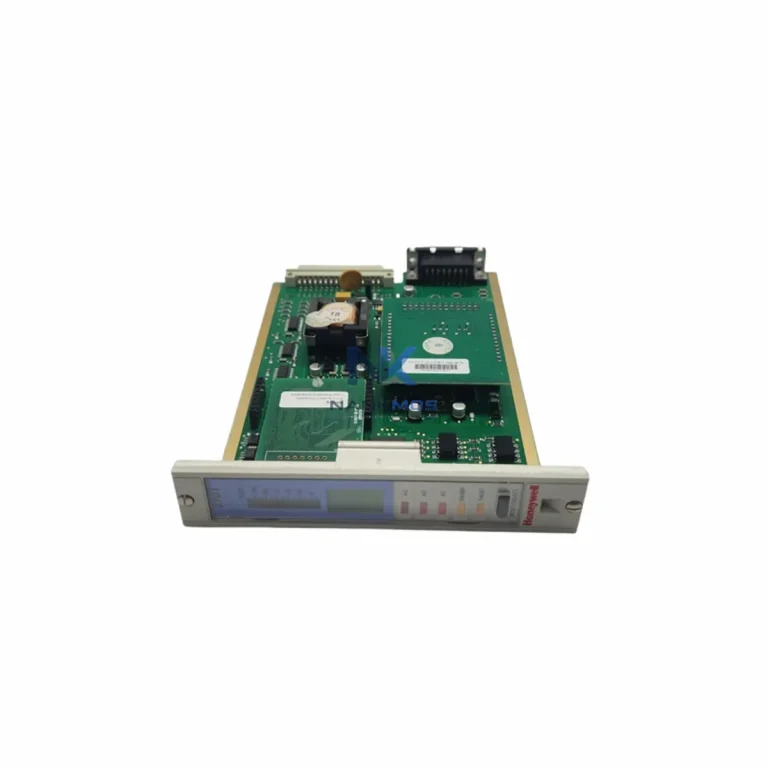
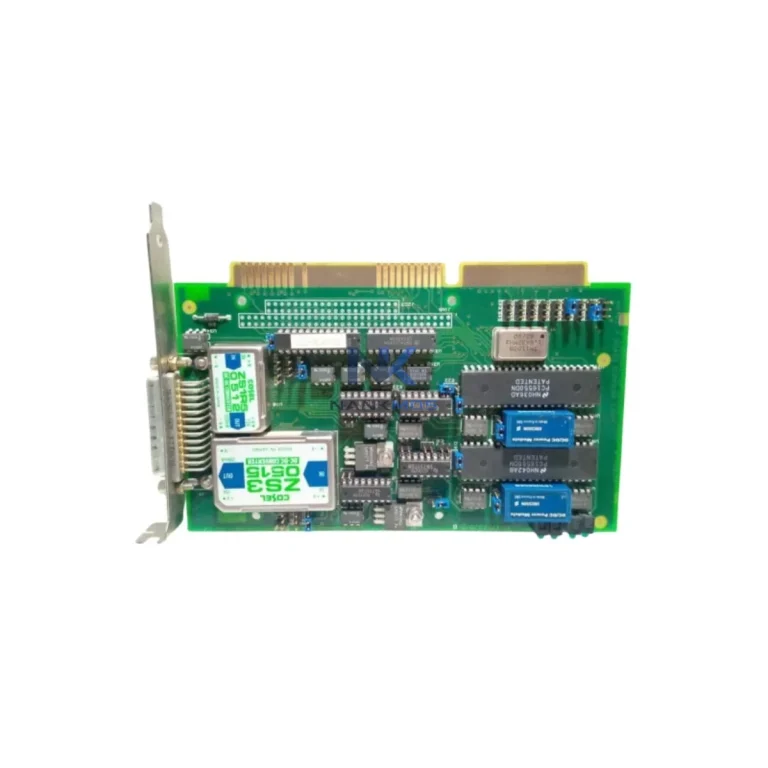
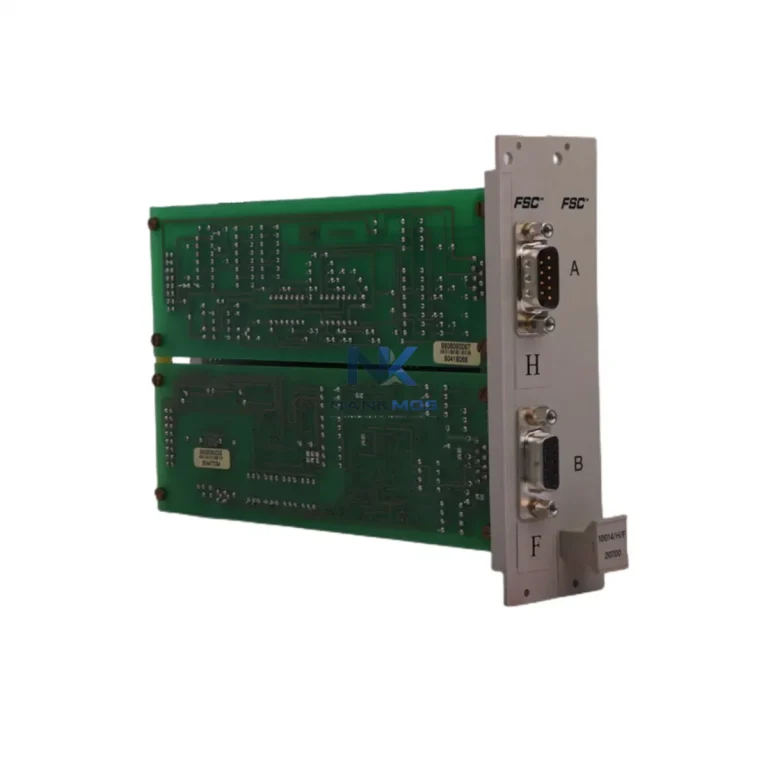
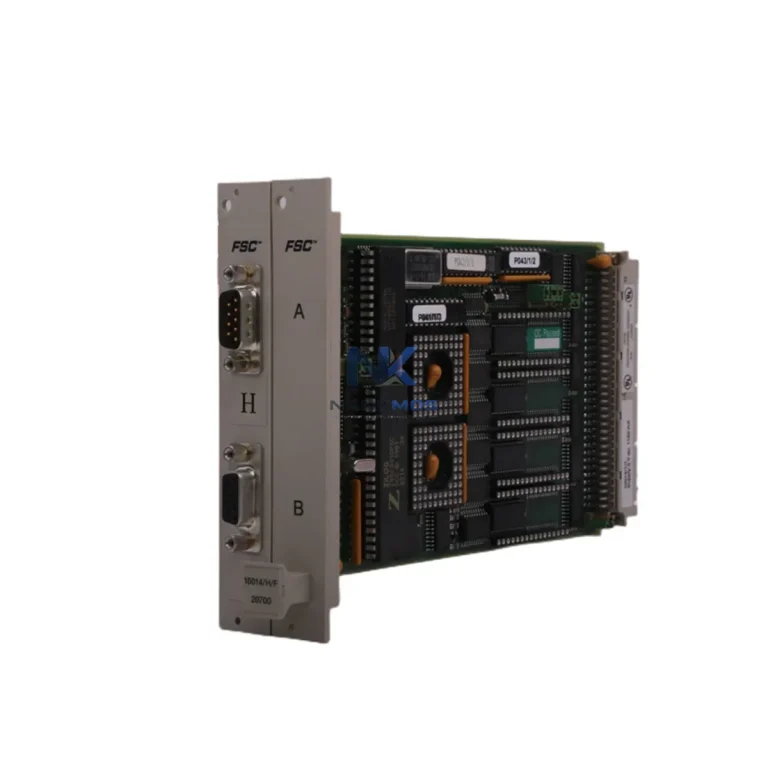
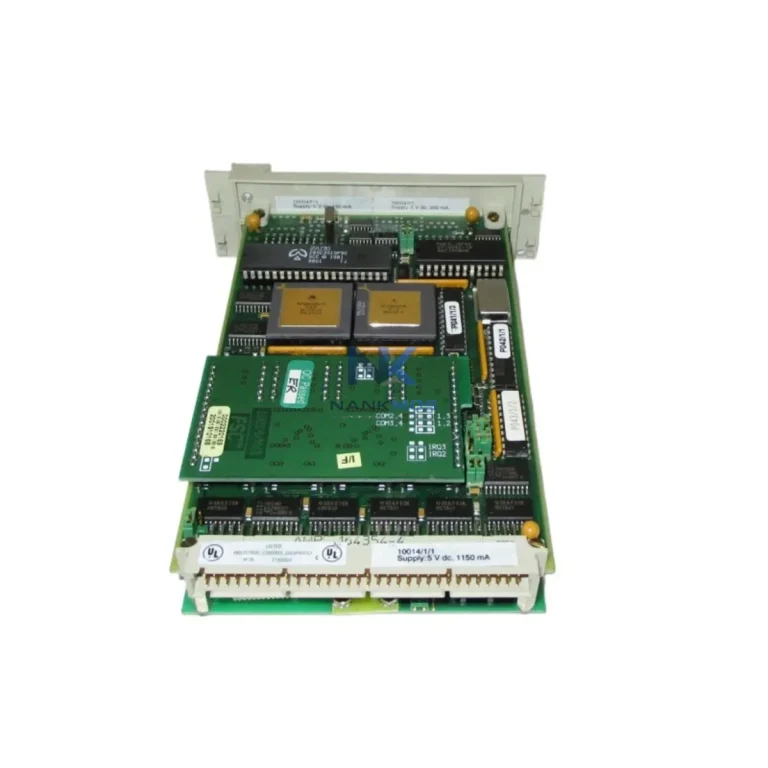
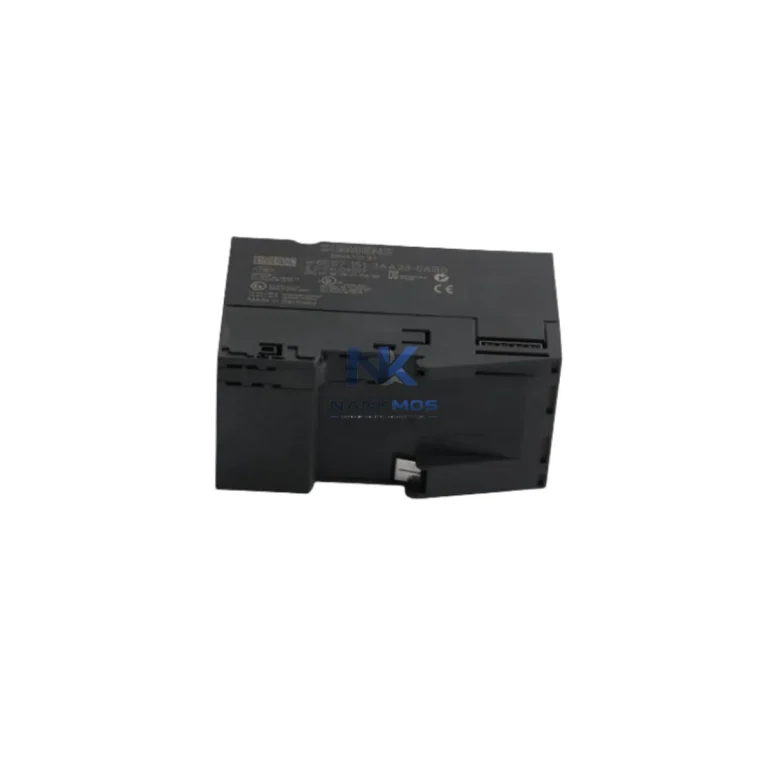
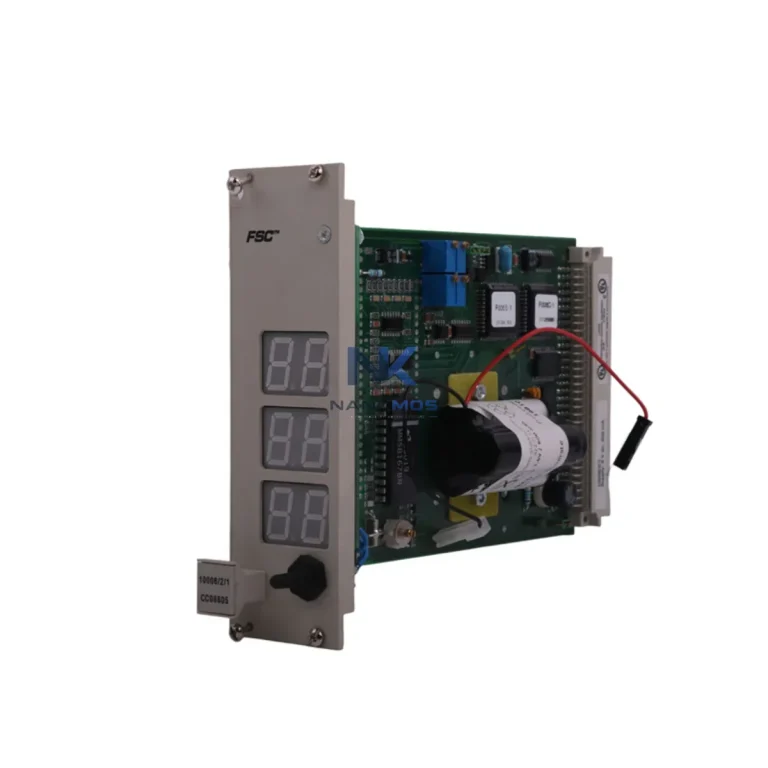
Honeywell 2MLF-RD4A is a NANKMOS industrial automation product record Listed under Safety Manager series and Business & Industrial > Automation, Control & Flow Devices > Programmable Logic Controllers. Confirm condition, availability, lead time, compatibility and documentation by email inquiry.
Brand names are used for identification only.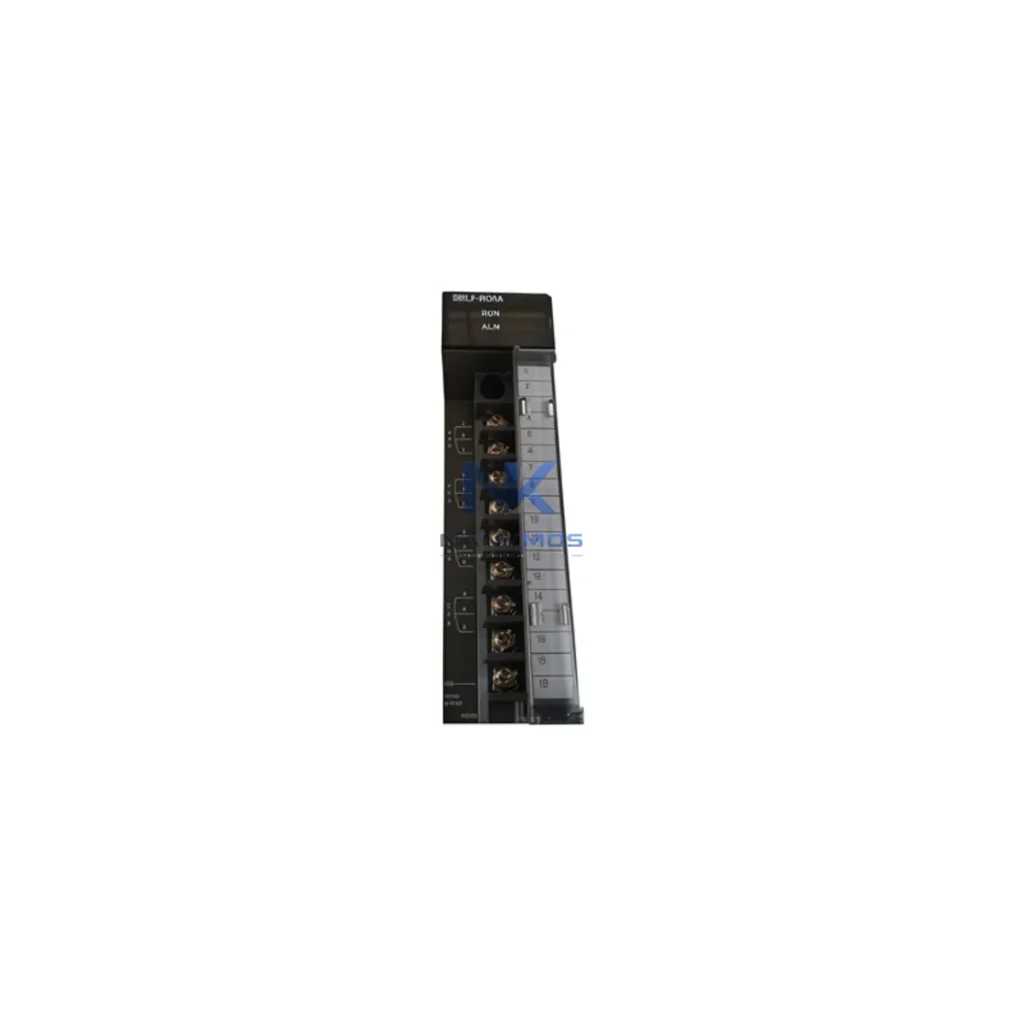
Honeywell 2MLF-RD4A is a NANKMOS industrial automation product record Listed under Safety Manager series and Business & Industrial > Automation, Control & Flow Devices > Programmable Logic Controllers. Confirm condition, availability, lead time, compatibility and documentation by email inquiry.
| Manufacturer | Honeywell |
|---|---|
| Application | Controller Processing & System Control |
| Part Number / Model | 2MLF-RD4A |
| Compatible System | Safety Manager |
| Series | Safety Manager |
| Condition Options | To Confirm |
| Module Type | Controller / CPU Module |
| Warranty | 12 Months |
| Packaging | Anti-static Bag / Secure Box |
| Shipping Methods | DHL / FedEx / UPS / Air / Sea |
| Availability | To Confirm |
| Lead Time | To Confirm |
| Documentation | Part number and revision checked before quote |
The Honeywell 2MLF-RD4A is a safety-rated relay output module engineered for deployment within the Honeywell Safety Manager (SM) platform — a dedicated safety instrumented system (SIS) designed to meet IEC 61508 and IEC 61511 functional safety standards. Within a complete industrial automation architecture, the 2MLF-RD4A occupies a critical position at the output execution layer, translating safety logic decisions from the Safety Manager CPU into reliable, fail-safe relay contact closures that actuate field devices such as solenoid valves, motor starters, emergency shutdown (ESD) actuators, and process interlock circuits. Its role is not isolated — it is deeply integrated into a layered control hierarchy that spans from the control layer down through I/O, communications, power, HMI, execution, protection, and maintenance layers, each of which depends on the consistent, deterministic behavior of modules like the 2MLF-RD4A to maintain system integrity under both normal and fault conditions.
The 2MLF-RD4A achieves its full operational value when deployed as part of a coherent, multi-layer automation architecture built around the Honeywell Safety Manager platform. At the control layer, the Safety Manager CPU — such as the SM-CPU-01 or its redundant counterpart — executes the safety application logic and issues output commands to the relay module via the internal backplane bus. This deterministic communication path ensures that relay actuation latency remains within the system's defined safety response time, a critical parameter for ESD and fire-and-gas (F&G) applications.
At the power layer, the SM-PSU-24VDC redundant power supply module provides the stable 24 VDC rail required by the 2MLF-RD4A and adjacent I/O modules. Dual-redundant power feeds with automatic switchover eliminate single-point power failures that could compromise safety output availability. The backplane itself — the SM-BP-08 or SM-BP-16 chassis — provides the physical and electrical foundation for housing the relay output module alongside digital input modules such as the 2MLF-DI8A, analog input modules like the 2MLF-AI8A, and communication gateway modules including the SM-MODBUS-GW for Modbus RTU/TCP integration with the plant DCS or SCADA layer.
At the communications layer, the Safety Manager system interfaces with the broader plant automation network through dedicated gateways. The SM-PROFIBUS-GW enables integration with Profibus DP networks, while the SM-ETHERNET-GW supports OPC-UA and Modbus TCP connectivity to Honeywell Experion PKS or third-party DCS platforms. This Contextual Integration capability allows the 2MLF-RD4A's relay status — energized, de-energized, or faulted — to be reflected in real time on the operator HMI, enabling rapid situational awareness without requiring physical inspection of the field device.
At the HMI layer, Honeywell's Experion PKS Station or a dedicated safety HMI panel displays relay output states, bypass conditions, and diagnostic alarms sourced directly from the Safety Manager CPU. Operators can acknowledge faults, initiate manual overrides (with appropriate authorization), and review historical relay actuation logs — all of which are essential for regulatory compliance in SIL-rated installations. The integration between the 2MLF-RD4A and the HMI layer is not merely cosmetic; it forms part of the functional safety loop verification required during commissioning and periodic proof testing.
At the protection and redundancy layer, the 2MLF-RD4A supports voted output architectures. In a 1oo2 (one-out-of-two) configuration, two relay output modules are wired in parallel to a single field actuator, ensuring that the actuator trips even if one module fails to de-energize. In a 2oo3 (two-out-of-three) configuration, three modules vote on the output state, providing both high availability and high integrity — a combination demanded in critical process safety applications such as high-integrity pressure protection systems (HIPPS) and burner management systems (BMS). The SM-VOT-3CH voting module facilitates this architecture within the SM chassis.
At the maintenance layer, the 2MLF-RD4A supports hot-swap replacement in systems configured for online maintenance, minimizing process downtime during module servicing. Paired with the SM-DIAG-TOOL handheld diagnostic interface, maintenance engineers can perform channel-level continuity checks, relay coil resistance measurements, and contact weld detection without interrupting the safety application. This capability directly reduces mean time to repair (MTTR) and supports the periodic proof test intervals mandated by IEC 61511 for SIL 2 and SIL 3 loops.
Oil & Gas and Petrochemical: In upstream and downstream hydrocarbon processing facilities, the 2MLF-RD4A is deployed within ESD systems to actuate blowdown valves, deluge system solenoids, and compressor shutdown relays. Its SIL 2/3 rating satisfies the functional safety requirements of IEC 61511 for process safety instrumented functions (SIFs), and its compatibility with ATEX-rated field wiring systems makes it suitable for Zone 1 and Zone 2 hazardous area installations when paired with appropriate zener barriers or galvanic isolators.
Power Generation and Utilities: In thermal power plants and combined-cycle facilities, the module controls turbine trip relays, boiler ESD circuits, and generator protection interlocks. Its deterministic response time and online diagnostic capability support the stringent availability requirements of power generation safety systems, where unplanned trips carry significant economic consequences.
Chemical and Pharmaceutical Manufacturing: Batch process safety systems in chemical reactors and pharmaceutical production lines rely on the 2MLF-RD4A to actuate emergency vent valves, agitator shutdown relays, and cooling water isolation valves. The module's channel-level diagnostics enable proof testing to be conducted on individual relay channels without taking the entire safety loop out of service, a significant operational advantage in continuous production environments.
Water and Wastewater Treatment: Municipal water treatment facilities use the 2MLF-RD4A within chlorination dosing safety systems and pump protection circuits. Its compatibility with Modbus TCP gateways allows relay status to be monitored from SCADA systems, enabling remote fault detection and reducing the need for on-site inspection in geographically distributed installations.
Mining and Metallurgy: In underground mining and surface mineral processing operations, the module controls conveyor belt emergency stop relays, crusher protection circuits, and ventilation fan safety interlocks. Its robust operating temperature range and vibration tolerance make it suitable for the demanding environmental conditions typical of mining control rooms and surface substations.
Q1: Is the 2MLF-RD4A compatible with existing Safety Manager chassis and backplanes without hardware modification? Yes. The 2MLF-RD4A is designed for direct insertion into the standard Safety Manager I/O backplane (SM-BP-08 or SM-BP-16 chassis) without requiring additional adapters or hardware modifications. The module is recognized automatically by the Safety Manager CPU during system initialization, and its channel configuration is managed through the Safety Manager engineering workstation software. Customers upgrading from earlier SM I/O generations should verify firmware compatibility with their CPU revision prior to installation — our technical team can confirm compatibility based on your system's current software version.
Q2: How does the 12-Month Warranty apply, and what does it cover? All 2MLF-RD4A units supplied by NANKMOS are covered by a 12-Month Warranty from the date of shipment. The warranty covers manufacturing defects, component failures under normal operating conditions, and functional non-conformance to published specifications. Each unit undergoes pre-shipment functional testing — including relay coil energization, contact resistance measurement, and backplane communication verification — before dispatch. In the event of a warranty claim, NANKMOS provides advance replacement or repair service with documented test reports. The warranty does not cover damage resulting from incorrect installation, overvoltage events, or unauthorized modification.
Q3: Can the 2MLF-RD4A be integrated into a redundant Safety Manager architecture, and what is the recommended sparing strategy for long-term maintenance? Yes. The 2MLF-RD4A fully supports redundant output architectures, including 1oo2 and 2oo3 voted configurations, when used with the appropriate SM voting modules and wiring schemes defined in the Safety Manager system design guide. For long-term maintenance planning, NANKMOS recommends maintaining a minimum of one spare 2MLF-RD4A per four installed units for critical SIL 2/3 loops, with spares stored in anti-static packaging at controlled temperature and humidity. NANKMOS maintains in-stock inventory of the 2MLF-RD4A and can fulfill emergency orders with expedited global shipping, supporting both planned maintenance shutdowns and unplanned replacement scenarios. Contact our team for volume pricing and long-term supply agreements.
Functional Inspection100% tested on professional platforms to ensure stable performance.
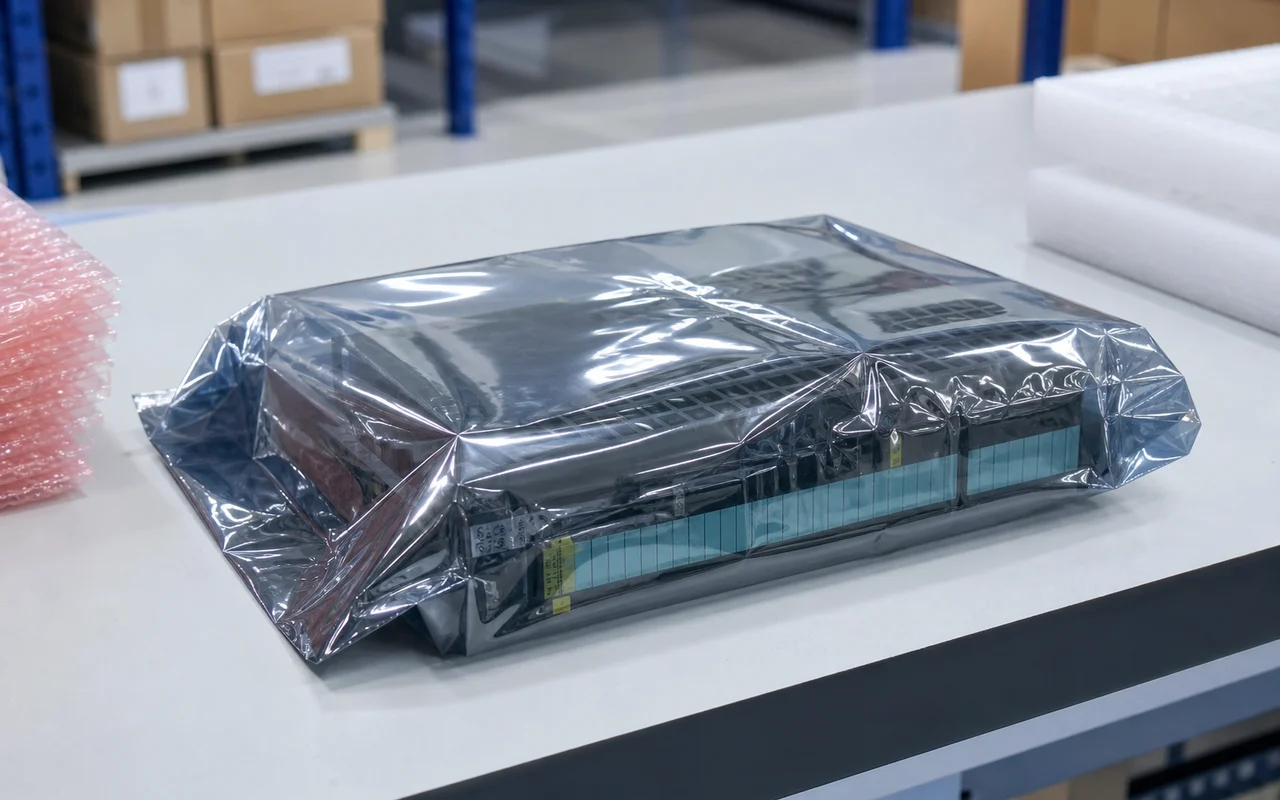 Anti-static Packaging
Modules are packed in anti-static bags to prevent electrostatic damage.
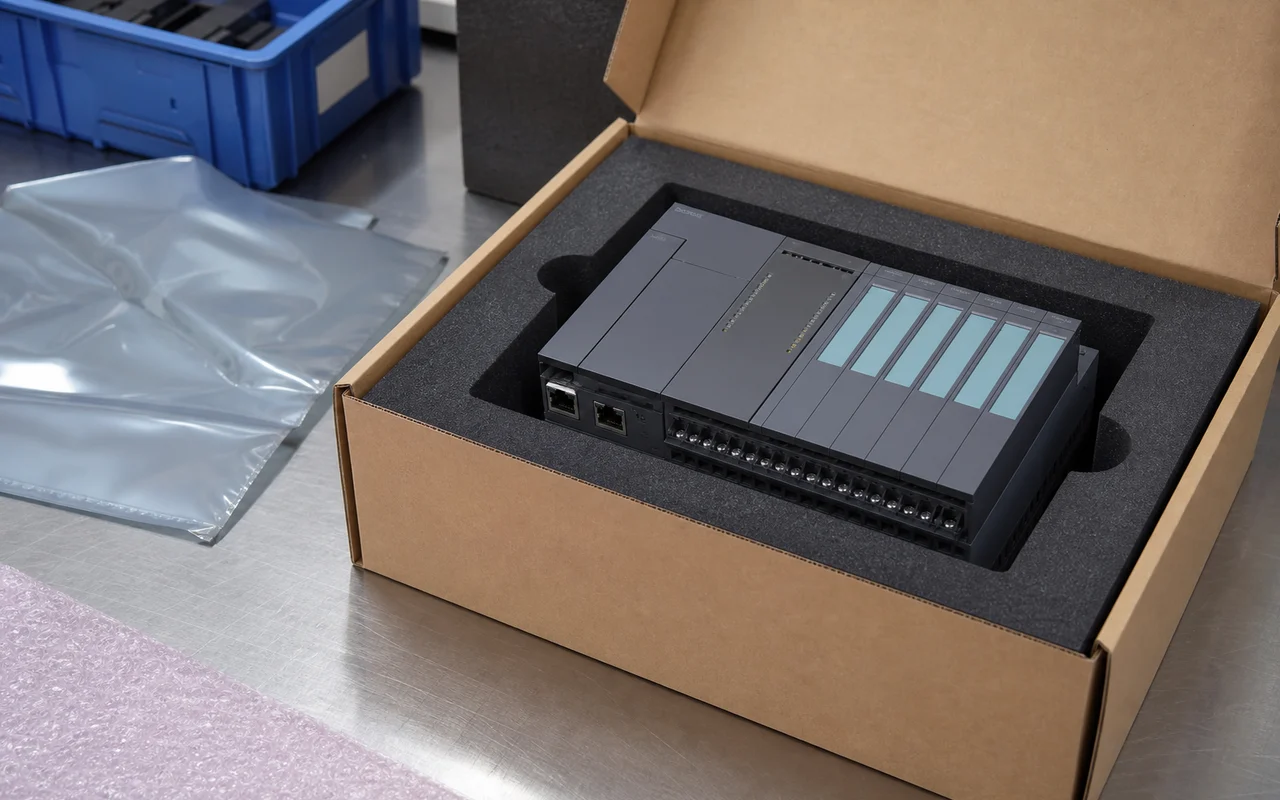 Secure Export Packing
Cushion protection and strong cartons ensure safe transportation.
 Worldwide Shipping
Global logistics network supports air, sea and express delivery.
 Documentation Check
Part number, revision and compatibility verified before shipment.
 After-sales Support
Professional technical support to help resolve your issues.