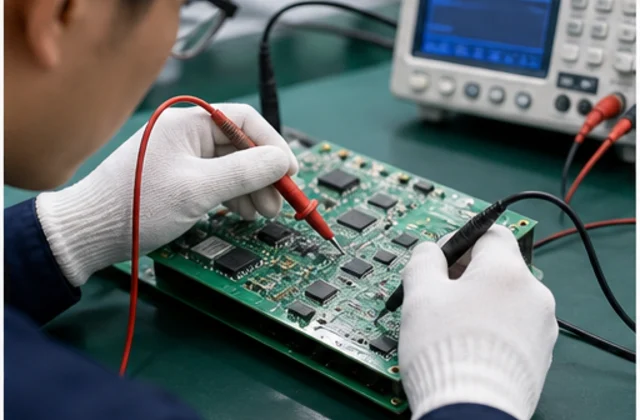
 Functional Inspection
100% tested on professional platforms to ensure stable performance.
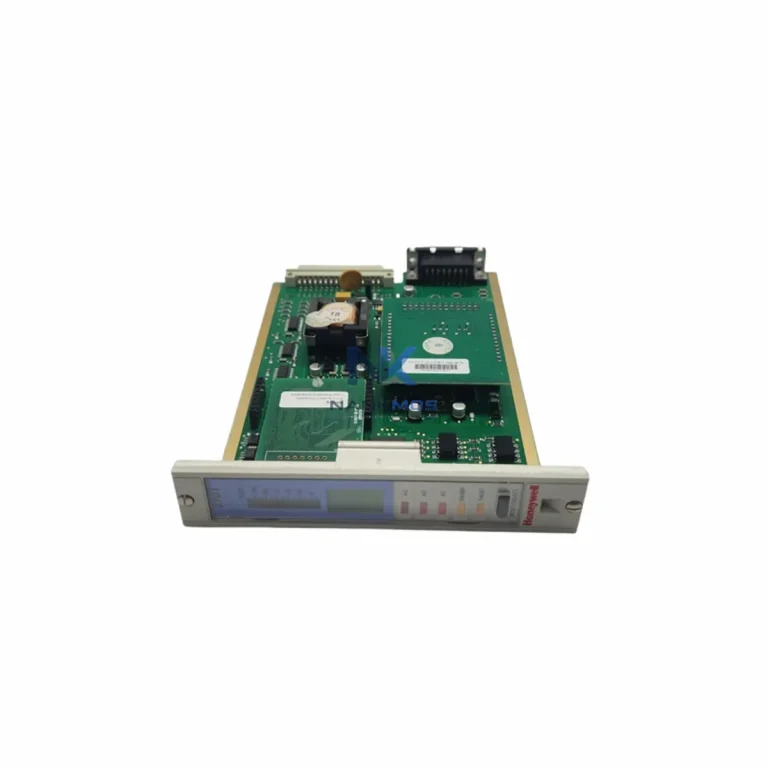
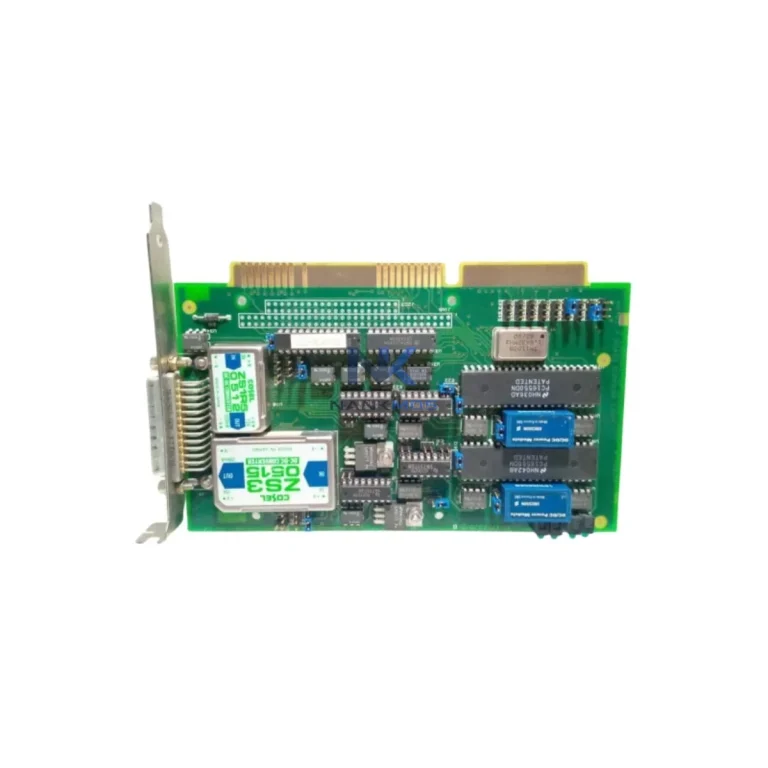
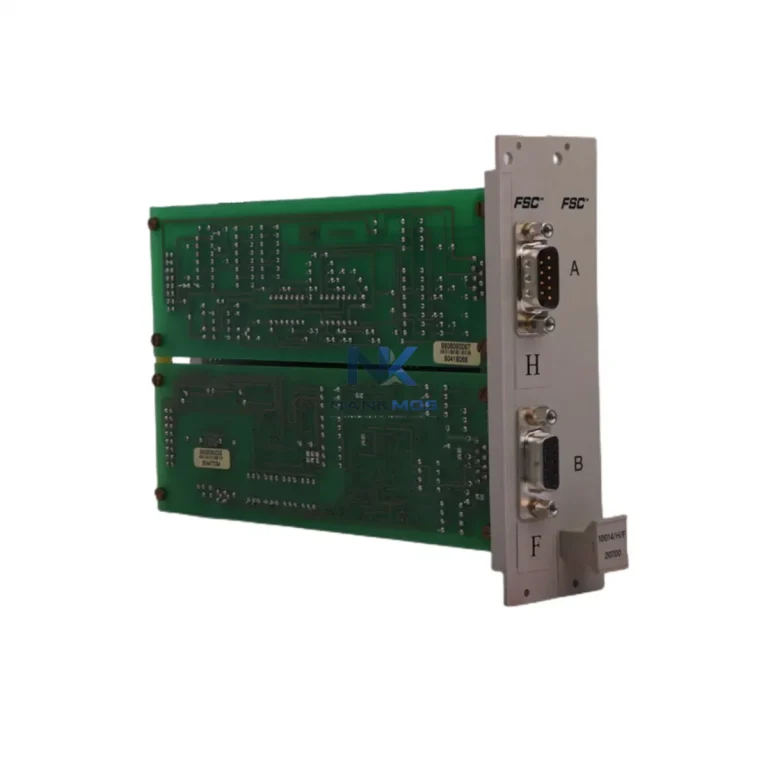
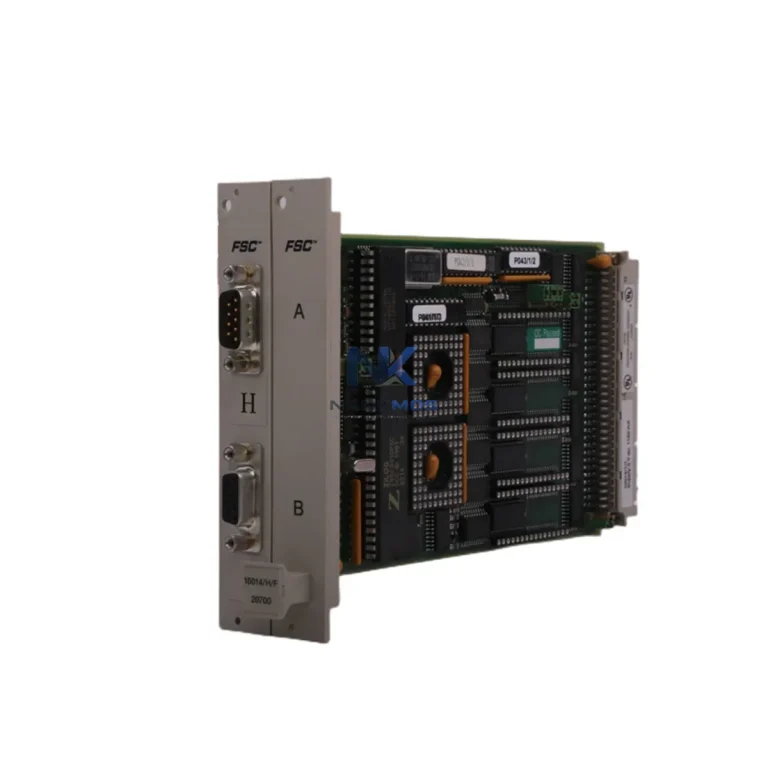
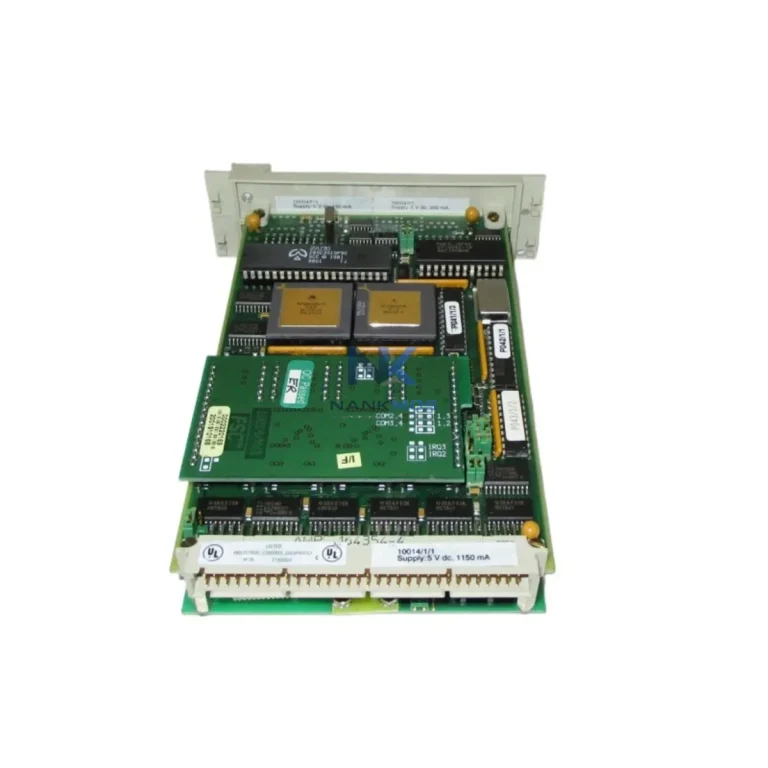
Honeywell 2MLI-CPUS/P-CC is a NANKMOS industrial automation product record Listed under TDC 3000 series and Business & Industrial > Automation, Control & Flow Devices > Programmable Logic Controllers. Confirm condition, availability, lead time, compatibility and documentation by email inquiry.
Brand names are used for identification only.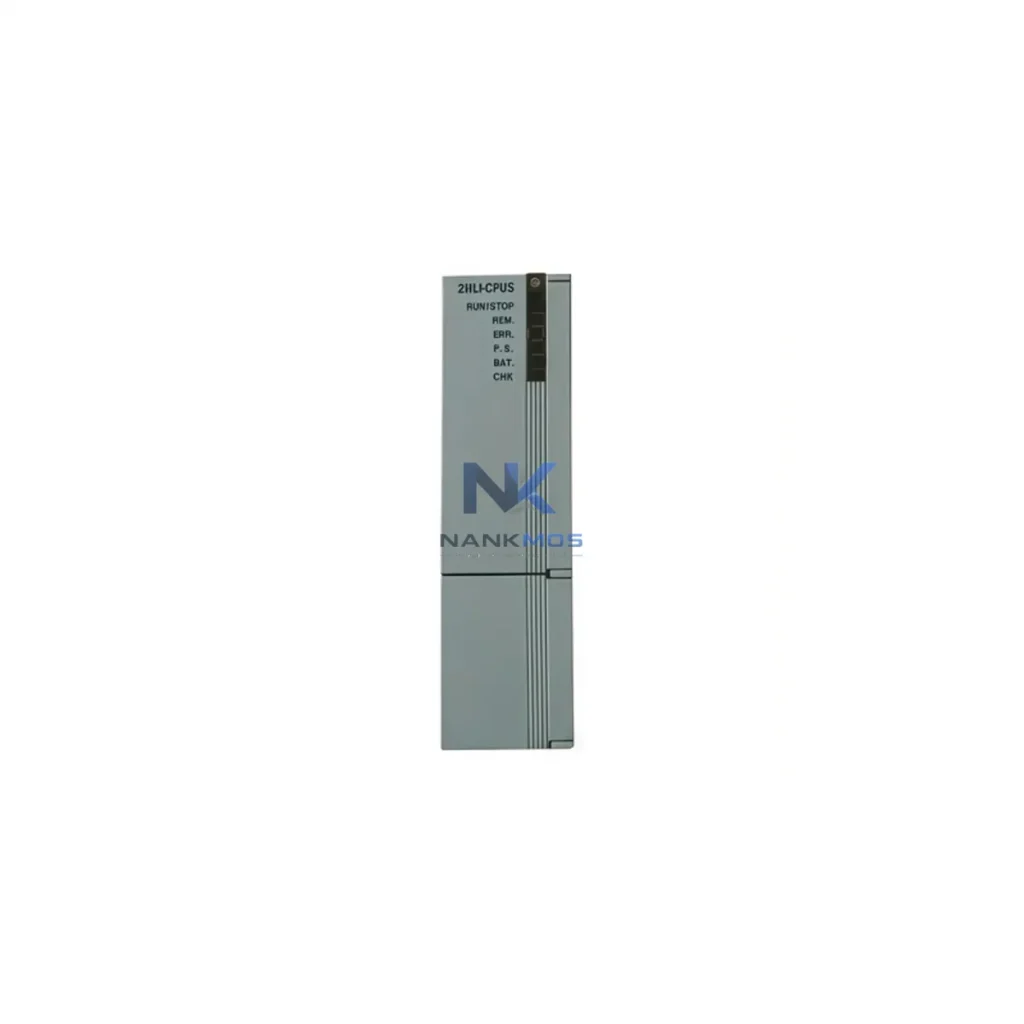
Honeywell 2MLI-CPUS/P-CC is a NANKMOS industrial automation product record Listed under TDC 3000 series and Business & Industrial > Automation, Control & Flow Devices > Programmable Logic Controllers. Confirm condition, availability, lead time, compatibility and documentation by email inquiry.
| Manufacturer | Honeywell |
|---|---|
| Application | Controller Processing & System Control |
| Part Number / Model | 2MLI-CPUS/P-CC |
| Compatible System | TDC 3000 |
| Series | TDC 3000 |
| Condition Options | To Confirm |
| Module Type | Controller / CPU Module |
| Warranty | 12 Months |
| Packaging | Anti-static Bag / Secure Box |
| Shipping Methods | DHL / FedEx / UPS / Air / Sea |
| Availability | To Confirm |
| Lead Time | To Confirm |
| Documentation | Part number and revision checked before quote |
The Honeywell 2MLI-CPUS/P-CC is a high-performance CPU Module engineered for the TDC 3000 Distributed Control System (DCS), purpose-built to deliver intelligent energy control, stable load management, and optimized production line throughput in demanding industrial environments. As the computational core of the TDC 3000 platform, this CPU module orchestrates real-time process data acquisition, control loop execution, and inter-subsystem communication — all while minimizing unnecessary power draw and thermal load across the automation architecture.
Designed for continuous-duty industrial operation, the 2MLI-CPUS/P-CC supports energy-aware automation strategies that reduce idle consumption, stabilize equipment cycle times, and extend the operational lifespan of connected field devices. Whether deployed in petrochemical refining, power generation, pharmaceutical batch processing, or large-scale discrete manufacturing, this CPU module serves as the intelligent hub that keeps energy consumption aligned with actual production demand.
In a fully integrated TDC 3000 environment, the 2MLI-CPUS/P-CC CPU module does not operate in isolation — it functions as the decision-making engine that coordinates energy flow and control signals across an entire ecosystem of industrial automation components. Understanding how this CPU interacts with adjacent systems is essential to unlocking its full energy optimization potential.
At the field level, the CPU module communicates with Honeywell HPM (High-Performance Process Manager) controllers, which handle direct I/O interfacing with sensors, actuators, and field transmitters. By efficiently scheduling scan cycles and prioritizing critical control loops, the 2MLI-CPUS/P-CC reduces unnecessary polling overhead — directly lowering the aggregate power demand of the HPM subsystem. Paired with Honeywell PM I/O modules, the CPU ensures that analog and digital field signals are processed with minimal latency, preventing energy-wasting control oscillations caused by delayed feedback.
For motor-driven applications — which typically account for 60–70% of industrial energy consumption — the CPU module integrates seamlessly with variable frequency drives (VFDs) and servo drive systems via the UCN communication backbone. By delivering precise speed and torque setpoints based on real-time process demand, the 2MLI-CPUS/P-CC enables demand-responsive motor control that eliminates fixed-speed over-driving, a leading cause of wasted electrical energy in pump, fan, and compressor applications.
The Honeywell AM (Application Module) works alongside the CPU to execute advanced control strategies such as model predictive control (MPC) and multivariable optimization algorithms. These strategies, coordinated through the 2MLI-CPUS/P-CC, allow the plant to dynamically shift loads away from peak tariff periods, reducing energy costs without sacrificing throughput. Integration with Honeywell PHD (Process Historian Data) servers enables the CPU's control decisions to be informed by historical energy consumption trends, further refining load scheduling over time.
At the operator interface layer, Honeywell GUS (Global User Station) HMI workstations display real-time energy KPIs — including per-loop power consumption estimates, equipment utilization rates, and thermal load indicators — all driven by data processed through the 2MLI-CPUS/P-CC. Operators can identify energy anomalies, adjust setpoints, and trigger demand-reduction sequences directly from the HMI without interrupting production continuity.
For power quality monitoring, the CPU module's data outputs can feed into power monitoring modules and energy management systems (EMS), enabling granular tracking of active power, reactive power, and power factor across production zones. When integrated with SCADA platforms via OPC or Modbus gateway interfaces, the 2MLI-CPUS/P-CC becomes a key data source for plant-wide energy dashboards, supporting ISO 50001 energy management compliance and continuous improvement initiatives.
Modern industrial production lines face mounting pressure to reduce energy intensity — measured in kilowatt-hours per unit of output — while simultaneously increasing throughput and maintaining product quality. The Honeywell 2MLI-CPUS/P-CC CPU module addresses this challenge at the control system level, where the greatest leverage for energy reduction exists.
Reducing Idle and Standby Energy Waste: One of the most significant sources of avoidable energy consumption in process plants is equipment running at full power during low-demand periods. The 2MLI-CPUS/P-CC supports time-based and demand-triggered control strategies that automatically reduce setpoints, slow drive speeds, or place non-critical subsystems into low-power standby modes during scheduled downtime, shift changes, or production gaps. This capability alone can reduce standby energy consumption by 15–30% in typical continuous process applications.
Stabilizing Production Cycle Times: Inconsistent cycle times — caused by control loop instability, communication latency, or sensor noise — force equipment to operate at higher-than-necessary energy levels to compensate for process variability. The 2MLI-CPUS/P-CC's high-speed scan execution and deterministic control loop timing eliminate these inefficiencies, allowing drives, motors, and actuators to operate at their optimal energy-efficiency points rather than at conservative over-capacity margins.
Minimizing Unplanned Downtime: Unplanned equipment stoppages are among the most energy-intensive events in industrial operations — restart surges, reheating cycles, and re-synchronization sequences consume disproportionate amounts of energy compared to steady-state operation. By providing reliable, fault-tolerant CPU processing with robust diagnostic capabilities, the 2MLI-CPUS/P-CC reduces the frequency and duration of unplanned stops, keeping energy consumption smooth and predictable.
Supporting Predictive Maintenance Strategies: The CPU module's continuous data processing enables integration with predictive maintenance platforms that monitor equipment health indicators — vibration signatures, temperature trends, current draw anomalies — and flag developing faults before they cause failures. Early intervention based on these signals prevents the energy-intensive consequences of catastrophic equipment failure and emergency repair cycles.
Thermal Load Reduction in Control Enclosures: The 2MLI-CPUS/P-CC's efficient processing architecture generates a stable, low thermal profile within the TDC 3000 control cabinet. This reduces the cooling load on enclosure air conditioning systems — a frequently overlooked source of auxiliary energy consumption in large control rooms — and extends the service life of adjacent electronic components by maintaining lower ambient temperatures.
All units supplied by NANKMOS undergo comprehensive pre-shipment functional testing, including communication link verification, control loop execution validation, and thermal stress screening, ensuring that every 2MLI-CPUS/P-CC arrives ready for immediate installation and commissioning. Each unit is backed by a 12-month warranty covering manufacturing defects and functional failures under normal operating conditions.
Q1: What measurable energy savings can the Honeywell 2MLI-CPUS/P-CC deliver in a TDC 3000 system? The energy savings achievable with the 2MLI-CPUS/P-CC depend on the specific application and existing control strategies in place. In typical process plant deployments, optimized CPU-driven control strategies — including demand-responsive VFD setpoint management, load shedding during low-production periods, and elimination of control loop oscillation — can reduce process energy intensity by 10–25%. The CPU module itself is not a direct energy consumer of significance; its value lies in enabling smarter control decisions that reduce energy waste across the entire connected system.
Q2: Is the 2MLI-CPUS/P-CC compatible with modern energy management and SCADA systems? Yes. While the 2MLI-CPUS/P-CC is a native TDC 3000 component operating on the LCN and UCN networks, its data outputs can be accessed by modern SCADA and energy management systems through Honeywell's gateway and historian infrastructure, including PHD servers and OPC-compliant data bridges. This allows the CPU's real-time process data to feed plant-wide energy dashboards, ISO 50001 reporting tools, and third-party analytics platforms without requiring modifications to the core TDC 3000 architecture.
Q3: Can this CPU module replace a failed or degraded unit in an existing TDC 3000 installation, and what is the replacement process? The 2MLI-CPUS/P-CC is designed as a direct replacement for compatible CPU positions within the TDC 3000 system. The replacement process typically involves backing up the existing configuration database, powering down the affected module slot, installing the replacement CPU, and restoring the configuration — a procedure that experienced TDC 3000 engineers can complete within a planned maintenance window. NANKMOS recommends verifying firmware revision compatibility with your system integrator prior to installation. Our technical team can assist with compatibility confirmation based on your system's current revision level.
Q4: What does the 12-month warranty cover, and how does NANKMOS handle warranty claims? The 12-month warranty covers manufacturing defects and functional failures under normal operating conditions from the date of shipment. It does not cover damage resulting from improper installation, electrical overstress, or unauthorized modification. In the event of a warranty claim, NANKMOS will arrange for the return of the defective unit and provide a replacement or repair within an agreed timeframe to minimize production disruption. All warranty units undergo the same pre-shipment functional testing protocol as new stock. Contact [email protected] or +86 18359268345 to initiate a warranty claim or request technical support.
Functional Inspection100% tested on professional platforms to ensure stable performance.
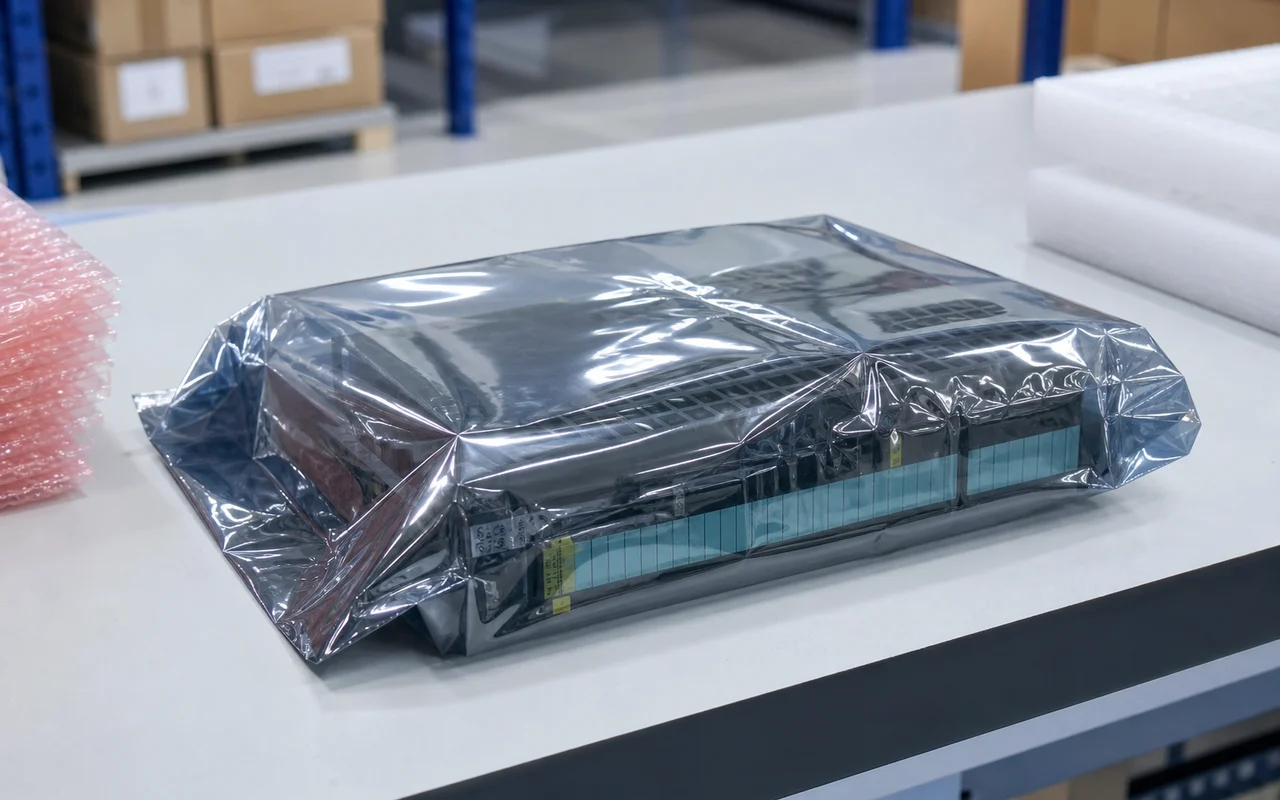 Anti-static Packaging
Modules are packed in anti-static bags to prevent electrostatic damage.
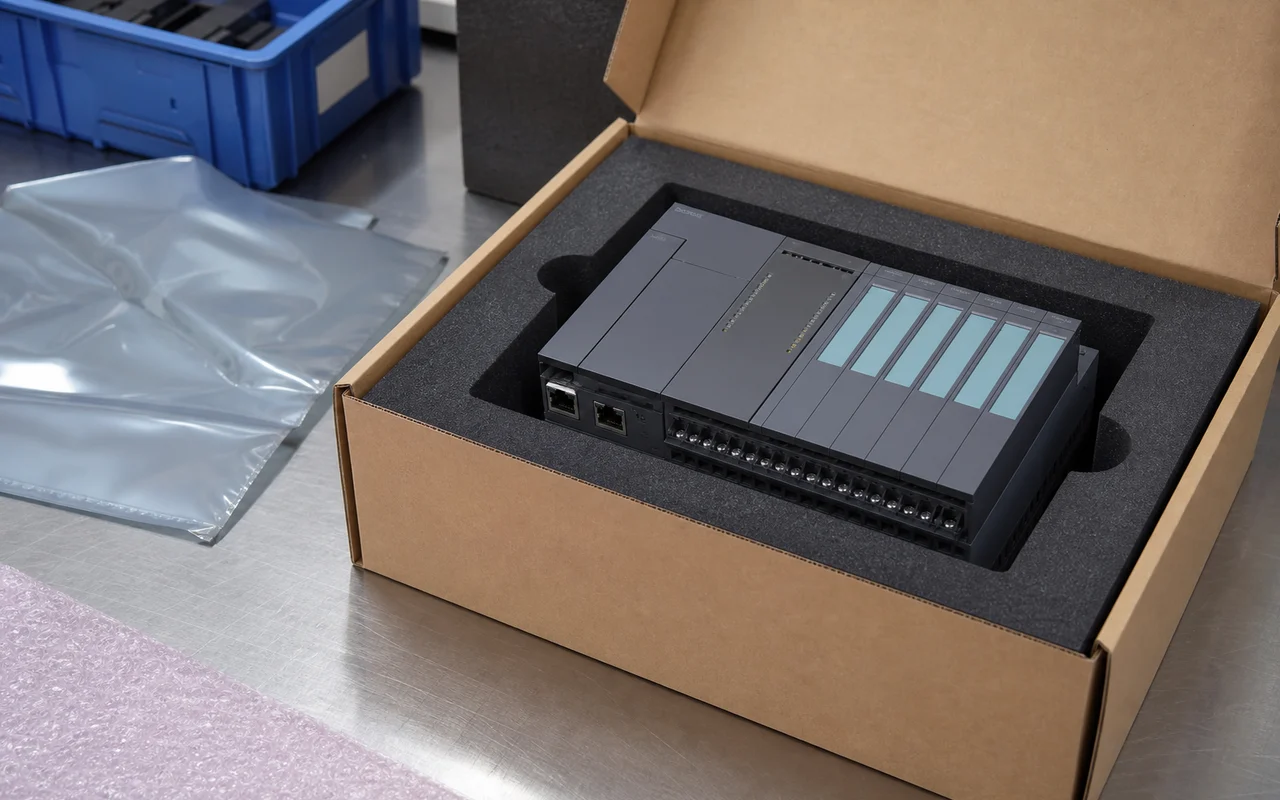 Secure Export Packing
Cushion protection and strong cartons ensure safe transportation.
 Worldwide Shipping
Global logistics network supports air, sea and express delivery.
 Documentation Check
Part number, revision and compatibility verified before shipment.
 After-sales Support
Professional technical support to help resolve your issues.