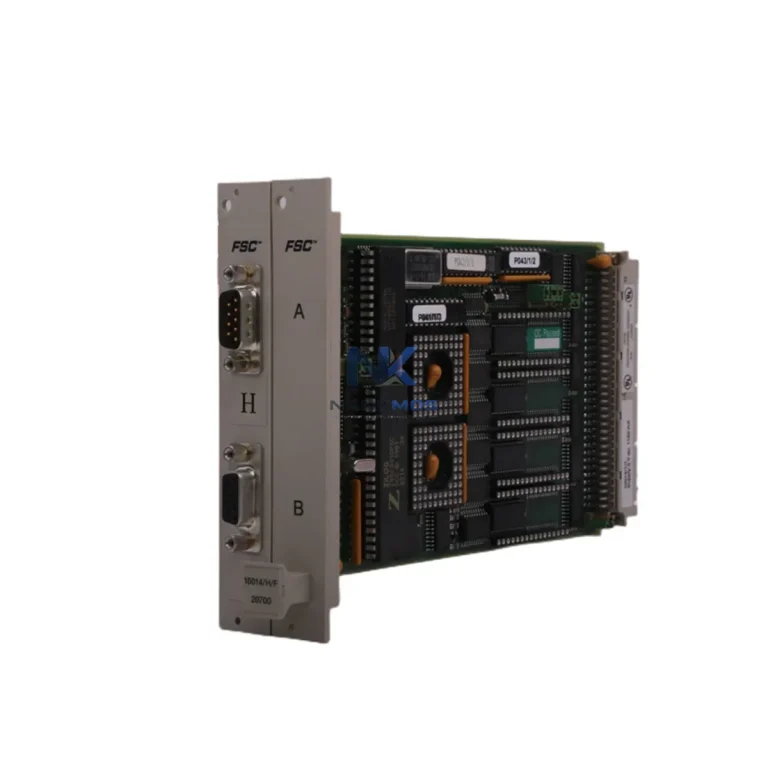
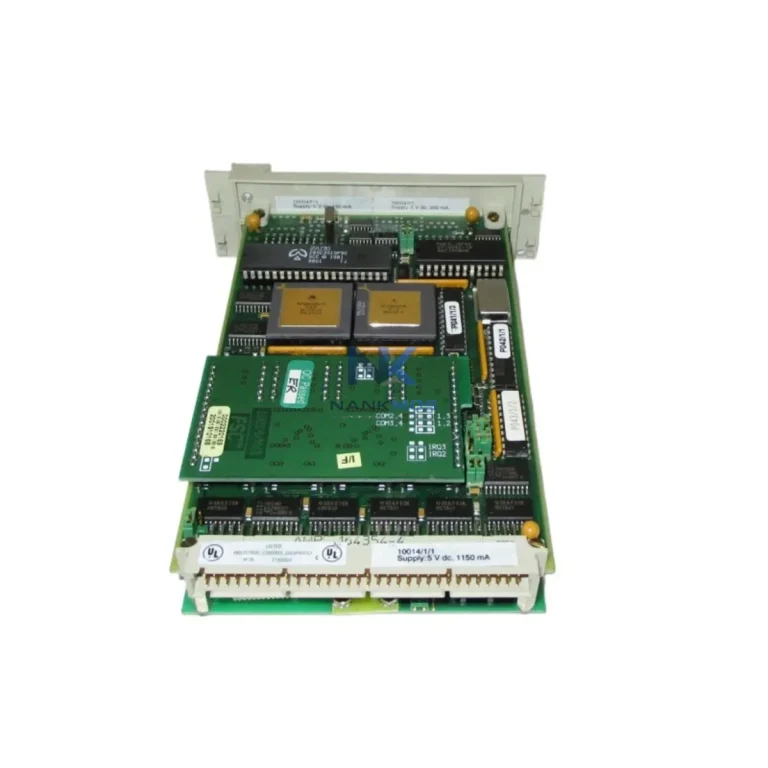
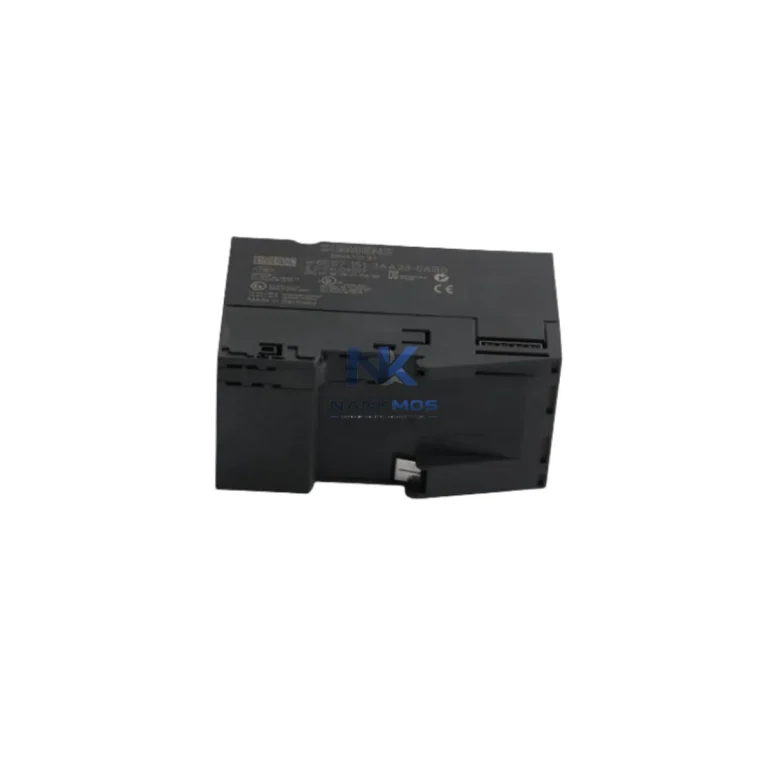
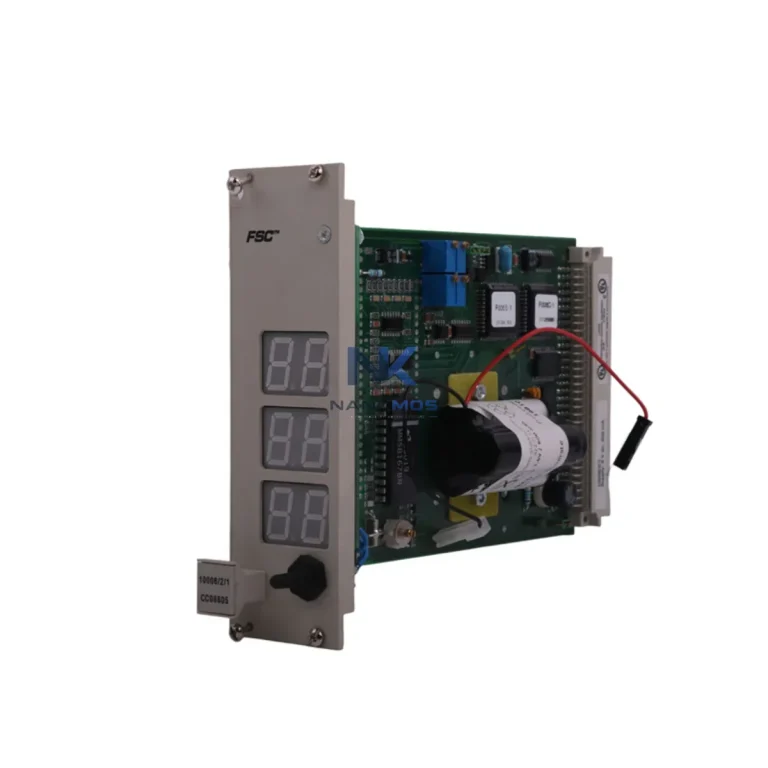
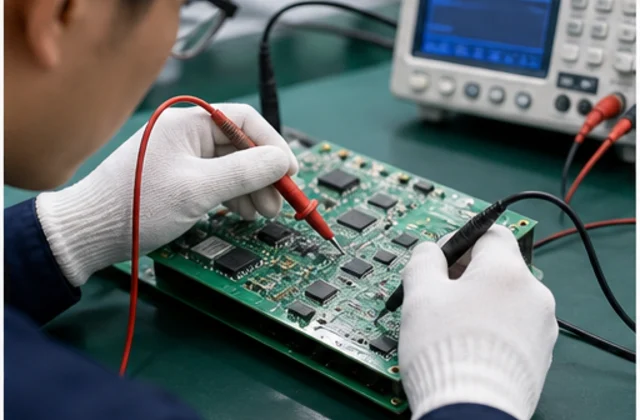
 Functional Inspection
100% tested on professional platforms to ensure stable performance.
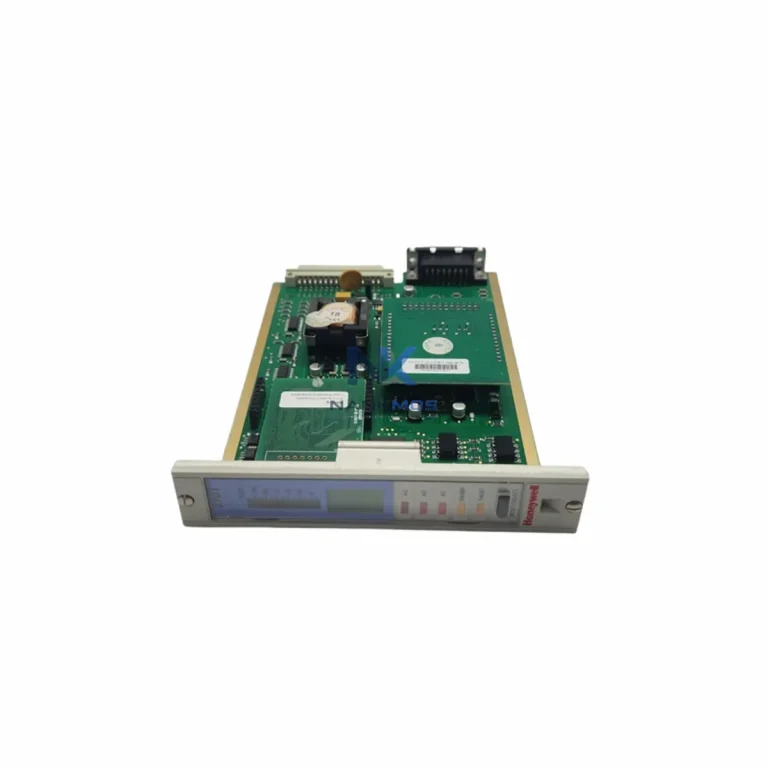
Honeywell 2MLQ-TR1C-CC is a NANKMOS industrial automation product record Listed under Other series series and Business & Industrial > Automation, Control & Flow Devices > Programmable Logic Controllers. Confirm condition, availability, lead time, compatibility and documentation by email inquiry.
Brand names are used for identification only.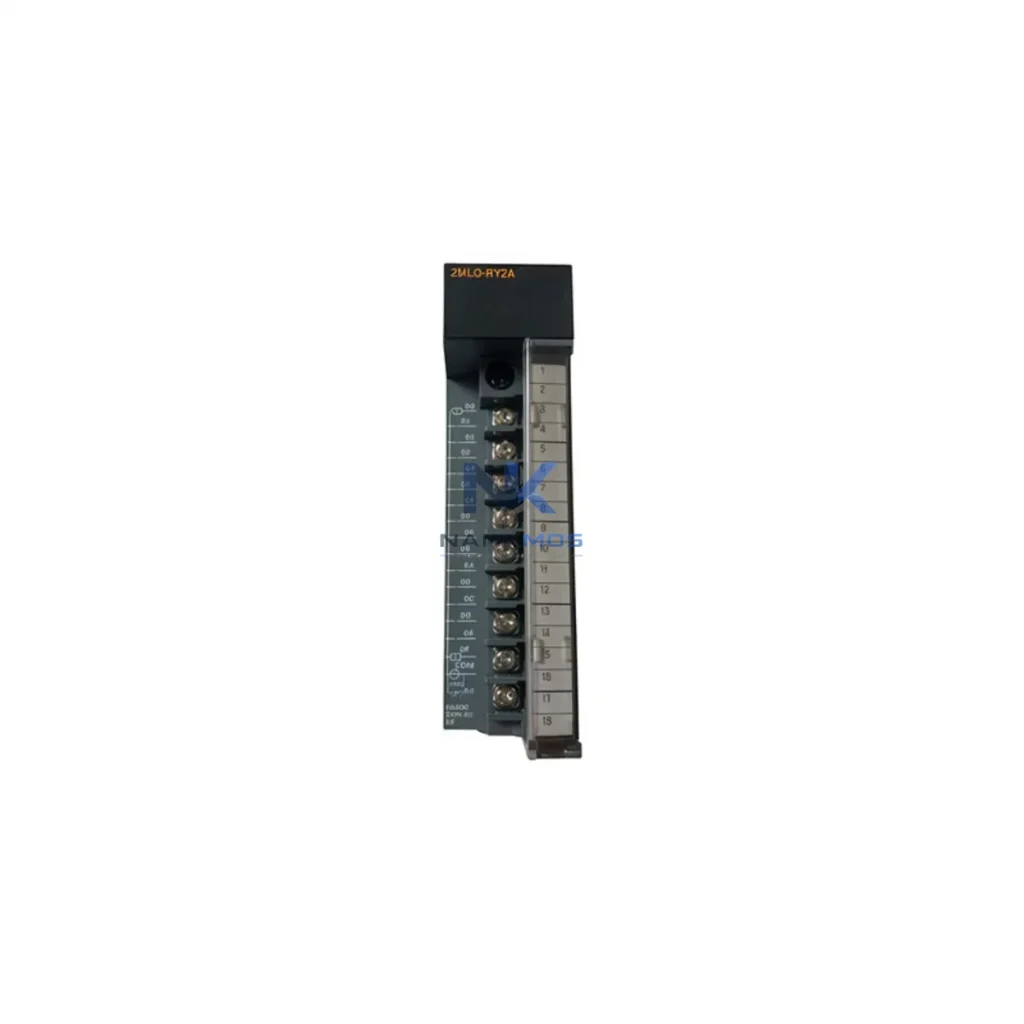
Honeywell 2MLQ-TR1C-CC is a NANKMOS industrial automation product record Listed under Other series series and Business & Industrial > Automation, Control & Flow Devices > Programmable Logic Controllers. Confirm condition, availability, lead time, compatibility and documentation by email inquiry.
| Manufacturer | Honeywell |
|---|---|
| Application | Controller Processing & System Control |
| Part Number / Model | 2MLQ-TR1C-CC |
| Compatible System | Confirmed by inquiry |
| Condition Options | To Confirm |
| Module Type | Controller / CPU Module |
| Warranty | 12 Months |
| Packaging | Anti-static Bag / Secure Box |
| Shipping Methods | DHL / FedEx / UPS / Air / Sea |
| Availability | To Confirm |
| Lead Time | To Confirm |
| Documentation | Part number and revision checked before quote |
The Honeywell MIDAS-2MLQ (SKU: 2MLQ-TR1C-CC) is a system-ready gas detection module engineered for seamless integration within the Honeywell MIDAS modular gas detection platform. Designed to operate as a core sensing node within layered industrial control architectures, the MIDAS-2MLQ delivers reliable toxic and combustible gas detection across demanding process environments. Its plug-and-play cartridge design enables rapid field deployment, minimizes commissioning time, and supports long-term maintenance efficiency — making it a preferred choice for engineers specifying fixed gas detection systems in manufacturing, petrochemical, power generation, water treatment, and mining applications.
Unlike standalone detectors, the MIDAS-2MLQ is conceived as a functional layer within a broader automation and safety architecture. It communicates upstream to the MIDAS controller, integrates with distributed control systems (DCS) and safety instrumented systems (SIS), and participates in system-wide diagnostic routines that reduce unplanned downtime. Its modular cartridge format — the MIDAS-S Sensor Cartridge — allows gas-type reconfiguration without replacing the base unit, extending asset lifecycle and reducing total cost of ownership across multi-zone installations.
From a control architecture perspective, the MIDAS-2MLQ occupies the field sensing layer, feeding real-time gas concentration data to the MIDAS controller hub, which aggregates signals from multiple detector nodes across a facility. This architecture supports zone-based alarming, relay output coordination, and Modbus RTU communication to higher-level SCADA or DCS platforms. The result is a coherent, scalable gas detection network that aligns with IEC 61511 functional safety requirements and supports SIL-rated process safety designs.
The MIDAS-2MLQ achieves its full operational value when deployed as part of a coordinated automation and safety platform. In a typical multi-zone gas detection architecture, the MIDAS-2MLQ detector nodes connect to the Honeywell MIDAS Controller (MIDAS-C1 or MIDAS-C2), which serves as the central aggregation and relay management hub. The controller coordinates alarm logic, manages relay outputs, and provides the Modbus RTU interface to upstream systems.
For facilities integrating gas detection into a broader process control environment, the MIDAS controller connects via RS-485 Modbus to a Honeywell Experion PKS DCS or third-party SCADA platform, enabling gas concentration data to be visualized alongside process variables such as temperature, pressure, and flow. In safety-critical applications, the MIDAS system interfaces with a Honeywell Safety Manager SIS or equivalent IEC 61511-compliant safety controller, ensuring that gas alarm events trigger automated process shutdowns or ventilation activation through hardwired relay logic.
Power integrity is maintained through a dedicated 24 VDC industrial power supply unit — such as the Honeywell or Phoenix Contact QUINT series — with sufficient current headroom for all detector nodes on the loop. In redundant architectures, a secondary PSU with automatic switchover ensures continuous detector operation during primary supply faults, a critical requirement in petrochemical and offshore applications.
For facilities requiring EtherNet/IP or PROFIBUS integration, a Modbus-to-EtherNet/IP gateway (such as the ProSoft Technology MVI56E-MNET or equivalent) bridges the MIDAS RS-485 bus to the plant-wide Ethernet backbone, enabling seamless data exchange with Rockwell Automation ControlLogix or Allen-Bradley PLCs without replacing the MIDAS field infrastructure. This approach preserves existing MIDAS investments while extending connectivity to modern control platforms.
At the HMI layer, gas detection status and alarm history are surfaced through Honeywell Experion HMI stations or standalone industrial panel PCs running SCADA software, providing operators with real-time zone-by-zone gas concentration trends, alarm acknowledgment workflows, and maintenance scheduling dashboards. Complementing this, the MIDAS Sensor Cartridge (MIDAS-S series, gas-type specific) enables in-field sensor replacement without detector base removal, reducing maintenance downtime to minutes rather than hours.
In large-scale installations, industrial managed Ethernet switches (such as the Hirschmann MACH series or Cisco IE series) provide the network backbone connecting SCADA servers, HMI stations, and Modbus gateways, with VLAN segmentation isolating safety-critical traffic from general plant network traffic. This layered network architecture supports both operational continuity and cybersecurity compliance under IEC 62443.
Petrochemical & Refinery: The MIDAS-2MLQ is widely deployed in hydrocarbon processing facilities where continuous monitoring of H₂S, LEL combustible gases, and toxic vapors is mandatory under process safety management (PSM) regulations. Multi-zone MIDAS networks covering compressor halls, pump stations, and storage tank farms provide facility-wide gas coverage with centralized alarm management through the DCS.
Power Generation: In gas turbine and combined-cycle power plants, MIDAS-2MLQ detectors monitor turbine enclosures, fuel gas skids, and battery rooms for combustible and toxic gas accumulation. Integration with the plant DCS enables automatic ventilation control and turbine trip logic upon gas alarm, supporting both personnel safety and equipment protection objectives.
Water & Wastewater Treatment: Chlorine, hydrogen sulfide, and ammonia monitoring in water treatment facilities relies on fixed gas detection systems. The MIDAS-2MLQ's cartridge-selectable gas type makes it adaptable across different process zones within the same facility, reducing spare parts inventory complexity and simplifying maintenance procedures.
Mining & Metallurgy: Underground and surface mining operations deploy MIDAS-2MLQ detectors in ventilation monitoring systems, crusher halls, and chemical storage areas. The wide operating temperature range and robust IP66 enclosure ensure reliable performance in dusty, high-humidity mining environments.
Pharmaceutical & Specialty Manufacturing: Solvent vapor and toxic gas monitoring in pharmaceutical manufacturing cleanrooms and chemical synthesis areas requires detectors with high sensitivity and low false-alarm rates. The MIDAS-2MLQ's electrochemical and catalytic bead sensor options support a broad range of target gases relevant to pharmaceutical process safety.
Q1: How many MIDAS-2MLQ detectors can be connected to a single MIDAS controller, and what communication architecture is used? A: The Honeywell MIDAS controller (MIDAS-C1/C2) supports up to 8 detector nodes per controller unit via the proprietary MIDAS detector bus, with Modbus RTU available for upstream DCS/SCADA integration. For larger installations, multiple MIDAS controllers can be networked via RS-485 Modbus, with a single Modbus master (PLC or DCS I/O module) polling all controllers on the same RS-485 segment. Maximum RS-485 segment length is 1,200 meters, supporting distributed detector placement across large facilities without signal repeaters.
Q2: Is the MIDAS-2MLQ compatible with third-party PLCs and DCS platforms, and what is required for integration? A: Yes. The MIDAS controller's Modbus RTU output is protocol-agnostic and compatible with any PLC or DCS that supports Modbus RTU master functionality — including Siemens S7-300/400/1500, Rockwell ControlLogix, Schneider Modicon M340/M580, and Honeywell Experion PKS. Integration requires configuring the Modbus register map (available in the MIDAS controller technical manual) within the PLC/DCS Modbus master configuration. For EtherNet/IP or PROFINET environments, a Modbus RTU-to-EtherNet/IP or Modbus RTU-to-PROFINET gateway is required. NANKMOS can provide integration guidance and register map documentation upon request.
Q3: What does the 12-Month Warranty cover, and what pre-shipment testing is performed on MIDAS-2MLQ units? A: All MIDAS-2MLQ units supplied by NANKMOS are covered by a 12-Month Warranty against manufacturing defects and functional failures under normal operating conditions. Prior to shipment, each unit undergoes a functional verification test confirming power-up response, communication bus integrity, and alarm output operation. Units are shipped with original manufacturer packaging and, where available, factory calibration certificates. Warranty claims are processed directly through NANKMOS with replacement or repair turnaround targeted within 10 business days. For critical applications requiring on-site spare coverage, NANKMOS maintains stocking inventory to support rapid replacement without extended lead times.
Functional Inspection100% tested on professional platforms to ensure stable performance.
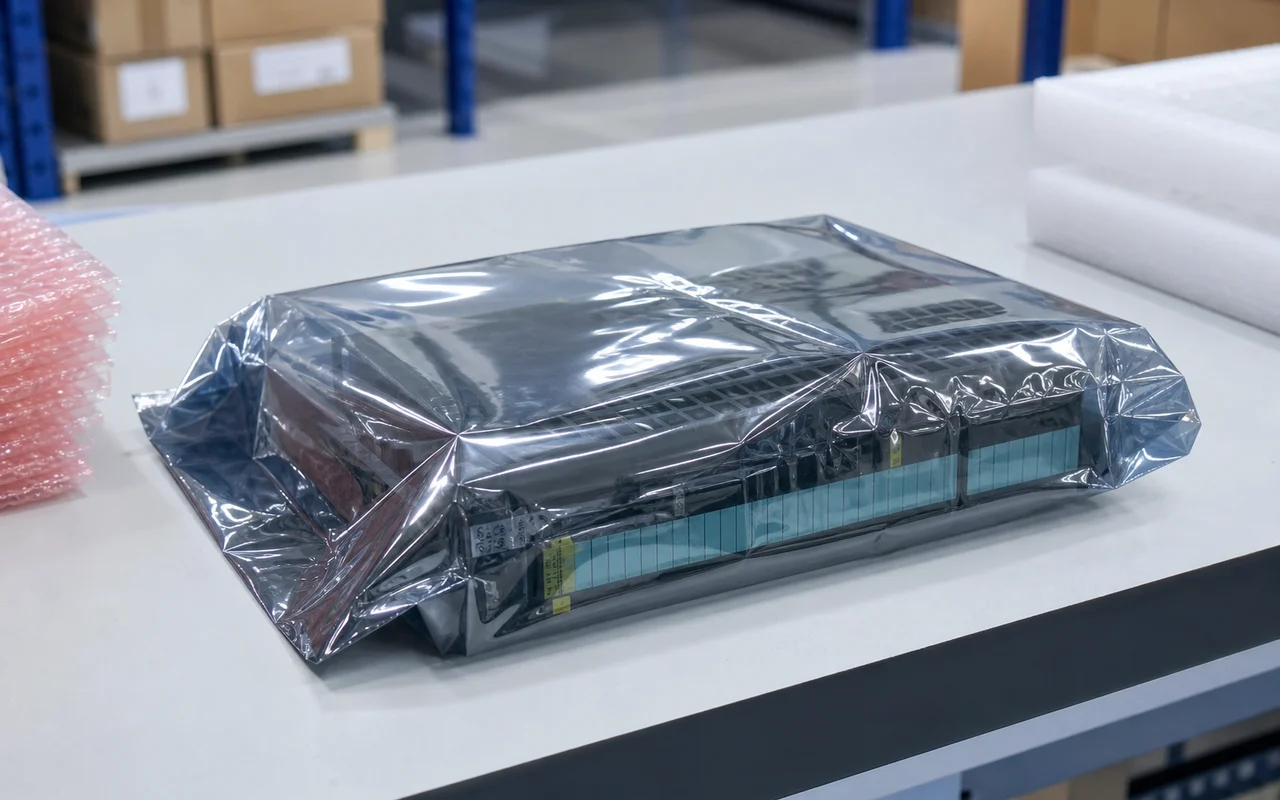 Anti-static Packaging
Modules are packed in anti-static bags to prevent electrostatic damage.
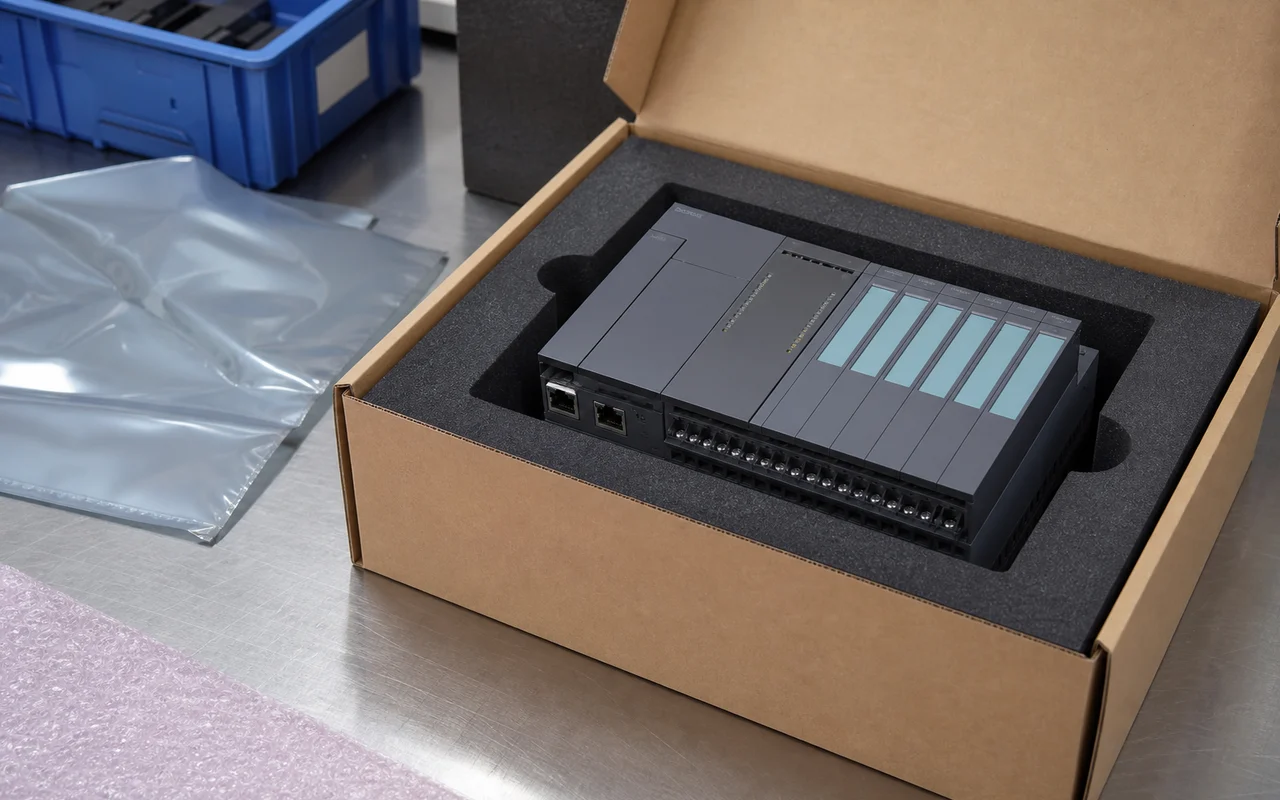 Secure Export Packing
Cushion protection and strong cartons ensure safe transportation.
 Worldwide Shipping
Global logistics network supports air, sea and express delivery.
 Documentation Check
Part number, revision and compatibility verified before shipment.
 After-sales Support
Professional technical support to help resolve your issues.