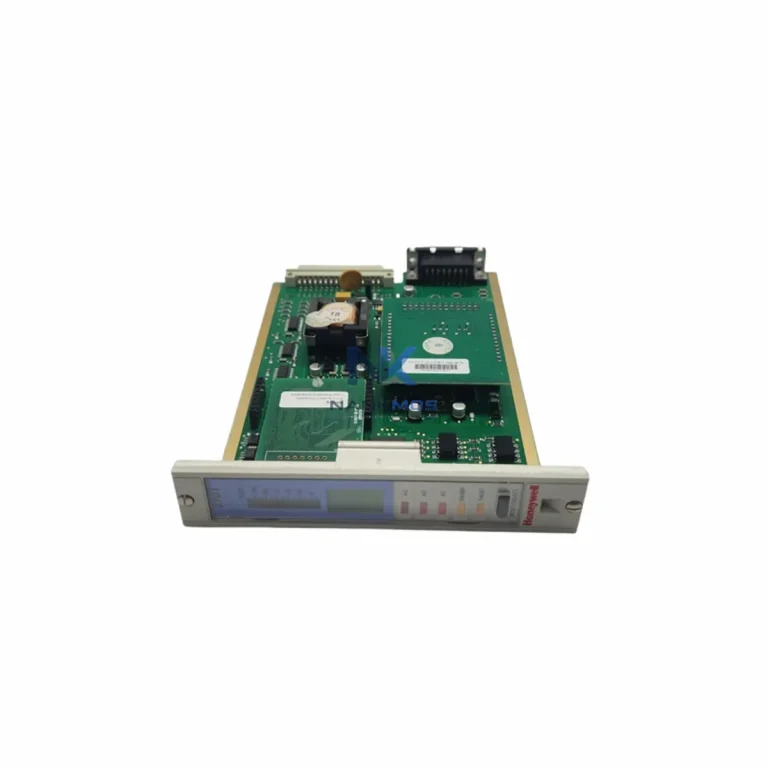
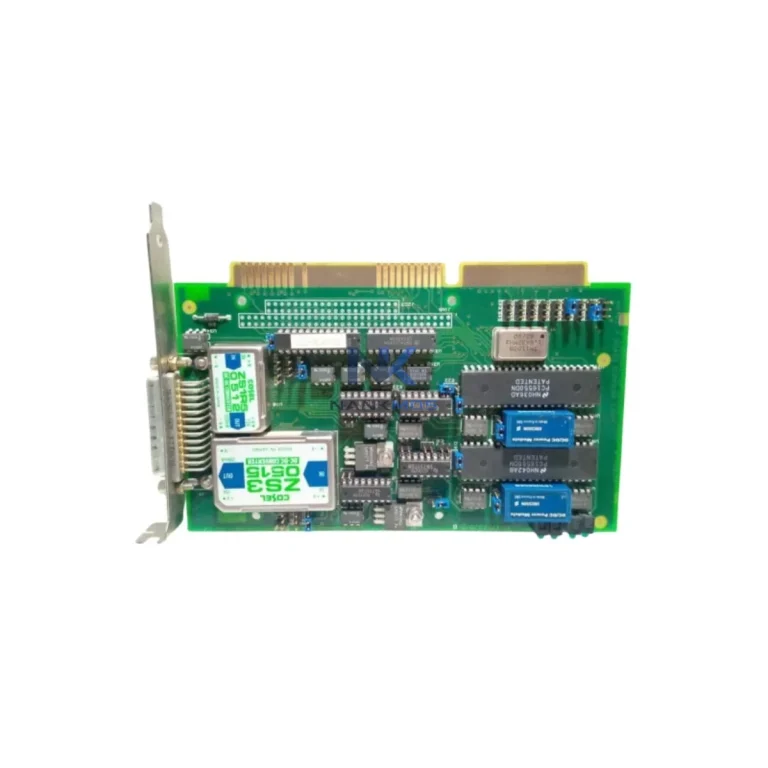
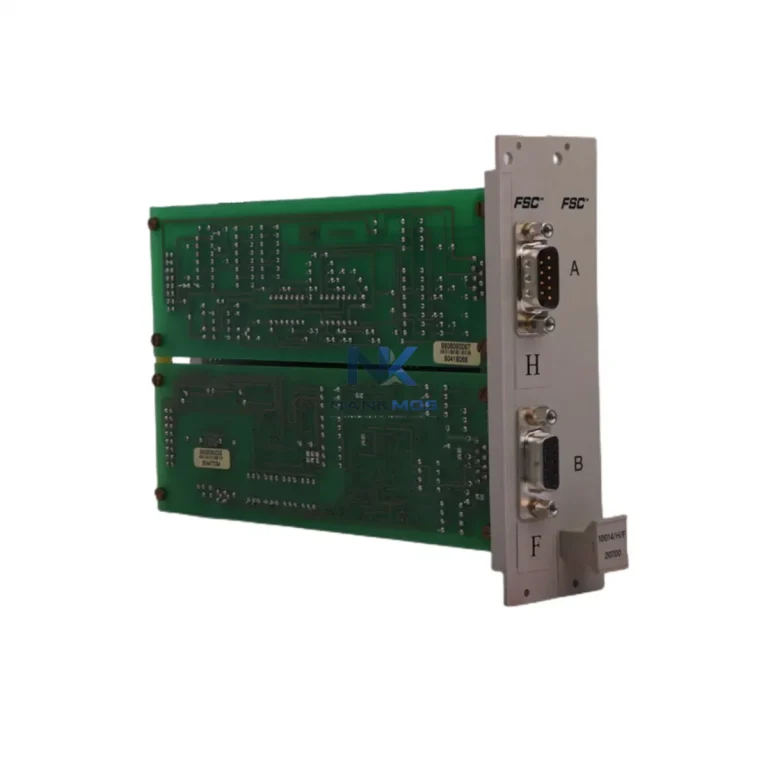
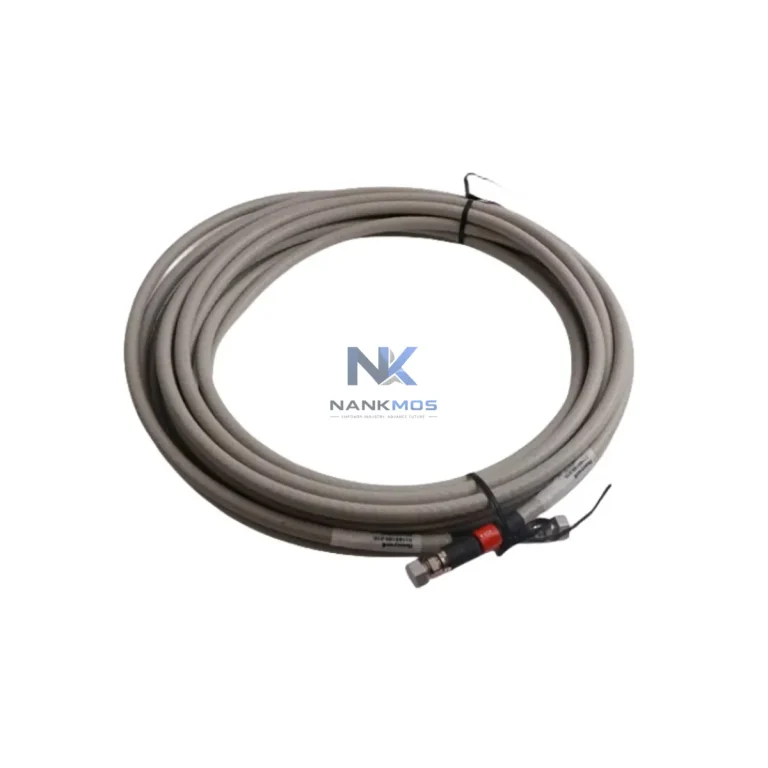
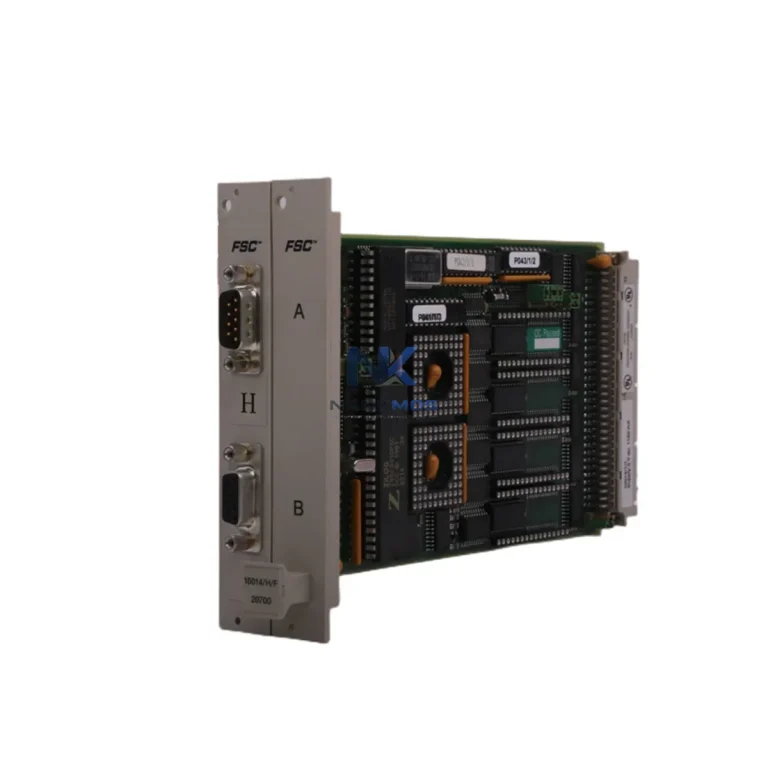
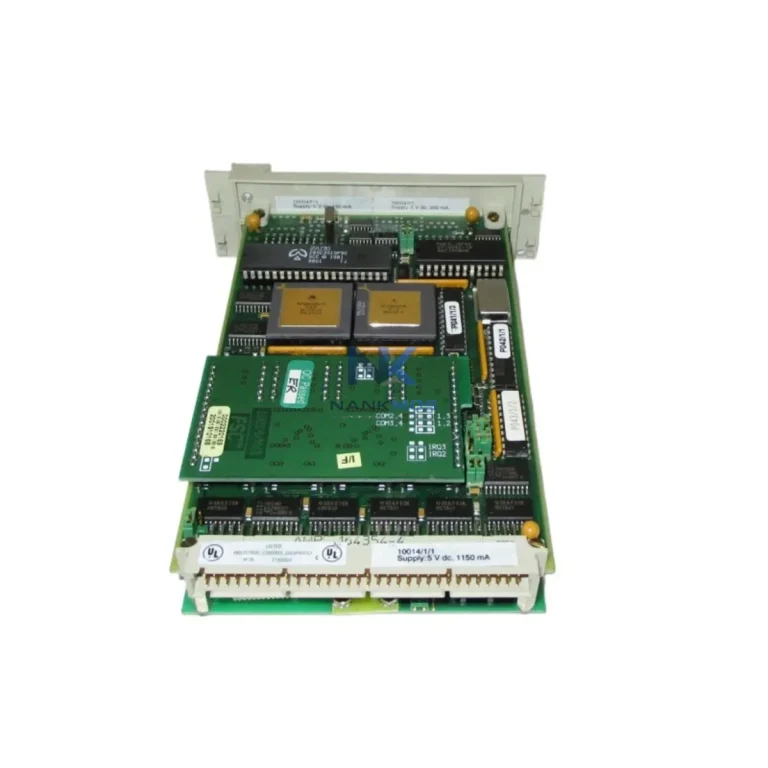
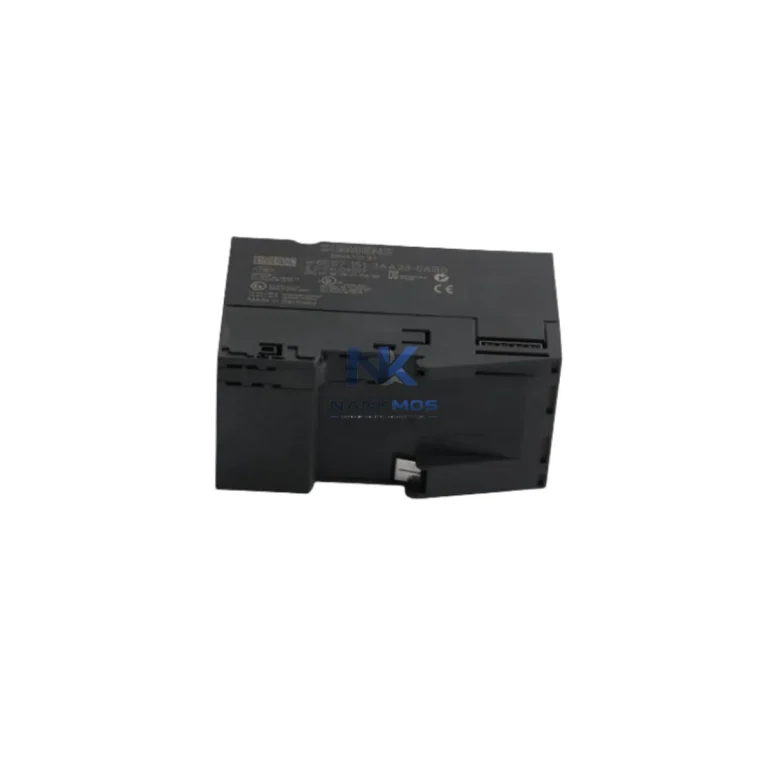
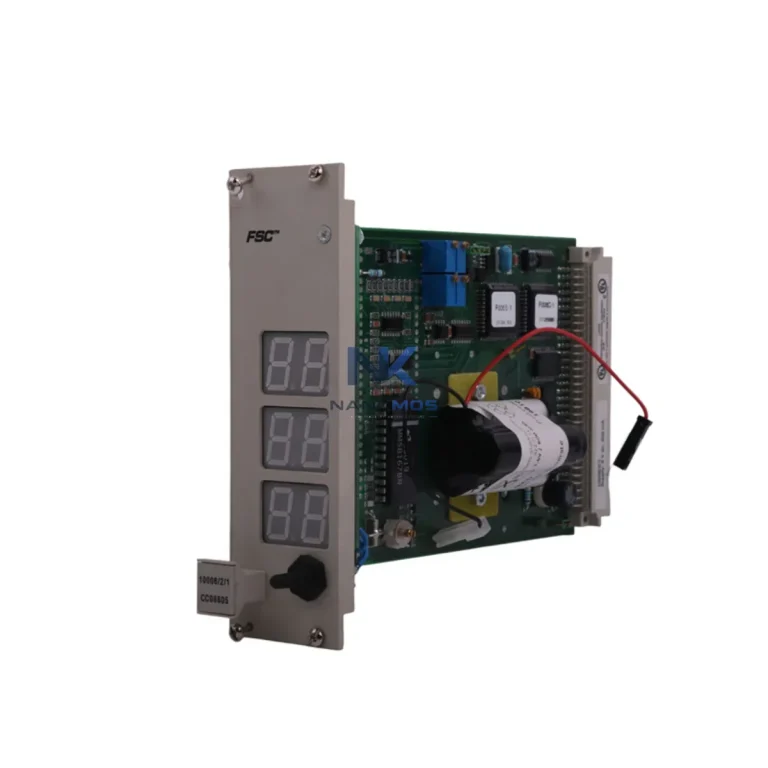
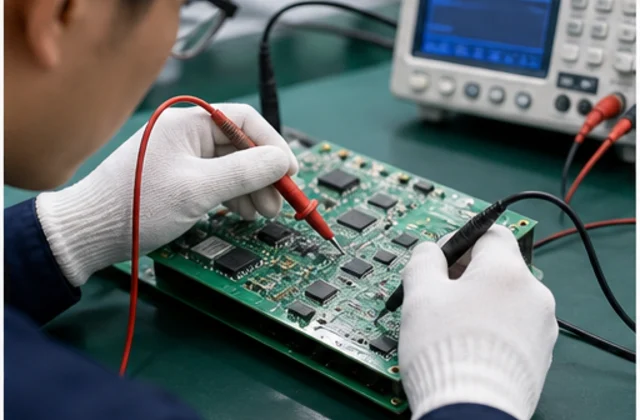
 Functional Inspection
100% tested on professional platforms to ensure stable performance.
Honeywell 2MLQ-TR4B-CC is a NANKMOS industrial automation product record Listed under Other series series and Business & Industrial > Automation, Control & Flow Devices > Programmable Logic Controllers. Confirm condition, availability, lead time, compatibility and documentation by email inquiry.
Brand names are used for identification only.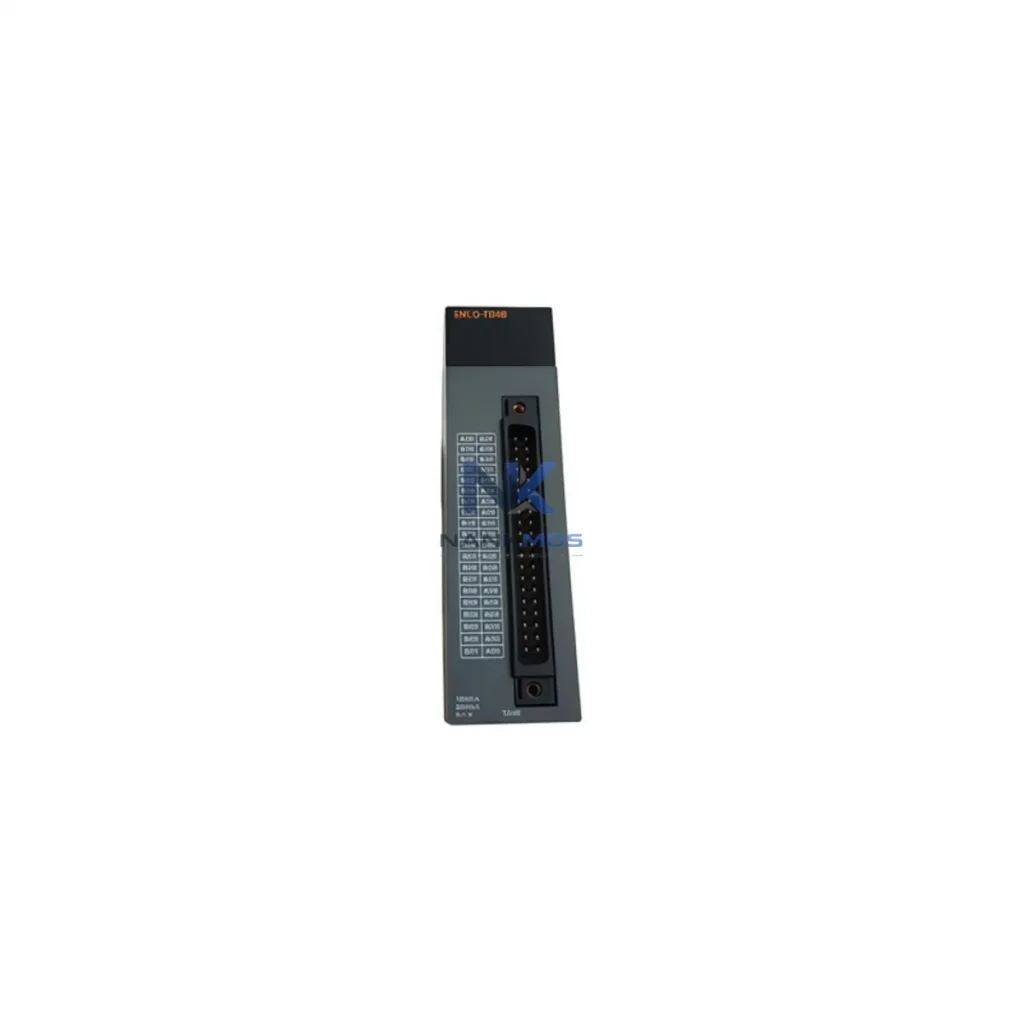
Honeywell 2MLQ-TR4B-CC is a NANKMOS industrial automation product record Listed under Other series series and Business & Industrial > Automation, Control & Flow Devices > Programmable Logic Controllers. Confirm condition, availability, lead time, compatibility and documentation by email inquiry.
| Manufacturer | Honeywell |
|---|---|
| Application | Controller Processing & System Control |
| Part Number / Model | 2MLQ-TR4B-CC |
| Compatible System | Confirmed by inquiry |
| Condition Options | To Confirm |
| Module Type | Controller / CPU Module |
| Warranty | 12 Months |
| Packaging | Anti-static Bag / Secure Box |
| Shipping Methods | DHL / FedEx / UPS / Air / Sea |
| Availability | To Confirm |
| Lead Time | To Confirm |
| Documentation | Part number and revision checked before quote |
The Honeywell 2MLQ-TR4B-CC is a high-performance digital output module from the Q-Line series, engineered to deliver precise, energy-aware switching control across demanding industrial automation environments. Designed for integration into distributed control systems (DCS), PLC-based architectures, and smart manufacturing platforms, this module plays a central role in reducing unnecessary energy consumption, stabilizing production line throughput, and enabling real-time load management at the field device level.
In modern industrial facilities where energy costs represent a significant portion of operational expenditure, the ability to precisely control output switching states — and to do so with minimal heat generation and maximum signal integrity — is a critical efficiency lever. The 2MLQ-TR4B-CC addresses this need directly, providing reliable transistor relay output switching that minimizes inductive load losses, reduces thermal stress on control cabinets, and supports the kind of deterministic control timing that smart production lines demand.
The Honeywell 2MLQ-TR4B-CC does not operate in isolation — its true energy efficiency value is realized when it functions as part of a coordinated automation architecture. In a typical smart production line deployment, this module interfaces directly with the Honeywell Q-Line PLC rack backplane, receiving switching commands from the central controller and executing them with precise timing to avoid unnecessary actuator energization cycles.
When paired with a Honeywell HC900 Hybrid Controller or compatible DCS platform, the 2MLQ-TR4B-CC enables output scheduling strategies that align motor start/stop sequences with production demand signals — eliminating the energy waste associated with motors running at idle or under no-load conditions. This is particularly valuable in conveyor systems, packaging lines, and assembly stations where load profiles fluctuate throughout the shift.
Integration with variable frequency drives (VFDs) — such as those in the ABB ACS series or Siemens SINAMICS family — becomes more effective when the digital output module provides clean, debounce-free switching signals to the drive's enable and direction inputs. The 2MLQ-TR4B-CC's solid-state transistor outputs eliminate the contact bounce and arc energy losses associated with mechanical relay alternatives, reducing both electromagnetic interference and the thermal load on the drive's input circuitry.
For facilities deploying power monitoring modules such as the Honeywell PMON or third-party energy meters integrated via Modbus RTU, the output states of the 2MLQ-TR4B-CC can be correlated with real-time power consumption data to build accurate energy-per-cycle profiles. This data feeds directly into SCADA systems — including Honeywell Experion PKS — enabling operators to identify high-consumption output events and optimize switching schedules accordingly.
The module also works in close coordination with digital input modules from the same Q-Line series, forming closed-loop feedback paths that allow the PLC to confirm actuator state before proceeding to the next production step. This confirmation-before-advance logic prevents energy-wasting retry cycles caused by missed actuations. Combined with Honeywell Q-Line analog input modules monitoring temperature, pressure, or flow, the system can implement condition-based output activation — only energizing outputs when process conditions genuinely require it.
In HMI-driven environments using platforms such as the Honeywell Experion Station or compatible third-party HMIs running on OPC-UA, operators gain real-time visibility into output channel states, enabling manual override and energy audit capabilities without interrupting automated sequences. Communication modules within the Q-Line rack — including Ethernet and PROFIBUS interface cards — ensure that output state data is available to higher-level energy management systems with minimal latency.
Sensor inputs — including proximity sensors, photoelectric barriers, and pressure transducers — feed status data to the PLC, which then uses the 2MLQ-TR4B-CC to actuate downstream devices only when confirmed process conditions are met. This sensor-gated output strategy is one of the most effective methods for reducing unnecessary actuator energization and extending the service life of field devices.
Factory energy optimization is no longer solely the domain of large drives and compressors. At the field device level, the cumulative energy impact of digital output modules — across hundreds of switching events per shift — is substantial. The Honeywell 2MLQ-TR4B-CC contributes to line-level energy optimization through several mechanisms:
Reduced Thermal Load in Control Panels: Solid-state transistor outputs generate significantly less heat than mechanical relay alternatives. In high-density panel installations, this reduction in internal heat generation decreases the duty cycle of panel cooling systems — fans, air conditioners, and heat exchangers — resulting in measurable auxiliary energy savings and extended panel component life.
Deterministic Switching for Line Throughput Stability: Inconsistent output switching timing is a hidden source of production line inefficiency. When actuators receive switching signals with variable delays, line throughput becomes unpredictable, leading to buffer overflows, starvation events, and the energy waste associated with restarting stalled sequences. The 2MLQ-TR4B-CC's consistent switching response supports stable line cadence, reducing the frequency of energy-intensive restart cycles.
Predictive Maintenance Enablement: By logging output switching frequency and correlating it with process outcomes via the SCADA layer, maintenance teams can identify output channels approaching end-of-life before failure occurs. Unplanned downtime is one of the largest sources of energy waste in manufacturing — idle lines still consume standby power while awaiting repair. Predictive maintenance enabled by reliable output state data directly reduces this waste.
Load Management Integration: In facilities with demand-response energy contracts, the ability to shed non-critical loads rapidly is a financial and operational advantage. The 2MLQ-TR4B-CC, under PLC command, can execute coordinated load-shedding sequences across multiple output channels simultaneously — turning off non-essential actuators, conveyors, and auxiliary equipment within milliseconds of a demand-response trigger.
Inventory Availability and Supply Continuity: Maintaining production line uptime requires not only reliable components but also assured supply. NANKMOS maintains stock of the Honeywell 2MLQ-TR4B-CC to support rapid replacement needs, minimizing the downtime window when a module requires substitution. Every unit is tested before dispatch to verify output channel integrity, switching response, and backplane communication — ensuring that replacement modules perform to specification from the first power-on.
Q1: How does the Honeywell 2MLQ-TR4B-CC contribute to measurable energy savings on a production line? The module contributes to energy savings through three primary mechanisms: eliminating mechanical relay arc losses, enabling sensor-gated output activation (so actuators are only energized when process conditions require it), and supporting load-shedding sequences under PLC control. When integrated with a power monitoring system and SCADA platform, the energy impact of each output channel can be quantified and optimized over time.
Q2: Is the 2MLQ-TR4B-CC compatible with third-party PLCs and DCS platforms, or is it limited to Honeywell systems? The 2MLQ-TR4B-CC is designed for the Honeywell Q-Line rack architecture and communicates via the Q-Line backplane protocol. It is optimally deployed within Honeywell Q-Line or compatible DCS environments. For integration with third-party control platforms, signal conditioning or gateway modules may be required. We recommend confirming backplane compatibility with your system configuration before ordering.
Q3: What is the recommended replacement or upgrade path if this module is being substituted in an existing installation? For direct replacement, the 2MLQ-TR4B-CC should be substituted with an identical part number to ensure backplane pin compatibility and firmware recognition. If upgrading to a higher-channel-density output module within the Q-Line series, verify rack slot availability and PLC I/O address mapping before installation. NANKMOS technical support can assist with compatibility verification prior to shipment.
Q4: What testing is performed before the module ships, and what does the 12-month warranty cover? Every Honeywell 2MLQ-TR4B-CC unit dispatched by NANKMOS undergoes pre-shipment functional testing, including output channel switching verification, backplane communication check, and visual inspection for physical integrity. The 12-month warranty covers manufacturing defects and functional failures under normal operating conditions. It does not cover damage resulting from incorrect installation, overvoltage events, or environmental conditions outside the module's rated specifications.
Functional Inspection100% tested on professional platforms to ensure stable performance.
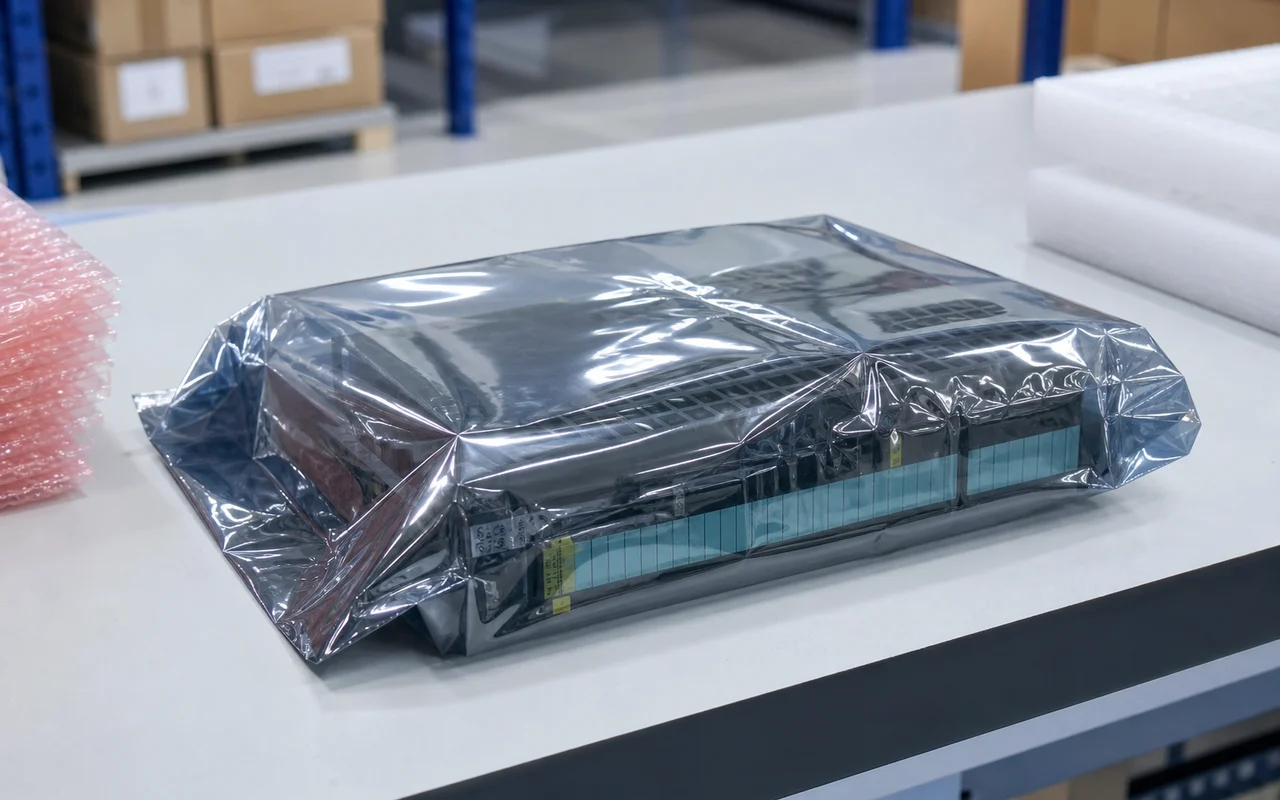 Anti-static Packaging
Modules are packed in anti-static bags to prevent electrostatic damage.
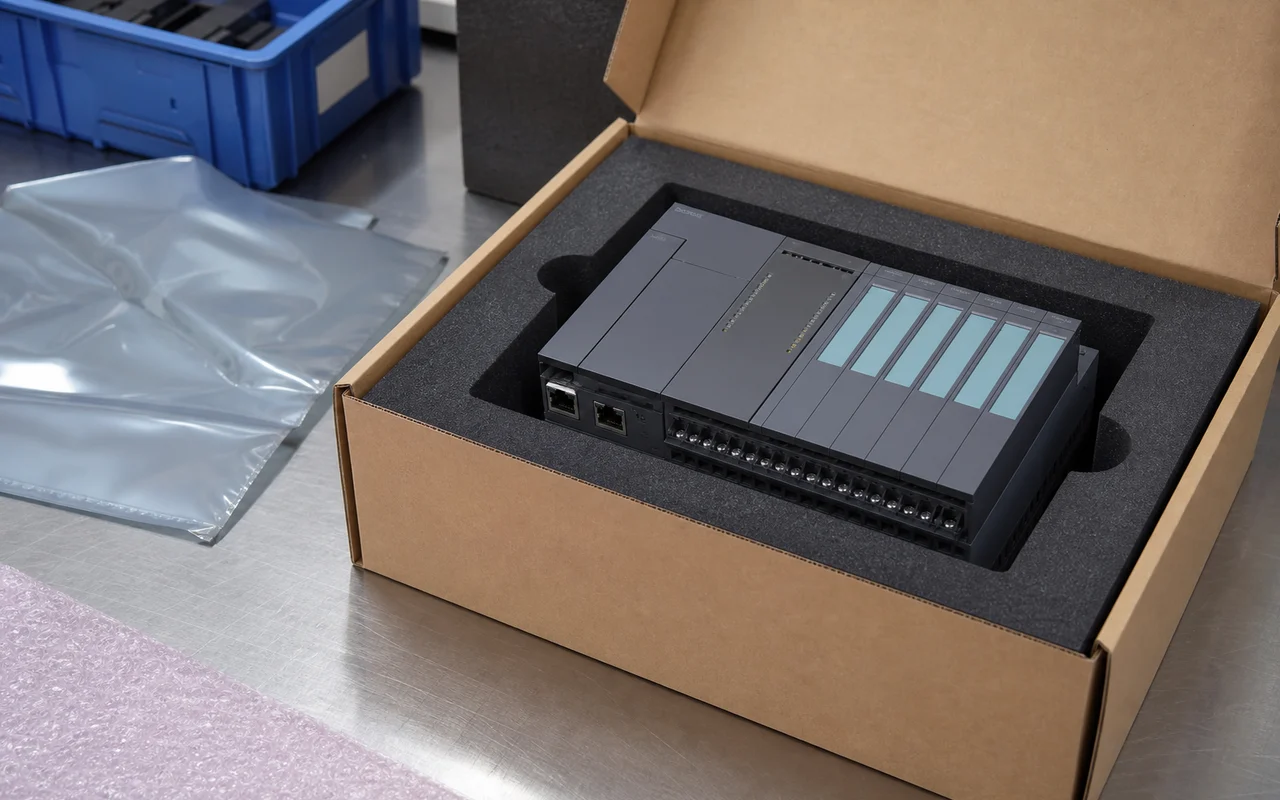 Secure Export Packing
Cushion protection and strong cartons ensure safe transportation.
 Worldwide Shipping
Global logistics network supports air, sea and express delivery.
 Documentation Check
Part number, revision and compatibility verified before shipment.
 After-sales Support
Professional technical support to help resolve your issues.