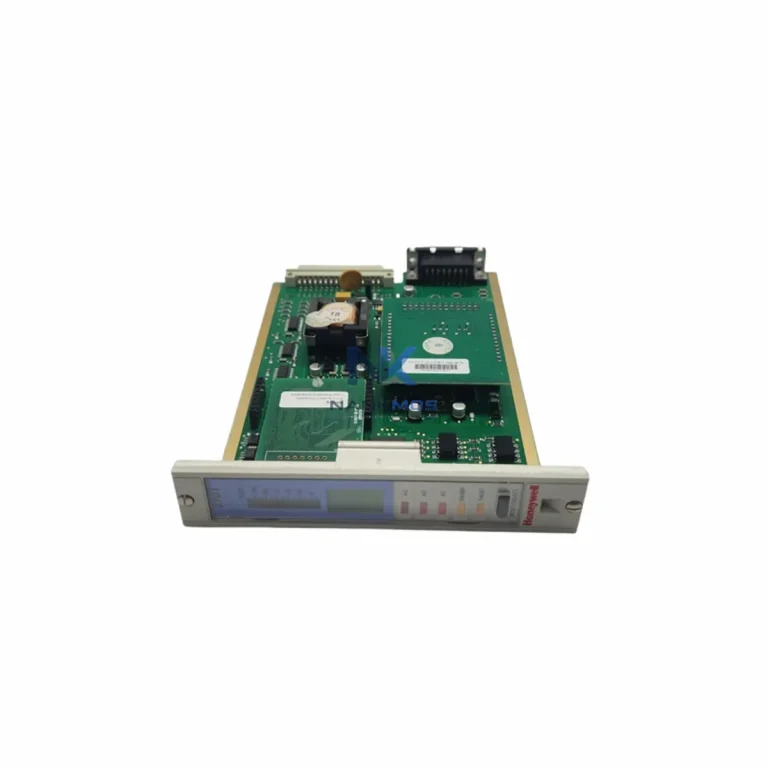
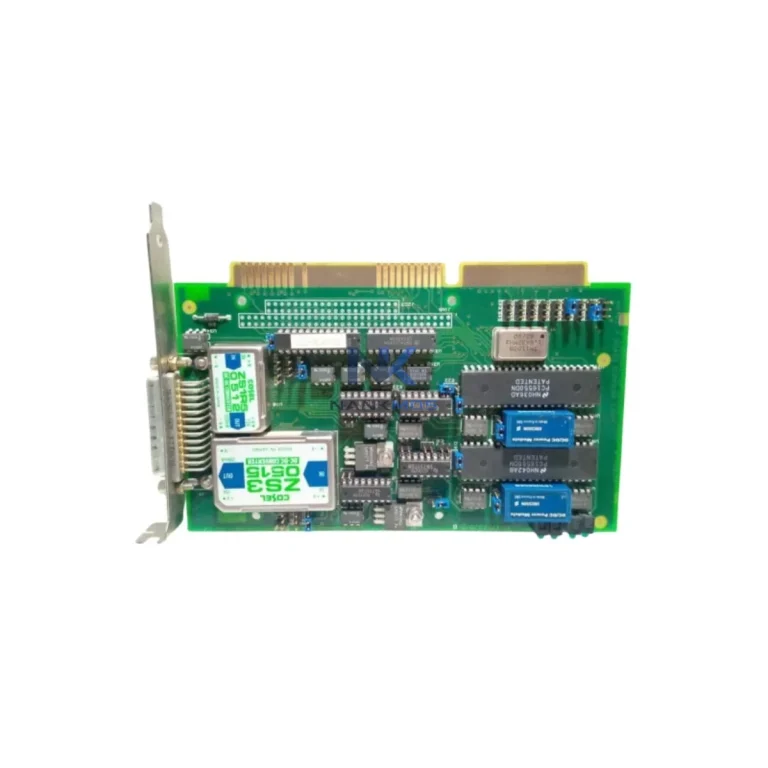
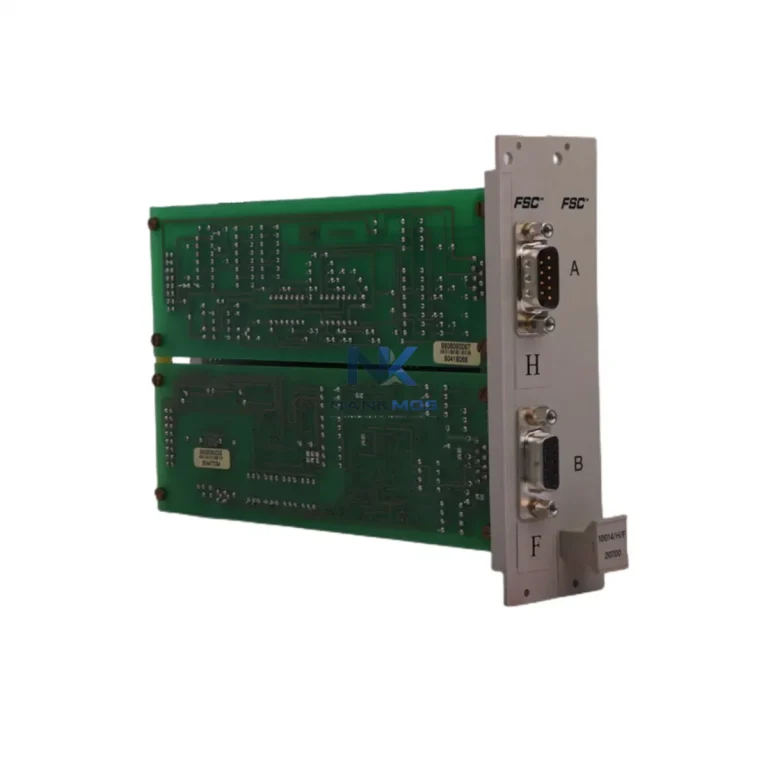
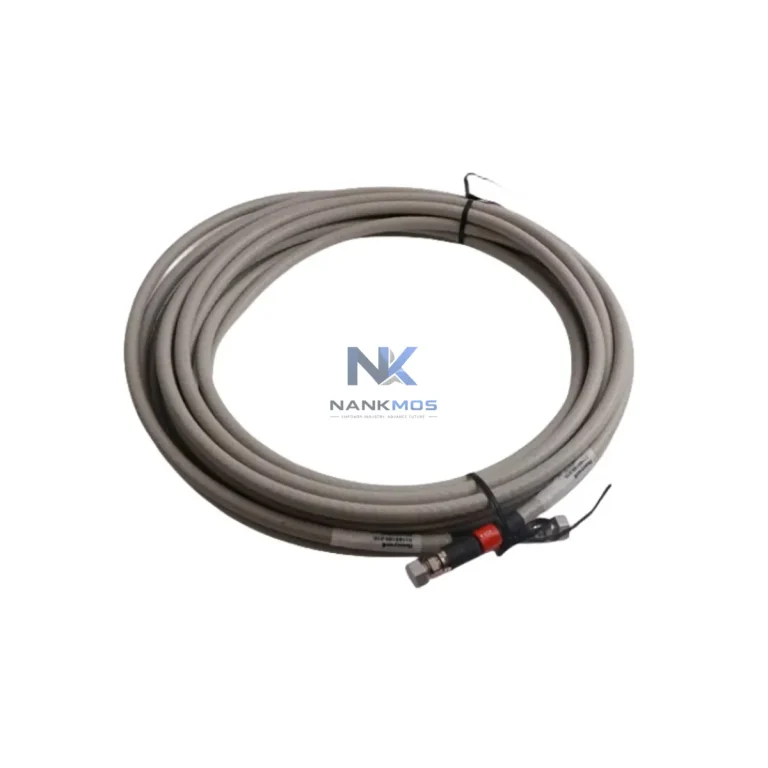
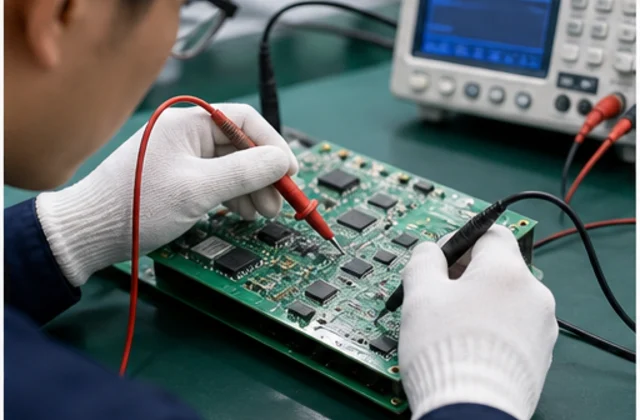
 Functional Inspection
100% tested on professional platforms to ensure stable performance.
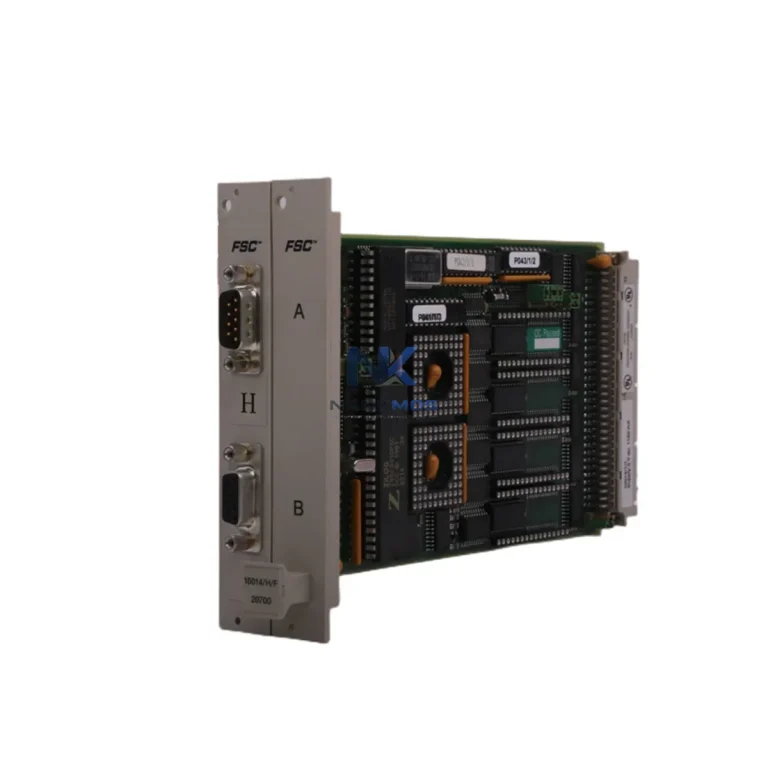
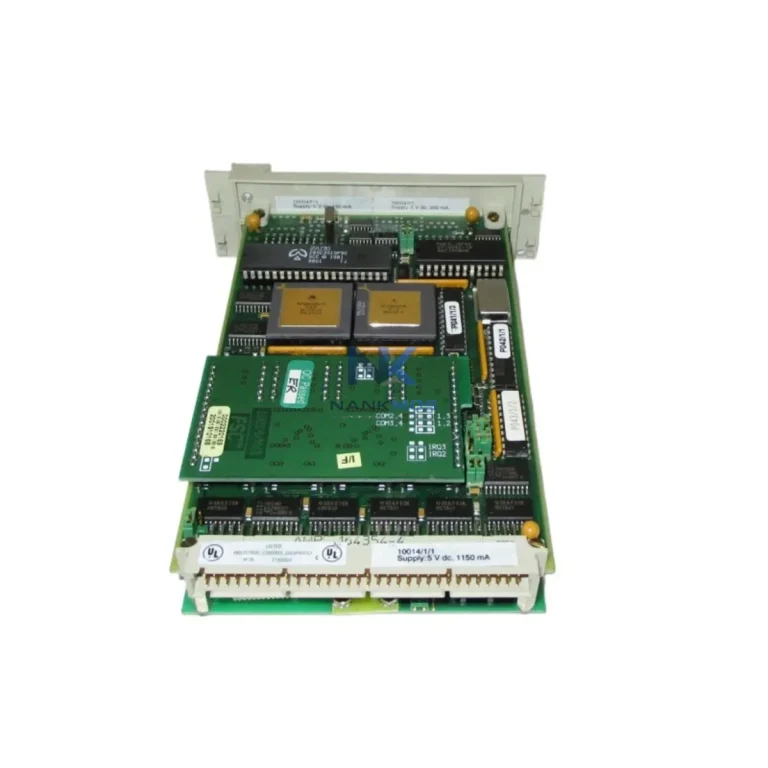
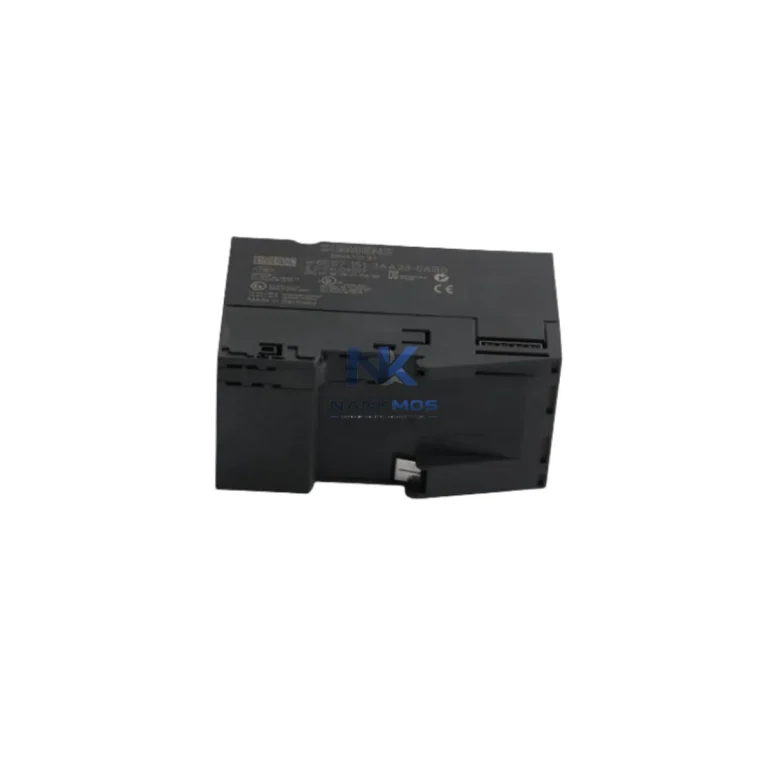
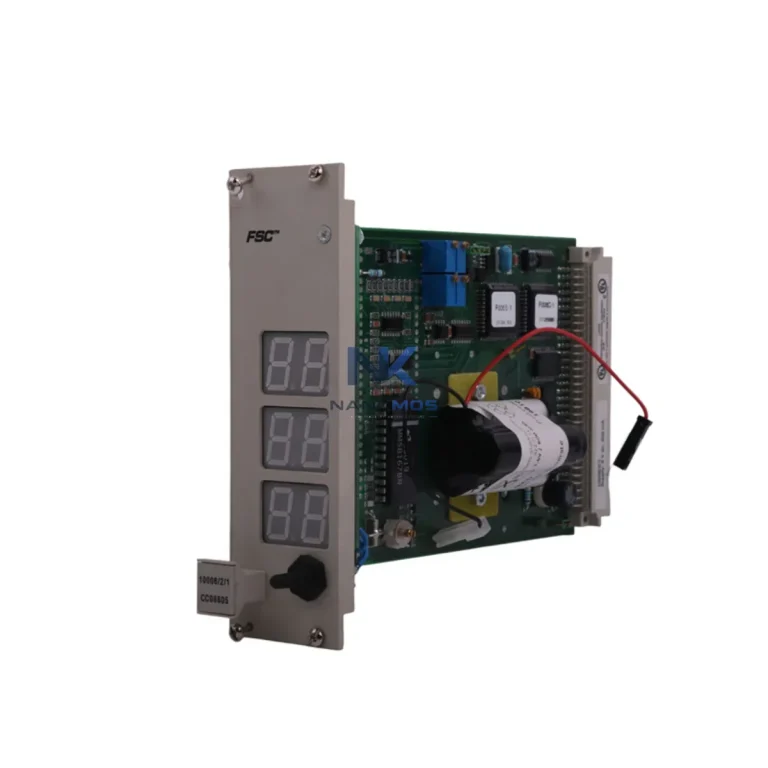
Honeywell 2MLQ-TR4B is a NANKMOS industrial automation product record Listed under Other series series and Business & Industrial > Automation, Control & Flow Devices > Programmable Logic Controllers. Confirm condition, availability, lead time, compatibility and documentation by email inquiry.
Brand names are used for identification only.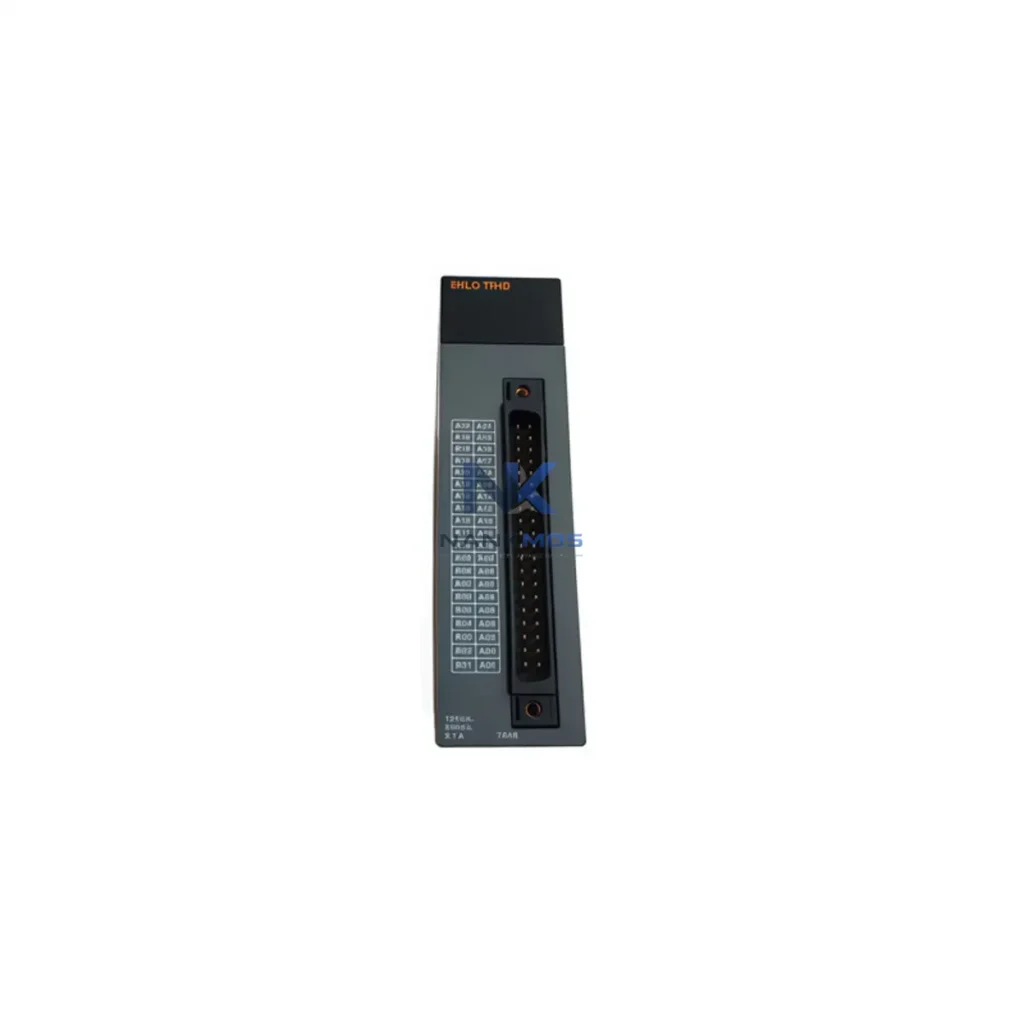
Honeywell 2MLQ-TR4B is a NANKMOS industrial automation product record Listed under Other series series and Business & Industrial > Automation, Control & Flow Devices > Programmable Logic Controllers. Confirm condition, availability, lead time, compatibility and documentation by email inquiry.
| Manufacturer | Honeywell |
|---|---|
| Application | Controller Processing & System Control |
| Part Number / Model | 2MLQ-TR4B |
| Compatible System | Confirmed by inquiry |
| Condition Options | To Confirm |
| Module Type | Controller / CPU Module |
| Warranty | 12 Months |
| Packaging | Anti-static Bag / Secure Box |
| Shipping Methods | DHL / FedEx / UPS / Air / Sea |
| Availability | To Confirm |
| Lead Time | To Confirm |
| Documentation | Part number and revision checked before quote |
The Honeywell 2MLQ-TR4B is a 4-channel NPN transistor output module engineered for seamless integration within Micro PLC-based control architectures. Designed to serve as a critical node in the industrial data chain, the 2MLQ-TR4B bridges field-level actuator signals with higher-level control and monitoring systems — enabling real-time data flow from the device layer all the way to SCADA dashboards and cloud-based analytics platforms.
In modern smart factory deployments, every output module must do more than switch a load. It must participate in a living data ecosystem. The 2MLQ-TR4B fulfills this role by delivering fast, reliable transistor switching that integrates directly with Honeywell's Micro PLC platform — a controller family known for its compact footprint and robust protocol support. When paired with Honeywell's ControlEdge PLC series or the HC900 Hybrid Controller, the 2MLQ-TR4B becomes part of a tightly coordinated control loop that spans from sensor input to actuator response, with every state change logged, timestamped, and available for remote diagnostics.
Signal acquisition begins at the field level, where sensors — including proximity switches, photoelectric detectors, and pressure transducers — feed discrete status data into the PLC's input modules. The 2MLQ-TR4B then executes the corresponding output commands with sub-millisecond response times, driving solenoid valves, motor starters, indicator lights, and conveyor actuators. This tight input-output coupling is the foundation of deterministic machine control, and the 2MLQ-TR4B is built to sustain it across demanding 24/7 production cycles.
The 2MLQ-TR4B sits at the intersection of physical machine control and digital data infrastructure. In a typical smart factory deployment, the data flow begins with field instruments — temperature sensors, vibration monitors, and flow meters — feeding analog and discrete signals into the Honeywell Micro PLC's input expansion modules, such as the 2MLQ-AN4A analog input module. The PLC processes this data according to its ladder logic or function block program, then issues output commands through the 2MLQ-TR4B to drive downstream actuators.
For facilities running distributed control architectures, the Micro PLC communicates upstream via a Modbus RTU serial link or, when equipped with an Ethernet communication module such as the Honeywell HC-ENET or a third-party Anybus X-gateway, via Modbus TCP/IP or EtherNet/IP. This protocol bridge is essential for connecting legacy field devices to modern SCADA platforms. The 2MLQ-TR4B's output states — whether a valve is open, a conveyor is running, or an alarm relay has tripped — are reflected in real time on the SCADA HMI, giving operators a live view of the production floor without requiring physical presence.
Remote I/O expansion is another key use case. In large facilities where control panels are distributed across multiple zones, the Micro PLC with 2MLQ-TR4B modules can be deployed as a remote I/O node, communicating with a master PLC — such as a Honeywell ControlEdge UOC — over an industrial Ethernet backbone. Managed industrial switches, such as those from the Moxa EDS series or Hirschmann SPIDER family, provide the network infrastructure that ensures deterministic, low-latency data delivery between nodes.
At the edge, industrial edge gateways — such as the Advantech ECU-1251 or Siemens SINEMA Remote Connect — aggregate data from multiple PLC nodes, including the 2MLQ-TR4B's output status registers, and push structured data packets to cloud platforms or on-premise MES/ERP systems. This enables production KPI dashboards, OEE tracking, and predictive maintenance alerts based on output cycle counts and switching frequency — all derived from the 2MLQ-TR4B's operational data.
Variable frequency drives (VFDs) connected to the same control network — such as the Honeywell SmartVFD HVAC or third-party drives with Modbus interfaces — receive start/stop commands from the PLC via the 2MLQ-TR4B's transistor outputs, while simultaneously reporting speed, current, and fault status back to the SCADA system. This bidirectional data flow creates a closed-loop automation environment where every device is both a data source and a control target.
Many industrial facilities face persistent challenges: protocol fragmentation, data silos, limited remote visibility, and difficulty scaling their control networks. The 2MLQ-TR4B, as part of the Honeywell Micro PLC ecosystem, directly addresses these pain points.
Protocol Fragmentation: Legacy equipment often speaks proprietary or older serial protocols that cannot communicate natively with modern Ethernet-based SCADA systems. By deploying the 2MLQ-TR4B within a Micro PLC that is gateway-connected via Modbus TCP/IP or EtherNet/IP converters, engineers can unify disparate device protocols under a single network architecture — eliminating the need for parallel wiring runs and manual data reconciliation.
Data Silos: When output modules operate in isolation — without network visibility — their status data never reaches the control room. The 2MLQ-TR4B, integrated into a networked PLC architecture, ensures that every output channel state is mapped to a PLC register, accessible by SCADA, HMI, and MES systems in real time. This transparency is the foundation of production line digitization.
Remote Monitoring and Diagnostics: Unplanned downtime is costly. With the 2MLQ-TR4B's output states continuously monitored via SCADA, maintenance teams can configure alarm thresholds — for example, detecting an output that fails to switch within an expected time window — and receive instant notifications via email, SMS, or HMI alarm banners. Remote diagnostic access via VPN-secured industrial routers allows engineers to interrogate PLC registers and output module status without traveling to the site.
Production Line Transparency: Real-time output status data from the 2MLQ-TR4B feeds into OEE dashboards, giving production managers visibility into machine uptime, cycle counts, and fault frequency. This data-driven approach replaces manual shift reports with automated, timestamped records that support continuous improvement initiatives.
System Scalability: As production requirements grow, the Micro PLC platform supports additional I/O expansion modules — including analog output modules, high-speed counter modules, and communication interface cards — that slot alongside the 2MLQ-TR4B without requiring a controller replacement. This modular scalability protects capital investment and simplifies future upgrades.
Q1: What communication protocols does the Honeywell 2MLQ-TR4B support for SCADA integration?The 2MLQ-TR4B itself communicates via the Honeywell Micro PLC backplane bus. For SCADA integration, the host Micro PLC can be connected to Modbus RTU networks via its serial port, or to Modbus TCP/IP and EtherNet/IP networks via an Ethernet communication module or protocol gateway. This makes the 2MLQ-TR4B's output data accessible to any SCADA or HMI platform that supports these standard industrial protocols.
Q2: Can the 2MLQ-TR4B be used in a remote I/O configuration for distributed factory networks?Yes. The Micro PLC hosting the 2MLQ-TR4B can function as a remote I/O node within a larger distributed control architecture. When connected to a master controller via an industrial Ethernet network — using managed switches for deterministic communication — the 2MLQ-TR4B's output channels can be controlled and monitored from a central SCADA system, regardless of physical distance within the facility.
Q3: How does the 2MLQ-TR4B support remote diagnostics and alarm management?Because the 2MLQ-TR4B's output states are mapped to PLC data registers, any SCADA or HMI system connected to the network can monitor these values in real time. Engineers can configure alarm conditions — such as an output remaining energized beyond a set duration — and receive automated alerts. Remote access via secure industrial VPN routers allows off-site engineers to read PLC diagnostics and output module status without on-site presence, reducing mean time to repair (MTTR).
Q4: What warranty and quality assurance does NANKMOS provide for the Honeywell 2MLQ-TR4B?Every Honeywell 2MLQ-TR4B supplied by NANKMOS is covered by a 12-month warranty from the date of shipment. Each unit undergoes pre-shipment functional testing to verify output switching performance, channel isolation, and backplane communication integrity. We maintain in-stock inventory for fast global dispatch, and our technical team is available to support protocol configuration, system integration questions, and warranty claims. Contact us at [email protected] or +86 18359268345.
Functional Inspection100% tested on professional platforms to ensure stable performance.
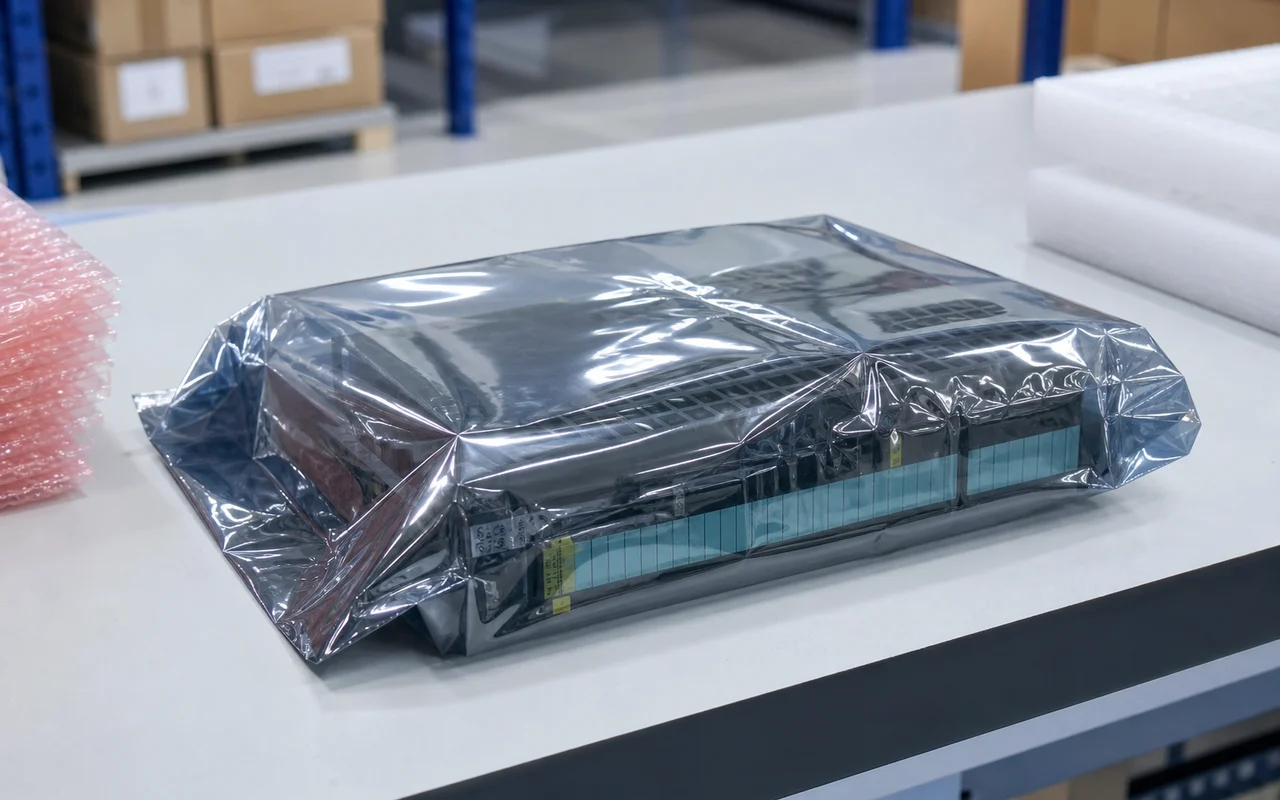 Anti-static Packaging
Modules are packed in anti-static bags to prevent electrostatic damage.
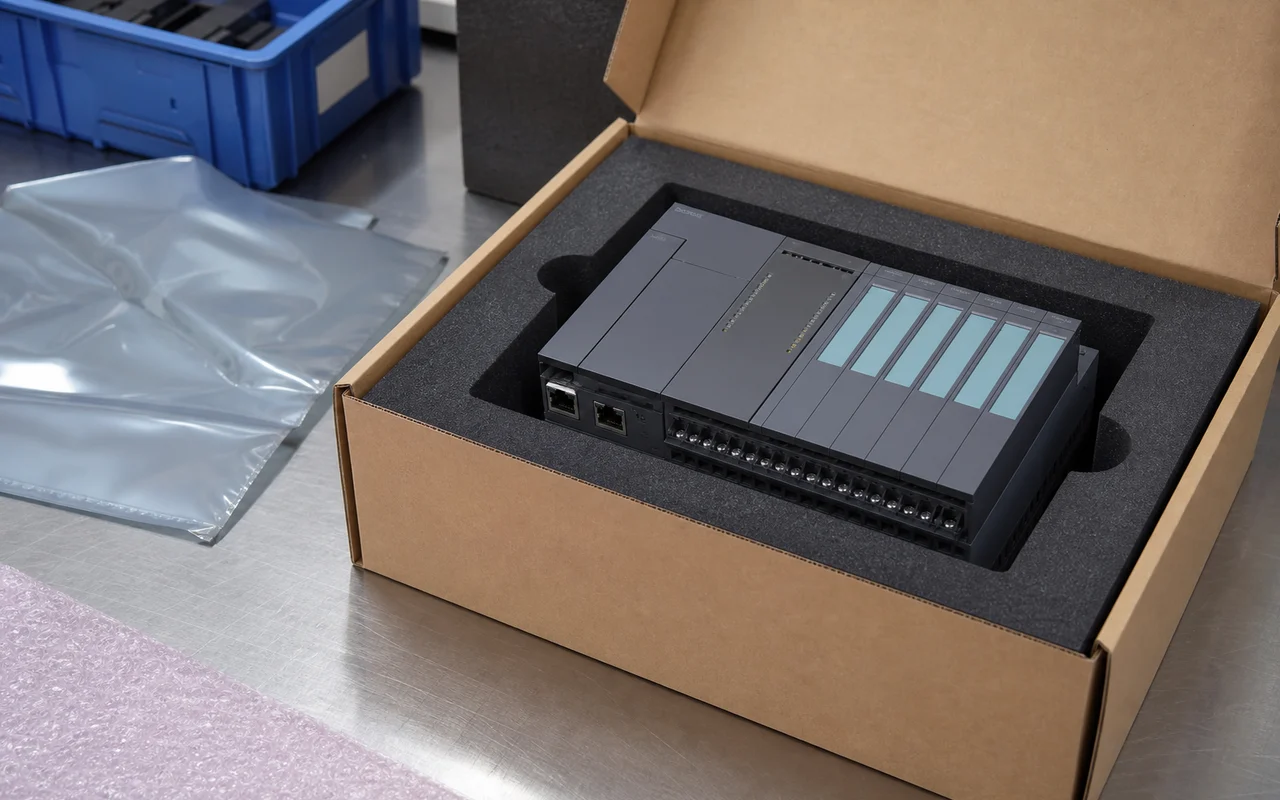 Secure Export Packing
Cushion protection and strong cartons ensure safe transportation.
 Worldwide Shipping
Global logistics network supports air, sea and express delivery.
 Documentation Check
Part number, revision and compatibility verified before shipment.
 After-sales Support
Professional technical support to help resolve your issues.