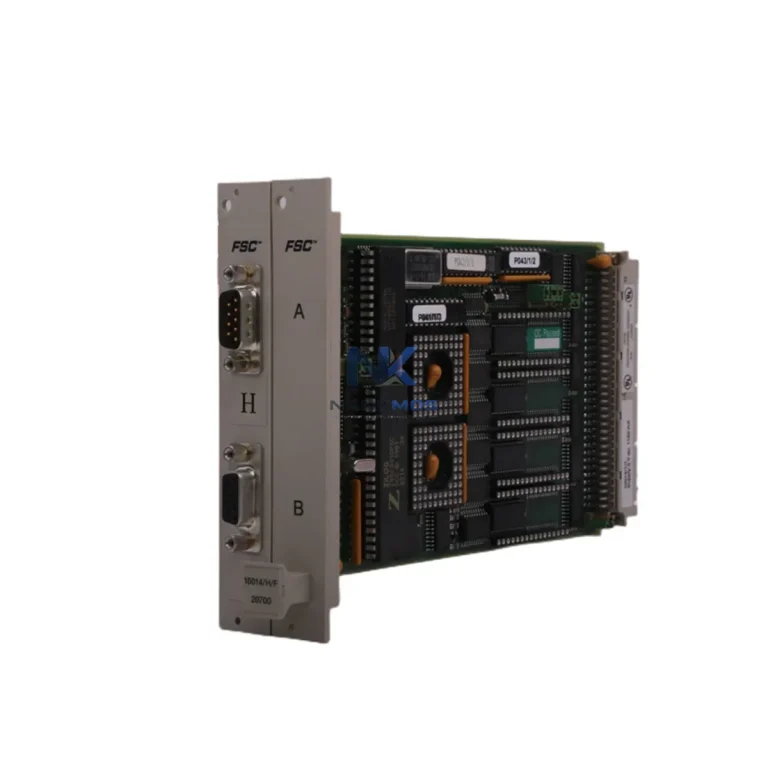
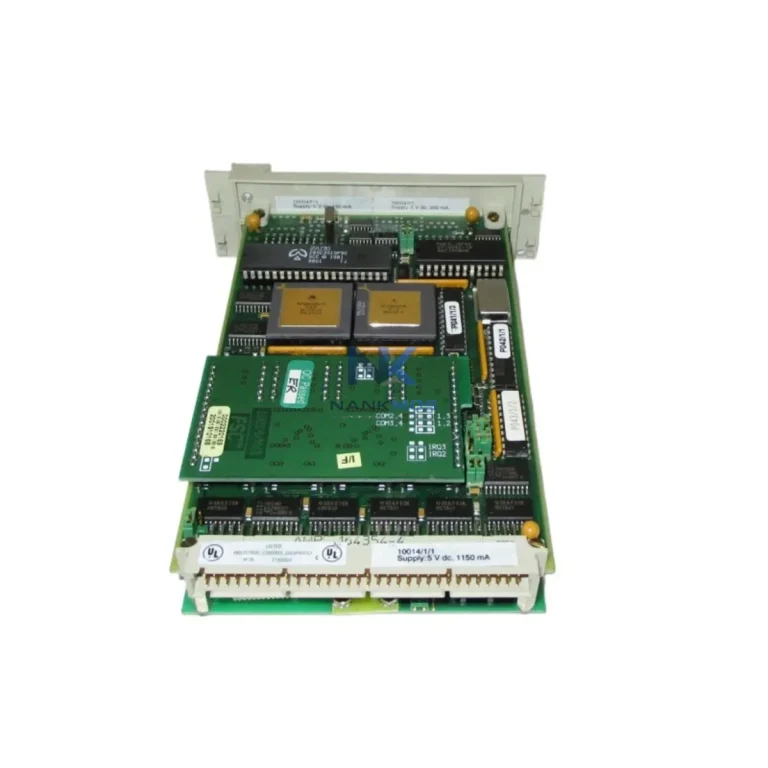
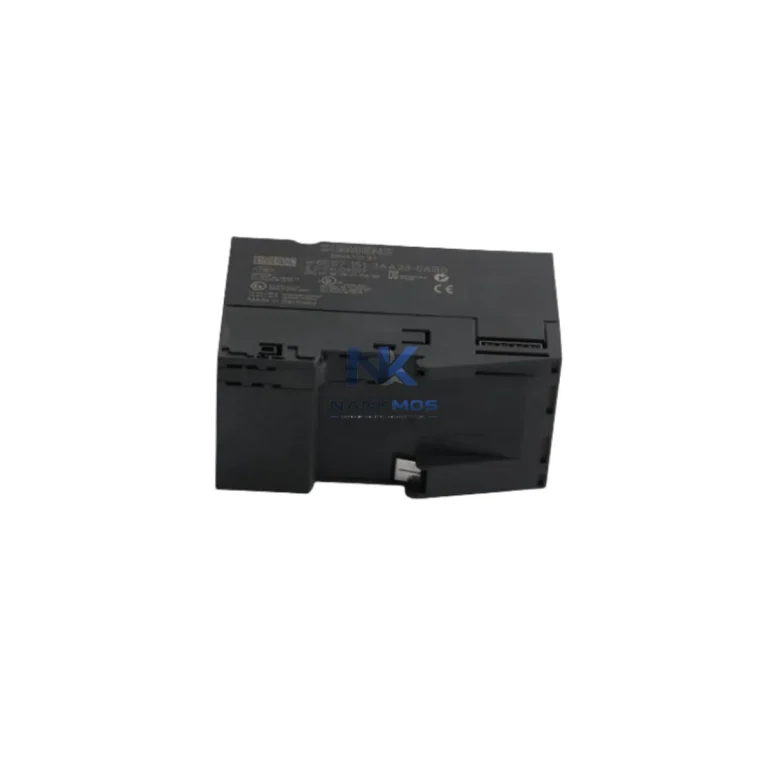
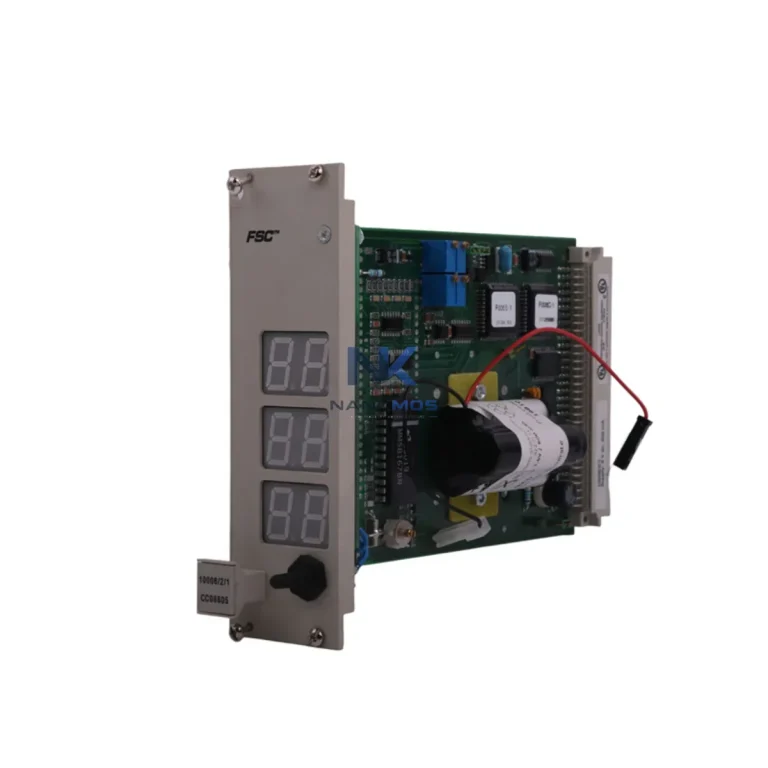
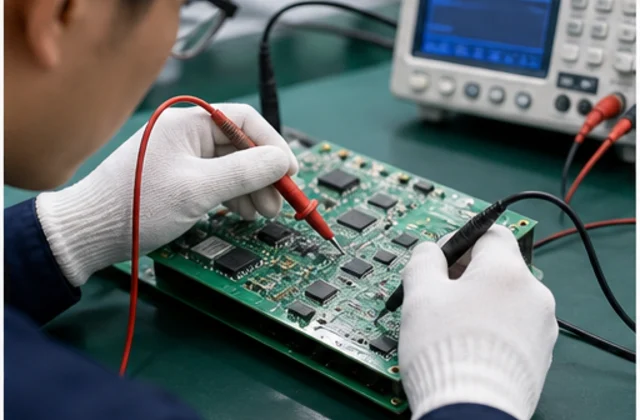
 Functional Inspection
100% tested on professional platforms to ensure stable performance.
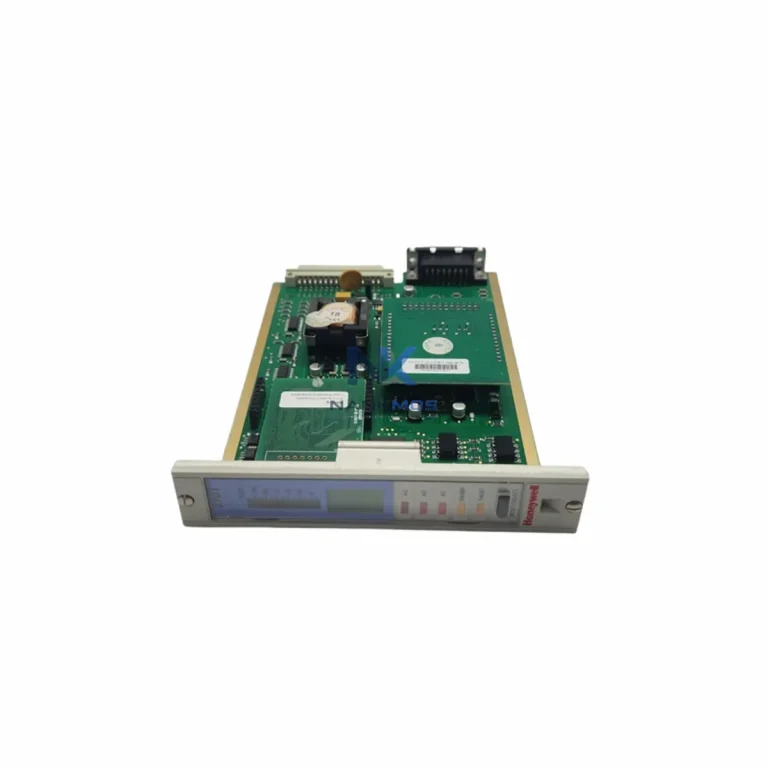
Honeywell 2MLR-DMMA is a NANKMOS industrial automation product record Listed under TDC 3000 series and Business & Industrial > Automation, Control & Flow Devices > Programmable Logic Controllers. Confirm condition, availability, lead time, compatibility and documentation by email inquiry.
Brand names are used for identification only.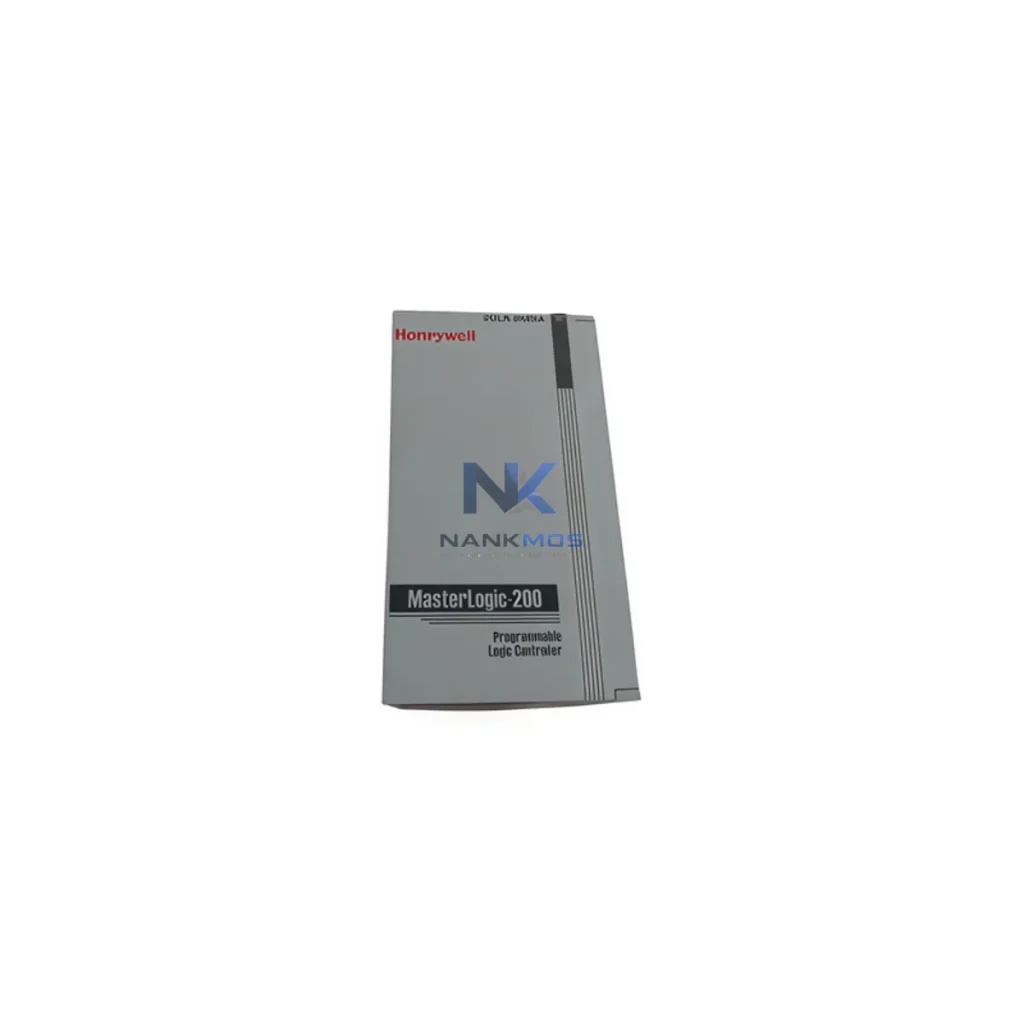
Honeywell 2MLR-DMMA is a NANKMOS industrial automation product record Listed under TDC 3000 series and Business & Industrial > Automation, Control & Flow Devices > Programmable Logic Controllers. Confirm condition, availability, lead time, compatibility and documentation by email inquiry.
| Manufacturer | Honeywell |
|---|---|
| Application | Controller Processing & System Control |
| Part Number / Model | 2MLR-DMMA |
| Compatible System | TDC 3000 |
| Series | TDC 3000 |
| Condition Options | To Confirm |
| Module Type | Controller / CPU Module |
| Warranty | 12 Months |
| Packaging | Anti-static Bag / Secure Box |
| Shipping Methods | DHL / FedEx / UPS / Air / Sea |
| Availability | To Confirm |
| Lead Time | To Confirm |
| Documentation | Part number and revision checked before quote |
The Honeywell 2MLR-DMMA is a precision-engineered dummy module designed for the TDC 3000 Distributed Control System (DCS) platform — one of the most widely deployed process automation architectures in refining, petrochemical, and continuous manufacturing environments. Far from a passive placeholder, the 2MLR-DMMA plays a critical structural role in maintaining the physical and electrical integrity of the TDC 3000 card cage, ensuring that the backplane communication bus remains stable and that adjacent modules — including network interface cards, I/O processors, and communication gateways — operate without signal degradation or slot-induced interference.
In a smart factory environment, every slot in a DCS card cage is part of a larger data architecture. The TDC 3000 backplane carries real-time process data between field I/O modules, the Honeywell HPM (High-Performance Process Manager), and the plant-wide LCN (Local Control Network). When a slot is left unoccupied, it can introduce EMI, thermal imbalance, and bus instability — all of which compromise the reliability of the data chain. The 2MLR-DMMA eliminates these risks by providing a properly terminated, mechanically secure slot cover that preserves the integrity of the entire communication backbone.
Understanding the 2MLR-DMMA's role requires a systems-level view of how data flows through a TDC 3000-based smart factory. At the field level, process sensors — including pressure transmitters, flow meters, and temperature sensors — feed analog and digital signals into Honeywell HPM Field Termination Assemblies (FTAs) and I/O modules. These signals are digitized and transmitted across the TDC 3000 backplane to the High-Performance Process Manager (HPM), which executes control logic and passes data upstream via the UCN (Universal Control Network).
From the UCN, data flows to the LCN (Local Control Network), where it becomes accessible to Honeywell GUS (Global User Stations) and HM (History Modules) for real-time operator visualization, trend logging, and alarm management. SCADA systems and MES platforms connect to the LCN via Honeywell Application Modules (AM) or third-party OPC gateways, enabling plant-wide data aggregation and KPI dashboards.
Within this architecture, the physical stability of every card cage slot is non-negotiable. A missing or improperly terminated slot adjacent to a Honeywell NIM (Network Interface Module) or UCN Interface Module can introduce noise onto the backplane bus, causing communication retries, data latency, or module faults. The 2MLR-DMMA ensures that every unused slot in the TDC 3000 chassis is properly sealed, maintaining the signal environment that allows the Honeywell PM (Process Manager) and its associated I/O cards to communicate without interruption.
In multi-cabinet DCS installations — common in large refinery units or chemical plant control rooms — dozens of card cages may be deployed across multiple equipment rooms. Maintaining a sufficient inventory of 2MLR-DMMA dummy modules is a standard practice for plant maintenance teams, ensuring that any card removal for repair or replacement does not leave an open slot that could destabilize the backplane. This is particularly important in systems where Honeywell Data Hiway Interface (DHI) modules or Honeywell AM (Application Modules) are installed in adjacent slots, as these modules are sensitive to backplane noise.
For plants integrating TDC 3000 systems with modern edge computing gateways or industrial IoT platforms, the physical integrity of the DCS chassis is the foundation upon which all higher-level data services depend. Whether the plant is running real-time OEE analytics, predictive maintenance algorithms, or remote diagnostics via a cloud-connected SCADA platform, the reliability of the underlying DCS hardware — including proper slot termination with modules like the 2MLR-DMMA — determines the quality and continuity of the data stream.
One of the most overlooked sources of data gaps in legacy DCS environments is physical hardware instability. When TDC 3000 card cages have open slots — whether due to module removal for repair, system reconfiguration, or spare parts management — the resulting backplane exposure can cause intermittent communication errors that are difficult to diagnose. These errors manifest as sporadic data dropouts in the SCADA historian, unexplained alarm floods, or inconsistent module status readings in the operator console.
The 2MLR-DMMA directly addresses this class of problem by providing a reliable, OEM-compatible slot termination solution. By ensuring that every unused slot is properly covered, maintenance teams eliminate a common source of EMI-induced communication instability. This is especially valuable in plants where the TDC 3000 system is being integrated with modern OPC-UA gateways or Modbus TCP bridges to connect legacy DCS data to cloud analytics platforms — environments where data consistency is critical for accurate KPI reporting and remote diagnostics.
From a system expansion perspective, the 2MLR-DMMA also supports planned growth. As plants add new I/O modules, communication cards, or network interface units to their TDC 3000 chassis, having dummy modules in place ensures that the card cage environment remains stable during the transition. This reduces the risk of introducing new communication faults when installing additional Honeywell HPM I/O Link modules or expanding the UCN to accommodate new process units.
For remote monitoring and diagnostics, a stable DCS backplane is the prerequisite for reliable data transmission. Plants using remote access solutions to monitor TDC 3000 system health — including module status, alarm states, and process variable trends — depend on the physical integrity of the card cage to ensure that the data reaching the remote diagnostic platform accurately reflects plant conditions. The 2MLR-DMMA is a low-cost, high-impact component that supports this goal.
Q1: Is the Honeywell 2MLR-DMMA compatible with all TDC 3000 card cage configurations?A: Yes. The 2MLR-DMMA is designed as a universal dummy module for the TDC 3000 card cage platform, compatible with standard HPM, PM, and LCN chassis configurations. It provides proper slot termination regardless of which modules occupy adjacent slots, including NIMs, UCN interface cards, and I/O processors.
Q2: How does proper slot termination with the 2MLR-DMMA improve network stability?A: Open card cage slots can act as antennas for electromagnetic interference, introducing noise onto the TDC 3000 backplane bus. This noise can cause communication retries, increased latency, and module fault conditions. The 2MLR-DMMA provides a shielded, mechanically secure termination that eliminates this noise source, improving the overall stability of the LCN and UCN communication networks.
Q3: Can the 2MLR-DMMA support system expansion and remote diagnostics workflows?A: Absolutely. By maintaining a stable backplane environment, the 2MLR-DMMA ensures that new modules can be installed without introducing communication faults. For remote diagnostics, a stable DCS chassis is essential for accurate data transmission to SCADA historians, OPC servers, and cloud-connected monitoring platforms. The 2MLR-DMMA is a foundational component for any TDC 3000 system expansion or modernization project.
Q4: What warranty and quality assurance does NANKMOS provide for the 2MLR-DMMA?A: Every 2MLR-DMMA shipped by NANKMOS is covered by a 12-month warranty and undergoes pre-shipment functional verification. Our inventory is sourced from verified supply channels, and we provide fast global shipping with full traceability documentation. For volume orders or urgent requirements, contact our team directly for expedited fulfillment.
Functional Inspection100% tested on professional platforms to ensure stable performance.
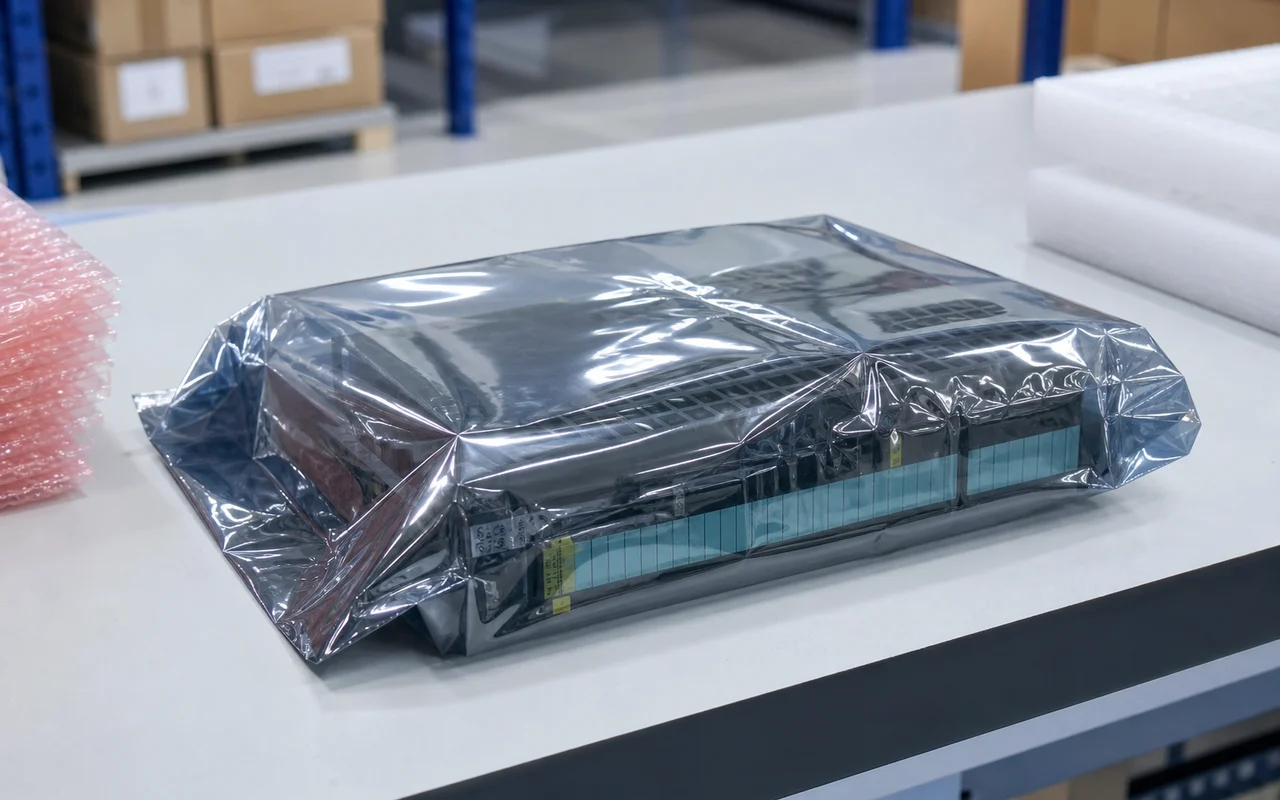 Anti-static Packaging
Modules are packed in anti-static bags to prevent electrostatic damage.
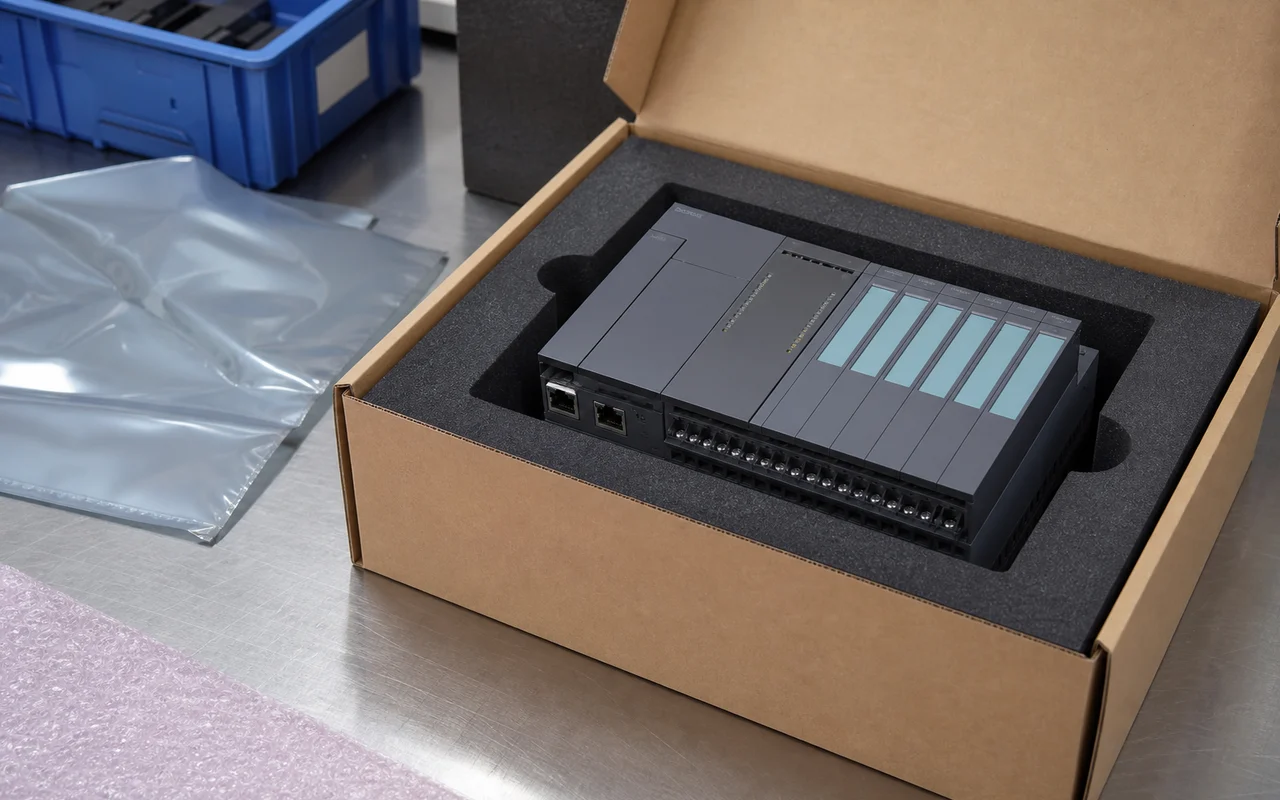 Secure Export Packing
Cushion protection and strong cartons ensure safe transportation.
 Worldwide Shipping
Global logistics network supports air, sea and express delivery.
 Documentation Check
Part number, revision and compatibility verified before shipment.
 After-sales Support
Professional technical support to help resolve your issues.