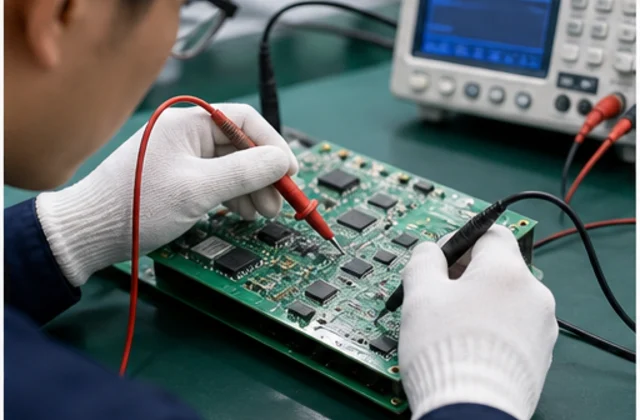
 Functional Inspection
100% tested on professional platforms to ensure stable performance.
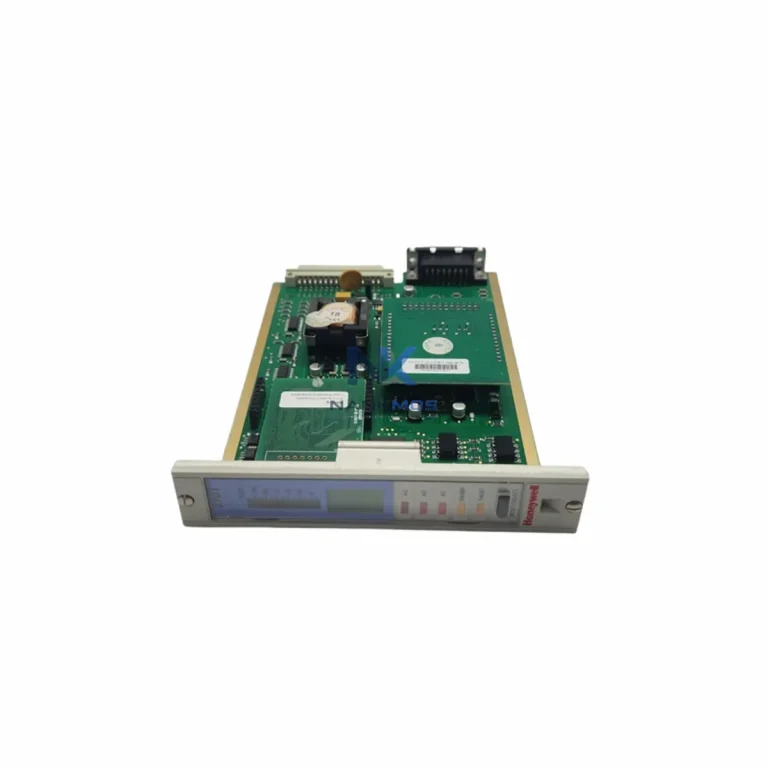
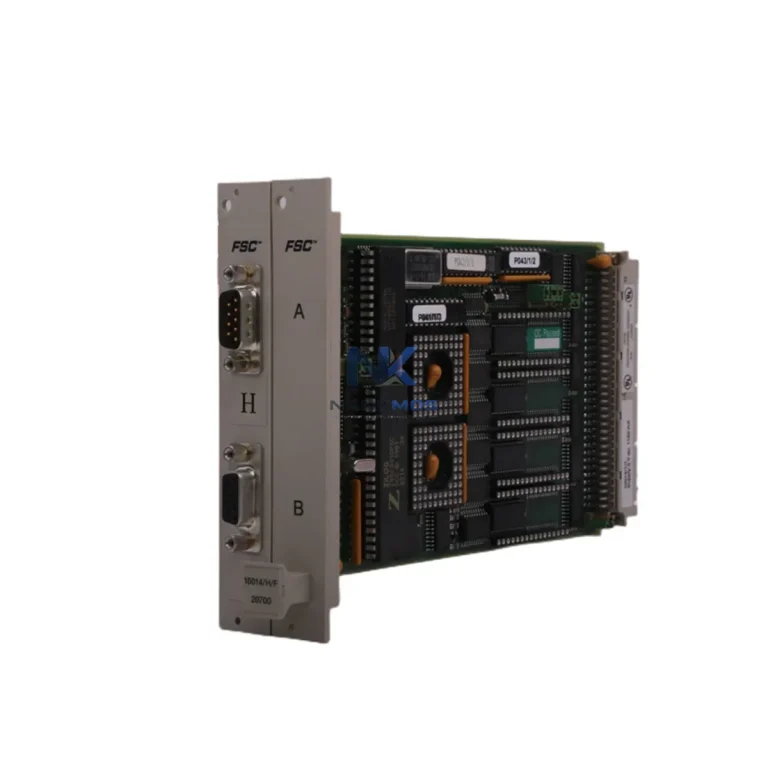
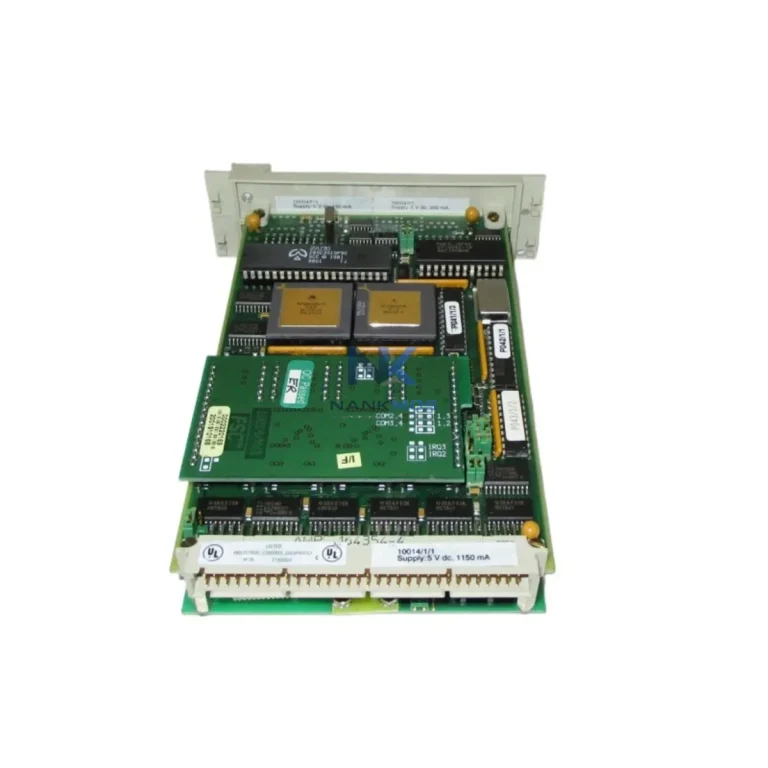
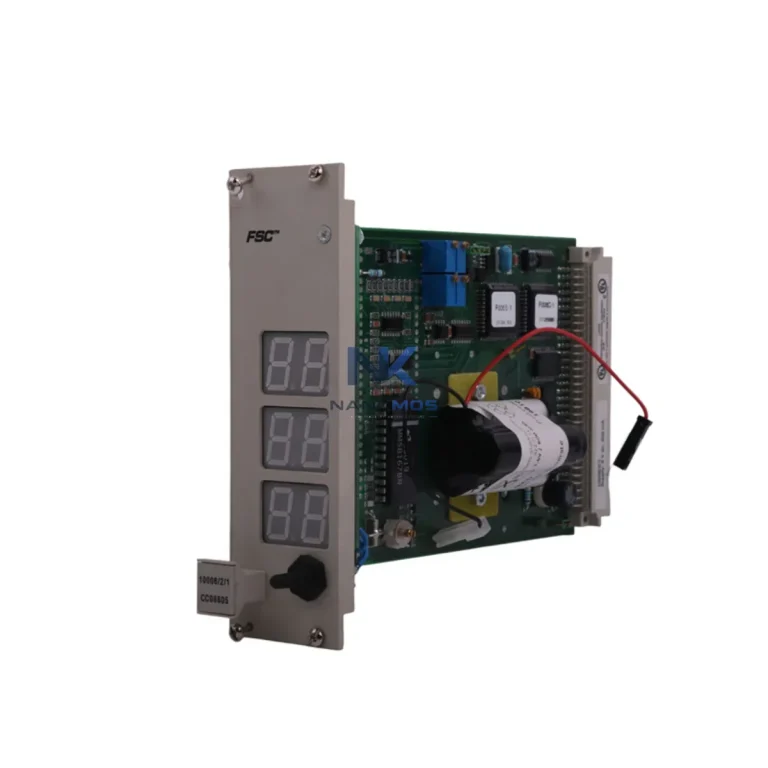
Honeywell 51304487-150 MC-PDOX02 is a NANKMOS industrial automation product record Listed under MC- series and Business & Industrial > Automation, Control & Flow Devices > Programmable Logic Controllers. Confirm condition, availability, lead time, compatibility and documentation by email inquiry.
Brand names are used for identification only.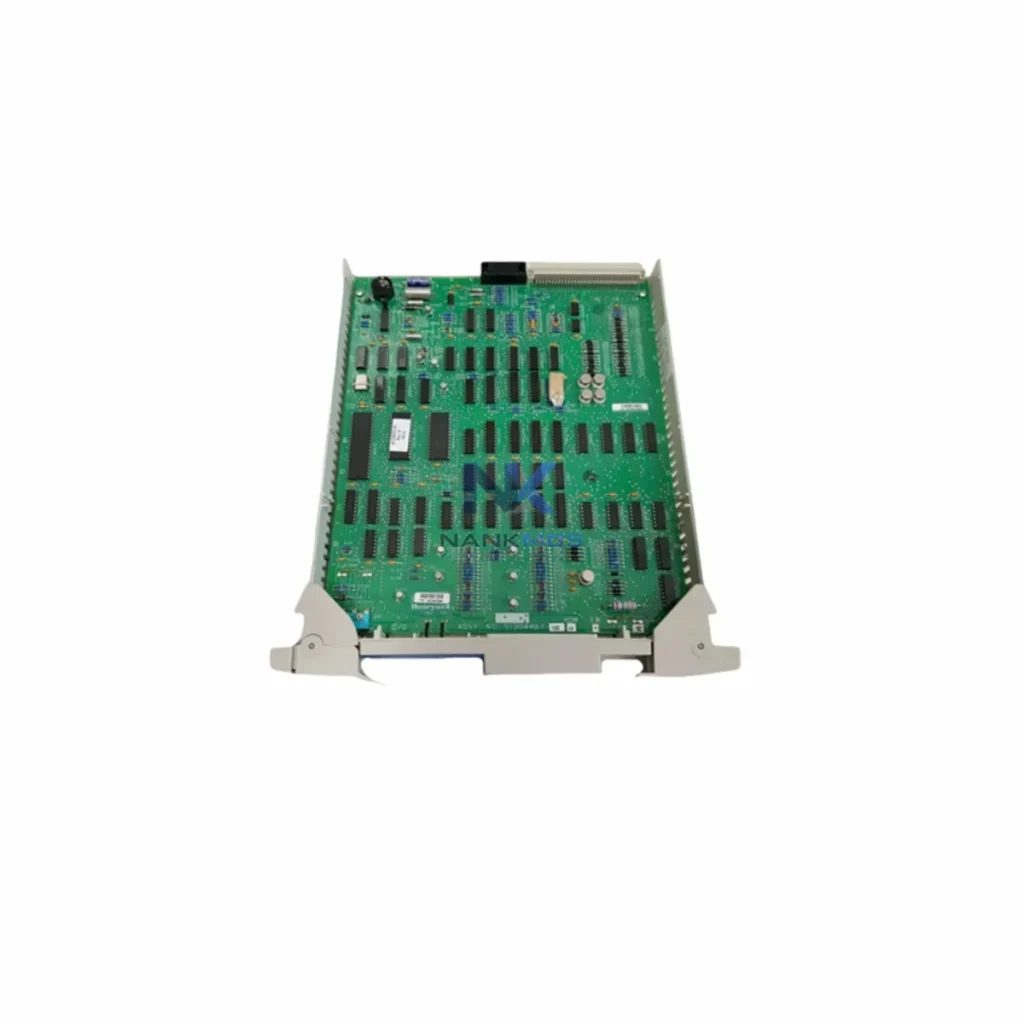
Honeywell 51304487-150 MC-PDOX02 is a NANKMOS industrial automation product record Listed under MC- series and Business & Industrial > Automation, Control & Flow Devices > Programmable Logic Controllers. Confirm condition, availability, lead time, compatibility and documentation by email inquiry.
| Manufacturer | Honeywell |
|---|---|
| Application | Controller Processing & System Control |
| Part Number / Model | 51304487-150 MC-PDOX02 |
| Compatible System | MC- |
| Series | MC- |
| Condition Options | To Confirm |
| Module Type | Controller / CPU Module |
| Warranty | 12 Months |
| Packaging | Anti-static Bag / Secure Box |
| Shipping Methods | DHL / FedEx / UPS / Air / Sea |
| Availability | To Confirm |
| Lead Time | To Confirm |
| Documentation | Part number and revision checked before quote |
The Honeywell 51304487-150 MC-PDOX02 is a high-reliability Digital Output Processor engineered for Honeywell TDC 3000 and TPS (Total Plant Solution) Distributed Control System platforms. Designed to serve as a critical data link between the DCS controller backplane and field-level actuators, solenoids, motor starters, and discrete output devices, this module ensures deterministic signal delivery across complex industrial network architectures. In smart factory environments where uptime, data integrity, and real-time control are non-negotiable, the MC-PDOX02 functions as a foundational node in the plant-wide digital data chain — from field device to SCADA dashboard.
In a fully integrated smart factory, the Honeywell MC-PDOX02 sits at the intersection of the DCS control layer and the physical field device layer, enabling a seamless data flow that spans the entire automation hierarchy. The data chain begins at the sensor and field instrument level — pressure transmitters, flow meters, and discrete limit switches feed real-time process values upward through Honeywell's MC-PDIX02 Digital Input Processor and analog input modules such as the MC-PAIH02 Analog Input High-Level module, which aggregate field signals onto the TDC/TPS backplane.
The MC-PDOX02 receives control commands from the Honeywell HPM (High-Performance Process Manager) — the core DCS controller — and translates those commands into discrete output signals that actuate field devices: motor starters, solenoid valves, on/off control valves, and alarm annunciators. This bidirectional data exchange is orchestrated over Honeywell's Local Control Network (LCN), a deterministic, high-speed plant network that connects process managers, application modules, and the Universal Station (US) HMI consoles used by operators for real-time monitoring and manual override.
At the SCADA and supervisory layer, the TPS platform integrates with Honeywell's Experion PKS server infrastructure, where historian data from the MC-PDOX02's output states — valve open/close, motor run/stop — is logged, trended, and made available for data visualization on engineering workstations and remote HMI clients. This integration supports alarm management workflows: when an output command fails to achieve the expected field state (e.g., a valve does not confirm open within the configured timeout), the system generates a process alarm that propagates through the LCN to the operator console and, via OPC-DA or OPC-UA gateway bridges, to third-party SCADA platforms and MES systems.
For plants deploying edge computing strategies, the MC-PDOX02's output status data can be aggregated by Honeywell's FTE (Fault Tolerant Ethernet) infrastructure and forwarded to edge gateway devices — such as industrial IoT gateways supporting MQTT or REST API protocols — enabling cloud-based analytics, predictive maintenance dashboards, and remote diagnostics without disrupting the real-time DCS control loop. Complementary modules such as the MC-TAIH02 Analog Input Termination Assembly and MC-TDOX02 Digital Output Termination Assembly provide the field wiring interface, ensuring clean signal separation and simplified maintenance access during live plant operations.
In multi-loop control architectures, the MC-PDOX02 works in concert with Honeywell's AM (Application Module) for advanced regulatory and sequential control logic, and with Honeywell's NIM (Network Interface Module) for peer-to-peer data sharing across DCS nodes. This layered architecture — from field termination through backplane communication, LCN data transport, SCADA historian, and edge analytics — represents the complete industrial data chain that the MC-PDOX02 anchors at the output execution layer.
Protocol Fragmentation: Many brownfield plants operate mixed-generation DCS environments where legacy TDC 3000 hardware must coexist with newer Experion PKS nodes or third-party PLCs. The MC-PDOX02, as a native TDC/TPS module, eliminates protocol translation overhead at the output layer — output commands from the HPM controller are delivered directly over the backplane bus without intermediate conversion, preserving determinism and reducing latency in time-critical discrete control loops.
Data Silos and Production Transparency: Without reliable digital output modules, field device states remain invisible to the supervisory layer. The MC-PDOX02 ensures that every output command — and its field confirmation — is logged in the DCS historian, making production line states fully transparent to SCADA operators, process engineers, and remote diagnostic teams. This closes the data gap between the field and the control room, enabling production KPI dashboards that reflect actual equipment states in real time.
Remote Monitoring and Alarm Traceability: In geographically distributed plants or unmanned substations, the ability to remotely diagnose output module health is critical. The MC-PDOX02's integration with the TPS diagnostic framework allows maintenance engineers to query module status, output channel health, and fault history from the engineering workstation without physical access to the I/O cabinet — reducing mean time to repair (MTTR) and supporting predictive maintenance strategies.
System Scalability: As production capacity expands, additional MC-PDOX02 modules can be added to existing HPM I/O link slots without architectural redesign, providing a scalable path for digital output expansion. Combined with Honeywell's modular termination assemblies and structured cabling standards, this scalability supports phased plant expansions while maintaining network stability and signal integrity across the expanded I/O footprint.
Q1: What communication protocol does the Honeywell MC-PDOX02 use, and is it compatible with third-party SCADA systems? The MC-PDOX02 communicates over Honeywell's proprietary TDC/TPS backplane bus and LCN network — it does not use open fieldbus protocols (such as PROFIBUS or Modbus) natively at the module level. Integration with third-party SCADA systems is achieved at the Experion PKS or TPS server layer via OPC-DA/OPC-UA gateway interfaces, which expose DCS data — including MC-PDOX02 output states — to external supervisory platforms without requiring changes to the I/O module itself.
Q2: How does the MC-PDOX02 support remote diagnostics and predictive maintenance? The module integrates with the TPS diagnostic and asset management framework, allowing engineers to monitor output channel status, fault codes, and module health from the Honeywell engineering workstation or via Experion PKS asset management tools. Output state history is logged in the DCS historian, enabling trend analysis and early fault detection. For plants with edge connectivity, output status data can be forwarded via FTE infrastructure to IoT analytics platforms for cloud-based predictive maintenance workflows.
Q3: What is the network stability guarantee, and how does the module handle communication faults? The MC-PDOX02 is designed for continuous 24/7 operation in process-critical environments. In the event of an LCN communication fault, the module holds its last commanded output state (fail-safe hold) until communication is restored, preventing uncontrolled field device state changes. Honeywell's redundant LCN architecture further ensures that a single network fault does not interrupt output command delivery, maintaining plant stability during network maintenance or fault recovery.
Q4: Does the Honeywell 51304487-150 MC-PDOX02 come with a warranty, and has it been tested before shipment? Yes. Every Honeywell 51304487-150 MC-PDOX02 unit supplied by NANKMOS is covered by a 12-Month Warranty from the date of shipment. Prior to dispatch, each module undergoes a structured outgoing quality inspection to verify functional integrity, connector condition, and firmware compatibility. In-stock units are available for prompt shipment. For volume orders or urgent project requirements, contact our team directly for lead time confirmation and technical support.
Functional Inspection100% tested on professional platforms to ensure stable performance.
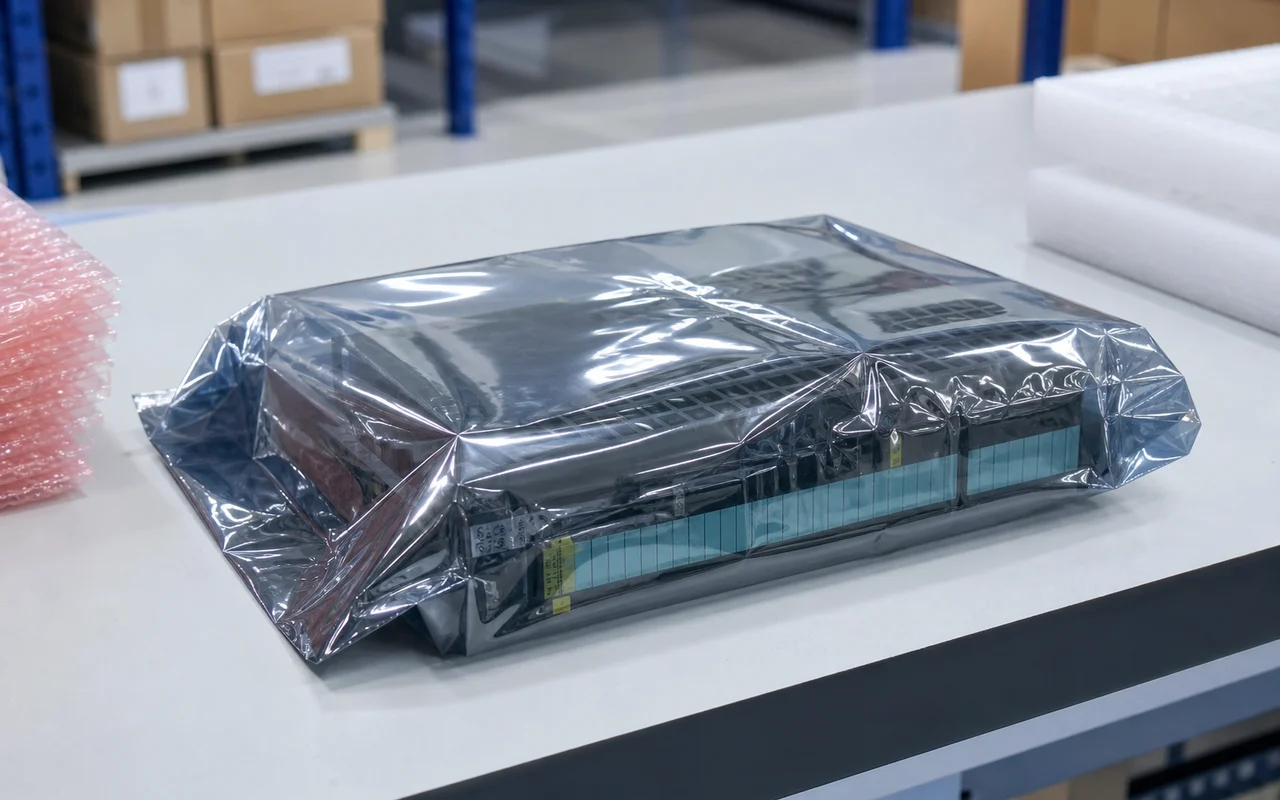 Anti-static Packaging
Modules are packed in anti-static bags to prevent electrostatic damage.
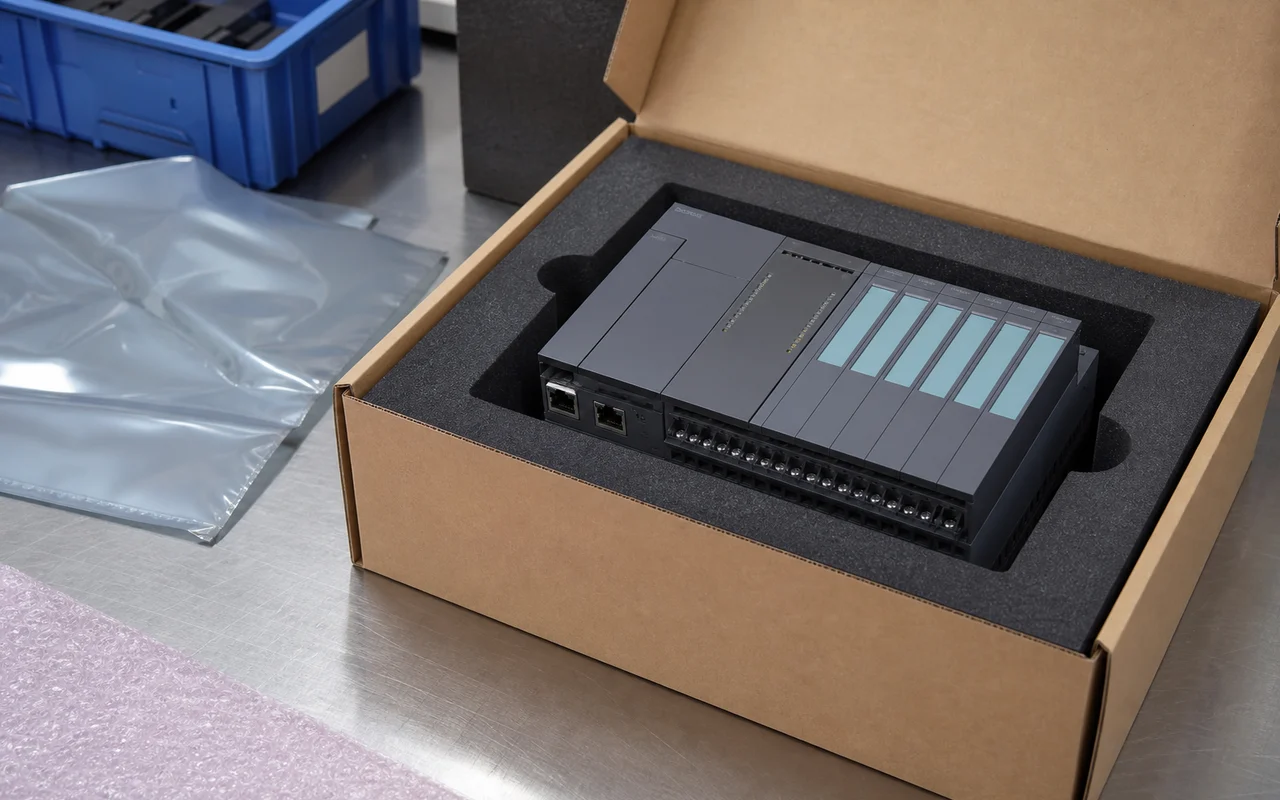 Secure Export Packing
Cushion protection and strong cartons ensure safe transportation.
 Worldwide Shipping
Global logistics network supports air, sea and express delivery.
 Documentation Check
Part number, revision and compatibility verified before shipment.
 After-sales Support
Professional technical support to help resolve your issues.