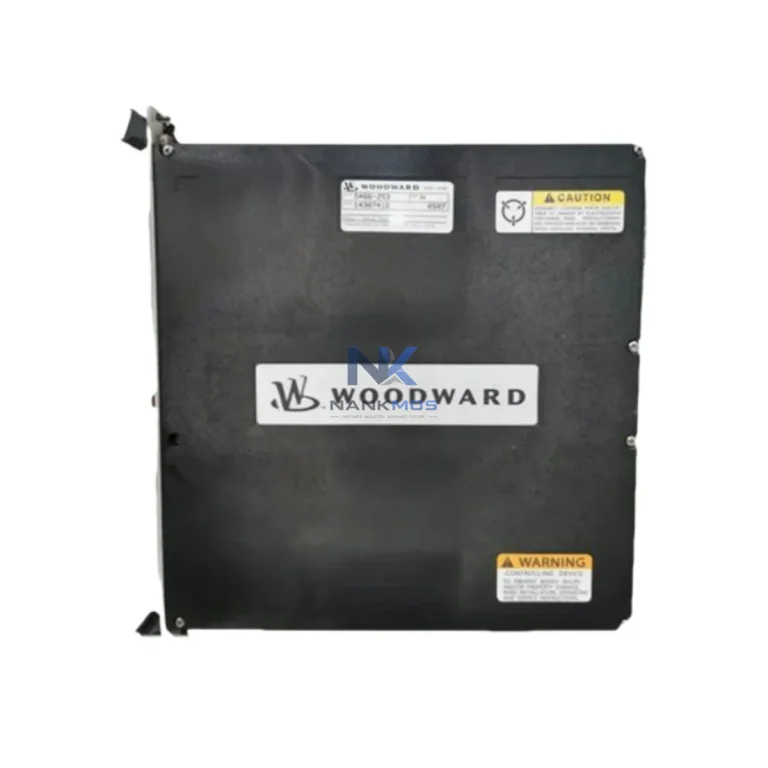
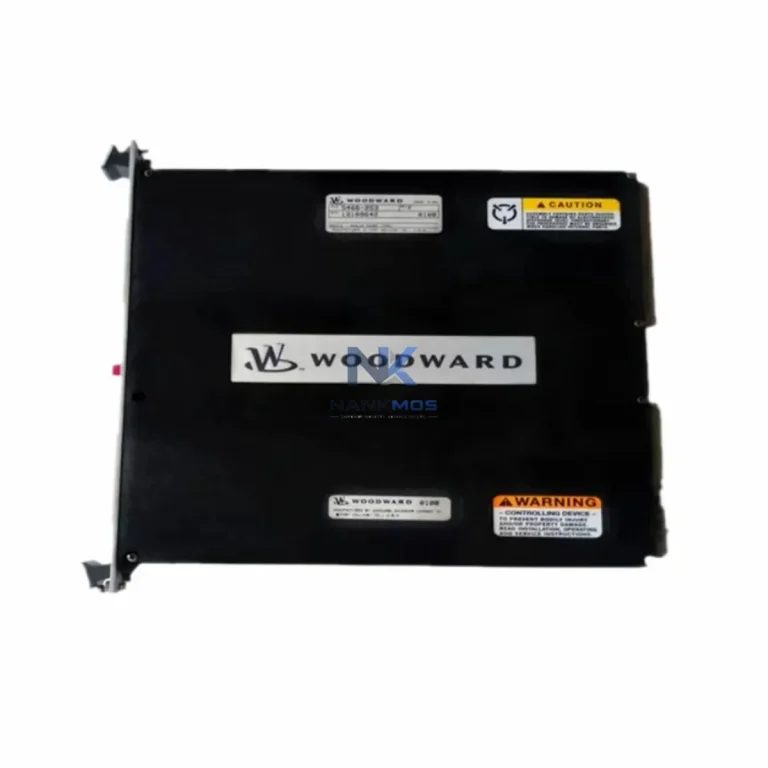
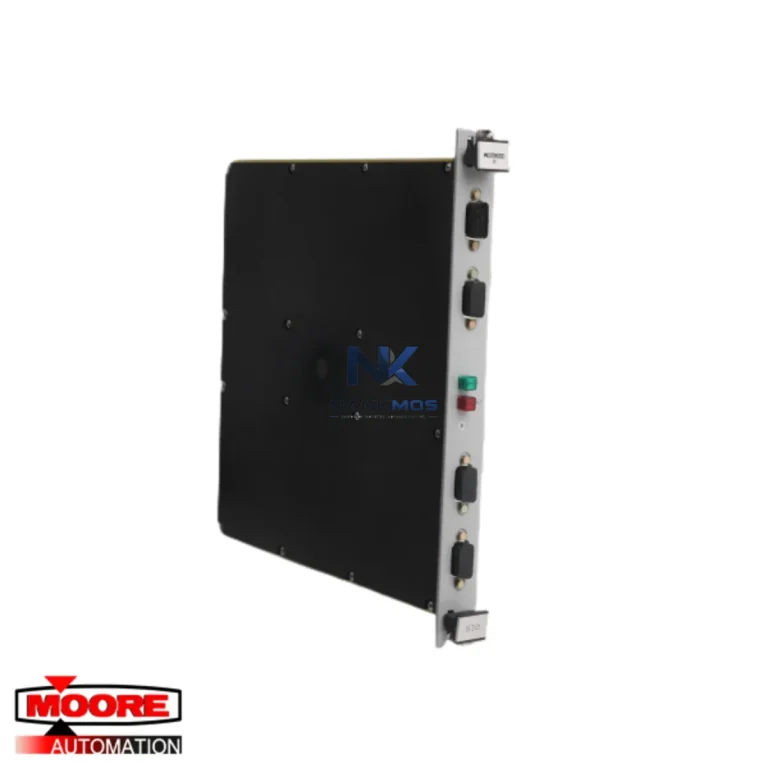
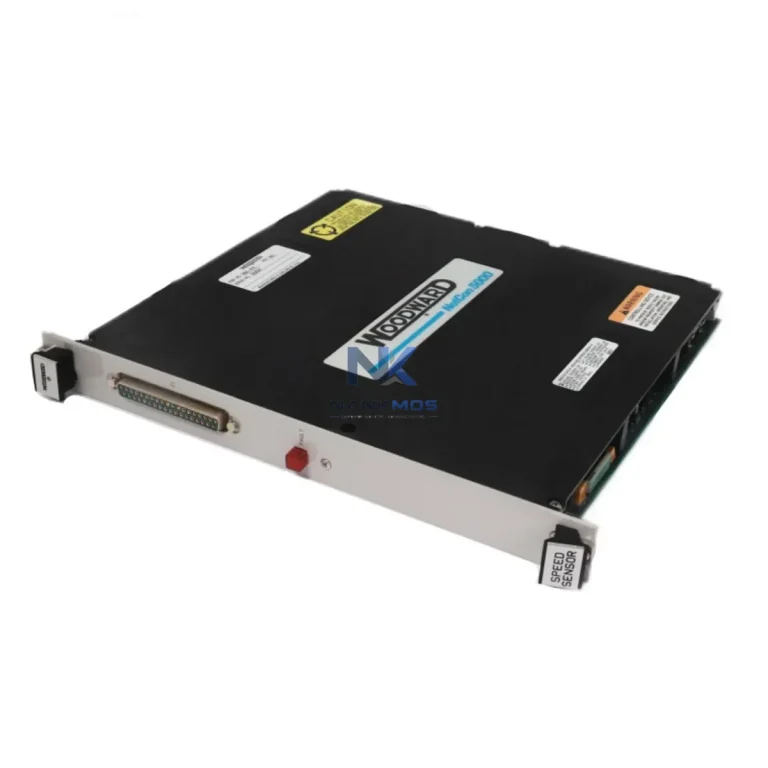
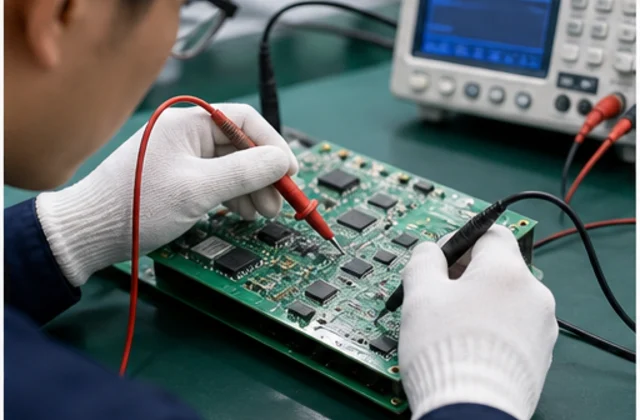
 Functional Inspection
100% tested on professional platforms to ensure stable performance.
Woodward 5466-1049 is a NANKMOS industrial automation product record Listed under Other series series and Business & Industrial > Automation, Control & Flow Devices. Confirm condition, availability, lead time, compatibility and documentation by email inquiry.
Brand names are used for identification only.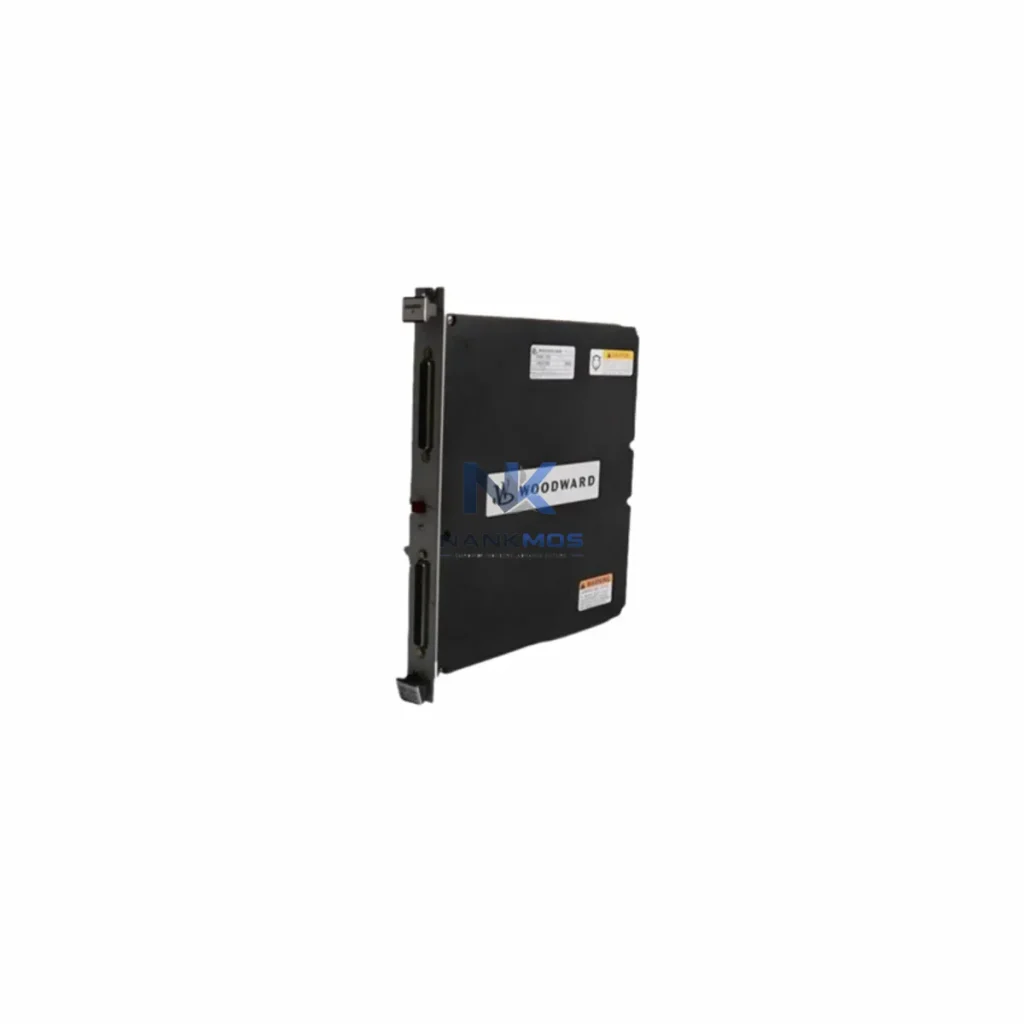
Woodward 5466-1049 is a NANKMOS industrial automation product record Listed under Other series series and Business & Industrial > Automation, Control & Flow Devices. Confirm condition, availability, lead time, compatibility and documentation by email inquiry.
| Manufacturer | Woodward |
|---|---|
| Application | Industrial Network Communication |
| Part Number / Model | 5466-1049 |
| Compatible System | Confirmed by inquiry |
| Condition Options | To Confirm |
| Module Type | Communication Module |
| Warranty | 12 Months |
| Packaging | Anti-static Bag / Secure Box |
| Shipping Methods | DHL / FedEx / UPS / Air / Sea |
| Availability | To Confirm |
| Lead Time | To Confirm |
| Documentation | Part number and revision checked before quote |
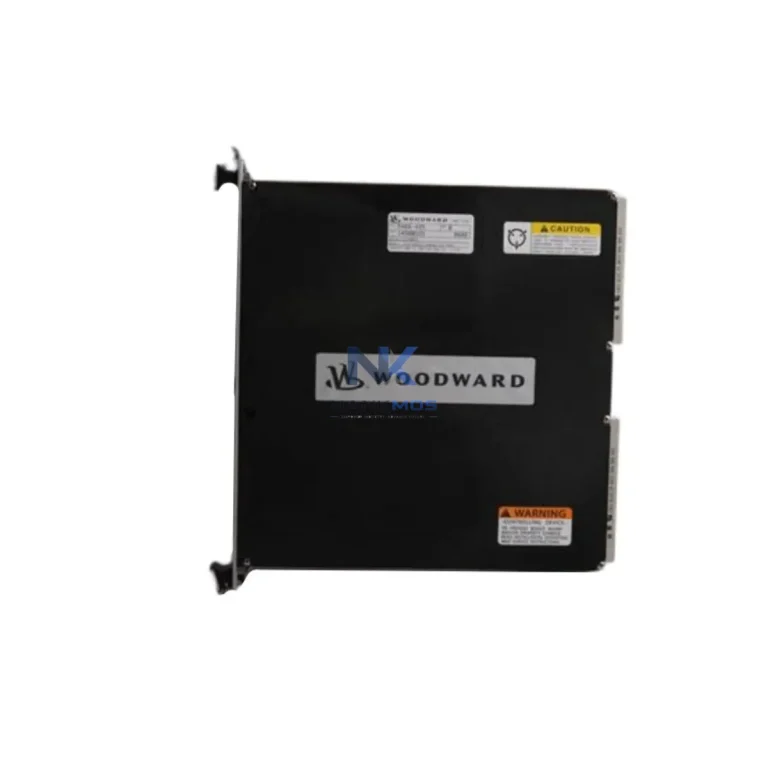
The Woodward 5466-1049 is a purpose-engineered industrial network interface module designed for the Woodward 505 Series turbine and compressor control platform. In modern smart factory environments, where every millisecond of data latency and every protocol gap can translate into unplanned downtime or production loss, the 5466-1049 serves as a critical bridge between field-level turbine control systems and upper-layer SCADA, DCS, and HMI architectures. Its role extends far beyond simple connectivity — it enables a complete, bidirectional data chain from rotating equipment sensors through to enterprise-level monitoring dashboards, delivering the real-time visibility that Industry 4.0 demands.
In a fully integrated smart factory or power generation facility, the Woodward 5466-1049 sits at the heart of the automation data chain. The data flow begins at the field level, where turbine speed sensors, temperature transmitters, pressure transducers, and vibration monitors feed raw process signals into the Woodward 505 Series controller. The 505 controller — running its proprietary turbine management logic — relies on the 5466-1049 to translate its internal data registers into standard industrial communication protocols that the broader plant network can consume.
From the 5466-1049, process data travels upstream via Modbus TCP/IP to a plant-level SCADA server, where operators gain real-time visibility into turbine speed, load, exhaust temperature, and trip status. Simultaneously, the module supports RS-485 Modbus RTU links to remote I/O panels and distributed PLC nodes — for example, a Siemens S7-300 or Allen-Bradley ControlLogix managing auxiliary systems such as lube oil pumps, cooling fans, and inlet guide vane actuators. This multi-drop serial architecture allows a single 5466-1049 to serve as the communication hub for an entire turbine island without requiring additional protocol converters.
At the HMI layer, operators interact with a touchscreen panel — such as a Weintek cMT or Siemens TP700 — that pulls live data from the SCADA server, which in turn sources its tag database from the 5466-1049's Modbus register map. Alarm conditions detected by the 505 controller, such as overspeed trips or high exhaust temperature events, are immediately propagated through the network interface to the HMI alarm banner and the SCADA historian, ensuring that every event is timestamped, logged, and traceable for post-incident analysis.
For facilities deploying edge computing architectures, the 5466-1049's Ethernet port connects directly to an industrial edge gateway — such as a Moxa MGate or Advantech ADAM-3600 — which aggregates data from multiple turbine units and forwards it to cloud-based analytics platforms or MES systems. This edge-to-cloud pathway enables predictive maintenance algorithms to analyse vibration trends, efficiency curves, and fuel consumption patterns across an entire fleet of turbines, transforming raw sensor data into actionable maintenance intelligence.
The module also integrates cleanly with industrial Ethernet switches — such as a Hirschmann RS20 or Phoenix Contact FL SWITCH — that segment the plant network into dedicated VLAN zones for turbine control, process monitoring, and corporate IT traffic. This network segmentation ensures that high-priority control traffic from the 5466-1049 is never delayed by routine IT data flows, maintaining the deterministic communication timing that turbine control demands.
In power generation and oil & gas applications, the 5466-1049 frequently operates alongside Woodward's own 2301A load-sharing modules, 723 digital speed controls, and ProTech-GII overspeed protection systems, creating a fully Woodward-native control and communication ecosystem. This homogeneous architecture simplifies commissioning, reduces protocol mapping complexity, and ensures that firmware updates and diagnostic tools remain consistent across the entire control suite.
Many industrial facilities operating legacy turbine control systems face a common set of data challenges: protocol fragmentation, data silos, limited remote visibility, and the inability to correlate turbine performance data with broader plant KPIs. The Woodward 5466-1049 directly addresses each of these pain points.
Protocol Unification: Older 505 Series installations often rely on proprietary serial interfaces that cannot communicate natively with modern Modbus-based SCADA or DCS platforms. The 5466-1049 resolves this by providing a standards-compliant Modbus gateway layer, eliminating the need for third-party protocol converters and reducing the risk of data translation errors.
Eliminating Data Silos: Without a network interface, turbine performance data remains locked inside the 505 controller's local display, invisible to plant-wide monitoring systems. The 5466-1049 breaks down this silo by exposing the controller's full register set to the plant network, enabling SCADA historians to capture continuous trend data for efficiency analysis and regulatory reporting.
Remote Monitoring and Diagnostics: The module's Ethernet connectivity enables remote access to turbine status and alarm data without requiring physical presence at the control panel. Maintenance engineers can monitor trip logs, speed references, and load setpoints from a central control room or even a remote operations centre, dramatically reducing response times for fault diagnosis and recovery.
Production Line Transparency: By integrating turbine data into the plant's MES or ERP system via the SCADA layer, operations managers gain real-time visibility into energy consumption, production throughput, and equipment availability — the foundational metrics for OEE (Overall Equipment Effectiveness) tracking and continuous improvement programmes.
Alarm Tracking and Event Management: The 5466-1049 ensures that every alarm generated by the 505 controller — whether a process deviation, a protective trip, or a communication fault — is immediately visible at the SCADA and HMI level, with full timestamp and event context. This structured alarm management capability supports root cause analysis and helps facilities meet IEC 62682 alarm management standards.
System Scalability: As facilities expand their turbine fleets or integrate additional process units, the 5466-1049's standard Modbus interface allows new devices to be added to the network without architectural redesign. Its multi-drop RS-485 capability supports up to 32 nodes on a single serial segment, providing a scalable foundation for growing automation networks.
Q1: What communication protocols does the Woodward 5466-1049 support, and is it compatible with my existing SCADA system?The 5466-1049 supports Modbus RTU over RS-485/RS-232 and Modbus TCP/IP over Ethernet — the two most widely deployed industrial communication standards. This makes it compatible with virtually all major SCADA platforms, including Wonderware InTouch, Ignition by Inductive Automation, Siemens WinCC, and GE iFIX, as well as most modern DCS and HMI systems that support standard Modbus drivers.
Q2: How does the 5466-1049 handle network latency and communication reliability in critical turbine control applications?The module is designed for deterministic, low-latency communication in industrial environments. Its hardware architecture prioritises control-critical data traffic, and its RS-485 interface supports shielded twisted-pair cabling with proper termination to minimise signal reflections and noise-induced errors. For Ethernet-connected installations, deploying the module behind a managed industrial switch with QoS (Quality of Service) configuration further ensures that turbine data packets receive priority handling across the plant network.
Q3: Can the 5466-1049 be integrated into a remote diagnostics or predictive maintenance architecture?Yes. The module's Ethernet port enables integration with edge gateways and cloud-connected platforms that support predictive maintenance analytics. By continuously streaming turbine performance registers — including speed, load, temperature, and alarm status — to an edge computing node, facilities can apply machine learning models to detect early signs of bearing wear, seal degradation, or combustion instability before they escalate into unplanned shutdowns.
Q4: What quality assurance and warranty coverage does the 5466-1049 include?Every Woodward 5466-1049 unit supplied by NANKMOS undergoes functional testing prior to shipment, verifying communication port integrity, register mapping accuracy, and power supply stability. The module is covered by a 12-Month Warranty against manufacturing defects and operational failures under normal industrial service conditions. In-stock units are available for immediate dispatch, supporting urgent maintenance and replacement requirements without extended lead times.
Functional Inspection100% tested on professional platforms to ensure stable performance.
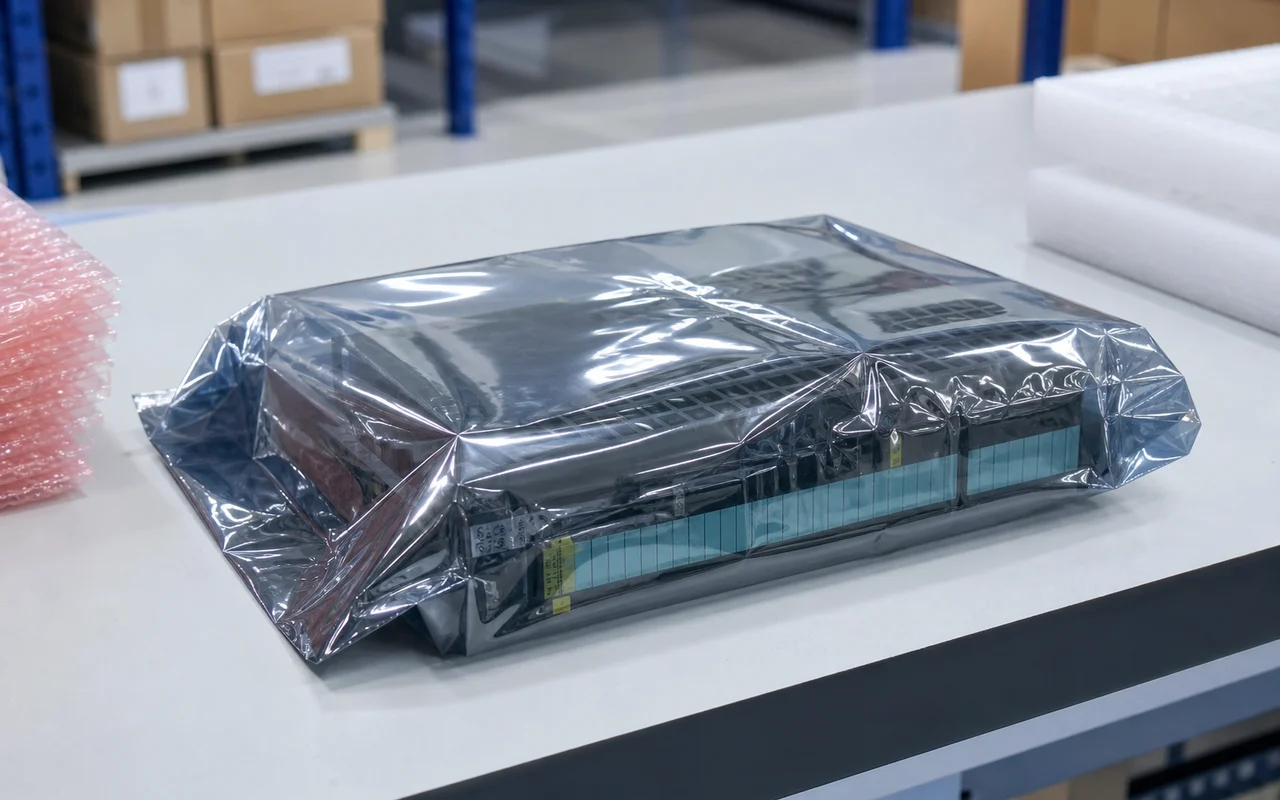 Anti-static Packaging
Modules are packed in anti-static bags to prevent electrostatic damage.
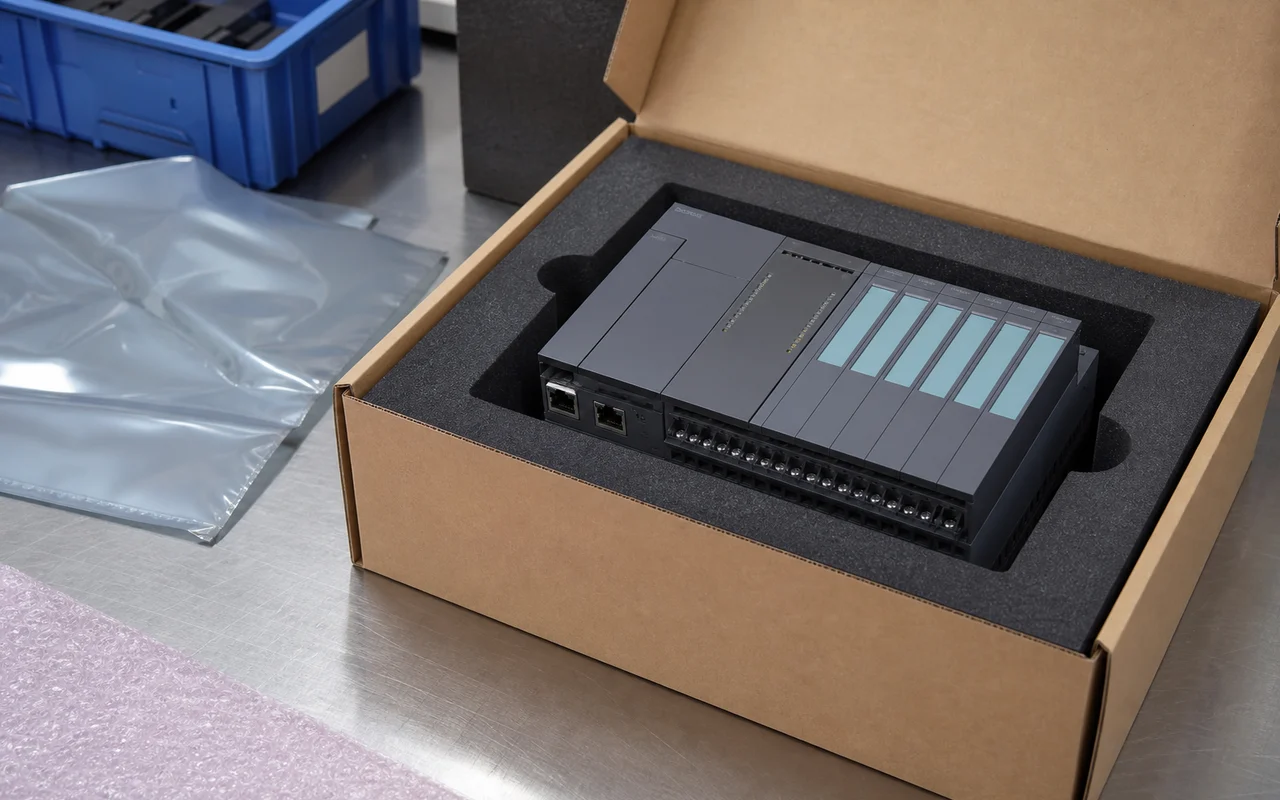 Secure Export Packing
Cushion protection and strong cartons ensure safe transportation.
 Worldwide Shipping
Global logistics network supports air, sea and express delivery.
 Documentation Check
Part number, revision and compatibility verified before shipment.
 After-sales Support
Professional technical support to help resolve your issues.