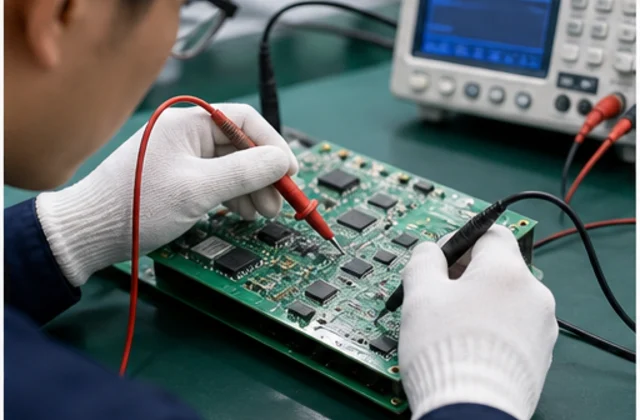
 Functional Inspection
100% tested on professional platforms to ensure stable performance.
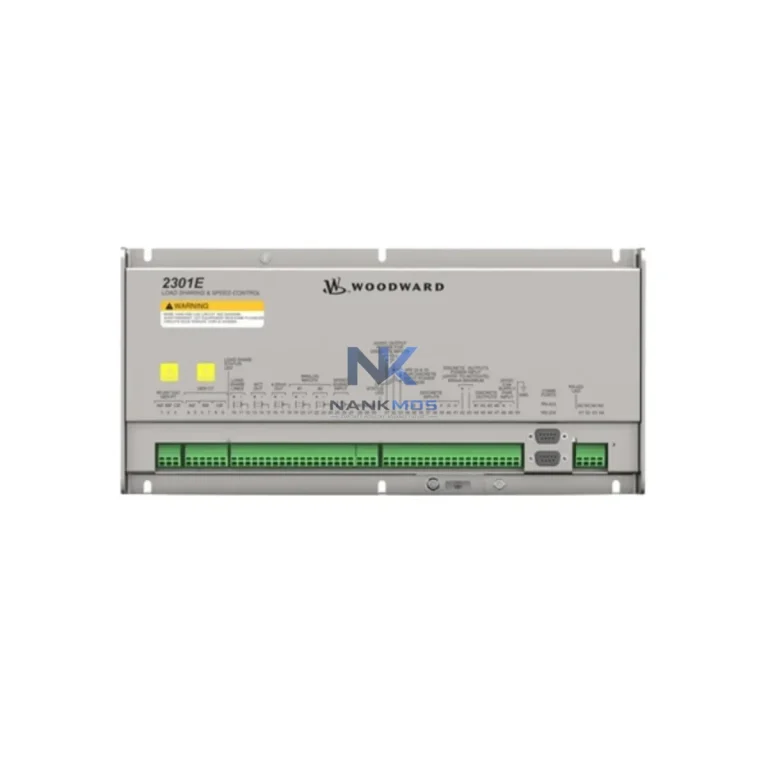
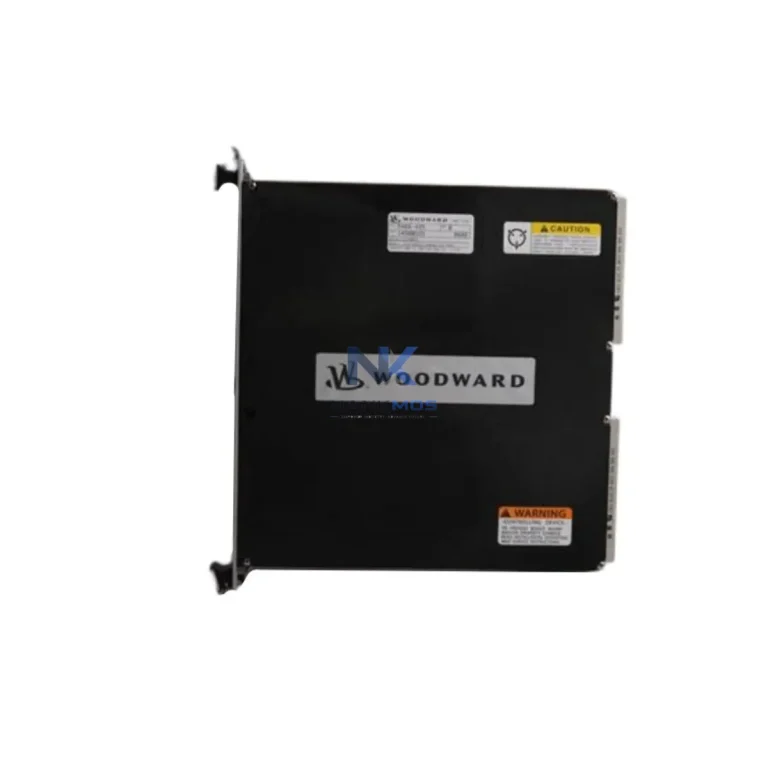
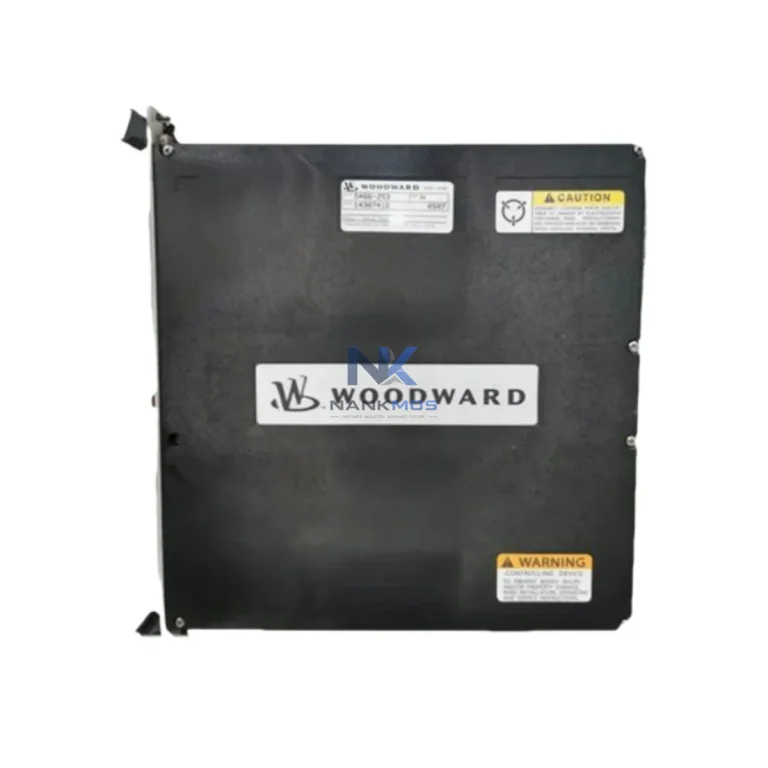
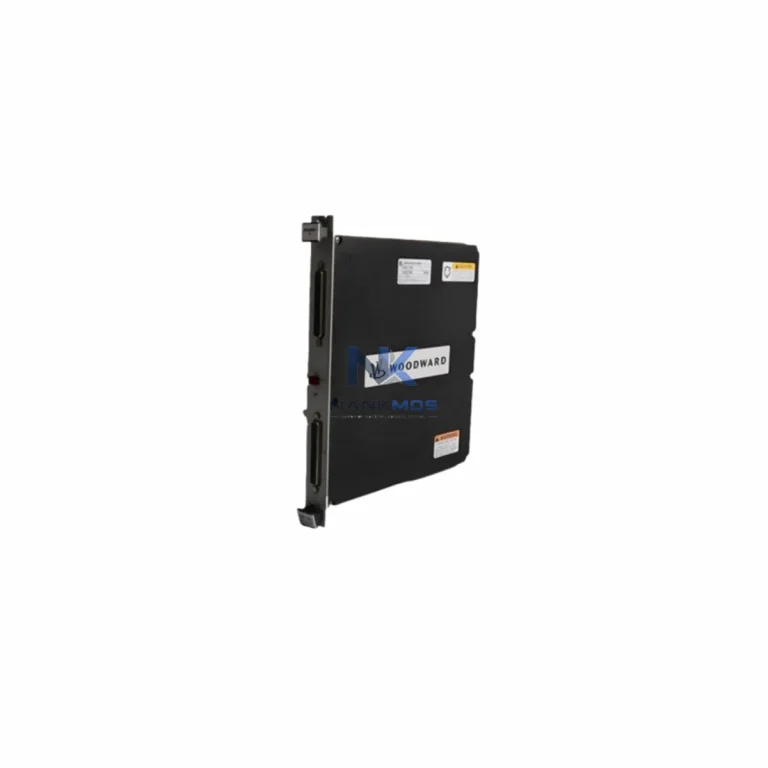
Woodward 5466-253 is a NANKMOS industrial automation product record Listed under Other series series and Business & Industrial > Automation, Control & Flow Devices. Confirm condition, availability, lead time, compatibility and documentation by email inquiry.
Brand names are used for identification only.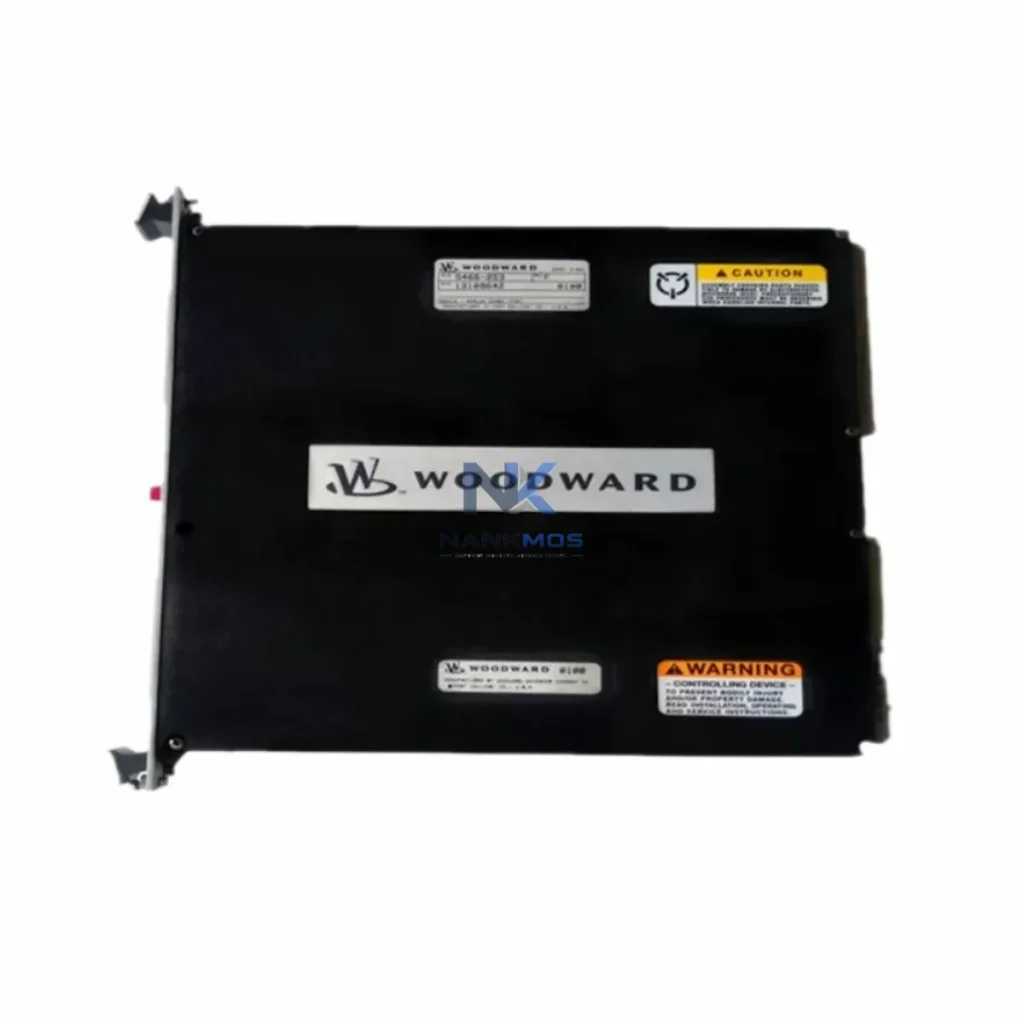
Woodward 5466-253 is a NANKMOS industrial automation product record Listed under Other series series and Business & Industrial > Automation, Control & Flow Devices. Confirm condition, availability, lead time, compatibility and documentation by email inquiry.
| Manufacturer | Woodward |
|---|---|
| Application | Industrial Automation Maintenance |
| Part Number / Model | 5466-253 |
| Compatible System | Confirmed by inquiry |
| Condition Options | To Confirm |
| Module Type | Automation, Control & Flow Devices |
| Warranty | 12 Months |
| Packaging | Anti-static Bag / Secure Box |
| Shipping Methods | DHL / FedEx / UPS / Air / Sea |
| Availability | To Confirm |
| Lead Time | To Confirm |
| Documentation | Part number and revision checked before quote |
The Woodward 5466-253 is a precision-engineered Timer Relay Module designed for the MicroNet control platform, purpose-built to deliver deterministic timing sequences that reduce unnecessary energy consumption across industrial production lines. By enforcing tightly controlled on/off cycles for motors, actuators, and auxiliary loads, the 5466-253 eliminates idle-state power draw and minimizes thermal stress on connected equipment — directly contributing to lower operating costs and extended asset life in energy-intensive manufacturing environments.
Engineered for seamless integration within Woodward MicroNet distributed control architectures, this module coordinates with turbine governors, generator controllers, and load-sharing systems to enforce energy-aware sequencing. Whether deployed in power generation, oil and gas processing, or heavy industrial automation, the 5466-253 provides the timing backbone that keeps production rhythms stable while preventing energy spikes caused by uncoordinated load switching.
The Woodward 5466-253 Timer Relay Module operates as a critical timing node within a broader power-aware automation architecture. In a typical MicroNet-based control cabinet, the 5466-253 interfaces directly with the Woodward MicroNet 5466-258 I/O expansion module to receive discrete input signals from field sensors and relay timed output commands to downstream actuators and motor starters. This tight integration ensures that motor start sequences are staggered — preventing simultaneous inrush currents that would otherwise spike demand charges and stress the facility's power distribution infrastructure.
When paired with a Woodward MicroNet 5466-839 communication module, the 5466-253 timing data becomes visible to plant-level SCADA systems, enabling operators to monitor relay cycle counts, adjust timing parameters remotely, and correlate timer events with energy consumption trends logged by power monitoring modules such as the Woodward 5466-752 analog input card. This closed-loop visibility is essential for predictive maintenance strategies — abnormal timer cycle frequencies often indicate upstream process disturbances or downstream mechanical wear before a fault condition is declared.
For facilities running variable-speed drives alongside fixed-load equipment, the 5466-253 coordinates motor enable signals with ABB ACS880 series variable frequency drives and Siemens SINAMICS G120 drives, ensuring that VFD ramp-up sequences are timed to avoid overlap with other high-inrush loads on the same bus segment. Similarly, in servo-driven assembly lines, the module's output timing can gate enable signals to Yaskawa Sigma-7 servo drives, synchronizing motion start events with conveyor indexing cycles to maintain production line rhythm without unnecessary energy bursts.
The 5466-253 also plays a role in HMI-driven operator workflows. When integrated with a Woodward MicroNet operator panel or a third-party HMI running on Modbus RTU or Modbus TCP, operators can trigger manual timing overrides for maintenance windows — safely de-energizing motor circuits in a controlled sequence rather than abrupt shutdowns that cause mechanical shock and thermal stress. Alongside Omron CJ2M PLCs or Rockwell Automation ControlLogix systems used in hybrid control architectures, the 5466-253 provides the relay-level timing layer that higher-level PLC logic depends on for safe load management.
In modern smart factories, energy waste rarely comes from a single source — it accumulates through thousands of small inefficiencies: motors left energized during idle periods, actuators cycling faster than process demand requires, and auxiliary loads that remain powered through shift changes and planned downtime. The Woodward 5466-253 addresses these inefficiencies at the control layer, where timing decisions are made before energy is consumed rather than after.
By implementing structured delay-on, delay-off, and interval timing sequences, the 5466-253 ensures that equipment is energized only when the process requires it. In turbine control applications, this means auxiliary lube oil pumps and cooling fans operate on timed cycles tied to actual turbine thermal state rather than running continuously. In manufacturing lines, conveyor drives and pneumatic actuators receive timed enable signals that align with upstream process completion signals — eliminating the energy cost of equipment running ahead of or behind the production rhythm.
Thermal load reduction is a direct benefit of proper timer relay deployment. Motors that start and stop in controlled sequences generate less heat than those subjected to frequent uncontrolled switching. Lower thermal loads translate to reduced cooling requirements for control panels and motor control centers, further compounding the energy savings. Over a full production year, facilities that implement structured timing control across their motor and actuator networks consistently report measurable reductions in peak demand charges and overall kWh consumption.
The 5466-253 also supports predictive maintenance workflows by providing a reliable timing reference for condition monitoring systems. When relay cycle data is logged through the MicroNet communication infrastructure and analyzed against vibration sensor data from accelerometers mounted on motors and gearboxes, maintenance teams can identify developing faults weeks before they cause unplanned downtime. This proactive approach maximizes equipment utilization rates and ensures that production line throughput targets are met without the energy penalty of emergency restarts and recovery cycles.
All units supplied by NANKMOS are sourced from verified supply channels, undergo pre-shipment functional testing, and are backed by a 12-Month Warranty. In-stock units are available for immediate dispatch to support urgent maintenance and capital project timelines.
Q1: What energy savings can I expect from deploying the Woodward 5466-253 in my production line? Actual savings depend on your existing load profile and control architecture, but facilities that implement structured timer relay sequencing across motor and actuator networks typically reduce idle-state energy consumption by eliminating continuous energization of equipment during non-productive periods. The 5466-253 enforces timed on/off cycles that align equipment operation with actual process demand, reducing unnecessary kWh draw and lowering peak demand charges.
Q2: Is the 5466-253 compatible with non-Woodward control systems? The 5466-253 is natively designed for the Woodward MicroNet platform. In hybrid architectures where MicroNet coexists with Rockwell ControlLogix, Siemens S7, or Omron CJ-series PLCs, the module's relay outputs can be wired to discrete input cards on those systems, allowing the higher-level PLC to monitor timer states and incorporate them into broader control logic. Communication-level integration depends on the MicroNet communication module installed in the same chassis.
Q3: Can the 5466-253 replace an older Woodward MicroNet timer module, and what is the testing process? The 5466-253 is a direct replacement candidate for compatible MicroNet timer relay positions. NANKMOS recommends verifying the slot assignment and firmware revision of the target MicroNet chassis before installation. All replacement units supplied by NANKMOS undergo pre-shipment functional testing to confirm relay switching performance and timing accuracy, reducing commissioning risk for critical applications.
Q4: What is the warranty coverage and lead time for the Woodward 5466-253? All Woodward 5466-253 units supplied by NANKMOS are covered by a 12-Month Warranty against manufacturing defects and functional failures under normal operating conditions. In-stock units are available for immediate shipment. For project-volume requirements or expedited delivery, contact NANKMOS directly to confirm current inventory levels and dispatch timelines.
Functional Inspection100% tested on professional platforms to ensure stable performance.
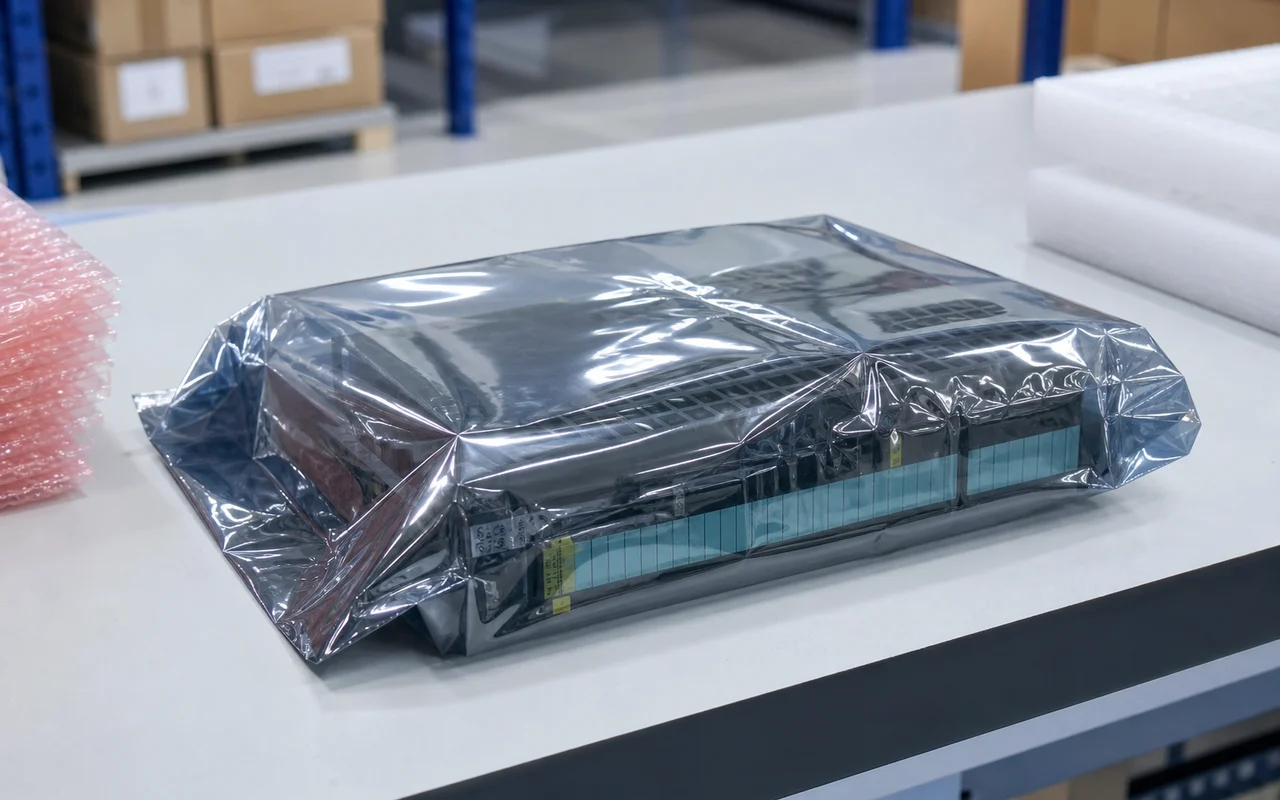 Anti-static Packaging
Modules are packed in anti-static bags to prevent electrostatic damage.
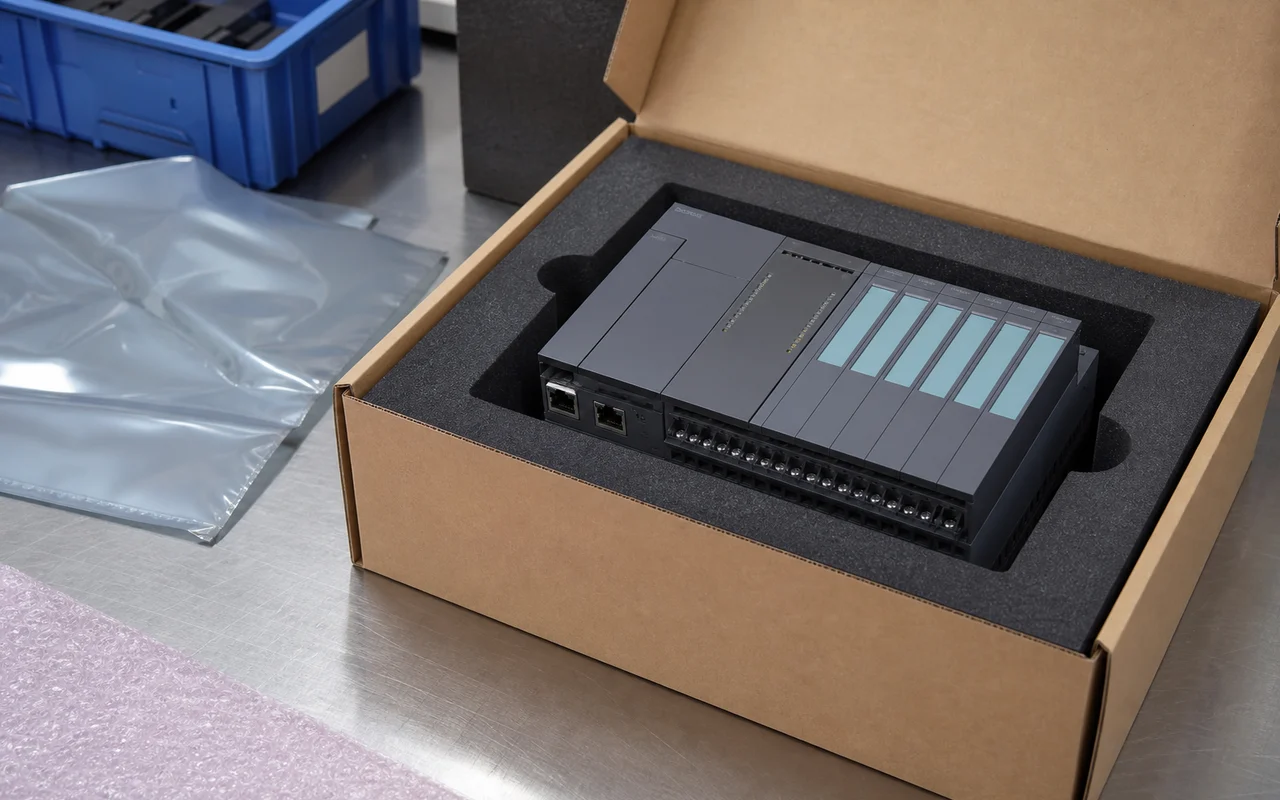 Secure Export Packing
Cushion protection and strong cartons ensure safe transportation.
 Worldwide Shipping
Global logistics network supports air, sea and express delivery.
 Documentation Check
Part number, revision and compatibility verified before shipment.
 After-sales Support
Professional technical support to help resolve your issues.