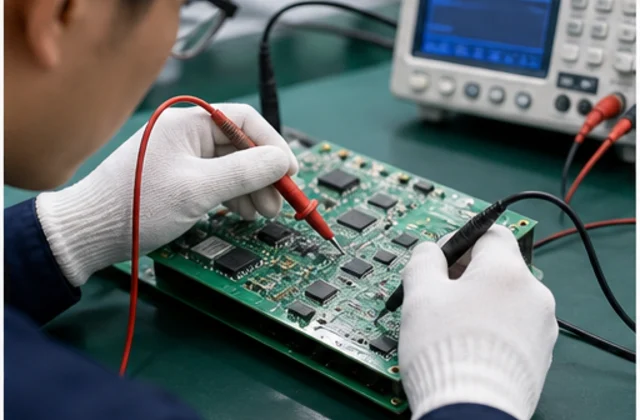
 Functional Inspection
100% tested on professional platforms to ensure stable performance.
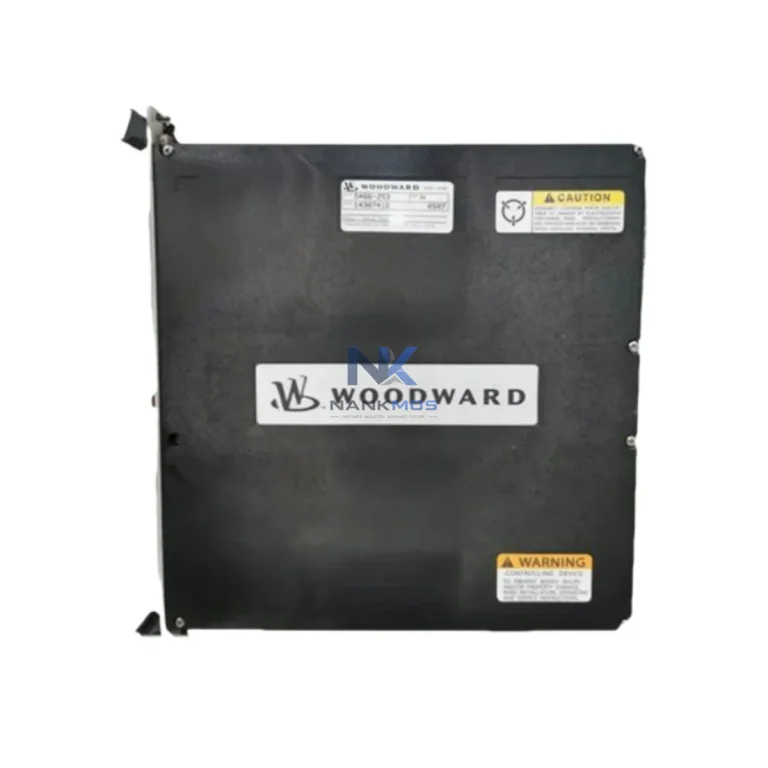
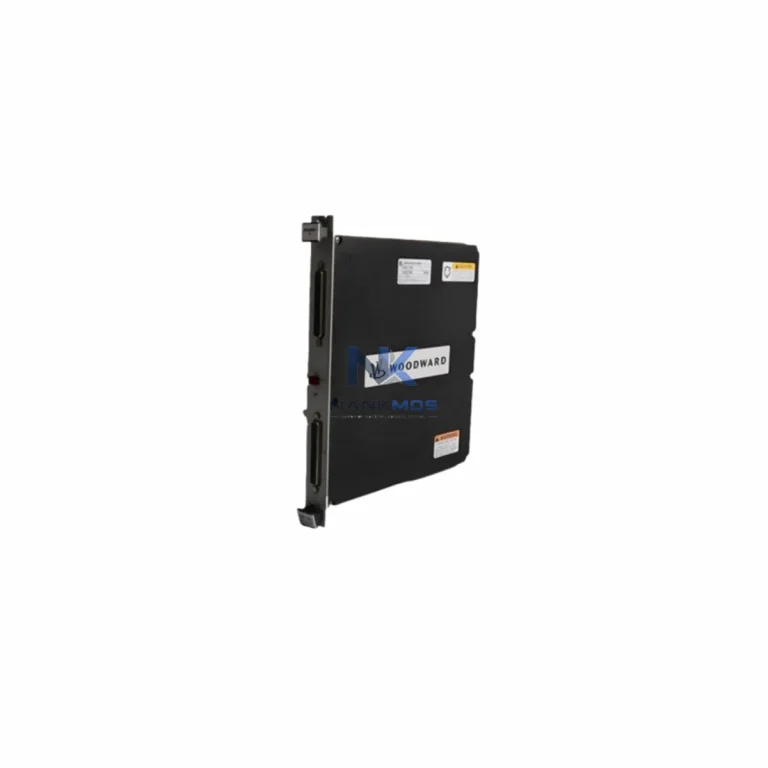
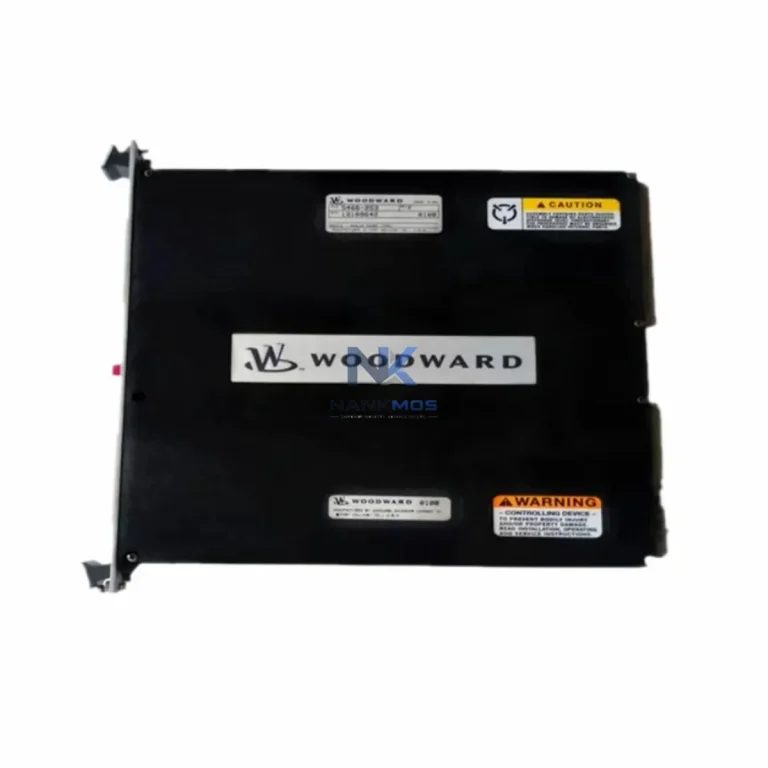
Woodward 5466-353 is a NANKMOS industrial automation product record Listed under Other series series and Business & Industrial > Automation, Control & Flow Devices. Confirm condition, availability, lead time, compatibility and documentation by email inquiry.
Brand names are used for identification only.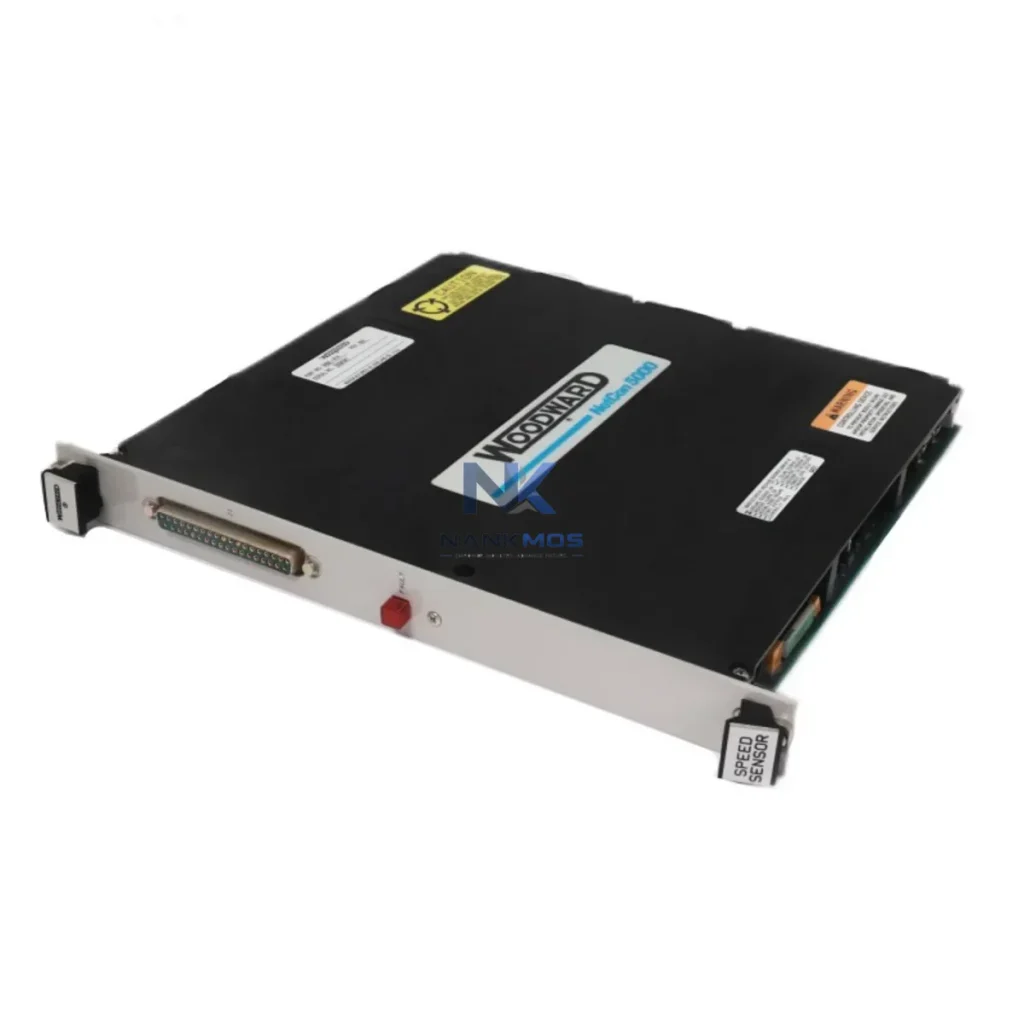
Woodward 5466-353 is a NANKMOS industrial automation product record Listed under Other series series and Business & Industrial > Automation, Control & Flow Devices. Confirm condition, availability, lead time, compatibility and documentation by email inquiry.
| Manufacturer | Woodward |
|---|---|
| Application | Industrial Automation Maintenance |
| Part Number / Model | 5466-353 |
| Compatible System | Confirmed by inquiry |
| Condition Options | To Confirm |
| Module Type | Automation, Control & Flow Devices |
| Warranty | 12 Months |
| Packaging | Anti-static Bag / Secure Box |
| Shipping Methods | DHL / FedEx / UPS / Air / Sea |
| Availability | To Confirm |
| Lead Time | To Confirm |
| Documentation | Part number and revision checked before quote |
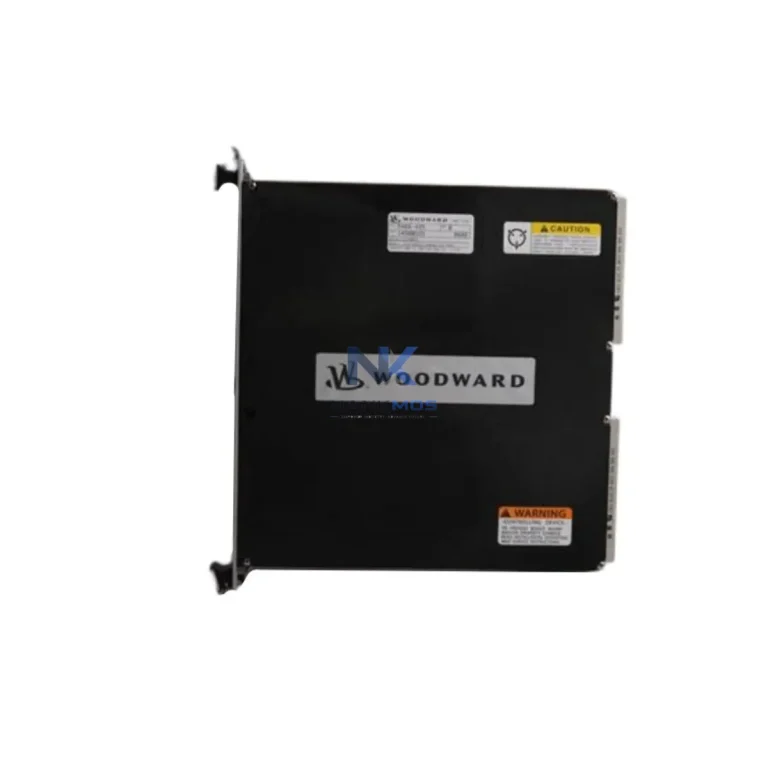
The Woodward 5466-353 is a precision-engineered Transceiver Interface Module designed for seamless integration within Woodward governor control architectures. Purpose-built for turbine, engine, and generator control platforms, this module serves as the critical communication bridge between the governor controller and field-level actuators, sensors, and supervisory systems. Its role within the control hierarchy spans the communication layer, I/O signal layer, and diagnostic layer — making it an indispensable component for engineers who demand signal integrity, system consistency, and long-term operational reliability across demanding industrial environments.
In modern industrial automation, no component operates in isolation. The 5466-353 is engineered to function as part of a cohesive, layered control architecture. Whether deployed in a gas turbine power plant, a diesel generator set, a compressor station, or a marine propulsion system, this transceiver interface ensures that command signals from the governor controller are accurately transmitted and received with minimal latency and maximum noise immunity. Its design philosophy aligns with Woodward's broader platform strategy: modular, field-replaceable, and backward-compatible with established governor control families.
From a system architecture perspective, the 5466-353 occupies a pivotal position in the signal flow chain. Upstream, it interfaces directly with Woodward governor controllers such as the 505 Digital Governor, the MicroNet TMR, and the EasyGen series, receiving processed control outputs and translating them into field-compatible transceiver signals. Downstream, it connects to actuator drivers, magnetic pickups, speed sensors, and analog I/O modules, ensuring that every control command reaches its destination with the fidelity required for closed-loop governor operation. This bidirectional signal management capability is what distinguishes the 5466-353 as a system-level component rather than a simple interface card.
The 5466-353 achieves its full operational value when deployed as part of a complete Woodward governor control platform. In a typical turbine or engine control cabinet, the module works in concert with the Woodward 505 Digital Governor Controller, which provides the primary speed and load control logic. The 505 outputs processed governor commands that the 5466-353 translates into field-level transceiver signals, ensuring that actuator response times remain within the tight tolerances required for stable governor operation.
For redundant control architectures, the 5466-353 is frequently paired with the Woodward MicroNet TMR (Triple Modular Redundancy) platform. In TMR configurations, three independent control channels vote on output commands, and the transceiver interface must faithfully relay the voted output to the actuator layer without introducing single-point failure risk. The 5466-353's signal isolation and noise rejection characteristics make it well-suited for this role.
On the actuator side, the module interfaces with Woodward TM-series electro-hydraulic actuators and Woodward DYNA series actuators, providing the current-loop or voltage-referenced drive signals required for precise fuel valve and throttle positioning. In gas turbine applications, this actuator interface is critical for maintaining combustion stability and load-following performance.
Speed sensing inputs are typically sourced from Woodward magnetic pickup units (MPUs) and passive speed sensors, whose pulse-train outputs are conditioned by the transceiver interface before being passed to the governor controller for frequency calculation. Accurate speed signal conditioning at this layer directly determines governor stability and overspeed protection reliability.
For supervisory integration, the 5466-353 supports connectivity with Woodward NetCon 5000 and Woodward easYgen-3000 series generator management systems, enabling coordinated load sharing, synchronization, and remote setpoint adjustment across multi-unit power plants. This supervisory layer integration is essential for grid-parallel and island-mode operation in distributed generation facilities.
In the power supply layer, the control cabinet typically incorporates Woodward 9907-series power supply modules or equivalent 24 VDC industrial DIN rail PSUs to provide stable, regulated power to the transceiver interface and associated I/O modules. Proper power supply sizing and redundancy at this layer directly impacts the reliability of the entire governor control chain.
For I/O expansion, the 5466-353 is commonly deployed alongside Woodward analog I/O expansion modules and digital I/O terminal modules, which extend the governor controller's field interface capacity for multi-valve, multi-sensor, and multi-actuator configurations in complex turbine trains or multi-engine installations.
Communication gateway integration with Modbus RTU/TCP gateways or PROFIBUS DP interface modules allows the governor control system to exchange operational data with plant-level DCS (Distributed Control Systems) such as ABB System 800xA, Emerson DeltaV, or Honeywell Experion, enabling centralized monitoring, alarm management, and performance trending across the entire facility.
Power Generation (Gas Turbine & Diesel Genset): The 5466-353 is a standard interface component in gas turbine governor control panels for combined-cycle power plants, peaking units, and industrial cogeneration facilities. It ensures precise fuel valve positioning and speed regulation under variable load conditions, supporting both isochronous and droop governor modes. In diesel genset applications, it provides the transceiver interface between the governor controller and the fuel injection actuator, maintaining frequency stability during load transients and paralleling operations.
Oil & Gas / Compressor Stations: In pipeline compressor stations and gas processing facilities, the 5466-353 supports governor control of gas turbine-driven compressors and reciprocating engine-driven compressors. Its robust signal conditioning capability ensures reliable operation in environments with high electromagnetic interference from variable-frequency drives, high-voltage switchgear, and RF sources common in upstream and midstream oil and gas facilities.
Marine Propulsion & Auxiliary Power: Marine classification societies require governor control systems to meet stringent reliability and redundancy standards. The 5466-353's industrial-grade temperature range and signal isolation characteristics make it suitable for main engine governor interfaces and auxiliary generator control panels aboard commercial vessels, offshore platforms, and naval vessels.
Water Treatment & Pumping Stations: In large-scale water treatment plants and pumping stations driven by diesel or gas engine prime movers, the 5466-353 provides the governor interface for speed and load control, supporting variable-flow pumping strategies and energy optimization programs.
Mining & Metallurgy: Mine ventilation fans, hoisting systems, and ore processing drives powered by engine-governor combinations rely on precise transceiver interfaces for safe, responsive speed control. The 5466-353's compatibility with Woodward governor platforms makes it a preferred replacement component in mining operations where equipment uptime is directly tied to production throughput.
Q1: Is the Woodward 5466-353 a direct drop-in replacement for existing governor control panels? Yes. The 5466-353 is designed as a system-matched, drop-in replacement for Woodward governor control architectures. It maintains full electrical and mechanical compatibility with the original installation, requiring no firmware changes or recalibration of the governor controller in standard replacement scenarios. Pre-shipment functional testing ensures that each unit meets Woodward's original performance specifications before dispatch.
Q2: What redundancy and diagnostic capabilities does the 5466-353 support in TMR governor architectures? In Triple Modular Redundancy (TMR) configurations using the Woodward MicroNet TMR platform, the 5466-353 provides the field-side transceiver interface for each redundant control channel. Its signal isolation design prevents cross-channel interference, preserving the integrity of the voting logic. Diagnostic outputs from the module can be monitored via the governor controller's built-in diagnostics or through an external DCS interface, enabling predictive maintenance and rapid fault isolation without requiring system shutdown.
Q3: What warranty and supply assurance does NANKMOS provide for the Woodward 5466-353? NANKMOS provides a 12-Month Warranty on the Woodward 5466-353, covering manufacturing defects and functional failure under normal operating conditions. Each unit undergoes pre-shipment functional testing to verify signal integrity and electrical performance. We maintain in-stock inventory to support urgent replacement requirements, with standard lead times of 3–5 business days. For critical infrastructure projects requiring expedited delivery or volume procurement, please contact our technical sales team directly.
Functional Inspection100% tested on professional platforms to ensure stable performance.
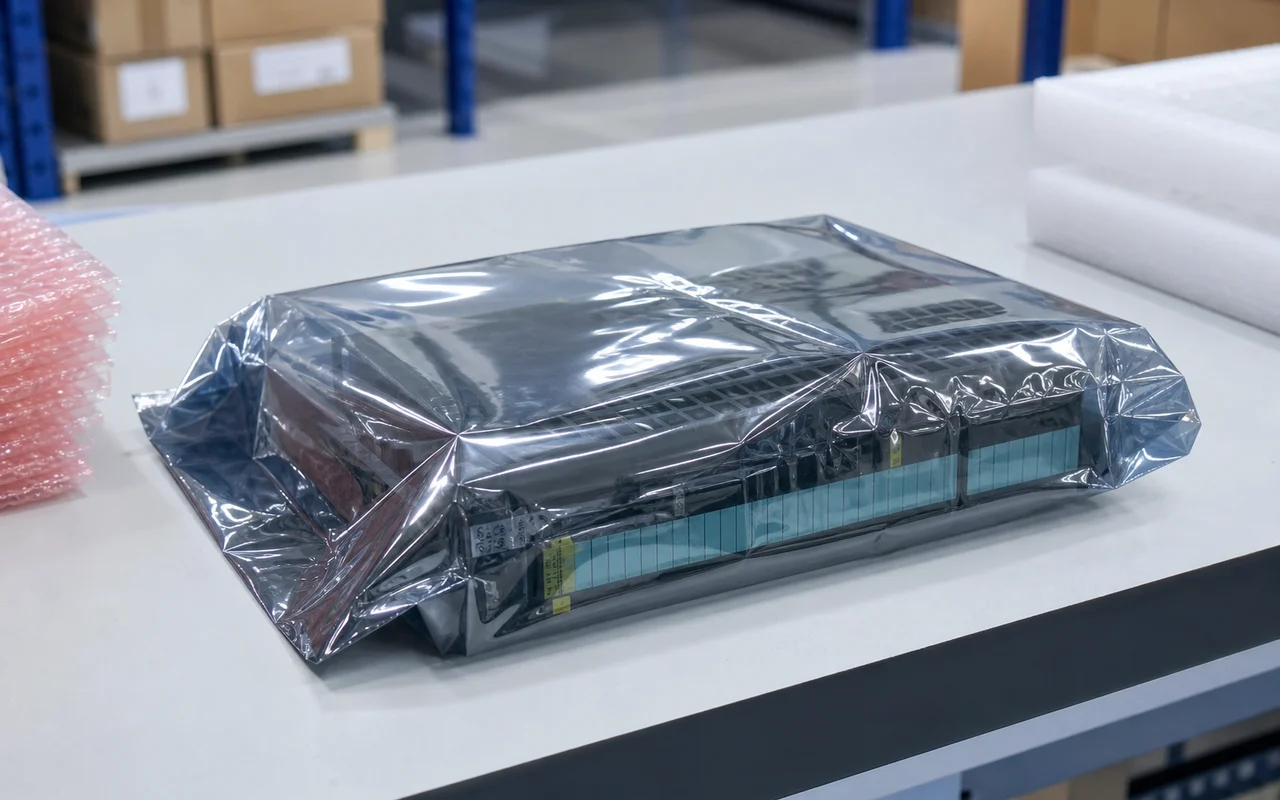 Anti-static Packaging
Modules are packed in anti-static bags to prevent electrostatic damage.
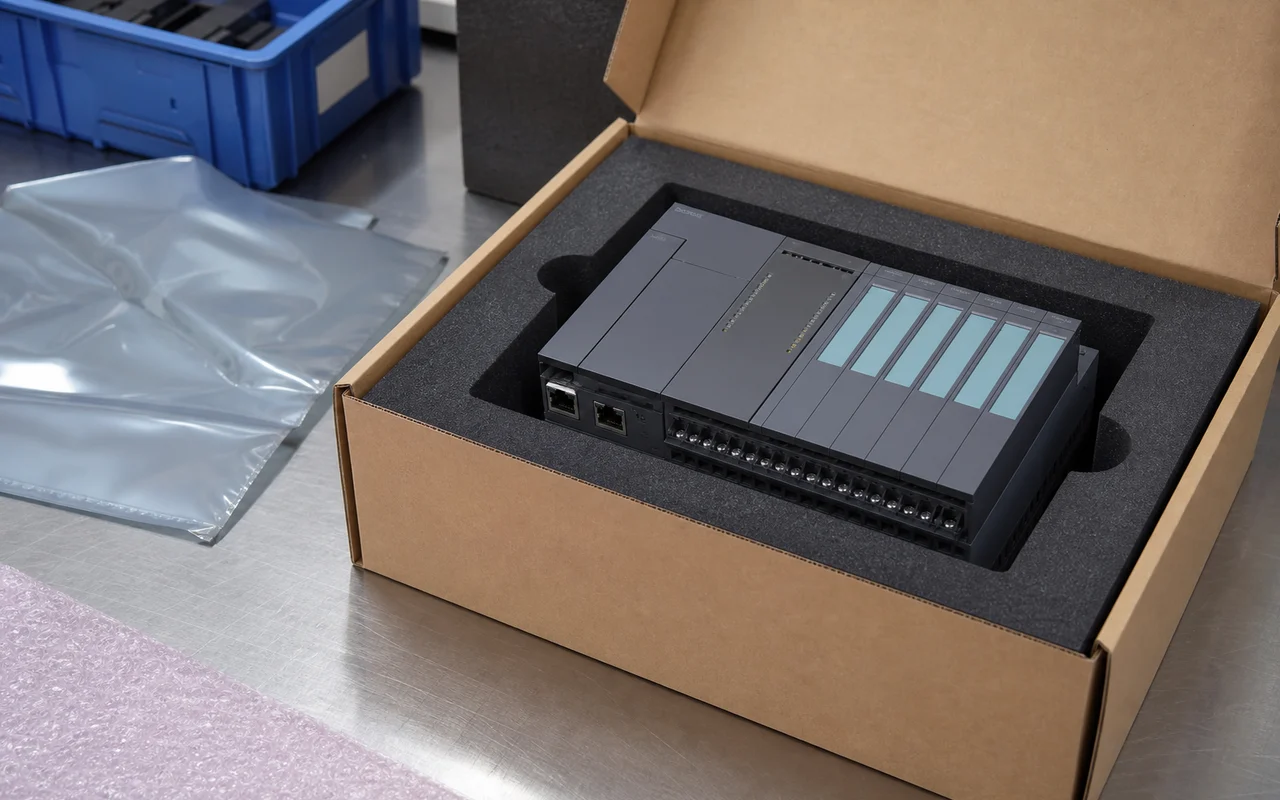 Secure Export Packing
Cushion protection and strong cartons ensure safe transportation.
 Worldwide Shipping
Global logistics network supports air, sea and express delivery.
 Documentation Check
Part number, revision and compatibility verified before shipment.
 After-sales Support
Professional technical support to help resolve your issues.