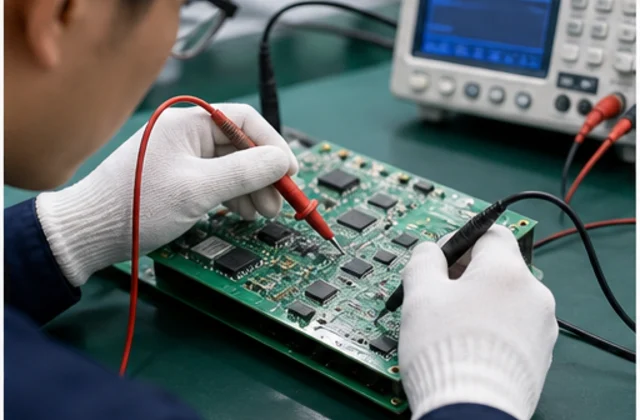
 Functional Inspection
100% tested on professional platforms to ensure stable performance.
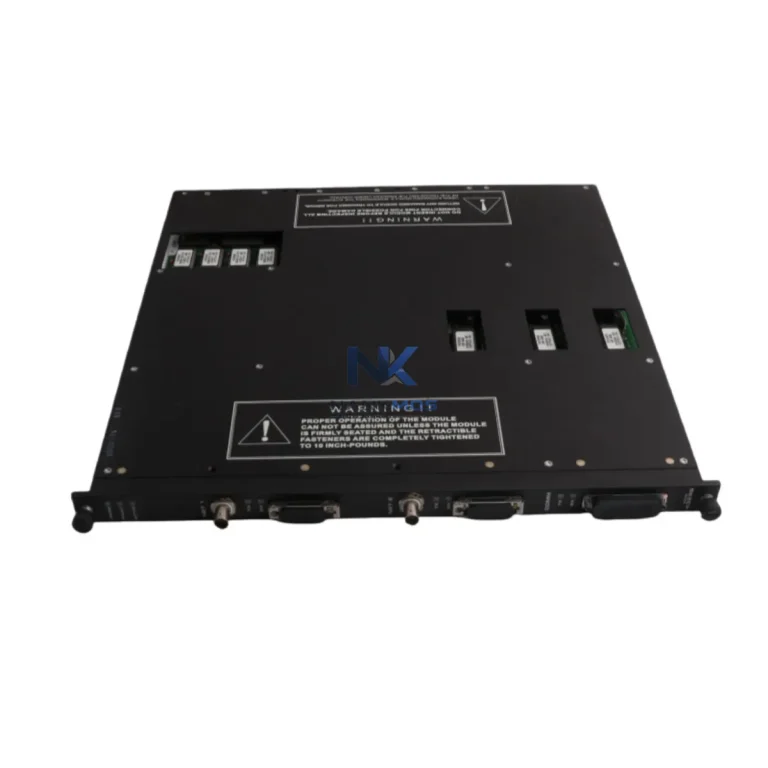
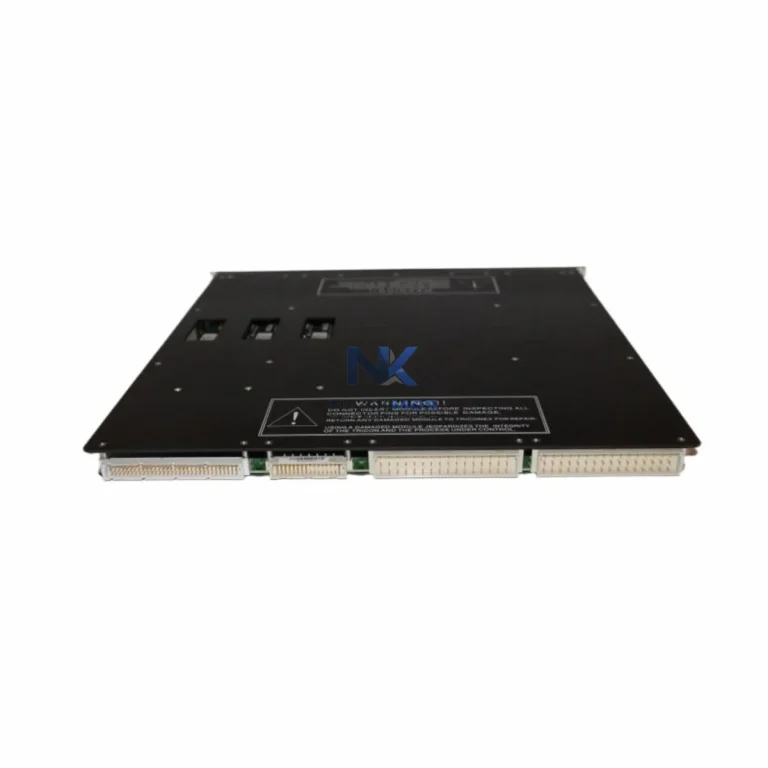
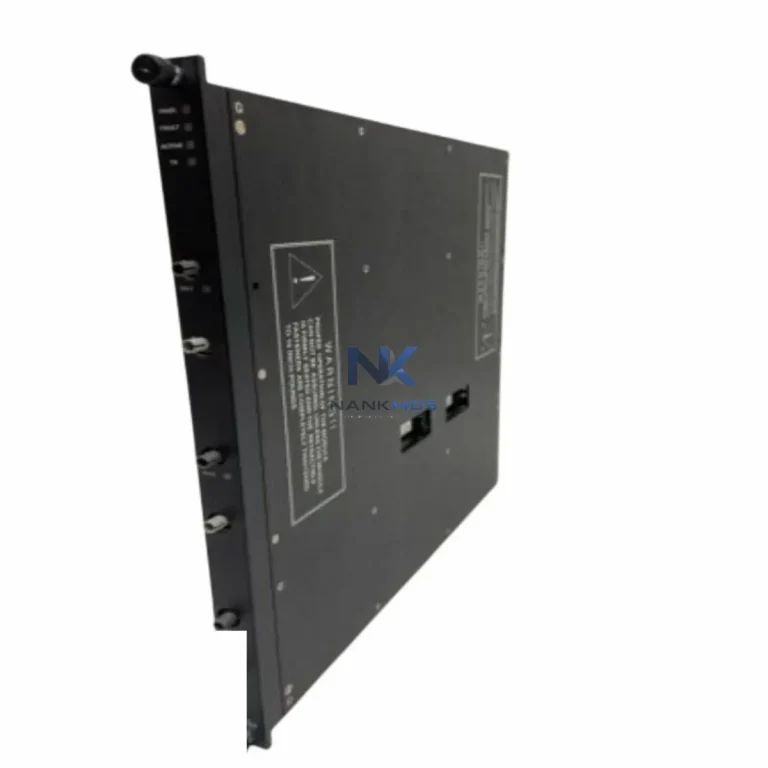
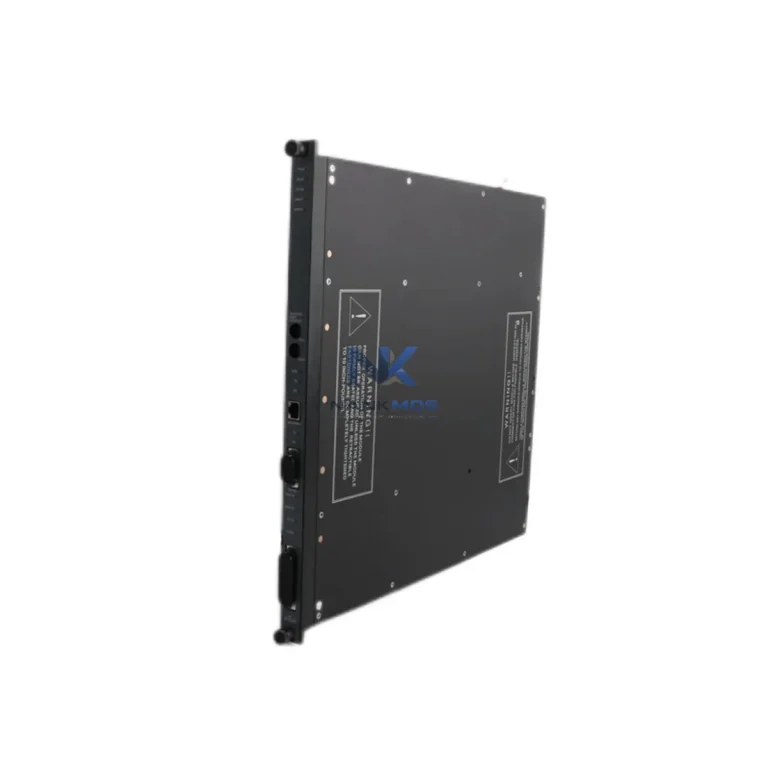
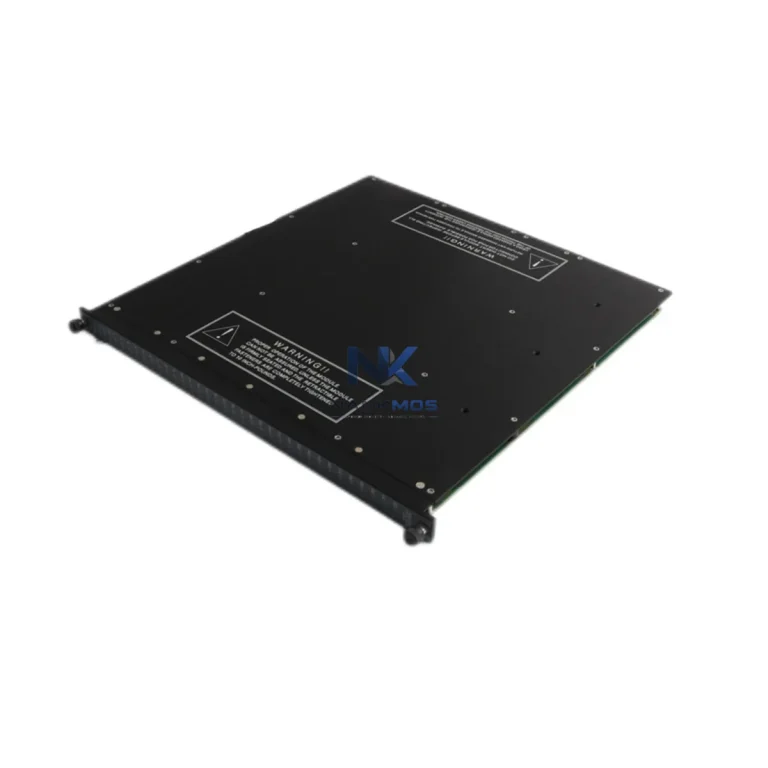
Triconex 9674-810 is a NANKMOS industrial automation product record Listed under Tricon series and Business & Industrial > Automation, Control & Flow Devices > Programmable Logic Controllers. Confirm condition, availability, lead time, compatibility and documentation by email inquiry.
Brand names are used for identification only.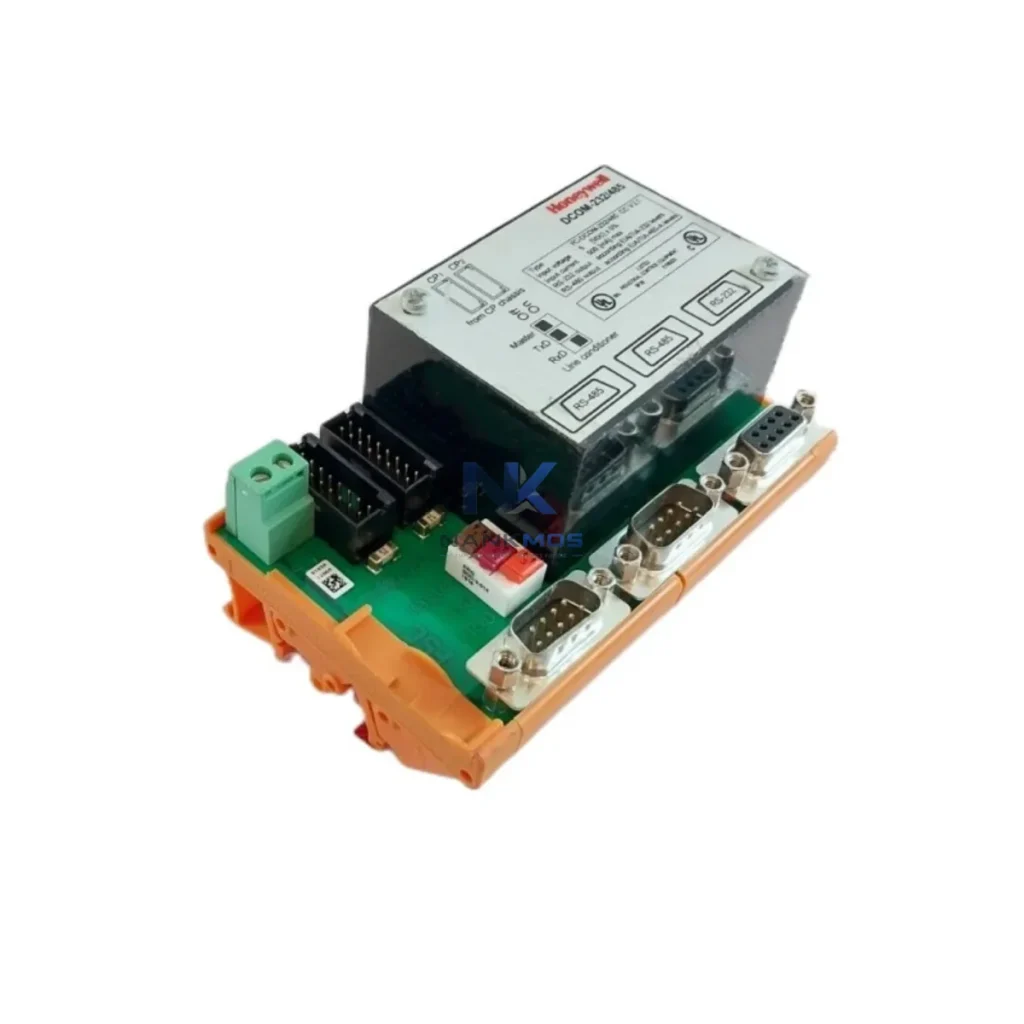
Triconex 9674-810 is a NANKMOS industrial automation product record Listed under Tricon series and Business & Industrial > Automation, Control & Flow Devices > Programmable Logic Controllers. Confirm condition, availability, lead time, compatibility and documentation by email inquiry.
| Manufacturer | Triconex |
|---|---|
| Application | Controller Processing & System Control |
| Part Number / Model | 9674-810 |
| Compatible System | Tricon |
| Series | Tricon |
| Condition Options | To Confirm |
| Module Type | Controller / CPU Module |
| Warranty | 12 Months |
| Packaging | Anti-static Bag / Secure Box |
| Shipping Methods | DHL / FedEx / UPS / Air / Sea |
| Availability | To Confirm |
| Lead Time | To Confirm |
| Documentation | Part number and revision checked before quote |
The Triconex 9674-810 is a high-integrity digital output module engineered for the Tricon CX Triple Modular Redundant (TMR) Safety Instrumented System (SIS). Designed for mission-critical process industries — including oil & gas, petrochemical, power generation, and advanced manufacturing — this module serves as a precision-controlled actuator interface within the plant's safety data chain. Its role extends far beyond simple on/off switching: the 9674-810 is a structured node in a layered industrial communication architecture that connects field devices, safety PLCs, remote I/O, SCADA platforms, and enterprise-level data systems into a unified, transparent, and auditable smart factory network.
In modern safety-critical automation environments, the integrity of the output signal path is as important as the logic that generates it. The Triconex 9674-810 ensures that every actuator command — whether triggering an emergency shutdown valve, de-energizing a motor contactor, or activating a process interlock — is executed with TMR-verified accuracy. Each output channel is independently monitored across three redundant processing lanes, and any discrepancy between lanes is detected, flagged, and reported upstream to the SCADA or DCS layer in real time. This continuous self-diagnostic capability is what makes the 9674-810 a cornerstone of connected factory data flow design.
The Triconex 9674-810 operates at the actuator-interface layer of the smart factory data chain, but its influence on system-wide connectivity is substantial. In a typical SIS architecture, the data flow begins at the sensor and transmitter level — 4–20 mA pressure transmitters, thermocouple inputs, and vibration sensors feed analog and digital signals into the Tricon CX chassis via dedicated input modules such as the Triconex 3703E analog input module or the 3805E digital input module. These signals are processed by the Tricon CX main processor — typically a 4351B or 4352 MP — which executes the safety logic and generates output commands routed to the 9674-810.
The 9674-810's output signals then drive field actuators: solenoid valves, motor starters, relay coils, and shutdown devices. Simultaneously, the Tricon CX system communicates upstream via the TriStation 1131 programming and communication environment, which interfaces with plant SCADA platforms — such as Wonderware System Platform, Ignition SCADA, or Emerson DeltaV — through an OPC DA/UA server or a dedicated Triconex Communication Module (TCM). This bidirectional data path allows SCADA operators to monitor output channel states, acknowledge alarms, and retrieve diagnostic data from the 9674-810 in real time, without interrupting the safety execution cycle.
For plants requiring Modbus TCP integration — common in hybrid environments where a Siemens S7-300/400 or Rockwell ControlLogix DCS coexists with the Triconex SIS — an industrial protocol gateway such as the Moxa MGate MB3480 or a Red Lion DA30D data station can bridge the Tricon CX Modbus RTU port to the plant Ethernet backbone. This enables the 9674-810's channel status data to flow into the plant historian, MES layer, or edge analytics platform without requiring proprietary middleware. Industrial managed switches — such as the Hirschmann RS20 or Moxa EDS-510A — provide the network segmentation and VLAN isolation necessary to keep SIS traffic separated from standard process control traffic, in compliance with IEC 62443 cybersecurity requirements.
At the edge layer, platforms such as the Advantech WISE-5231 or Siemens SIMATIC IPC427E edge gateway can aggregate Modbus and OPC UA data streams from multiple Tricon CX nodes — including those equipped with 9674-810 output modules — and forward structured JSON or MQTT payloads to cloud-based analytics platforms or on-premise data lakes. This architecture supports predictive maintenance workflows, where output channel switching frequency, fault event logs, and diagnostic counters from the 9674-810 are analyzed alongside vibration and temperature data to identify early signs of actuator degradation or relay wear.
Many industrial sites operating legacy Triconex SIS installations face a common set of data integration challenges. The Triconex 9674-810 — when properly integrated into a modern network architecture — directly addresses several of these pain points:
Protocol Fragmentation: Plants with mixed vendor environments often struggle to unify data from Triconex SIS, Honeywell DCS, and third-party field devices. By routing 9674-810 status data through an OPC UA gateway or Modbus TCP bridge, operators can consolidate output channel states into a single SCADA namespace, eliminating protocol silos and enabling unified alarm management.
Data Islands and Blind Spots: Without proper network integration, the output status of safety modules like the 9674-810 may be invisible to the plant historian or MES. Connecting the Tricon CX communication port to the plant Ethernet backbone — via a managed industrial switch with port mirroring — ensures that every output event is timestamped, logged, and available for post-incident analysis and regulatory reporting.
Remote Monitoring and Diagnostics: For unmanned or remote installations — offshore platforms, pipeline compressor stations, or remote power substations — the ability to remotely monitor the 9674-810's channel health is critical. Through TriStation remote access or an OPC UA tunnel over a secure VPN, maintenance engineers can review diagnostic counters, channel fault flags, and TMR voting status without requiring a site visit, reducing mean time to repair (MTTR) and minimizing unplanned downtime.
Production Line Transparency: Integrating 9674-810 output data into a plant KPI dashboard — via Ignition SCADA or a Power BI connector — gives production managers real-time visibility into safety system actuator states, interlock activation frequency, and shutdown event trends. This transparency supports continuous improvement initiatives and helps justify capital investment in SIS upgrades.
System Scalability: The Tricon CX platform supports hot-swap module replacement, meaning additional 9674-810 modules can be added to expand output capacity without shutting down the safety system. This scalability, combined with the module's compatibility with existing Tricon CX chassis and backplane infrastructure, protects the plant's investment in its SIS architecture as production capacity grows.
Q1: What communication protocols does the Triconex 9674-810 support for SCADA integration? The 9674-810 itself operates on the Tricon CX proprietary backplane bus. SCADA integration is achieved through the Tricon CX main processor's communication ports, which support Modbus RTU, Modbus TCP, and OPC DA/UA (via TriStation Communication Server or a third-party OPC gateway). For plants requiring additional protocol bridging — such as PROFIBUS, EtherNet/IP, or DNP3 — an external protocol gateway can be deployed between the Tricon CX Modbus port and the plant network.
Q2: How does the TMR architecture of the 9674-810 affect network latency and real-time data availability? The Triple Modular Redundant design of the Tricon CX system introduces a voting mechanism that adds minimal latency — typically less than one scan cycle (configurable, commonly 50–250 ms) — to output command execution. This latency is deterministic and does not affect the availability of diagnostic data on the SCADA layer. Channel status, fault flags, and TMR voting results are updated every scan cycle and are immediately accessible via the OPC server or Modbus register map.
Q3: Can the 9674-810 be integrated into a plant network that also includes non-Triconex PLCs and DCS systems? Yes. The Tricon CX system's Modbus TCP interface allows the 9674-810's output status data to be read by any Modbus-compatible SCADA, DCS, or HMI platform — including Siemens WinCC, Rockwell FactoryTalk, and Inductive Automation Ignition. For tighter integration with OPC UA-based systems, the TriStation OPC server provides a standardized data access layer that is compatible with most modern industrial automation platforms.
Q4: What quality assurance and warranty coverage does NANKMOS provide for the Triconex 9674-810? Every Triconex 9674-810 unit supplied by NANKMOS undergoes pre-shipment functional testing, including output channel verification and communication port integrity checks. All units are covered by a 12-month warranty from the date of shipment. In the event of a verified hardware fault within the warranty period, NANKMOS provides replacement or repair support with priority handling. Stock is maintained in our warehouse for immediate dispatch, with global express shipping available via DHL, FedEx, and UPS.
Functional Inspection100% tested on professional platforms to ensure stable performance.
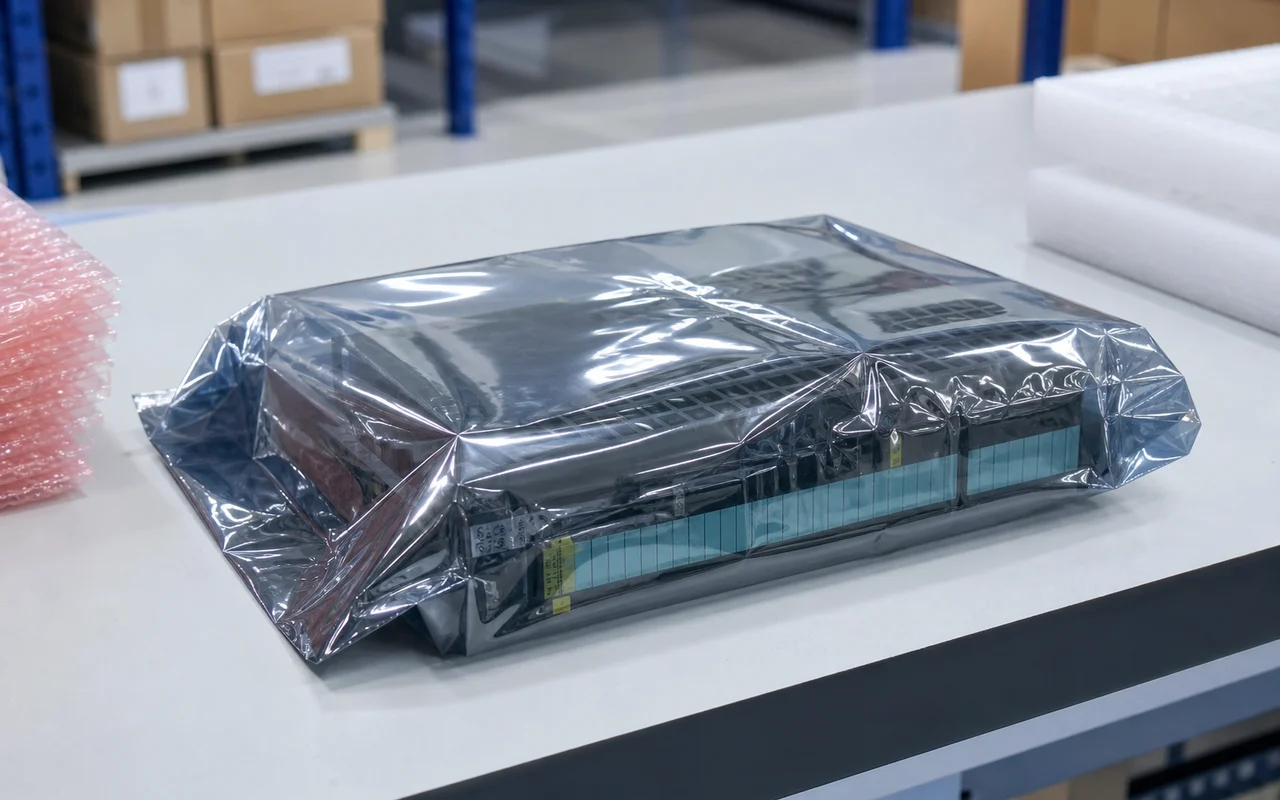 Anti-static Packaging
Modules are packed in anti-static bags to prevent electrostatic damage.
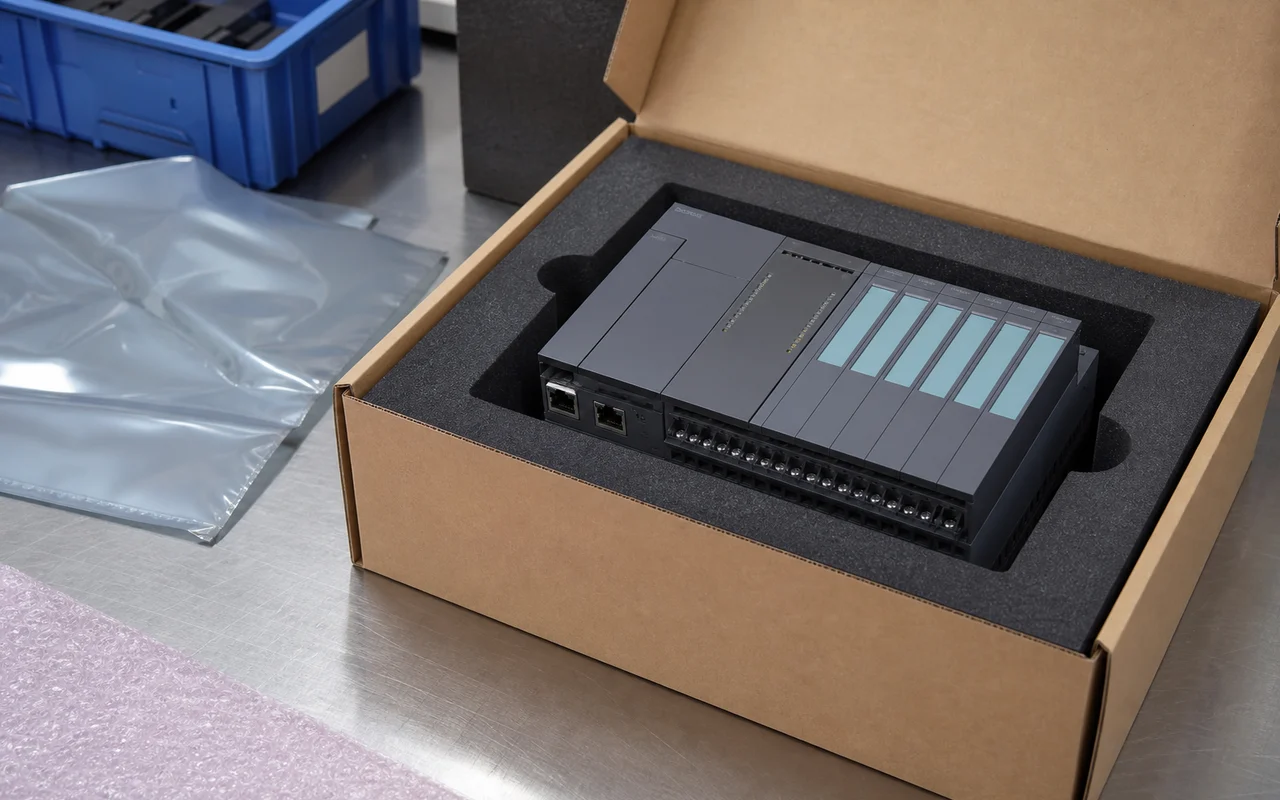 Secure Export Packing
Cushion protection and strong cartons ensure safe transportation.
 Worldwide Shipping
Global logistics network supports air, sea and express delivery.
 Documentation Check
Part number, revision and compatibility verified before shipment.
 After-sales Support
Professional technical support to help resolve your issues.