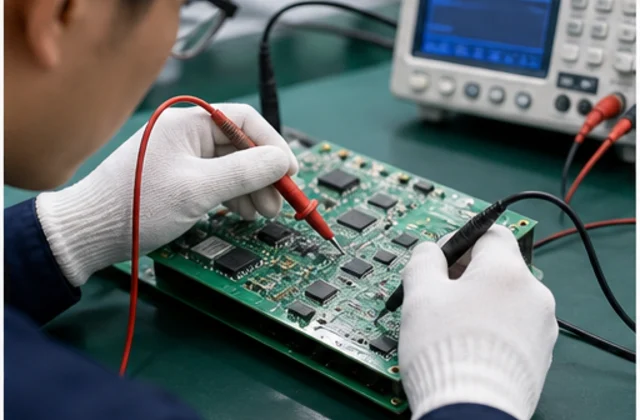
 Functional Inspection
100% tested on professional platforms to ensure stable performance.
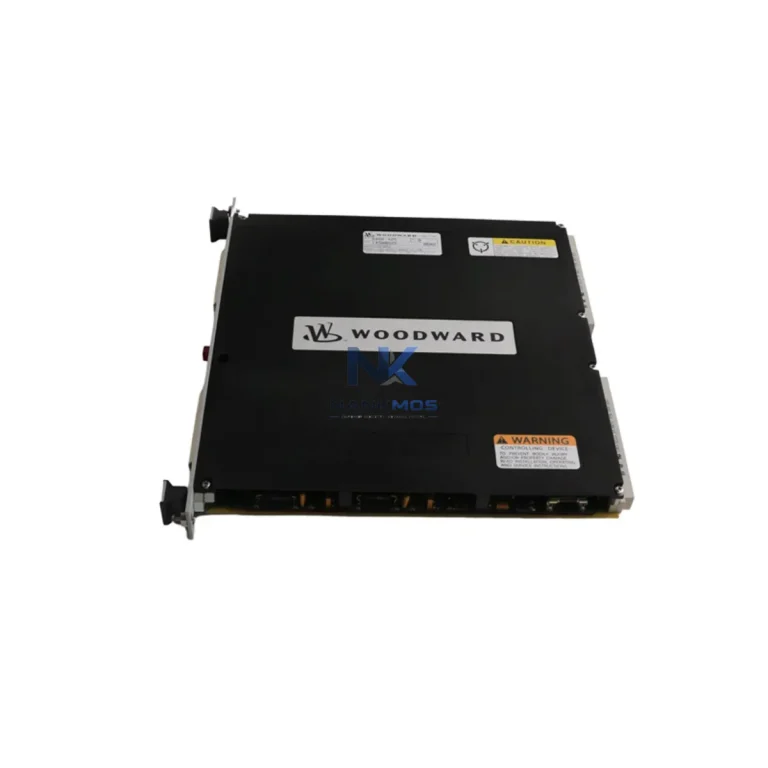
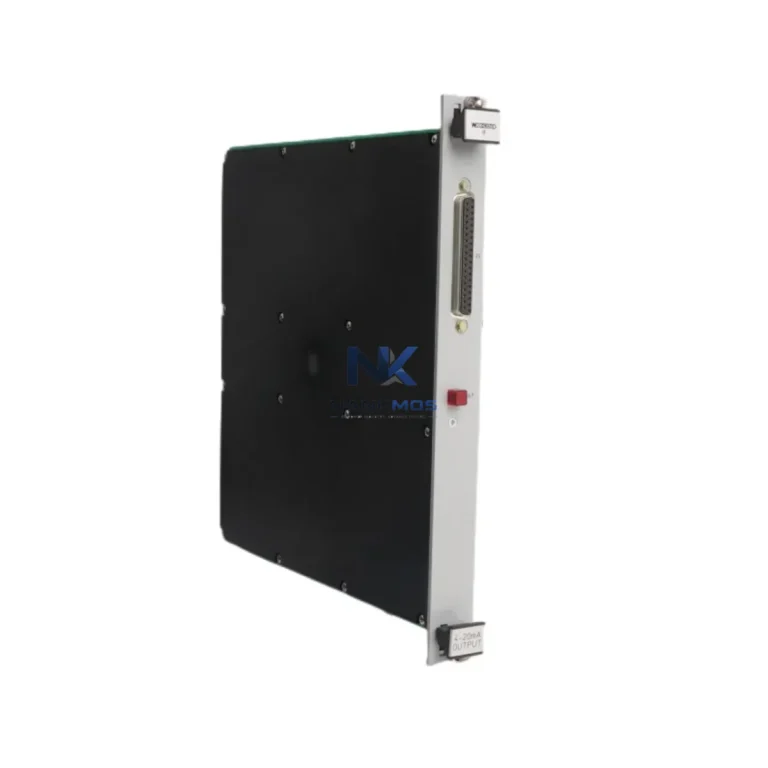
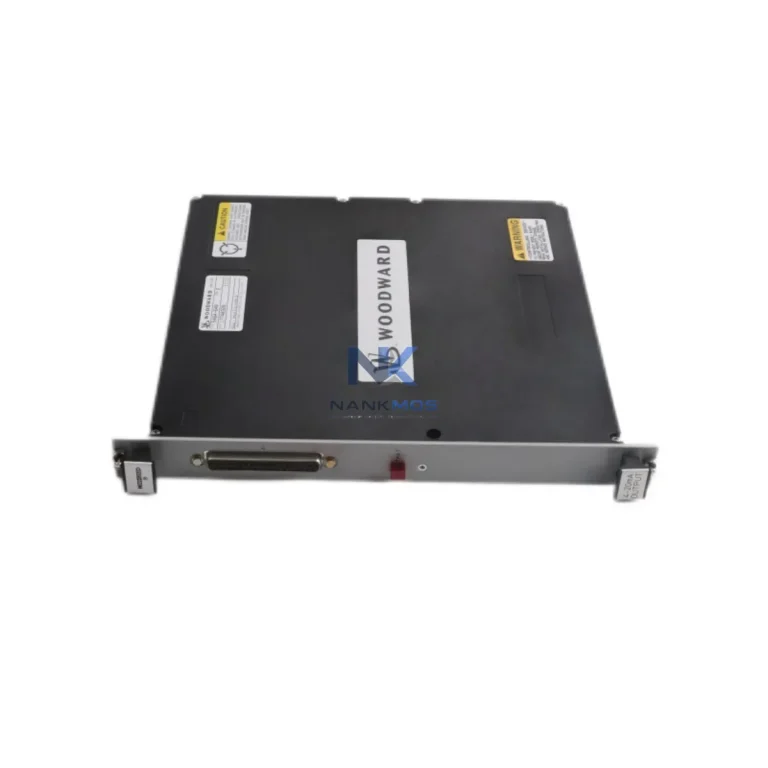
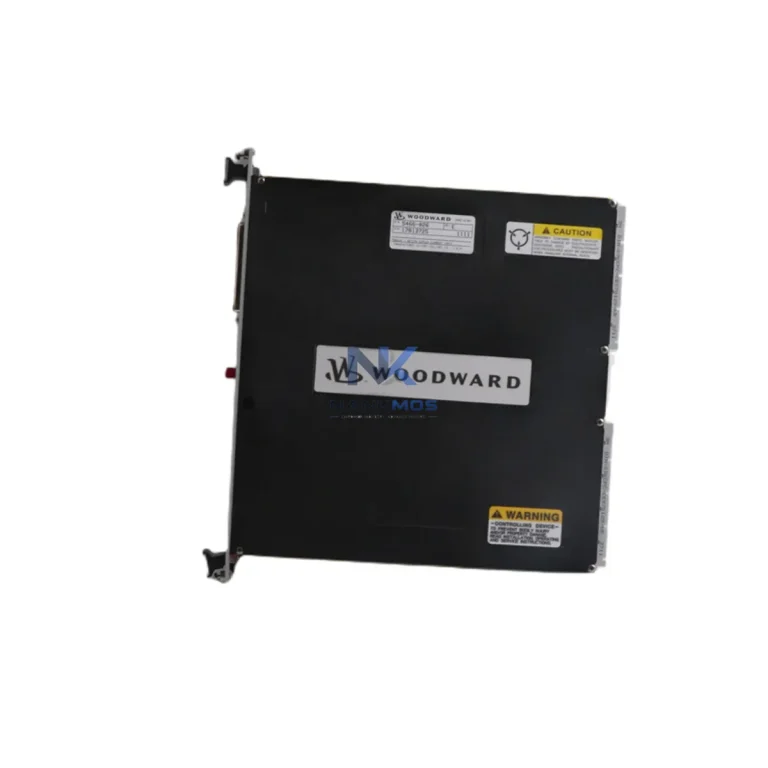
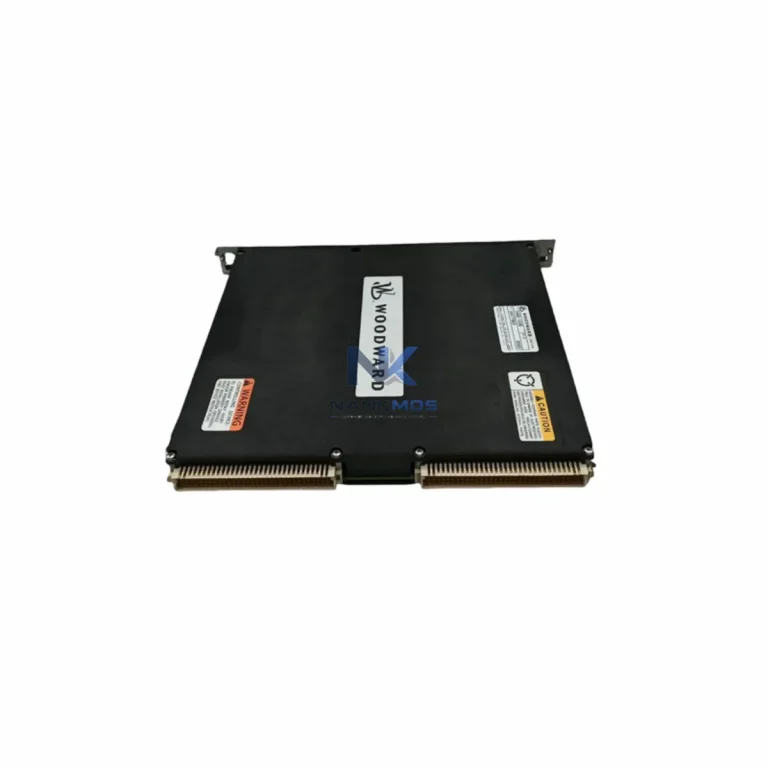
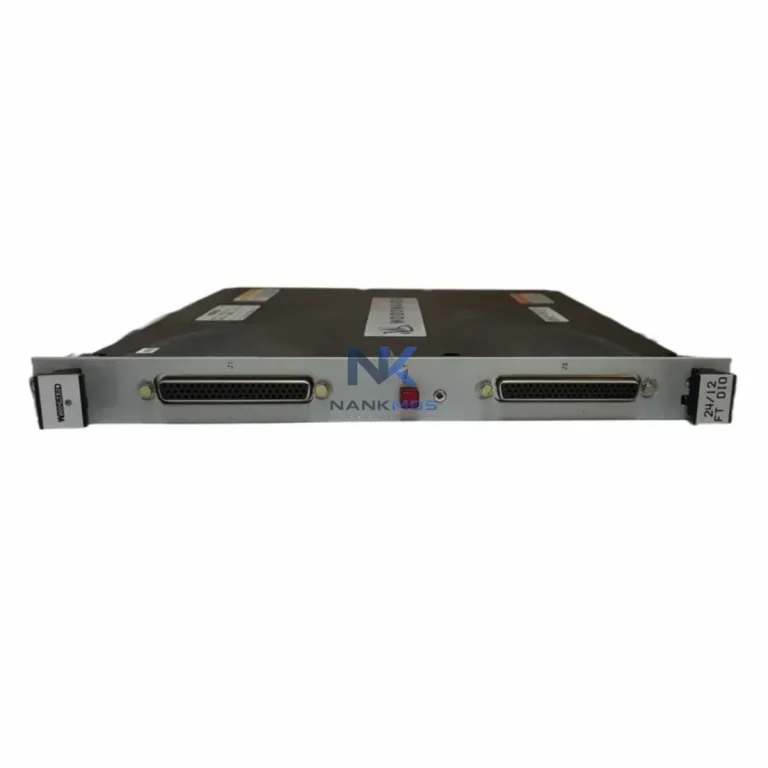
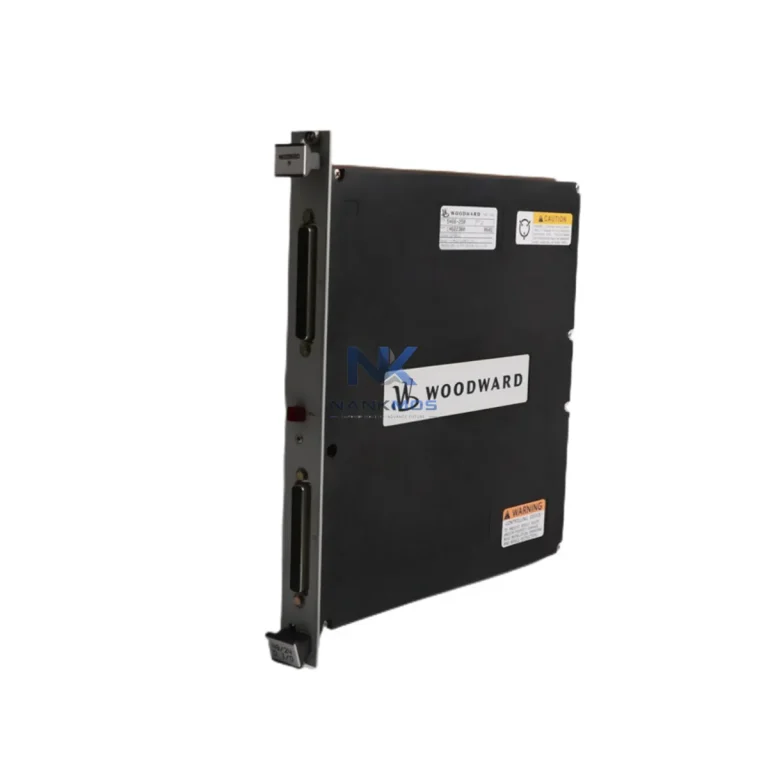
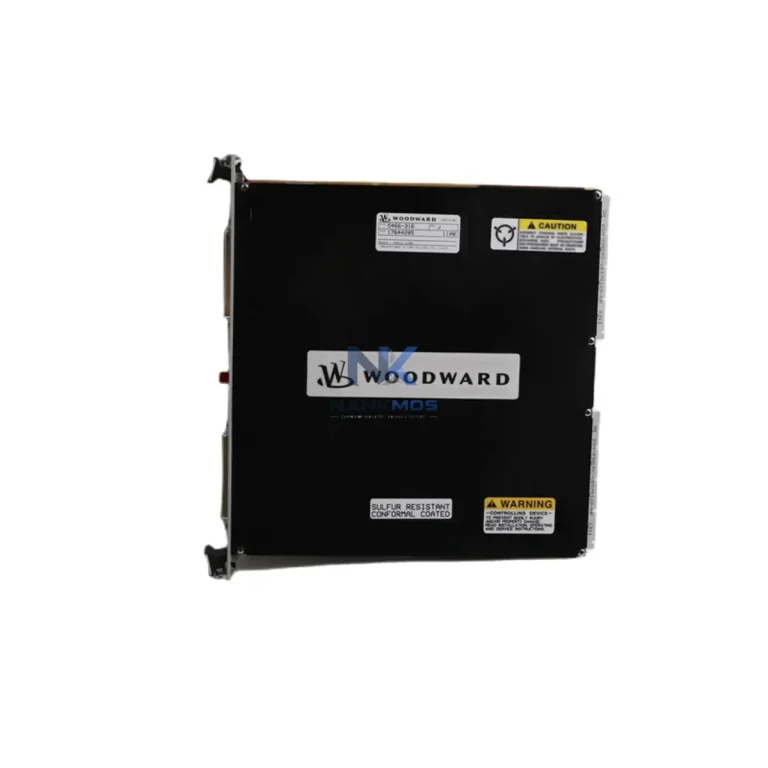
Woodward 9907-173 is a NANKMOS industrial automation product record Listed under Other series series and Business & Industrial > Automation, Control & Flow Devices > Programmable Logic Controllers. Confirm condition, availability, lead time, compatibility and documentation by email inquiry.
Brand names are used for identification only.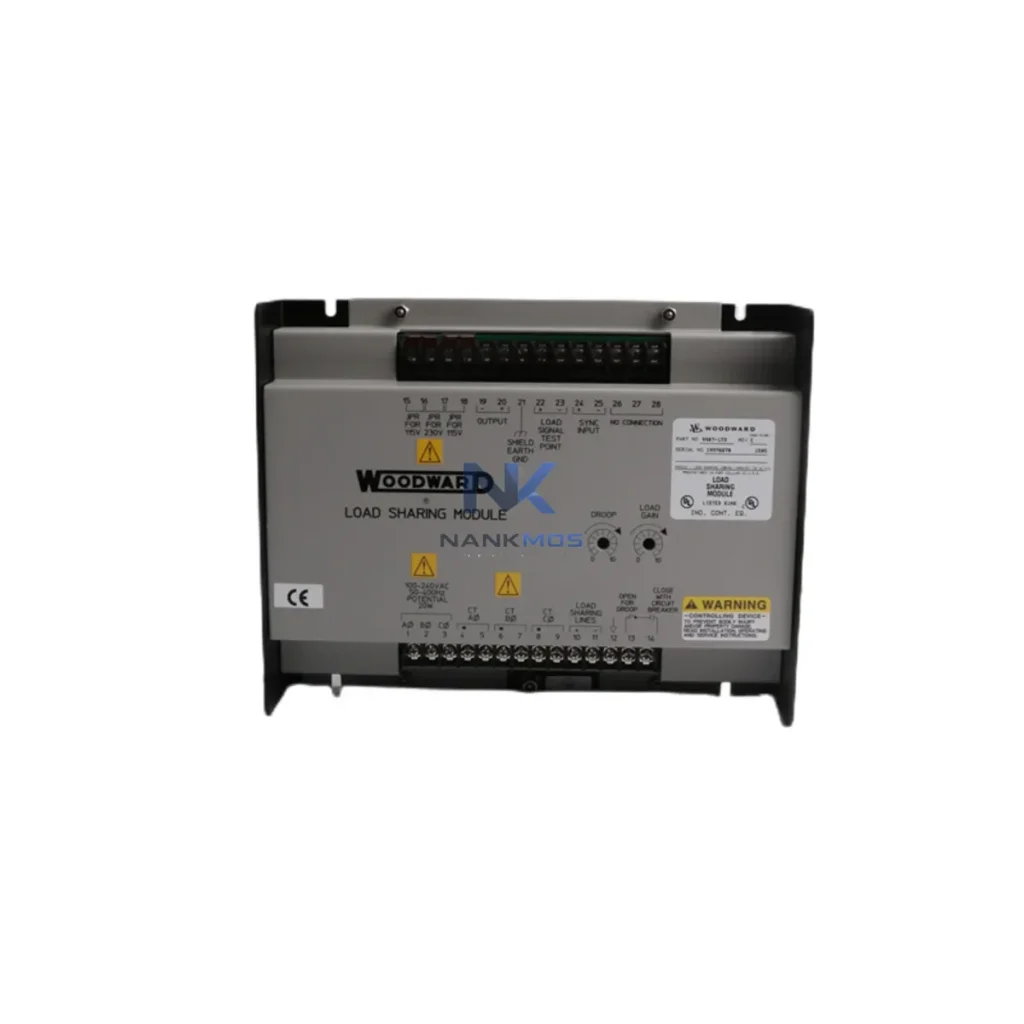
Woodward 9907-173 is a NANKMOS industrial automation product record Listed under Other series series and Business & Industrial > Automation, Control & Flow Devices > Programmable Logic Controllers. Confirm condition, availability, lead time, compatibility and documentation by email inquiry.
| Manufacturer | Woodward |
|---|---|
| Application | Controller Processing & System Control |
| Part Number / Model | 9907-173 |
| Compatible System | Confirmed by inquiry |
| Condition Options | To Confirm |
| Module Type | Controller / CPU Module |
| Warranty | 12 Months |
| Packaging | Anti-static Bag / Secure Box |
| Shipping Methods | DHL / FedEx / UPS / Air / Sea |
| Availability | To Confirm |
| Lead Time | To Confirm |
| Documentation | Part number and revision checked before quote |
The Woodward 9907-173 is an EG Series Load Sharing Module engineered for parallel generator sets and industrial power distribution networks where precise energy control is non-negotiable. Designed to equalize real power (kW) load across multiple generating units, the 9907-173 eliminates the inefficiencies caused by unbalanced load distribution — reducing fuel consumption, minimizing thermal stress on prime movers, and extending the operational lifespan of every generator in the paralleled system.
In modern industrial facilities — from continuous-process manufacturing plants to energy-intensive production lines — uncontrolled load swings translate directly into wasted energy, elevated heat loads, and accelerated component wear. The Woodward 9907-173 addresses this at the source by providing a dedicated, analog load-sharing signal that integrates seamlessly with Woodward EG Series governors and compatible actuator systems, ensuring each generator unit carries its proportional share of the total plant load at all times.
The Woodward 9907-173 does not operate in isolation — its value is fully realized when integrated into a coordinated, power-aware automation architecture. In a typical industrial energy management deployment, the 9907-173 interfaces with the Woodward EG-3P governor or EG-6P actuator on each generating unit, receiving and transmitting load-sharing bus signals that continuously balance real power output across the parallel set.
At the supervisory level, a Siemens S7-1200 PLC or Allen-Bradley MicroLogix 1400 can monitor aggregate plant load via Schneider Electric PowerLogic PM5000 Series power monitoring modules, feeding real-time kW demand data into the plant's energy management system. The 9907-173's analog output integrates cleanly with these monitoring loops, providing a stable reference signal that prevents hunting and oscillation — common sources of energy waste in poorly tuned parallel generator systems.
For facilities running variable-speed drives on large motor loads, the interaction between the ABB ACS880 variable frequency drive and the generator set's load-sharing system is critical. Sudden motor start transients can destabilize load sharing; the 9907-173's droop compensation circuitry absorbs these transients, maintaining stable frequency and voltage across the bus. Similarly, when Woodward 2301D load sharing and speed controls are deployed on larger prime movers, the 9907-173 provides the inter-unit communication backbone that keeps all units synchronized.
On the I/O and communications side, a Moxa NPort 5150 serial device server or Advantech ADAM-4520 RS-232 to RS-485 converter can bridge the analog load-sharing bus data into a Modbus RTU network, making real-time load distribution data available to an Ignition SCADA or Wonderware System Platform historian. This enables plant engineers to trend load imbalance events, correlate them with fuel consumption spikes, and implement predictive maintenance schedules before unplanned outages occur.
HMI visibility is equally important. A Weintek MT8071iE HMI or Siemens SIMATIC HMI TP700 Comfort panel, connected via the plant's control network, can display per-unit load share percentages, alarm on imbalance thresholds, and log events for post-incident analysis — giving operators the situational awareness needed to intervene before a load imbalance escalates into a generator trip.
In continuous manufacturing environments — automotive stamping, chemical processing, food and beverage production, or semiconductor fabrication — power quality and availability are directly tied to production throughput. A single generator trip caused by load imbalance can halt an entire production line, triggering costly restart sequences, scrap events, and missed delivery commitments.
The Woodward 9907-173 eliminates this risk by ensuring that no single generating unit is ever overloaded while others run light. By distributing real power proportionally across all online units, the module keeps each generator operating within its optimal efficiency band — typically 70–85% of rated capacity — where specific fuel consumption is lowest and thermal output per kW is minimized. This directly reduces the facility's energy cost per unit of production output.
Beyond fuel savings, balanced load sharing reduces the thermal cycling experienced by engine components, alternator windings, and voltage regulators. Lower thermal stress translates into extended mean time between failures (MTBF), fewer unscheduled maintenance events, and more predictable maintenance intervals — all of which contribute to higher overall equipment effectiveness (OEE) and a more stable production cadence.
For facilities implementing ISO 50001 energy management systems or pursuing carbon reduction targets, the 9907-173 provides a measurable, auditable contribution to energy efficiency: load imbalance losses are quantifiable, and the module's correction of those losses can be documented as part of an energy baseline and improvement plan. Combined with power monitoring data from the plant's SCADA system, the 9907-173 becomes a key data point in demonstrating continuous energy performance improvement.
Inventory availability is maintained to support rapid deployment and emergency replacement scenarios. All units undergo functional load-sharing signal verification and output calibration checks prior to shipment, ensuring that every 9907-173 leaving our facility performs to Woodward's original specification from day one of installation.
Q1: What measurable energy savings can the Woodward 9907-173 deliver in a parallel generator installation? The primary energy benefit is the elimination of load imbalance losses. In an unbalanced parallel system, one unit may run at 90%+ load while another runs at 50%, forcing the overloaded unit into a less efficient operating region with higher specific fuel consumption. The 9907-173 corrects this by equalizing load distribution, typically reducing total fuel consumption by 3–8% depending on the degree of imbalance present before installation. Exact savings depend on the number of units, their rated capacity, and the load profile of the facility.
Q2: Which Woodward governors and control systems is the 9907-173 compatible with? The 9907-173 is designed for use within the Woodward EG Series ecosystem, including the EG-3P, EG-6P, EG-10P, and EG-3C governors and actuators. It is also compatible with Woodward 2301-series load sharing and speed controls in mixed-governor parallel configurations. For integration with third-party PLC or SCADA systems, the analog load-sharing bus signal can be conditioned and converted using standard signal isolators or serial communication gateways. Always verify governor firmware compatibility before installation.
Q3: Can the 9907-173 replace an existing load sharing module without recalibrating the entire governor system? In most cases, yes. The 9907-173 is a direct form-fit-function replacement for compatible EG Series load sharing modules. Terminal assignments and signal levels are consistent with the original Woodward specification, allowing drop-in replacement without governor recalibration in standard installations. However, if the existing system has been field-modified or if governor droop settings have drifted significantly, a full load-sharing calibration procedure is recommended after module replacement to ensure optimal performance.
Q4: What does the 12-month warranty cover, and what is the pre-shipment testing process? Every Woodward 9907-173 supplied by NANKMOS is covered by a 12-month warranty against defects in materials and workmanship from the date of shipment. Prior to dispatch, each unit undergoes a functional verification process that includes load-sharing signal output measurement, supply voltage range testing, and terminal continuity checks. Units that do not meet Woodward's original performance specification are quarantined and not shipped. In the event of a warranty claim, NANKMOS provides replacement unit dispatch within standard lead times, with full technical support throughout the process.
Functional Inspection100% tested on professional platforms to ensure stable performance.
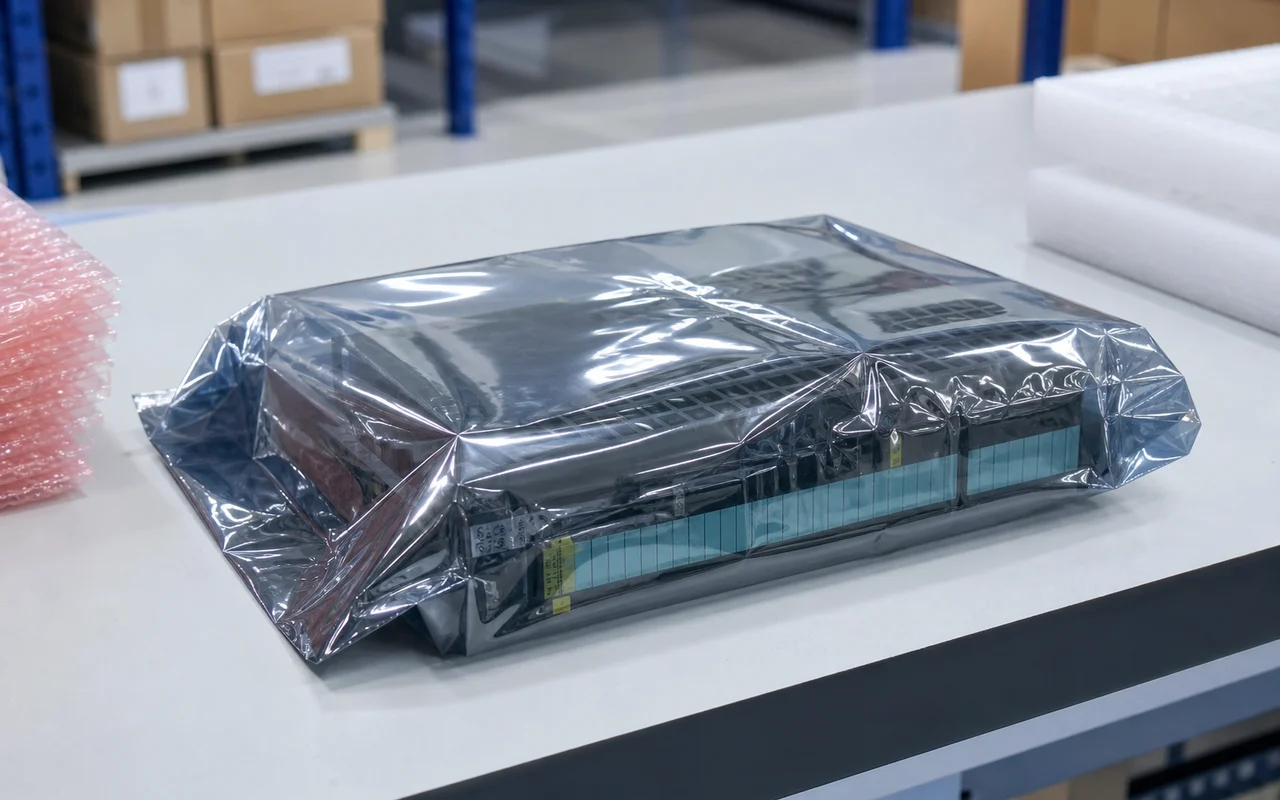 Anti-static Packaging
Modules are packed in anti-static bags to prevent electrostatic damage.
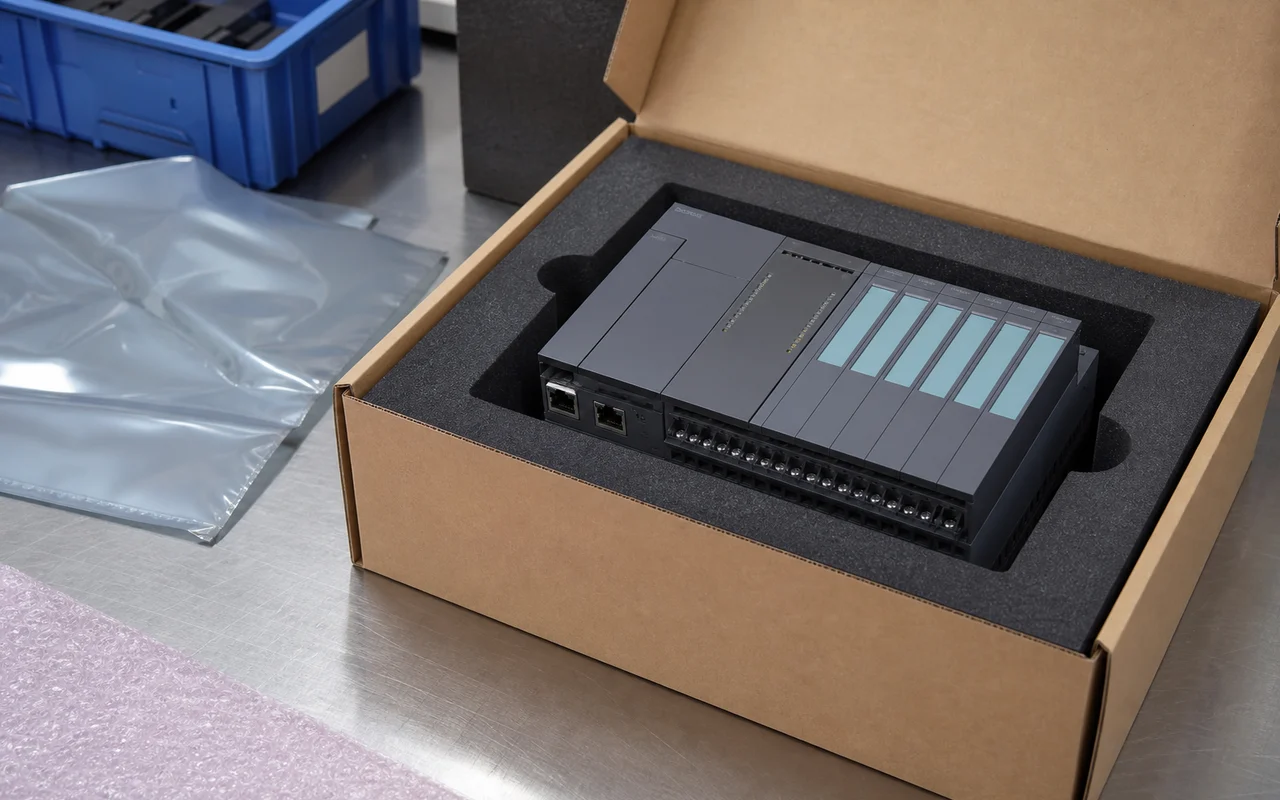 Secure Export Packing
Cushion protection and strong cartons ensure safe transportation.
 Worldwide Shipping
Global logistics network supports air, sea and express delivery.
 Documentation Check
Part number, revision and compatibility verified before shipment.
 After-sales Support
Professional technical support to help resolve your issues.