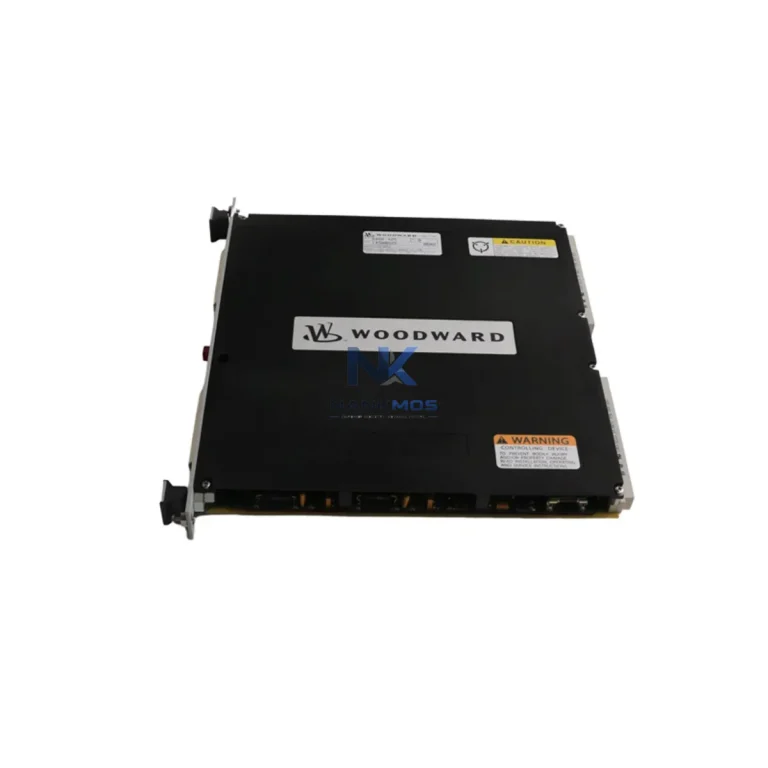
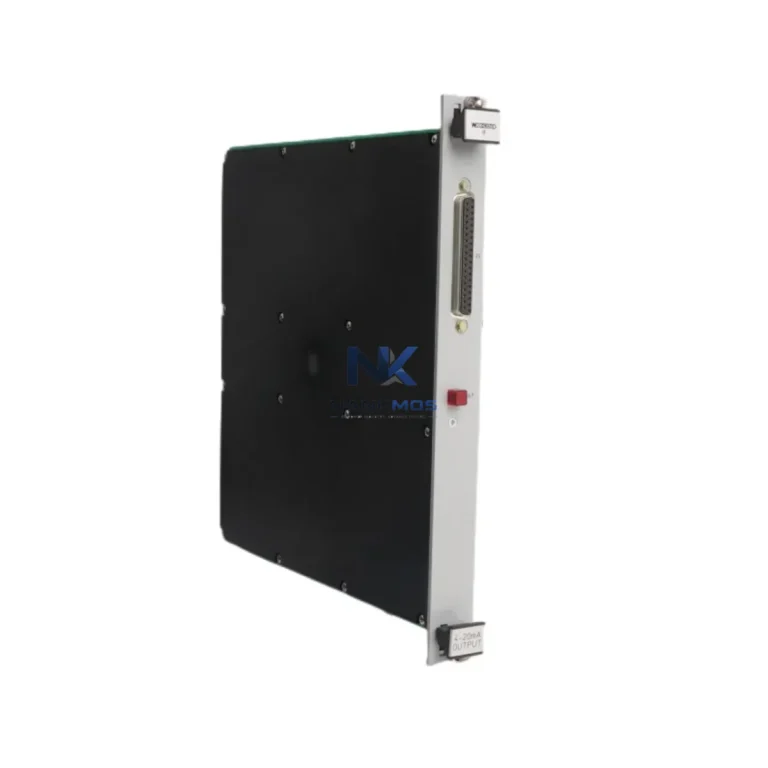
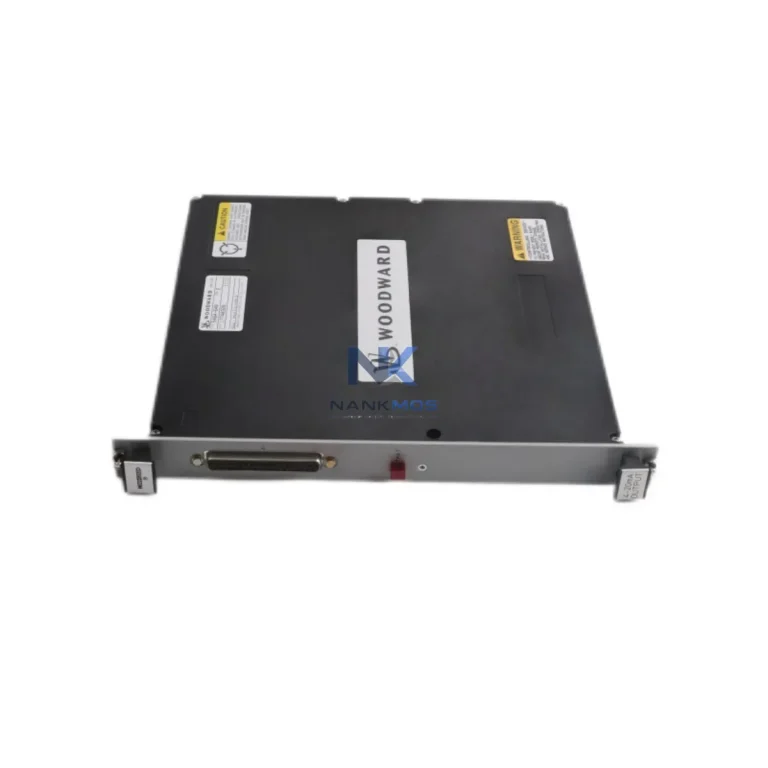
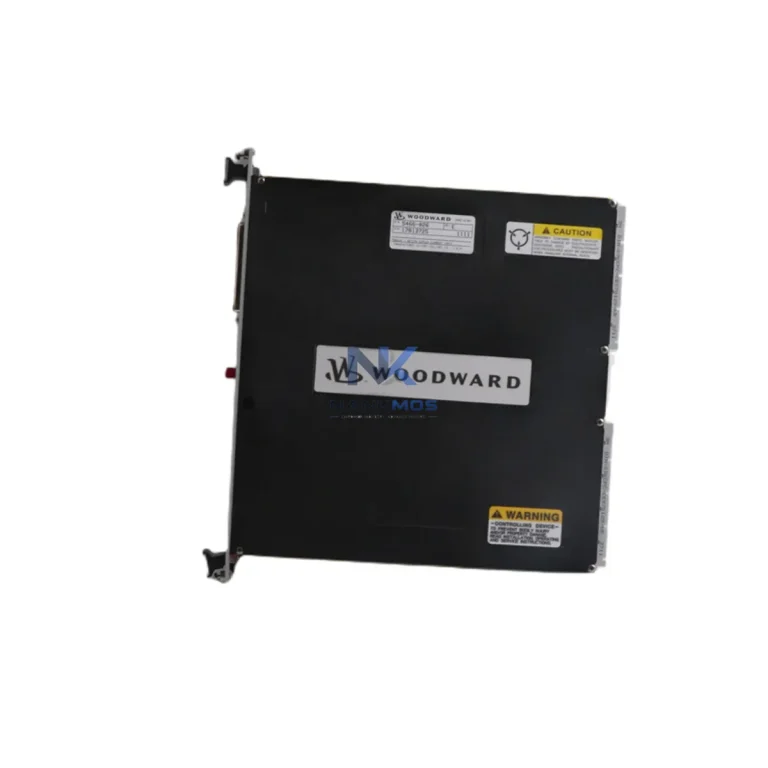
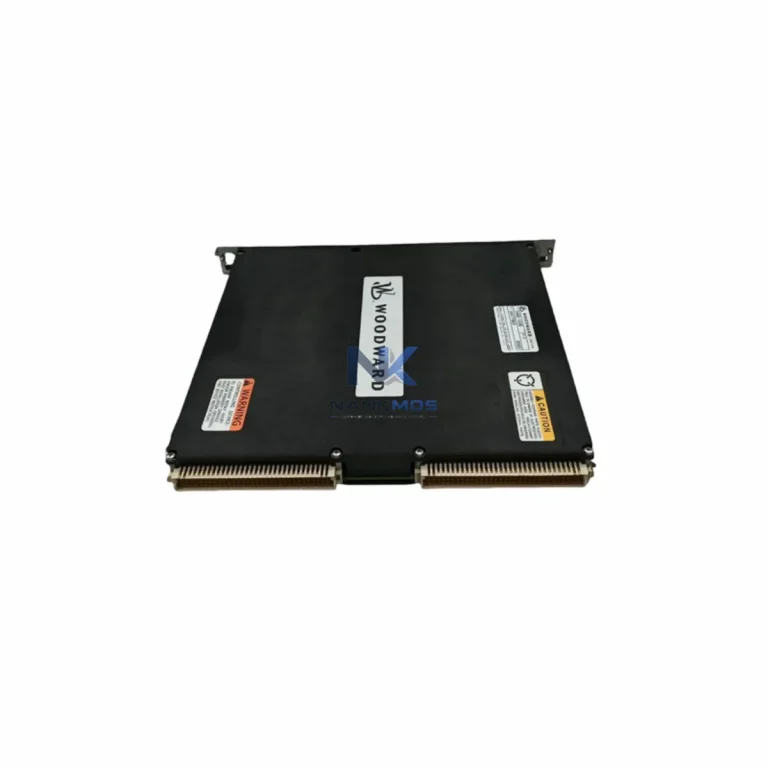
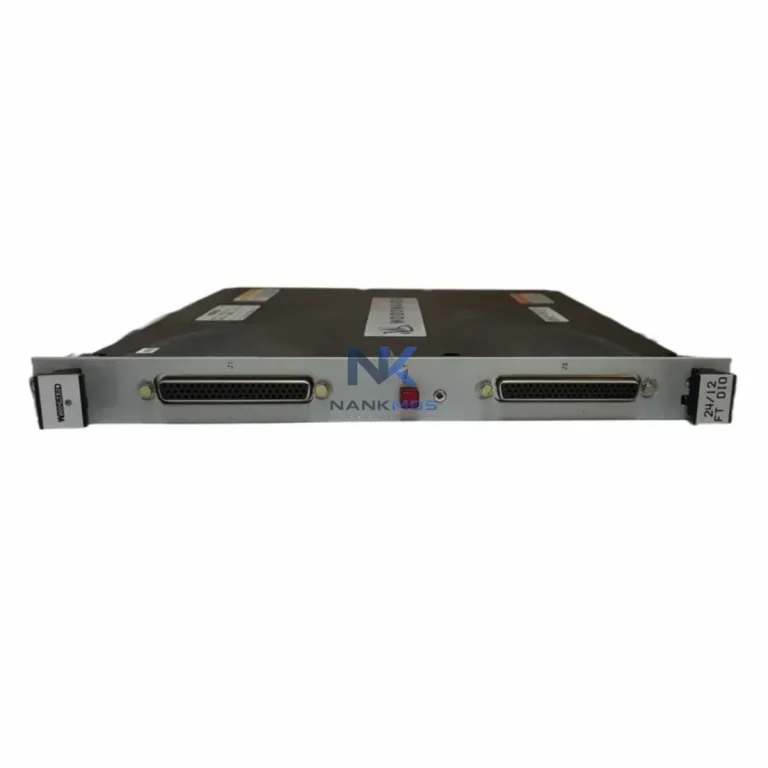
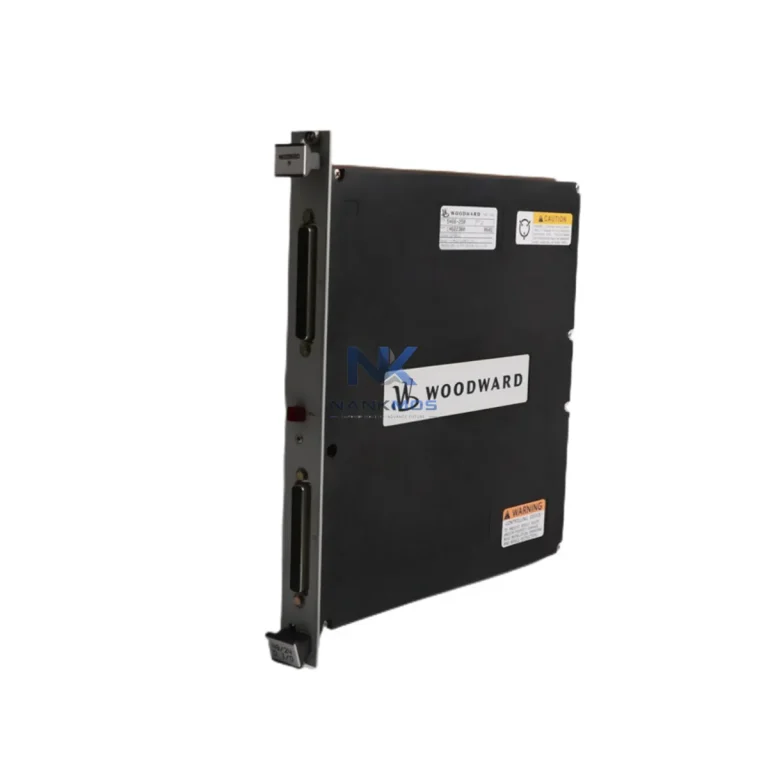
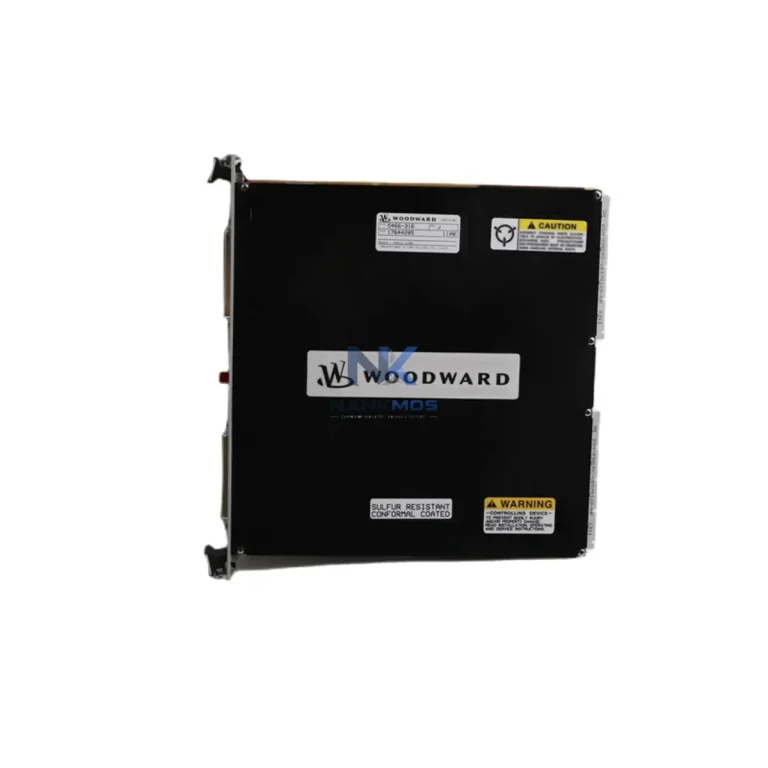
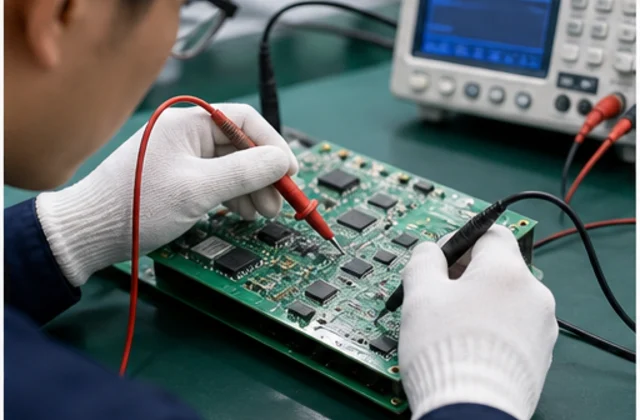
 Functional Inspection
100% tested on professional platforms to ensure stable performance.
Woodward GS3 9907-186 is a NANKMOS industrial automation product record Listed under Other series series and Business & Industrial > Automation, Control & Flow Devices > Programmable Logic Controllers. Confirm condition, availability, lead time, compatibility and documentation by email inquiry.
Brand names are used for identification only.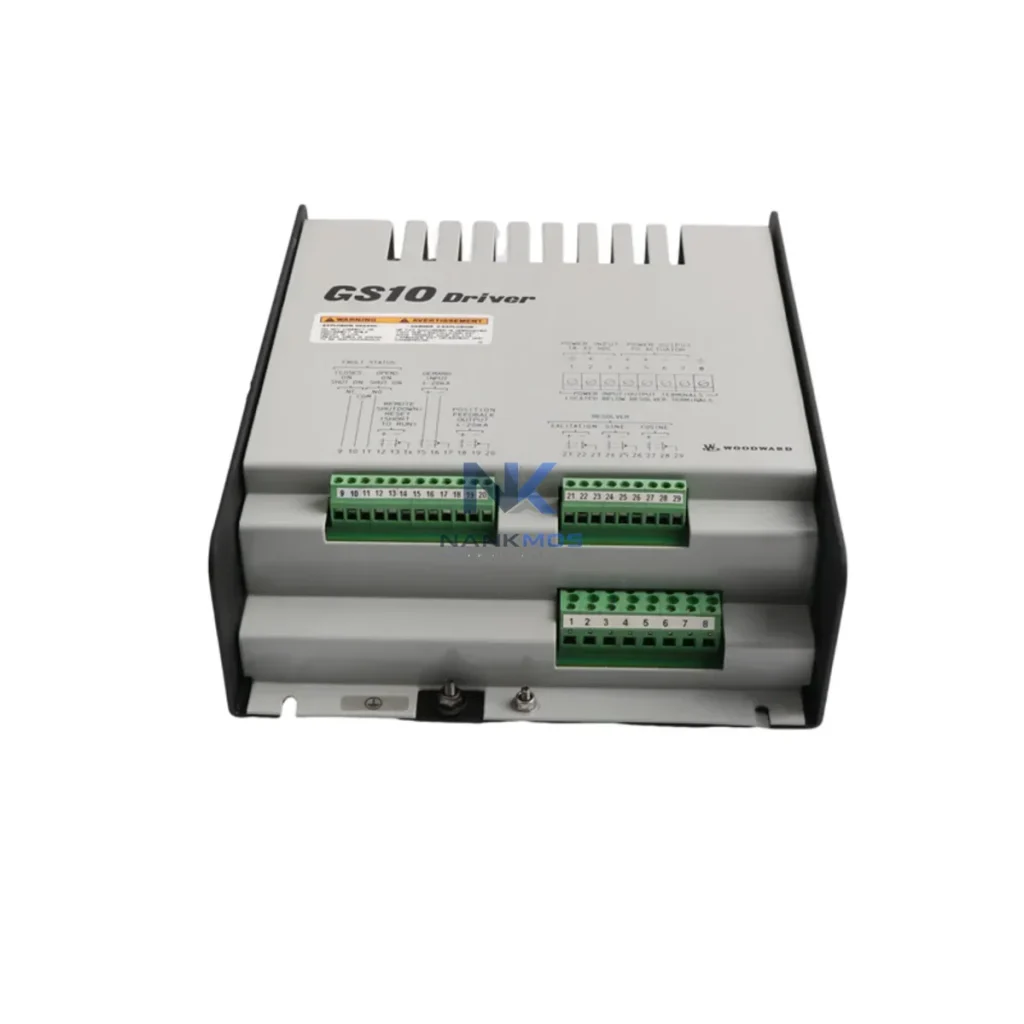
Woodward GS3 9907-186 is a NANKMOS industrial automation product record Listed under Other series series and Business & Industrial > Automation, Control & Flow Devices > Programmable Logic Controllers. Confirm condition, availability, lead time, compatibility and documentation by email inquiry.
| Manufacturer | Woodward |
|---|---|
| Application | Controller Processing & System Control |
| Part Number / Model | GS3 9907-186 |
| Compatible System | Confirmed by inquiry |
| Condition Options | To Confirm |
| Module Type | Controller / CPU Module |
| Warranty | 12 Months |
| Packaging | Anti-static Bag / Secure Box |
| Shipping Methods | DHL / FedEx / UPS / Air / Sea |
| Availability | To Confirm |
| Lead Time | To Confirm |
| Documentation | Part number and revision checked before quote |
The WOODWARD GS3 9907-186 is a precision-engineered Load Sharing Module designed for GS3 governor control systems deployed in power generation, oil & gas, marine propulsion, and industrial energy management environments. As smart factories and distributed energy sites demand tighter integration between field devices and supervisory systems, the GS3 9907-186 serves as a critical data link — bridging governor-level control signals with plant-wide SCADA, HMI, and DCS platforms. Its role in the industrial data chain extends from real-time load balancing at the generator level to transparent data visualization at the control room, enabling operators to monitor, diagnose, and optimize multi-generator sets from a single network interface.
In modern smart factory architectures, load sharing is no longer a standalone function. The GS3 9907-186 integrates directly with the WOODWARD GS3 governor platform, exchanging synchronization signals, load reference data, and fault status across the control network. When paired with WOODWARD's 2301D Load Sharing and Speed Control module or the 505 Digital Governor, the 9907-186 enables coordinated isochronous load sharing across parallel generator sets — ensuring stable frequency and voltage under dynamic load conditions. This level of coordination is essential in facilities where uninterrupted power is critical, such as offshore platforms, data centers, and continuous process plants.
The GS3 9907-186 sits at the intersection of generator-level control and plant-wide data infrastructure. In a typical smart factory or power plant deployment, the data flow begins at the prime mover — a diesel engine, gas turbine, or industrial generator — where the WOODWARD GS3 governor monitors speed and load in real time. The 9907-186 Load Sharing Module receives analog load reference signals from each generator on the shared bus, calculates the required load distribution, and feeds corrective signals back to the governor actuator. This closed-loop process happens in milliseconds, ensuring stable frequency across all parallel units.
Upstream from the GS3 governor, a WOODWARD easYgen-3000 series genset controller or a WOODWARD 2301D Load Sharing and Speed Control module aggregates operational data — active power, reactive power, frequency deviation, and fault codes — and transmits it via Modbus RTU or CANopen to a plant-level gateway. From there, a Moxa NPort serial-to-Ethernet device server or a Advantech ADAM-4570 serial gateway converts the serial data stream into Ethernet packets, making it accessible to SCADA platforms such as Ignition by Inductive Automation or Wonderware System Platform. Operators at the HMI workstation — running on a Siemens SIMATIC Panel or a Rockwell PanelView — can view real-time load curves, generator synchronization status, and alarm histories without leaving the control room.
For remote diagnostic capability, the data path extends further: an industrial 4G LTE router or an edge computing gateway such as the Advantech ECU-1251 aggregates the Modbus data and pushes it to a cloud-based monitoring dashboard. This enables maintenance engineers to track load imbalance trends, detect early signs of governor drift, and schedule predictive maintenance interventions before unplanned shutdowns occur. The GS3 9907-186 is therefore not just a load sharing device — it is the foundational data node that makes generator-level intelligence visible across the entire smart factory network.
Many industrial power sites still operate with isolated generator control systems that cannot communicate with plant SCADA or ERP platforms. The WOODWARD GS3 9907-186 addresses this data gap by providing a standardized load sharing signal that upstream gateways and protocol converters can interpret and relay. Sites that previously relied on manual load balancing — with operators physically adjusting governor setpoints — can now automate this process and feed the results into a centralized data historian.
Protocol fragmentation is another common challenge. Generator sets from different manufacturers may use proprietary communication formats, making it difficult to build a unified monitoring view. By standardizing on the WOODWARD GS3 load sharing bus, the 9907-186 creates a consistent data layer that Modbus RTU bridges, OPC-UA servers, and SCADA middleware can consume without custom engineering. This reduces integration time, lowers commissioning costs, and accelerates the path to full plant transparency.
Remote monitoring and alarm management are equally critical. Without real-time visibility into load distribution, operators may not detect a generator carrying disproportionate load until a fault occurs. The 9907-186, integrated into a connected data chain, enables threshold-based alarms to be configured in the SCADA system — triggering notifications when load imbalance exceeds acceptable limits, when frequency deviation persists beyond a set duration, or when a generator drops off the shared bus unexpectedly. This proactive alarm architecture reduces mean time to repair (MTTR) and supports compliance with industrial reliability standards.
System scalability is also a key benefit. As power plants expand — adding new generator sets, integrating renewable energy sources, or connecting to microgrid controllers — the GS3 9907-186 can be incorporated into the expanded load sharing network without redesigning the control architecture. Its compatibility with the broader WOODWARD GS3 ecosystem ensures that new units can be commissioned and synchronized quickly, supporting phased capacity expansion without operational disruption.
Q1: What communication protocols does the WOODWARD GS3 9907-186 support, and how does it integrate with SCADA systems? The GS3 9907-186 operates on the WOODWARD GS3 analog load sharing bus, which uses a multi-drop signal architecture to coordinate load distribution among parallel generators. For SCADA integration, the load sharing data is typically accessed via the upstream GS3 governor controller (such as the WOODWARD 2301D or easYgen-3000), which supports Modbus RTU or CANopen communication. A serial-to-Ethernet gateway then bridges this data to the SCADA network, enabling real-time visualization and alarm management without modifying the core governor control loop.
Q2: How does the 9907-186 ensure network stability in multi-generator parallel operation? The module continuously monitors the load sharing bus for signal integrity and adjusts load reference outputs to maintain isochronous frequency across all connected generators. In the event of a communication interruption on the shared bus, the GS3 governor reverts to droop mode, preventing a single point of failure from causing a total plant outage. This fail-safe behavior ensures that network instability at the communication layer does not translate into power quality degradation at the generator output.
Q3: Can the GS3 9907-186 support remote diagnostics and predictive maintenance workflows? Yes. When the GS3 governor system is connected to an upstream Modbus gateway or OPC-UA server, operational parameters — including load setpoint, frequency error, and synchronization status — can be logged to a data historian and analyzed for trend deviations. Maintenance teams can configure threshold alerts in the SCADA platform to flag early signs of governor drift or load imbalance, enabling condition-based maintenance scheduling. Remote access via industrial VPN or 4G LTE router further extends diagnostic capability to off-site engineering teams.
Q4: What warranty and supply conditions apply to the WOODWARD GS3 9907-186? All WOODWARD GS3 9907-186 units supplied by NANKMOS are covered by a 12-Month Warranty against manufacturing defects and functional failures. Units are pre-tested prior to shipment to verify load sharing signal output and communication integrity. Stock is maintained for immediate dispatch, with global shipping available to support urgent maintenance and replacement requirements. For volume orders or project-specific lead time inquiries, contact [email protected] or call +86 18359268345.
Functional Inspection100% tested on professional platforms to ensure stable performance.
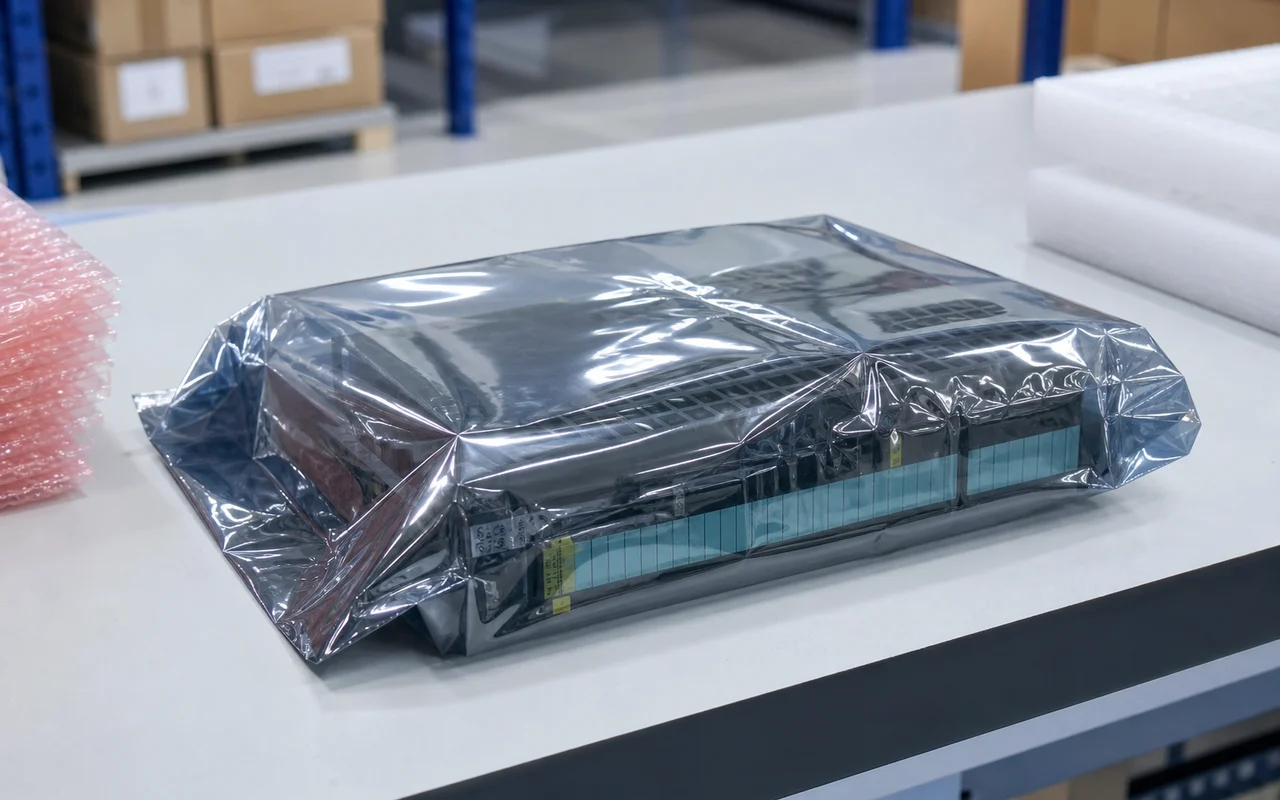 Anti-static Packaging
Modules are packed in anti-static bags to prevent electrostatic damage.
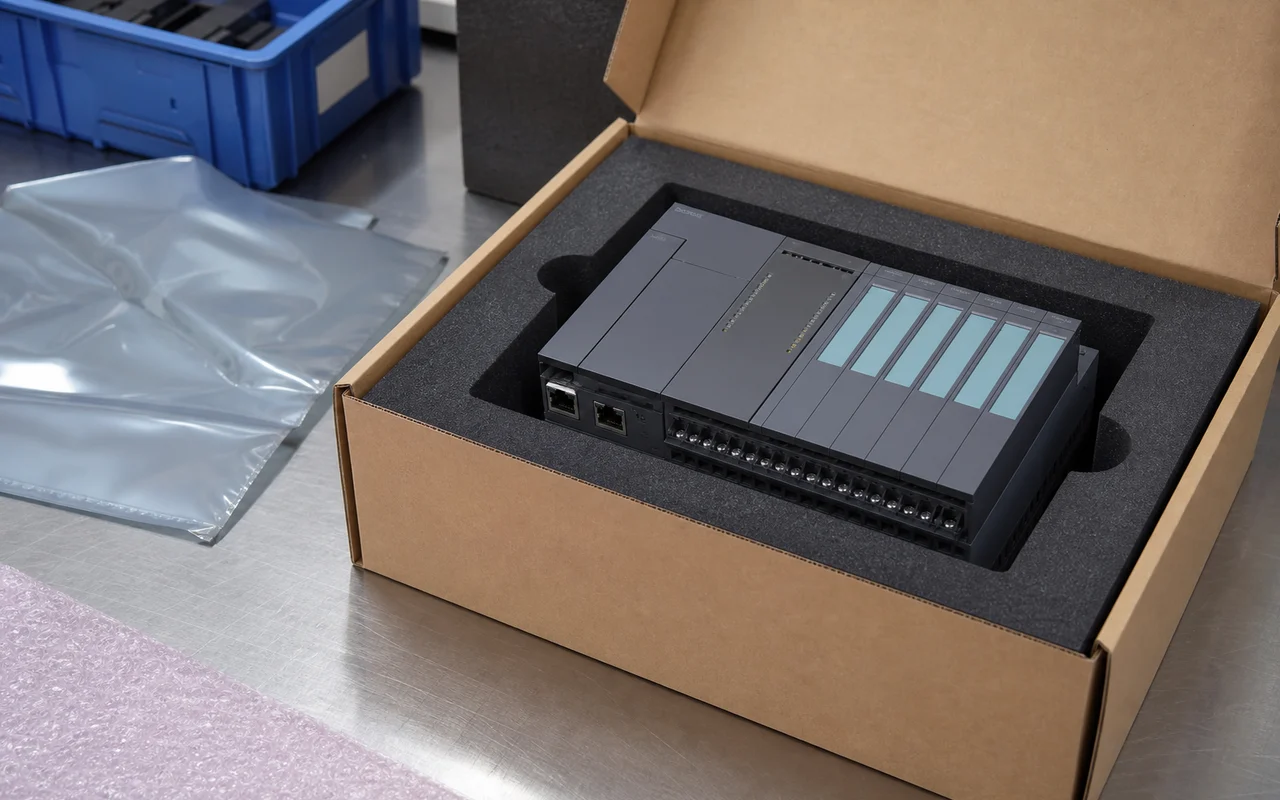 Secure Export Packing
Cushion protection and strong cartons ensure safe transportation.
 Worldwide Shipping
Global logistics network supports air, sea and express delivery.
 Documentation Check
Part number, revision and compatibility verified before shipment.
 After-sales Support
Professional technical support to help resolve your issues.